Heat transfer ribbons consist of an ultra-thin PET base film, heat-resistant coating, and ink layer, with a total thickness ranging from only 4.5 microns to 20 microns. Choosing a slitting machine essentially means guarding the final quality threshold for this thin, cicada-wing-thin material—if you choose the right one, the finished product edges will be neat and the printing smooth; If you choose the wrong one, problems like burrs, broken bands, and uneven rolls will follow.
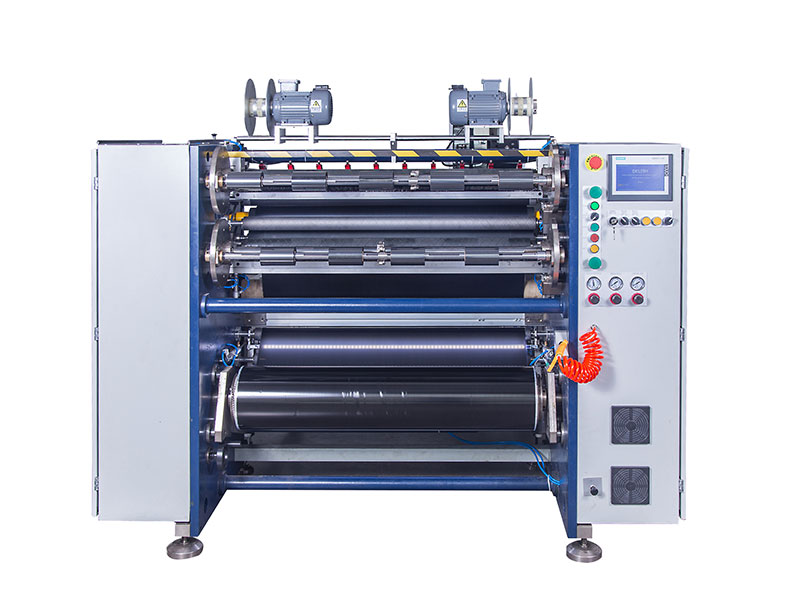
First, focus on three core parameters
Faced with various technical parameters, buyers are most likely to fall into the misconception that "the higher, the better." In fact, by focusing on the following three core indicators, you can quickly determine whether a piece of equipment meets your production needs.
Slitting precision: the lifeline of quality
Slitting accuracy directly determines the width consistency and edge quality of the finished ribbon. Industry standard reference: Standard slitting machine accuracy is about ±0.5mm; High-precision models can be controlled within ±0.1mm or even ±0.05mm. Insufficient precision can cause ribbon edges to become rough, tape misalignment during printing, or even damage to the print head—this is a major taboo in thermal transfer printing.
When selecting models, do not trust theoretical values blindly; be sure to ask manufacturers to provide actual slitting sample test data, and prioritize equipment equipped with servo control tension systems and high-rigidity tool holder structures.
Slitting speed: the measure of efficiency
Slitting speed determines output per unit time, but you can't just look at the nominal maximum speed. Common speed ranges are as follows:
| Level | Speed range | Applicable scenarios |
| Low-speed economy model | 50–100m/min | Small batch, multi-variety production |
| Medium-speed universal model | 150–250m/min | Most commercial orders |
| High-speed production model | 300–500m/min | Mass continuous production |
It is important to note that the actual usable speed is greatly affected by the ribbon material. Resin-based ribbons have harder coatings and lower toughness, so they usually need to operate at speeds 20%–30% lower than wax-based ribbons. When selecting, require the manufacturer to conduct on-site trial cutting using the ribbon specifications you actually use, observing the start-stop control and winding effects at high speeds.
Roll neatness: a key metric that is often overlooked
The neatness of winding directly affects the smoothness of the backend packaging and the printer's tape flow. Face deviation should generally be controlled within ±1mm, with high-end equipment reaching up to ±0.5mm. Common issues such as "bell-mouthed" end faces, "serrated edges," or internal wrinkles stem from inadequate tension control systems and correction devices. When selecting models, choose models equipped with closed-loop tension control + active deviation correction.
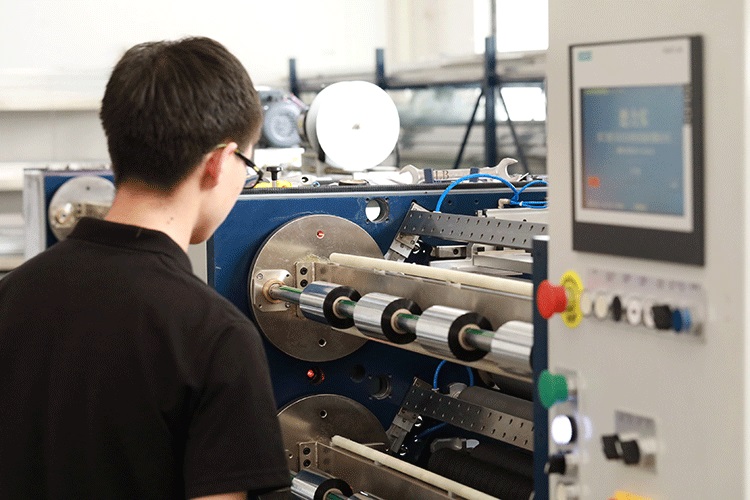
2. Tension Control Is the "Soul" of Equipment
Tension control is the core technical challenge in ribbon slitting, and is even called the "soul" of slitting machines in the industry.
If the tension is too high, the PET base film of the ribbon will be tensile and damaged, causing physical changes in the ink layer and easily causing powder shedding; Insufficient tension makes the ribbon prone to wrinkles, resulting in white lines and indentations during printing; If the tension is too loose, the finished product may experience tube core misalignment or ribbon sideslip during transportation or installation.
Selection recommendation: Prioritize the fully automatic closed-loop tension control system, which can monitor and adjust tension in real time at every stage such as unwinding, traction, and rewinding. For ultra-thin ribbons (< 5μm), and attention must also be paid to whether the minimum stable tension value of the equipment meets the requirements. In terms of winding shaft configuration, slip shafts are essential for high-end ribbon production—each roll of material is associated with an independent slip ring, allowing real-time torque adjustment based on changes in roll diameter, effectively solving the issues of "loose inside, tight outside" or "core core." Pneumatic slip shafts have higher control precision than mechanical ones.
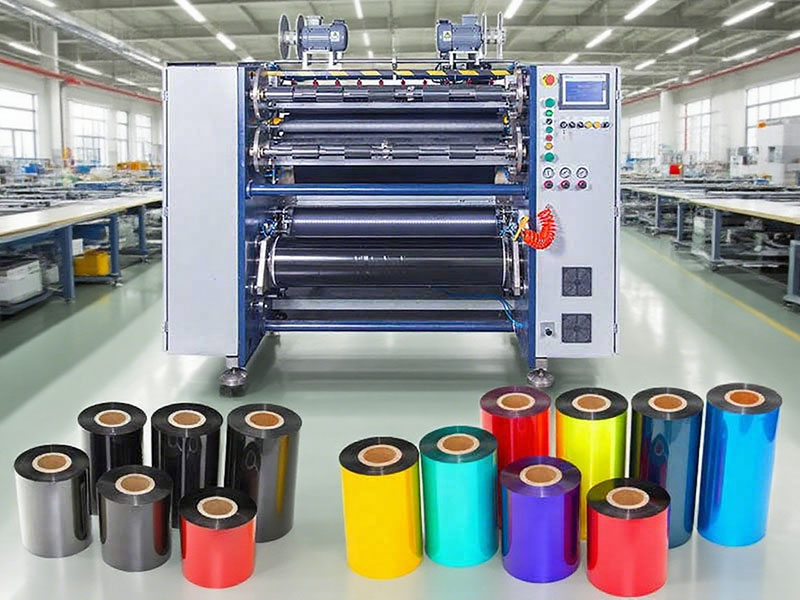
3. Blade Type Selection: Square Knife or Round Knife?
Blade type selection directly affects product quality and production efficiency, with the industry typically using 100μm as the reference line.
Square knife (razor cut): The "specialist" of thin ribbons. Suitable for slitting thin ribbons below 70μm, enabling higher slitting accuracy and better edge uniformity. Double-sided blades are suitable for relatively flexible thin strips, while single-sided square blades are better suited for 70–130μm and more rigid materials.
Circular blade (scissor cutting): The main tool for thick materials. When the ribbon film thickness exceeds 100μm, round blades are preferred for slitting. The circular blade cuts quickly and is highly durable, suitable for mass production.
Quick judgment: For long-term use of thin wax-based or mixed-base ribbons, → square knives are preferred; Thick resin-based ribbons or ribbons with paper backing → circular knives are more suitable.
4. Rolling Methods and Hardware Configuration
The winding method affects the flatness of the end face. The central winding structure is simple, suitable for general requirements; Surface winding relies on friction rollers to drive the paper roll, effectively eliminating tension fluctuations, resulting in a neater end face, making it more suitable for high-speed slitting and soft materials. For high-end ribbons, prioritize models with surface winding or center/surface switching.
Frame rigidity is equally important—the thick frame can effectively absorb vibrations during slitting, ensuring long-term stability of precision. Prioritize equipment using high-strength cast iron or thick steel frames, and pay attention to brands of drive bearings and guide rails (such as THK, NSK, INA, etc.).
5. Selection Action Checklist
1. Clarify requirements: List the main types of ribbons you slitting (wax-based/mixed/resin-based), commonly used width ranges, daily capacity, and precision requirements.
2. Request detailed configuration sheets: Request configuration lists from at least three suppliers and compare the brands and models of core components (motor, sensor, blade brand, etc.).
3. On-site trial cutting required: Take your own ribbon roll to the manufacturer for on-site testing. Focus on edge quality under different width specifications, stability during high-speed start-stop times, and tension consistency after continuous operation. "Purchasing without watching the demo is a risk."
4. Assess after-sales service: Clearly define warranty periods, installation and commissioning training, after-sales response times (e.g., 4-hour response, 24-hour on-site visits), and consumable parts stocking, all documented in the contract.
A good ribbon slitting machine is not only a production tool but also a part of quality control. By mastering the three core parameters of precision, speed, and neatness, combined with your product structure and production requirements, you can select the right model that truly improves efficiency and reduces losses.
 English
 Deutsch
 Français
 Español
 Português
 日本語
日本語 русский
 한국어
한국어 عربي
عربي ภาษาไทย
 Tiếng Việt
 Italiano
 Thermal Transfer Ribbons Packaging Machine
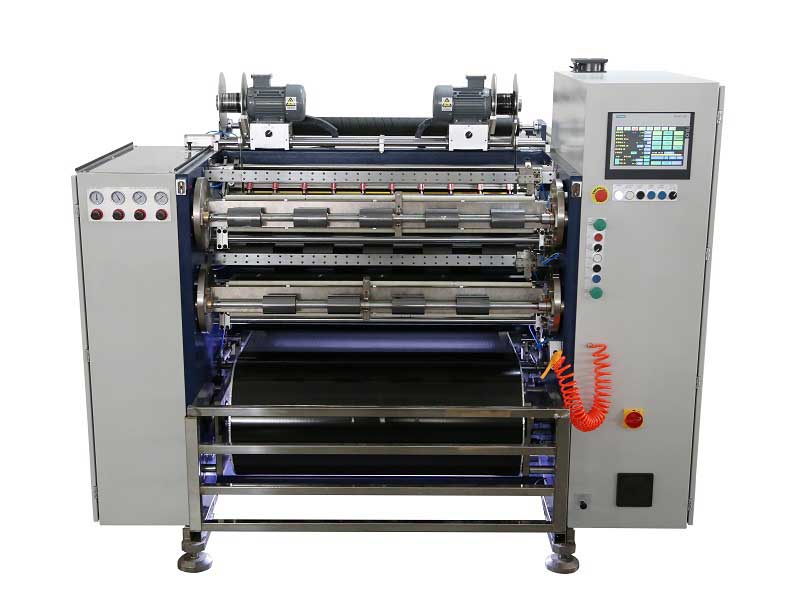 Automatic Thermal Transfer Ribbon Slitting Machine RSDS8 H PLUS
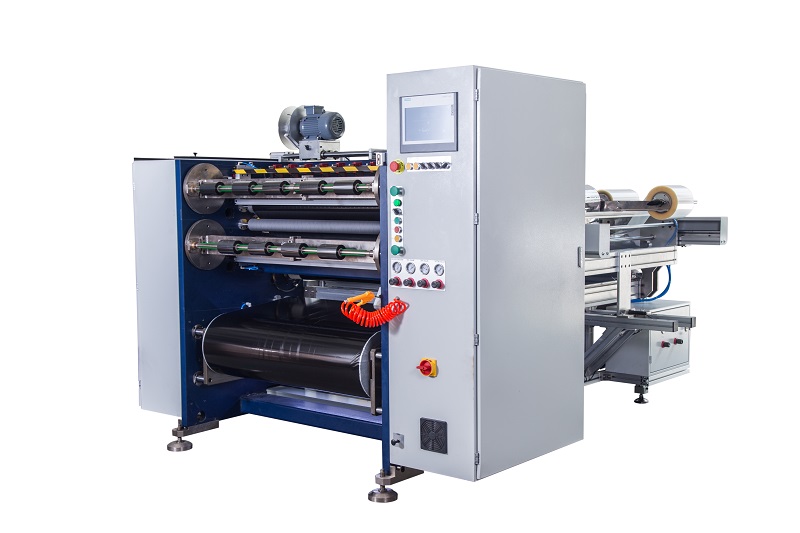 Semi Automatic Thermal Transfer Ribbon Slitting Machine RSDS5 PLUS
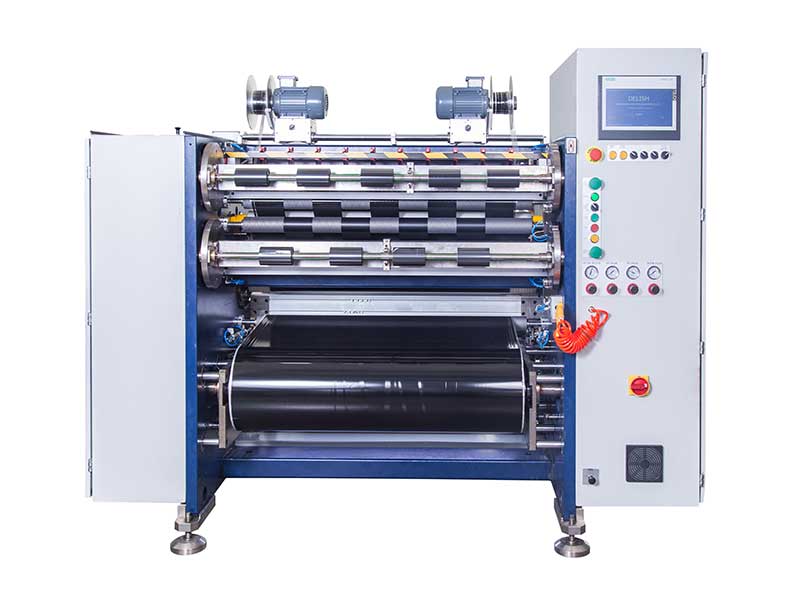 TTR Slitting Machine
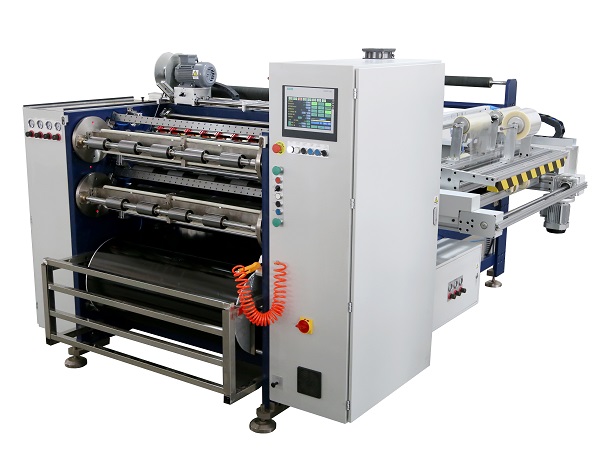 Automatic Thermal Transfer Ribbon Slitting Machine RSDS8 PLUS
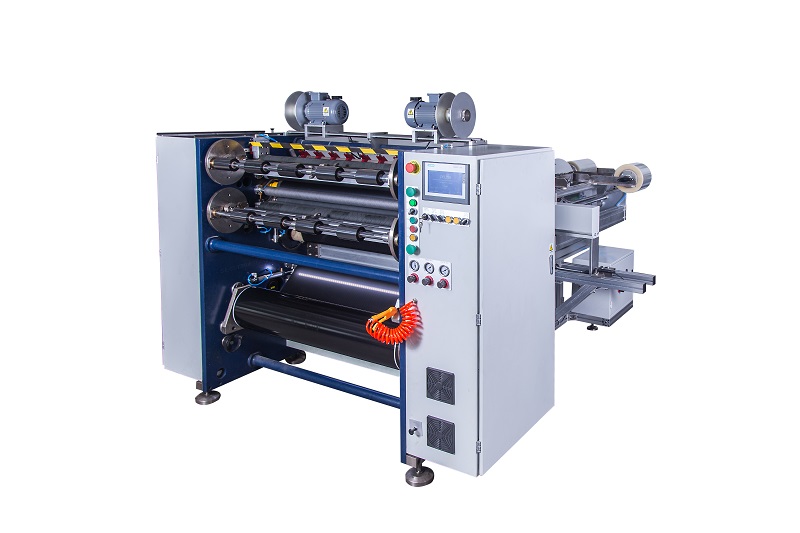 Semi Automatic Thermal Transfer Ribbon Slitting Machine RSDS1 PLUS
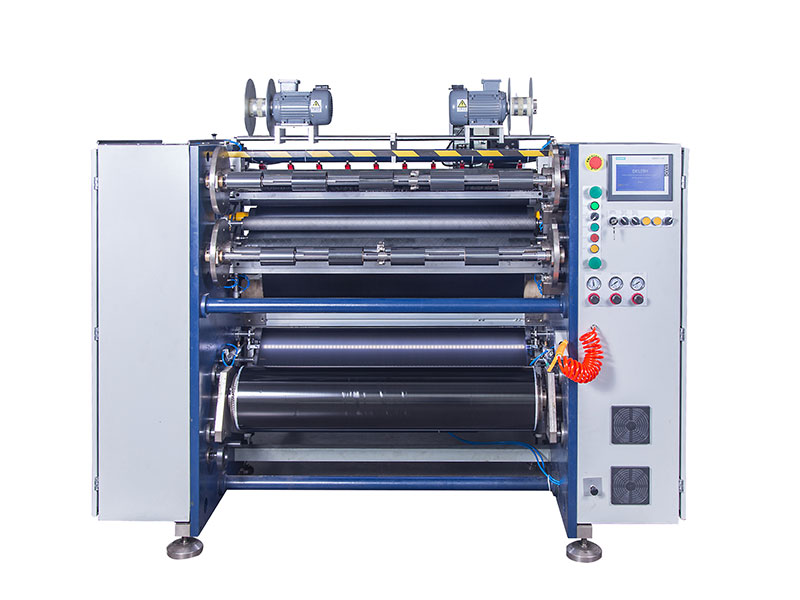 Ribbon Slitting Machine


 +86 135 9951 7291
 support@delishmachine.com