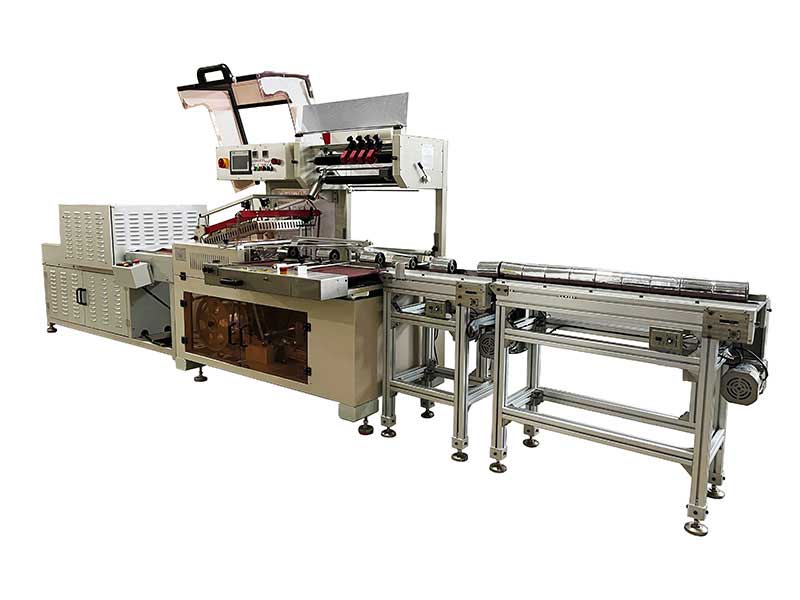
In the thermal transfer printing consumables industry, ribbon slitting is a key link connecting the coating master roll with terminal printer consumables. For a long time, this process relied heavily on the feel and experience of skilled workers—manual feeding, knife setting, tension adjustment, and roll unloading. Each worker watched a machine, busy barely touching the ground. Difficulties in recruitment, rising labor costs, and significant quality fluctuations have become real pain points troubling ribbon processing enterprises. The widespread adoption of fully automatic ribbon slitting machines is changing this situation. Its core value can be summed up in six words: efficient, stable, and labor-saving.
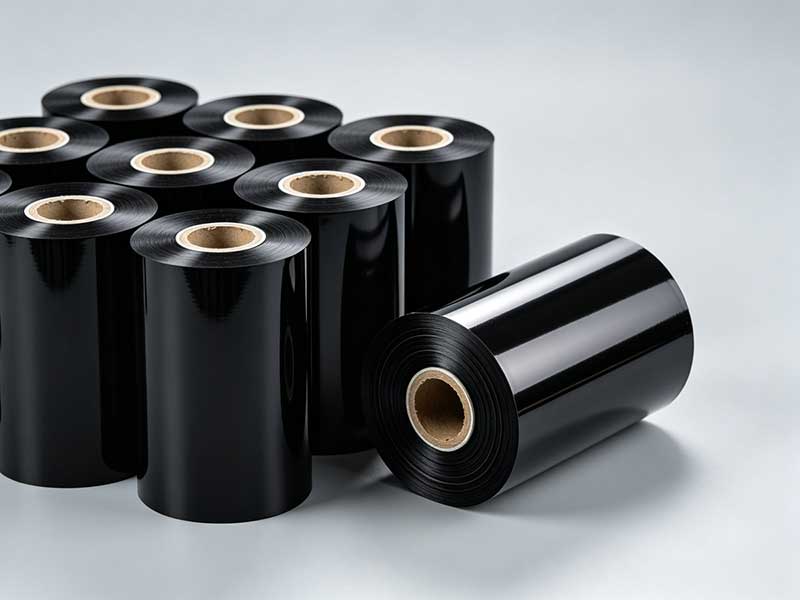
The improvement in efficiency is obvious. Semi-automatic equipment is limited by manual loading, unloading, and pipe replacement rhythms, with an effective operating rate often of only about 60%. The fully automatic model integrates automatic feeding, automatic tension control, automatic offset correction, automatic discharge, and automatic tube change functions. Operators only need to set parameters, and the equipment can run continuously. Currently, mainstream fully automatic ribbon slitting machines can reach speeds of up to 400 meters per minute, with some high-end models even exceeding 500 meters. More importantly, the automatic shaft change and automatic film packaging functions eliminate the time lost from frequent downtime and roll changes, increasing overall equipment efficiency to over 85%, and increasing output by 20% to 30% next year for the same number of machines.
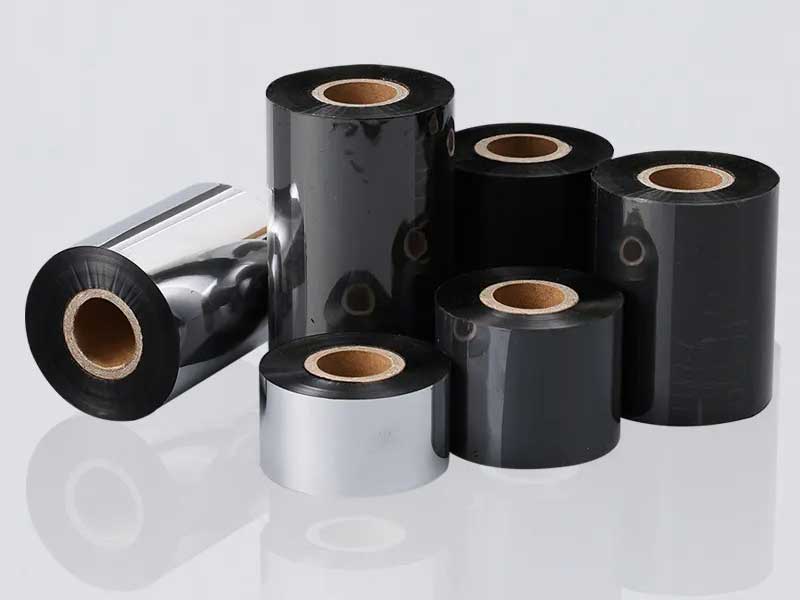
Stability is directly reflected in the quality of the slit. The ribbon substrate is extremely thin, with a typical thickness of only 4.5 to 6 microns; even slight fluctuations in tension can cause tensile deformation or uneven end faces. Even with experienced workers watching the entire process, sudden tension changes during roll changes are hard to avoid. The fully automatic equipment uses a servo motor-driven constant tension closed-loop control system that detects changes in coil diameter in real time and automatically adjusts the tension for winding and unwinding. Combined with high-precision carbide circular cutters, the flatness of the slitting end face is controlled at the micron level. Data shows that the scrap rate in fully automatic mode can drop from 2%–3% in semi-automatic mode to within 0.5%. For high-density barcode printing, edge burrs or minor wrinkles can cause white lines or broken tape, and the value of stability goes far beyond the defect rate figure.
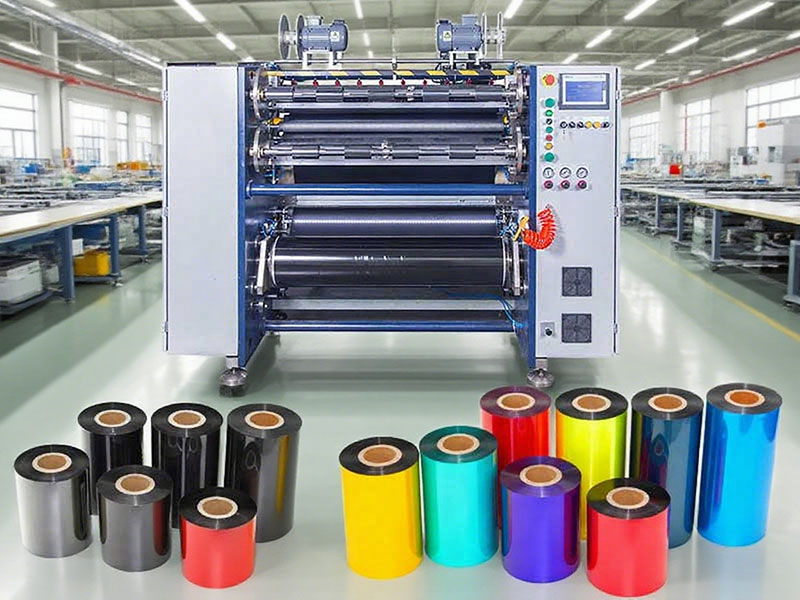
Saving labor is the most practical solution. In semi-automatic mode, each machine requires one dedicated operator per shift, so ten machines work two shifts, resulting in a staff of twenty. After upgrading to full automation, one operator can oversee three to five machines simultaneously, and two shifts of ten machines require only four to six people. Based on a monthly comprehensive cost of 6,000 yuan per person, the monthly labor cost savings are close to 100,000 yuan, and over one million yuan per year. This does not even include recruitment difficulty and training costs—the operating threshold for fully automated equipment is significantly lower than that of semi-automatic equipment, allowing newcomers to start work after simple training, so companies are no longer constrained by the loss of "veteran workers."
Of course, the initial investment for fully automatic equipment is higher than for semi-automatic models. However, considering the benefits of labor savings, waste reduction, and capacity improvement, most carbon ribbon processing enterprises have an investment payback period between six and twelve months. Against the backdrop of continuously rising labor costs and end-user orders tending toward "small batches and multiple varieties," fully automatic ribbon slitting machines have shifted from an "upgrade option" to a "survival standard." It transforms the cutting workshop from a noisy, chaotic scene into a quiet, continuous, and predictable production line—perhaps the simplest yet most powerful footnote of intelligent manufacturing in the field of consumables manufacturing.
 English
 Deutsch
 Français
 Español
 Português
 日本語
 русский
 한국어
 عربي
 ภาษาไทย
 Tiếng Việt
 Italiano
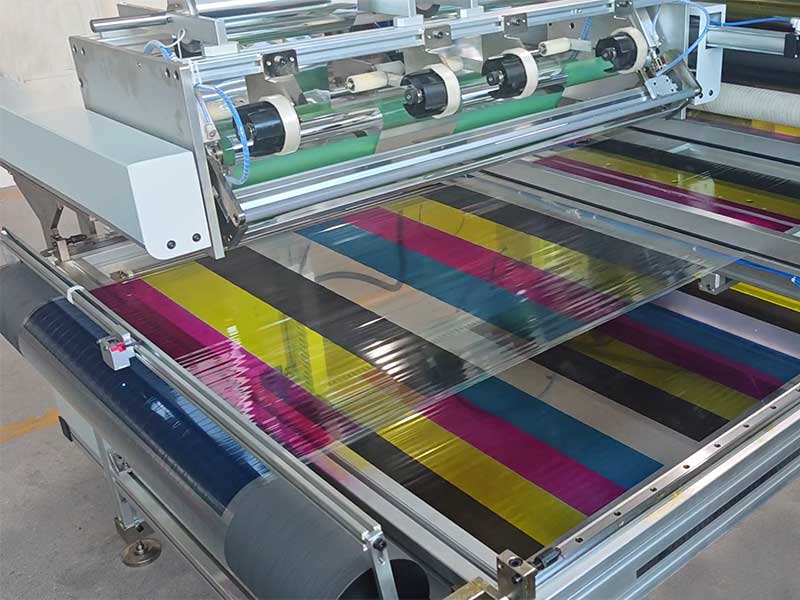
 Thermal Transfer Ribbons Packaging Machine
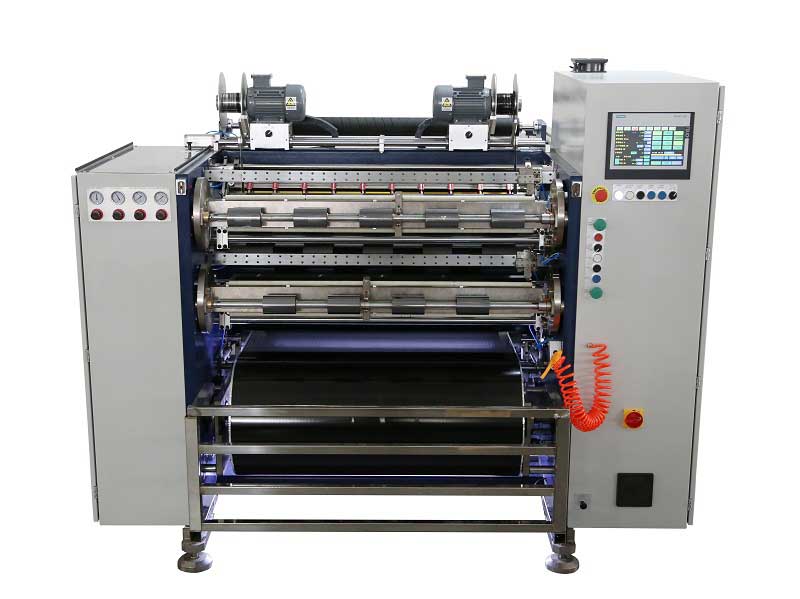 Automatic Thermal Transfer Ribbon Slitting Machine RSDS8 H PLUS
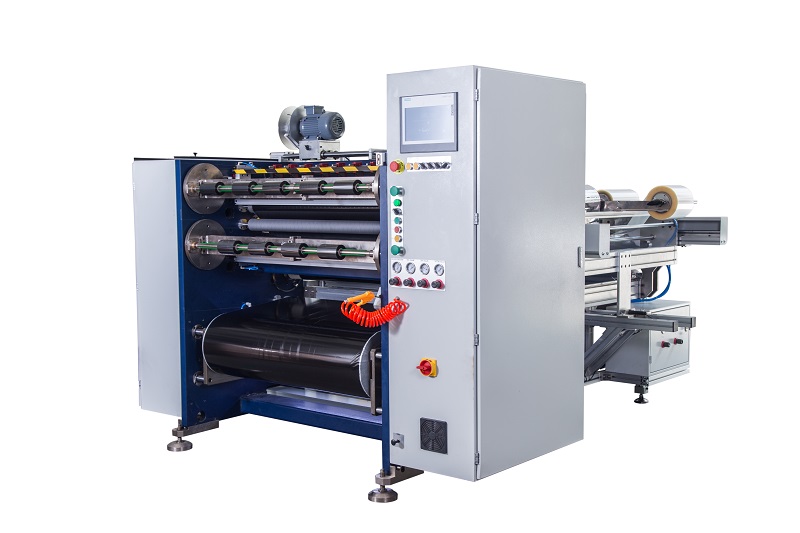 Semi Automatic Thermal Transfer Ribbon Slitting Machine RSDS5 PLUS
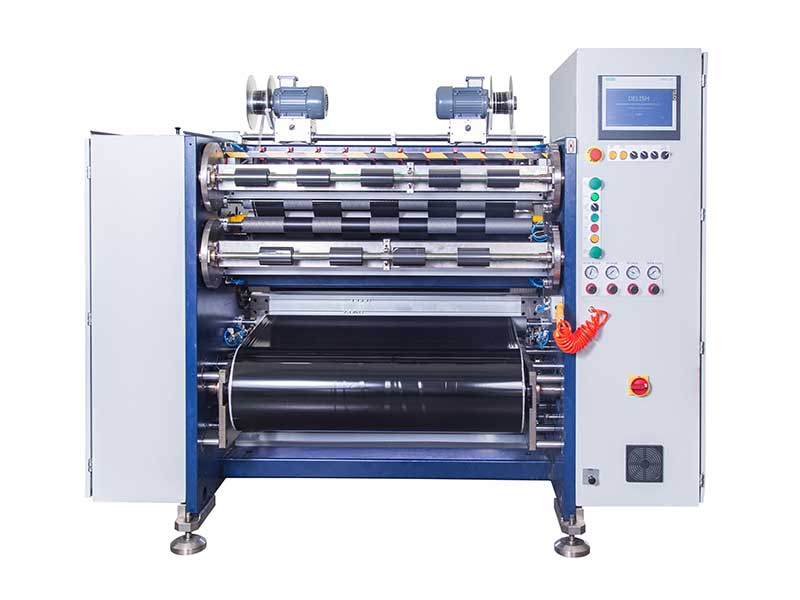 TTR Slitting Machine
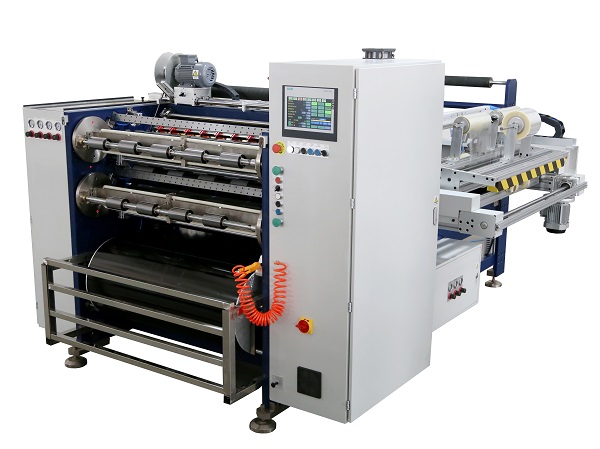 Automatic Thermal Transfer Ribbon Slitting Machine RSDS8 PLUS
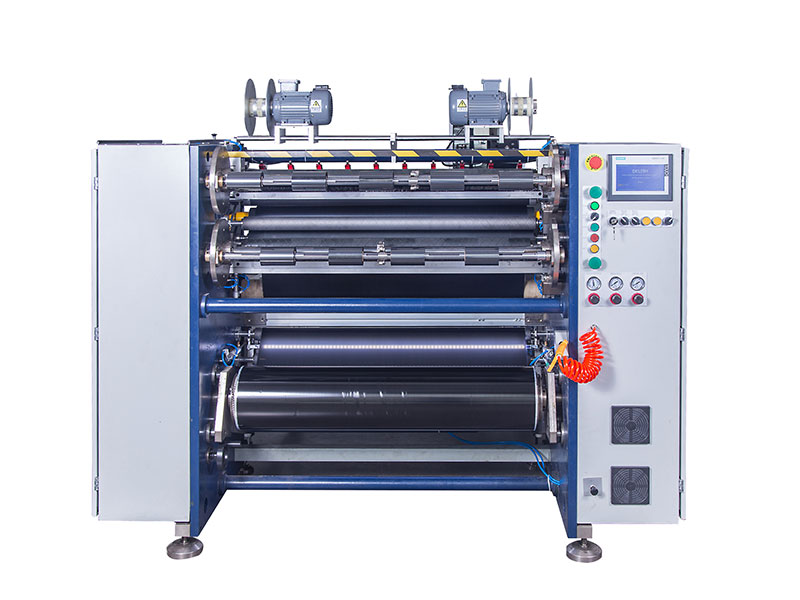 Barcode Ribbon Slitting Machine
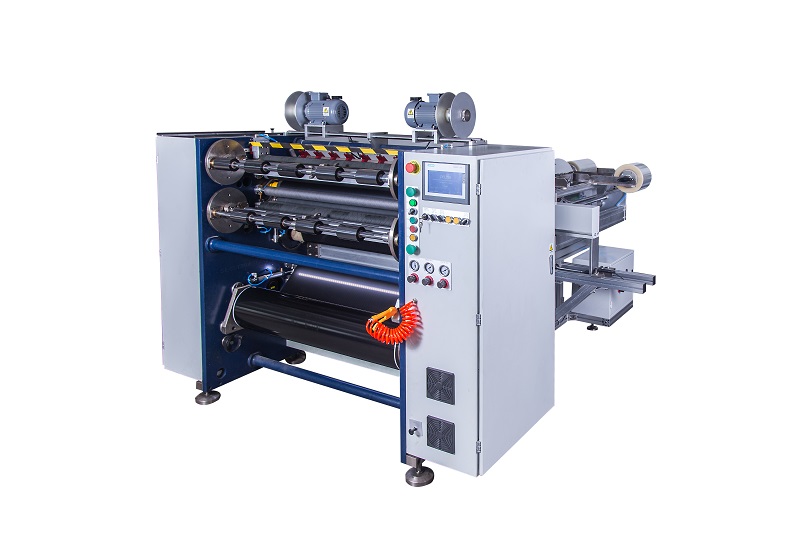 Semi Automatic Thermal Transfer Ribbon Slitting Machine RSDS1 PLUS
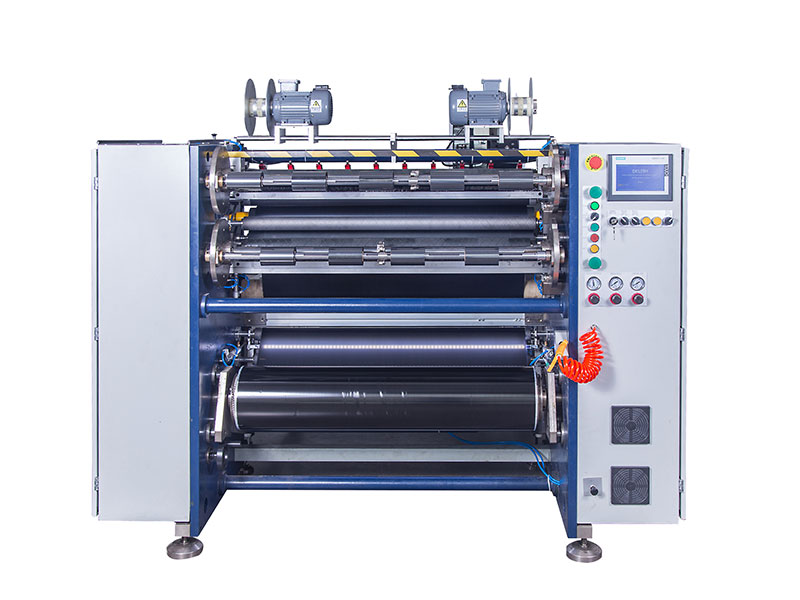 Ribbon Slitting Machine


 +86 135 9951 7291
 support@delishmachine.com
