When buying a ribbon slitting machine, the biggest worry is discovering "incompatibility issues" after purchase—either insufficient slitting accuracy or edge burrs damaging the print head; or the speed can't pick up, becoming a bottleneck in production capacity; Or the tension is unstable, causing the slitted ribbon to be loose and unusable.
In fact, choosing the right slitting machine isn't that mysterious; the key lies in a few core parameters. Once you master these parameters, you'll grasp the "key point" in choosing a model.
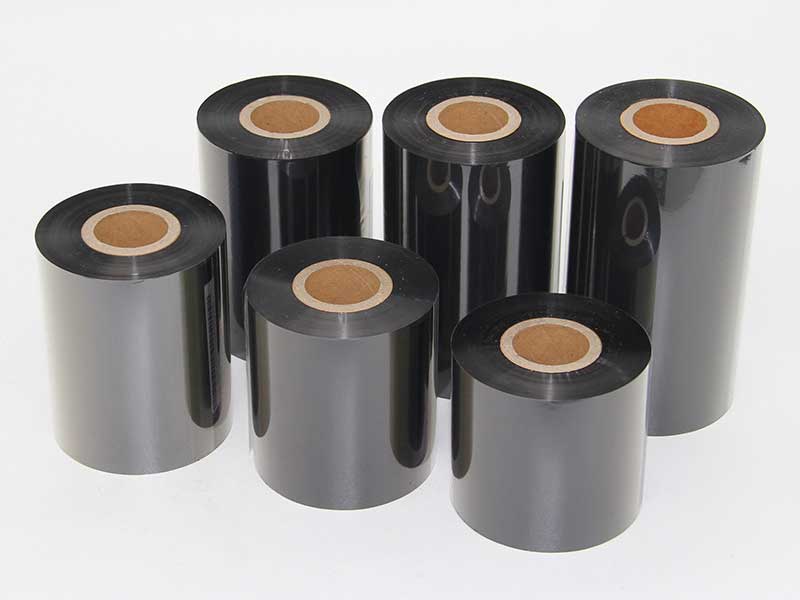
1. Slitting Precision: Whether it's good to use depends on the precision
Precision is the core hard metric of ribbon slitting machines, directly determining whether the finished product meets the stringent requirements of downstream printers. The total ribbon thickness is usually only 4.5-20 microns, and even slight deviations in precision can easily cause burrs at the edges. These fine burrs can directly wear down the print head during printing, resulting in costly equipment losses.
Industry precision standards are roughly divided into three levels:
• Economic grade (±0.3-0.5mm): suitable for general logistics labels and warehouse labels, with low requirements.
• Industrial grade (±0.1mm): Meets most commercial scenarios such as electronic product labels and pharmaceutical traceability codes.
• Precision grade (±0.05mm or higher): used for demanding scenarios such as high-resolution barcodes and QR codes.
When selecting, be sure to ask suppliers to conduct on-site trial cuts using the ribbons you actually produce, and measure width differences at different locations, rather than trusting theoretical values on the parameter table.
2. Slitting speed and capacity: faster is not always better
Slitting speed determines output per unit time, but stability is more important than maximum speed.
• Low-speed economical type (50-100 m/min): suitable for small batches and multi-variety production.
• Medium-speed general-purpose model (150-250 m/min): Meets most commercial order requirements.
• High-speed production model (300-500 m/min): suitable for large-scale continuous production, typically some fully automatic models can reach 500 m/min.
Special note: Resin-based ribbons have harder coatings and lower toughness, so their actual slitting speed is usually 20%-30% lower than that of wax-based ribbons. When selecting a model, focus on the smooth operation of the equipment within your usual speed range, rather than just looking at the rated "maximum speed."
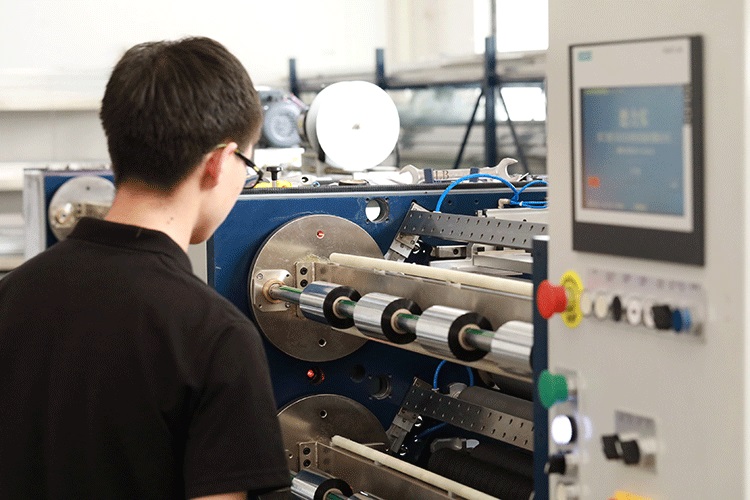
3. Tension Control System: The "Soul" of the Slitting Machine
Tension control is the soul of slitting quality. Unstable control can cause ribbons that are too tight and deformed, or too loose causing slack and uneven end faces—these are the primary causes of scrap.
Recommendation: Prioritize models equipped with fully automatic closed-loop tension control systems. It can monitor and automatically adjust the tension at each stage of unwinding, traction, and rewinding in real time through sensors, ensuring constant tension throughout the process from large to small rolls.
If used for ultra-thin ribbons (< 5μm) or ultra-narrow slitting specifications, special attention must be paid to the minimum stable tension value of the equipment (for example, whether it can reach the 3N level).
4. Winding Methods and Rolling Scrolls: Details Determine Quality
Whether the finished roll ends after slitting are neat and whether the 'loose inside, tight outside' core phenomenon occurs depends on the winding system.
• Winding method: Surface winding (driven by friction rollers) effectively eliminates tension fluctuations, resulting in neater end faces, making it especially suitable for high-speed slitting and thin, soft membrane ribbons. High-end models offer flexible switching between center and surface options.
• Winding shaft (slip shaft): For high-end ribbons and multi-specification production, slip shafts are a must-have. Each winding unit has an independent slip ring, which can adjust torque in real time according to changes in the coil diameter, effectively solving the problem of uneven tightness during winding. Pneumatic slip shafts offer higher control precision and a wider adjustment range than mechanical ones.
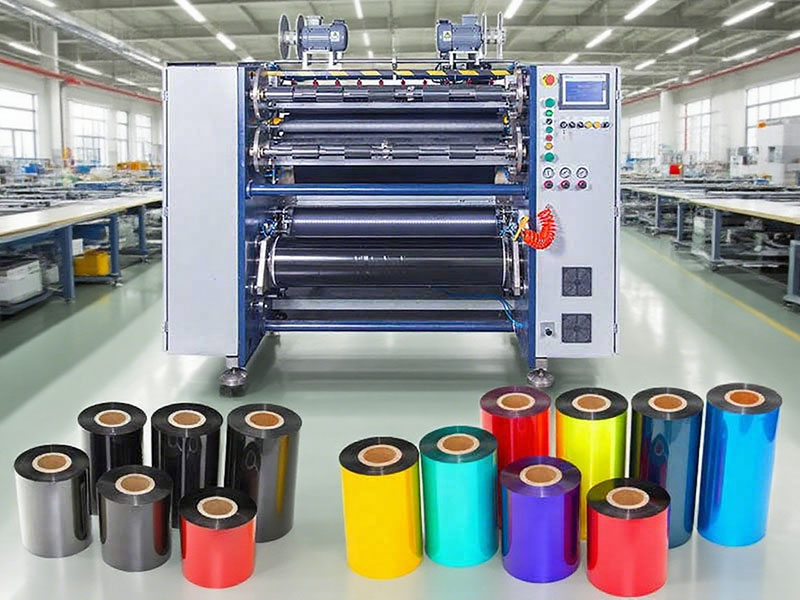
5. Correction System: The "Anchor" to Prevent Deviation
Ribbon substrates (especially thin films) inevitably experience slight deviation during high-speed operation; without a correction system, it is impossible to ensure slitting straightness and neat edges.
Must be equipped with a high-precision correction system. The mainstream types include:
• CCD photoelectric correction: suitable for transparent or semi-transparent materials.
• Ultrasonic correction: suitable for opaque materials.
When selecting models, understand the correction accuracy and response speed. It is best to gently push the material manually during the trial machine to observe whether it can be quickly and accurately corrected.
Selection action checklist
1. Clarify requirements: List the main types of ribbons you slitting (wax-based/mixed/resin-based), width range, daily capacity, and precision requirements.
2. Request configuration sheets: Request detailed technical parameters from at least 3-5 suppliers, focusing on core component brands (motors, sensors, blade brands, etc.).
3. On-site trial and verification: Bring your own ribbon roll to the manufacturer for on-site trial cutting. Observe whether the slitting end face is neat and burr-free, and whether the tension is stable during high-speed start-stop times.
4. Assess after-sales service: Clearly define the warranty period, installation and commissioning support, after-sales response time (e.g., 4-hour response, 24-hour on-site service), and consumable parts stocking, all of which must be clearly recorded in the contract.
A good ribbon slitting machine is essentially a long-term investment in product quality. Finding the balance that best suits your business needs among precision, speed, automation, and cost is the smart way to procure.
 English
 Deutsch
 Français
 Español
 Português
 日本語
日本語 русский
 한국어
한국어 عربي
عربي ภาษาไทย
 Tiếng Việt
 Italiano
 Thermal Transfer Ribbons Packaging Machine
 Automatic Thermal Transfer Ribbon Slitting Machine RSDS8 H PLUS
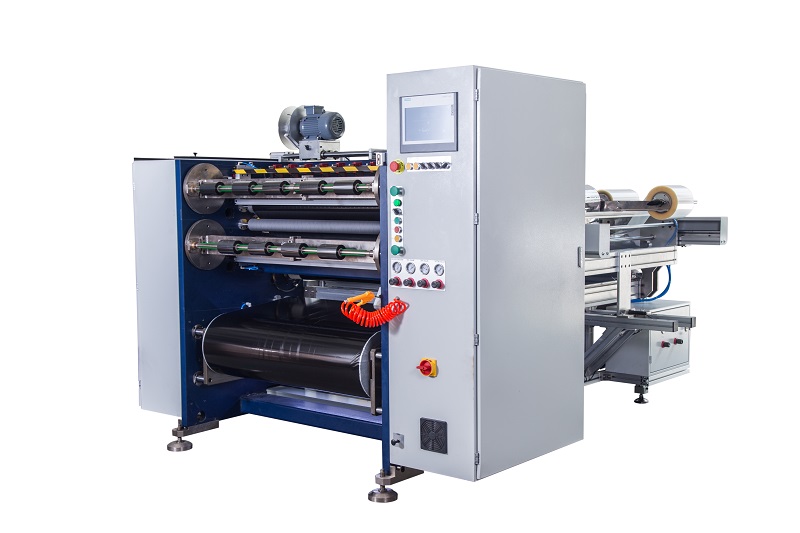 Semi Automatic Thermal Transfer Ribbon Slitting Machine RSDS5 PLUS
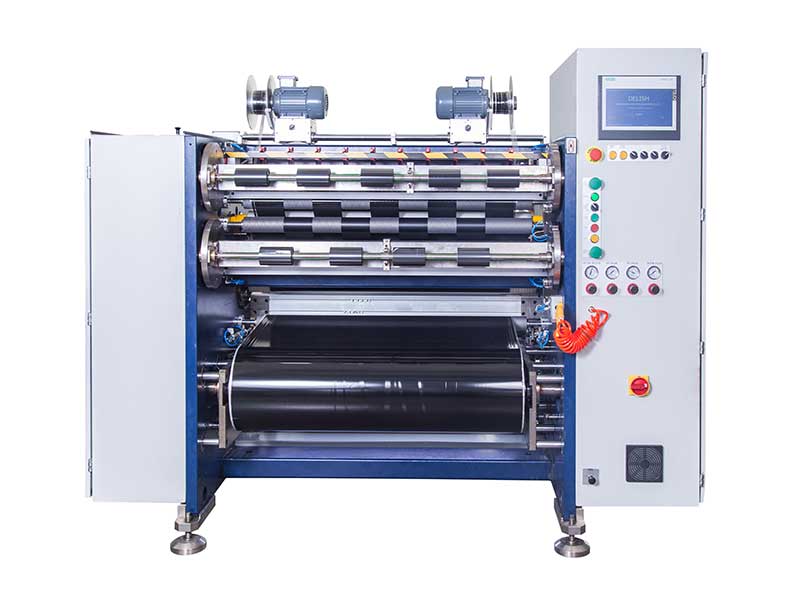 TTR Slitting Machine
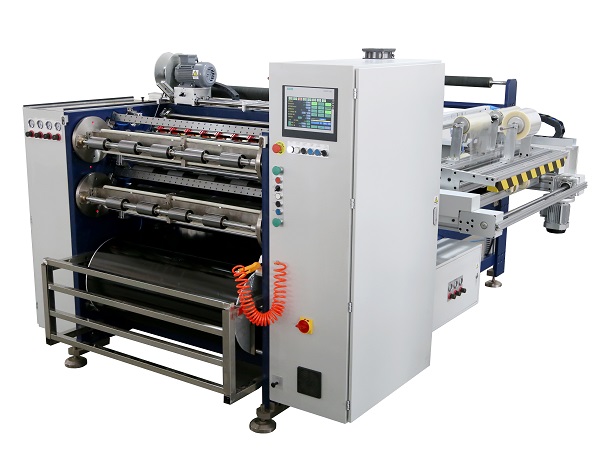 Automatic Thermal Transfer Ribbon Slitting Machine RSDS8 PLUS
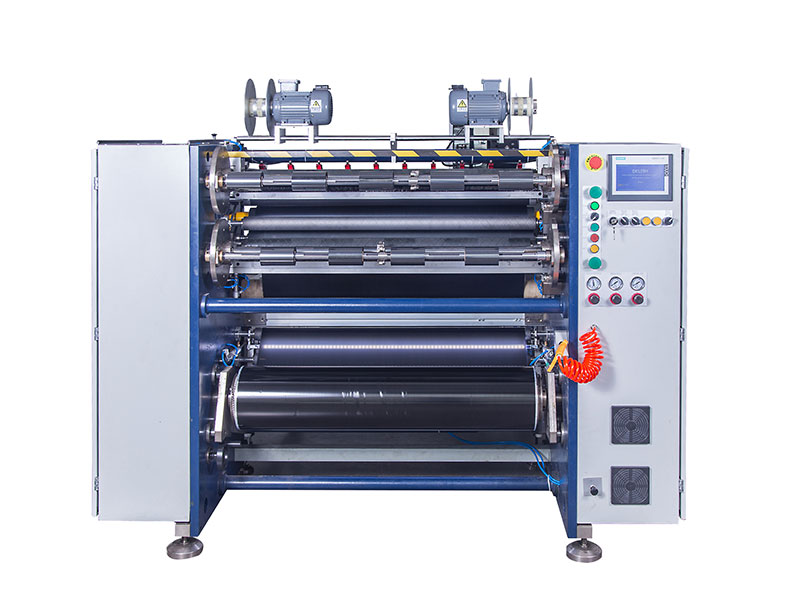 Barcode Ribbon Slitting Machine
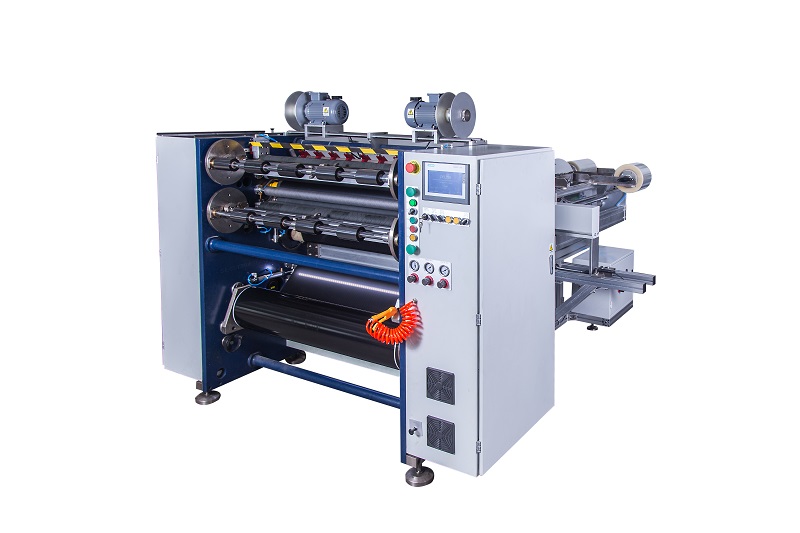 Semi Automatic Thermal Transfer Ribbon Slitting Machine RSDS1 PLUS
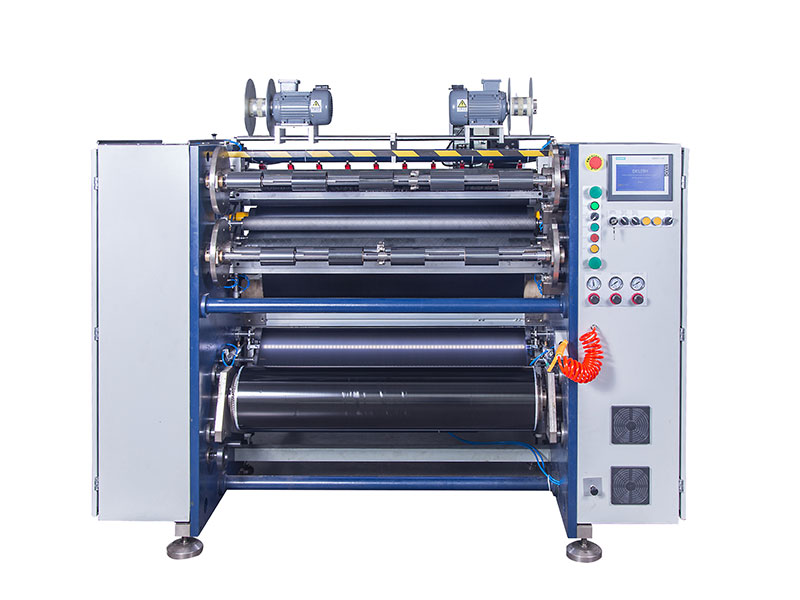 Ribbon Slitting Machine


 +86 135 9951 7291
 support@delishmachine.com