Hot stamping foil slitting machines are key equipment in the packaging printing and electronic decoration industry chains, and their slitting precision and operational stability directly affect the quality of subsequent hot stamping processes. The technical advantages of mainstream manufacturers in the industry are mainly reflected in the following five dimensions.
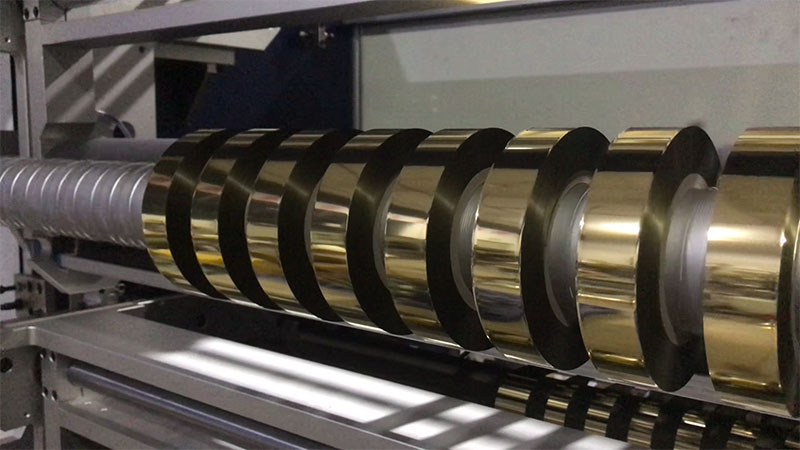
1. Precision tension control and correction system: The core guarantee for thin foil processing
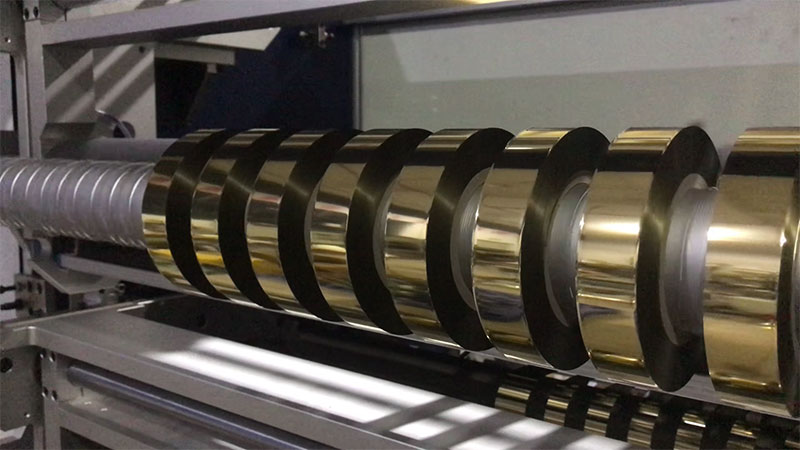
The thickness of hot stamping gold foil is usually between 4~30 microns. The material is thin and the coating is prone to scratching, and fluctuations in tension during slitting can easily lead to wrinkles, stretch deformation, or even strip breakage. Manufacturers with technical advantages generally adopt closed-loop tension control systems, which coordinate with PLCs and servo motors to monitor and automatically adjust winding tension in real time, ensuring a flat foil surface and neat edges. Some high-end models are equipped with CCD visual correction systems on this basis, which can automatically track foil edges and adjust tool positions in real time, keeping slitting accuracy at the ±0.1 millimeter level. This combination of technologies effectively solves quality issues caused by tension imbalance during thin gold foil slitting, and serves as an important benchmark to distinguish low-end imitation equipment from specialized equipment.
2. Intelligent Slitting and Rapid Order Change Solutions: Meeting Flexible Production Needs
As orders in the packaging and printing industry tend to shift toward small batches and multiple varieties, the pain points of manual tool turret adjustments and time-consuming labor during order changes in traditional equipment have become increasingly prominent. Outstanding manufacturers enhance the flexible adaptability of equipment through intelligent design. Some models are equipped with preset process databases that can store and recall parameters such as tension, speed, and slitting mode for different orders, reducing order change times from over 15 minutes on traditional equipment to about 3 minutes. In terms of tool holder design, magnetic or laser positioning tool holders are used, supporting one-touch switching between different width specifications, with a minimum slitting width of up to 2 millimeters, meeting special needs such as labels and narrow-width hot stamping. For the digital hot stamping field, a model has been specially developed for quick printing shop scenarios, emphasizing ease of knife change and anti-static treatment to prevent dust absorption on the foil surface and affecting the stamping effect.
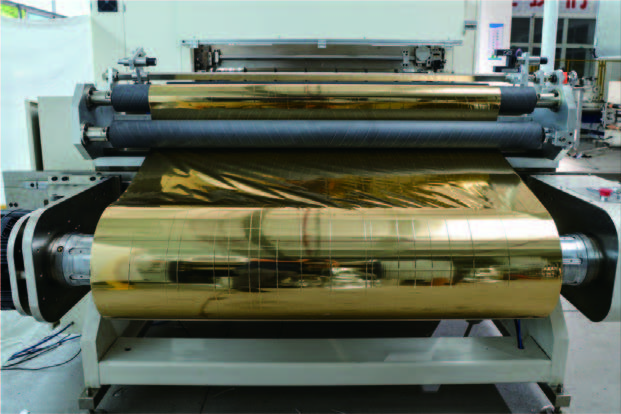
3. Multi-scenario adaptation and precision assurance for slitting methods
To address the different material characteristics of hot stamping foil, professional manufacturers offer multiple slitting solution combinations. For thicker or batch efficiency scenarios, pneumatic circular blade shearing combined with rotary blade roller cutting achieves high-speed continuous slitting; For thinner or more precise digital hot stamping foil, a flat knife (razor) is used to slit, ensuring smooth cuts without burrs. High-end equipment typically supports two tool turret systems simultaneously, allowing operators to flexibly switch between them based on material thickness and order requirements. Additionally, some models use slip shafts at the winding end instead of ordinary gas expansion shafts. By independently controlling the slip torque of each winding unit, this solves the problem of uneven tension caused by uneven tension when slitting multiple rolls simultaneously, improving the neatness of the finished roll end face.
4. Automation and Integrated Line Capability: The Key Path to Cost Reduction and Efficiency Improvement
Technologically advanced manufacturers focus not only on single-machine performance but also on improving overall production efficiency through automated integration. On the automation side, fully automatic models are equipped with automatic winding, waste discharge, and rewinding functions, enabling a "one person operating multiple machines" labor model and freeing operators from repetitive duties. At the full line integration level, the equipment can connect to the MES system, automatically receive order information, generate slitting plans, and upload production data (yield rate, consumable balance) to the cloud in real time for easy traceability. Some equipment also supports optional online quality inspection modules, enabling AI defect detection to achieve integrated "slitting, quality inspection, and packaging," further shortening the production chain.
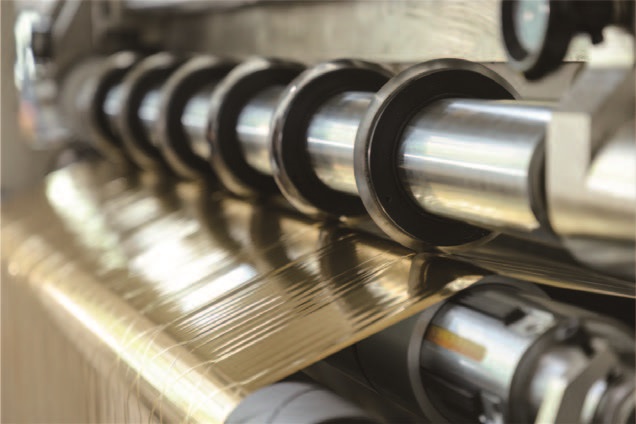
5. Customized Service and After-Sales Response: Extending from Equipment to Solutions
There are many types of hot stamping foil (electrochemical aluminum foil, holographic hot stamping foil, composite foil, etc.), and different manufacturers have differentiated requirements for master roll width, winding outer diameter, and core specifications, making it difficult for universal models to fully adapt. Manufacturers with core advantages provide full-cycle services covering pre-sales to after-sale: one-on-one needs analysis during the pre-sale stage, offering non-standard customization solutions, including adjustable unwinding rack width, reel specifications, and blade group configurations; During the after-sales phase, we provide 24×hour online support, on-site installation and commissioning, as well as a one-year warranty and lifetime maintenance for core components. This "equipment + solution" service model helps customers continuously optimize their processes throughout the entire equipment lifecycle.
In summary, the technical advantages of hot stamping foil slitting machine manufacturers have expanded from single speed and precision indicators to comprehensive competition in precision control, intelligent order change, multi-process adaptation, automation integration, and customized services. Choosing a manufacturer with the above technical expertise is a key decision for hot stamping foil processing companies to improve yield rates, reduce overall costs, and respond quickly to market changes.
 English
 Deutsch
 Français
 Español
 Português
 日本語
日本語 русский
 한국어
한국어 عربي
عربي ภาษาไทย
 Tiếng Việt
 Italiano
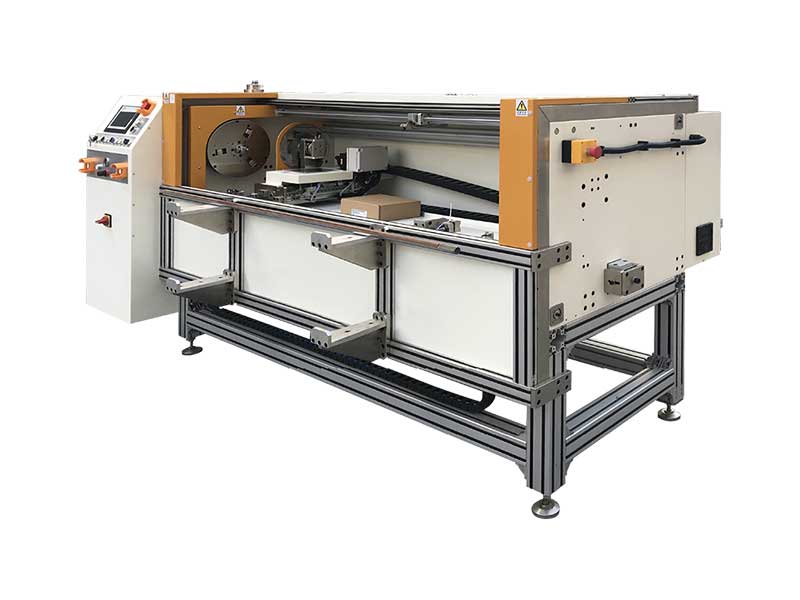 Automatic Foil Roll Cutting Machine
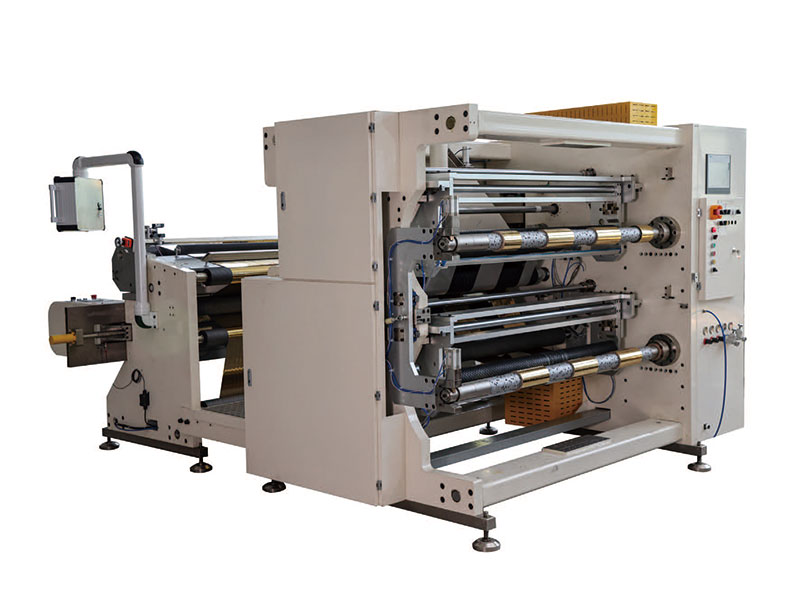 1400mm Hot Stamping Foil Slitting Machine
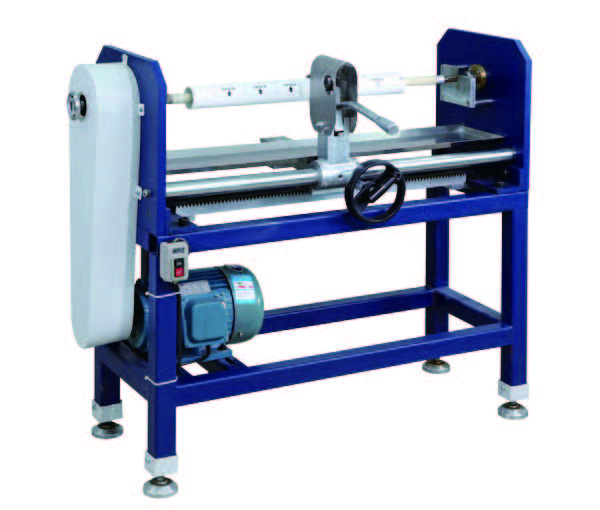 Manual Foil Roll Cutting Machine
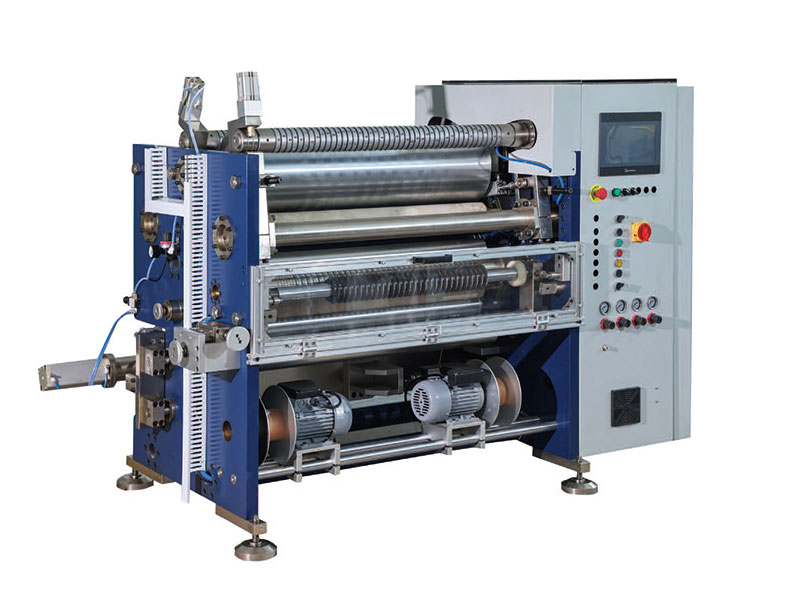 800mm Hot Stamping Foil Slitting Machine
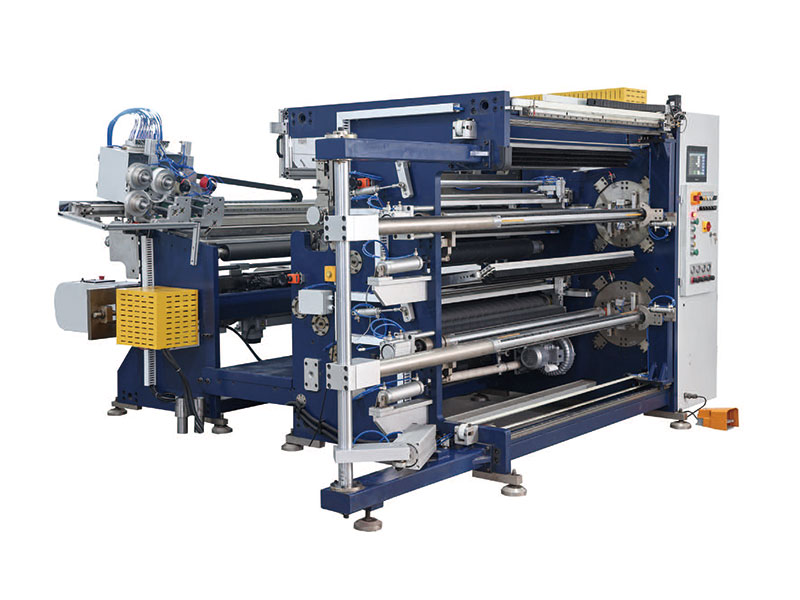 1350mm Hot Stamping Foil Slitting Machine
 Photo & Card Print Ribbon Rewinding Machine
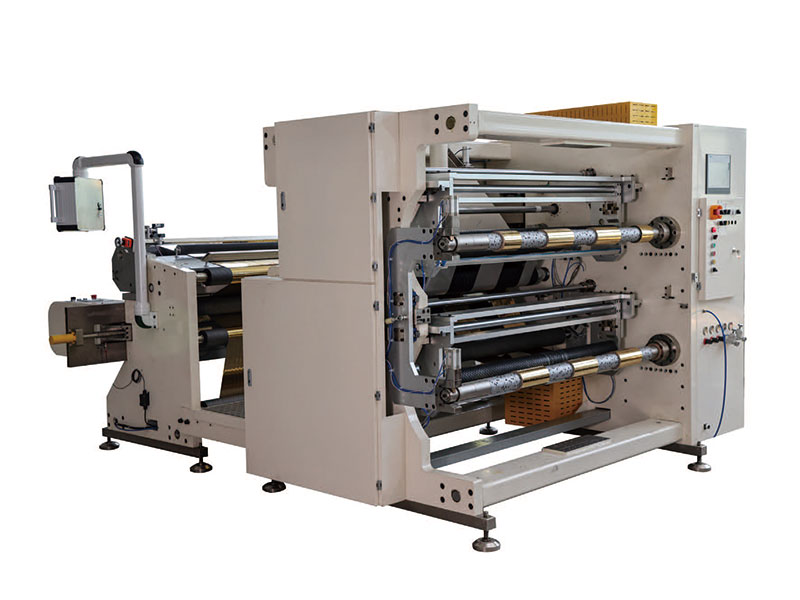 1400mm Copper Foil Slitting Machine
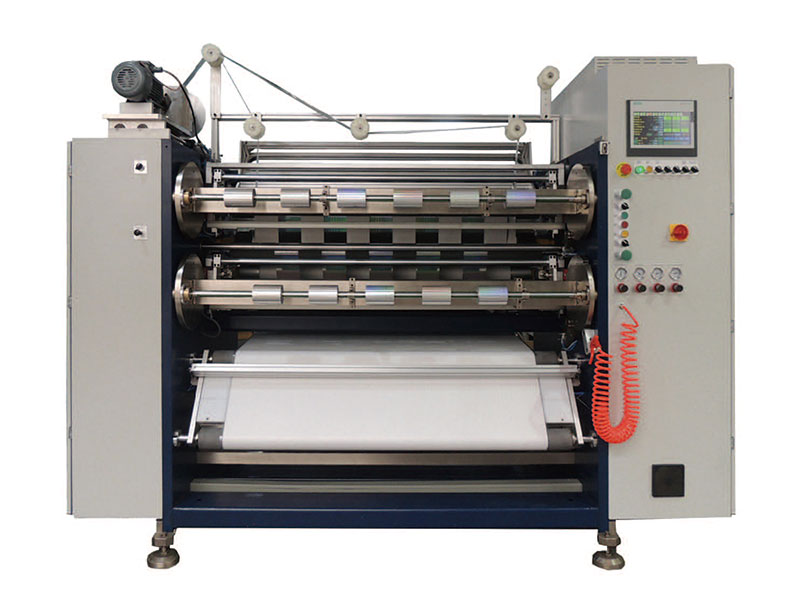 1350mm/1600 Foil Slitting Machine


 +86 135 9951 7291
 support@delishmachine.com