In the film processing industry, slitting is a key step connecting previous and lower stages. However, many companies face the dilemma of buying high-quality film large shafts, but after slitting, issues such as burrs, wrinkles, and uneven end faces appear, leading to a large number of finished products being downgraded or even scrapped. Slitting yield is essentially a precise balance of the four key elements: tension, tool, correction, and data. High-precision film slitting machines upgrade slitting from "rough processing" to "fine processing" by systematically controlling these four dimensions.
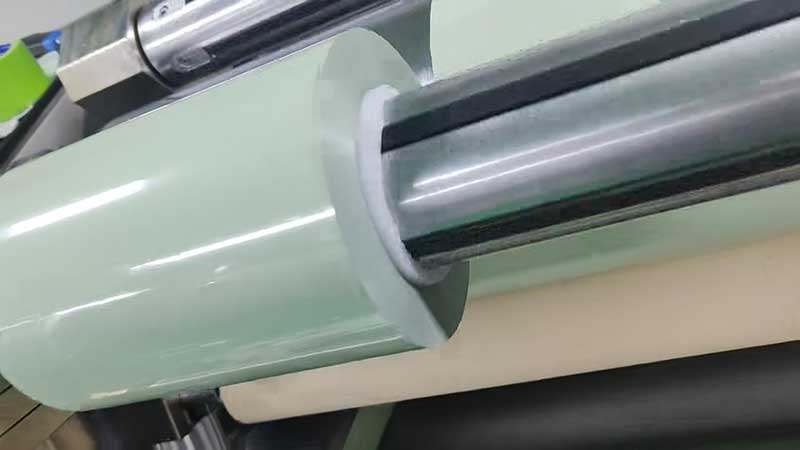
1. Tension Control: From "Single Pull" to "Zoned Precision Control"
Tension is the most central and easily overlooked variable in the slitting process. Traditional slitting machines use a single single load throughout the section, and at high speeds, tension fluctuations are transmitted along the film, easily causing lateral shrinkage, stretching deformation, or rolling wrinkles.
The breakthrough in high-precision slitting machines lies in closed-loop control of tension partitioning. It divides the entire machine into unwinding, slitting, and rewinding zones, with tension set independently in each zone. Taking a 45μm CPP film production line with a speed of 280m/min as an example, before modification, the entire section had a tension of 85N, and the alignment of the winding end was only ±0.31mm; After segmental control (unwinding 90N, slitting zone 75N, rewinding zone 65N), alignment was improved to ±0.14mm, and the film surface tensile deformation rate dropped from 2.1% to 0.8%.
Additionally, the winding stage adopts a taper decreasing tension strategy—the larger the diameter, the less tension there is, avoiding the "chrysanthemum petal" wrinkles caused by tight inside and loose outside. For ultra-thin materials such as optical films and battery separators with thicknesses of 5-12μm, closed-loop tension control can stabilize fluctuations within ±0.1N, which is the fundamental guarantee for achieving yields above 92.5%.
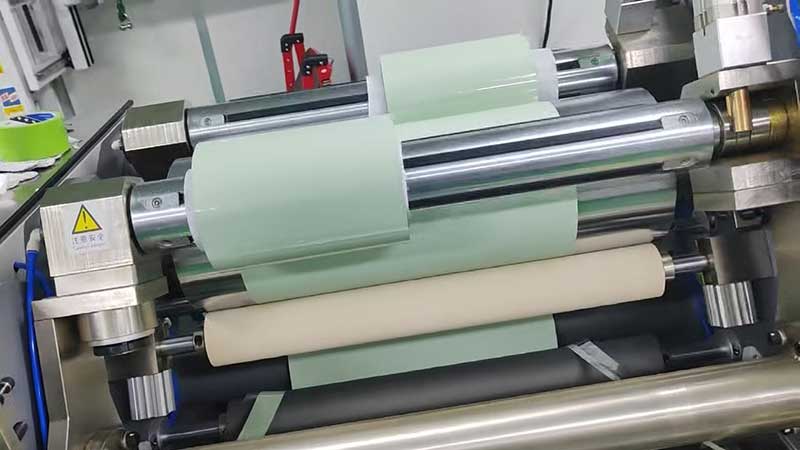
2. Tool and Blade Gap: Micron-level precision determines edge quality
Burrs, dust, and burrs on the slitting end face often originate from the tool itself. Traditional manual tool setting relies on experience, and gap deviation directly causes film edge tearing rather than neat cutting.
The high-precision slitting machine uses an automatic tool setting system driven by a servo motor, with a blade gap adjustment resolution of up to 0.005mm, and combined with laser distance measurement for closed-loop feedback, it ensures that the overlap between upper and lower cutters is always within the optimal range. In terms of tool materials, diamond-coated or nanocrystal composite coated circular cutters have gradually become widespread, with edge precision reaching ±1μm and lifespans more than four times that of traditional carbide cutters.
Actual test data shows that after tool upgrades, the roughness of the splitting surface can be reduced by 62%. For sensitive materials such as aluminum-plastic film, the burr height for trimming can be reduced from 35μm to below 12μm, reducing dust particles by 82%, directly eliminating complaints from downstream customers caused by burrs.
3. Intelligent Correction: The "Anti-Departure" system races against speed
During high-speed slitting, lateral deviation of the film is the main cause of excessive width tolerance. The speed increases from 100m/min to over 300m/min, with lateral offset possibly degrading from ±0.10mm to ±0.35mm.
The high-precision slitting machine monitors edge positions in real time through photoelectric or CCD sensors, and together with servo motors driving the straightening rollers, the response time can be reduced to within 10ms. More advanced adaptive feedforward control systems not only detect current offset but can also predict and adjust correction angles 0.2 seconds in advance based on edge position trends. Practical data shows that at speeds of 300-320 m/min, this solution stably controls the width tolerance within ±0.12mm (customer requirements ± 0.15mm), and the Width Process Capability Index (CPK) increases from 1.08 for ordinary PID correction to 1.21.
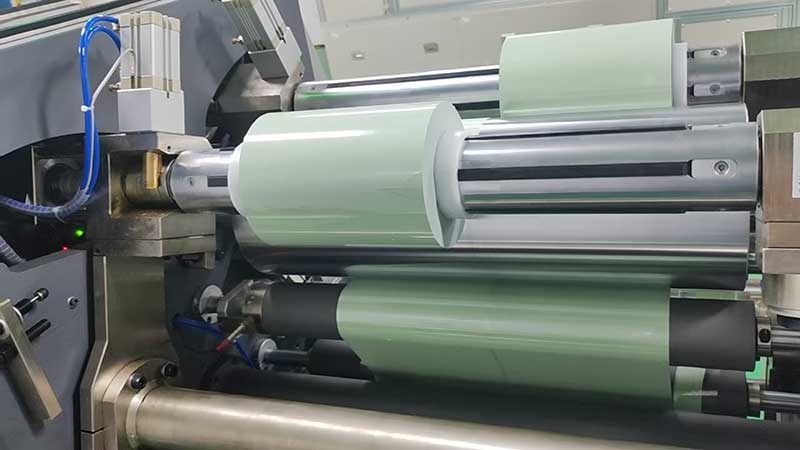
4. Data-Driven Process Optimization: From "Experience Setup" to "Intelligent Decision-Making"
This is the most fundamental difference between high-precision slitting machines and traditional equipment. It is no longer a pure machine, but a data collection and intelligent decision-making platform.
1. Material Classification Process Library: Based on massive production data, the company grades films by material and thickness, providing the optimal combination of curing parameters for each product category. For example, ordinary PE/PP films can be slitted at high-speed speeds of 350-400m/min, with a yield rate of 97.3%; Optical-grade PET films are matched with low-speed, high-precision strategies of 80-120 m/min to ensure yield.
2. Digital Twin and Predictive Intervention: By 2026, the technological frontier will realize embedded digital twin models for rewinding in slitting machines, calculating internal film stress distribution in real time, predicting flash and warpage risks 15-30 seconds in advance, and automatically performing "self-healing intervention" through differential reeling.
3. Online visual quality inspection and closed-loop compensation: The high-speed camera scans edge trimming quality in real time with 0.1mm accuracy. Once burr signs are detected, the system fine-tunes the tool holder position or purge parameters within 0.5 seconds, nipping defects at the source.
Conclusion
Improving slitting yield is not achieved by a single "black technology," but is the result of the synergy of four major systems: tension, tools, correction, and data. Industry data shows that after comprehensively applying these technologies, the finished slitting rate of materials such as aluminum foil can increase from 90.6% to 94.88%, and the yield of capacitor films can even approach 99.5%.
As films develop toward thinner, wider widths with higher added value, the role of slitting machines has shifted from "cutting open" to "cutting well"—which is precisely the irreplaceable value of high-precision slitting machines.
 English
 Deutsch
 Français
 Español
 Português
 日本語
日本語 русский
 한국어
한국어 عربي
عربي ภาษาไทย
 Tiếng Việt
 Italiano
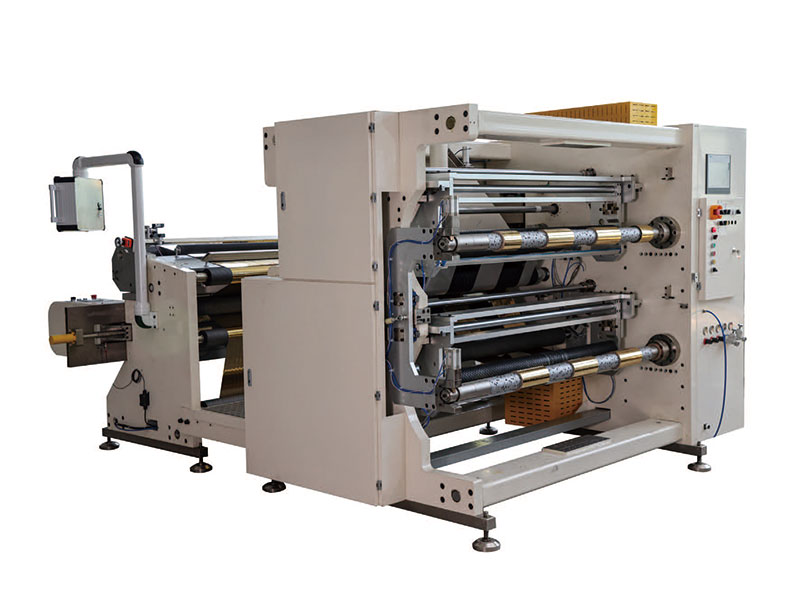 1400mm Hot Stamping Foil Slitting Machine
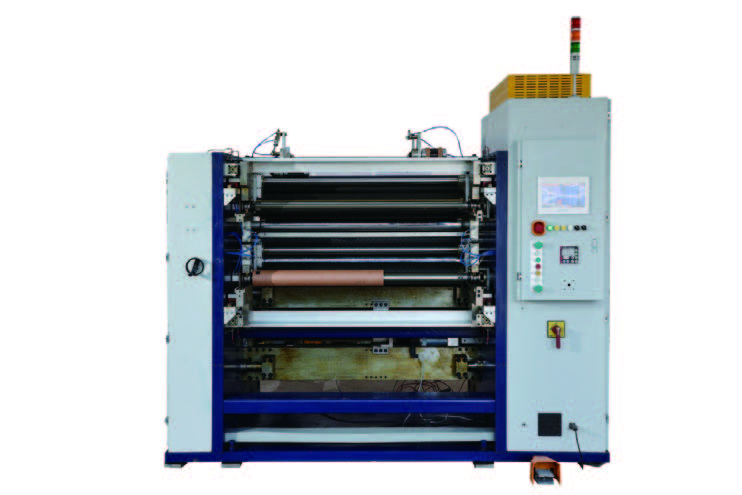 New Energy Ultra-thin Film Slitting Machine For Capacitive Film
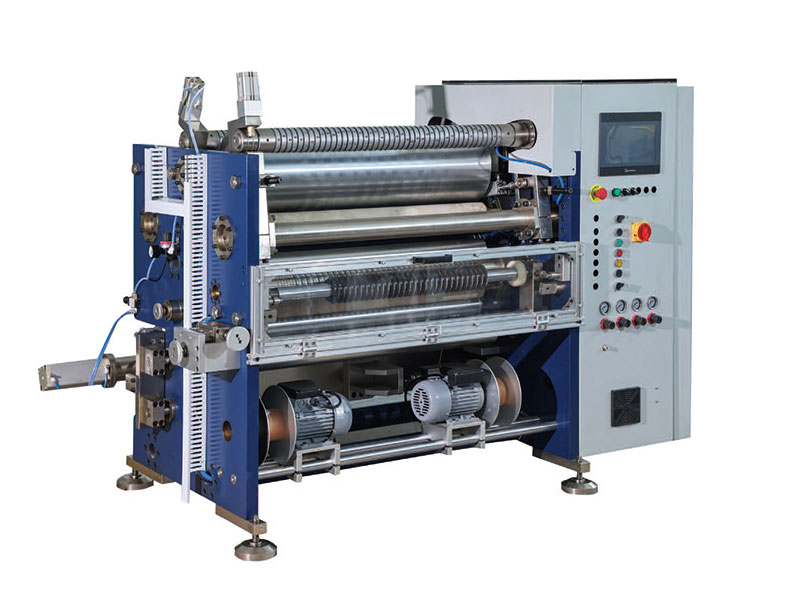 800mm Hot Stamping Foil Slitting Machine
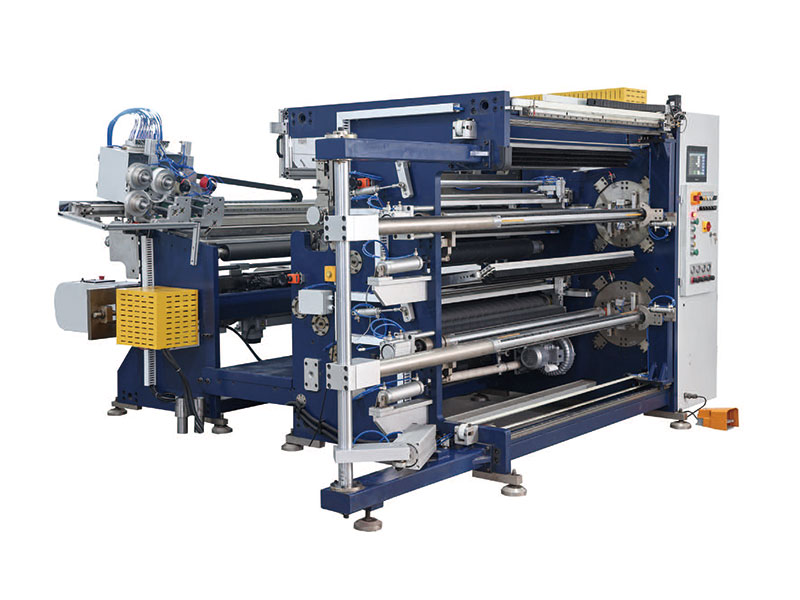 1350mm Hot Stamping Foil Slitting Machine
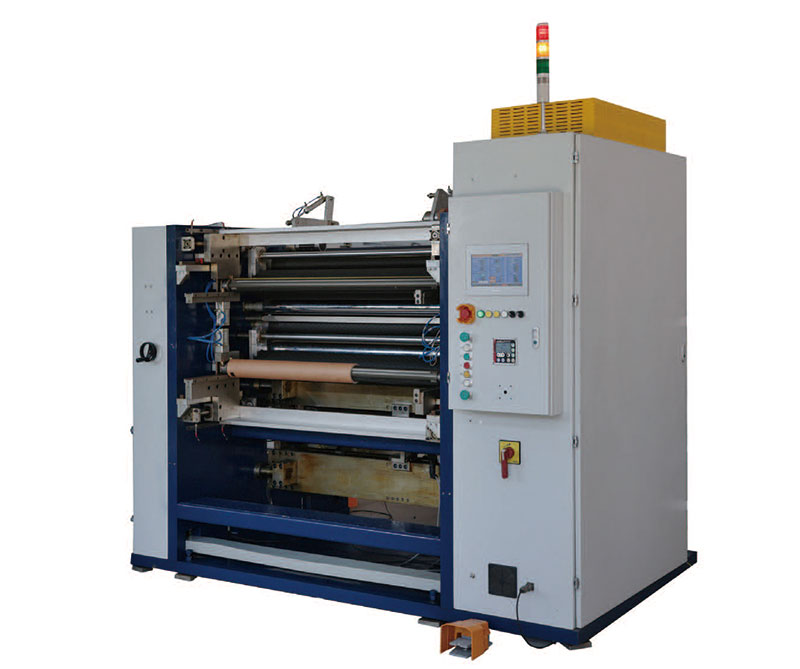 New Energy Ultra-thin Film Slitting Machine For MOPP
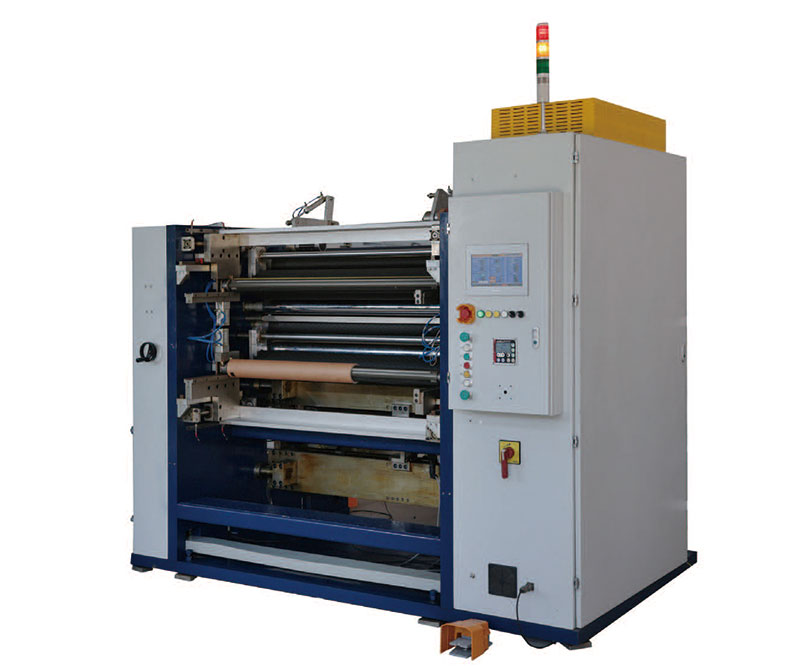 New Energy Ultra-thin Film Slitting Machine For MPET
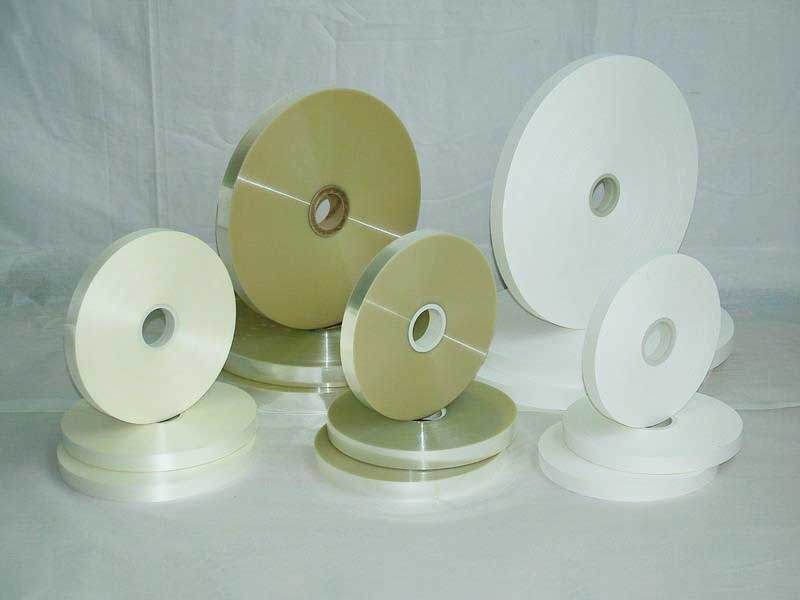 Film Slitting Machine
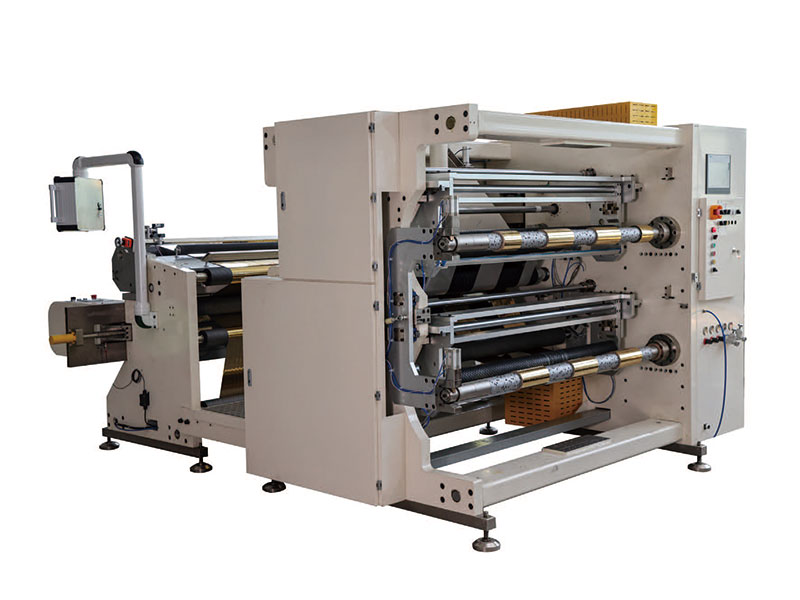 1400mm Copper Foil Slitting Machine


 +86 135 9951 7291
 support@delishmachine.com