In the film processing industry, the slitting process is often seen as a "necessary compromise"—cutting wide, large rolls into narrow specifications may seem simple, but it actually hides a deep-rooted contradiction: speed versus precision. Increasing slitting speed causes film to shift easily, increase dimensional deviation, and cause wavy patterns on the end face; Pursuing ultimate precision also means limited production capacity and rising costs.
This is not an either-or multiple-choice question, but a "balancing art" that requires precise calculation and systems thinking. Modern film slitting technology is exploring the symbiosis of speed and precision at the cutting edge through material grading management, precise tension control, and intelligent upgrades.
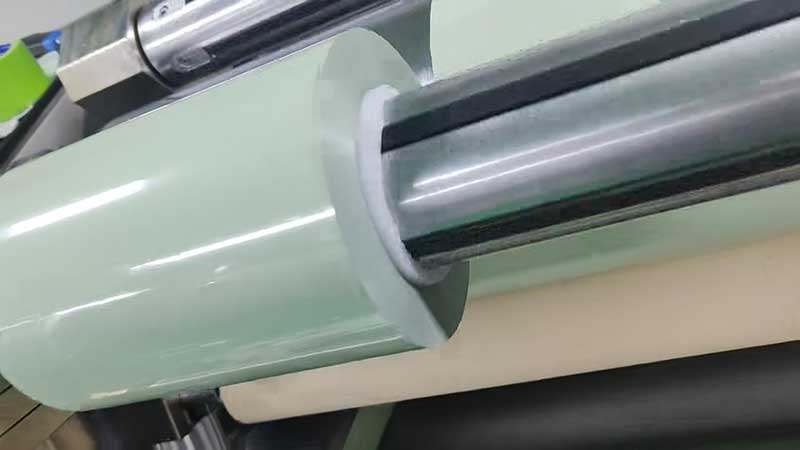
The root of the conflict: Why is speed and speed hard to achieve?
From a physical perspective, increasing speed amplifies the system's dynamic errors. Measured data show that when the slitting speed increases from ≤100m/min to ≥300m/min, the lateral deviation degrades from ±0.10mm to ±0.35mm, the width tolerance expands from ±0.08mm to ±0.20mm, and the tension fluctuation surges from ±2% to ±8%. This approximately 2-3 times accuracy degradation results from the combined effects of inertia, airflow disturbance, mechanical vibration, and tension transfer delay at high speeds.
However, not all films require the highest precision. The key lies in "grading" rather than "unification."
Based on production data from 2,860 batches of a certain packaging film company, the industry has developed a clear grading strategy: ordinary PE/PP film (30-80μm) can operate at speeds of 350-400m/min, and using pneumatic rollers and conventional EPC correction can achieve a yield of 97.3%; Optical films and battery separators (5-12μm) need to be controlled at 80-120m/min, combined with laser width measurement and dual closed-loop tension control, achieving a yield of about 92.5%. Blindly pursuing unified high-speed or low-speed is not economical.
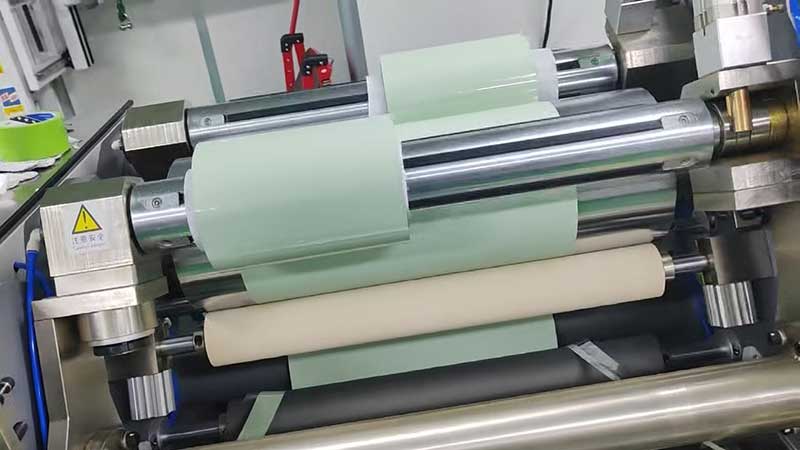
Three balanced technological pillars
1. Tension control: from single to segmented
Tension is the "invisible hand" that affects slitting quality. Traditional slitting machines use a single winding tension setting, and at high speeds, tension fluctuations are transmitted along the film, causing end face misalignment and stretching deformation of the film surface.
Segmental tension control is a key breakthrough. Taking a 45μm CPP film at a speed of 280m/min as an example: before modification, the tension for unwinding, slitting, and rewinding was 85N, with end-to-end alignment ± only 0.31mm and tensile deformation rate of 2.1%; After the modification, the unwinding area will maintain 90N for stable feeding, the slitting area will be reduced to 75N to reduce lateral shrinkage, and the winding will use a 65N taper reduction tension. The end alignment will be increased to ±0.14mm, deformation rate will be reduced to 0.8%, and the speed can be further increased to 320m/min.
This tension strategy of "tight at the front, loose in the middle, decreasing at the back" significantly improves end face accuracy at high speeds.
2. Correction control: from passive to feedforward
The correction system is the key line of defense to prevent film deviation. Traditional photoelectric correction is a "passive response"—the film is deviated and then corrected, resulting in lag. Adaptive feedforward correction detects edge position trends in real time, adjusting the straightening roller angle 0.2 seconds in advance, reducing high-speed offset by 42%.
On a 1300mm wide slitting machine, comparative tests on 25μm PET film show: the speed under open-loop control can reach 320m/min, but the width CPK (Process Capability Index) is only 0.82; ordinary PID correction reduces speed to 280m/min and CPK rises to 1.08; while the adaptive feedforward + EPC solution achieves a CPK of 1.21 at 310m/min, achieving the highest overall efficiency index. This means smarter control strategies can improve accuracy without sacrificing speed.
For transparent or highly reflective materials such as optical films, ultrasonic correction can compensate for the shortcomings of photoelectric sensors by automatically identifying material edges without manual adjustment.
3. Drive and inertia compensation: Refining frequency conversion technology
Constant tension control in the winding and unwinding stages is the cornerstone of high-speed slitting. Traditional magnetic particle clutch solutions are limited by heat dissipation and response speed, making them difficult to handle high-speed operating conditions. Modern variable frequency drive technology offers a better solution.
The dedicated tension control frequency converter achieves constant tension control without the need for tension sensors through built-in roll diameter calculation. The key lies in inertia compensation: during acceleration and deceleration, the system requires extra torque to overcome mechanical and material inertia. Without compensation, the tension during acceleration is too low and the tension during deceleration is too high, directly affecting slitting quality.
By setting system inertia compensation, friction compensation, and material inertia compensation, the frequency converter can achieve torque control accuracy of up to ±5%, and constant tension control is basically unaffected by speed. INVT's gantry slitting solution uses a dedicated frequency converter for winding and unwinding, achieving an actual operating speed of 600 meters per minute, with tension control stability far exceeding traditional solutions.
Precision Indicators: The process threshold behind the data
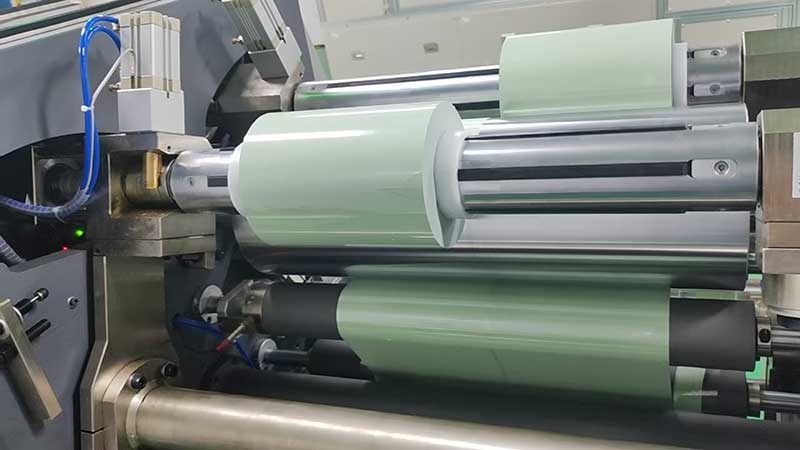
Core metrics for measuring slitting accuracy include:
• Blade shaft radial runout: High-quality equipment is controlled within 0.003mm
• Correction system accuracy: photoelectric or ultrasonic correction up to 0.1 mm ±
• Dynamic tension control accuracy: closed-loop system achieves within ±1%.
• Slitting tolerance: optical film slitting can reach ± below 0.1mm, automatic tool layout tolerance ± 0.02mm
For high-end materials such as optical-grade PET and ITO conductive films, slitting speeds are usually limited to 5-200m/min, trading low speed for micron-level precision to avoid surface warping and static buildup. This is an inevitable trade-off determined by the material properties.
Towards intelligence: a data-driven dynamic balance
The future path to balance is not about "fixed parameters," but about "dynamic optimization." Digital twin technology allows simulation of slitting effects under different parameters in a virtual environment, pre-determining the optimal settings for specific films. Predictive maintenance systems analyze equipment operation data to provide early warnings or automatically adjust parameters before quality issues occur. The online inspection system monitors film thickness, surface defects, and edge quality in real time, with data instantly fed back to the control system to achieve closed-loop optimization of slitting parameters.
Conclusion
Balancing speed and precision in film slitting machines is essentially a test of "control capability." It is no longer a simple choice to "drive fast" or "drive steadily," but through material grading strategies, segmented tension management, intelligent feedforward correction, and high-precision variable frequency drive, it enables the equipment to find the optimal "cruise state" under different operating conditions.
As one industry engineer said: "Not all films require high precision; blindly unifying high-speed or low-speed is not economical." "Understanding the "character" of materials, respecting the "limits" of equipment, and bridging the gap with intelligent control systems—this is the true essence of the art of balance.
 English
 Deutsch
 Français
 Español
 Português
 日本語
日本語 русский
 한국어
한국어 عربي
عربي ภาษาไทย
 Tiếng Việt
 Italiano
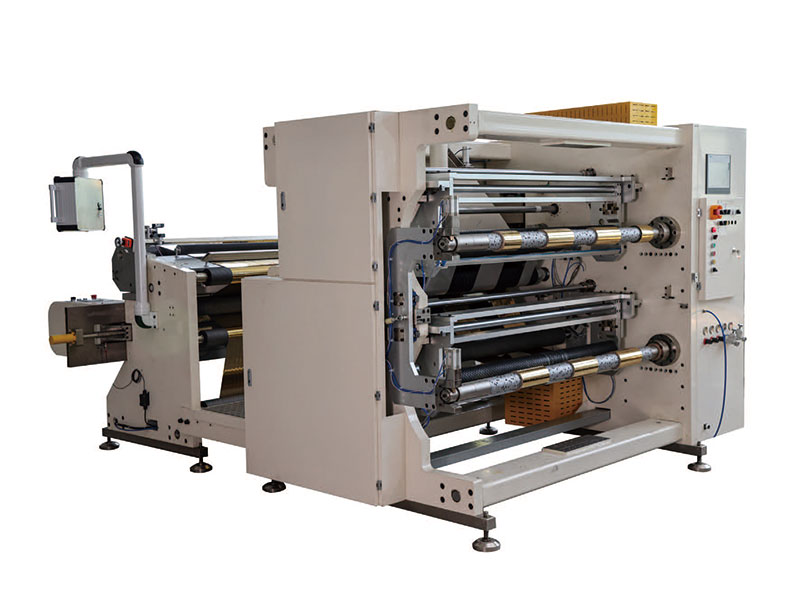 1400mm Hot Stamping Foil Slitting Machine
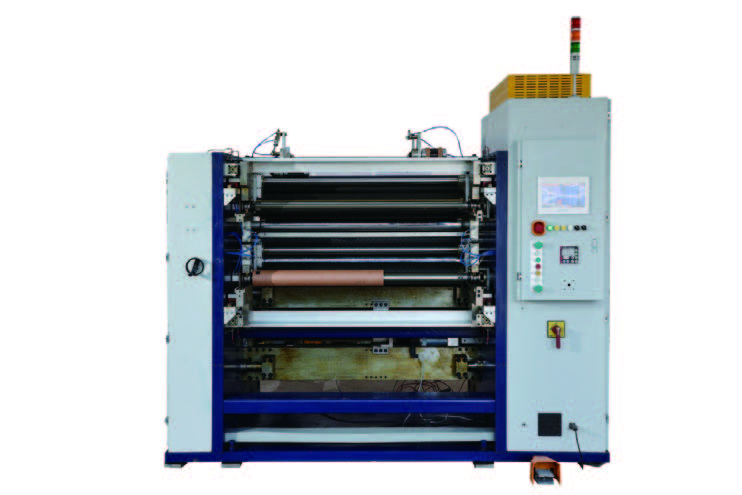 New Energy Ultra-thin Film Slitting Machine For Capacitive Film
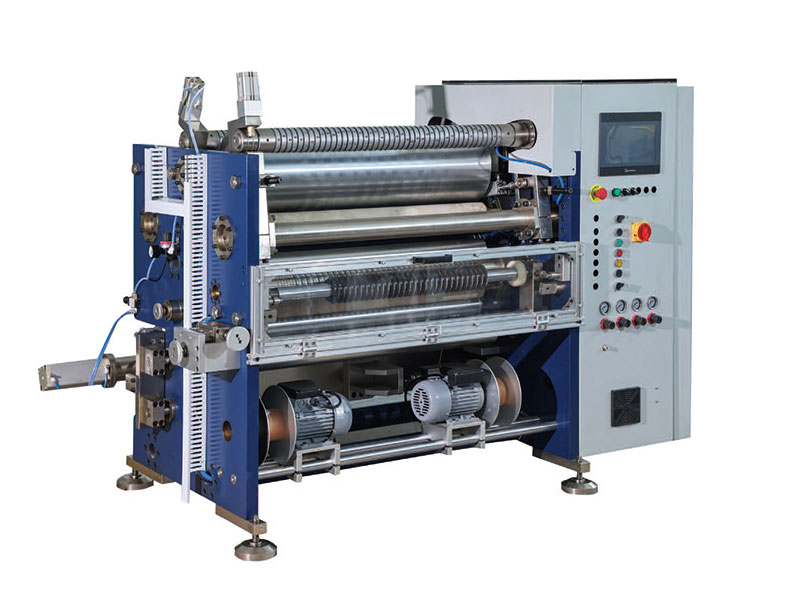 800mm Hot Stamping Foil Slitting Machine
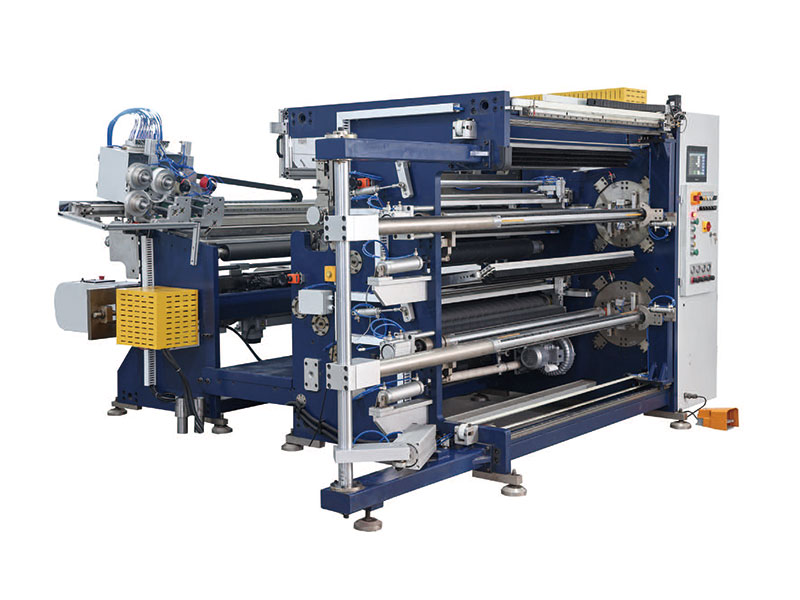 1350mm Hot Stamping Foil Slitting Machine
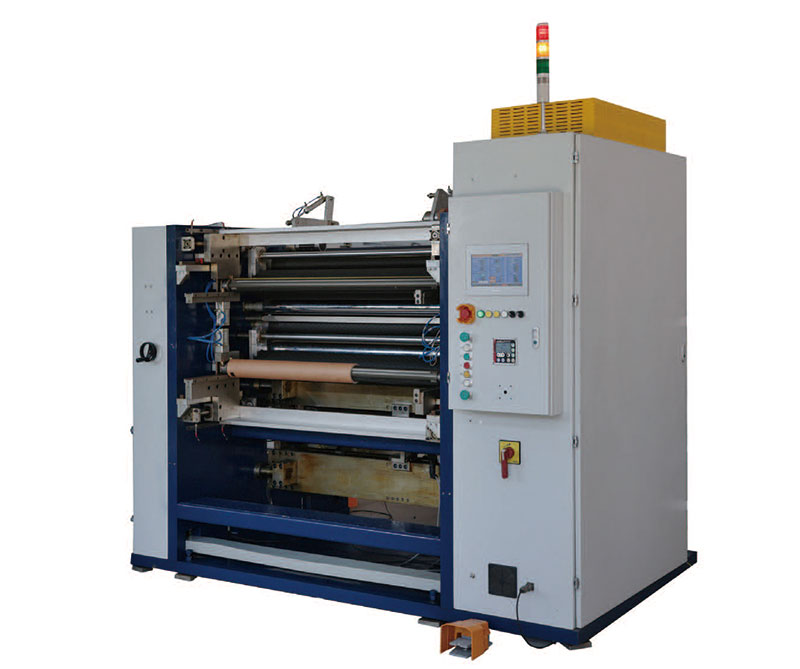 New Energy Ultra-thin Film Slitting Machine For MOPP
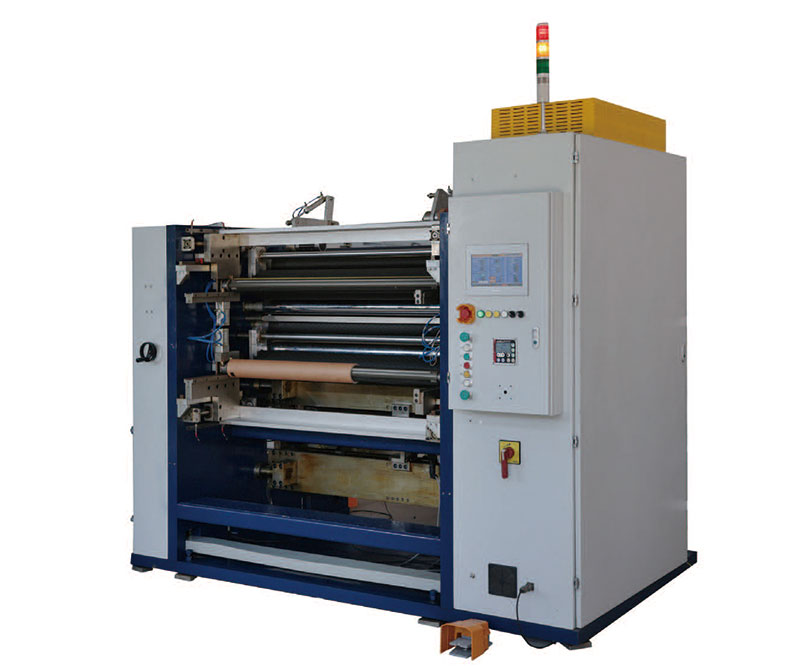 New Energy Ultra-thin Film Slitting Machine For MPET
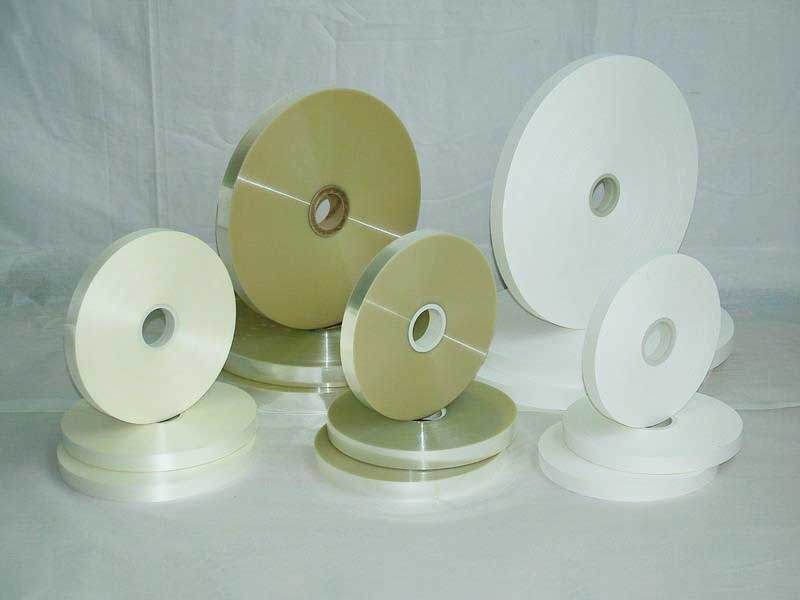 Film Slitting Machine
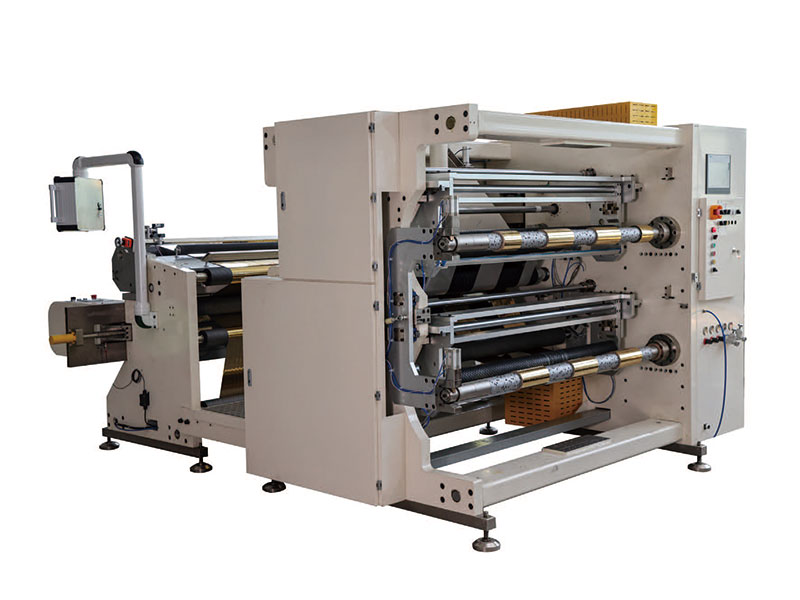 1400mm Copper Foil Slitting Machine


 +86 135 9951 7291
 support@delishmachine.com