In the film processing industry, the slitting machine is the "final step" connecting production and delivery—if chosen correctly, the finished product will be smooth and delivery smooth; If you choose the wrong one, film breakage, wrinkles, and misalignment will follow. Faced with devices on the market ranging from hundreds of thousands to millions, how can we clear away the spec fog and make wise decisions? This article outlines a clear selection approach from four dimensions: material adaptation, core technical parameters, efficiency and cost, and supplier selection.
1. First, look at the material's "temperament": avoid acclimatization issues
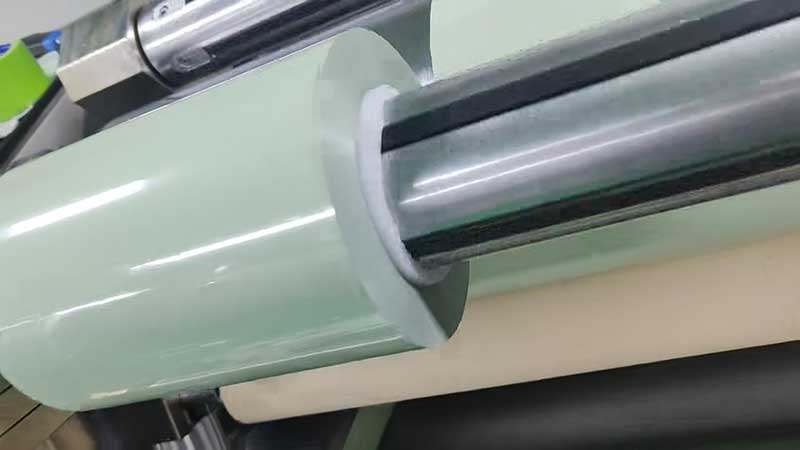
The first step in selecting a model is not to look at equipment parameters, but to first understand the characteristics of your own materials. Different film materials have vastly different requirements for slitting machines.
Rigid films (PET, BOPP, BOPA): These materials have high stiffness and require high-rigidity tools and strong winding systems. The thinner the thickness (e.g., below 12μm), the higher the required tension control accuracy; The thicker the thickness (e.g., above 250μm), the more it tests tool life and spindle rigidity.
Soft films (PE, CPP): Soft and easy to stretch, requiring extremely high sensitivity for tension control. If the tension is slightly too high, it can cause stretching deformation or wrinkling. When winding, taper tension control is needed to prevent tightness inside and looseness outside.
High value-added films (optical films, lithium battery separators): The requirements for cleanliness, scratch-free, and dust-free films are nearly stringent. Contact parts require chrome or ceramic coating, with dust removal systems and static elimination rods as standard. Such scenarios often require dust-free environments and specialized tools.
Key tip: Before selecting, be sure to clearly provide your material type, thickness range, width, and special requirements to your supplier—this is the foundation for equipment matching.
2. Lock in core technical parameters
1. Tension Control—The "Brain" of the Slitting Machine
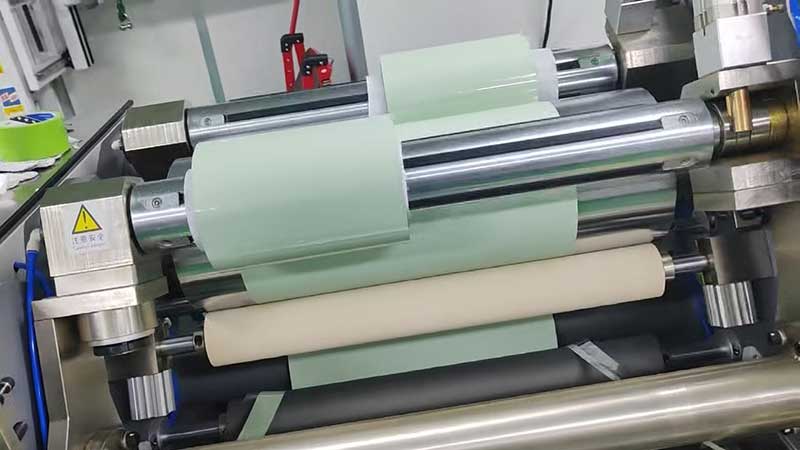
Tension control is the soul of slitting quality, directly affecting whether the winding is neat and whether the material is deformed. The key is to ask "what method" of tension control is actually used, rather than just listening to "presence" of tension control.
| Control methods | Features | Applicable scenarios |
| Open-loop torque/magnetic particle braking | Low cost, but cannot detect actual tension fluctuations, resulting in low accuracy and slow response | Low-speed, low-demand scenarios; not recommended for high-demand scenarios |
| Closed-loop servo tension control | Real-time feedback from the tension sensor and dynamic adjustment by PLC ensure true constant tension | Mid-to-high-end equipment comes standard, offering high-speed, high-precision slitting |
For special materials such as lithium battery separators, a dual servo + tension sensor configuration is also required, with a speed range generally between 20-80m/min.
2. Slitting Method—Applying the "Knife" According to the Material
Different slitting methods have their own suitable scenarios:
• Razor (pneumatic knife): low cost, fast speed, suitable for thin plastic films and paper with a thickness of <100μm.
• Round Blade (Shear Type): Upper and lower blades engage with smooth cuts, suitable for general films such as PET and BOPP, as well as thick films (over 100μm).
• Ultrasonic knife: anti-delamination, non-contaminating, suitable for ultra-thin or easily layered materials (such as ≤ 2μm film).
In addition, the insert material directly affects the quality of the end face and the frequency of tool changes: diamond (PCD) inserts have a hardness of HV 6000-8000. Although the unit price is high, tool change downtime can be reduced by 70%, making them suitable for BOPP, CPP, and other materials; Cemented carbide inserts offer better cost performance and are suitable for thick-film slitting.
3. Slicing precision—suitable for the dish and rice
Standard packaging film requires ±0.5mm; Consumer electronics capacitor film requires ±0.1mm; High-frequency, high-voltage capacitors and optical films need to reach within ±0.02mm. High-end models can achieve correction accuracy of up to ±0.05mm or even higher.
4. Slitting speed—faster is not always better
Standard slitting machines operate at speeds of 150-300 m/min, while high-speed machines can reach over 800 m/min. However, what should be focused on is the long-term stability of the equipment at the nominal speed, not the peak speed. Ordinary PET film slitting speeds of 200-400m/min can meet most production needs, eliminating the need to blindly pursue high speed.
3. Production Efficiency and Overall Cost
1. The level of automation determines long-term benefits
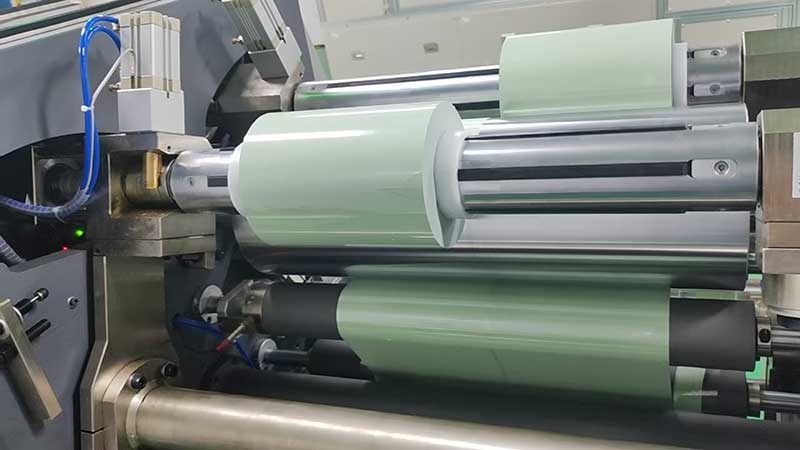
The fully automatic receiving system can reduce downtime by more than 30%; Electric tool adjustment is 50% more efficient than manual tool adjustment. The current industry trend is: 40% of new equipment will be equipped with automatic roll reeling functions, and the adoption of AI visual correction and remote monitoring continues to rise.
2. Calculate the full cycle cost
The equipment purchase price is just the tip of the iceberg. A comprehensive assessment is required: lifespan and replacement frequency of wear parts, ease of maintenance (modular design is better), and energy consumption differences (servo motors save 20%-30% more energy than traditional motors). It is recommended to calculate the total cost of ownership over 3-5 years, rather than just looking at the purchase price.
4. Key points of the selection process and acceptance
Step one: Clarify the list of requirements: organize material characteristics, output requirements, quality standards, and budget range.
Step two: Supplier inspection: Visit at least 2-3 suppliers' manufacturing workshops and customer sites, focusing on equipment details and quality.
Step 3, Cutting with Material: This is the only standard for verifying accuracy—bring your most difficult material to the site to verify the actual effect. During trial cutting, focus on the flatness of the end face, winding stability, and tension response at different speeds.
Step four: Cycle cost analysis: Compare total cost of ownership over 3-5 years, not just purchase price.
Step 5: Contract details confirmation: Clarify performance guarantee terms (such as width tolerance, tension accuracy), acceptance standards, and after-sales service content (emergency fault response time, spare parts supply cycle).
Currently, the film slitting machine market is showing three major trends: intelligence (AI visual correction, remote monitoring), digitalization (IoT interfaces, big data analysis), and greening (energy-saving servo systems reducing overall machine energy consumption by 18%). When selecting models, it's advisable to reserve room for future technological upgrades—whether the equipment is capable of subsequent upgrades is also an important measure of a supplier's strength.
We hope this guide helps you grasp the core amid complex parameters and make choices that stand the test of time.
 English
 Deutsch
 Français
 Español
 Português
 日本語
日本語 русский
 한국어
한국어 عربي
عربي ภาษาไทย
 Tiếng Việt
 Italiano
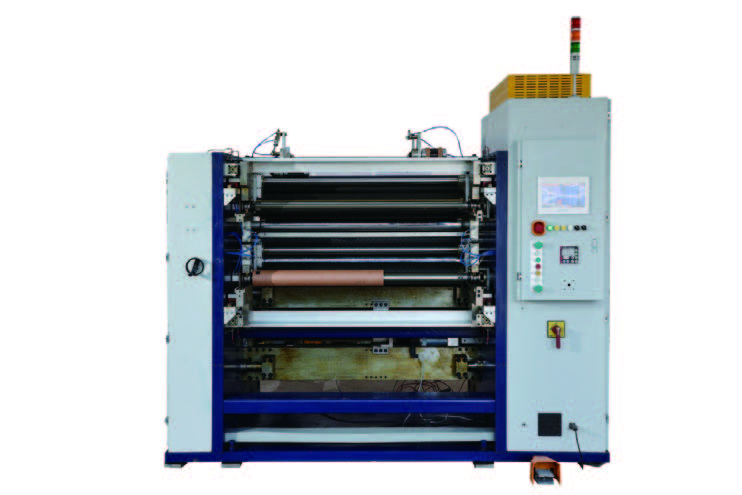 New Energy Ultra-thin Film Slitting Machine For Capacitive Film
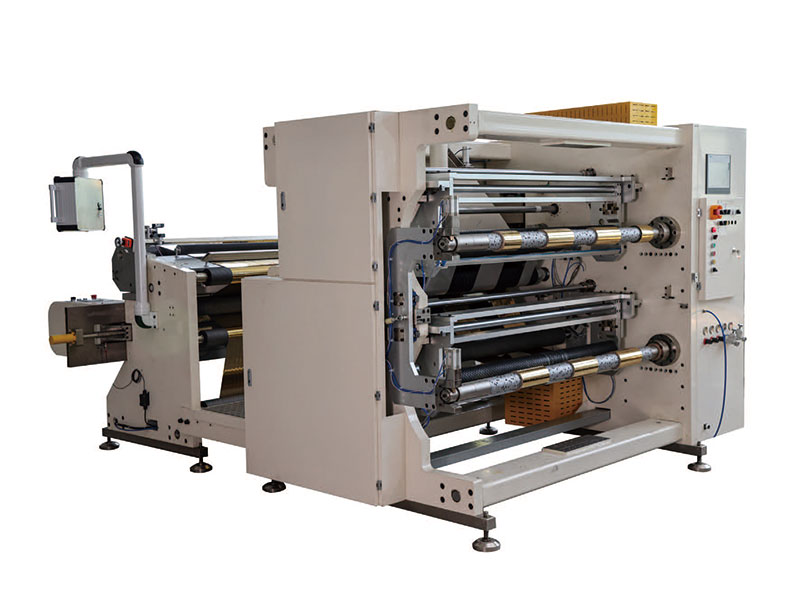 1400mm Hot Stamping Foil Slitting Machine
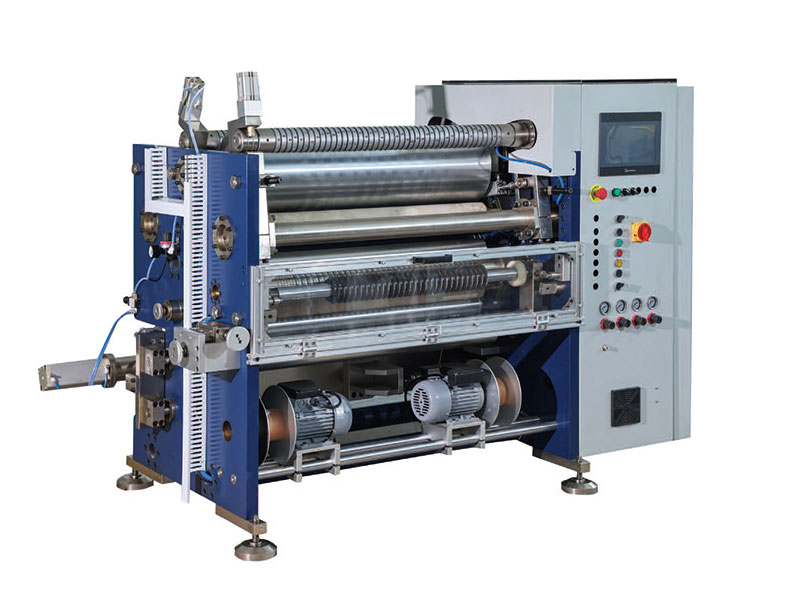 800mm Hot Stamping Foil Slitting Machine
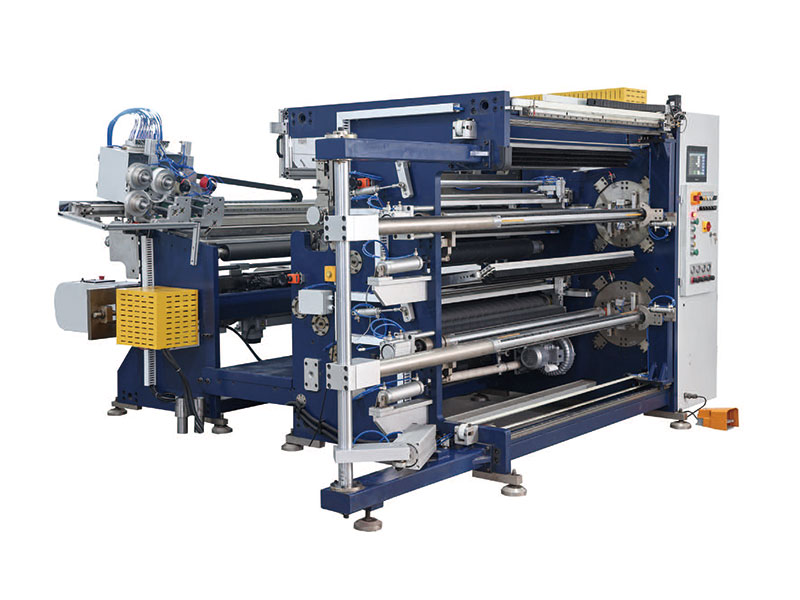 1350mm Hot Stamping Foil Slitting Machine
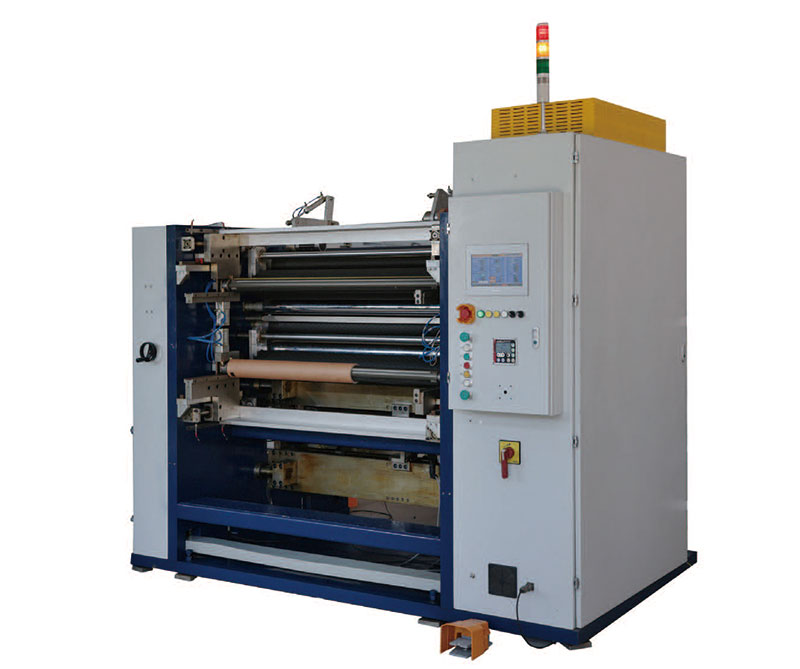 New Energy Ultra-thin Film Slitting Machine For MOPP
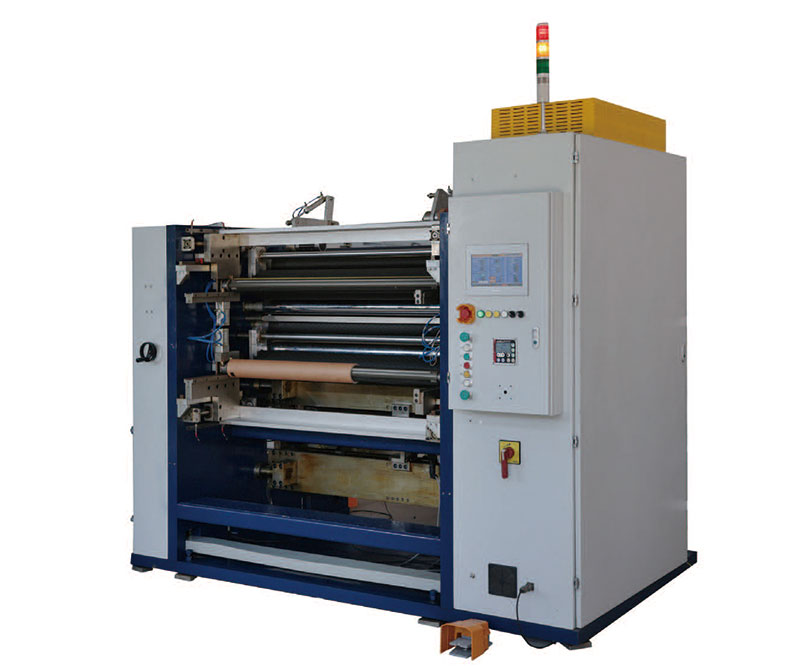 New Energy Ultra-thin Film Slitting Machine For MPET
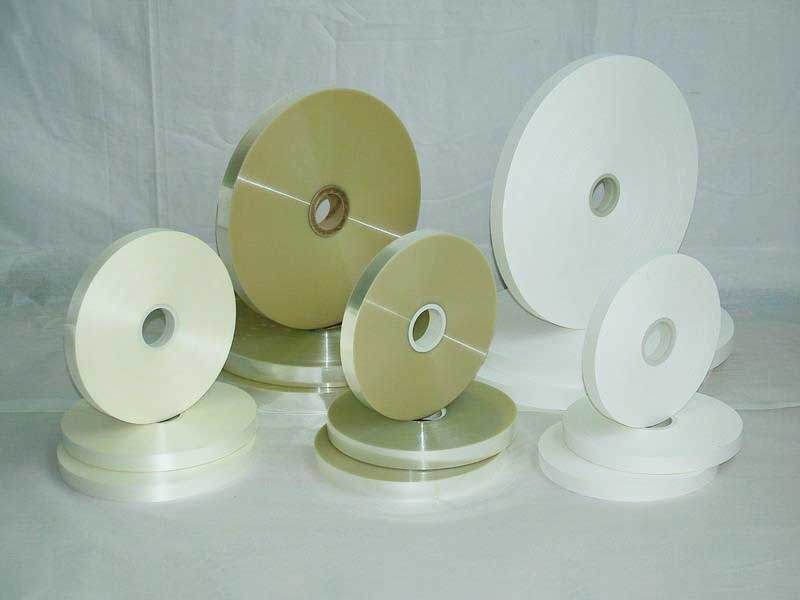 Film Slitting Machine
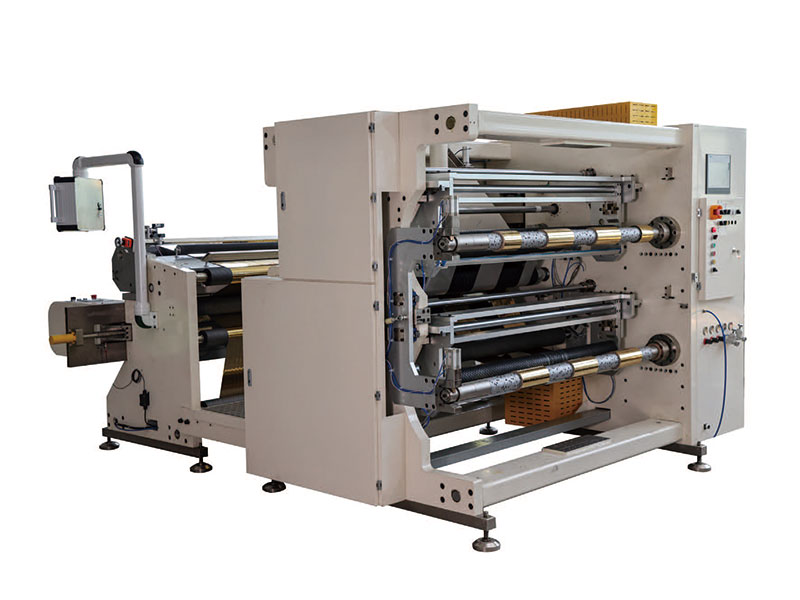 1400mm Copper Foil Slitting Machine


 +86 135 9951 7291
 support@delishmachine.com