The more thorough the preparation before inquiring with the slitting machine manufacturer, the more accurate the quotation and plan you receive. Rather than repeatedly communicating and supplementing information, it is better to prepare key documents in advance and let suppliers provide solutions that meet their needs in one go. Below are five types of core materials that need to be prepared before making an inquiry.
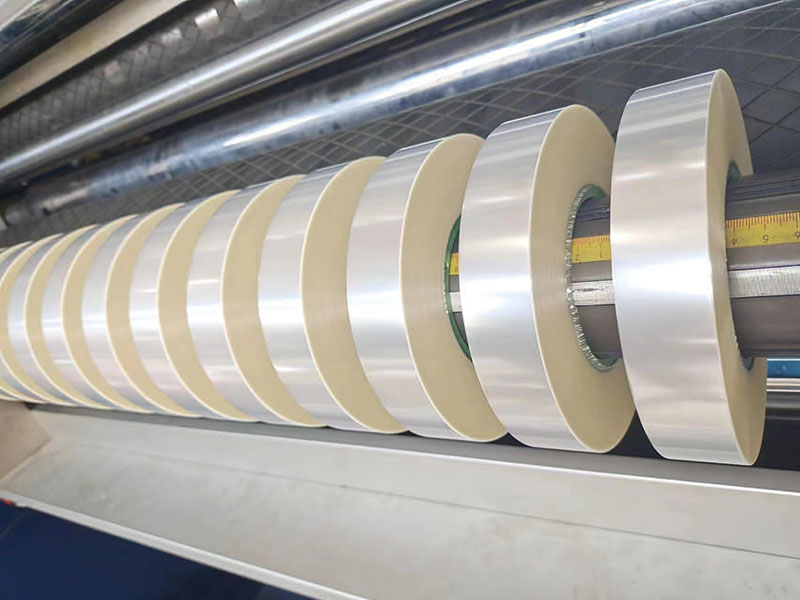
1. Clarify the basic information of the materials
Manufacturers need to recommend tool profiles, tension, and winding methods based on the characteristics of the film, so material information comes first. The following should be specified:
• Material types: such as BOPP, PET, PE, CPP, PVC, aluminum coated films, lithium battery separators, etc., with significant differences in slitting process requirements for different materials.
• Material thickness: For example, 4~30μm, 0.010~0.05mm, etc. Thickness directly affects tool selection and tension control accuracy.
• Material characteristics: Whether it is sticky, stretchable, prone to static electricity, brittle, or soft, etc., which affect whether accessories such as static eliminators and leveling rollers are needed.
2. Clarify raw materials and finished product specifications
This part determines the equipment's dimensions, specifications, and slitting capability, and is the most fundamental technical parameter:
• Raw material coil specifications: maximum raw material width (e.g., 500~3400mm), maximum raw material diameter (e.g., 350~1200mm), core inner diameter (commonly 3 inches or 6 inches).
• Finished product specifications: how many narrow strips need to be slit, the target width of each strip (e.g., minimum 20mm or narrower), the maximum outer diameter of the finished roll, and the inner diameter of the roll core. If the minimum slitting width requirement is very narrow, it must be specified in advance, as this will directly affect the precision level of the equipment.
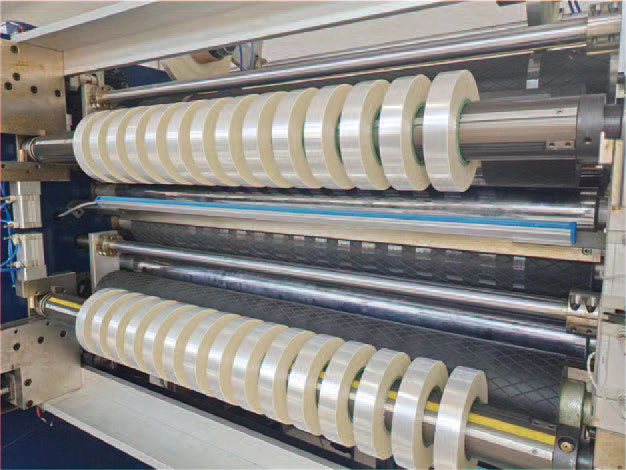
3. Clarify capacity and efficiency expectations
Manufacturers need to recommend appropriate speed levels and automation configurations based on production targets:
• Expected slitting speed: The speed range varies greatly among different equipment, from 50m/min to 800m/min, requiring a comprehensive consideration of material and capacity requirements.
• Shift output: How many rolls need to be completed per day or shift.
• Frequency requirements for coil and tool change: Whether automatic rewinding and tool changes are required to reduce downtime.
4. Clarify quality and precision requirements
If downstream customers have strict requirements for product quality, this information is especially critical:
• Slitting width accuracy: For example, whether the error must be controlled within ±0.1mm, which is crucial for industries such as electronic film and optical film.
• End face neatness requirements: Whether the edges after winding are allowed burrs or staggered layers.
• Static and dust control requirements: Cleanrooms or precision film processing may require static eliminators and dust removal devices.
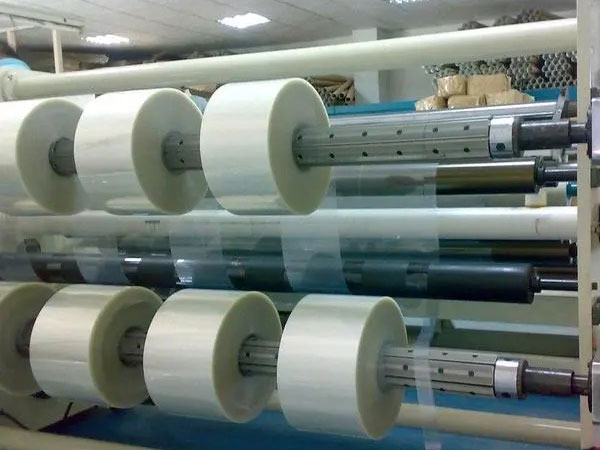
5. Clarify the environment and supporting facilities
Whether the equipment can be successfully installed and put into operation depends on the objective conditions on site:
• Workshop space: Available installation area dimensions (length× width× height), especially height and width restrictions.
• Power supply: on-site voltage, frequency, and available power (installed capacity is usually tens of kilowatts).
• Loading and unloading methods: Whether cranes or forklifts are assisted, or if equipment is required to have its own loading and unloading mechanism.
6. Other Auxiliary Information
• Budget range: Telling the manufacturer an approximate budget can help recommend the most cost-effective configuration. Reference prices range from tens of thousands to hundreds of thousands of yuan, depending on specifications and the degree of automation.
• Whether non-standard customization is required: If the standard model cannot be met, specify the customization requirements. Many manufacturers support customized services, but delivery times and costs vary accordingly.
• After-sales and technical support requirements: Whether the manufacturer needs installation and commissioning, operation training, remote support, and long-term maintenance services.
The more complete the materials are prepared, the closer the plan the manufacturer provides will be to your real needs, and the efficiency of your inquiry will be greatly improved. It is recommended to organize the above information into a simple requirements list and send it directly to multiple suppliers for comparison.
 English
 Deutsch
 Français
 Español
 Português
 日本語
日本語 русский
 한국어
한국어 عربي
عربي ภาษาไทย
 Tiếng Việt
 Italiano
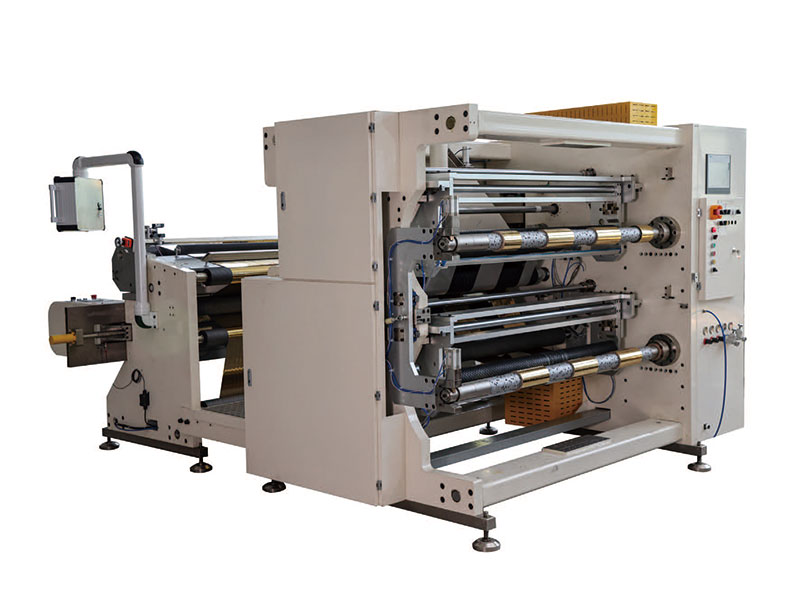 1400mm Hot Stamping Foil Slitting Machine
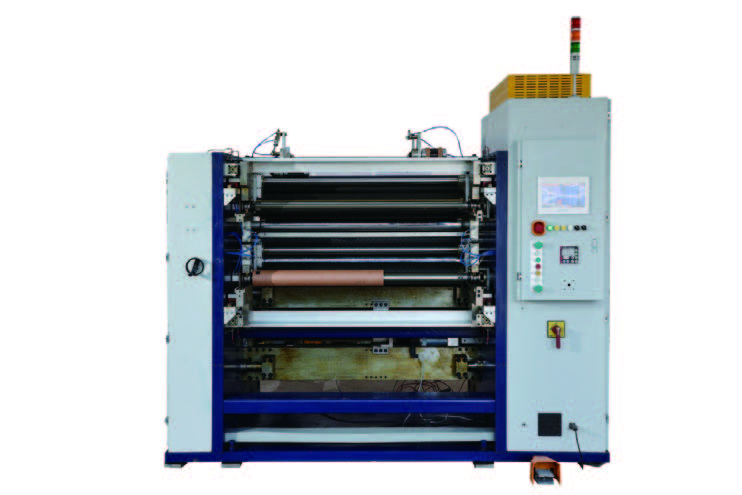 New Energy Ultra-thin Film Slitting Machine For Capacitive Film
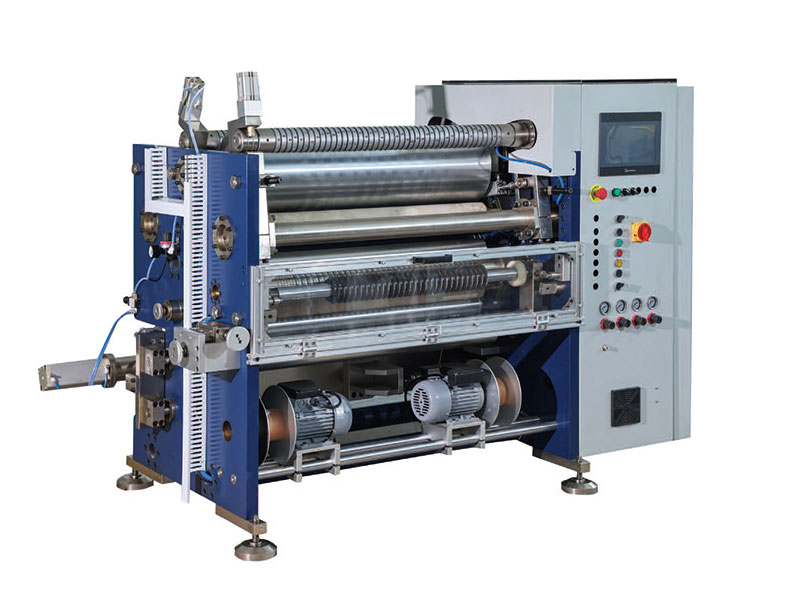 800mm Hot Stamping Foil Slitting Machine
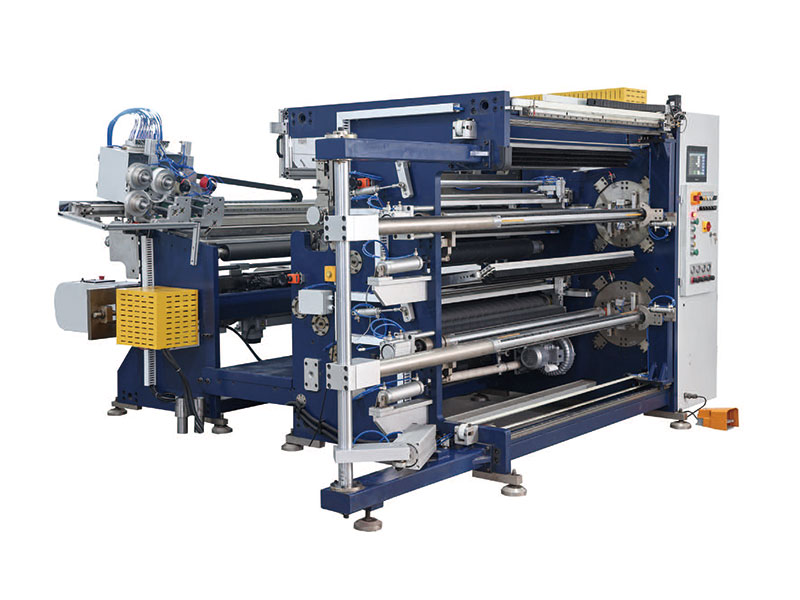 1350mm Hot Stamping Foil Slitting Machine
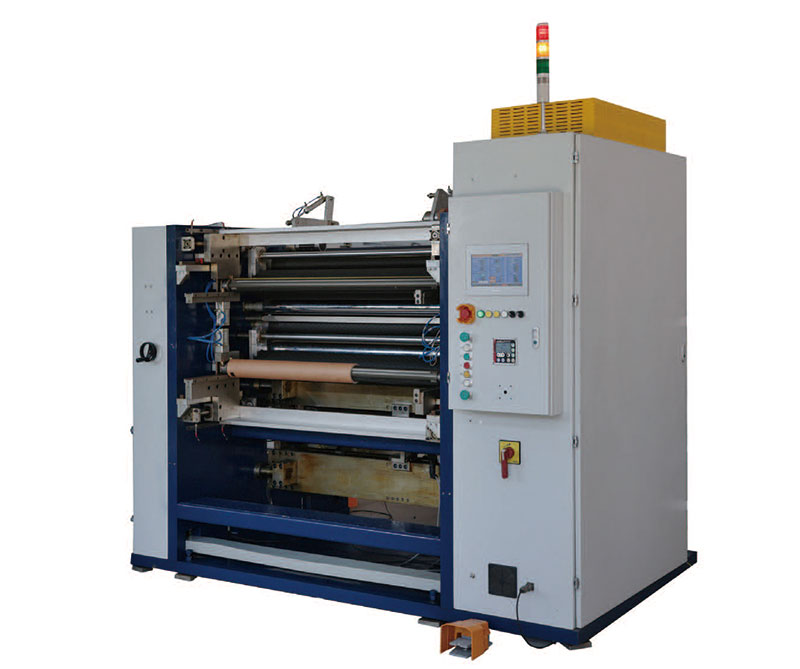 New Energy Ultra-thin Film Slitting Machine For MOPP
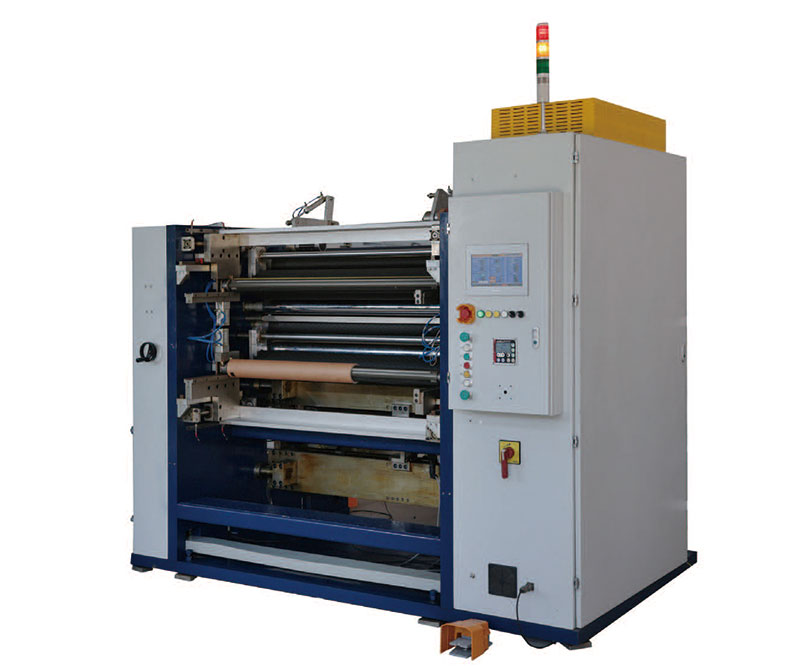 New Energy Ultra-thin Film Slitting Machine For MPET
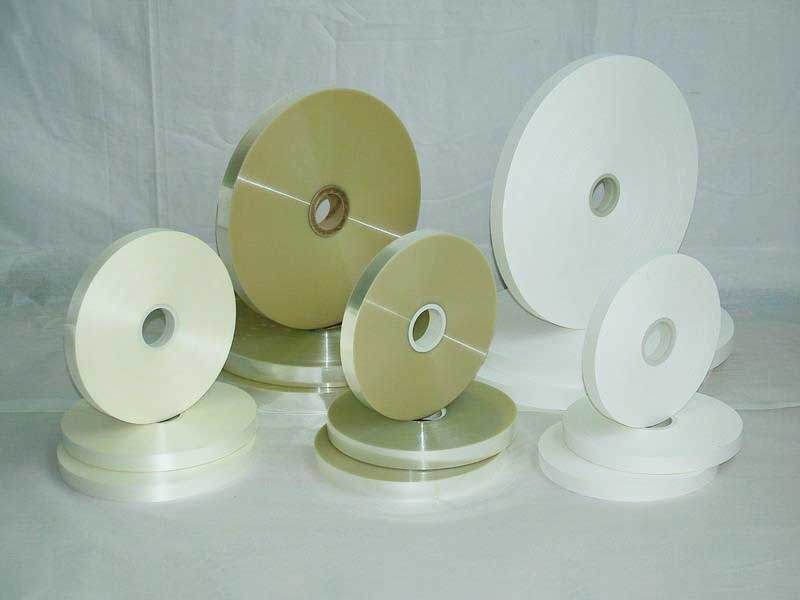 Film Slitting Machine
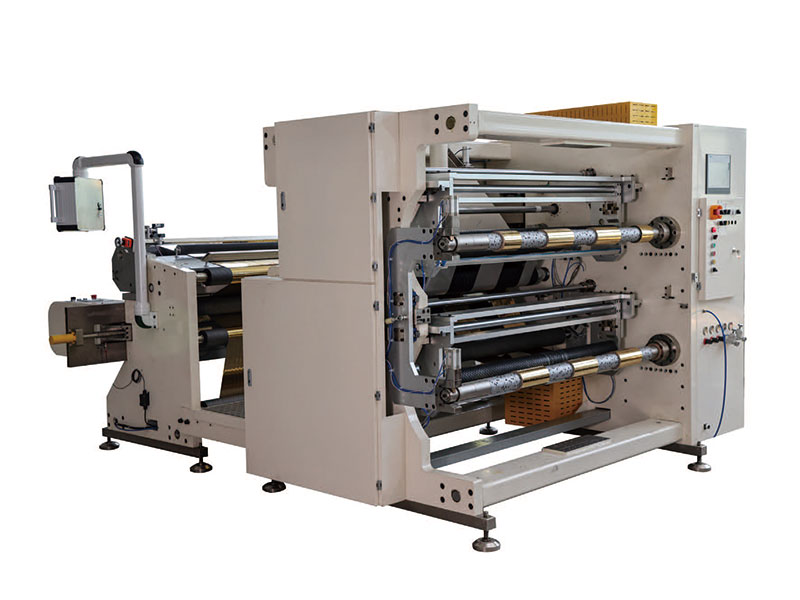 1400mm Copper Foil Slitting Machine


 +86 135 9951 7291
 support@delishmachine.com