In the production process of thermal transfer ribbons, the slitting machine is one of the core pieces of equipment, and order change operations are an unavoidable part of daily production. If each order exchange is not handled properly, it will cause waste of raw materials, which cumulatively significantly affects production costs and profit margins. Below is a summary of several practical waste-reducing tips focusing on the ribbon slitting machine order changeover operation.
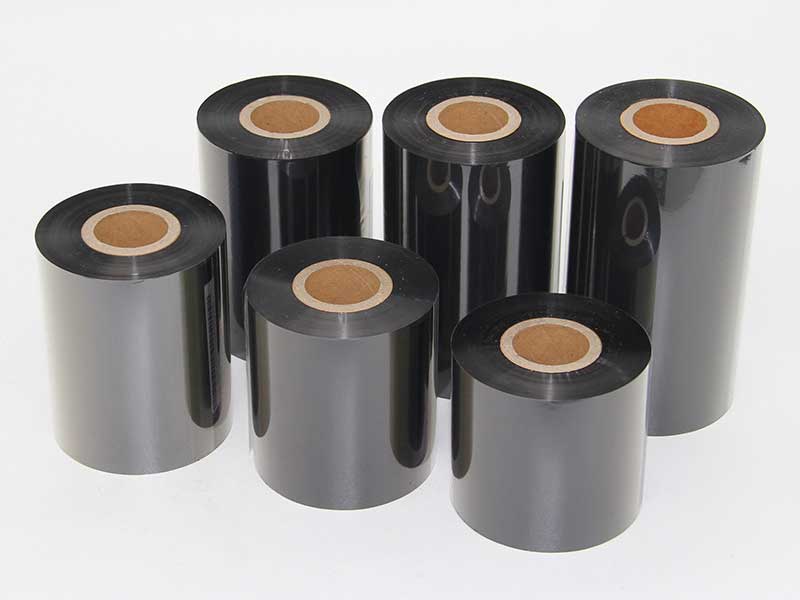
1. Optimize preparations before order changes
Prepare and inspect materials in advance
When the previous roll is about to be finished, prepare the required master roll, paper core, tape, and other auxiliary materials for the next order in advance, and check the main roll surface for defects. This avoids equipment idling or extended downtime caused by temporary material finding or handling of main coil issues, thereby reducing material waste in the transition section.
Process parameter presets
Based on the specifications of the new order (width, length, winding tension, etc.), pre-enter or call the saved recipe parameters on the slitting machine control system. Avoid repeated trial cutting and adjustment of parameters after order changes, reducing excessive trimming or poor winding caused by improper parameters.
2. Standardize splicing and alignment operations
Refined preparation and receiving techniques
For splicable ribbon materials, a butt bonding method is used instead of lap joint, and specialized low-base tape is used. Ensure both ends are aligned and free of wrinkles during splicing, and the splicing tape should be as narrow as possible (recommended not to exceed 5mm). This significantly reduces the length that must be cut due to unusable spliced sections.
Aligned notation
Align the edges of the main roll and the roll paper core in advance (such as using pencils or color codes), and quickly align when changing sheets to avoid overly wide initial cut edges caused by misalignment. Experienced operators can fine-tune the equipment during slow operation, keeping initial deviations within 3mm.
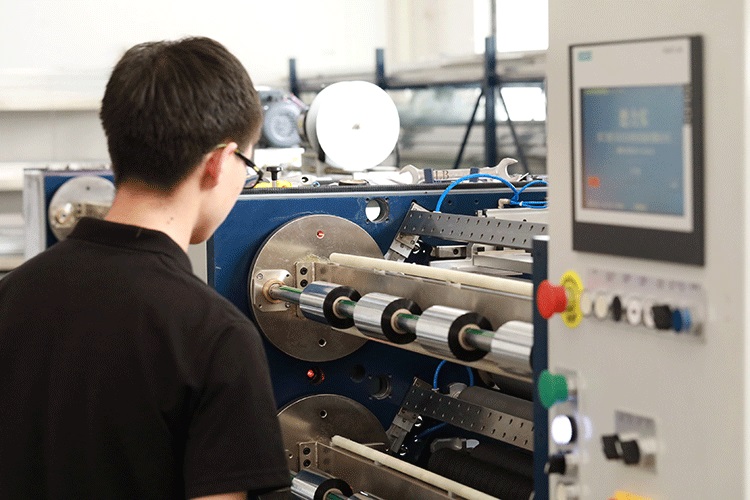
3. Control the transition section and feed length
Minimize transition stage settings
Many slitting machines allow setting a "order change transition length." Based on experience, the transition section of a ribbon slitting machine usually requires 5–15 meters. It is recommended to test to determine the minimum stable transition length for the machine (for example, 8 meters) and set it as the standard. Never use the default large value (such as 20 meters), as each order can save 12 meters of material.
Skillful use of "material lead waste belt"
Use leftover defective material from the previous order or specially prepared cheap primer tape (such as other scrapped carbon ribbons) for primer penetration in new orders. Once the machine stabilizes, switch to genuine master coils. This method avoids using genuine materials for initial film penetration on every order, making it especially suitable for small orders with frequent order changes.
4. Precise adjustment of tension and roller pressure
Segmented tension transitions
When changing sheets, the diameter of the main roll suddenly changes from the smaller diameter of the previous batch to the larger diameter of the new sheet, requiring rematching of tension. It is recommended to use a "low initial tension + gradual rise curve" for the first 50 meters after changing orders, and only raise to normal tension once the membrane surface stabilizes. This prevents ribbon stretching, deformation, or broken ribbons caused by excessive tension, reducing scrap after strip breakage.
Check the condition of the pressure roller
During order changes, clean the winding pressure roller and flattening roller to ensure no adhesive foreign matter. Uneven pressure on the rollers can cause wrinkles or misalignment during rewinding, leading to batch scrap. Develop the habit of cleaning and inspecting the roller as soon as you change orders, reducing waste caused by roller issues all at once.
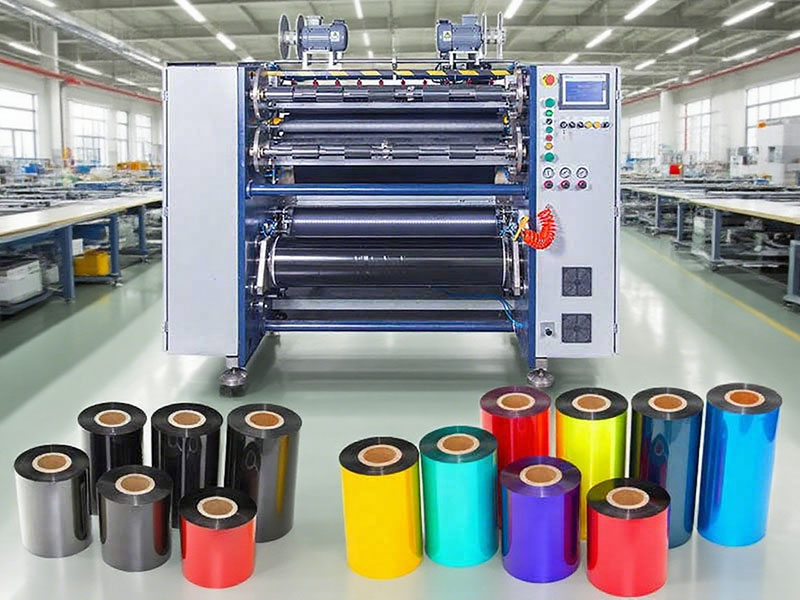
5. Rational utilization of the transition section
Mark the replacement-defective area
Operators apply prominent color label stickers at the order change and splicing points, and subsequent processes (such as rewinding or quality inspection) skip inspection directly upon seeing the markings, avoiding misidentification of unavoidable joint segments as continuous defect and expanding the removal range.
Joint samples are collected for commissioning
After each order change, the initial 10–20 meters of ribbon, if the appearance is decent but performance is unstable, can be kept as equipment debugging or training demonstration samples without needing to be discarded directly. For example, it is used to check the sharpness of slitting blades and test the hardness of winding, achieving "making every available use."
6. Data Recording and Continuous Improvement
Establish a ledger for order exchange and waste
Record the change time for each order, the diameter of the main roll, the splicing method, the length of the transition section, and the weight or length of the scrap products generated. Through data analysis, identify the order types with the highest waste (such as narrow-width products and ultra-thin substrates) and optimize the exchange process accordingly.
Regularly organize skill exchange competitions
The amount of waste is highly dependent on the operator's proficiency. A task exchange operation competition is organized once a quarter, with evaluation criteria including order change time, waste length in transition sections, and trimming width. Use data to motivate teams and solidify best practices into standard operating procedures (SOPs).
Conclusion
The order change operation for ribbon slitting machines may seem like a routine handover, but in fact, every detail hides opportunities to reduce costs and improve efficiency. By standardizing preparation, optimizing splicing, precisely controlling transition segments and tension, and continuous recording and training, companies can reduce waste per order exchange by 30%–50%. These techniques do not require expensive equipment upgrades; the key lies in refined management and the habit of operators. Reduce waste by starting with every order change.
 English
 Deutsch
 Français
 Español
 Português
 日本語
日本語 русский
 한국어
한국어 عربي
عربي ภาษาไทย
 Tiếng Việt
 Italiano
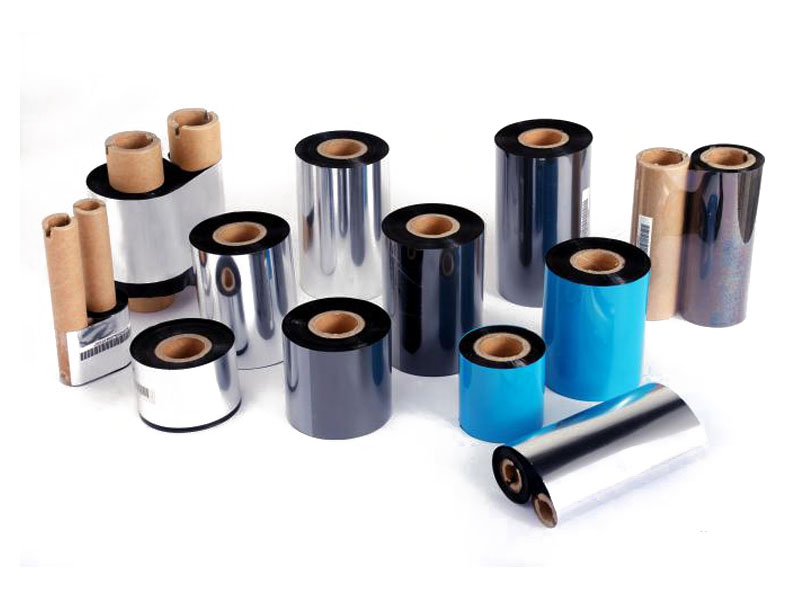
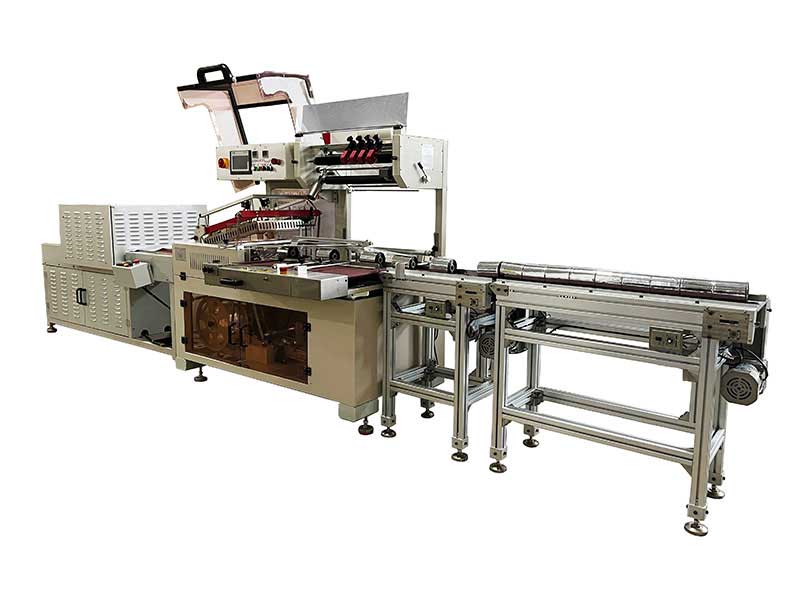 Thermal Transfer Ribbons Packaging Machine
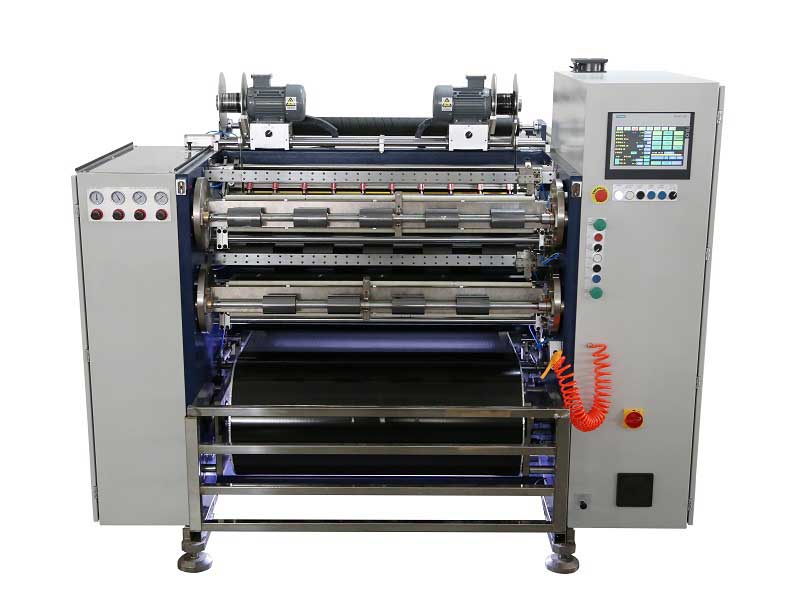 Automatic Thermal Transfer Ribbon Slitting Machine RSDS8 H PLUS
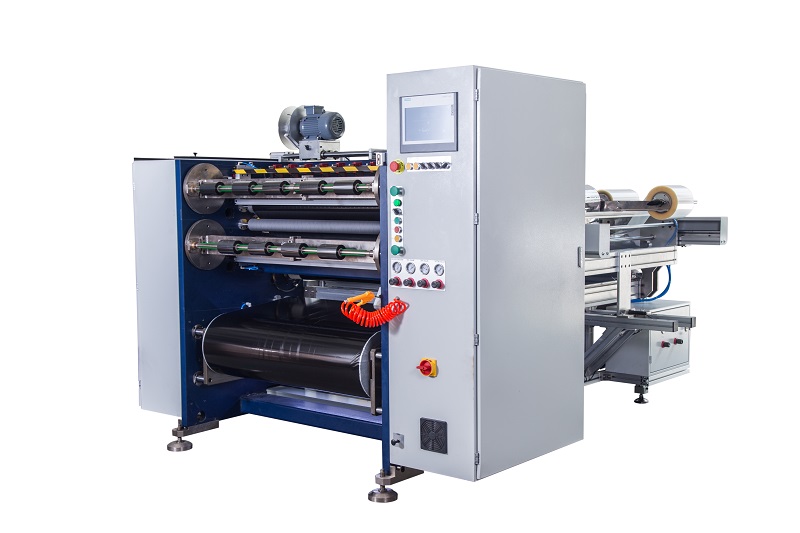 Semi Automatic Thermal Transfer Ribbon Slitting Machine RSDS5 PLUS
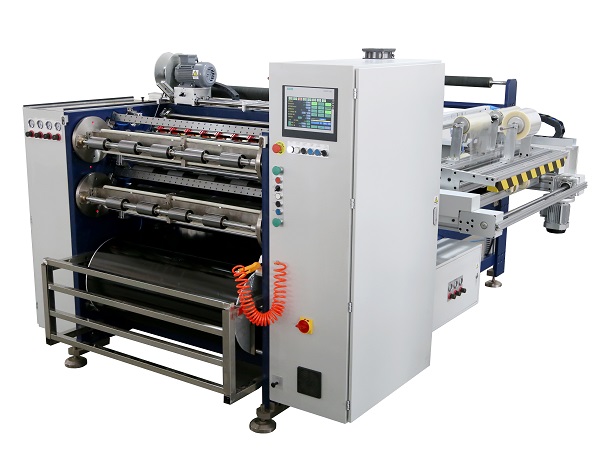 Automatic Thermal Transfer Ribbon Slitting Machine RSDS8 PLUS
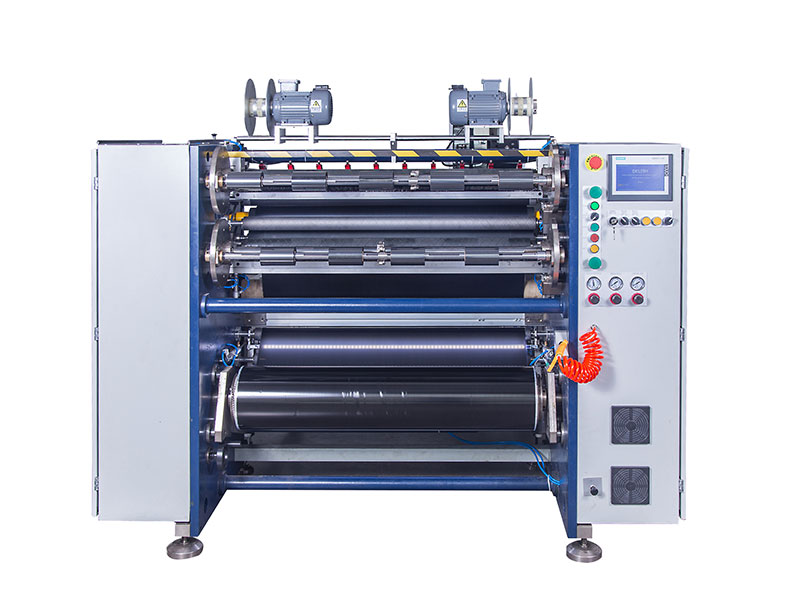 Barcode Ribbon Slitting Machine
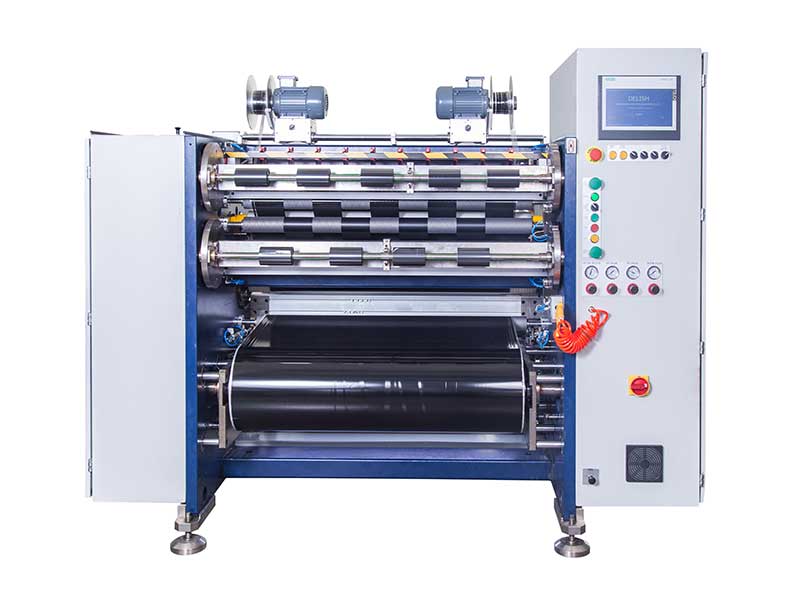 TTR Slitting Machine
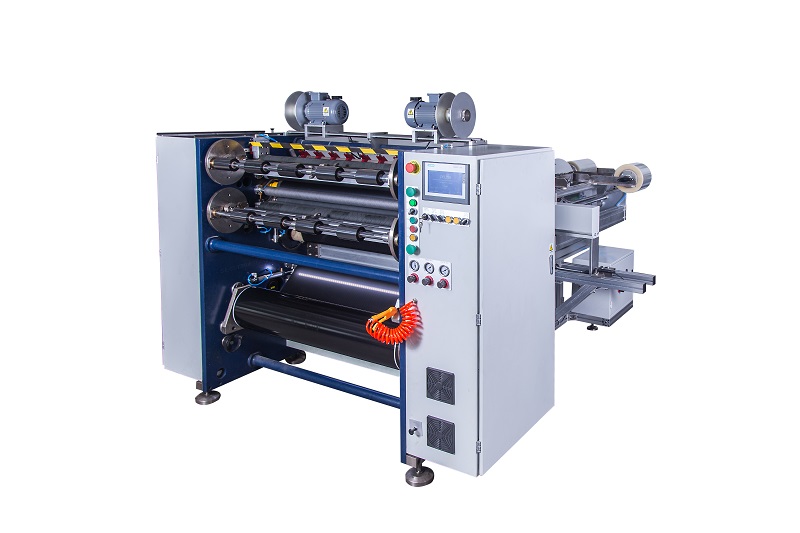 Semi Automatic Thermal Transfer Ribbon Slitting Machine RSDS1 PLUS
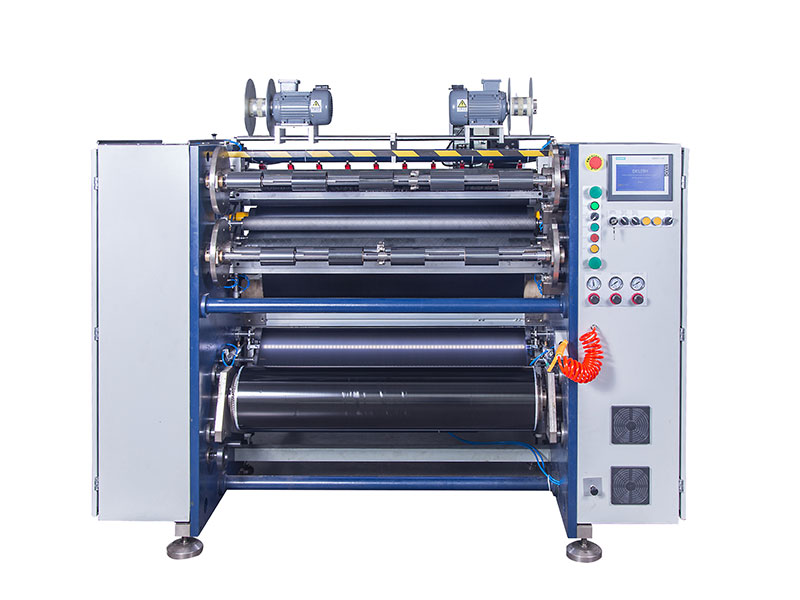 Ribbon Slitting Machine


 +86 135 9951 7291
 support@delishmachine.com