In the production chain of heat transfer consumables, ribbon slitting machines are key equipment connecting both the upper and lower levels. It is responsible for precisely slicing the coated wide ribbon master roll into finished rolls suitable for various printers. The quality of slitting directly affects whether the ribbon breaks easily during use and whether white lines or indentations appear in printing—the root of these issues often lies in the control accuracy of the slitting process.
Faced with a wide variety of equipment types and complex parameters on the market, how can one make choices that both meet production needs and ensure long-term benefits? This article will provide a systematic reference guide covering equipment types, core parameters, and practical selection.
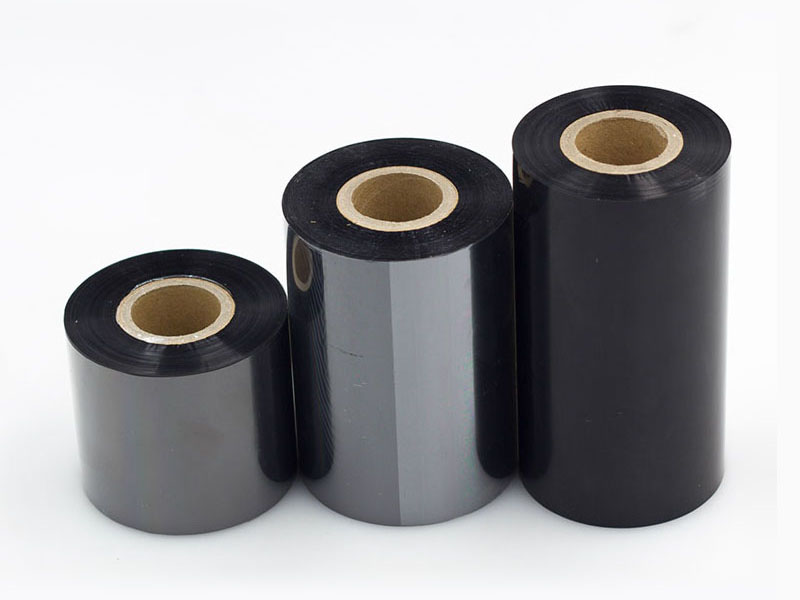
1. Equipment Type: Understanding positioning by category
Ribbon slitting machines can be classified into various types based on different dimensions; understanding these categories helps to initially determine the direction for selection.
Segmented by Applied Materials:
• TTR ribbon slitting machine: suitable for conventional barcode printing ribbons and is the mainstream type in the market.
• TTO ribbon slitting machine: Designed for hot transfer coding (TTO) ribbons, it demands higher slitting precision and tension control.
By degree of automation:
• Manual/semi-automatic models: suitable for small batches and multi-variety production, with low investment thresholds but reliance on manual operation.
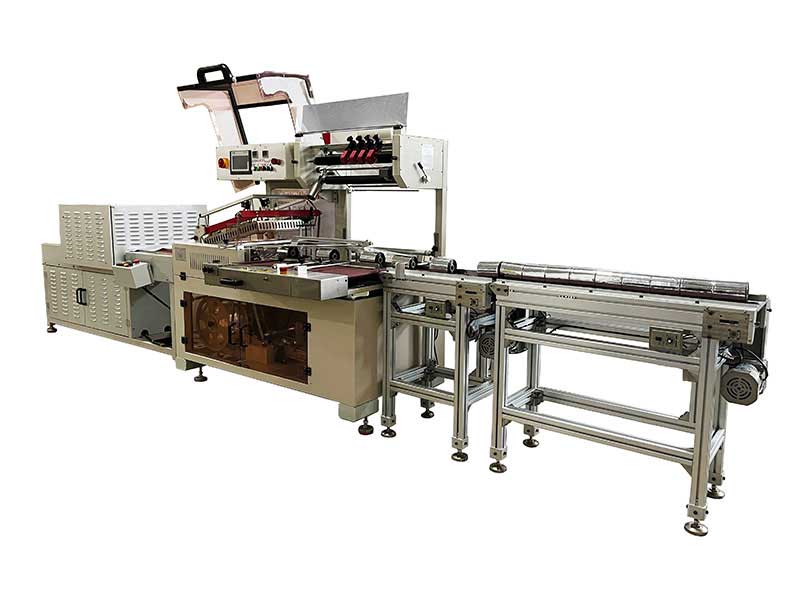
• Fully automatic model: Capable of automatic feeding, automatic flipping and rewinding, automatic film application, and packaging throughout the entire process, suitable for large-scale continuous production.
By production scale:
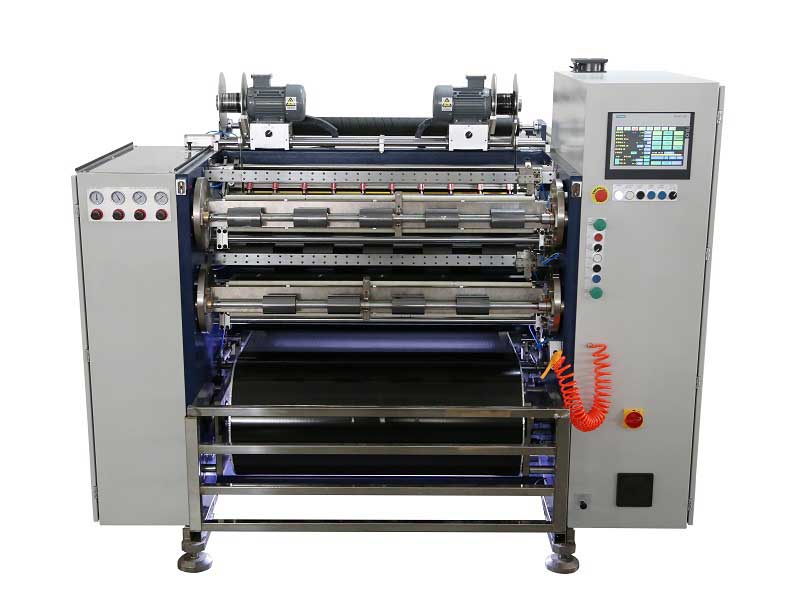
• Small slitting rewinder: width usually within 500mm, winding diameter not exceeding 300mm, speed below 200 meters per minute. Flexible in function, suitable for slitting small and medium-sized ribbon finished products, and can also be used to rewind long rolls into short rolls or rewind 1-inch core rolls to 1/2 inch.
• Large/automatic slitting machine: effective width up to about 1000mm, winding diameter not exceeding 800mm, speed up to 500 meters per minute. Equipped with a high-precision adaptive tension control system, suitable for large-scale, high-efficiency production.
Classified by tool type configuration:
Cutter shape is the core hardware difference affecting slitting quality. Square blades (razor type) are suitable for slitting thin ribbons below 70μm, with high edge uniformity; Round blades (scissor type) are more suitable for thick materials above 100μm and ribbons with paper backing, offering strong durability and ideal for mass production.
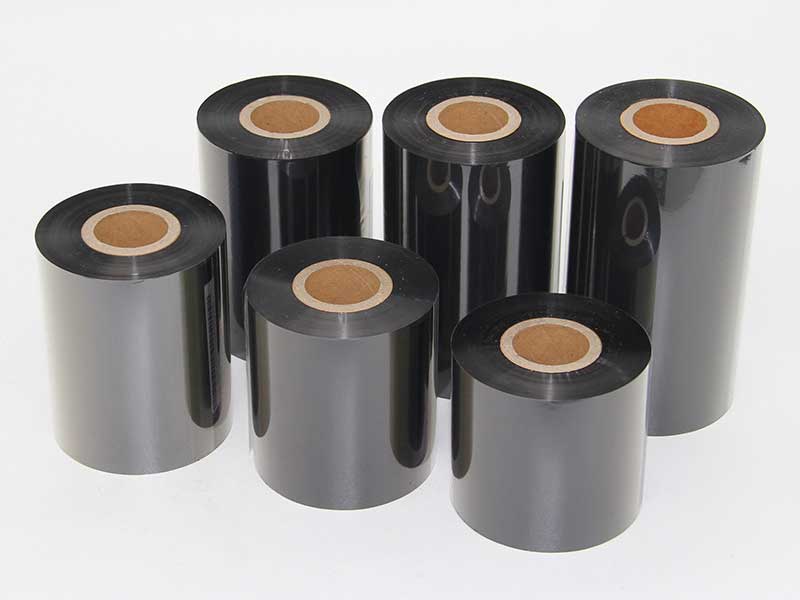
2. Core Parameters: Grasp the "Bull's Nose" of Selection
Faced with complex technical parameters, focusing on the following three core indicators allows quick judgment of whether the equipment meets basic requirements.
1. Slitting precision: the lifeline of quality
Precision directly determines the width consistency and edge quality of the finished ribbon. Industry reference standards are: standard grade ± 0.5mm, high-precision models can reach ±0.1mm or even ±0.05mm. Insufficient precision can cause ribbon edges to be rough, tape misalignment during printing, or even damage to the print head. Selection advice: Do not trust the parameter list too easily; always ask the manufacturer to provide actual slitting sample test data.
2. Slitting speed: The measure of efficiency
Speed determines output per unit time, but you can't just look at the nominal maximum speed. Common speed ranges are as follows:
| Level | Speed range | Applicable scenarios |
| Low-speed economy model | 50–100m/min | Small batch, multi-variety production |
| Medium-speed universal model | 150–250m/min | Most commercial orders |
| High-speed production model | 300–500m/min | Mass continuous production |
Selection reminder: Resin-based ribbons have harder coatings and lower toughness, so they usually need to operate at speeds 20%–30% lower than wax-based ribbons. Be sure to conduct on-site trial cutting using the ribbon specifications you actually use.
3. Roll neatness: A key metric that is often overlooked
The winding end face deviation should usually be controlled within ±1mm, and high-end equipment can reach ±0.5mm. If the end face shows a "bell-mouthed" shape, the edges are "serrated," or internal folds appear, the root cause is inadequate tension control systems and correction devices.
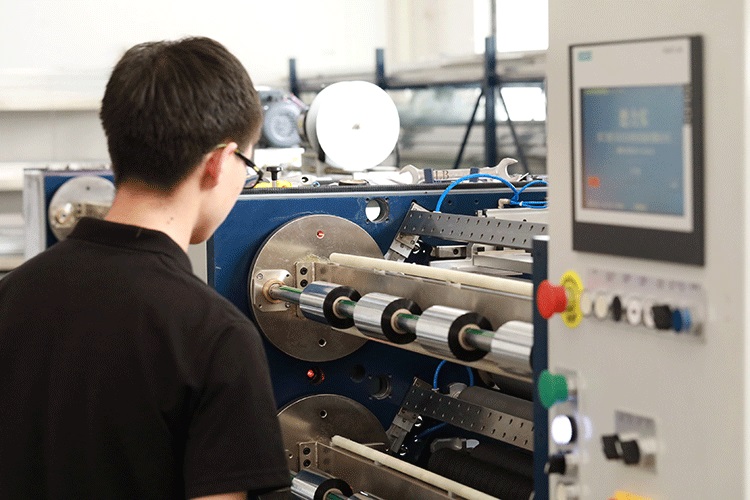
3. Tension Control: The "Soul" of the Equipment
Tension control is the core technical challenge in ribbon slitting, and is even called the "soul" of slitting machines in the industry.
• Excessive tension: The PET base film of the ribbon is damaged by stretching, making the ink layer prone to powder shedding.
• Insufficient tension: The ribbon wrinkles, resulting in white lines, indentations, and other defects during printing.
• Uneven tension: Finished products may experience core misalignment or ribbon sideslip during transportation or installation.
Selection recommendation: Prioritize a fully automatic closed-loop tension control system, which can monitor and adjust tension in real time during unwinding, traction, and rewinding stages to ensure constant tension throughout the slitting process from full to small rolls. For ultra-thin ribbons (< 5μm), and attention must also be paid to the minimum stable tension value of the equipment. In terms of rewinding shaft configuration, slip shafts are a must-have for high-end ribbon production—each roll material corresponds to an independent slip ring, allowing real-time torque adjustment based on changes in roll diameter, effectively solving the issues of "loose inside, tight outside" or "core inside."
4. Cutter Shape Selection and Winding Methods
Quick tool shape determination
The industry usually uses 100μm as the reference line:
• Suitable for long-term use of thin wax-based, mixed-based ribbons→ square knives.
• Thick resin-based ribbons or ribbons with paper backing → are more suitable for round knives.
Comparison of rolling methods
• Central winding: Driven directly by the winding shaft, simple structure, suitable for general requirements.
• Surface winding: driven by friction rollers, effectively eliminating tension fluctuations, resulting in a neater end face, making it better suited for high-speed slitting and soft materials. High-end ribbons should prioritize surface winding or switchable models.
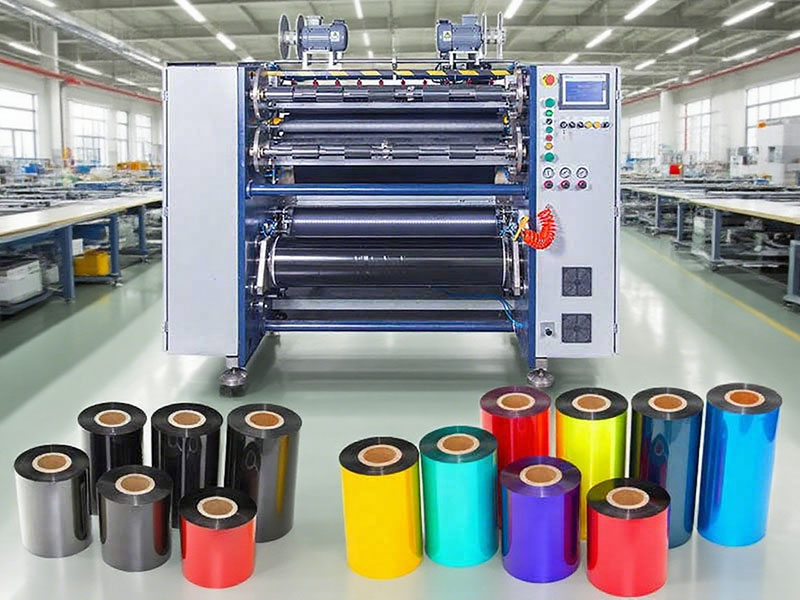
5. Selection Action Checklist
There is no "best" in choosing a model, only "the most suitable." It is recommended to proceed with the following steps to reduce decision-making risk:
Step one: Clarify your own needs
List the main types of ribbons you slitting (wax-based/mixed/resin-based), common width ranges, average daily capacity, and precision requirements. This is the starting point for all selection decisions.
Step 2: Multiple parties request configuration parameters
Request detailed technical specifications from at least 3-5 suppliers, focusing on the brands and models of core components (motors, sensors, blade brands, etc.), and don't just look at price.
Step 3: On-site trial cut verification—the most important step
"Purchasing without watching the demo is a risk." Bring your own ribbon master roll to the manufacturer for on-site trial cutting. Key observations:
1. Edge quality at different widths (narrowest and widest specifications);
2. Stability of winding during high-speed starts and emergency stops;
3. Tension consistency during continuous operation over 2000 meters.
Step 4: Assess after-sales service
Clearly state the warranty period, installation and commissioning training, after-sales response time (e.g., 4-hour response, 24-hour on-site service), and the inventory status of consumable parts, all of which are written into the contract.
Step 5: Comprehensive cost considerations
Not only should you look at the purchase price, but also evaluate material waste rates, labor costs, and maintenance expenses. High-precision equipment typically reduces defect rates by 3%-8%, offering considerable long-term returns.
A good ribbon slitting machine is not only a production tool but also part of the quality control system. By mastering the three core parameters of precision, speed, and neatness, combining it with your product structure and output requirements, and verifying actual performance through on-site trial runs, you can select the most suitable model that truly improves efficiency and reduces losses. The ultimate goal is not to choose the most expensive equipment, but to select solutions that best match business needs and deliver tangible improvements in production efficiency and product quality.
 English
 Deutsch
 Français
 Español
 Português
 日本語
日本語 русский
 한국어
한국어 عربي
عربي ภาษาไทย
 Tiếng Việt
 Italiano
 Thermal Transfer Ribbons Packaging Machine
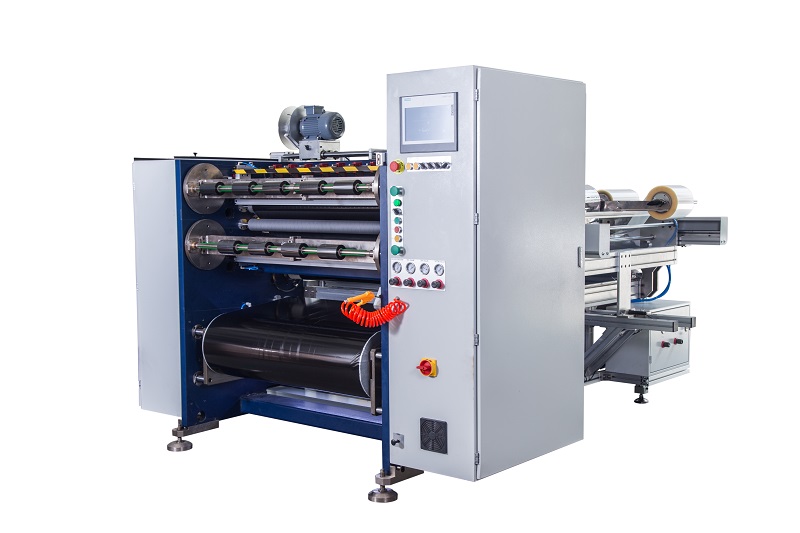
 Automatic Thermal Transfer Ribbon Slitting Machine RSDS8 H PLUS
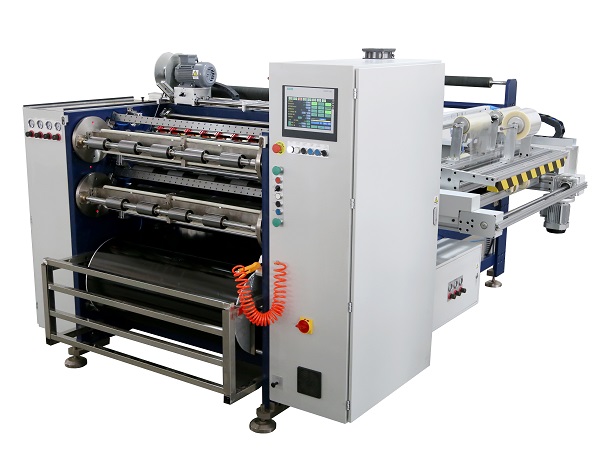
 Semi Automatic Thermal Transfer Ribbon Slitting Machine RSDS5 PLUS
 Automatic Thermal Transfer Ribbon Slitting Machine RSDS8 PLUS
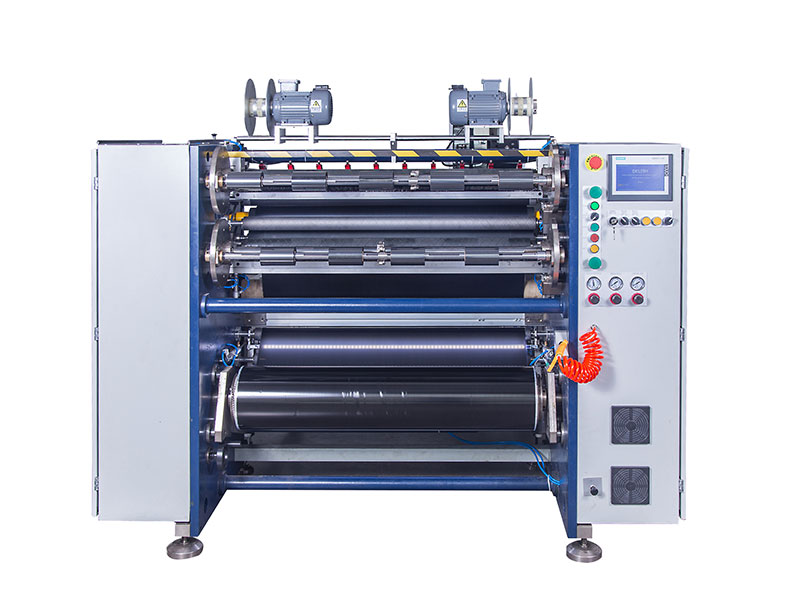 Barcode Ribbon Slitting Machine
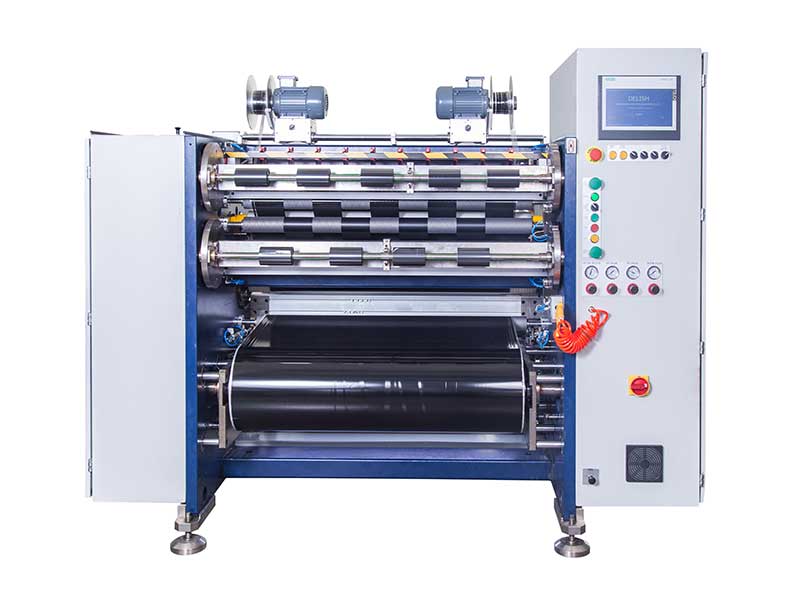 TTR Slitting Machine
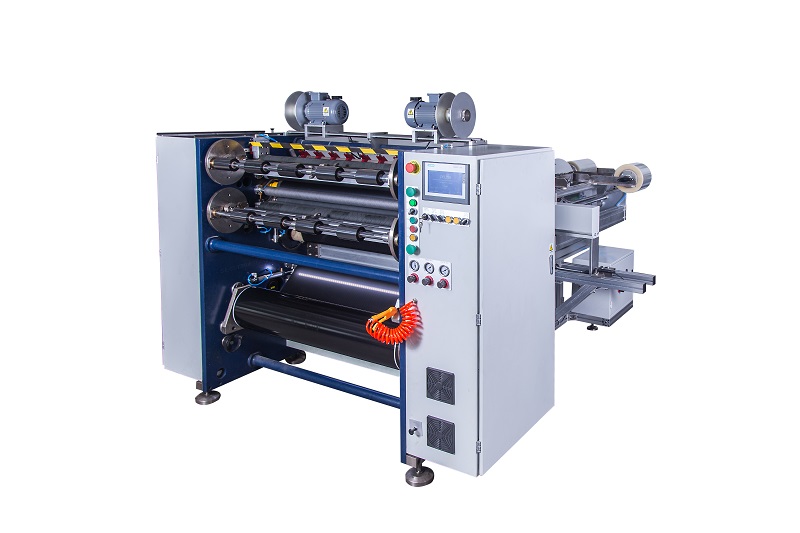 Semi Automatic Thermal Transfer Ribbon Slitting Machine RSDS1 PLUS
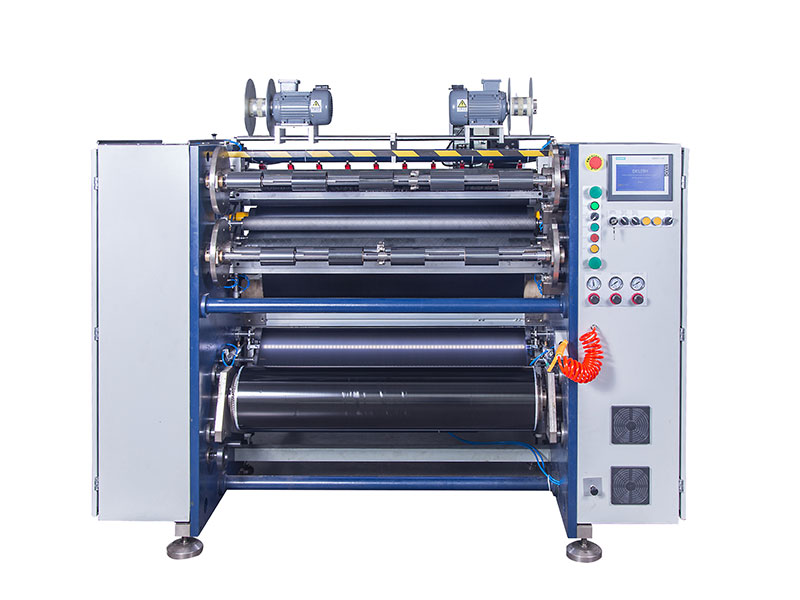 Ribbon Slitting Machine


 +86 135 9951 7291
 support@delishmachine.com