In the production process of thermal transfer ribbons, slitting is a crucial process. The quality of slitting directly determines the printing effect of the final product - and tension control is the most overlooked but most influential factor. Improper control can lead to stretch deformation, folds and arching of ribbons, and batch scrapping. Today we will talk about how to effectively reduce stretching and steadily improve yield through precise tension control.
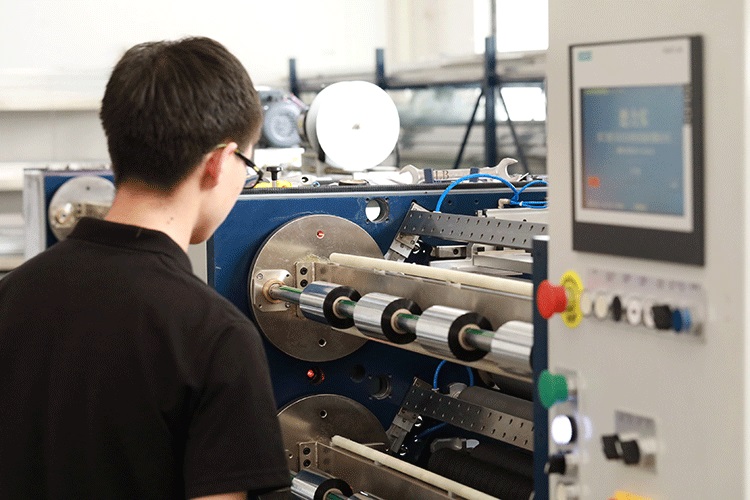
Why is tension control so critical?
The ribbon consists of an extremely thin base film (usually a mylar) and a layer of ink coated on it, often with an overall thickness of only a few microns to a dozen microns. This thin structure means that it is extremely sensitive to tension:
• Too little tension: The ribbon cannot operate stably during the slitting process, and it is easy to deviate and wrinkle, resulting in uneven slitting edges or even broken belts
• Excessive tension: The base film is stretched and deformed, and the ink layer may appear micro-cracks, resulting in white lines, uneven density, or ink breakage during final printing
More importantly, the longitudinal stretching of the ribbon is irreversible. Once the base film is elongated, the entire ribbon will become a "defective product", with inaccurate printing positioning and image deformation during thermal transfer - this hidden danger is difficult to find in the inspection of the finished product, and is often not exposed until the user uses it.
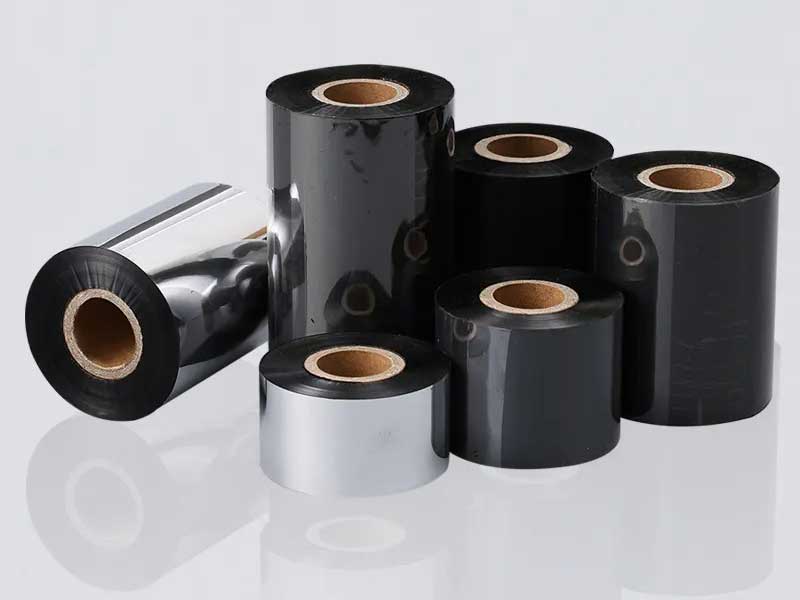
Four core secrets of tension control
Tip 1: Set the "minimum viable tension" based on the material properties
Many operators are accustomed to "increasing the tension to prevent deviation", which is precisely the biggest misunderstanding. The correct approach is: use as little tension as possible under the premise of ensuring the smooth operation of the ribbon.
For specific operations, you can start with a lower tension and gradually increase it slightly to find the "critical point" - the minimum tension value of the ribbon that does not slip or deviate. This value is different for ribbons of different widths and thicknesses. It is recommended to establish a material database to solidify the optimal tension value of each specification of ribbon into the process parameters.
Tip 2: Adopt a closed-loop tension control system
The biggest problem with open-loop control (such as manually adjusting the magnetic powder clutch) is that the tension naturally increases as the unwinding diameter becomes smaller. Even if you adjust it in the morning, the tension may have exceeded the standard when you cut it into small rolls in the afternoon.
Closed-loop control is the guarantee of stability. The actual tension of the ribbon is detected in real time through the tension sensor, and the controller automatically adjusts the unwinding or rewinding torque, so that the tension is always kept within the set range. At present, the mainstream ribbon slitting machine mostly adopts:
• Pendulum Tension Control: Initial stability is achieved through mechanical feedback from the swing roller, suitable for scenarios where the speed does not change much
• Servo + tension sensor control: fast response and high accuracy, especially suitable for high-speed slitting (more than 200m/min)
For manufacturers with high yield rate requirements, it is highly recommended to upgrade to a full-servo closed-loop control system. Although the initial investment is high, the cost can be recovered by reducing the scrap rate within half a year.
Tip 3: Differentiated control of segments
On a slitting line, the tension requirements at different positions are different. A good tension control solution divides the machine into three independent control zones:
• Unwinding area: The tension should be minimal, only to ensure the smooth release of the ribbon
• Slitting area: The ribbon experiences the greatest frictional resistance when passing through the tool groove, where the tension needs to be slightly higher to maintain a stable cut
• Winding area: The tension needs to be dynamically adjusted according to the winding diameter, and the tightness of the final finished roll directly affects the smoothness of the downstream printer
To put it simply: winding should be "smooth", slitting should be "stabbed", and winding should be "evenly rolled". The three areas need to set the target tension independently, and cannot be one-size-fits-all.
Tip 4: Pay attention to dynamic compensation in the process of acceleration and deceleration
Many slitting machines have good tension control when operating at constant speed, but as soon as you start or brake, the ribbon stretches or relaxes instantly. This is because the inertial force is superimposed on the ribbon when accelerating or decelerating.
The solution is to add acceleration feedforward compensation to the control system. When the controller detects a change in the speed command, it actively compensates for the unwinding torque to offset the inertia effect. The acceleration and deceleration time of high-end slitting machines can be achieved in more than 10 seconds (from 0 to 300 m/min), and the impact is almost not felt by the ribbon.
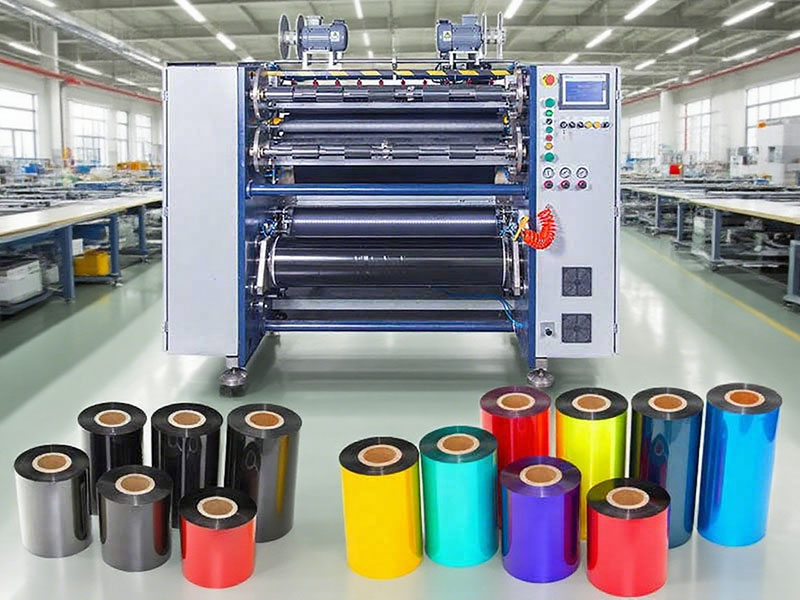
Common problems and troubleshooting ideas
Even with a good solution, problems may still be encountered in actual operation. Here are three high-frequency faults and countermeasures:
| phenomenon | Possible causes | Resolution steps |
| The edges of the ribbon are wavy after slitting | The tension is too small or the pressure of the rewinding roller is uneven | First, slightly increase the tension of the retraction roll, and if it is ineffective, check the parallelism of the roller |
| Oblique stretch lines appear on the surface of the ribbon | The tension of unwinding is too great | Immediately reduce the unwinding tension and check that the tension sensor is calibrated |
| The end face of the finished roll is uneven and flared | The rewinding tension taper is set improperly | Adjust the decreasing tension curve of the winding force so that the tension is automatically reduced when the winding is large |
From tension control to yield improvement
Precise tension control not only reduces the elongation rate of the ribbon, but also improves the quality of the whole chain:
• Print yield rate: Reduce printing misalignment caused by ribbon stretching, and increase the effective printing length of a single ribbon by 5%-8%
• Slitting yield rate: Eliminate direct defects such as deviation, wrinkling, and broken belt, and increase the yield rate of the slitting process from 95% to more than 98.5%
• Customer complaint rate: Problems encountered by downstream customers (barcode printing users) such as poor carbon belt release and printing white lines have been greatly reduced
Summary
The tension control of the ribbon slitting machine is essentially to find a balance between "stability" and "gentleness". Keep in mind four key points: use the minimum feasible tension, use a closed-loop system, differentiated control of segments, and do a good job of acceleration and deceleration compensation. These seemingly detailed adjustments will eventually be reflected in the yield rate figure - and every 1 percentage point increase in yield rate is a real profit for mass-produced ribbon manufacturers.
When was the last tension calibration of your slitting machine? Start today and revisit your tension parameter sheet.
 English
 Deutsch
 Français
 Español
 Português
 日本語
日本語 русский
 한국어
한국어 عربي
عربي ภาษาไทย
 Tiếng Việt
 Italiano
 Thermal Transfer Ribbons Packaging Machine
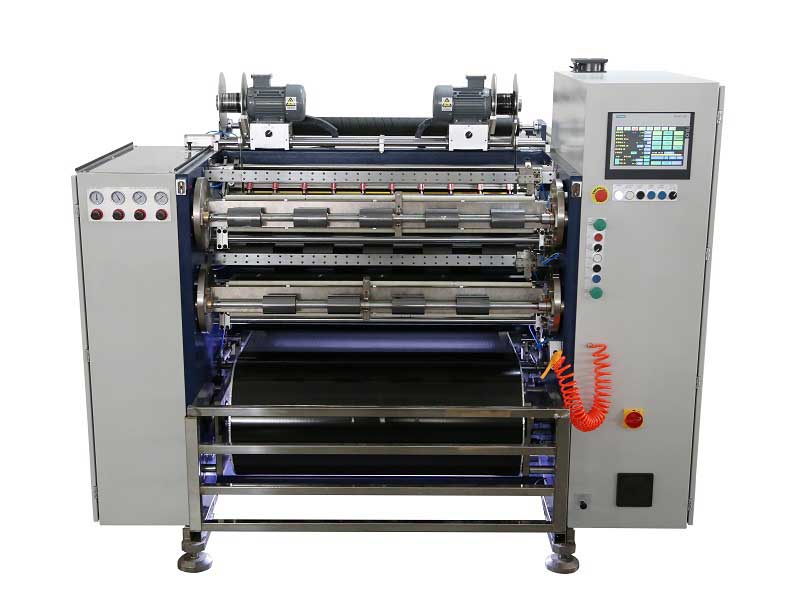 Automatic Thermal Transfer Ribbon Slitting Machine RSDS8 H PLUS
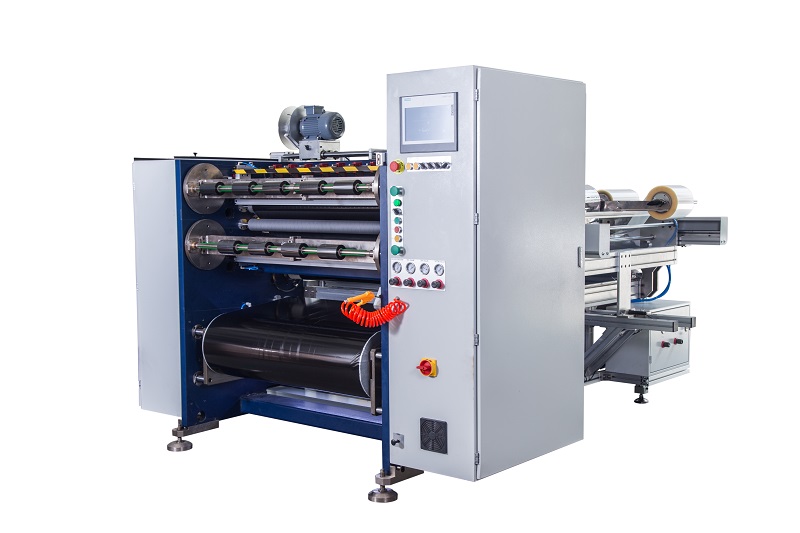 Semi Automatic Thermal Transfer Ribbon Slitting Machine RSDS5 PLUS
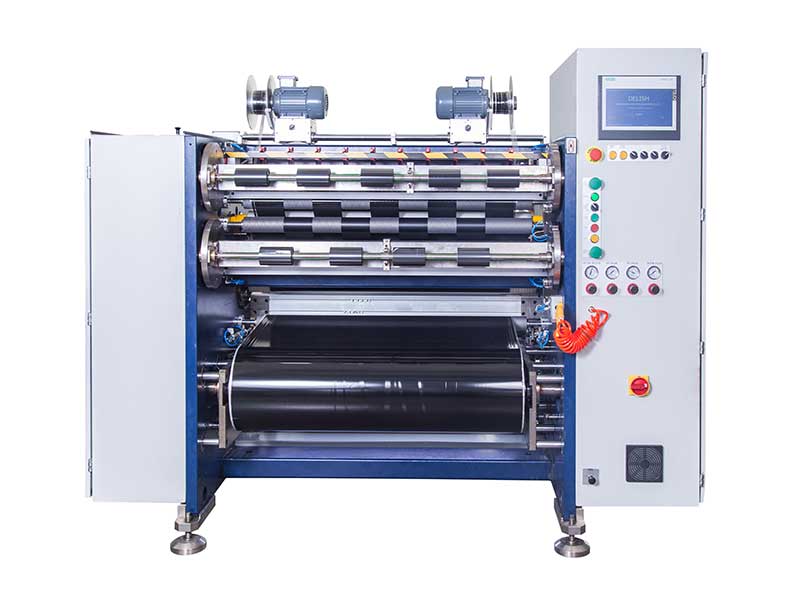 TTR Slitting Machine
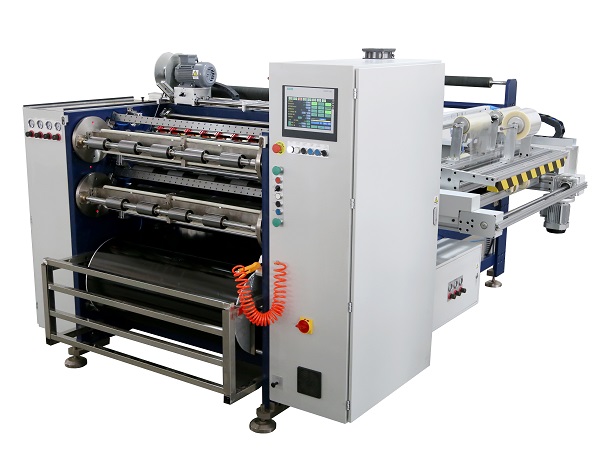 Automatic Thermal Transfer Ribbon Slitting Machine RSDS8 PLUS
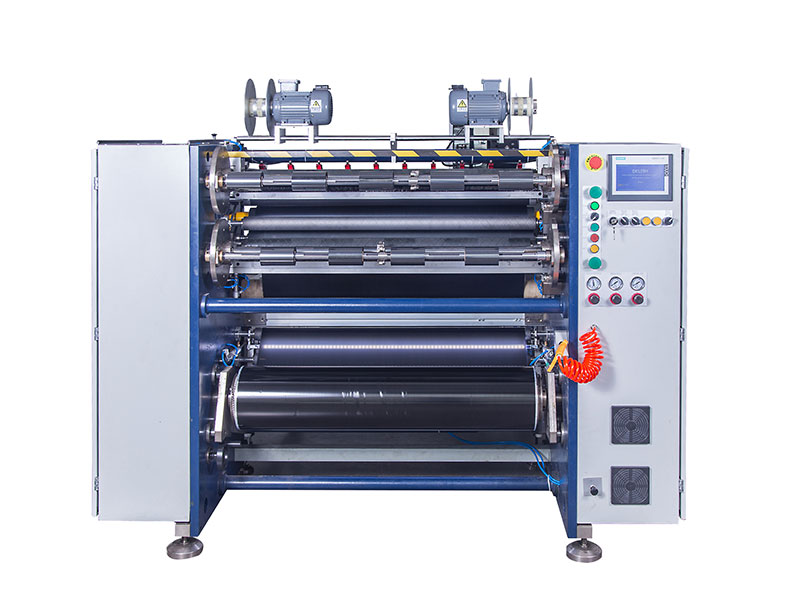 Barcode Ribbon Slitting Machine
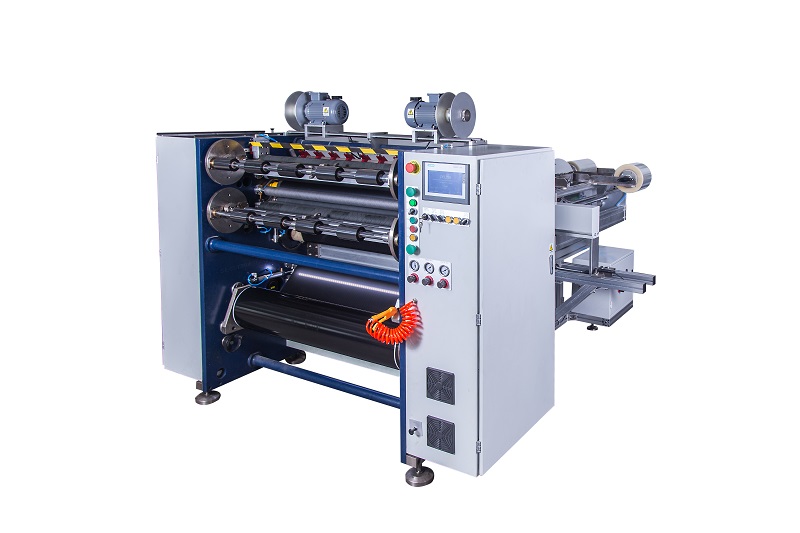 Semi Automatic Thermal Transfer Ribbon Slitting Machine RSDS1 PLUS
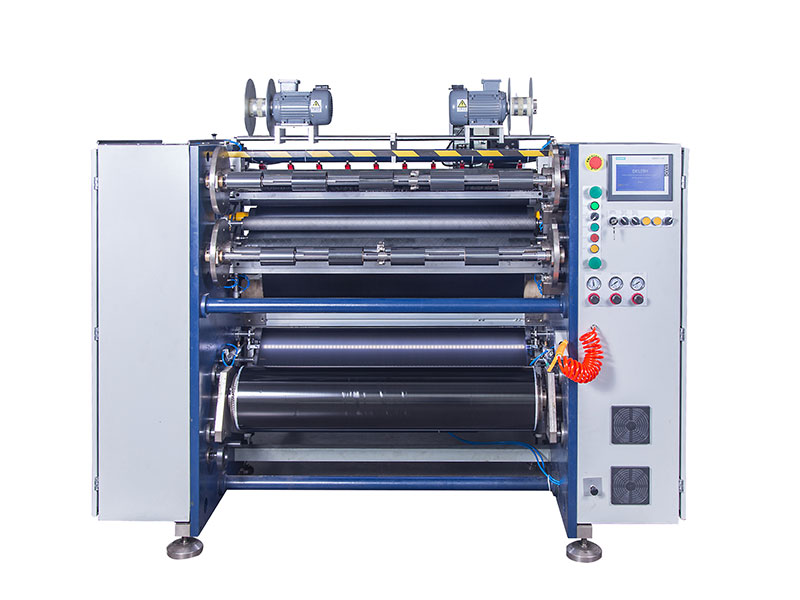 Ribbon Slitting Machine


 +86 135 9951 7291
 support@delishmachine.com