In the production process of thermal transfer ribbons, the back coat is a key functional layer – it plays an important role in reducing friction, relieving static electricity, and protecting the printhead. Once the back coating is scratched, scratched, embossed and other damages in the slitting process, it will cause printing stuttering, broken needles, and scrapping of the entire ribbon. Therefore, the prevention and control of damage to the back coating of ribbon slitting machine is the top priority of quality control of ribbon manufacturing enterprises.
This paper systematically sorts out the damage prevention measures that can be implemented from five dimensions: damage mechanism, equipment factors, process control, material matching, and daily management.
1. First recognize: four typical forms of back coating damage
Before discussing "how to prevent it", it is necessary to accurately identify the type of damage:
| Type of injury | performance | Common causes |
| Longitudinal scratches | Continuous thin lines along the belt direction | Guide roller burrs, edge contact, dust particles |
| Local embossing | Irregular dents or indentations | Press roller foreign object, winding end face extrusion |
| Abrasions/whitening | The surface is uniformly worn and white | Excessive tension and sliding friction on the contact surface |
| Striated lesions | Periodic repeating traces | The roller surface runs out and the bearing is damaged |
Judgment principle: observe with strong light oblique + magnifying glass, and verify with machine printing, not only by the naked eye.
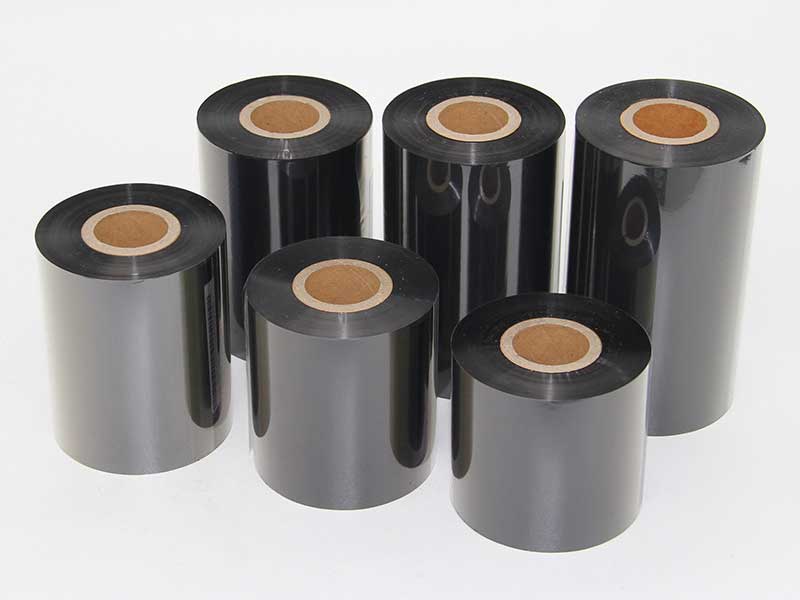
2. Equipment side: anti-damage design of the slitting machine structure
1. Surface treatment of guide rollers
• Preferred: Superfine mirrored aluminum guide rollers (Ra ≤ 0.05μm) or ceramic-coated guide rollers
• Disabled: Pinholes or scratches on chrome rollers can damage the back coat
• Inspection frequency: Touch the surface of the guide roller with the back of your hand before each shift to feel whether there is a burr
2. Roller transmission mode
• The use of active roller + floating roller structure reduces the sliding friction between the back coating and the stationary surface
• The rubber ring support should be used as much as possible to pass the roller, and only the edge should touch the ribbon to avoid friction on the back coat of the full frame
3. Slitting knife system
• The gap between round knife + bottom cutter is controlled at 0.02–0.05mm
• The blade does not allow direct contact with the back coating (should be cut from the base film side)
• Clean dust and glue debris from the tool shaft every 8 hours
4. Winding roller
• The hardness of the roller is Shore A 60–70, which will crush the back coating
• The surface of the roller must be seamless and integrally formed
• The winding tension is controlled by decreasing taper to avoid excessive pressure on the inner ring
3. Process parameters: collaborative optimization of tension, speed and path
1. Tension control (most critical)
• Slitting tension recommendation: 6–12 N/m (adjusted for ribbon width and base film thickness)
• The back-coated side is under pressure, and the greater the tension, the higher the risk of frictional damage
• Verification method: After stopping, mark the winding core with blue red or ink, and check whether there are any scratches on the back coating after unwinding
2. Slitting speed
• Recommended: 150–250 m/min
• Excessive velocity → air is involved→ creating micro-vibration friction between the back coat and the guide rollers
• Electrostatic elimination rods must be used for high-speed slitting (to reduce scratches caused by static adsorption of dust)
3. Belt path optimization
• The back coating surface should try not to touch the hard guide roller, and give priority to soft or non-contact guides
• Air steering rods or curved guides are used instead of traditional guide rollers
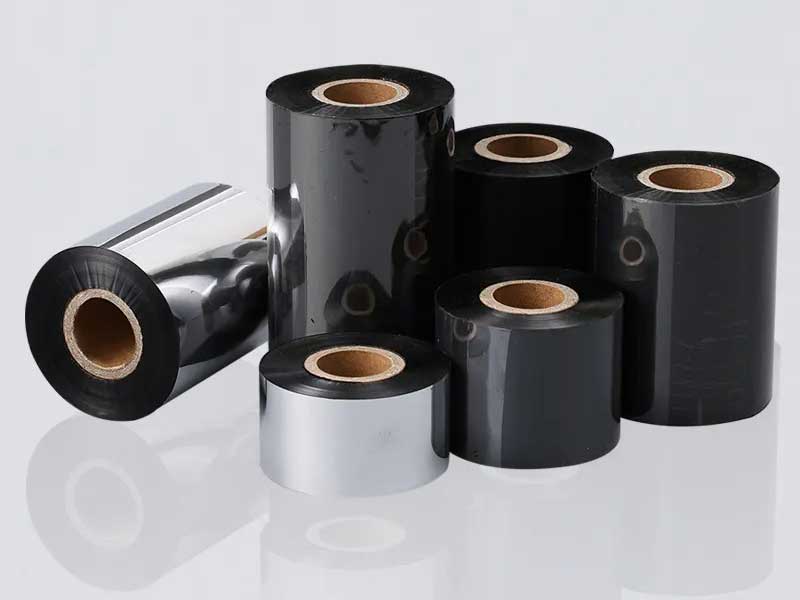
4. Material matching: The characteristics of the back coating determine the resistance boundary
Different back coating systems have obvious differences in scratch resistance:
| Backcoat type | Features: | Slitting risk |
| Silicone oil system | Good lubrication and weak adhesion | Easy to wipe off and dust adhere |
| Organic resin system | High hardness and wear resistance | Relatively safe |
| Water-based acrylic | Environmental protection and high surface energy | Easy to stick and leave marks |
Targeted measures:
• Silicone oil is coated on the back → All contact surfaces must be mirror-grade, and any burrs are strictly prohibited
• Water-based backcoat → controls workshop humidity (50%–65%) to prevent the backcoat from becoming sticky
In addition, the flatness of the base film also directly affects the slitting quality. When the thickness deviation of the base film is >± 0.3 μm, the local pressure concentration will crush the back coating.
5. Environment and cleanliness: tiny particles are "invisible knives"
Dust particles with a diameter of only 10 μm are sufficient to press out permanent pits under tension.
• Cleanliness level: 100,000 or higher is recommended for slitting workshops
• Daily cleaning:
◦ Wipe all guide rollers with a dust-free cloth dipped in alcohol every 4 hours
◦ Clean the rubber powder on the knife shaft, pressure roller, and winding end face in each shift
◦ It is strictly forbidden to grind, grind and grind dust next to the slitting machine
• Static Control: Install an electrostatic eliminator to prevent dust from being adsorbed on the backcoat surface
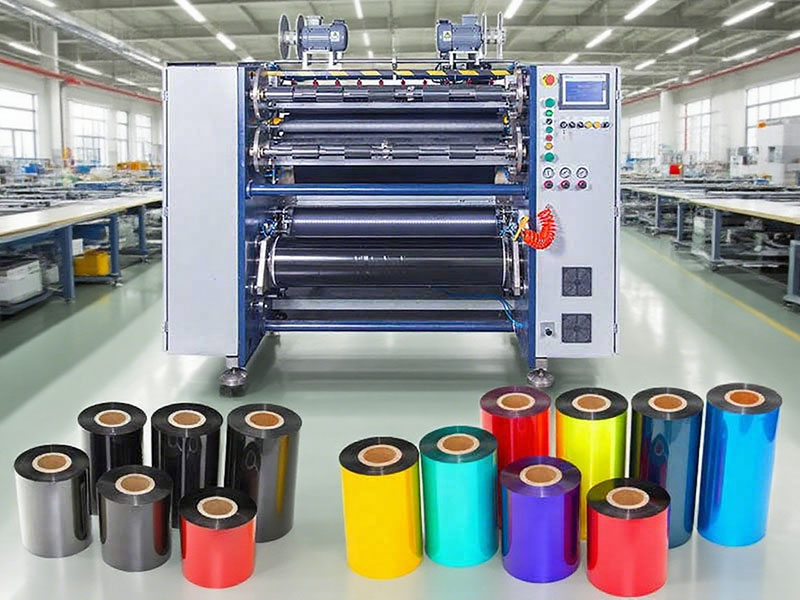
6. Operation and management: People are always the last line of defense
Standardized operation points
1. Film Threading Specifications: Make sure the backcoating surface is facing correctly to avoid accidental contact with the hard roller
2. Joint treatment: The joint tape must be flat and without warping, otherwise it will scratch the subsequent back coating
3. Start-stop operation: Run at low speed for 10-20 meters before starting the slitting machine, and then increase the speed after confirming that there are no abnormal abrasions
Quick Judgment Method (First Article Confirmation)
Before slitting each roll, take the first section about 2 meters, apply the back coating with 3M 810 test tape, and tear it off to observe for coating transfer or scratch marks – more sensitive than naked eye.
Abnormal closed-loop mechanism
Once the back coating damage is found:
1. Stop the machine immediately and record the damage location corresponding to the equipment parts
2. Use a strong flashlight to check the surface of the guide roller section by section
3. Trace the adhesion data of the batch of base film backcoat
4. Adjust the parameters and re-slitch the sample for verification
7. Anti-damage self-inspection list (can be affixed next to the machine)
| project | requirements | Frequency |
| Guide roller surface | No burrs, no glue | Before each shift |
| Gap between knives | 0.02–0.05mm | Every time the specifications are changed |
| Slitting tension | 6–12N/m | Real-time monitoring |
| Roller hardness | Shaw A60–70 | Monthly testing |
| Workshop humidity | 50%–65% | Continuous monitoring |
| Backcoat first article test | Tape method confirmation | per volume |
Epilogue
The prevention and control of back coating damage of ribbon slitting machine is not a problem that can be solved by a single measure, but a set of system engineering of "equipment + process + material + environment + management". The truly effective ability to prevent damage is reflected in three aspects:
• Structurally reduces the chance of contact between the back coat and the hard surface
• Stable slitting is performed with the lowest possible tension in terms of parameters
• In terms of details, every guide roller, every joint, and every particle of dust is included in the control
The next time you face the problem of scratches on the back coating, you may wish to start with the surface of the guide roller - often the root cause of the damage is on the most inconspicuous roller.
If you need to know more about the slitting process parameters corresponding to different back coating systems, or the specific debugging methods of circular knife slitting machines, you can continue to communicate.
 English
 Deutsch
 Français
 Español
 Português
 日本語
日本語 русский
 한국어
한국어 عربي
عربي ภาษาไทย
 Tiếng Việt
 Italiano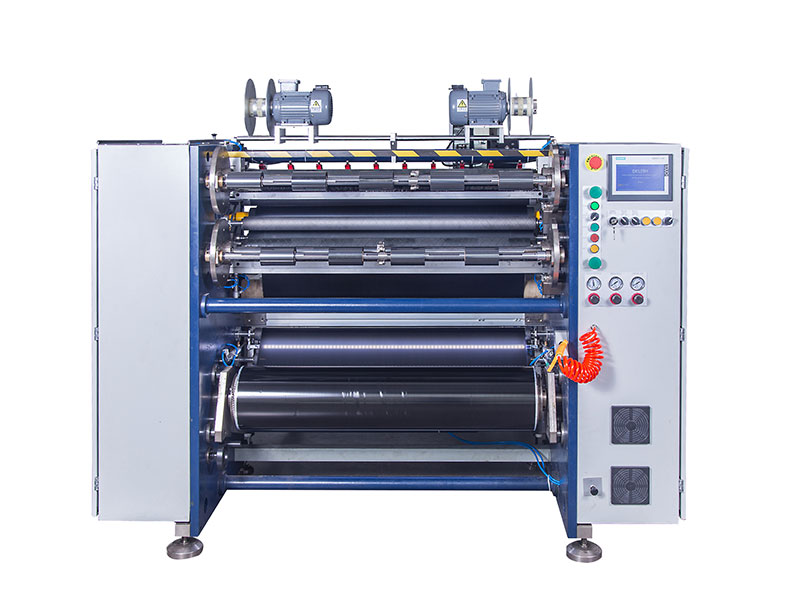
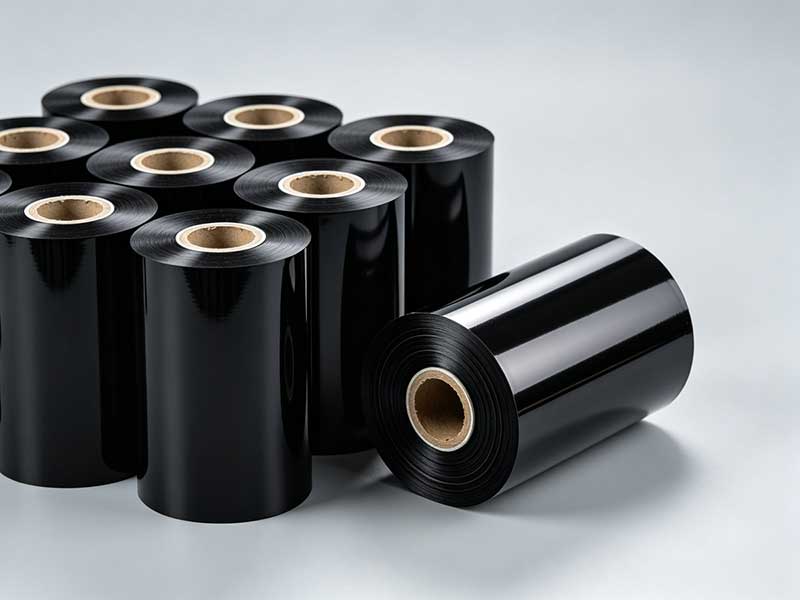
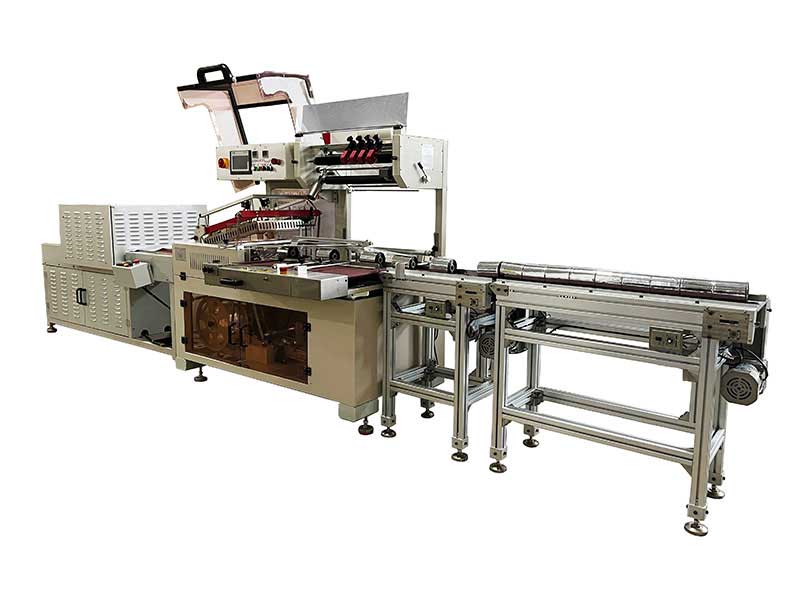 Thermal Transfer Ribbons Packaging Machine
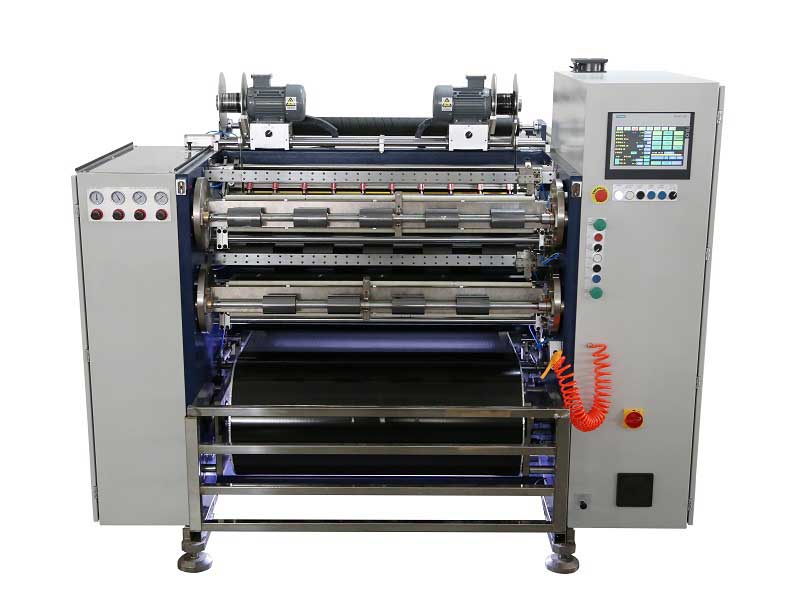 Automatic Thermal Transfer Ribbon Slitting Machine RSDS8 H PLUS
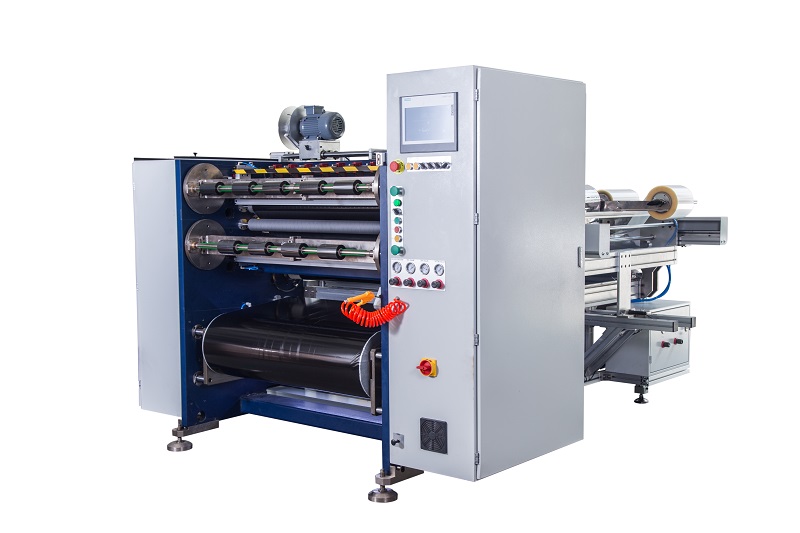 Semi Automatic Thermal Transfer Ribbon Slitting Machine RSDS5 PLUS
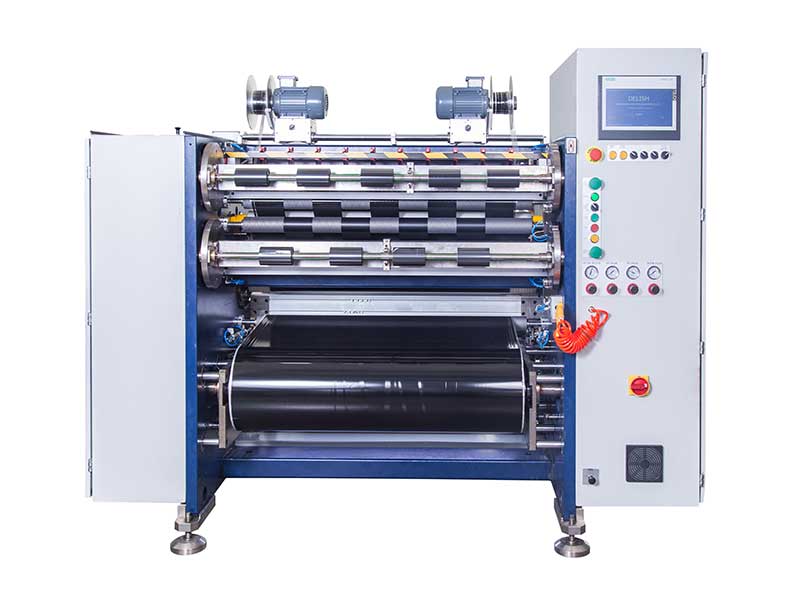 TTR Slitting Machine
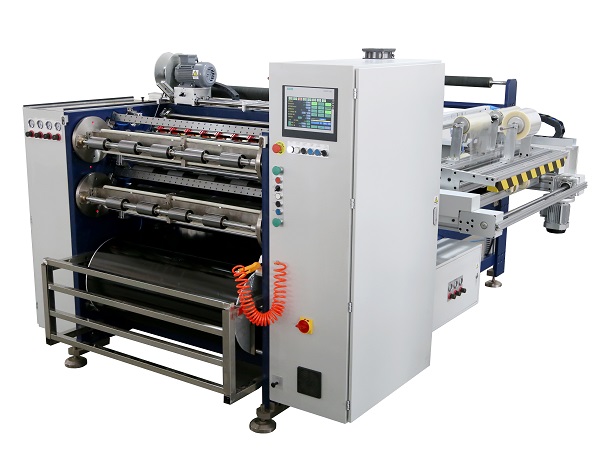 Automatic Thermal Transfer Ribbon Slitting Machine RSDS8 PLUS
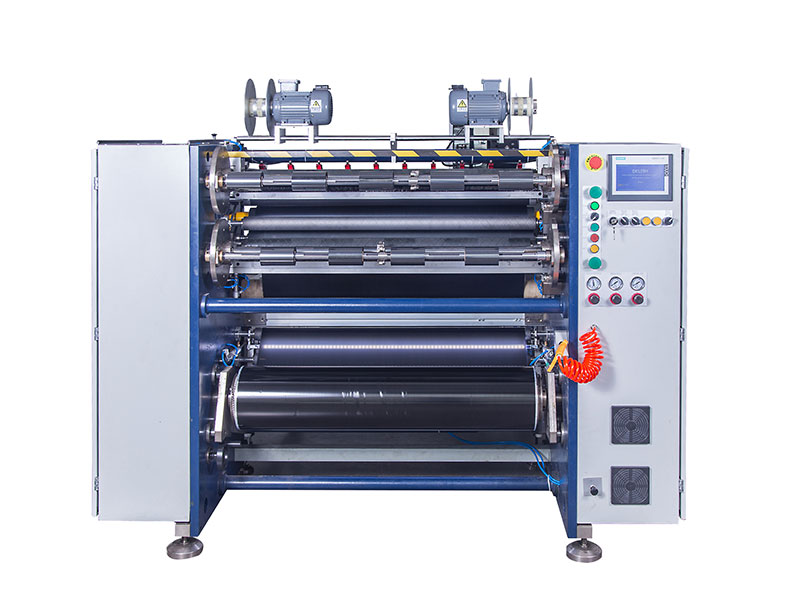 Barcode Ribbon Slitting Machine
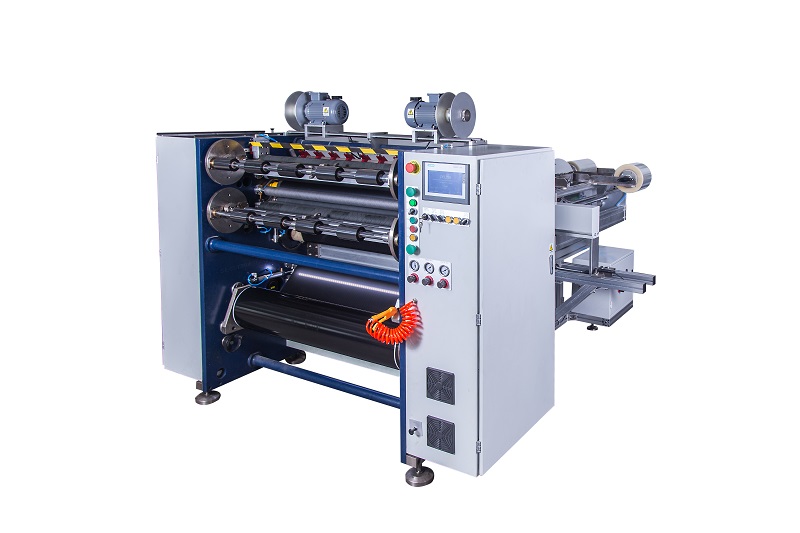 Semi Automatic Thermal Transfer Ribbon Slitting Machine RSDS1 PLUS
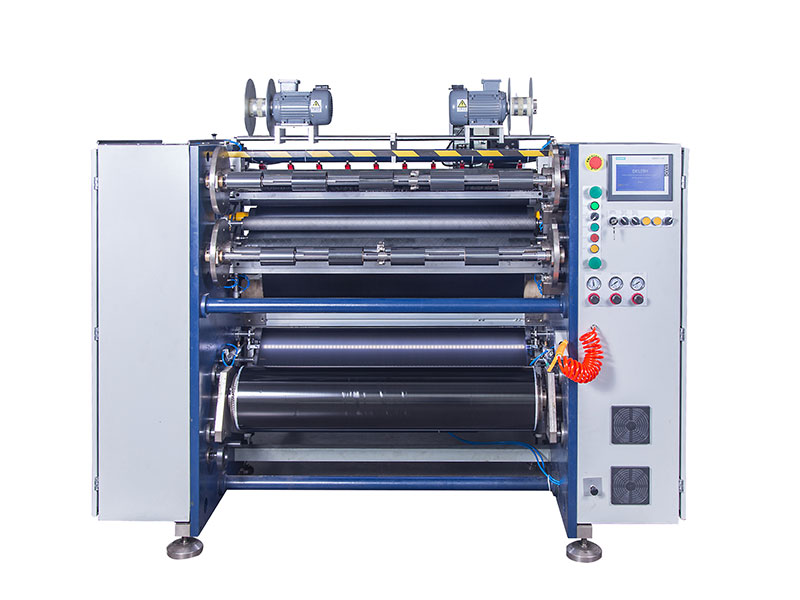 Ribbon Slitting Machine


 +86 135 9951 7291
 support@delishmachine.com