In the label printing industry, thermal transfer technology has long dominated variable information printing (such as barcodes, QR codes, serial numbers) due to its excellent weather resistance, high clarity and wide media adaptability. In the upstream of the thermal transfer industry chain, the slitting link of the ribbon (thermal transfer ribbon) often determines the "lower limit" of the final print quality.
With the rapid development of the Internet of Things, pharmaceutical supervision, electronic manufacturing and e-commerce logistics, the label printing market is showing a significant trend of "small batches, multiple varieties, short delivery times, and high precision". In this context, the application advantages of narrow ribbon slitting machine, as a key equipment connecting ribbon raw materials and end applications, are becoming more and more prominent.
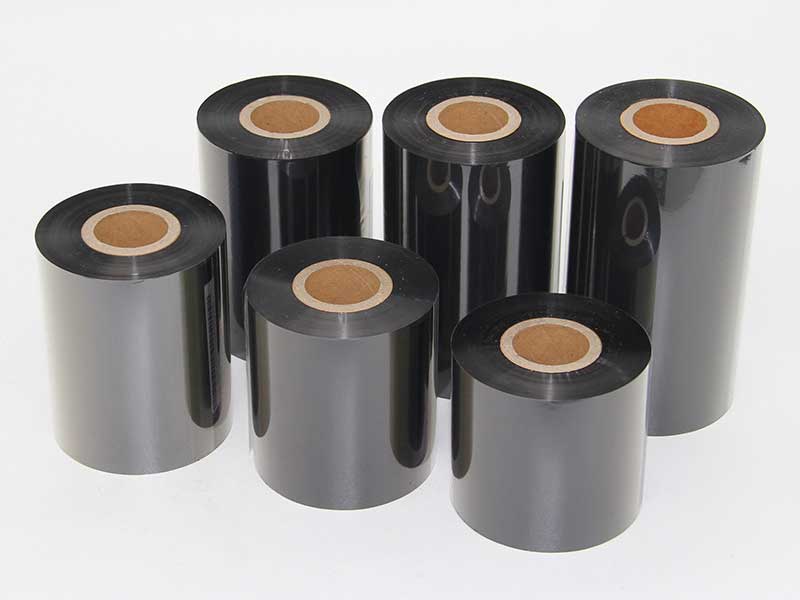
1. Accurately match the "narrow" market trend
Traditional ribbon slitting machines are mostly designed for industrial-grade wide rolls, mainly serving the general market in large quantities. However, the end users of current label printing, especially in the precision electronics, medical reagents, jewelry and specialty chemical industries, use smaller and smaller label sizes, and the requirements for carbon band width are becoming more and more refined.
Narrow ribbon slitting machines are optimized for specifications from 40mm to 200mm or even narrower. Compared with wide equipment for narrow strip cutting, dedicated narrow slitting machines have natural advantages in the following aspects:
1. Maximize material utilization: It can accurately divide large coil master coils into specific narrow specifications required by customers, effectively reducing corner waste generated when cutting wide widths.
2. Adapt to personalized needs: In the face of unconventional orders such as "20mm width and 30mm width" from customers, the narrow slitting machine has a fast order change speed and can flexibly respond to the order structure of "small batch and customization", helping printing companies expand high value-added market segments.
2. Realize micron-level end-face accuracy control
In the practical application of label printing, the quality problem of ribbon is often not in the coating, but in the slitting end face. If the ribbon slitting edges are burrs, sticking, or crimping, it is very easy to cause ribbon breakage, printhead wear, or white lines at high speeds.
Narrow ribbon slitting machines typically employ the following key technologies to safeguard the demands of high-end label printing:
• Ultra-high-precision tool system: Aviation-grade carbide circular knife is used, with precise axial movement control technology, to control the flatness of the slitting end face at the micron level. This is crucial for printing high-density barcodes (e.g., DM codes, QR codes), ensuring that the ink layer transfers clear edges without aliasing.
• Constant tension closed-loop control: Due to the thin substrate (usually 4.5μm-6μm) of narrow ribbons, tensile deformation or wrinkling is highly susceptible to tension fluctuations. The high-end narrow slitting machine is equipped with a constant tension control system driven by a servo motor, which ensures that even at high speeds, the feeding path of the thin ribbon remains stable even at high speeds, eliminating the unique "snake" deviation of the narrow belt.
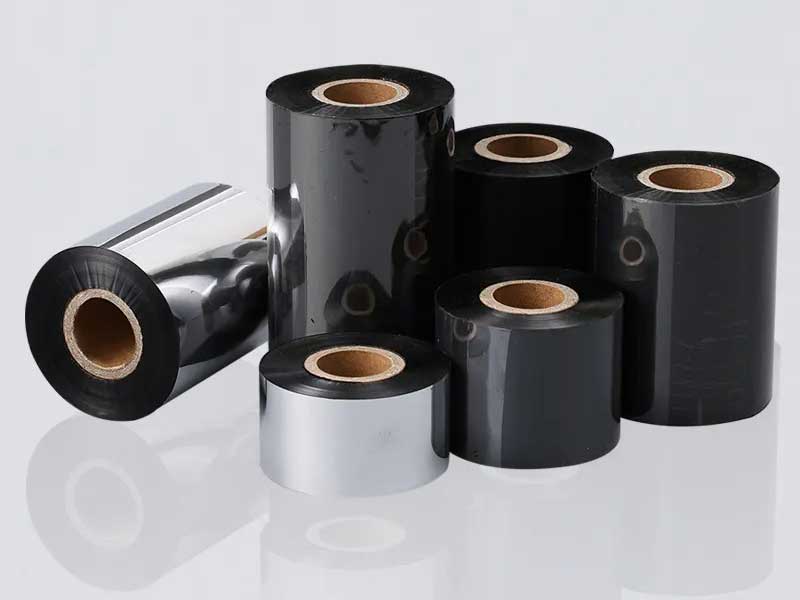
3. Enable the automation of post-processing processes
In the production process of label printing plants, ribbon is not only a consumable, but also a "companion" paired with label paper. The narrow ribbon slitting machine is not only a slitting equipment, but also a standardized and automated front unit.
Modern narrow slitting machines often integrate length control and automatic winding and tightening. It can accurately wind according to the printer's standard core, such as 1-inch or 0.5-inch core, ensuring that the outer diameter and tightness of each ribbon are highly consistent.
The direct benefit of this standardization is that on the barcode printer on the customer's (label printing user) side, the ribbon can achieve "ready-to-load, zero adjustment". For large factories with multiple automatic labelers and print labeling stations, this consistency significantly reduces downtime and improves overall equipment effectiveness (OEE) across the entire packaging line.
4. Reduce operating costs and material loss
In the label printing industry in the era of low profits, cost control is the core competitiveness. The advantages of narrow ribbon slitting machines at the operational level are reflected in two aspects:
1. Reduce inventory pressure: In traditional processes, in order to meet the demand for a small number of narrow widths, it may be necessary to stock a variety of finished ribbon products in various specifications. With the narrow slitting machine, printing enterprises only need to stock the general wide master roll, which can be "cut and used", convert the finished product inventory into raw material inventory, and significantly improve the capital turnover rate.
2. Reduced seam waste: In ribbon manufacturing, the master roll itself has a length limit, and it needs to be spliced to form a large roll. By optimizing the nesting algorithm, the narrow slitting machine can intelligently avoid the joint position of the master coil for slitting, or accurately slitting the joint into a specific waste roll, ensuring that every meter of ribbon delivered to the end customer is a high-quality product without a joint, and avoiding label scrap caused by belt breakage.
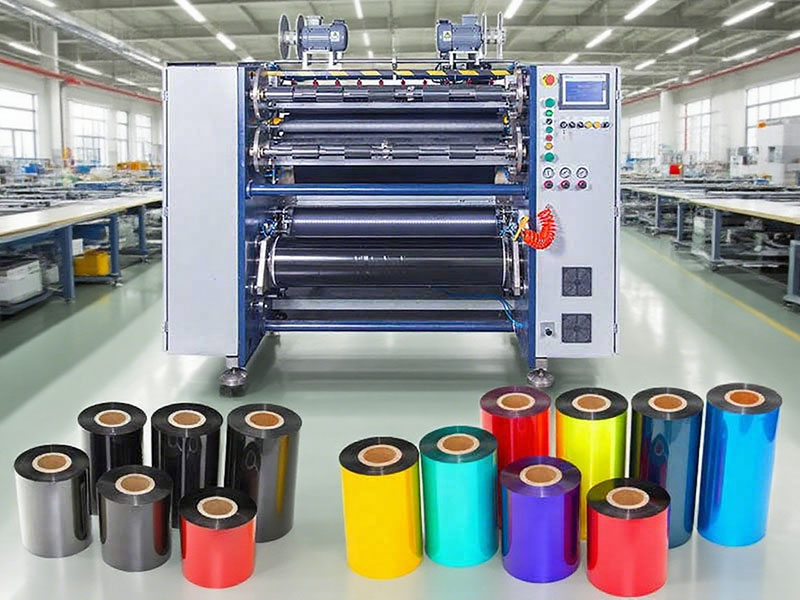
5. Ensure cleanliness and electrostatic protection
High-end label printing, especially for labels in the medical and microelectronics fields, has strict requirements for the cleanliness of ribbons. Any tiny dust or static electricity can trap dust, causing printed "white spots" or contaminating delicate components.
Dedicated narrow ribbon slitting machines usually adopt cleanroom design standards:
• Anti-static treatment: The equipment body has a good grounding and static elimination device, and with the anti-static rewinding shaft, it effectively eliminates the static charge generated during the slitting process and avoids the adsorption of environmental dust.
• Fully enclosed dust cover: isolate the slitting area from the external environment to ensure that the ribbon does not come into contact with airborne fibers and particles during the slitting and winding process, meeting the application requirements of high-cleanliness scenarios.
Epilogue
At the moment when label printing is transforming from "scale" to "high-quality + flexible", narrow ribbon slitting machine is no longer a simple auxiliary equipment, but a key node that determines the boundary of product quality and delivery efficiency.
Through high-precision mechanical control, intelligent tension management, and flexible production scheduling capabilities, it helps label printing companies solve the pain points of "poor accuracy, high waste, and low efficiency" in the supply of narrow ribbons. For printers committed to providing high-quality thermal transfer solutions, investing in advanced narrow ribbon slitting equipment is not only a strategic choice to improve the closed loop of the supply chain, but also a "ticket" to build a differentiated competitive advantage and enter the high-end end-user market.
 English
 Deutsch
 Français
 Español
 Português
 日本語
日本語 русский
 한국어
한국어 عربي
عربي ภาษาไทย
 Tiếng Việt
 Italiano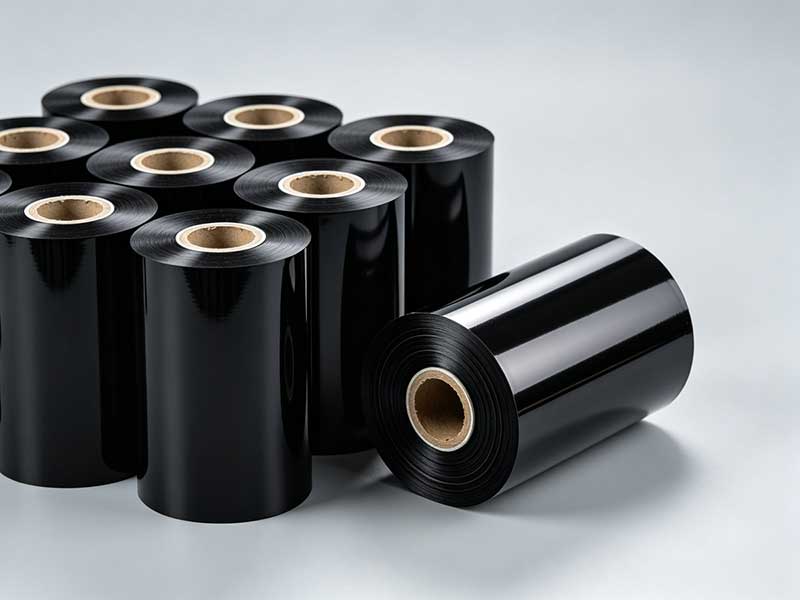
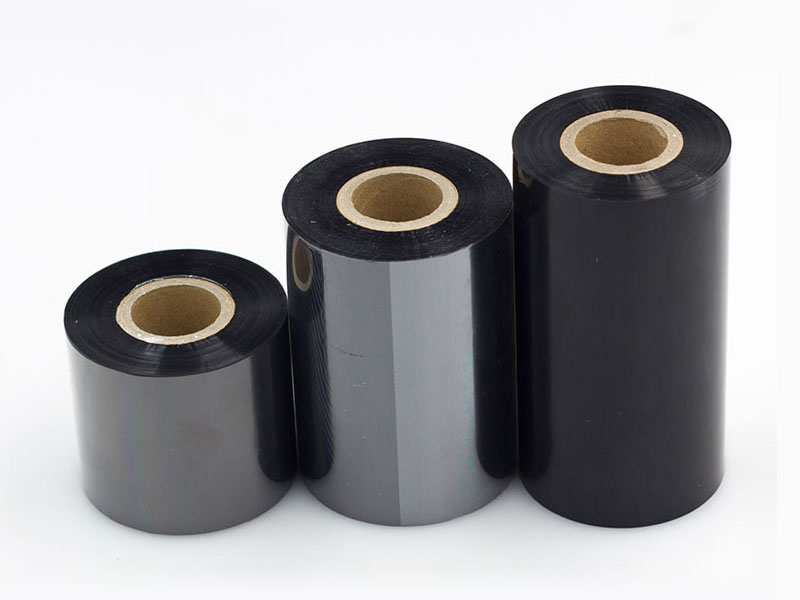
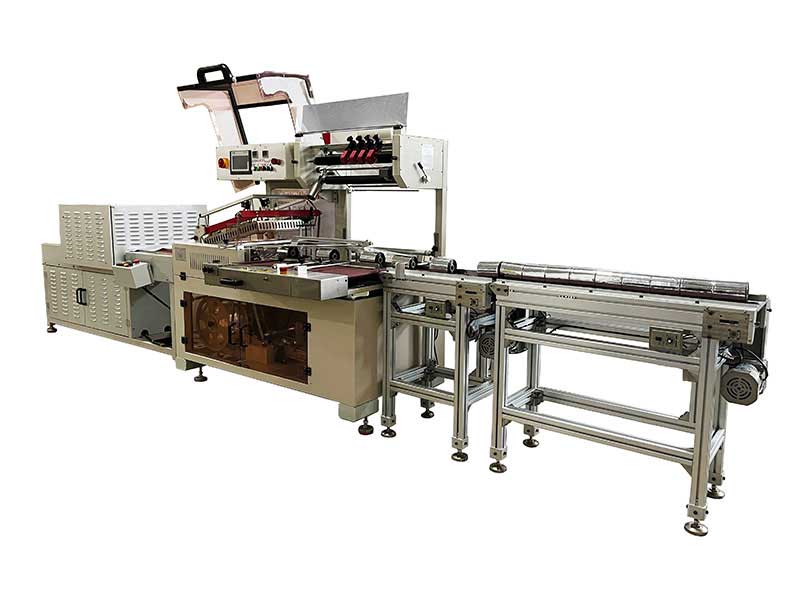 Thermal Transfer Ribbons Packaging Machine
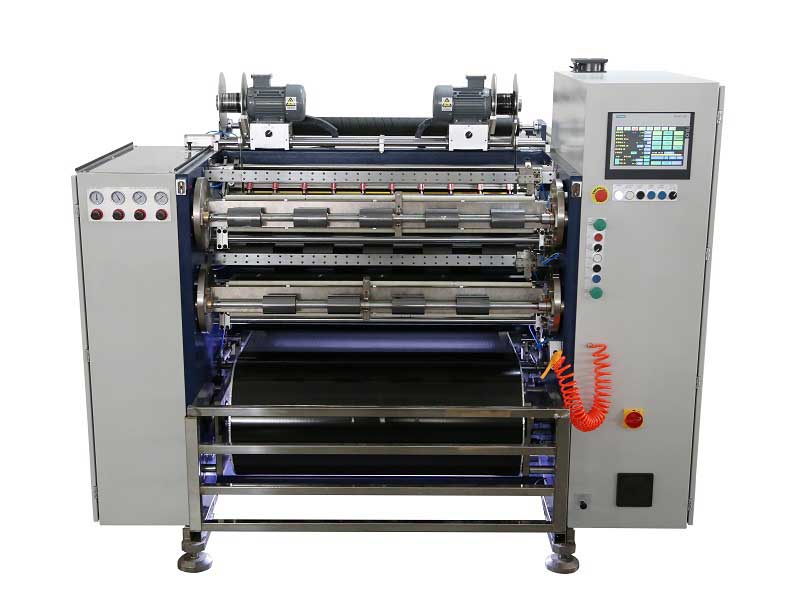 Automatic Thermal Transfer Ribbon Slitting Machine RSDS8 H PLUS
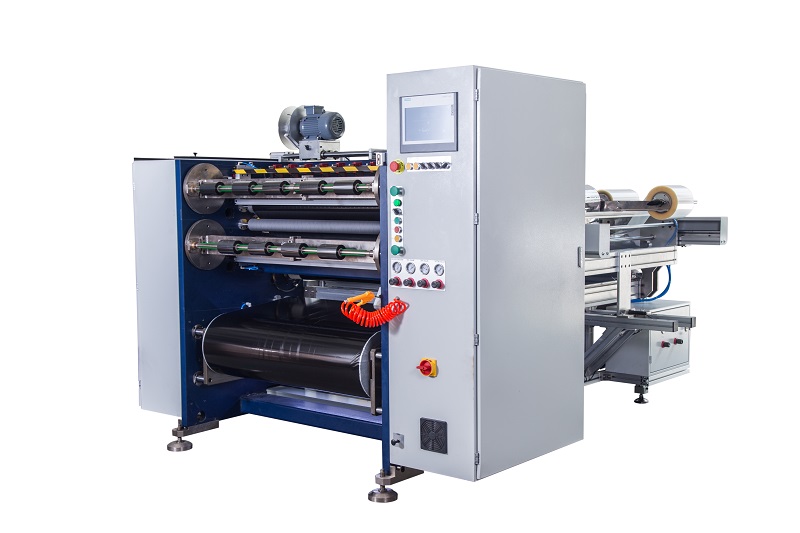 Semi Automatic Thermal Transfer Ribbon Slitting Machine RSDS5 PLUS
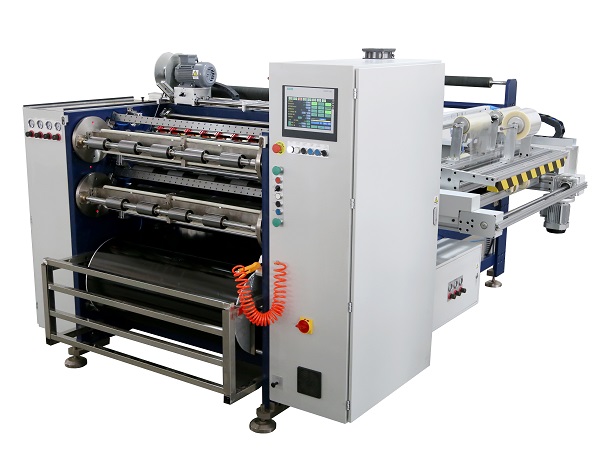 Automatic Thermal Transfer Ribbon Slitting Machine RSDS8 PLUS
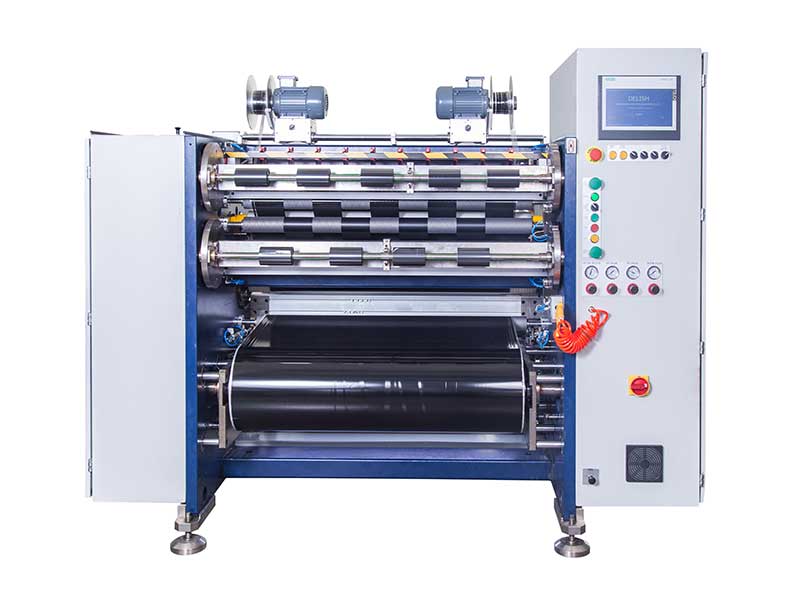 TTR Slitting Machine
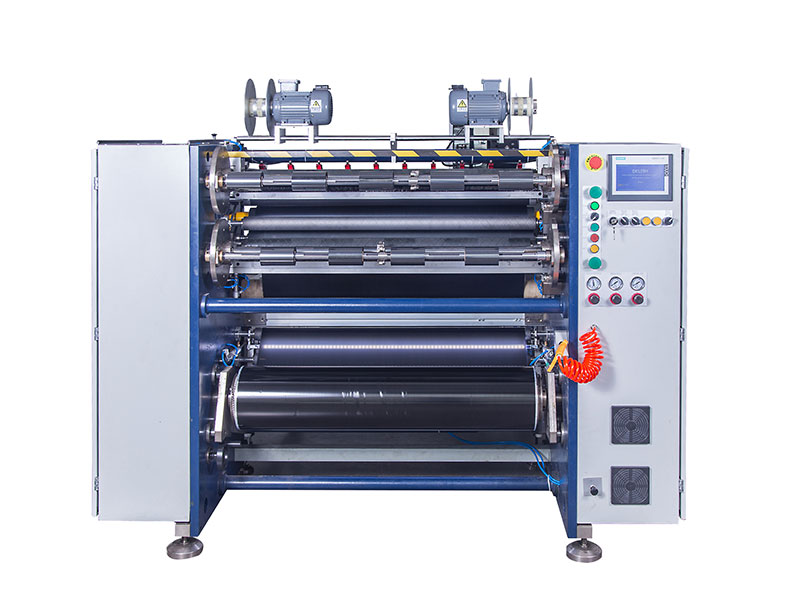 Barcode Ribbon Slitting Machine
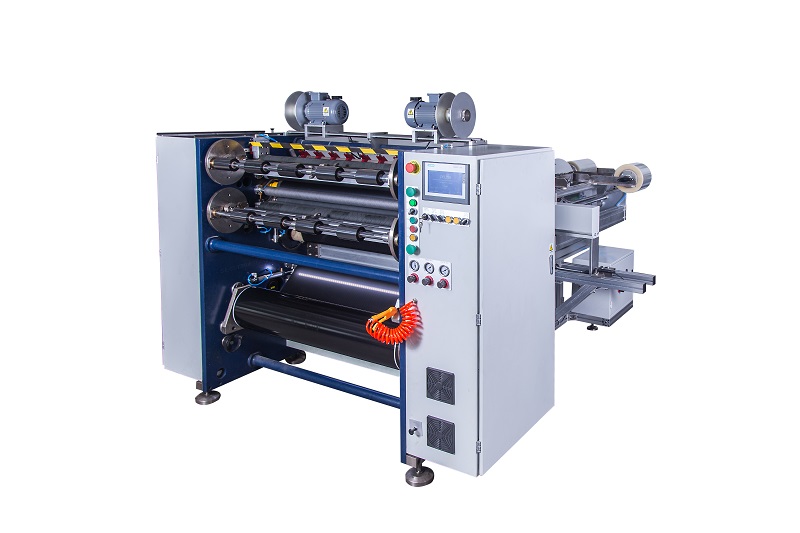 Semi Automatic Thermal Transfer Ribbon Slitting Machine RSDS1 PLUS
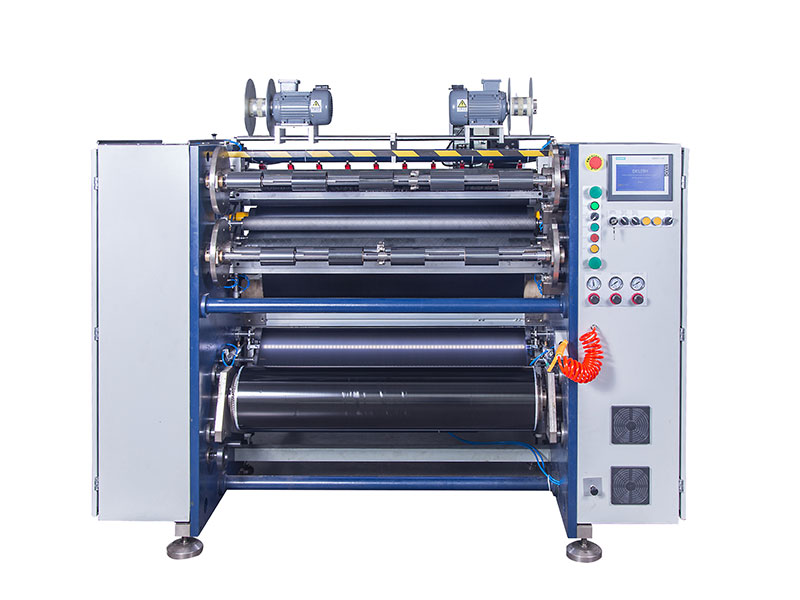 Ribbon Slitting Machine


 +86 135 9951 7291
 support@delishmachine.com