As key equipment in the barcode consumables processing chain, ribbon slitting and rewinding machines have a wide price range. According to publicly available market information, basic models may cost only $25,000, while professional ribbon slitting equipment with fully automatic, high-precision slitting capabilities can be priced at $75,000 or even higher. What factors drive the price difference behind the "ribbon slitting and rewinding machine"? This article analyzes from five dimensions: equipment specifications, core configuration, automation level, process adaptability, and brand services, providing a reference for procurement decisions.
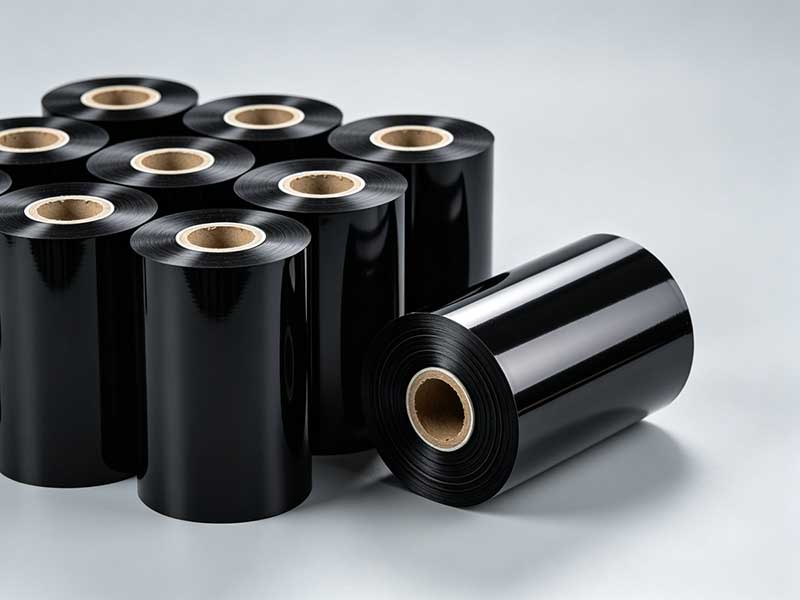
1. Slitting accuracy and speed: performance indicators directly price
The core quality indicator for ribbon slitting is width error control. Ordinary slitting equipment typically achieves an accuracy of about ±0.5mm, while professional ribbon slitting machines can control errors within ±0.1mm. This difference in precision places distinct requirements on equipment structural design: high-precision models require more precise transmission systems, higher-quality tools, and more stable frame rigidity, naturally increasing manufacturing costs. Industry analysts point out that high-precision equipment can be priced 30% to 50% higher than ordinary precision equipment.
Slitting speed is another essential metric. The ribbon slitting machine operates at speeds ranging from several tens of meters to five hundred meters per minute. High-speed operation poses greater challenges to tension control, correction response, and winding stability. Configurations such as servo drive systems and dynamic balance correction have been upgraded accordingly, resulting in significant price increases. For ribbon distributors who mainly place bulk orders, speed is directly linked to capacity and delivery capability, and this premium often offers real return value.
2. Level of Automation: From "Flustered" to "One-Click Operation"
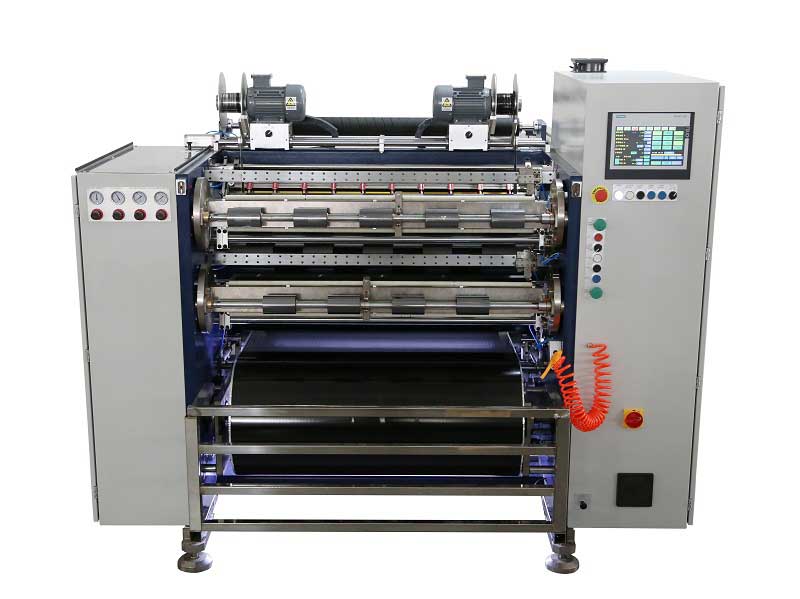
The level of automation is a key variable that widens the price gradient. Basic ribbon slitting machines rely on manual belt threading, manual tool adjustment, and visual correction, resulting in high operational intensity and product consistency limited by worker experience. Mid-to-high-end models are equipped with PLC control systems and touchscreen human-machine interfaces, integrating automatic deviation correction, taper tension control, automatic counting, and other functions, allowing operators to set parameters for continuous operation.
The gap is especially evident in the final round. Fully automatic models such as the Delish RSDS8H PLUS adopt a four-axis flipping winding structure, enabling automatic winding and cutting without stopping the machine, and together with the fully automatic guide belt operation console, it enables rapid film penetration and tape connection. This configuration minimizes manual intervention and is suitable for production scenarios involving multiple specifications, small batches, and high-frequency switching. Each increase in automation corresponds to the sum of control system costs, pneumatic component costs, and software development investments, naturally driving prices higher.
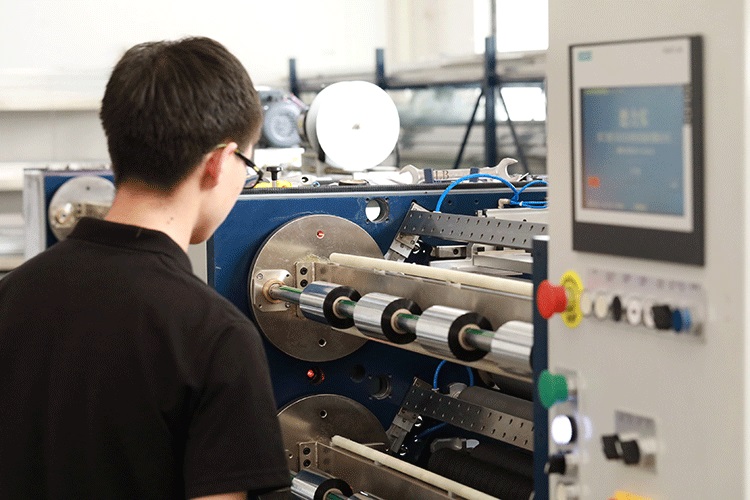
3. Core component brands and materials: The invisible cost divide
Under high-speed operation of ribbon slitting machines, the material of the blade group and guide roller directly determines the quality of slitting and maintenance intervals. Ordinary alloy tools are inexpensive but wear out quickly, and when cutting resin-based ribbons, burrs or dust easily form; The service life of tungsten carbide tools or pneumatic rotary tool systems can reach several times that of ordinary tools, but procurement costs also increase exponentially. The same applies to guide rollers; mirror-finish stainless steel or specially coated guide rollers can reduce friction damage to the ribbon surface, with cost differences several times higher than ordinary carbon steel guide rollers.
In terms of electrical configuration, the servo drive system has a clear advantage in tension stability compared to a combination of a conventional variable frequency motor and mechanical brake, but costs about 30% to 50% higher. Some manufacturers mix different brands of electrical components to control pricing, which is one reason for the inconsistent pricing for equipment of the same specification. If you only compare general parameters like "slitting accuracy ±0.1mm" during procurement without neglecting the hardware support needed to achieve that precision, you can easily fall into the trap of low price and low quality.
4. Ribbon material compatibility: Specialized designs generate premiums
Ribbons are divided into three main categories: wax-based, mixed-based, and resin-based, each with significant differences in physical properties. Wax-based ribbons have a soft texture and low melting point, making slitting easier; Resin-based ribbons are harder and more scratch-resistant, and the requirements for tool sharpness and wear control during slitting are much higher than those for wax-based products. If a "general-purpose" slitting machine does not optimize its blade group for the hard coating of resin-based ribbons, both slitting quality and tool life will be difficult to guarantee.
Specialized design is also reflected in the compatibility of finished product specifications. Ribbon finished products range in width from 10mm to 150mm, with core sizes ranging from one inch to half inch. Some high-end models require compatibility with multiple cores and support simultaneous winding of multiple rolls. These flexible adaptations rely on adjustable tool holders, quick-change reelings, and corresponding control programs, each of which constitutes part of the price. For merchants mainly selling resin-based ribbons or small-size retail slitting, paying for specialized features is necessary; Conversely, if only the standard slitting of wax-based ribbons is handled, general-purpose models are sufficient and there is no need to pay for redundant functions.
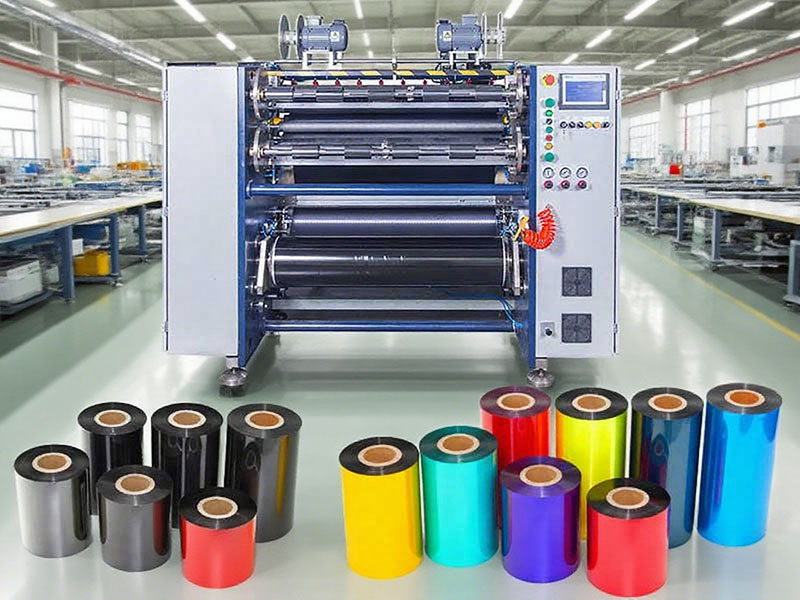
5. Brand Accumulation and After-Sales Support: Hidden but Real Costs
The ribbon slitting machine is a precision processing device, and downtime has a significant impact on continuous production. Brand manufacturers with years of industry experience have experienced mature experience in tension algorithms, correction logic, and mechanical structures through multiple generations of equipment, and their quotes include the value of this technological accumulation. Market data shows that well-known brands have about a 10% to 20% premium over new brands.
The value of after-sales service is also reflected in the price. After the ribbon slitting machine wears out, it requires professional grinding or replacement, and control system failures require timely technical response. Manufacturers offering remote diagnostics, rapid spare parts supply, and on-site support usually offer equipment prices higher than those of low-price "one-off deals." For processors with large daily slitting volumes, a day's downtime may be worth the price difference of a single piece of equipment, so after-sales protection should carry more weight than the initial purchase price difference.
Conclusion
The price differences of ribbon slitting and rewinding machines essentially reflect the monetization of precision, efficiency, reliability, and service depth. From basic models costing $25,000 to fully automated precision equipment costing nearly $75,000, each price tier corresponds to different production scenarios and return logics. The key to purchasing decisions is not to find the "cheapest" or "most expensive" option, but to clarify the main ribbon materials, daily capacity demand, product specification complexity, and tolerance for downtime risks. By comparing these factors with device configurations one by one, you can determine whether a quote is paying for real value or paying for redundant features or information asymmetry.
 English
 Deutsch
 Français
 Español
 Português
 日本語
 русский
 한국어
 عربي
 ภาษาไทย
 Tiếng Việt
 Italiano
 Thermal Transfer Ribbons Packaging Machine
 Automatic Thermal Transfer Ribbon Slitting Machine RSDS8 H PLUS
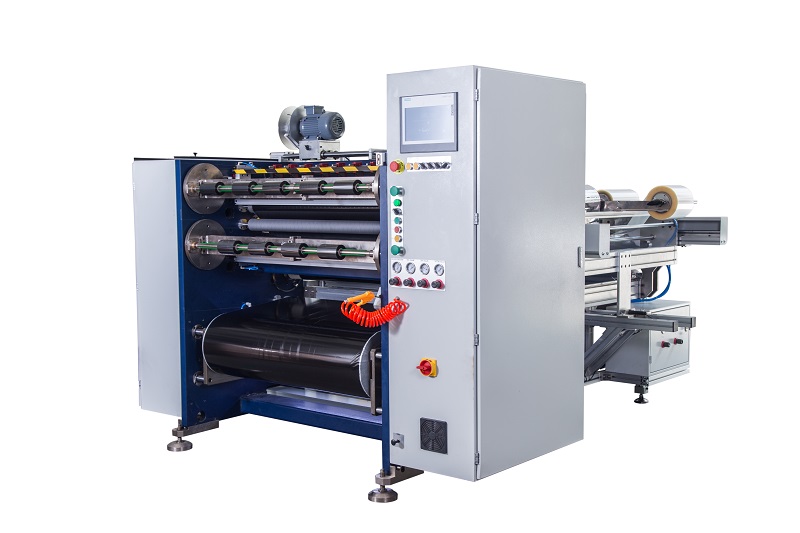 Semi Automatic Thermal Transfer Ribbon Slitting Machine RSDS5 PLUS
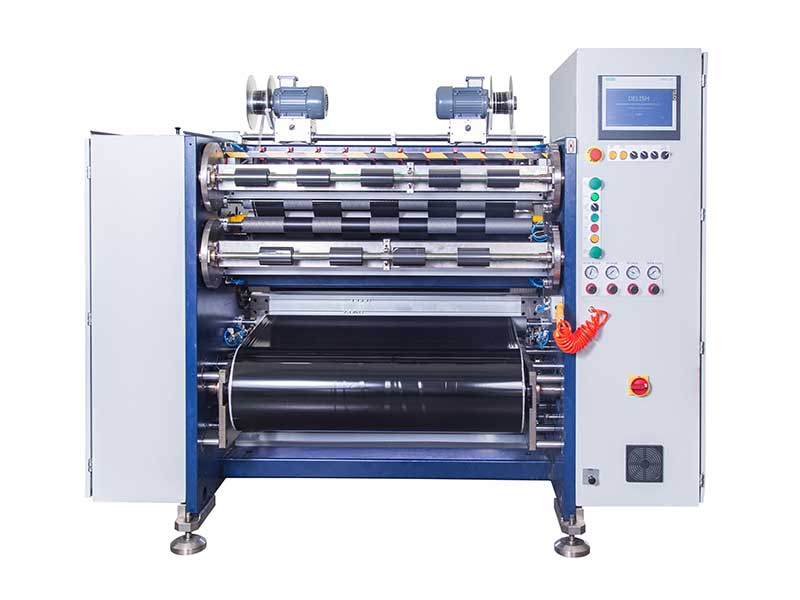 TTR Slitting Machine
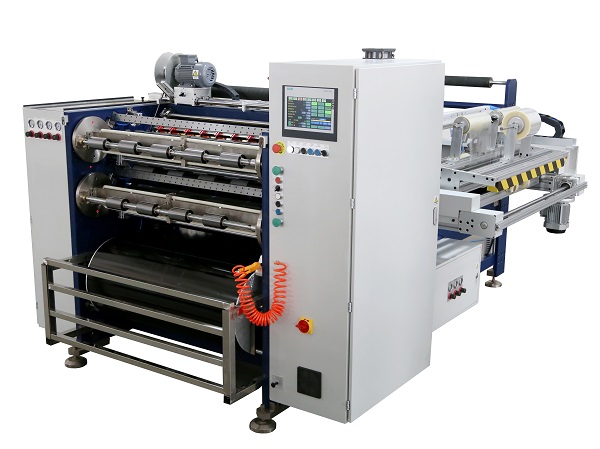 Automatic Thermal Transfer Ribbon Slitting Machine RSDS8 PLUS
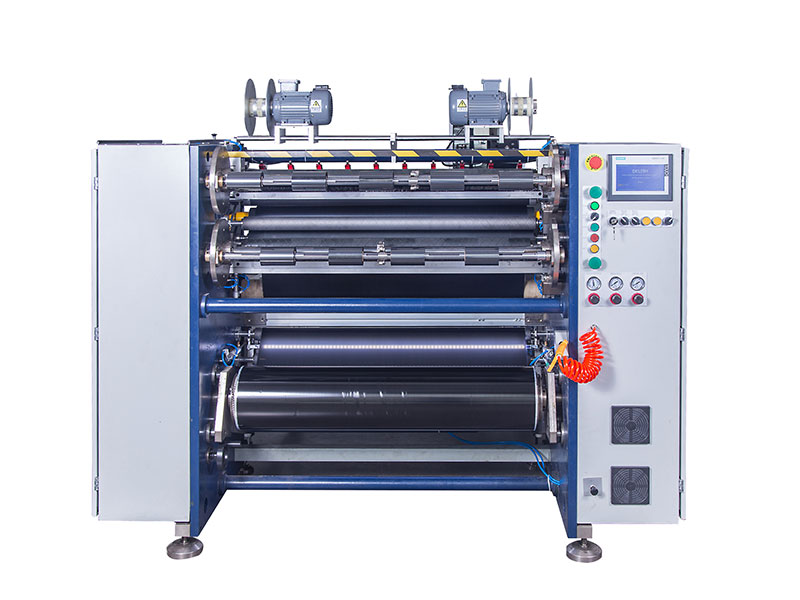 Barcode Ribbon Slitting Machine
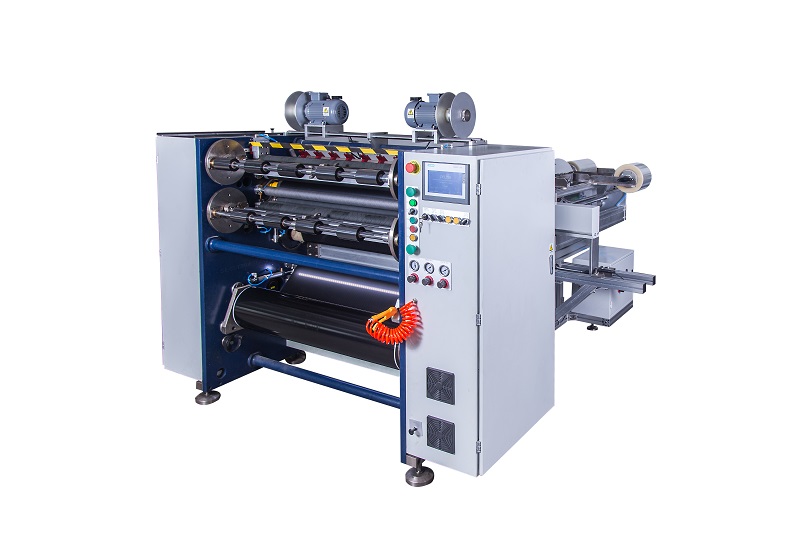 Semi Automatic Thermal Transfer Ribbon Slitting Machine RSDS1 PLUS
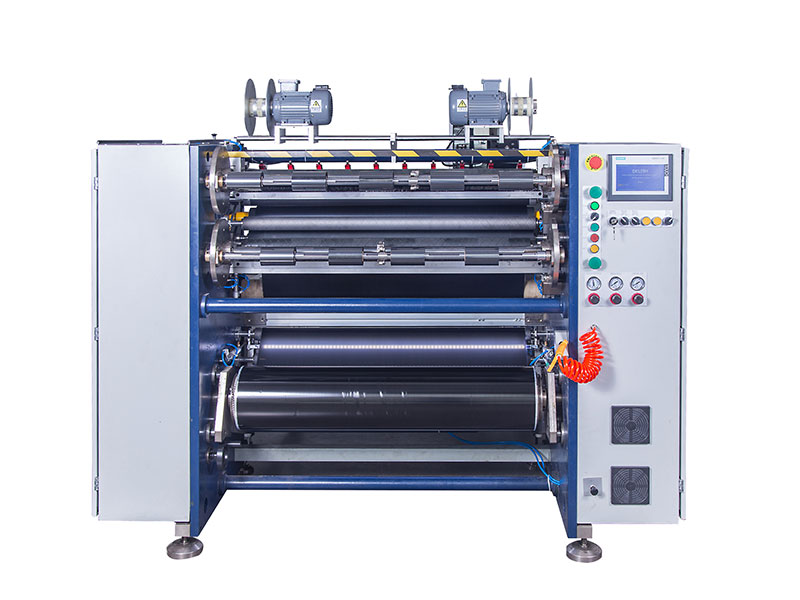 Ribbon Slitting Machine


 +86 135 9951 7291
 support@delishmachine.com
