In the automotive aftermarket and architectural glass film industry, the production and processing of solar film (thermal insulation and explosion-proof film) is inseparable from a key equipment - solar film slitting machine. It is responsible for precisely cutting the wide large coil master coil into a narrow finished product that fits the size of the window or glass. If the coating line determines the optical properties of the solar film, then the slitting machine determines the dimensional accuracy and appearance quality of the product.
This article will provide an in-depth analysis of the working principle of solar film slitting machine and its core structure.
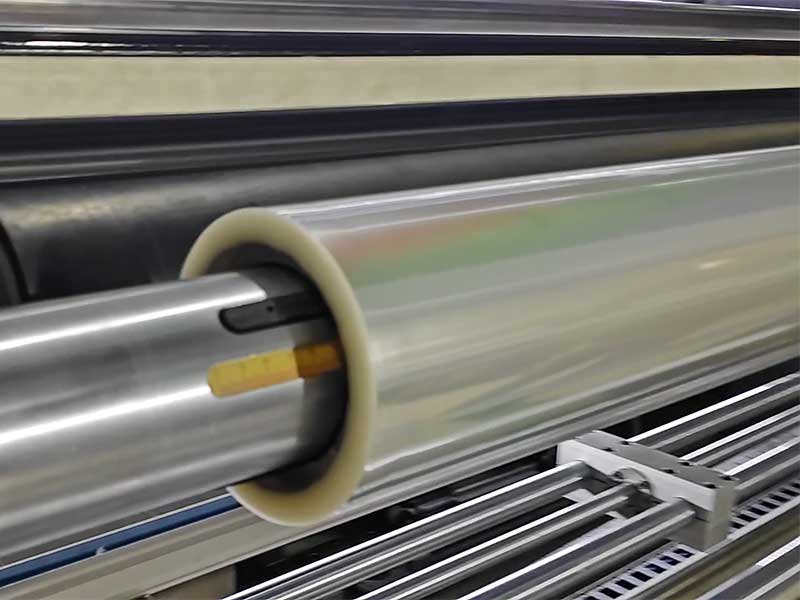
1. Working principle: precision control from "wide" to "narrow"
The solar film slitting machine is essentially a high-precision roll material processing equipment, and its core logic is the synchronous coordination of four actions: unwinding, traction, slitting and winding.
The specific workflow is as follows:
1. Unwinding: Install the large solar film master roll on the unwinding reel. The film roll is fixed by means of an inflatable shaft and under the control of a magnetic powder brake or servo motor, providing constant reverse tension. This step is crucial because if the tension is unstable, it will cause the film surface to stretch and deform or wrinkle.
2. Guiding: The membrane is very prone to deviation in high-speed operation. The slitting machine is equipped with a photoelectric correction system, which detects the position of the film edge in real time through sensors and drives the correction frame to move left and right to ensure that the film material always travels on a set straight path.
3. Slitting: This is the core link. The membrane material is cut into several narrow strips of set width by circular knife shearing or flat knife pressing cutting according to different thicknesses and process requirements.
4. Rewinding: The slitted multiple narrow films are independently wound through the rewinding shaft. The winding part adopts slip axis technology, which can automatically compensate for the speed difference caused by thickness error or tension difference of each film roll, ensuring that the end face of the finished roll is neat and tight.
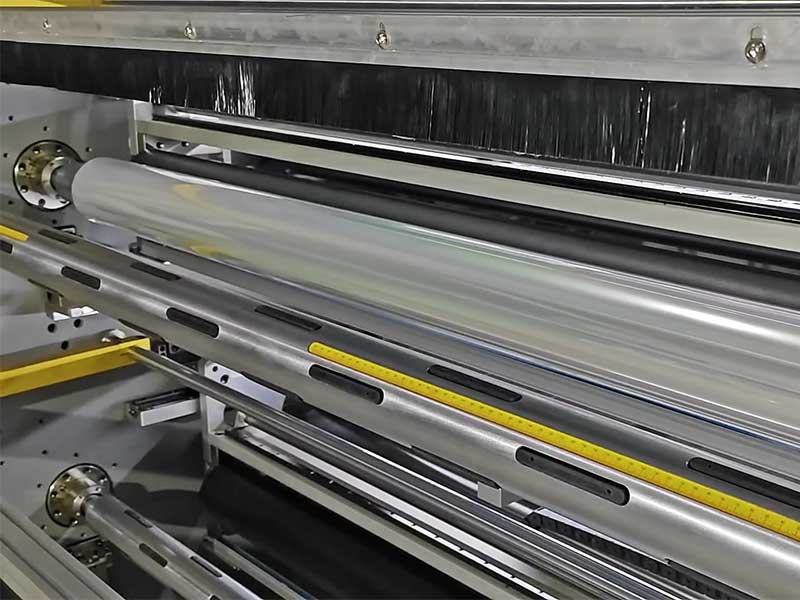
2. Core structure analysis
The high precision of the solar film slitting machine relies on the coordinated work of its five core structures. Because the solar film (especially high-end ceramic or metal film) is soft and easy to scratch, it puts forward extremely high requirements for the structural design of the equipment.
1. Unwinding mechanism
The unwinding mechanism is the source of tension.
• Structural composition: usually adopts shaftless cone top type or axial inflatable structure. The shaftless type is widely used in mid-to-high-end models because of its convenient feeding and precise centering.
• Technical points: Equipped with a fully automatic tension controller. During the start-up, acceleration and deceleration process, a constant taper tension must be maintained to prevent "hard folding" or "stretch lines" between the film layers.
2. Correction system
Solar film slitting requires extremely high end face neatness (usually the error is controlled within ±0.5mm).
• Structural composition: including ultrasonic or photoelectric sensors, linear guides, servo motors and correction controllers.
• Technical points: For transparent or light-colored solar films, high-precision ultrasonic correction has an advantage over ordinary photoelectric correction because it is not affected by the transparency and color changes of the membrane.
3. Slitting knife group – heart area
The solar film is a precision-coated soft film, which cannot produce burrs, powder loss or tensile deformation during slitting.
• Circular knife cutting type: the current mainstream method. Two sets of blades (the lower knife is an alloy anvil and the upper knife is a rotary circular knife) are used to cut the membrane through the shear force of the tip. This method has fast line speed and is convenient for tool setting, making it suitable for high-speed slitting.
• Flat cutter press-cutting type: suitable for narrow or short orders, but long-term operation will cause large wear on the anvil roller.
• Key details: The lateral adjustment mechanism of the tool holder must be extremely smooth and locking, and micron-level clearance adjustment directly affects whether there are "white edges" or "jagged" on the cutting surface.
4. Winding mechanism - slip axis technology
This is the core component that distinguishes the solar film slitting machine from ordinary paper slitting machine.
• Structure composition: slip shaft (also known as differential shaft and slip shaft) with independent rewinding arm.
• Technical principle: Due to the uneven thickness of the master coil, the thickness of each narrow film after slitting is different. When winding at the same time, the thin part will be tighter and looser, and the thick part will be tighter. Each slip ring of the slip shaft can be slipped independently, and the speed of each coil core is automatically adjusted by the set torque value, so as to ensure that when all finished coils are rewinded, the end face is as flat as a mirror, and the internal tension is uniform, and there will be no "chrysanthemum core" or "inner loose and outer tight".
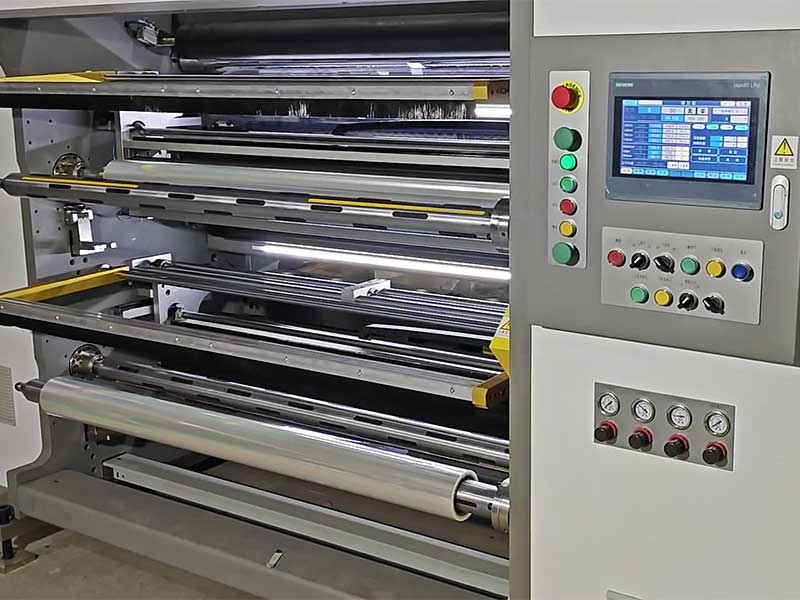
5. Control system
Modern solar film slitting machines have fully entered the era of servo control.
• Structural composition:PLC + servo drive system + human-machine interface.
• Technical points: Closed-loop vector control is used to interlock the speed and tension of unwinding, traction and rewinding through algorithms. The operator only needs to enter the slitting width, winding length, and taper tension curve on the touch screen, and the equipment can automatically complete the gauge change and operation.
3. Technical difficulties and solutions of solar film slitting
According to the particularity of the solar film, there are three major problems to overcome in the slitting process:
1. Anti-static and dustproof
Solar film is an optical-grade product with extremely high cleanliness requirements. The static electricity generated during the slitting process will adsorb dust and cause defective products.
◦ Solution: The equipment is equipped with an electrostatic elimination rod (ion air wand) and adopts a dust-free design in key parts to avoid oil pollution.
2. Scratches on the membrane surface
The film surface, especially the coated side, is extremely sensitive.
◦ Solution: All over rollers are made of ultra-mirror treated aluminum guide rollers, the surface is smooth and hard oxidized to avoid scratches; At the same time, it adopts cantilever winding to reduce the contact point between the membrane material and the mechanical structure.
3. Tension fluctuation control
The solar film has elastic deformation properties.
◦ Solution: Adopt a closed-loop tension control system, provide real-time feedback through tension sensors, and cooperate with vector frequency conversion motors to achieve millisecond-level tension compensation.
4. Conclusion
The solar film slitting machine is not only a cutting equipment, it is also a high-end equipment integrating precision machinery manufacturing, automatic control, and tension algorithm optimization.
From the master roll to the finished product, behind each exquisite solar film, it is inseparable from the ultimate pursuit of tension stability, knife set precision and winding uniformity of the slitting machine. With the popularization of high-end film materials such as new energy vehicle insulation film and intelligent dimming film, future slitting equipment will continue to evolve in the direction of higher speed (>300m/min), higher precision (±0.1mm), and full automation (automatic coil change, automatic tool rowing).
For manufacturers, having a high-performance slitting machine is not only a guarantee of production capacity, but also an important cornerstone for maintaining the lifeline of product quality.
 English
 Deutsch
 Français
 Español
 Português
 日本語
日本語 русский
 한국어
한국어 عربي
عربي ภาษาไทย
 Tiếng Việt
 Italiano
 Thermal Transfer Ribbons Packaging Machine
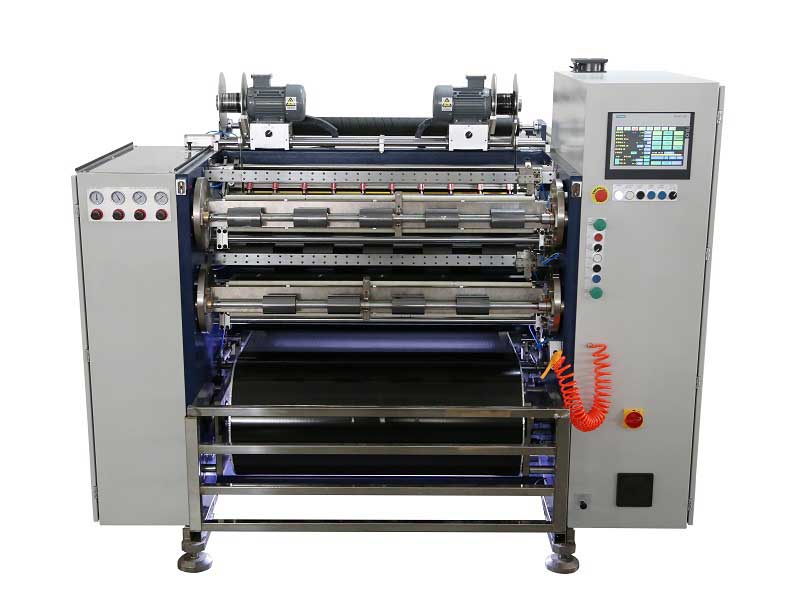 Automatic Thermal Transfer Ribbon Slitting Machine RSDS8 H PLUS
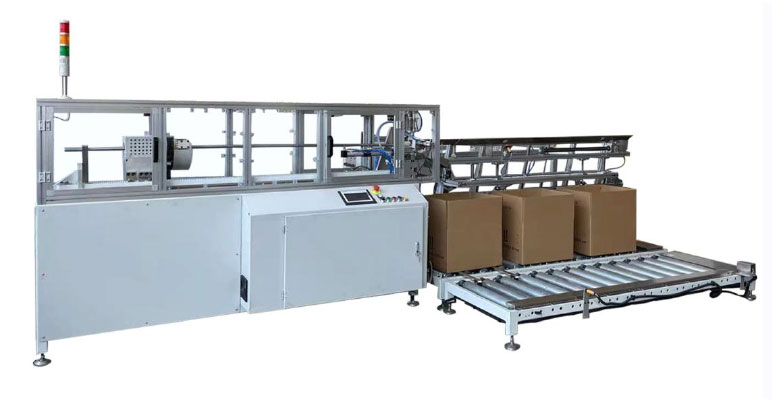 Automatic Paper Core Cutting Machine
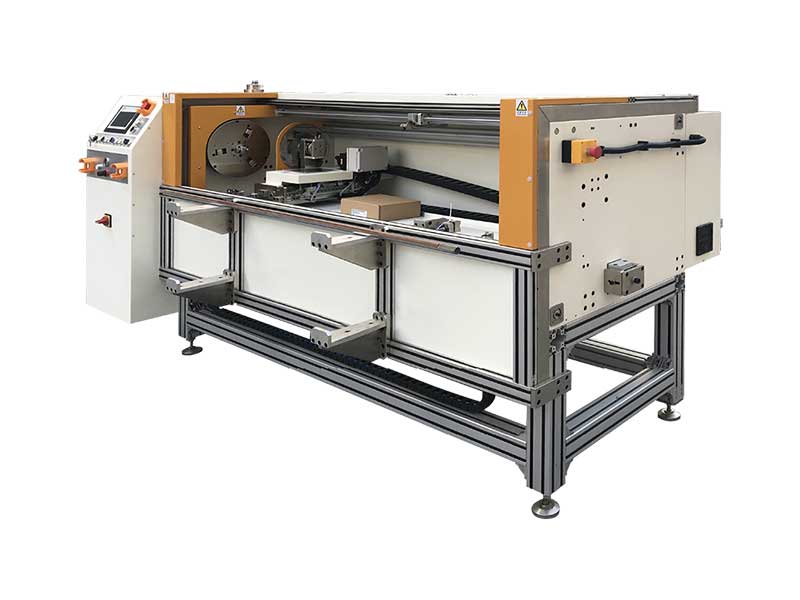 Automatic Foil Roll Cutting Machine
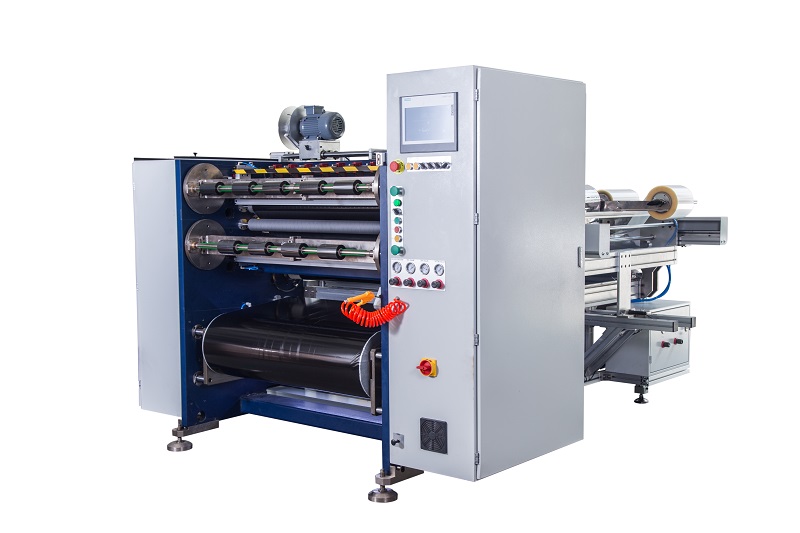 Semi Automatic Thermal Transfer Ribbon Slitting Machine RSDS5 PLUS
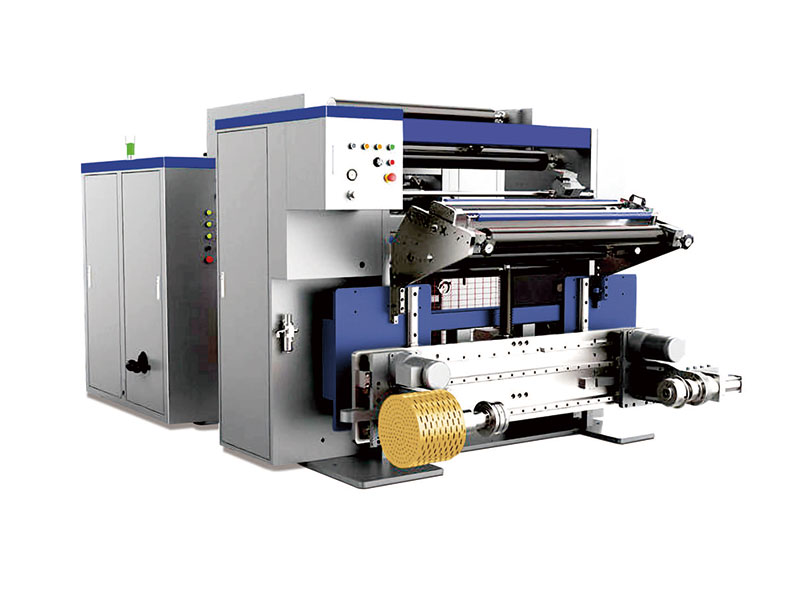 High Speed Slitting Machine
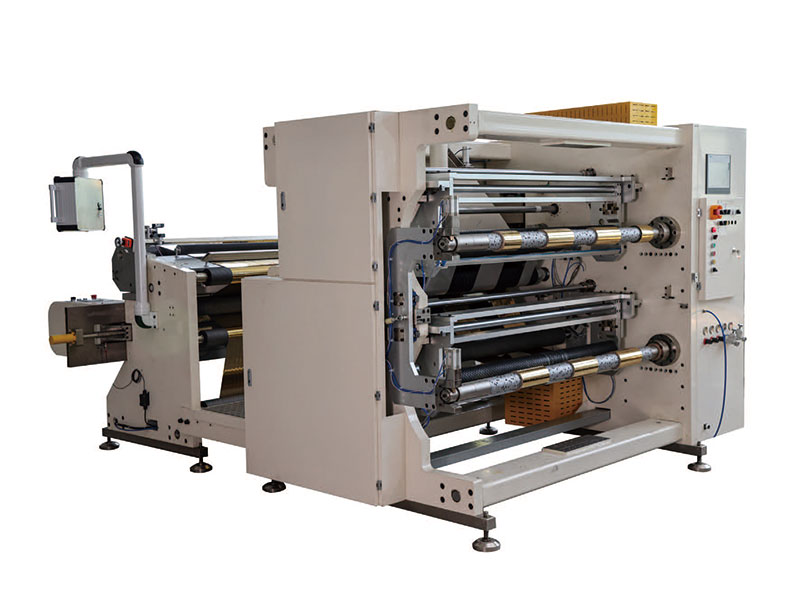 1400mm Hot Stamping Foil Slitting Machine
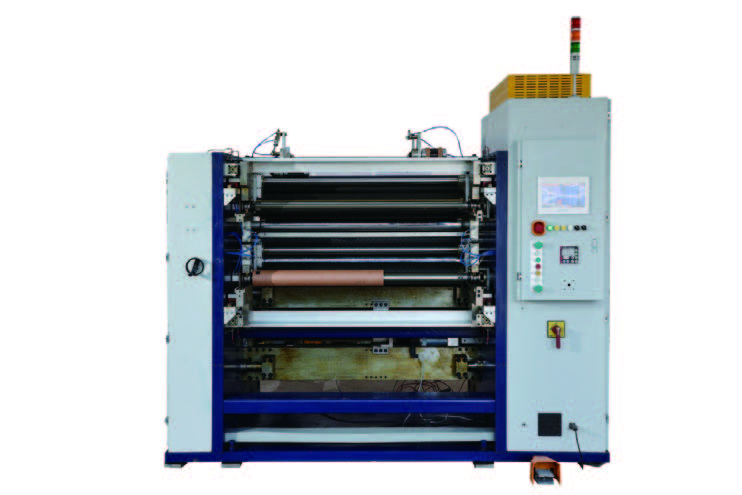 New Energy Ultra-thin Film Slitting Machine For Capacitive Film


 +86 135 9951 7291
 support@delishmachine.com