In the competitive world of packaging, printing, and decorative finishing, hot stamping remains the gold standard for adding a premium, metallic luster to products. However, the quality of your finished hot stamping is only as good as the foil you feed into the press. At the heart of this preparation lies the hot stamping foil slitting machine.
Selecting the wrong slitter can lead to frustrating production bottlenecks, high scrap rates, and inconsistent quality. Conversely, the right machine transforms a roll of wide foil into precise, flawless strips that maximize yield and minimize downtime. This guide breaks down the critical factors—from tension control to automation—to help you make an informed capital investment.
Understanding the Material: Why Foil is Different
Before evaluating machine specifications, it is crucial to understand the unique challenges of hot stamping foil. Unlike paper or standard films, hot stamping foil typically consists of a thin PET base film (often 12μm to 25μm) carrying release, color, and adhesive layers.
This construction makes the material extremely sensitive to tension and heat. If tension is too high, the PET base will stretch, causing registration errors and wrinkling. If tension is too low, the roll will telescope or go off-balance. Furthermore, the pigment layer is easily scratched, and the cutting action itself can generate static and metallic dust that ruins the foil surface if not properly managed.
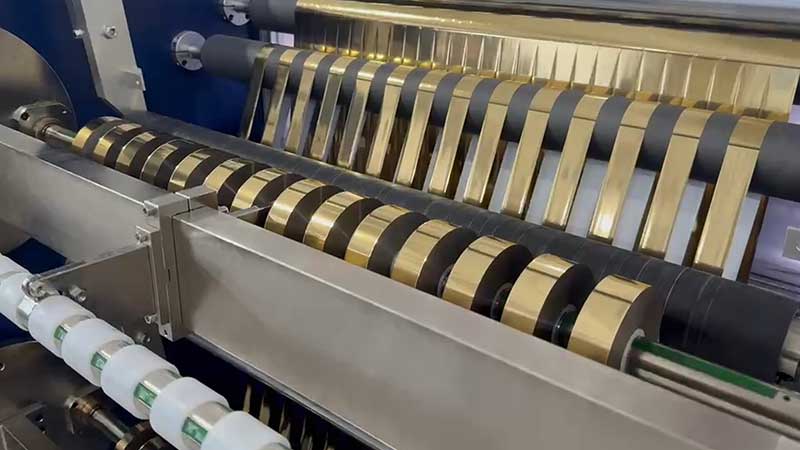
1. The Lifeblood of Slitting: Tension Control
The single most important factor separating a mediocre slitter from a high-performance one is its tension control system.
Hot stamping foil must be handled with "kid gloves." You need a machine equipped with a fully automatic closed-loop tension control system. Look for systems that utilize high-precision sensors and floating swing rollers to provide real-time feedback.
For ultra-thin foils (e.g., 12μm electrochemical aluminum), the machine should feature center winding or a combination of center and surface winding with taper tension. Taper tension ensures that as the rewinding roll grows in diameter, the tension decreases according to a set curve. This prevents the inner layers of the foil from being crushed or stretched. If your budget allows, servo-driven tension control offers the highest precision, often achieving accuracy within ±0.5N.
2. Choosing the Right Cutting Method
The mechanism that actually cuts the foil dictates the quality of the edge and the amount of maintenance required.
Shear Cutting (Circular Blades)
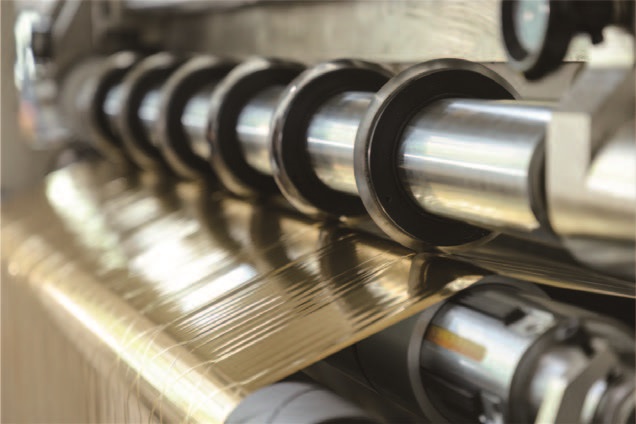
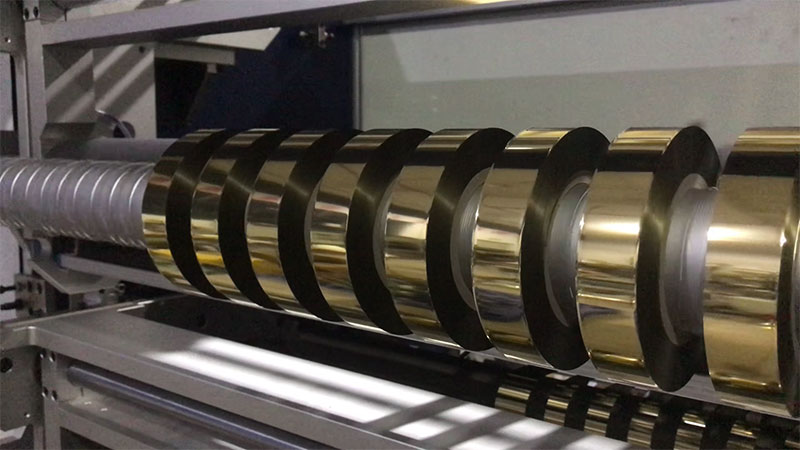
For hot stamping foil, shear-type circular blade slitting is generally the recommended choice. This method uses an upper and lower disc blade that acts like scissors. It produces a cleaner, smoother cut compared to traditional razor blades, generates less dust, and has a longer blade lifespan. This is particularly important if you are slitting wider widths (over 1.6 meters), where cutter shaft rigidity is paramount to prevent the middle of the shaft from bowing and causing incomplete cuts.
Razor Blade Slitting
While razor blades are cheaper and suitable for narrow widths (e.g., 2mm security threads), they tend to produce more dust and burrs on thicker foils. They are best reserved for economical configurations or specific narrow-width applications.
Air Knife (Non-Contact) Slitting
If you are processing laser foil or holographic foil, which have delicate surface microstructures, even the slightest contact from a blade or roller can cause scratches. In these cases, an air knife slitting system is essential. This uses high-pressure air to slit the material without physical contact, completely eliminating blade-induced scratches.
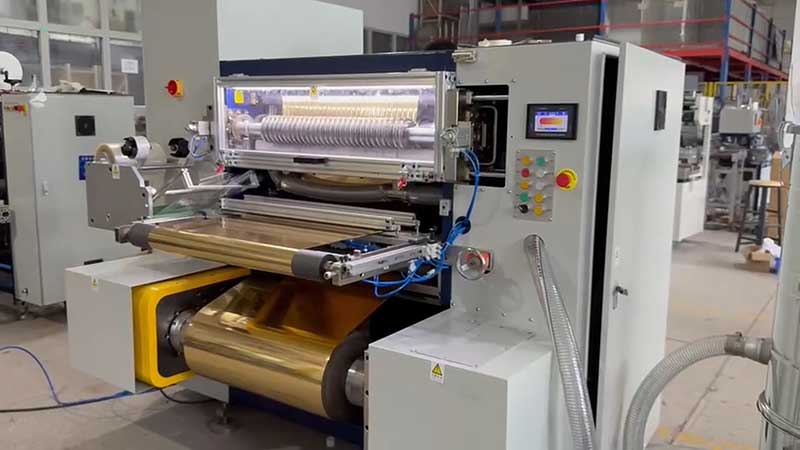
3. Automation and Tool Handling Efficiency
Hot stamping foil orders often require frequent changes in width, from narrow 2mm threads to standard 120mm blocks. The time it takes to change over your slitter directly impacts your bottom line.
Manual tool positioning is slow and prone to human error. If your production involves high-mix, low-volume orders, you should prioritize an automatic tool positioning system. With this feature, the operator simply inputs the desired slitting width into the HMI, and the servo-driven tool holders automatically move to the correct positions. This can reduce order change times from 15 minutes to under 3 minutes, significantly boosting overall capacity.
Additionally, consider hydraulic or pneumatic tool locking systems. These ensure uniform pressure across all blade groups and prevent axial shifting during high-speed operation, guaranteeing consistent slit widths.
4. Dust Removal and Static Elimination
During slitting, the friction at the cut edge generates microscopic aluminum powder and PET dust. If this dust adheres to the foil surface, it will create "pit spots" or "gold spots" during the hot stamping process, leading to product rejection.
Your slitting machine must be equipped with a multi-stage dust removal system. Look for a combination of contact dust rollers and non-contact ionized air knives or vacuum suction ports located near the cutting zone. Furthermore, static elimination bars should be installed at both the unwinding and rewinding points. Static electricity will attract dust like a magnet and can also cause the foil layers to slip during winding, resulting in telescoped rolls.
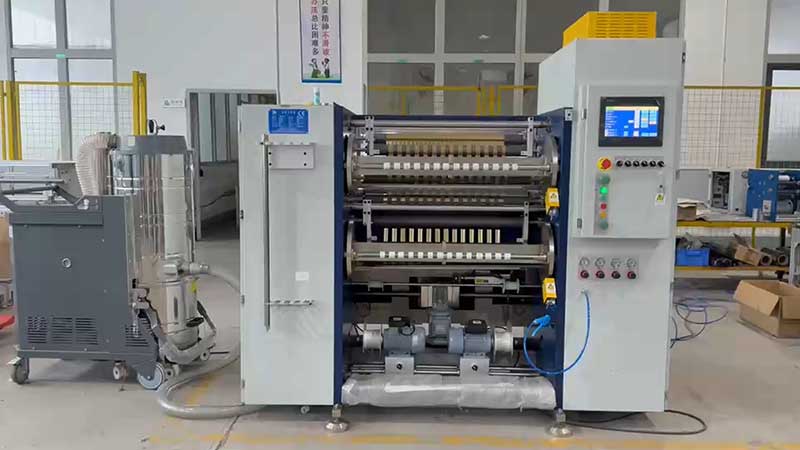
5. Aligning the Machine with Your Production Scale
The "right" machine depends heavily on your specific market positioning.
For General/Commercial Printing:
If you are slitting standard paper or board foil with moderate precision requirements, a robust economical shear slitter with reliable but simpler tension control (e.g., magnetic powder clutches) is sufficient. Speed and extreme precision are less critical than durability and cost-effectiveness.
For High-End Packaging and Security Printing:
If you are producing for luxury packaging, anti-counterfeiting labels, or textile foils, the demands are higher. You will need high-speed automation (up to 400-500 m/min), micron-level precision (±0.05mm or better), and full servo drive systems. Equipment in this tier often includes CCD vision systems for detecting print marks or edge defects in real time, ensuring zero-defect output.
For Laser and Specialized Foils:
These materials require the highest tier of equipment. Focus on mirror-finish rollers, cleanroom-compatible designs, and non-contact air slitting capabilities to protect the delicate surface. Dust generation must be near zero.
6. The Role of Intelligence and Connectivity
Modern slitting machines are increasingly becoming part of the "smart factory" ecosystem. When evaluating equipment, look for features that reduce reliance on operator skill and integrate with your management systems.
A recipe management system allows you to store ideal tension, speed, and pressure settings for different foil types and widths, enabling one-touch recall. For enterprises with MES or ERP systems, ensure the machine supports OPC UA or MQTT protocols for data interconnection. This allows for real-time monitoring of production progress, energy consumption, and predictive maintenance alerts (e.g., predicting blade wear based on vibration or current data).
Conclusion
Choosing a hot stamping foil slitting machine is a strategic decision that balances precision, efficiency, and material characteristics. The key is to prioritize tension control as the foundation of quality, select the right slitting method for your specific foil type, and invest in automation that matches your order profile.
By looking beyond the purchase price and evaluating the machine's ability to reduce material waste and downtime, you are not just buying a piece of equipment—you are investing in the profitability and quality consistency of your entire hot stamping line.
 English
 Deutsch
 Français
 Español
 Português
 日本語
日本語 русский
 한국어
한국어 عربي
عربي ภาษาไทย
 Tiếng Việt
 Italiano
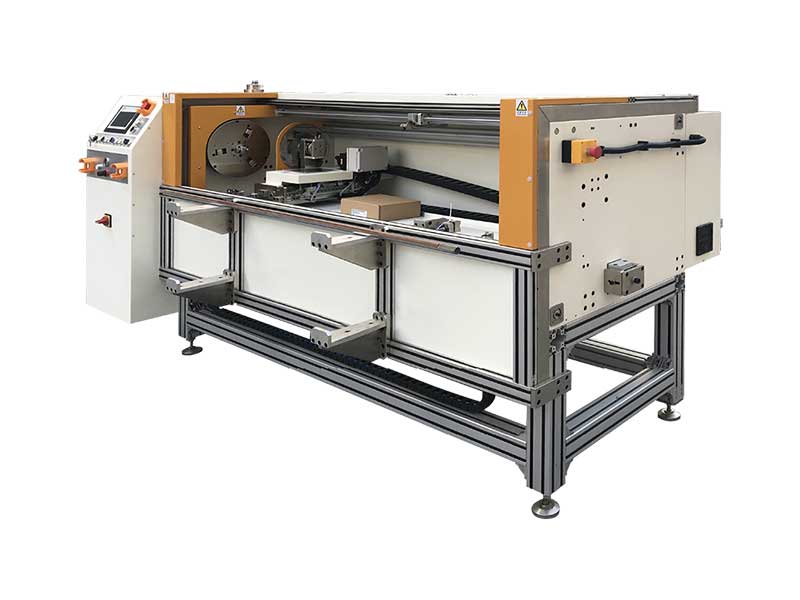 Automatic Foil Roll Cutting Machine
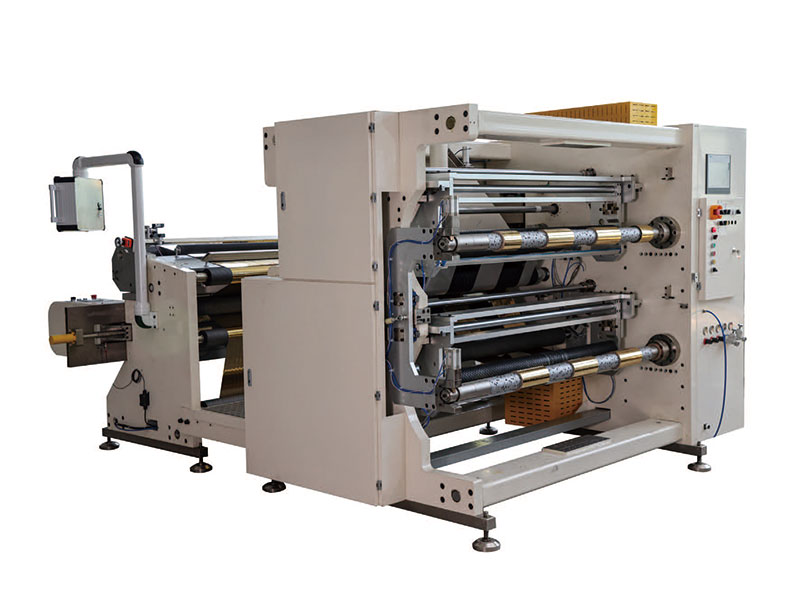 1400mm Hot Stamping Foil Slitting Machine
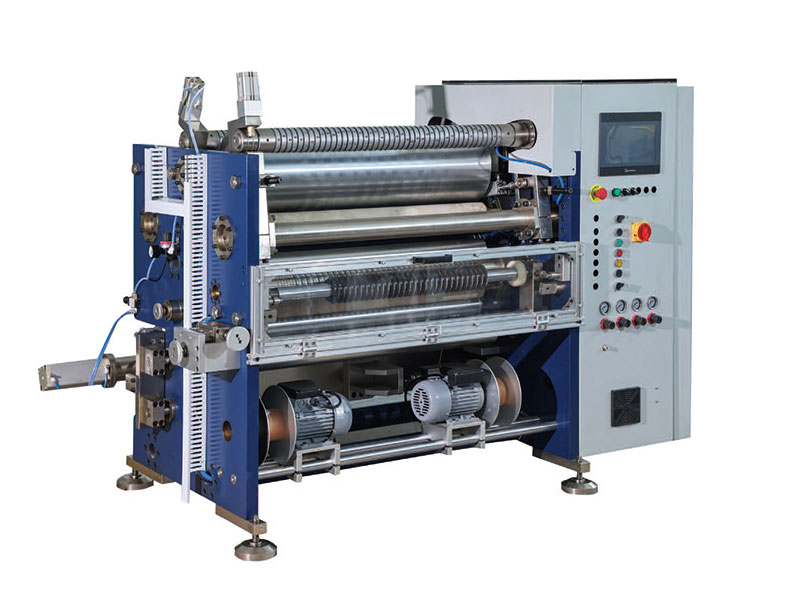 800mm Hot Stamping Foil Slitting Machine
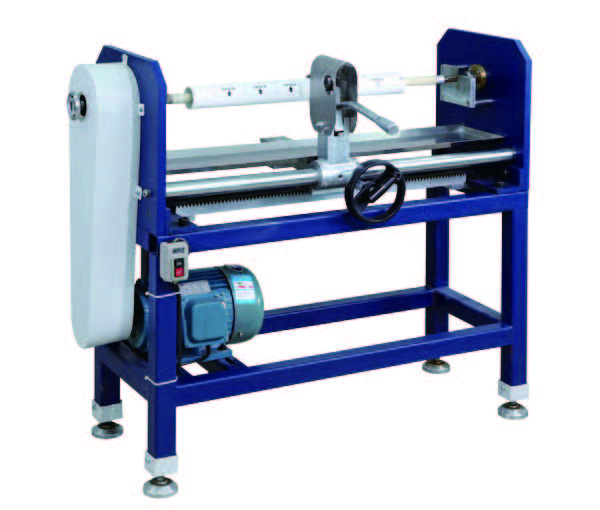 Manual Foil Roll Cutting Machine
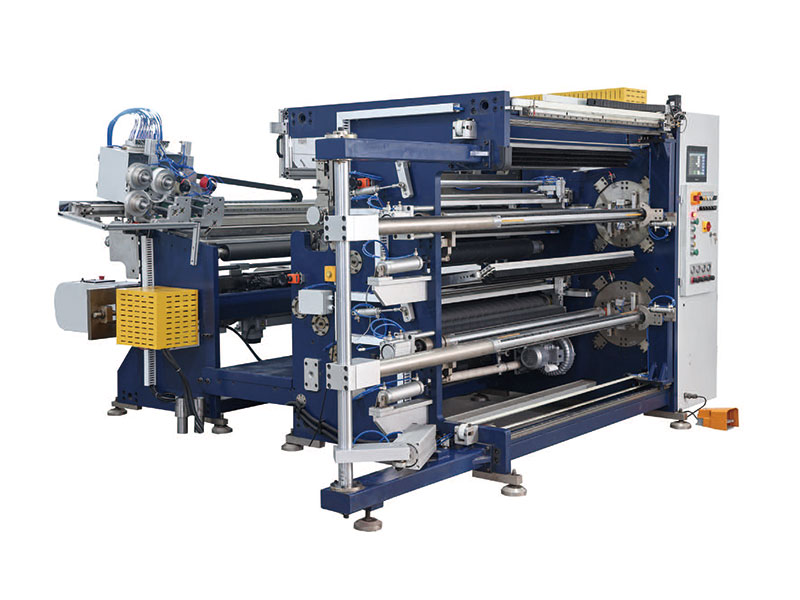 1350mm Hot Stamping Foil Slitting Machine
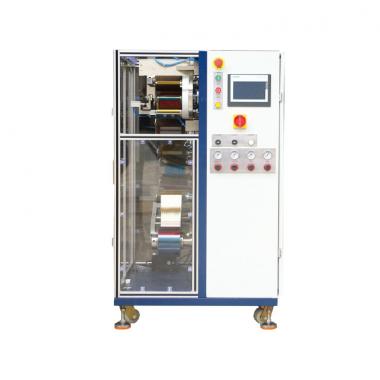 Photo & Card Print Ribbon Rewinding Machine
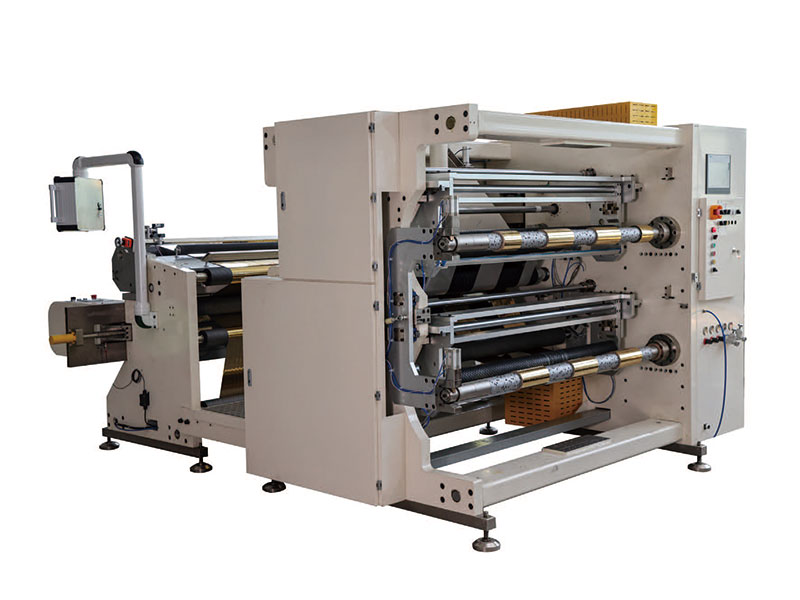 1400mm Copper Foil Slitting Machine
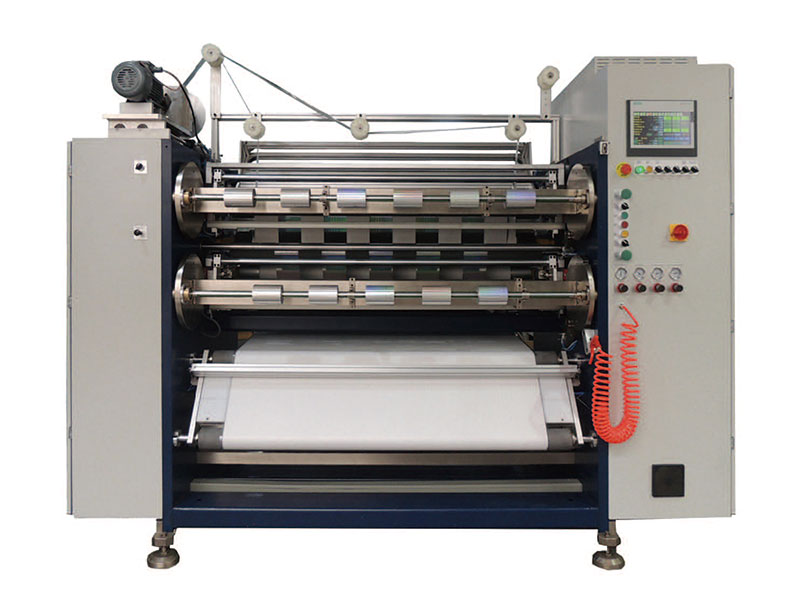 1350mm/1600 Foil Slitting Machine


 +86 135 9951 7291
 support@delishmachine.com