With its gorgeous metallic luster and delicate pattern rendering capabilities, hot stamping foil plays an indispensable role in packaging, printing, electronics, and other fields. However, during the process of hot stamping foil being cut from wide master rolls into narrow strips, static electricity has always been a major headache for manufacturers—it not only affects production efficiency but also directly affects product quality and operational safety. This article will start from the mechanism of static electricity generation, systematically explain its specific hazards to production, and provide a complete solution from basic protection to proactive elimination.
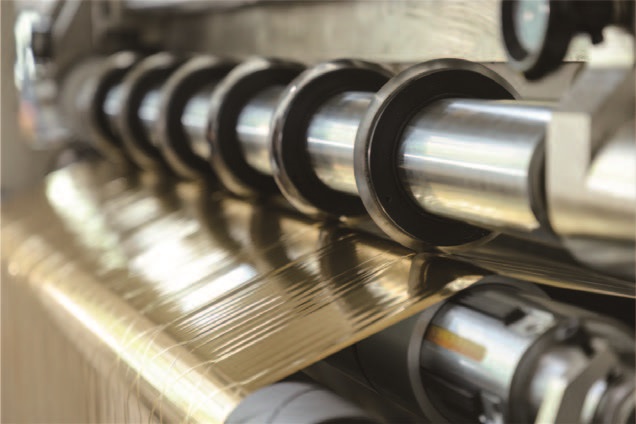
1. Where does static electricity come from?
Hot foil foil (commonly known as electrochemical aluminum) usually consists of PET polyester film as the carrier, with a surface layer coated with a release layer, tinting layer, aluminum plating layer, and hot melt adhesive layer, forming a multi-layered structure. PET film itself is an excellent insulator with extremely high resistivity, making it extremely difficult for charges to move freely and discharge naturally within the material.
When the slitting machine runs at high speed (usually reaching 50-300 m/min), the foil and the guide roller, slitting blade, pressure roller, and other components make high-speed contact and separation, and the layers of foil also peel off quickly. Both processes generate strong contact and peeling electrostatic effects. Because the charge cannot conduct and dissipate on the insulated foil surface, it accumulates massively, forming high-voltage electrostatic fields of several thousand or even tens of thousands of volts. Additionally, if the slitting workshop environment is relatively dry (relative humidity below 40%), static electricity issues become more pronounced.
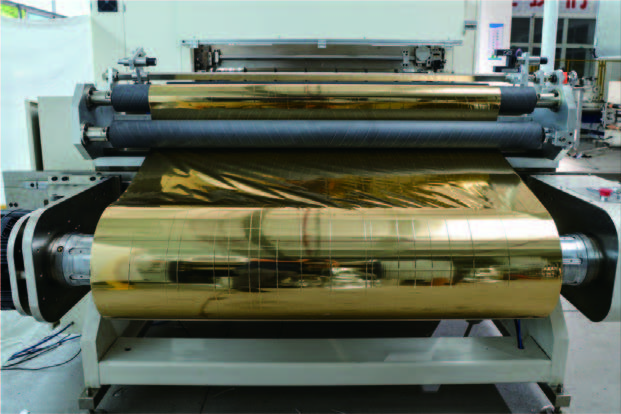
2. The "chain harm" caused by static electricity
Seemingly invisible static electricity actually triggers a series of issues affecting production and quality:
1. Inconsistent adhesion and winding of the foil surface
Electrostatic attraction occurs between the charged foil layers, causing "pseudo-adhesion" and making it difficult to separate the foil during bonding. During winding, repulsion or adsorption caused by static electricity can cause uneven end surfaces, forming "plum blossom rolls" that affect the normal release of subsequent hot stamping processes.
2. Absorbs dust, causing heat stamping and pitting
The charged foil surface acts like a "vacuum cleaner," strongly adsorbing fibers and dust in the workshop air at the 10-100μm level. These particles are pressed between the foil and the substrate during hot stamping, forming locally insecure areas that cannot fit tightly. This ultimately manifests as fine "pimples," "white spots," or pinhole-like defects on the hot stamping surface. This is a common and hidden cause of the rising rate of hot stamping scrap.
3. Damage to the hot stamping layer, leading to oxidation and blackening
This is a more serious and hard-to-detect quality hazard. Accumulated high-voltage static charges may cause corona discharges or spark discharges in the slitting region. Sudden high temperatures may burn the extremely thin hot stamping layer (especially the aluminized layer), further reducing the surface activation energy of aluminum or pigment molecules, accelerating their reaction with oxygen and moisture to form alumina or other dark compounds, which causes the hot stamping layer to oxidize and blacken, severely damaging the gloss and adhesion of hot stamping products.
4. Safety hazards
Operators often encounter static shocks during film penetration and roll unloading, affecting work mood and safety. In extreme cases, static sparks that encounter accumulated foil shavings or flammable solvent residues can even pose a fire hazard.
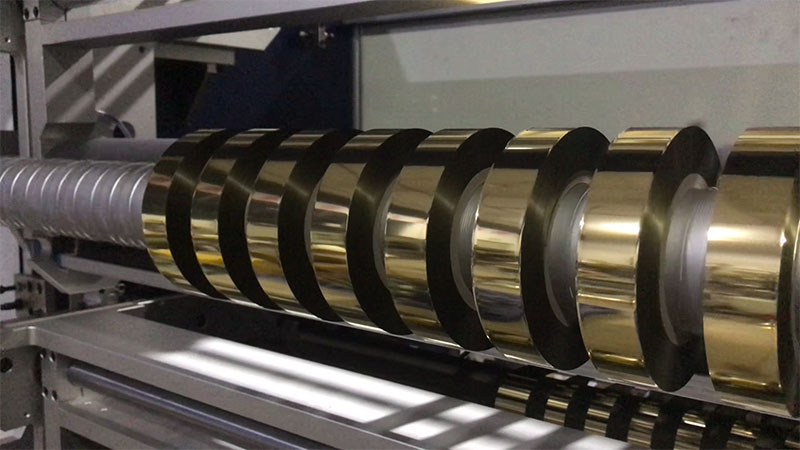
3. Systematic static elimination solution
To solve the static electricity problem of hot stamping foil slitting machines, it is essential to follow the core approach of "guiding away + neutralization" and build a systematic protection system.
1. Foundation: A complete equipment grounding system
Grounding is the cornerstone of all electrostatic protection measures, aiming to provide a safe channel for induced charge discharge on metal components of equipment, preventing spark discharges on the foil from metal parts.
• Overall grounding: The main frame of the slitting machine, all metal guide rollers, retracting and unloading reels, tool holders, etc., must be reliably connected to the workshop's main grounding main line via copper braided tape, with a recommended grounding resistance less than 4Ω.
• Handling of rotating parts: This is a frequently overlooked point. The bearings of the guide roller and rewinding shaft contain grease, which forms an insulating layer and causes the rotating roller body to be in an "electrically suspended" state. An effective solution is to install a carbon fiber or copper grounding brush at the end of the guide roller shaft, with the brush wire gently pressing against the roller surface or shaft shoulder to ensure continuous conduction during rotation.
• Grounding of retractable reels: The surfaces of air expansion shafts or mechanical shafts are prone to poor contact due to oil contamination or oxide layers. It is recommended to clean the shaft surface regularly and install grounding slip rings or carbon brush assemblies at the shaft ends.
2. Core: Active static eliminator
Relying solely on grounding cannot eliminate static charge on the surface of the insulating foil, because PET film itself is non-conductive and the charge cannot "flow away" through the grounding roller. This is when an active static eliminator is needed.
Ion bars (ionization rods) are currently the most mainstream choice. Its principle is to ionize air under high pressure, generating a large amount of positive and negative ion air masses. When the foil passes through the ionic radiation zone, the static charge on the foil surface is quickly neutralized.
• Installation location: It is recommended to place ion rods in front of and behind the slitting tool holder and at the unfolded foil surface before winding, about 20-50mm away from the foil surface, covering the entire width horizontally.
• Key points for selection: For fast slitting speeds (e.g., above 200m/min), high-frequency AC or pulsed DC ion rods should be chosen for higher neutralization efficiency; For slitting machines wider than 1 meter, it is recommended to arrange multiple ion rods in segments.
• Innovative application: A patented solution places ion air rods inside the slitting machine drum, with small holes on the cylinder surface. Ion air blows through these holes onto the foil surface, while the fan exhausts air, eliminating static electricity while absorbing dust on the foil surface.
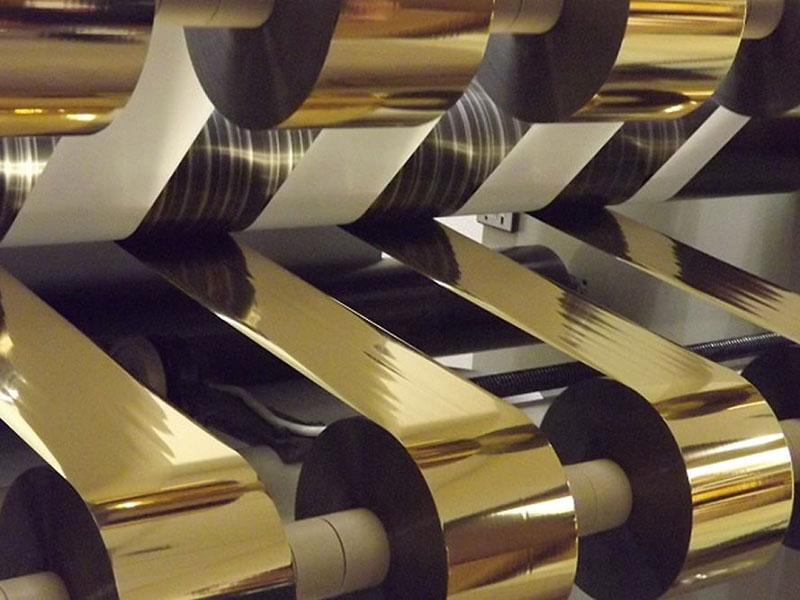
3. Auxiliary: Environmental humidity control and passive conductive rollers
• Humidity regulation: If the workshop is too dry (relative humidity below 40%), static electricity buildup will significantly worsen. Appropriately humidifying to 50%-60% can improve the surface conductivity of the material and assist the static eliminator. However, humidity should not be too high (>70%) to avoid affecting the release performance of the foil foil.
• Passive conductive rollers: For situations where static electricity is not severe, guide rollers made of conductive rubber or carbon fiber composites can be used, with resistance controlled between 10⁴~10⁸Ω. When the electrostatic foil film contacts the conductive roller, the charge can be discharged to earth → through the roller body→ bearings→ grounded carbon brushes. This solution must ensure the roller surface is clean and effectively grounded.
4. Conclusion
Static electricity issues during hot stamping foil slitting are by no means trivial; they affect enterprise efficiency from multiple dimensions including winding neatness, surface cleanliness, glossiness of the hot stamping layer, and production safety. Effective electrostatic control should be a systematic project: based on reliable grounding, centered on active ion elimination, supplemented by humidity regulation and regular maintenance. Through this combined approach, static electricity risks can be fundamentally eliminated, the slitting process runs smoothly, and the quality of hot stamping foil products improved.
 English
 Deutsch
 Français
 Español
 Português
 日本語
日本語 русский
 한국어
한국어 عربي
عربي ภาษาไทย
 Tiếng Việt
 Italiano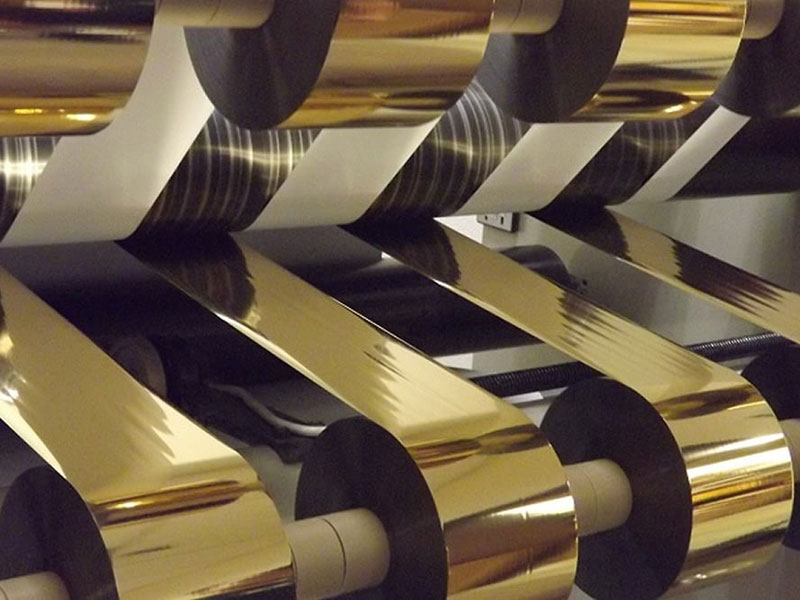
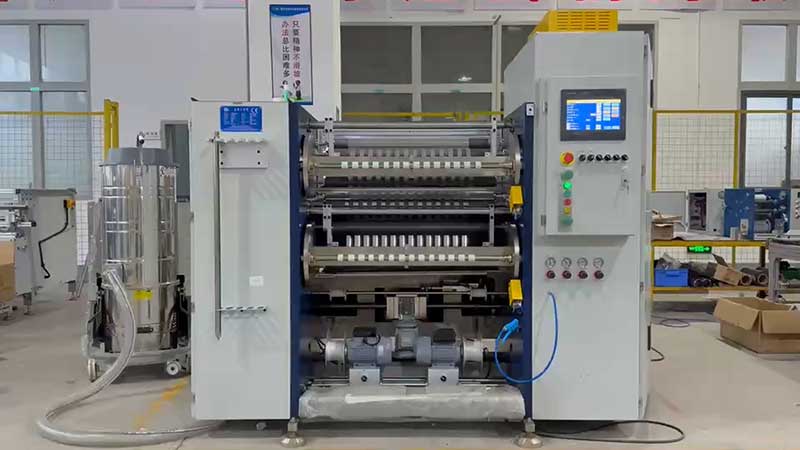
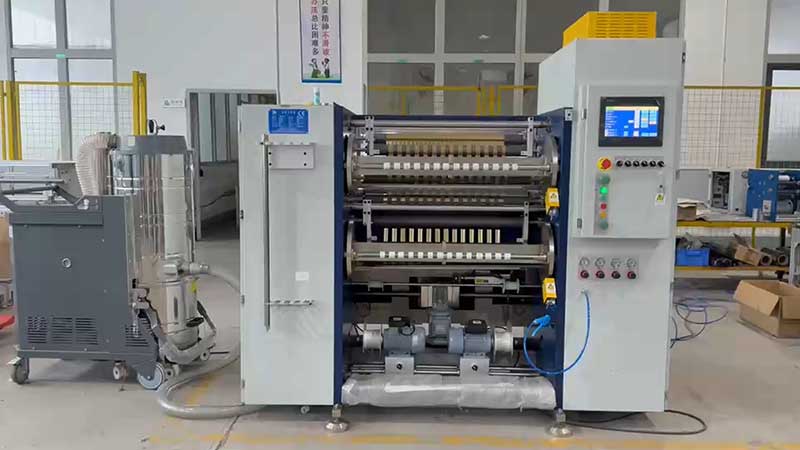
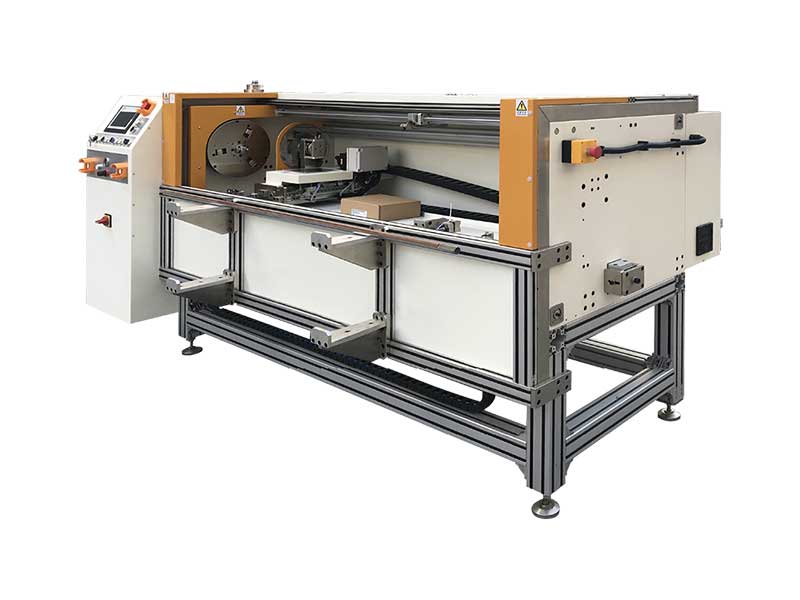 Automatic Foil Roll Cutting Machine
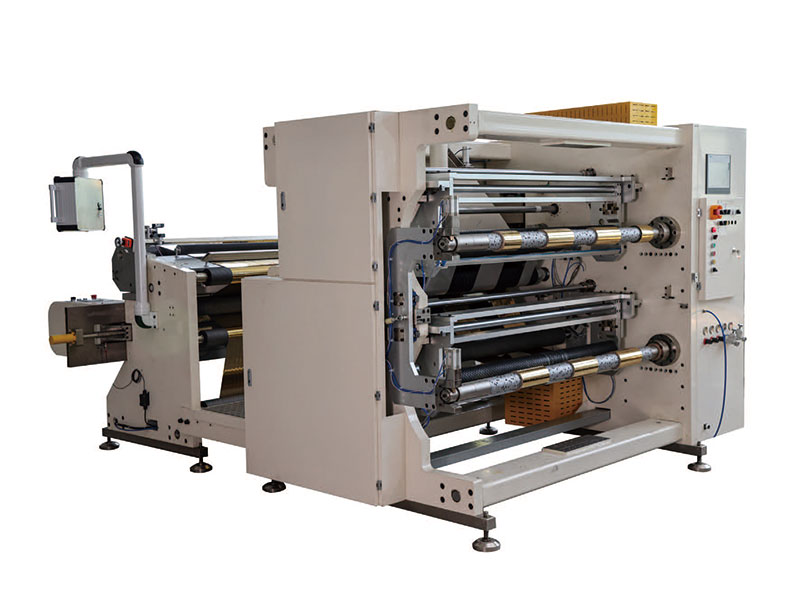 1400mm Hot Stamping Foil Slitting Machine
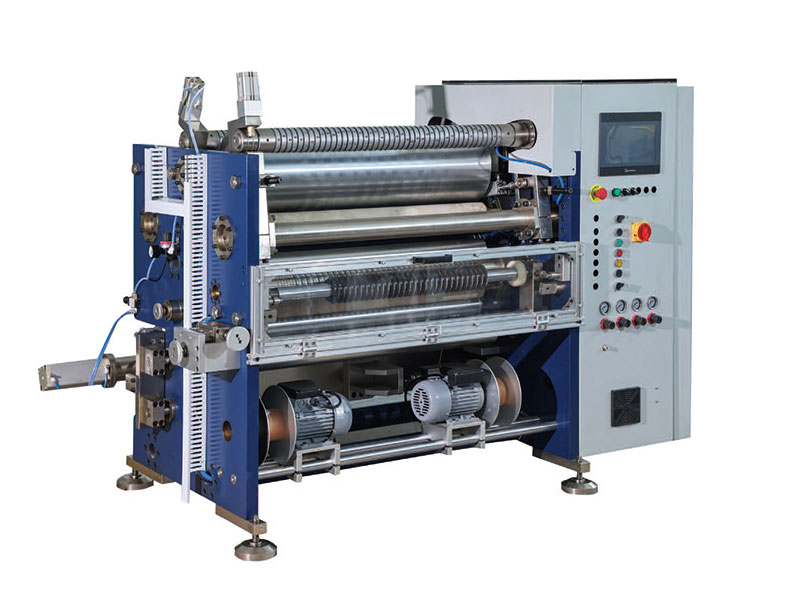 800mm Hot Stamping Foil Slitting Machine
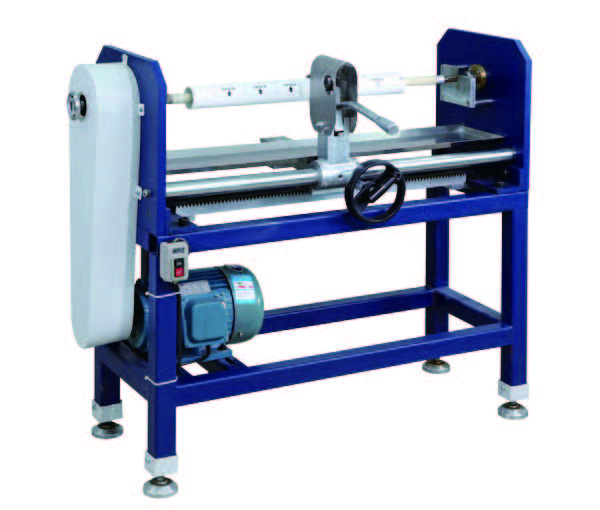 Manual Foil Roll Cutting Machine
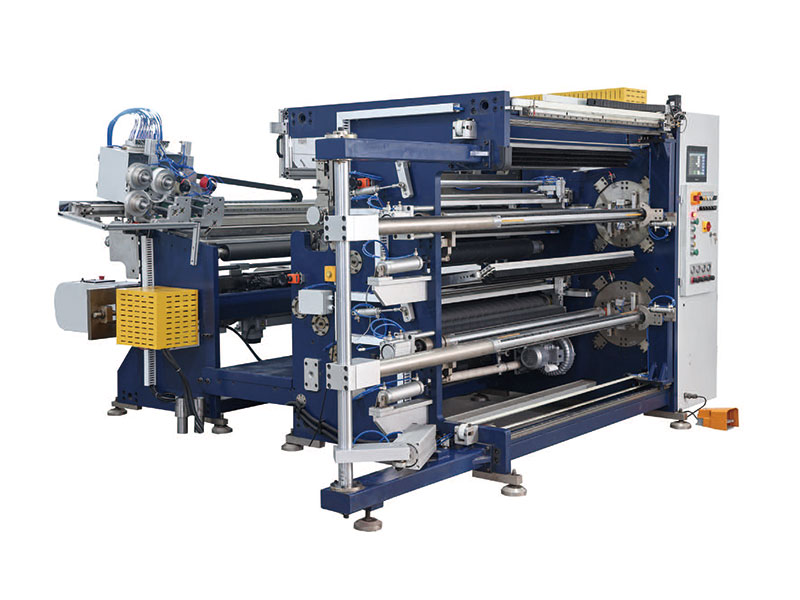 1350mm Hot Stamping Foil Slitting Machine
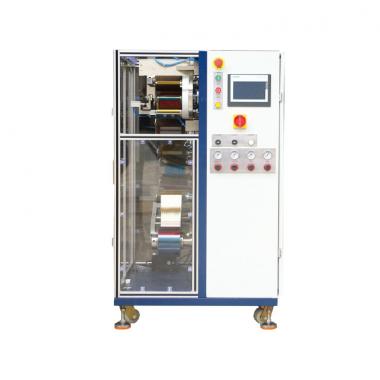 Photo & Card Print Ribbon Rewinding Machine
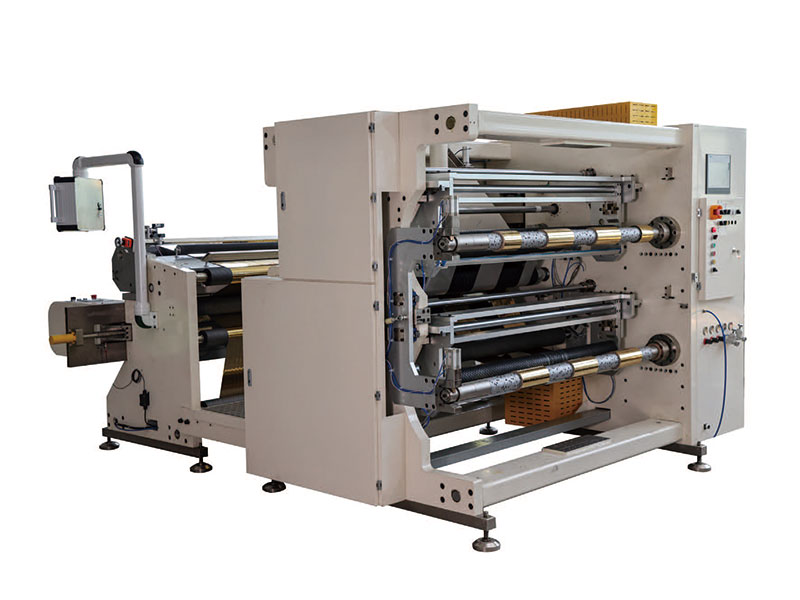 1400mm Copper Foil Slitting Machine
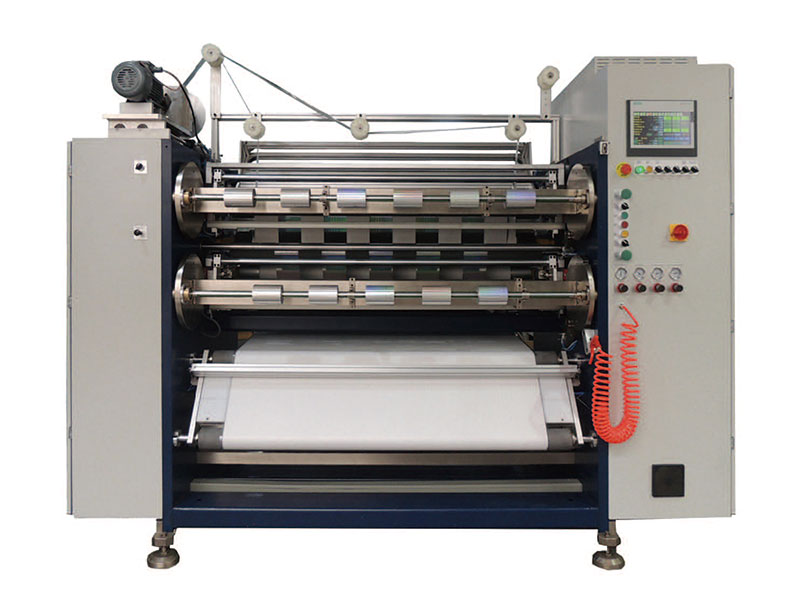 1350mm/1600 Foil Slitting Machine


 +86 135 9951 7291
 support@delishmachine.com