As a high-end packaging material, hot stamping foil directly determines the quality of the slitting process and the subsequent stamping effect and yield of finished products. There is a saying in the industry that "30% hot, 70% cut," highlighting the key role of the slitting stage. However, hot stamping foil is only 12–30μm thick, with a release and adhesive layers coated on the surface, making it extremely sensitive to tension and contact pressure. During high-speed slitting (150–300 m/min), the winding stage often becomes a concentrated outbreak point for quality defects—frequent issues such as wrinkling, misalignment, curled edges, and uneven end faces, severely restricting production efficiency and product yield.
The root cause of winding quality issues is not a single factor, but rather the combined effect of material properties, equipment precision, process parameters, and operating environment. Therefore, winding improvement needs to shift from "fixing the headache" to systematic optimization. This article will explore systematic strategies for improving winding in hot stamping foil slitting machines around four dimensions: tension control, roller management, alignment correction, and static elimination.
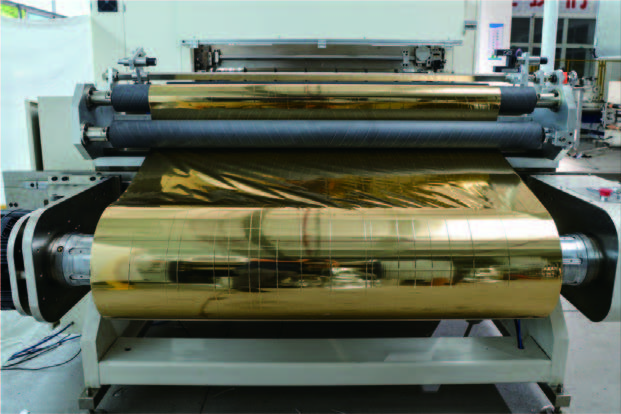
1. Tension Control: The "Fixed Star" of Winding Quality
Tension is the core dynamic parameter in the slitting and winding process. Excessive tension causes the foil film to stretch, deform, or even break, causing the inner layer to form "chrysanthemum core" wrinkles under pressure; If the tension is too low, interlayer slip leads to deviation or collapse; Tension fluctuations cause uneven end faces.
Traditional constant tension control modes cannot accommodate changes in winding diameter. As the roll diameter increases 3–5 times, if the tension remains constant, the outer layer tension will compress the inner layer, causing inner ring to wrinkle. Taper tension control is a key strategy to resolve this contradiction: tension decreases according to a preset curve as the coil diameter increases, with a typical taper coefficient set at 0.5–0.8, initial tension set at 8%–12% of the material's fracture tension, and final tension reduced to 40%–70% of the initial value.
More refined segmented tension control divides the winding process into three stages:
• Starting section (0–20% roll diameter): Uses lower tension to ensure a smooth and fitting of the roll core;
• Constant tension section (20%–70% roll diameter): Maintains stable interlayer pressure;
• Taper descent section (70%–100% roll diameter): Gradually reduces tension to compensate for the weight of the outer ring.
The response speed of tension closed-loop control directly affects the neatness of the winding end face. Modern high-end equipment adopts a "speed + current" dual closed-loop architecture, combined with dynamic feedforward compensation, which calculates the inertia effect caused by changes in coil diameter in real time. During acceleration and deceleration, torque compensation is added, controlling tension fluctuations within ±3%. After applying precise taper tension control, a certain company reduced the rate of end face misalignment and wrinkled defects by 40%–60%.
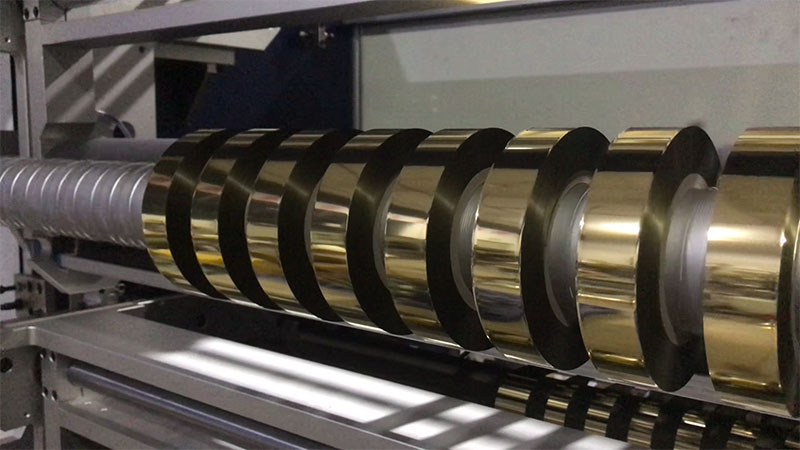
2. Rewinding Rollers: From "Passive Compaction" to "Active Adaptation"
The function of the winding pressure roller is not only to press the foil strip tightly onto the core to expel interlayer air, but also to be a key actuator for maintaining winding neatness. Poor roller condition is a common cause of wrinkling and edge curling.
Roller parallelism deviation is the most easily overlooked mechanical trap. If the axis of the pressure roller is not parallel to the axis of the winding reel, the pressure deviation between left and right will cause one side of the foil surface to be tight and the other side loose, making the loose side very prone to wrinkling. Industry standards require the left-right pressure deviation to be controlled within ±3N, and the parallelism deviation not exceeding 0.05mm/m. Roller hardness is also important—hot stamping foil should use polyurethane or nitrile rubber rollers with Shore A hardness of 60–75, with a surface roughness of Ra 0.8–1.6μm. If too hard, it cannot adapt to foil thickness fluctuations; if too soft, it easily deforms and causes uneven pressure.
Traditional roller pressure is fixed and cannot be adjusted according to changes in roll diameter, making it easy to fall into the contradiction of "low outer tension and high roller pressure"—this is a common root cause of foil surface wrinkling. The floating pressure roller mechanism and the segmented pneumatic bladder structure represent the development direction of pressure roller technology: the former automatically adjusts position according to changes in roll diameter, maintaining a constant wrapping angle and contact pressure; The latter independently controls airbag pressure for each slit, applying additional pressure to the curled edge side to dynamically counteract edge upward curl.
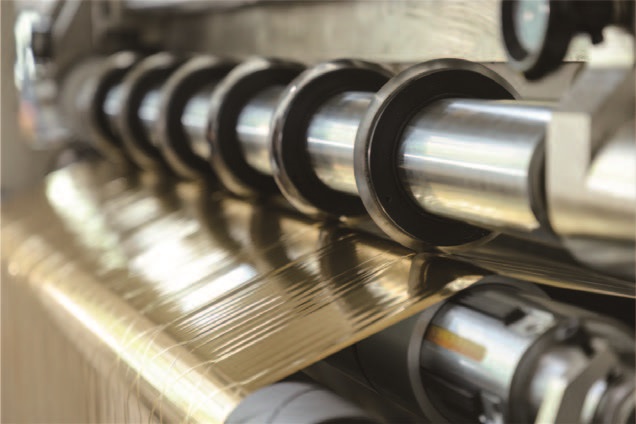
3. Correction and alignment: Maintain a neat bottom line for end faces
Issues such as uneven winding end faces, tower-shaped rolls, and bulges often stem from insufficient response of the correction system or excessive mechanical accuracy.
Troubleshooting for misalignment should be carried out in the order of "from soft to hard": first, check whether tension control is stable; second, check the parallelism between the guide roller and the pressure roller; second, confirm whether the winding shaft is bent or chuck wear; and finally, examine the material's own defects (such as uneven thickness or excessive static electricity). Ultrasonic or photoelectric correction systems are standard configurations for solving lateral drift, with high-end equipment achieving correction accuracy within ±0.5mm. For foil foil with transparent substrates, ultrasonic sensors rather than photoelectric sensors should be used to avoid false detection caused by light transmission.
It is important to note that the correction system's response speed must match the operating speed of the equipment. For high-speed slitting machines (above 300m/min), it is recommended to use servo direct-drive correction systems, with response times controlled within 50ms to effectively suppress high-frequency offset.
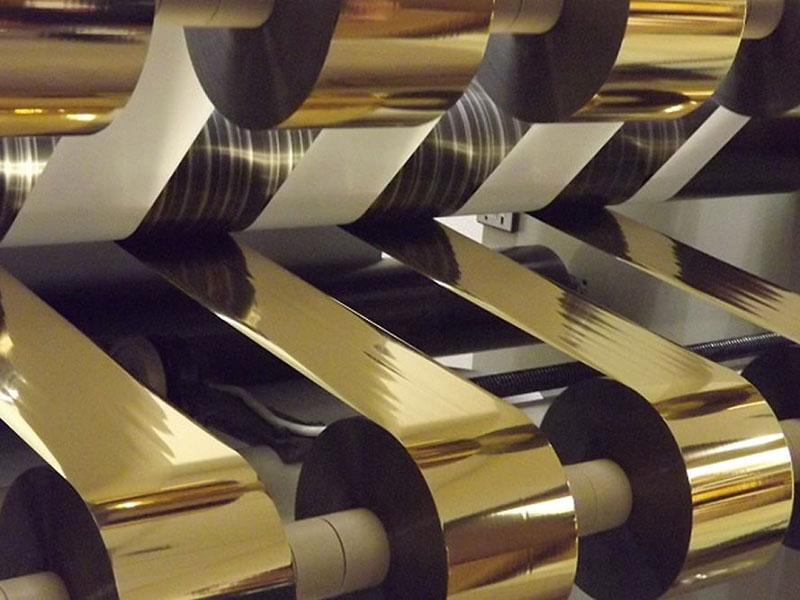
4. Static Elimination: The Invisible "Winding Killer"
PET or BOPP substrates of hot stamping foil are highly prone to static electricity during high-speed friction separation. Static electricity accumulation causes the foil layers to repel each other, causing loosening and dust absorption, contaminating the surface, and in severe cases, even causing electric shock sparks that damage the coating.
Active static elimination rods have become a standard feature in modern slitting equipment. Compared to traditional AC products, pulse DC static eliminators have higher dissipation efficiency, better ion balance (residual voltage≤± 30V), and are less likely to generate ozone. An electrostatic sensor is embedded at the rewinding pressure roller. When static voltage exceeds 2kV, the electrostatic elimination brush automatically activates, enabling linked control with tension adjustment.
Conclusion
The winding improvement of hot stamping foil slitting machines is a systematic engineering project involving tension, mechanical, electrical, and material fields. From fine settings of taper tension curves to millimeter-level calibration of pressure roller parallelism; From the fast response of the correction system to the effective coverage of static elimination—every step is optimized to enhance the final winding quality.
Practice has proven that by adopting precision taper tension control, high-precision deviation correction systems, and intelligent static elimination technology, the defect rate of slitting wrinkles in hot stamping foil can drop from 3.8% to below 0.3%, and the maximum winding diameter can be increased from 400mm to 600mm while maintaining a flat surface. With the maturity of technologies such as AI tension self-learning and online image detection, winding control is shifting from "passive correction" to "active roll suppression," opening new space for the continuous improvement of hot stamping foil slitting quality.
 English
 Deutsch
 Français
 Español
 Português
 日本語
日本語 русский
 한국어
한국어 عربي
عربي ภาษาไทย
 Tiếng Việt
 Italiano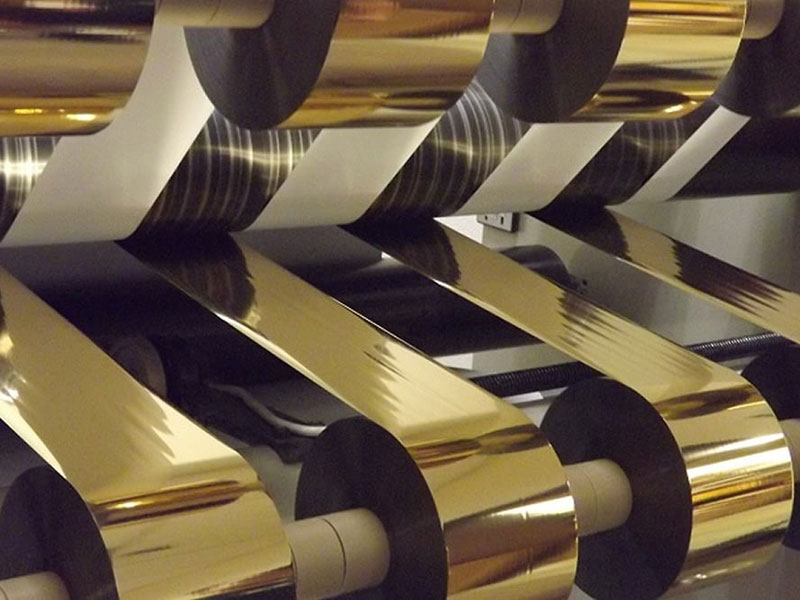
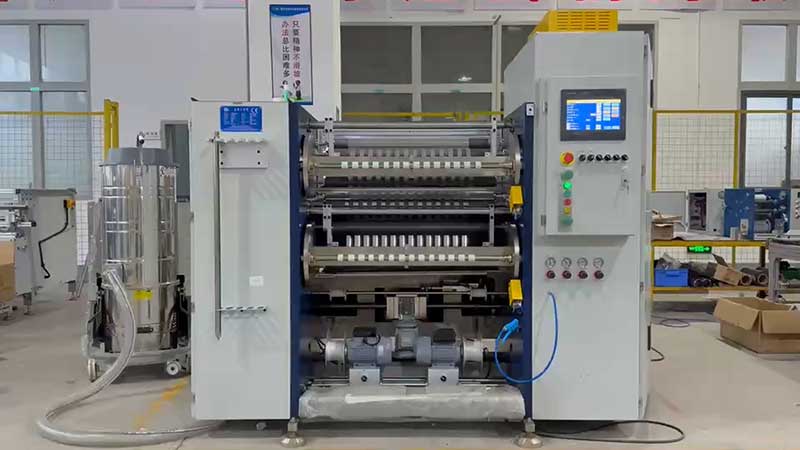
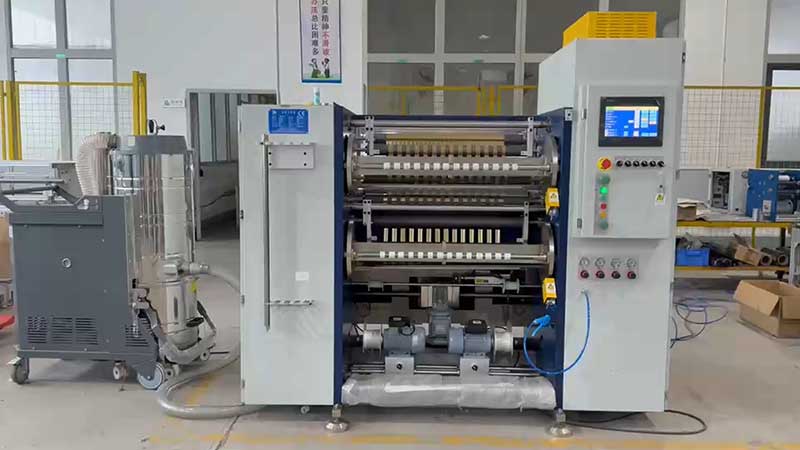
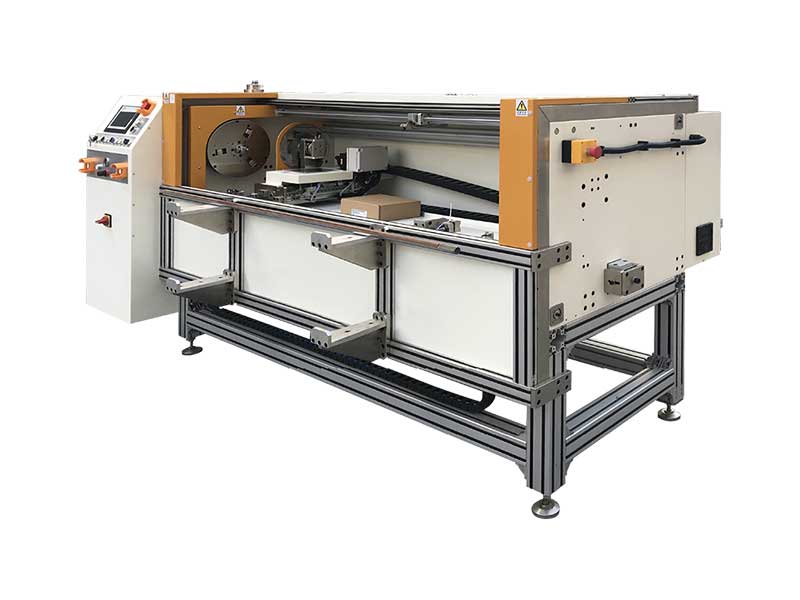 Automatic Foil Roll Cutting Machine
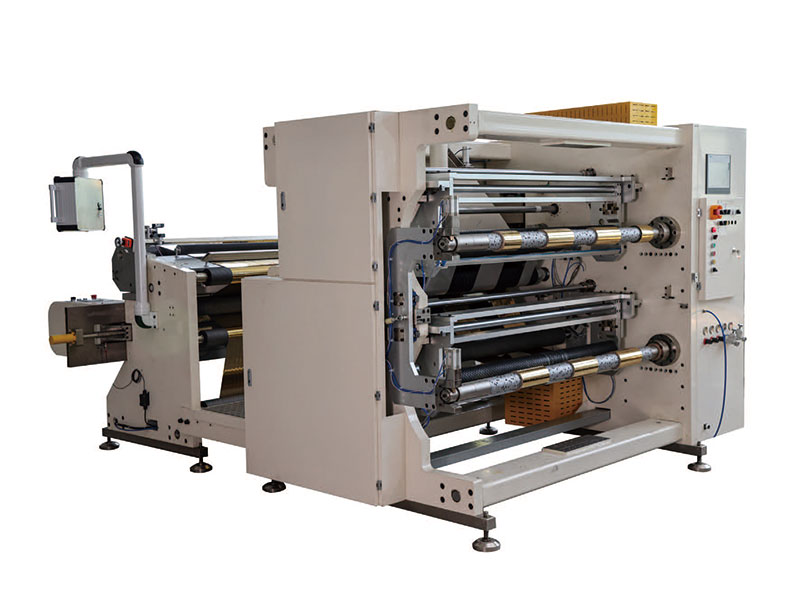 1400mm Hot Stamping Foil Slitting Machine
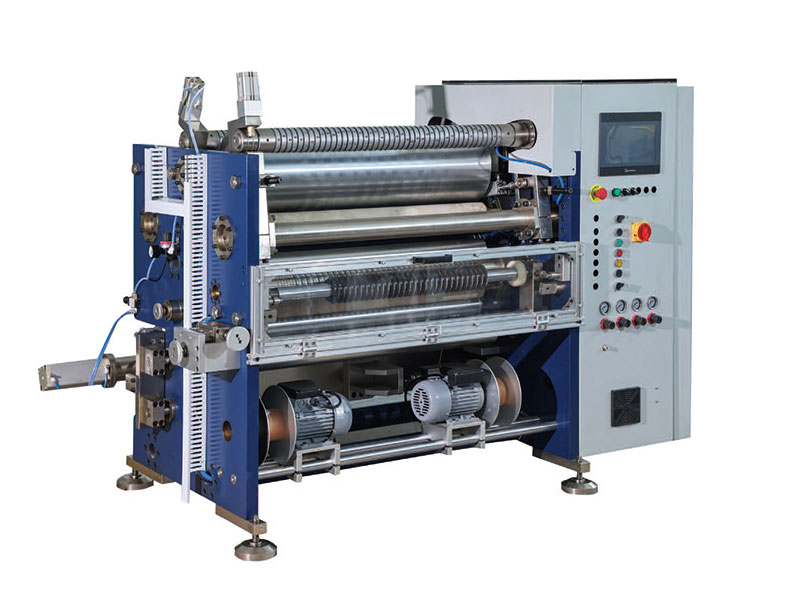 800mm Hot Stamping Foil Slitting Machine
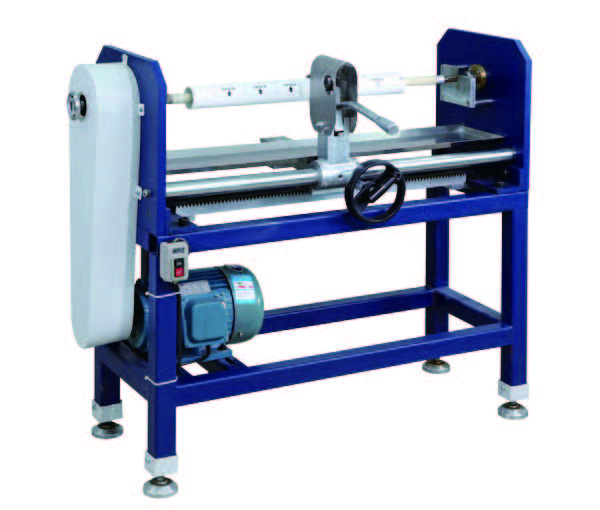 Manual Foil Roll Cutting Machine
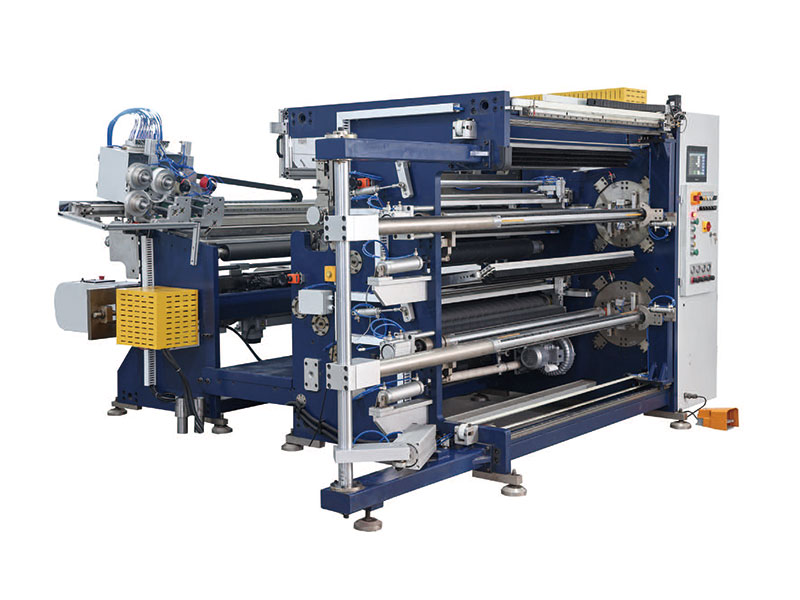 1350mm Hot Stamping Foil Slitting Machine
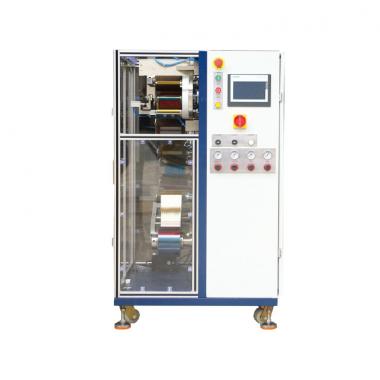 Photo & Card Print Ribbon Rewinding Machine
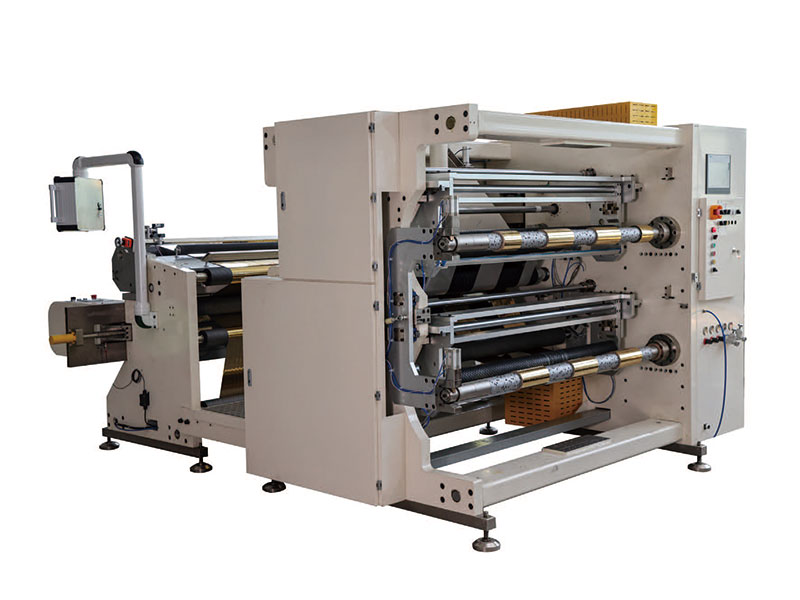 1400mm Copper Foil Slitting Machine
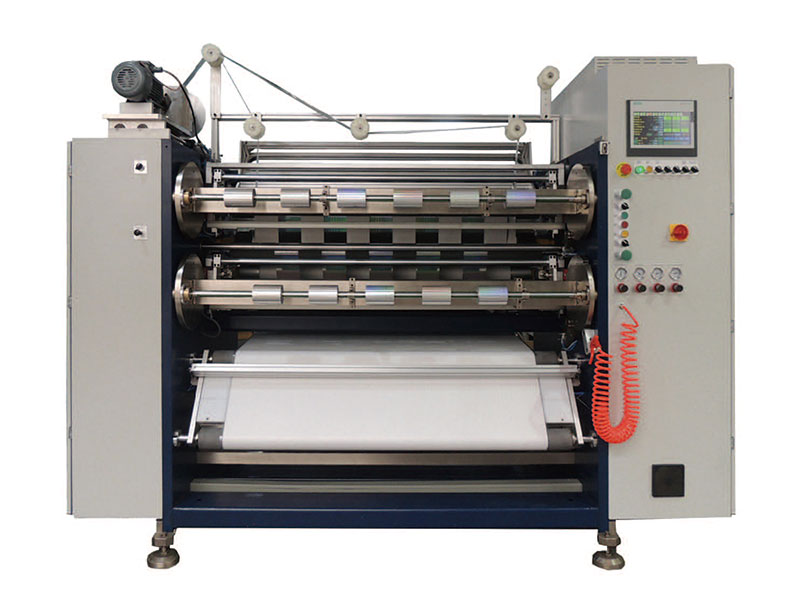 1350mm/1600 Foil Slitting Machine


 +86 135 9951 7291
 support@delishmachine.com