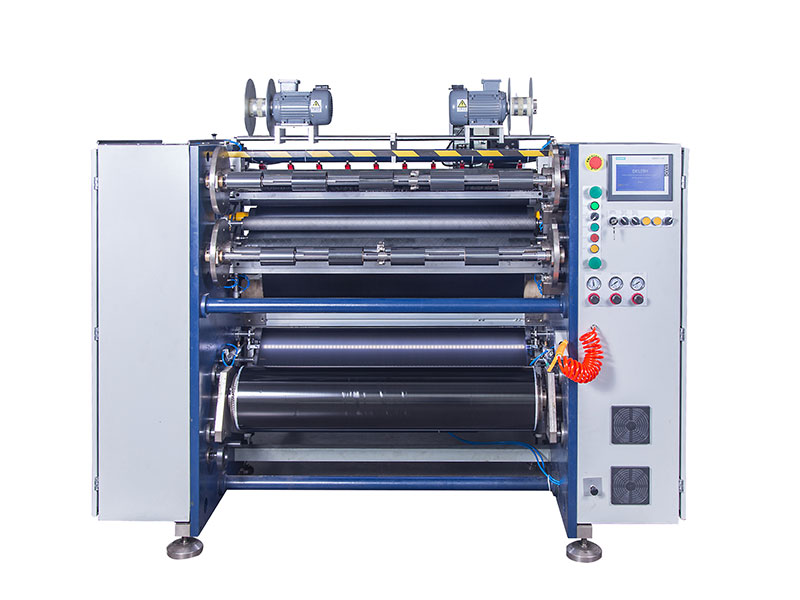
In today's world where thermal transfer printing technology is everywhere, from express waybills to medical wristbands, from electronic labels to clothing hangtags, behind every clear barcode and label lies a roll of high-quality ribbon. The core equipment for processing wide-width ribbon headers into end-user specifications is the automated ribbon rewinding and slitting machine. It is not just a simple "volume segmentation tool" but has become a strategic fulcrum connecting large-scale production with fragmented market demand.
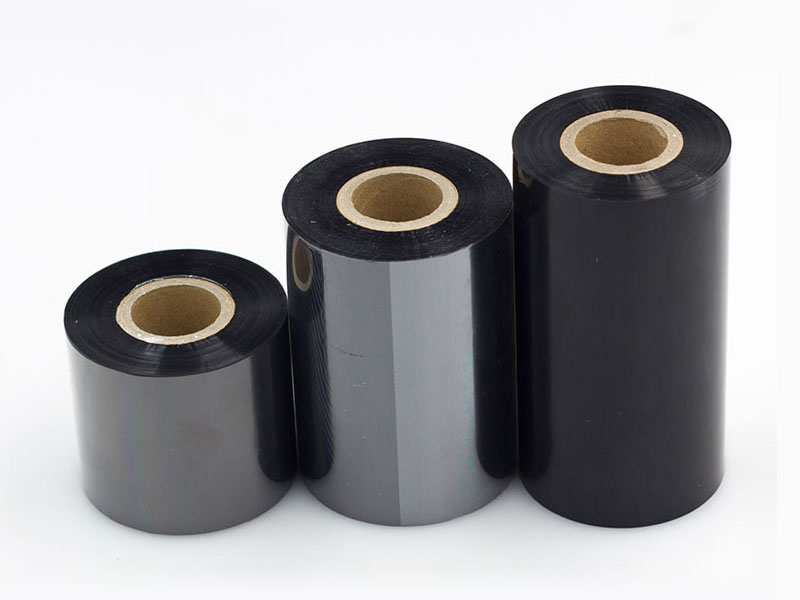
Industry chain positioning: From industrial rollers to converters of end-product products
The production process for ribbon tapes is usually in the form of wide main rolls, with widths exceeding 1 meter, and cannot be used directly on desktop or industrial-grade barcode printers. The core mission of the automated ribbon slitting machine is to precisely slice these main rolls into specific widths, lengths, and core specifications required downstream, while simultaneously completing rewinding and quality inspection processes. It occupies a pivotal position in the industry chain—upstream to support coating factories and master film manufacturers, while downstream it serves printing consumables brands, distributors, and end users. The efficiency and precision of this stage directly determine the response speed of the industry chain and the end-user product experience.
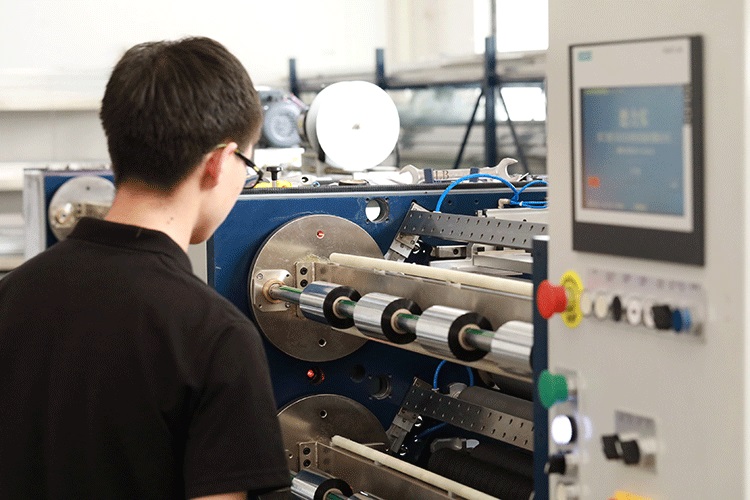
Core application scenario analysis
Scenario 1: The mass production hub of a label printing factory
Label printing factories are the main application ground for ribbon slitting machines. These scenarios demand extremely high equipment capacity and stability, requiring batch processing of ribbon master rolls into standard small rolls compatible with printers like Zebra and Honeywell.
In this scenario, the equipment's high-precision slitting capability is especially critical. Equipment using servo motors and high-resolution optical sensors for closed-loop control achieves slitting accuracy of up to ±0.1mm, effectively preventing ribbon burrs or stretching deformation. At the same time, the slitting speed can reach 300m/min, supporting 24-hour continuous operation, which is sufficient to meet the demands of large-scale orders such as e-commerce logistics labels. There is a case showing that after a certain daily chemical label manufacturer introduced advanced slitting machines, its monthly production capacity increased from 2 million meters to 4.5 million meters.
Scenario 2: The slitting center between ribbon distributors and customized service providers
For ribbon distributors, purchasing wide muskets and slitting them on demand is a business model that balances cost and flexibility. The customer needs they face are extremely fragmented: some require high-temperature resistant resin-based ribbons for automotive parts labeling, some require corrosion-resistant ribbons for chemical barrels, and others require small rolls for small retail stores.
Modern automated slitting machines provide flexible production solutions for such scenarios. The equipment supports an ultra-wide slitting range from 5mm to 200mm and can quickly switch order parameters. After integrating with the MES system, one-click model change is possible, reducing model change time by 80%. This enables small-batch, multi-variety customized orders to be completed efficiently and cost-effectively, converting industrial product master rolls into products that can be directly put on shelves for sale, thereby achieving product value-added.
Scenario 3: Internal self-sufficiency of large terminal enterprises
Some large enterprises—especially logistics and warehousing centers and large manufacturing plants—choose to purchase ribbon slitting equipment themselves. This demand stems from considerations of cost control and supply chain autonomy. By directly purchasing large rolls of ribbons and cutting them themselves, companies can significantly reduce consumable procurement costs, ensure ribbon specifications perfectly match their own printing equipment, reduce roll change frequency, and improve production line efficiency.
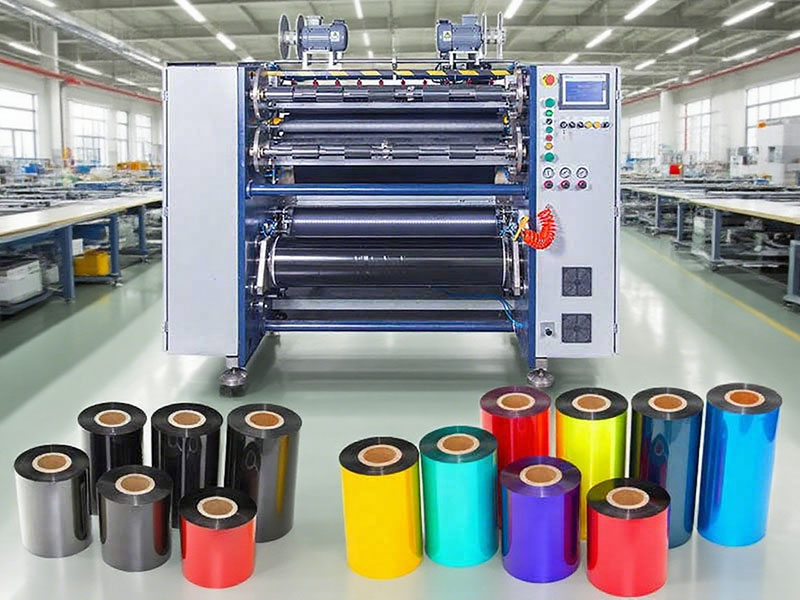
The technical support behind precision manufacturing
The implementation of these application scenarios relies on continuous breakthroughs in key technologies of automated ribbon slitting machines. The dynamic tension control module can adjust ribbon tension in real time, adapting to the slitting needs of different substrates such as PET and BOPP, avoiding loose rolls or wrinkles. The CCD visual inspection system can automatically identify and mark surface defects such as uneven coatings and bubbles, keeping the defect rate below 0.5%. In high-end applications such as medical and electronic tags, it can even achieve a slitting accuracy of ≤1μm of coating protective layers to ensure the read/write stability of RFID tags.
Conclusion
The automated ribbon rewinding and slitting machine has evolved from a simple processing device into an "intelligent production node" driving the flexible operation of the printing consumables industry chain. Driven by the wave of customization and the Industry 4.0 trend, it is deeply integrating with digital printing and IoT platforms, evolving toward AI-powered predictive maintenance and green, waterless slitting. For companies in label printing, consumables distribution, or large-scale end manufacturing, understanding and leveraging the technical potential of this equipment will become an important competitive edge for cost reduction, efficiency improvement, and responsiveness to market changes.
 English
 Deutsch
 Français
 Español
 Português
 日本語
日本語 русский
 한국어
한국어 عربي
عربي ภาษาไทย
 Tiếng Việt
 Italiano
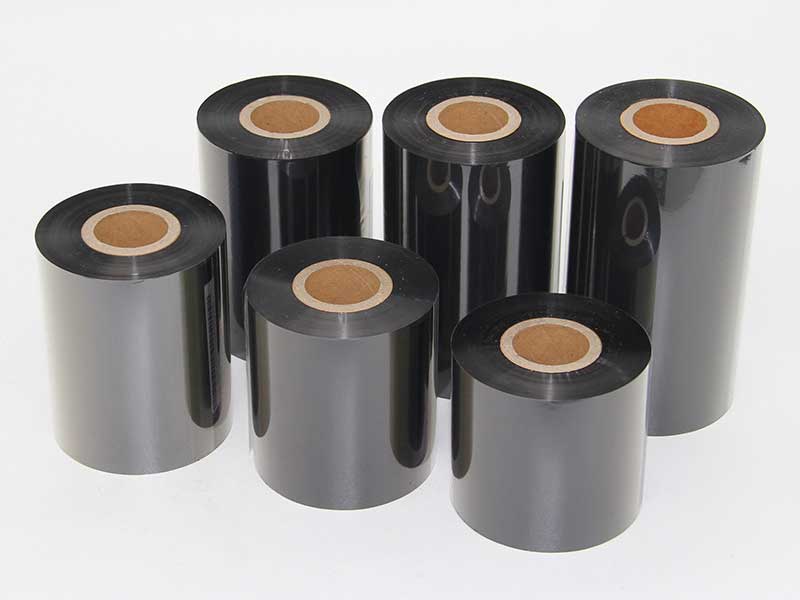
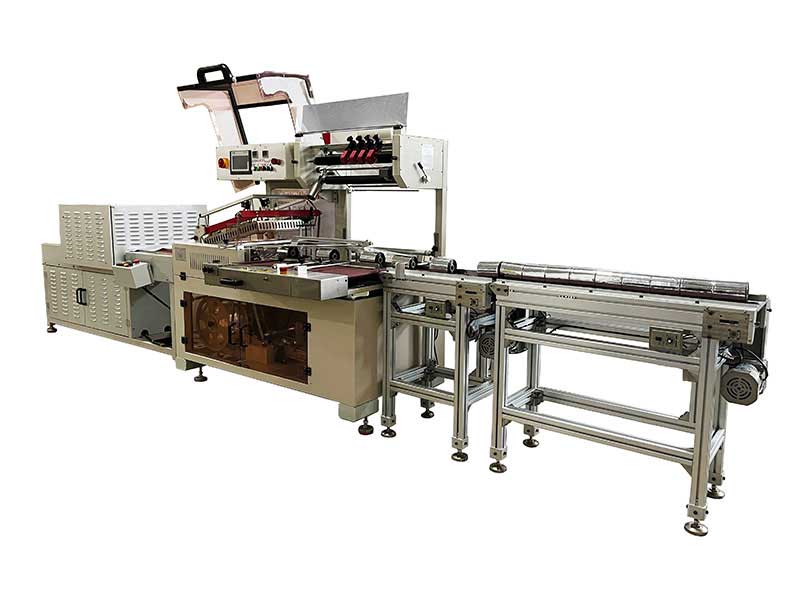 Thermal Transfer Ribbons Packaging Machine
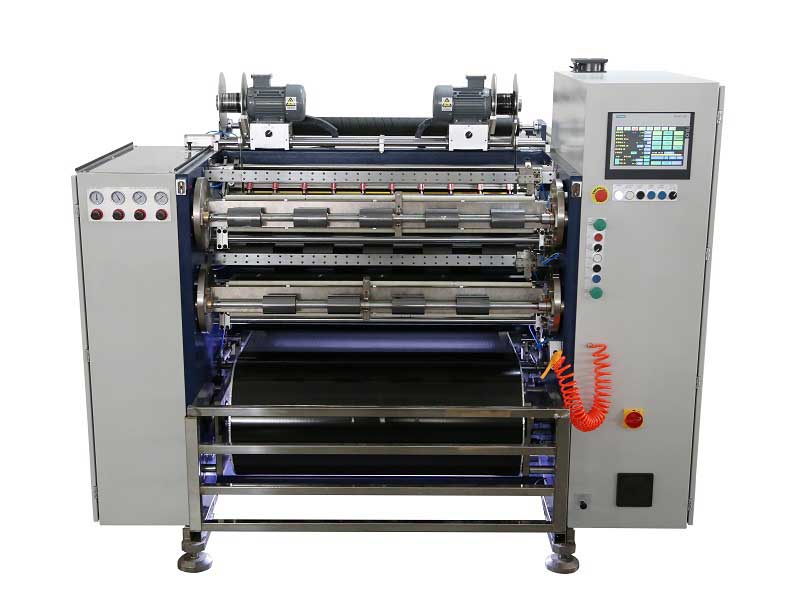 Automatic Thermal Transfer Ribbon Slitting Machine RSDS8 H PLUS
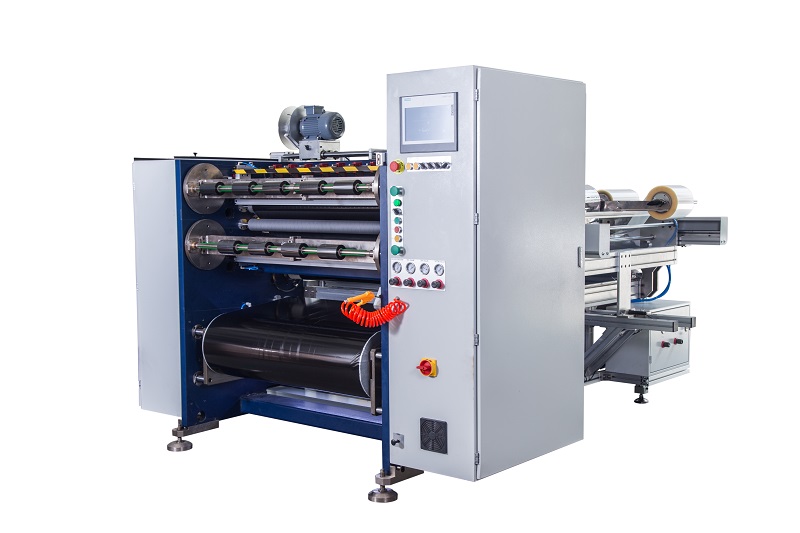 Semi Automatic Thermal Transfer Ribbon Slitting Machine RSDS5 PLUS
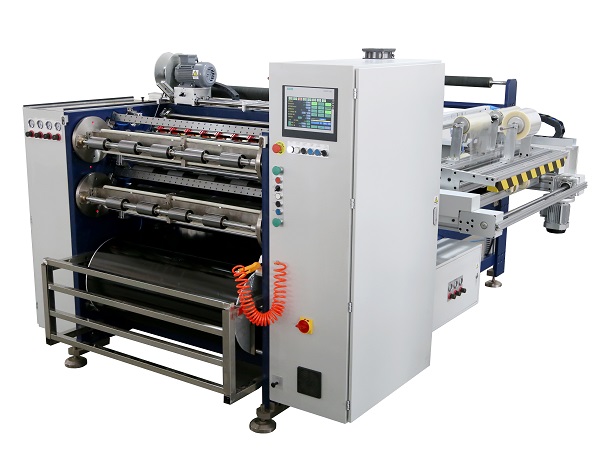 Automatic Thermal Transfer Ribbon Slitting Machine RSDS8 PLUS
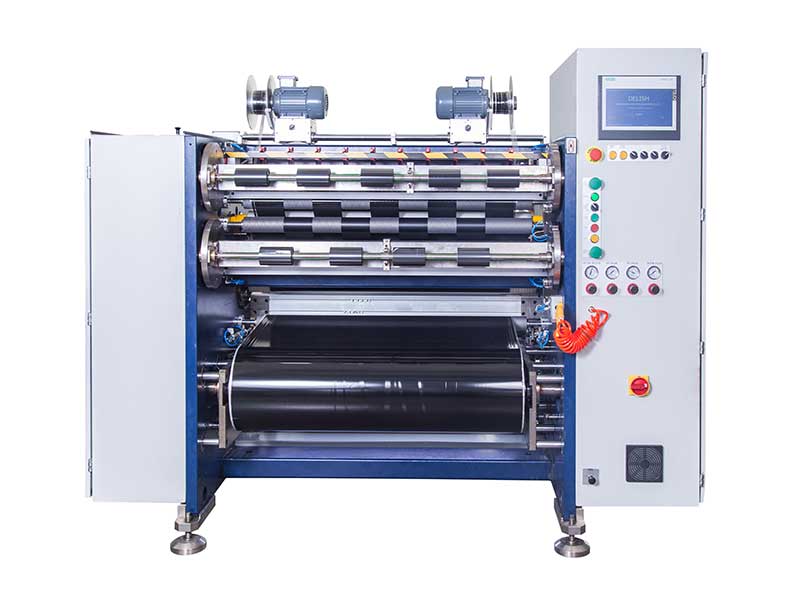 TTR Slitting Machine
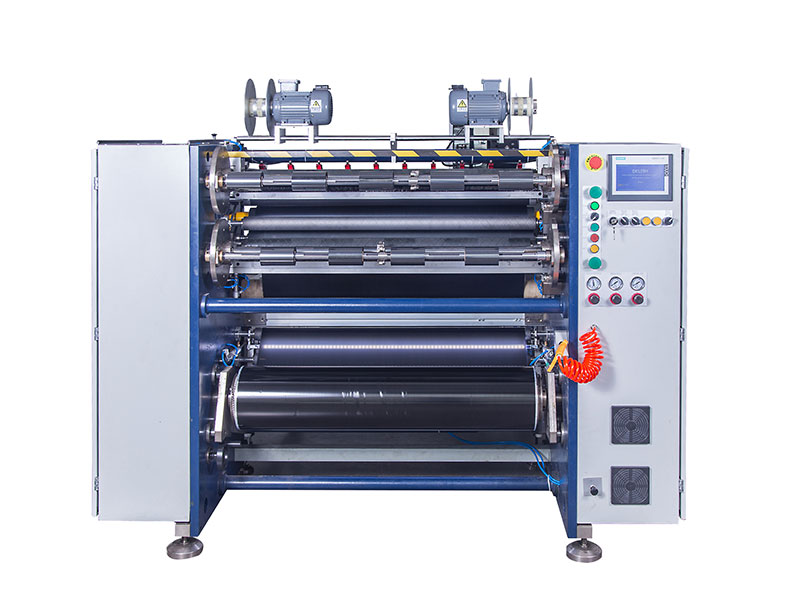 Barcode Ribbon Slitting Machine
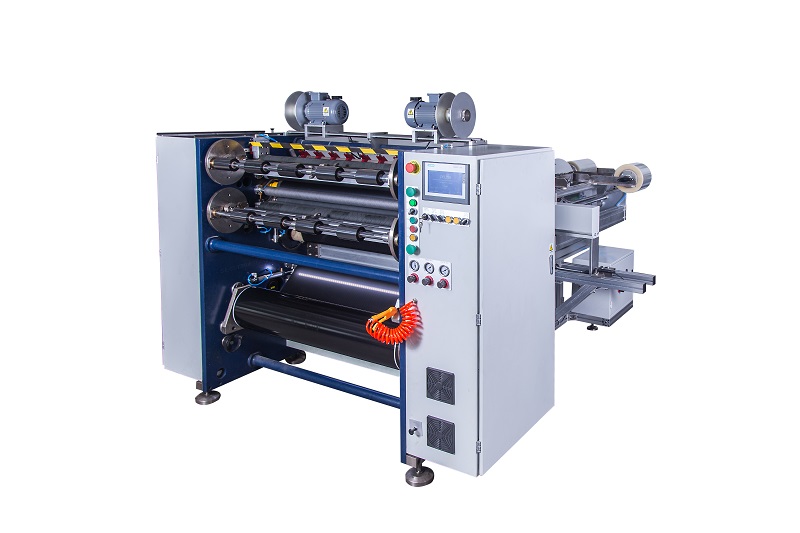 Semi Automatic Thermal Transfer Ribbon Slitting Machine RSDS1 PLUS
 Ribbon Slitting Machine


 +86 135 9951 7291
 support@delishmachine.com