In the field of thermal transfer printing, ribbons are the core consumables that determine print quality and durability. The ribbon slitting machine, which precisely cuts wide-format master rolls into the specifications required for terminal printers, is the most technologically advanced and most directly impactful link in the ribbon production chain. Faced with the softness of wax-based ribbons and the hardness and brittleness of resin-based ribbons, modern slitting machines have evolved from simple mechanical cutting equipment into a "tailor-to-appropriation" system integrating precision control and intelligent adaptation.
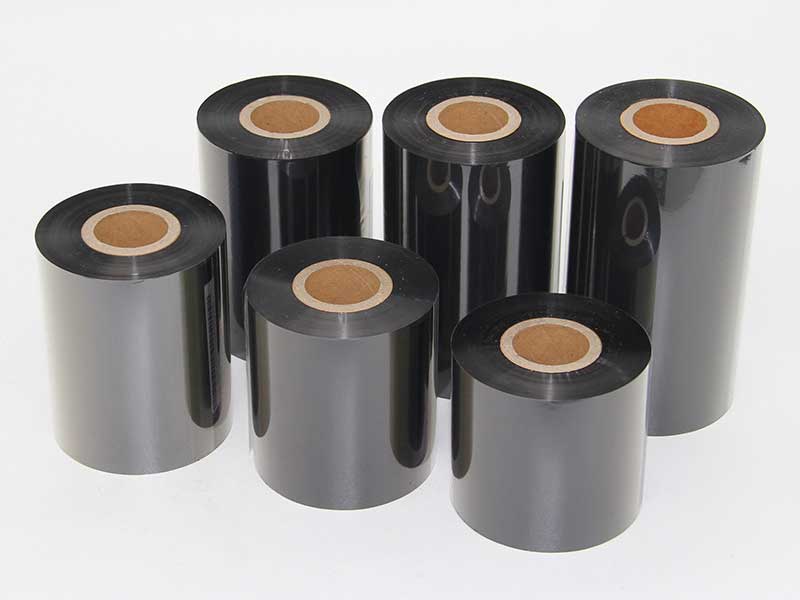
The "character" differences and slitting challenges of the three major ribbons
Although ribbons look similar, differences in coating formulations result in distinctly different physical properties, posing distinct challenges to slitting processes.
Wax-based ribbons are mainly made of wax, with soft coatings and low melting points, strong adhesion to paper labels, cost-effective, and accounting for about 70% of the market share. However, this softness poses challenges during slitting: friction generates heat, which easily causes edge 'wax overflow' or interlayer adhesion; It is extremely sensitive to tension; even the slightest misstep can cause stretching and deformation.
Mixed-based ribbons are made by blending wax and resin, offering properties that fall between the two, balancing adhesion and durability, making them currently the most widely used category. During slitting, the main issues of "brittling" and "powder shedding" are to be addressed. Although tension control requirements are relatively moderate but extremely stable, they must be extremely stable.
The resin-based ribbon is made entirely of resin, with the hardest coating, offering excellent chemical corrosion resistance, high temperature resistance, and scratch resistance, suitable for harsh scenarios such as PET labels and washable labels. However, its tough and brittle "temperament" is most challenging during slitting: the tool wears out rapidly, and improper control can easily cause "chipped edges" or microcracks; It is extremely sensitive to static electricity and easily attracts dust, causing white spots in prints.
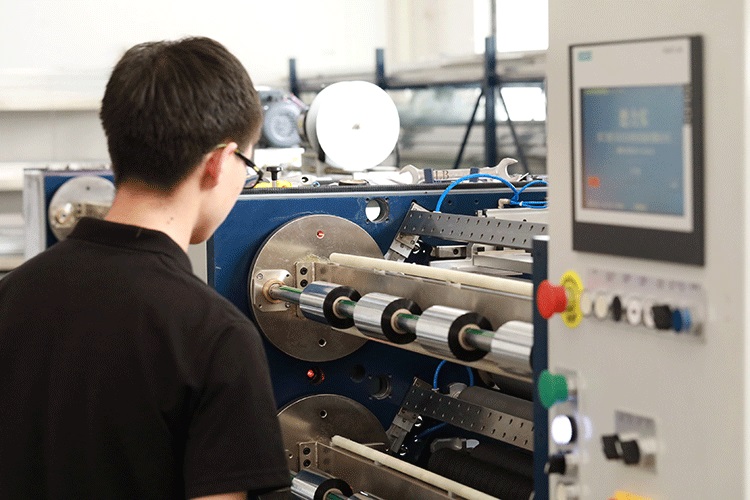
Adaptation of three elements: tension, knife technique, and synergy with the environment
Faced with these three "distinctly personalized" materials, modern ribbon slitting machines achieve precise adaptation through the integrated control of tension, cutting technique, and environment.
Tension control is the "soul" of the slitting machine. The carbon ribbon base film is extremely thin (4-10 microns), and even slight fluctuations in tension can cause stretching, deformation, or uneven rolling. Modern slitting machines use a closed-loop control system composed of servo motors and tension sensors, implementing differentiated "tension strategies": wax-based ribbons require low tension to prevent tensile fracture (usually 5-10N); Resin-based ribbons require high tension (15-30N) to ensure flatness; The winding area also uses taper control, with slightly higher initial tension that decreases linearly as the diameter increases, ensuring consistent tightness between the inner and outer layers.
The choice of cutting tool and cutting method directly determines the quality of the cut. To address the softness of wax-based ribbons, rotary cutter rolling cutting is usually used, with a "scissor style" to reduce material compression; For brittle resin-based ribbons, the preferred choice is the flat blade suspended cutting, which uses a sharp edge to achieve instant cutting and prevent edge chipping. Insert material is equally crucial—high-frequency steel blades are suitable for wax-based materials, while diamond-coated or tungsten steel inserts are essential for resin-based blades, with service life extending by three times. Slitting speed also varies by material: wax-based machines can operate at high speeds (150-200 m/min), while resin-based ones need to be reduced to 50-100 m/min.
Environmental and auxiliary systems are especially important for resin-based carbon ribbons. A cleanroom and a constant temperature and humidity environment (23±2°C, RH50±5%) can reduce layer misalignment caused by material expansion and contraction. During high-speed slitting of resin-based ribbons, the peel voltage is extremely high, so static elimination rods (such as ion bars) must be installed before winding to prevent dust adsorption; Fine dust generated by slitting is removed by a vacuum suction device, ensuring the cleanliness of the finished product.
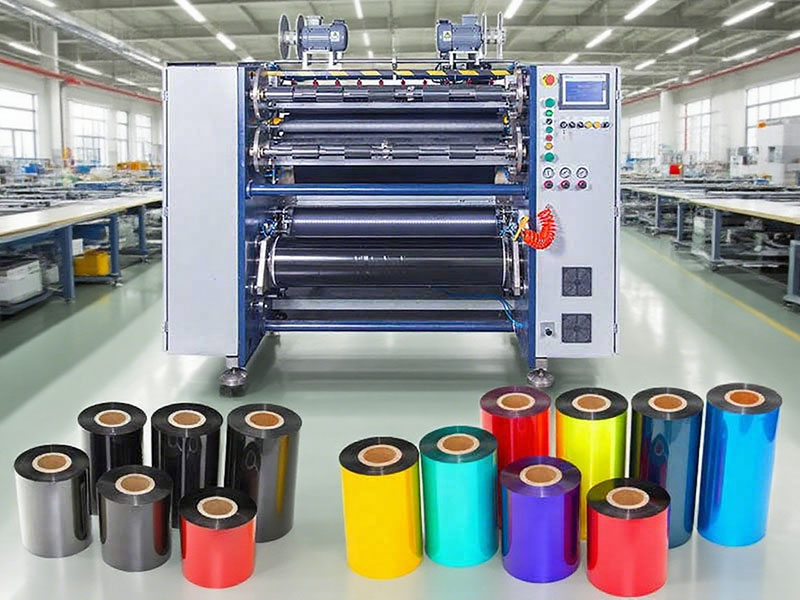
From "manual parameter tuning" to "intelligent adaptation"
Traditional slitting machines rely heavily on the experience of experienced craftsmen to manually adjust parameters, whereas the new generation of equipment has moved toward intelligence. High-end models integrate optical sensors or RFID technology to automatically identify ribbon types and call preset parameters. The AI vision inspection system monitors slitting edge quality in real time and automatically adjusts with feedback—if burrs are detected on resin-based ribbons, the speed is reduced and the blade temperature increased. By establishing a material property database, the equipment can record the optimal slitting parameter combinations for each material, enabling "one-click switching" between wax-based and resin-based materials, with slitting accuracy reaching ±0.1mm and defect rates below 0.5%.
Selection Insights: Match the main business direction
When selecting slitting machines, enterprises should tailor their configurations according to the main processing material: if resin-based ribbons are the main focus, priority should be given to tungsten/ceramic blades, high-power vacuum systems, and static elimination devices; If wax-based and mixed-base general processing is main, conventional circular cutter slitting machines can meet most needs. Ribbon slitting has evolved from simple mechanical processing into a comprehensive technology integrating materials science, precision control, and intelligent algorithms—only by "cutting according to the material" can quality be achieved.
 English
 Deutsch
 Français
 Español
 Português
 日本語
日本語 русский
 한국어
한국어 عربي
عربي ภาษาไทย
 Tiếng Việt
 Italiano
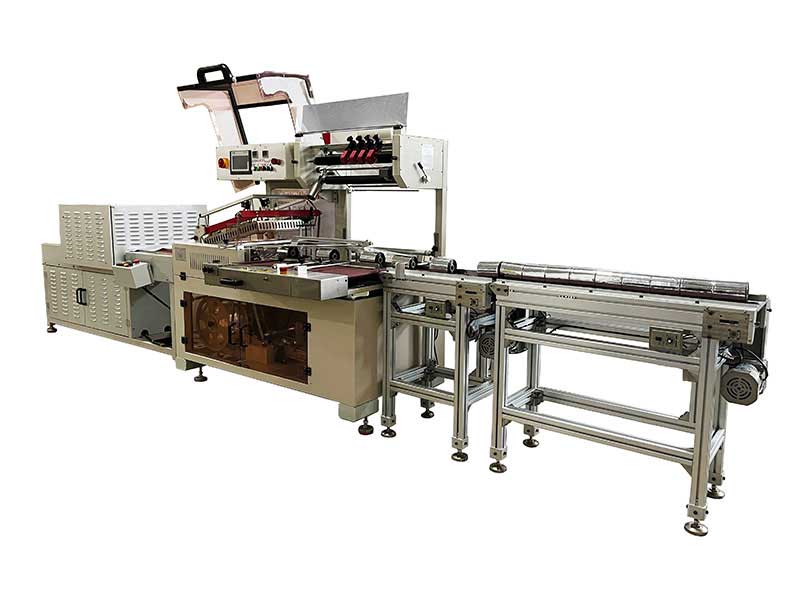 Thermal Transfer Ribbons Packaging Machine
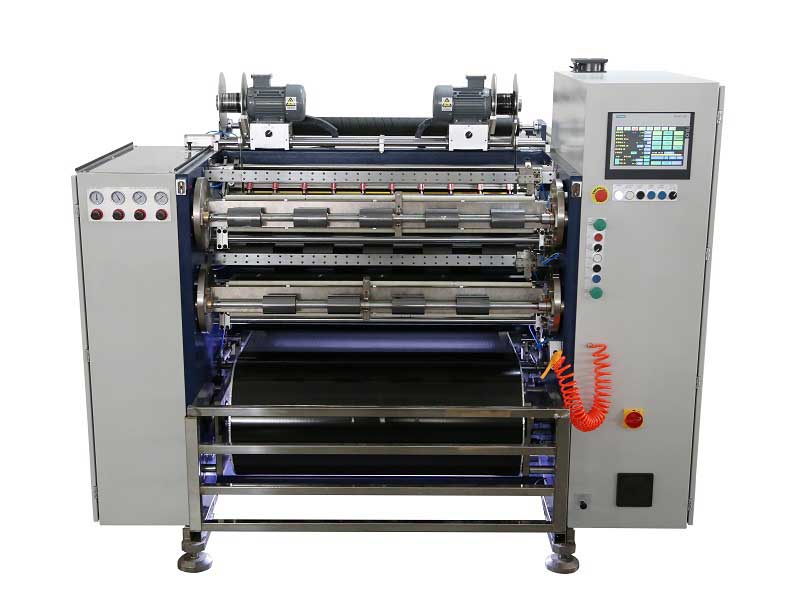 Automatic Thermal Transfer Ribbon Slitting Machine RSDS8 H PLUS
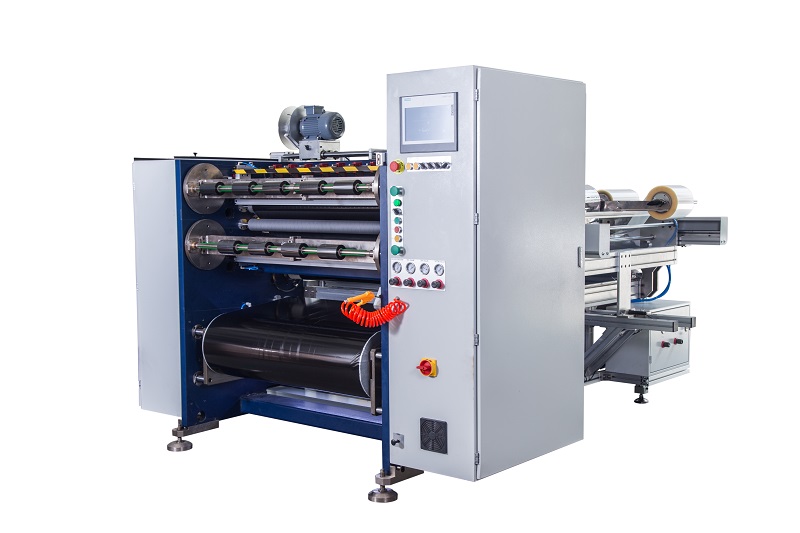 Semi Automatic Thermal Transfer Ribbon Slitting Machine RSDS5 PLUS
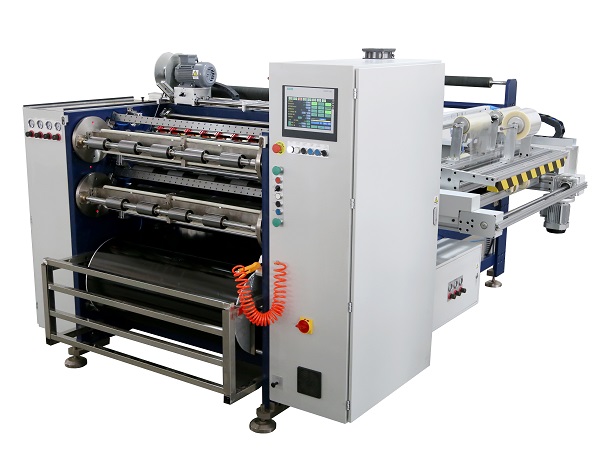 Automatic Thermal Transfer Ribbon Slitting Machine RSDS8 PLUS
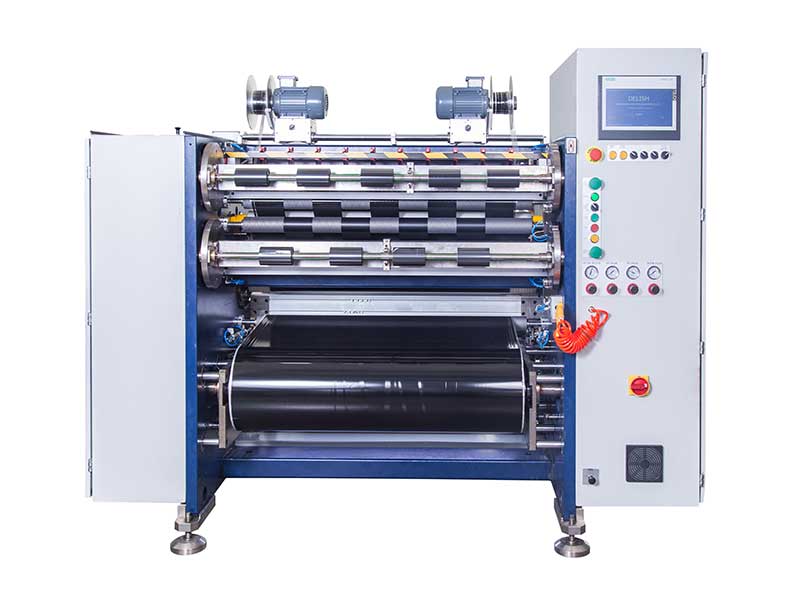 TTR Slitting Machine
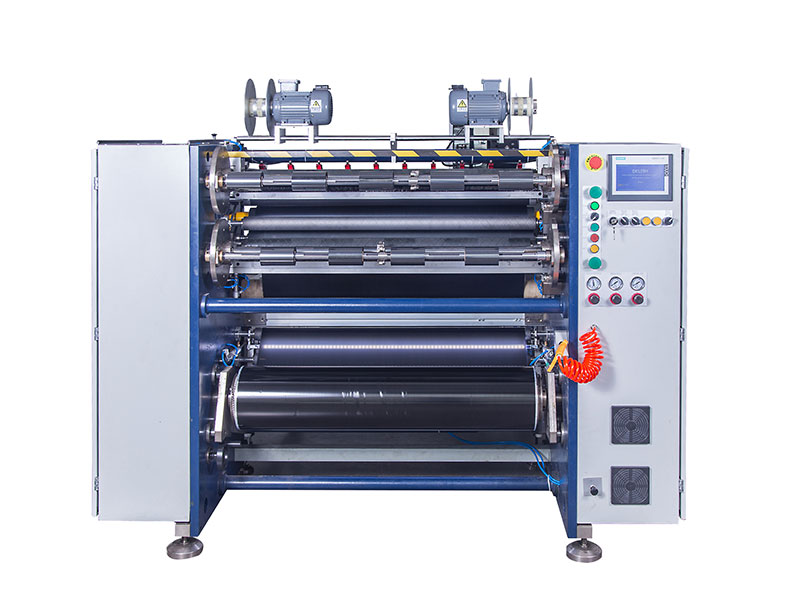 Barcode Ribbon Slitting Machine
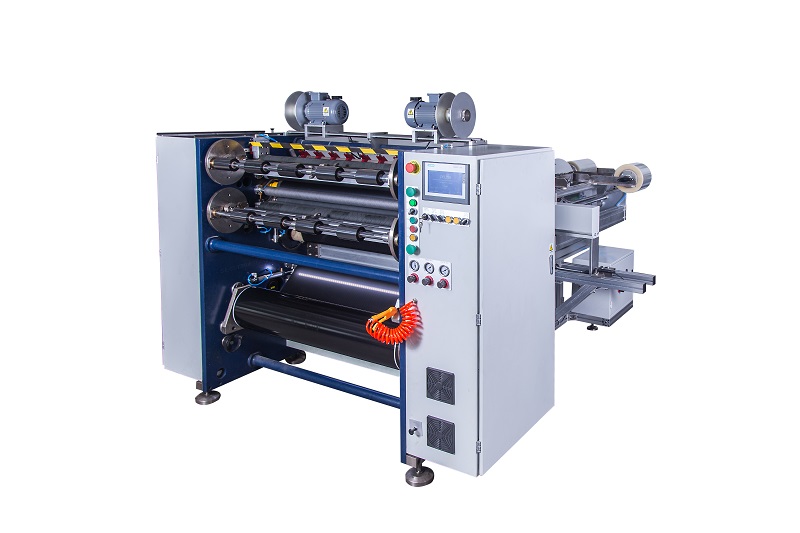 Semi Automatic Thermal Transfer Ribbon Slitting Machine RSDS1 PLUS
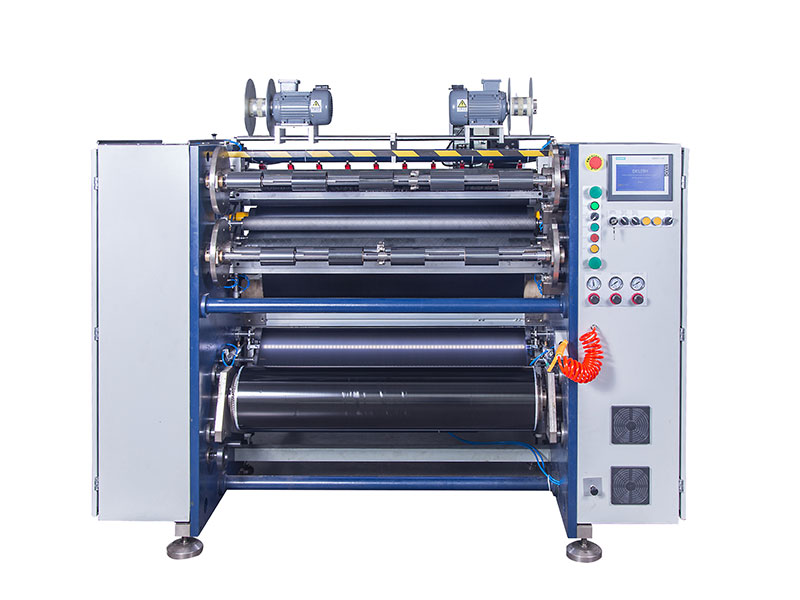 Ribbon Slitting Machine


 +86 135 9951 7291
 support@delishmachine.com