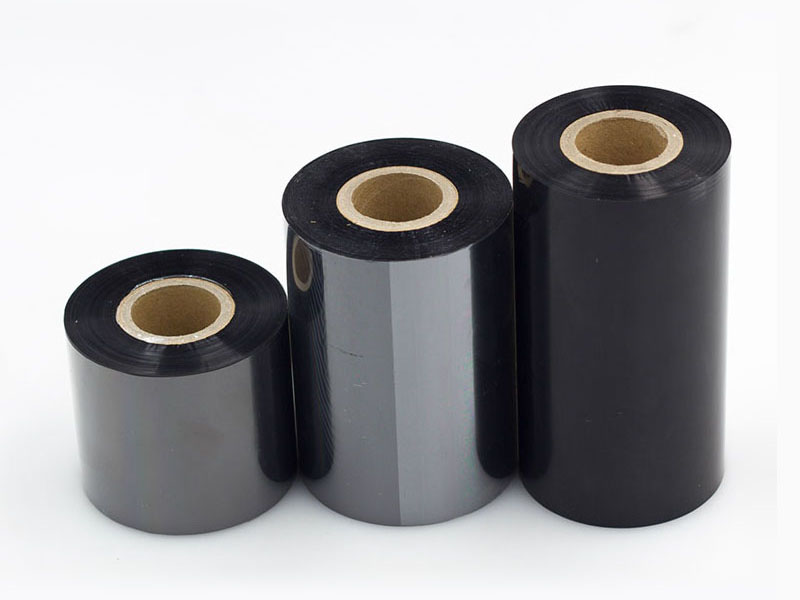
The ribbon, this thin PET film with coating, is often only 10-30 microns thick, thinner than a strand of hair. It must withstand stretching and thermal shock during high-speed printing, and the quality of the slitting directly determines whether the barcode is clear and the label can be accurately read. Cutting wide master rolls into finished products of just a few millimeters or even narrower—precision is the lifeline. Behind this precision lies the result of a sophisticated system working together.
Where does the precision come from? Three pillars support micron-level slitting
To achieve slitting accuracy of ±0.05mm or even ±0.02mm, it does not rely on a single component, but on the precise coordination of three major systems.
The first pillar: tension control—stability comes first
What is the ribbon most afraid of? Worried about deformation, or loose and deviating. Tension control is the key to solving this problem.
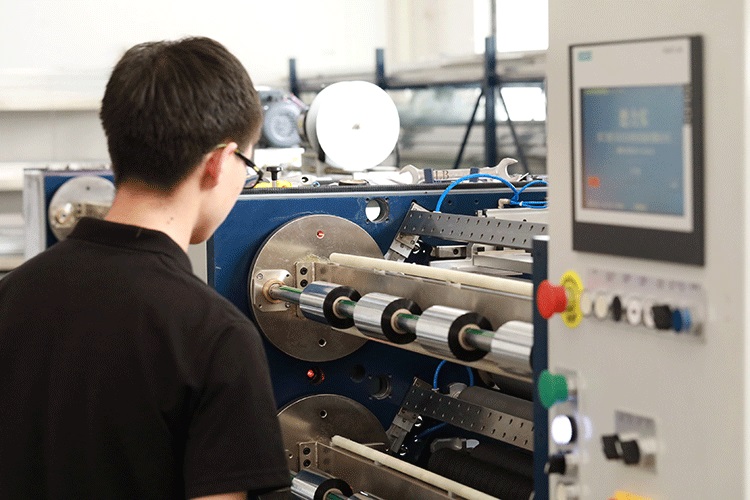
Old-style slitting machines use magnetic powder brakes to control tension, which is slow in response and can fluctuate up to ±10%. Modern high-precision equipment uses full closed-loop tension control: tension sensors monitor the force on the tape in real time, transmit the data back to the PLC, which dynamically adjusts the winding and unwinding torque using PID algorithms to reduce tension fluctuations to within ±1%. More importantly, the tension requirements differ between sections: the unwinding area requires decreasing tension to prevent material stretching; The slitting area must maintain constant tension to ensure the cut is neat; The winding area should increase tension to keep the core not loose or tight. With this combination of punches, the ribbon won't be 'wronged' during the slitting process.
The second pillar: Correction system—accurate writing is key
No matter how stable the tension is, if the ribbon goes off track in the machine, the strips will twist unevenly like snakes. The correction system is designed to solve "deviation."
Its principle is simple: sensors are used to watch the ribbon edge, and if there is even a slight deviation, it immediately pulls the reel back. High-end models are equipped with CCD line array cameras or high-precision photoelectric sensors, achieving detection accuracy of up to 1μm, and when combined with servo motor-driven correction mechanisms, the response time is less than 5ms. This way, even if the edges of the main roll are not very neat, the slitting path can always remain straight.
The third pillar: tool system—profit comes first
If the knife doesn't work, everything is in vain. The circular blades used for ribbon slitting are usually made of cemented carbide or diamond coatings, with a cutting edge angle accurate to 30°±1°, and a surface roughness of Ra≤0.2μm to produce smooth, burr-free cuts.
But knives wear down. To address this issue, some devices are equipped with dynamic tool setting technology: laser displacement sensors monitor the knife gap in real time and automatically fine-tune by 0.005mm every 10 kilometers to compensate for wear. There is also an online sharpening system that sharpens the blade while cutting, keeping the edge always sharp.
Numbers Speak: When accuracy improves, where are the benefits?
Improving accuracy is not just about meeting the numbers on the datasheet; the practical benefits it brings are substantial. A set of comparative data illustrates the point:
| Indicators | Traditional slitting machines | High-precision slitting machine | Improvement level |
| Slitting accuracy | ±0.1mm | ±0.05mm | Double the accuracy |
| Tension fluctuates | ±10% | ±1% | Volatility reduced by 90% |
| Maximum slitting speed | 100m/min | 300m/min | Speed doubled |
| Scrap rate | 3%-5% | <0.5% | Waste has been reduced by more than 80%. |
For each level of accuracy improvement, the defect rate drops by an order of magnitude. For high-value carbon strips like resin-based and hybrid-based, this means real cost savings.
Invisible skill: hardware precision, software soul
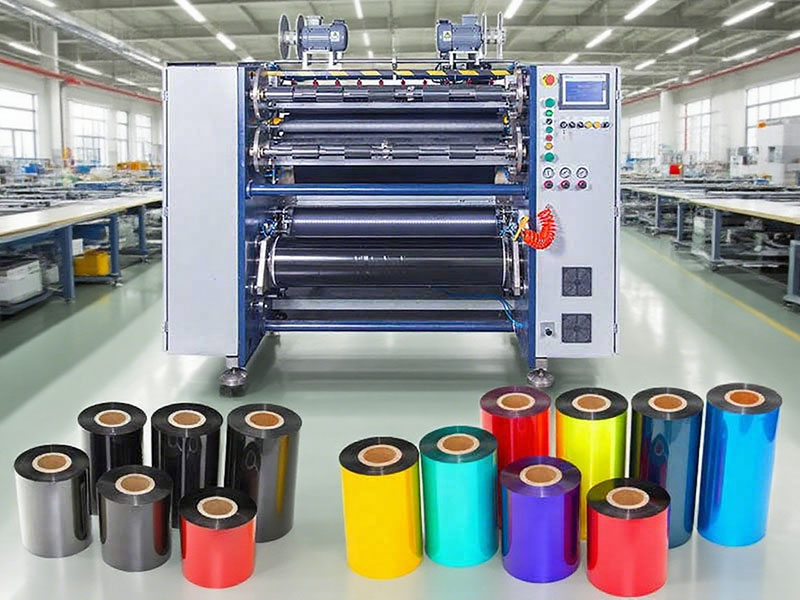
Hardware alone is not enough; the "brain" of modern slitting machines—the control system—is the key to fully unlocking the potential of precision.
• Multi-axis synchronous drive: Unwinding, traction, and rewinding axes achieve precise speed matching via servo motors + electronic gears, avoiding pulling or stacking caused by asynchronization. During winding, a taper tension algorithm should also be used: as the diameter increases, the tension automatically decreases to prevent the inner layer from being compressed and deformed.
• One-click calibration and intelligent memory: When changing ribbons made of different materials (wax-based, mixed, resin-based), the traditional method requires technicians to adjust the machine based on experience for 10-15 minutes; Now, with the one-click calibration function, tension, pressure, and other parameters can be automatically matched in just 1-2 minutes, greatly reducing debugging time and human error.
Selection and maintenance: precision isn't just about buying it
To maintain precision, selection and daily maintenance are equally important.
• Choose based on requirements: If you mainly make standard barcode ribbons (with wider slitting widths), focus on tension control and correction accuracy ± equipment at 0.05mm level; If RFID tags or ultra-narrow strips (such as width ≤3mm) are involved, high-end models with correction accuracy ±0.05mm and tool runout ≤ 0.005mm must be selected.
• Maintenance attention to detail: Regularly check blade wear and replace them promptly; Clean debris and adhesives from the guide roller to keep the surface smooth; Calibrating the reference positions of tension sensors and correction sensors—these seemingly trivial maintenance tasks are the long-term guarantee of accuracy.
Ultimately, the precision control of a ribbon slitting machine is a systematic engineering process: tension must be stable, correction accurate, cutting tools sharp, and intelligence agile. If any link fails, the ribbon that is cut will "tell the truth" during printing. Once you understand this logic and look at the device specs and manufacturer promotions, you'll have a clear idea.
 English
 Deutsch
 Français
 Español
 Português
 日本語
日本語 русский
 한국어
한국어 عربي
عربي ภาษาไทย
 Tiếng Việt
 Italiano
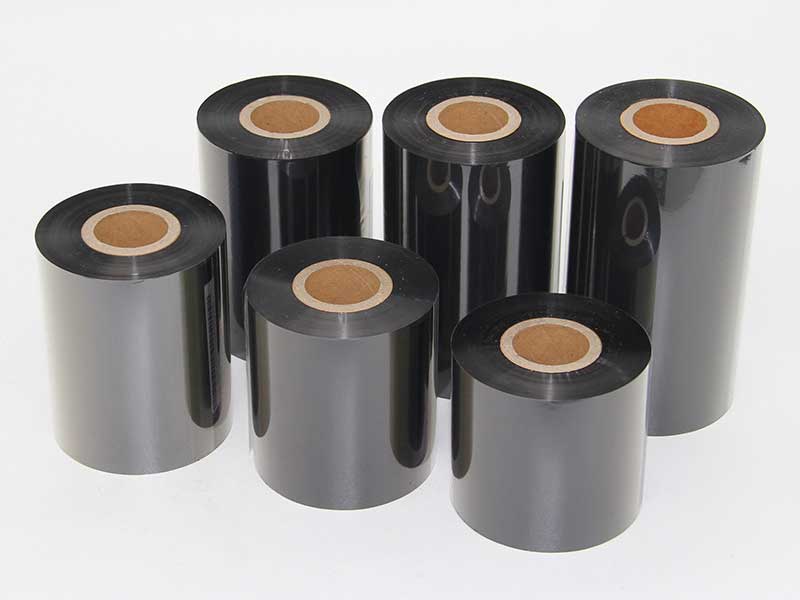
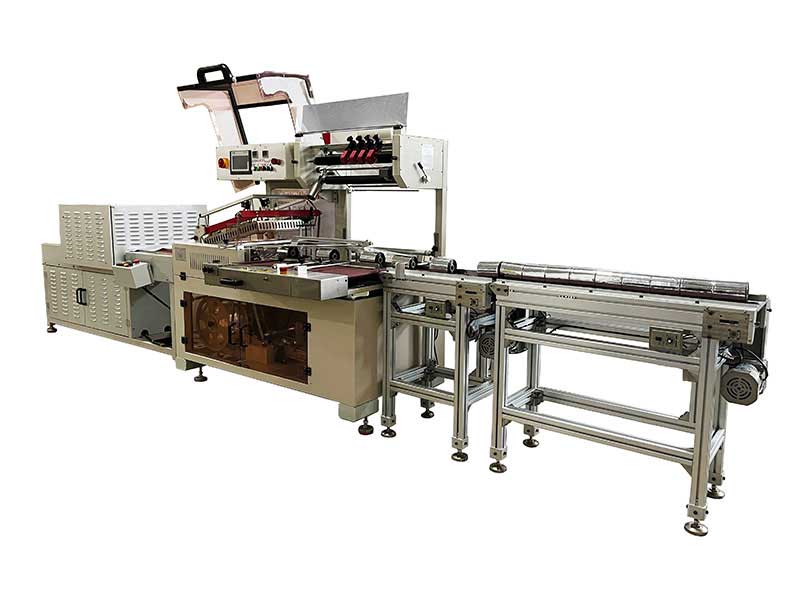 Thermal Transfer Ribbons Packaging Machine
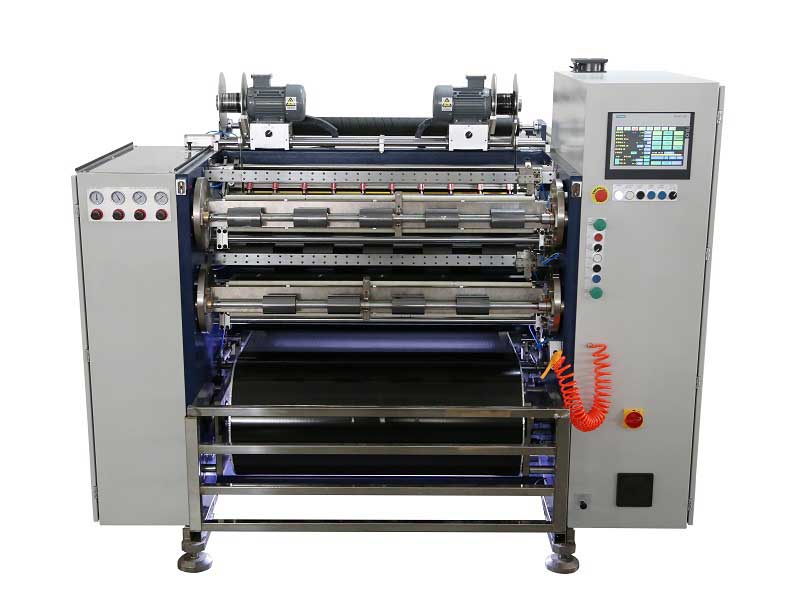 Automatic Thermal Transfer Ribbon Slitting Machine RSDS8 H PLUS
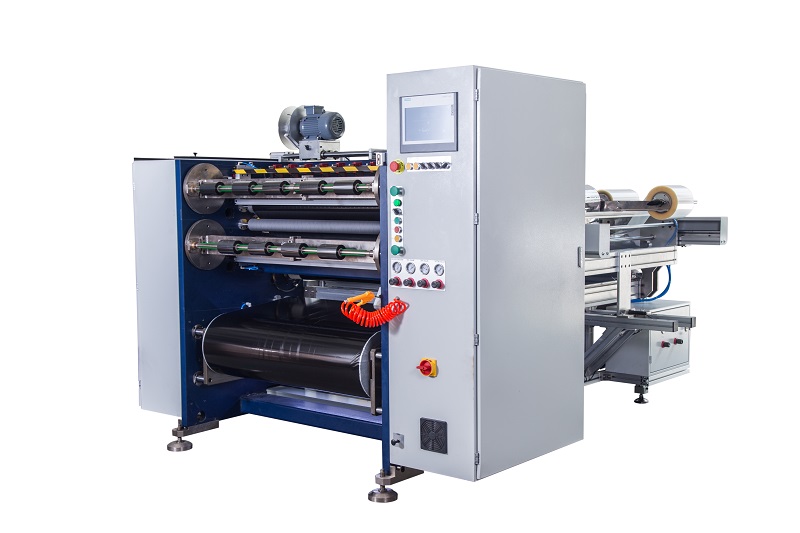 Semi Automatic Thermal Transfer Ribbon Slitting Machine RSDS5 PLUS
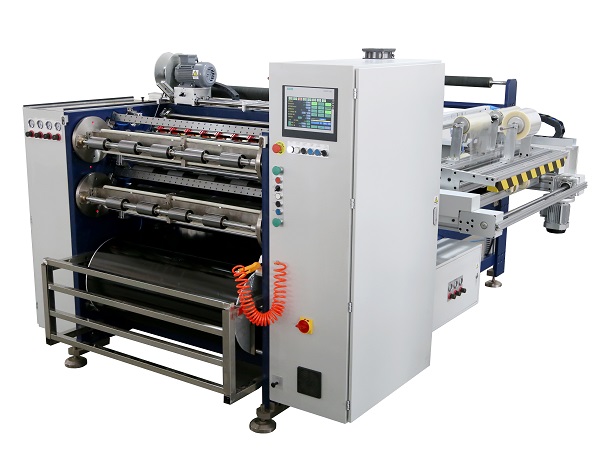 Automatic Thermal Transfer Ribbon Slitting Machine RSDS8 PLUS
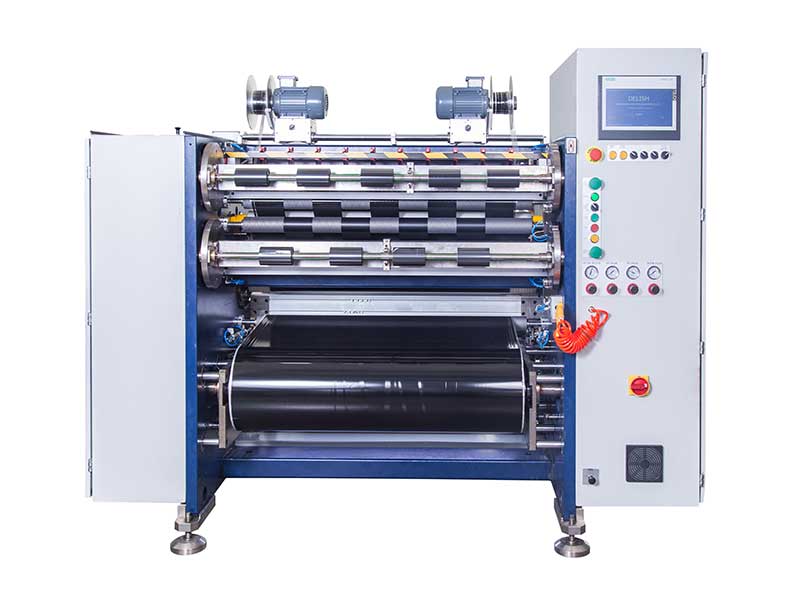 TTR Slitting Machine
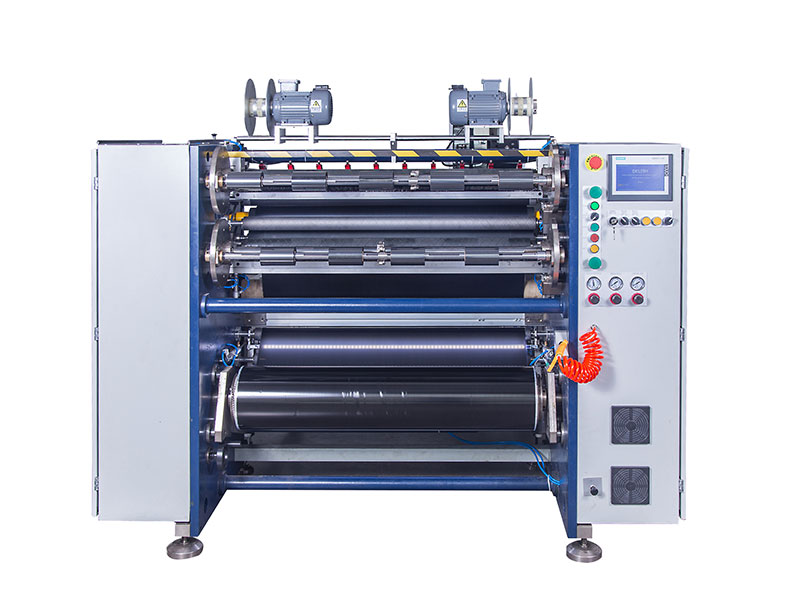 Barcode Ribbon Slitting Machine
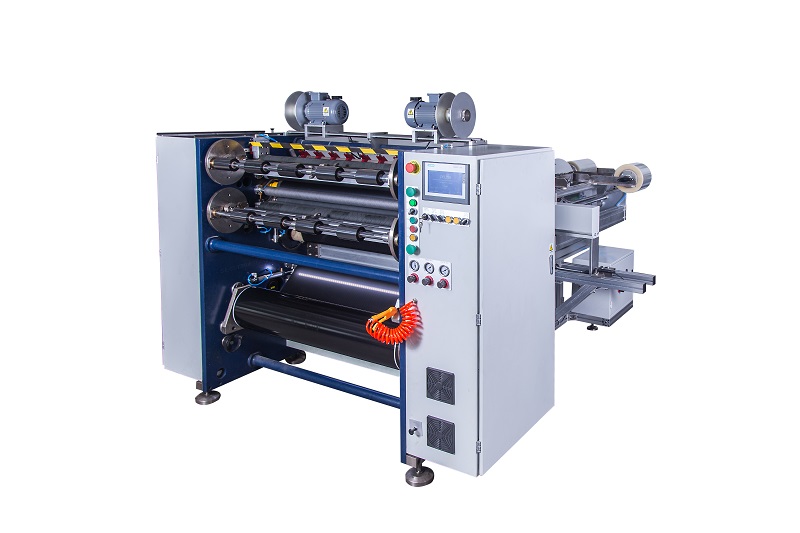 Semi Automatic Thermal Transfer Ribbon Slitting Machine RSDS1 PLUS
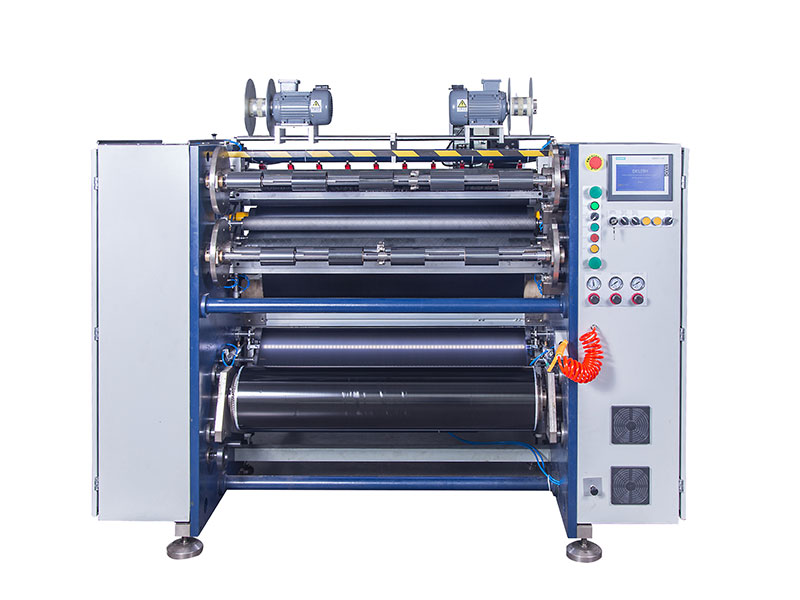 Ribbon Slitting Machine


 +86 135 9951 7291
 support@delishmachine.com