Driven by the wave of personalized consumption, the order structure of the heat transfer ribbon industry is undergoing dramatic changes. The previous standardized production model of "large batches, few varieties" is increasingly being replaced by fragmented orders of "small batches and multiple specifications." Customers may need dozens of specially wide wax-based ribbons today and hundreds of non-standard sizes of mixed-base ribbons tomorrow, with delivery times always getting more urgent.
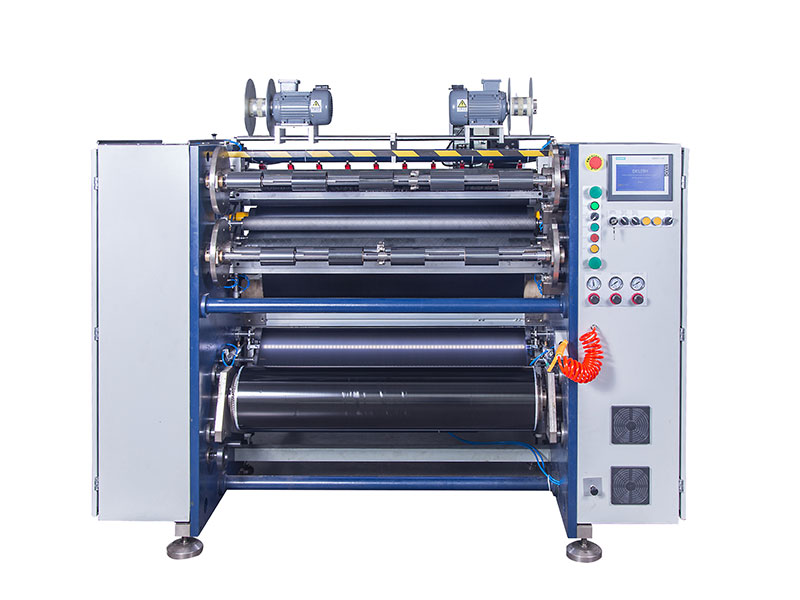
Faced with this trend, traditional ribbon slitting machines often seem to struggle. Specification changes take a long time, inventory pressure is huge, and small order costs are high...... These issues force companies to rethink their equipment selection logic. Choosing a suitable flexible slitting machine is not just about purchasing equipment; it is crucial for a company to secure a place in the customized market. Below, we analyze the key points of selection from three core dimensions.
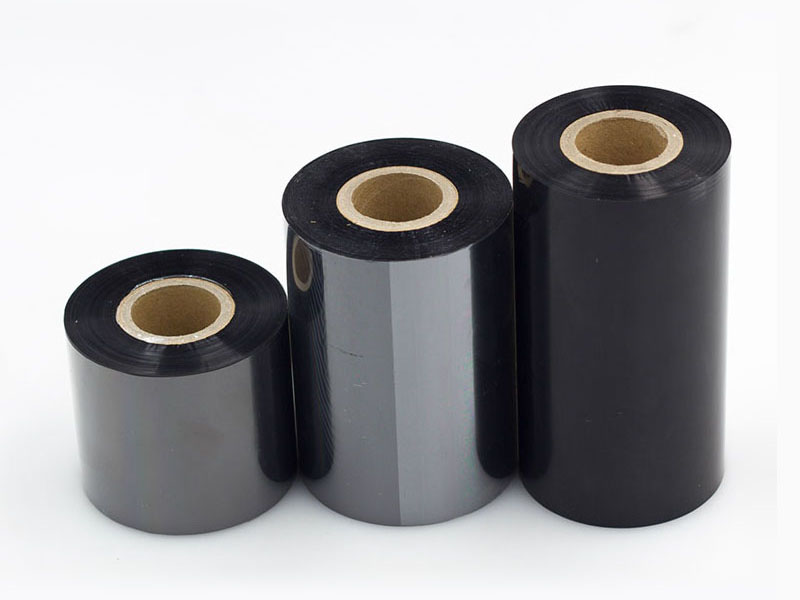
1. Prioritize the ability to "quickly change shapes."
The biggest challenge for small-batch, multi-specification orders lies in the frequency of production switchovers. If a single equipment changeover takes dozens of minutes or even hours, not only is efficiency low, but small orders may even become unprofitable due to lengthy preparation times.
Therefore, the primary criterion for selection is the "one-click order exchange" capability. Modern flexible slitting machines are typically equipped with independent tool holders driven by servo motors and formula management systems. Operators only need to input new order specifications (such as width and length) on the touchscreen, and the system can automatically perform precise positioning and tension matching for all blades, reducing traditional changeover time from tens of minutes to just a few minutes or even tens of seconds. This capability makes handling small orders with dozens of volumes economically feasible, empowering companies to take on diverse demands that "big companies are unwilling to accept, small factories cannot," thereby opening new profit growth points.
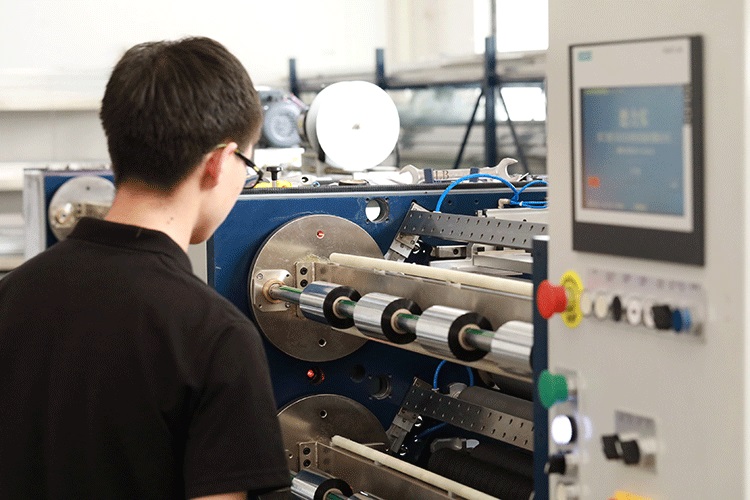
2. Precision and stability are not compromising
Flexible production must never come at the expense of quality. Especially for high-demand scenarios such as medical labels and precision electronic tags, slitting accuracy is the lifeline. The precision requirements for ordinary commercial labels may be ± 0.3-0.5mm, but precision applications typically require ±0.1mm or even ±0.05mm. When selecting models, be sure to ask suppliers to test cut your ribbon mother coil on-site, personally inspect the slitting edges for burrs and the neatness of end faces, and do not trust the theoretical data in the parameter table.
Behind ensuring accuracy lies the hardware strength of the tension control system and reel configuration. Unstable tension can lead to ribbons wrinkling, stretching, deformation, or even breakage, which is the primary cause of defective products. Priority should be given to equipment equipped with fully automatic closed-loop tension control systems, which can monitor and adjust tension in real time during unwinding, traction, and rewinding stages. Additionally, for production scenarios where specifications are frequently switched, slip shafts are a must-have. It can independently control torque for each winding unit, effectively solving the problem of "loose inside, tight outside" or uneven ends and "vegetable core" issues, ensuring stable and reliable quality for every roll of small-batch products.
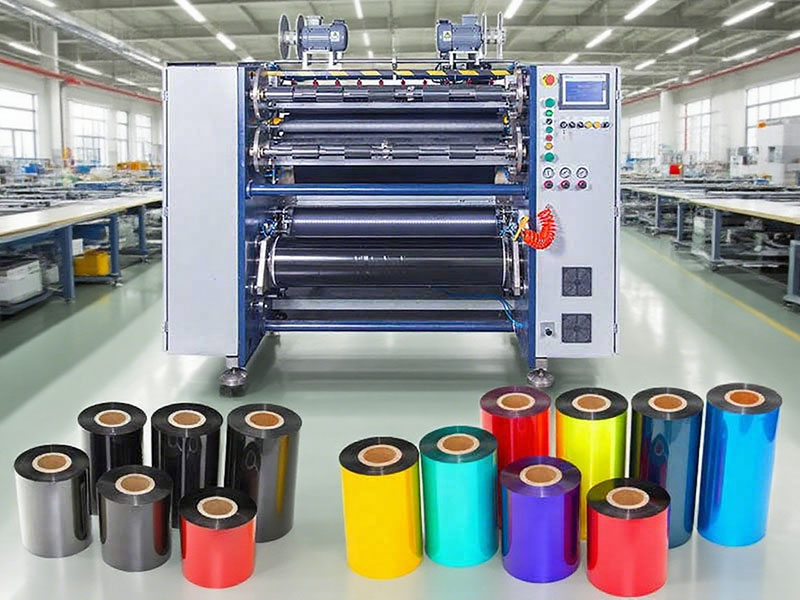
3. Automation and intelligent configuration determine long-term competitiveness
A piece of equipment suitable for flexible production should also possess enough "intelligence" to reduce reliance on manual labor and operational difficulty.
• Recipe management and MES/ERP integration: The equipment should be able to store process parameters (formulas) for hundreds or thousands of different products, allowing direct recall when producing the same order again, eliminating human error. More advanced models can also integrate with enterprise management systems, sending order information directly to equipment and automatically transmitting production data to achieve digital management of the production process.
• Online quality inspection: manual visual inspection is inefficient and prone to missed inspections. High-end slitting machines can integrate machine vision systems to detect ribbon end face burrs, serpentine misalignment, surface scratches, and other defects in real time during high-speed operation. Upon discovering problems, they immediately trigger alarms or tag issues, achieving a leap from "spot inspection" to "full inspection," and keeping the scrap rate extremely low.
• One-click operation: Highly integrated PLCs and HMIs simplify operation to the extreme. One data show that one-click operation can reduce preparation time by more than 70%, allowing one worker to easily manage multiple pieces of equipment, significantly reducing labor costs and operational error rates.
Conclusion
Choosing a slitting machine that handles small batches and multiple specifications of orders centers on finding a partner who combines "flexibility" (quick changeover), "precision" (stable quality), and "intelligence" (automatic operation and maintenance). It may not be the most top-spec or most expensive, but it must be the one that best fits your current product structure and business model. Before making a decision, bring your most representative ribbon varieties, personally visit manufacturers for machine testing and verification, and carefully examine their after-sales service system to ensure victory in the customized blue ocean.
 English
 Deutsch
 Français
 Español
 Português
 日本語
日本語 русский
 한국어
한국어 عربي
عربي ภาษาไทย
 Tiếng Việt
 Italiano
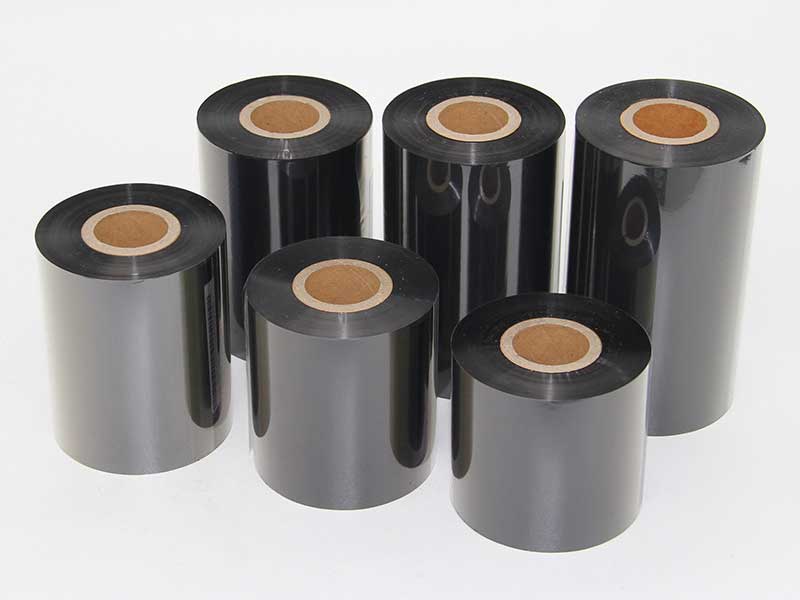
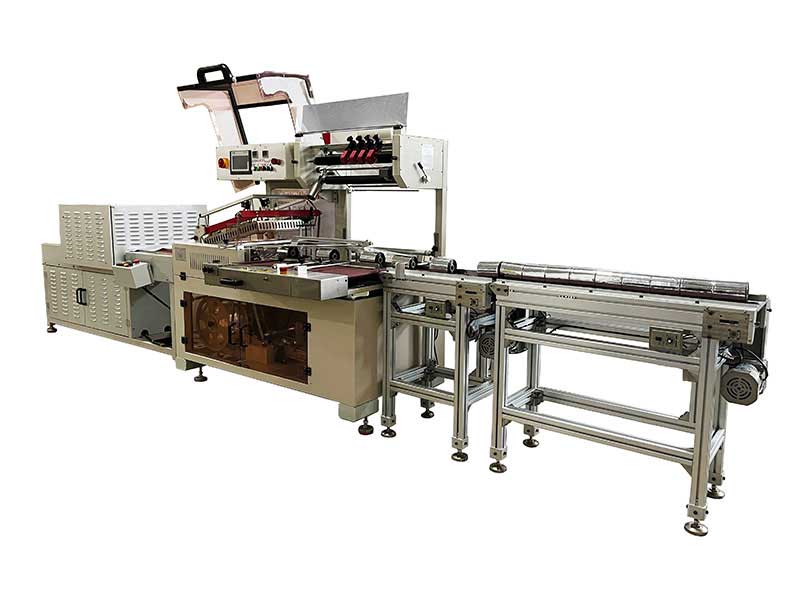 Thermal Transfer Ribbons Packaging Machine
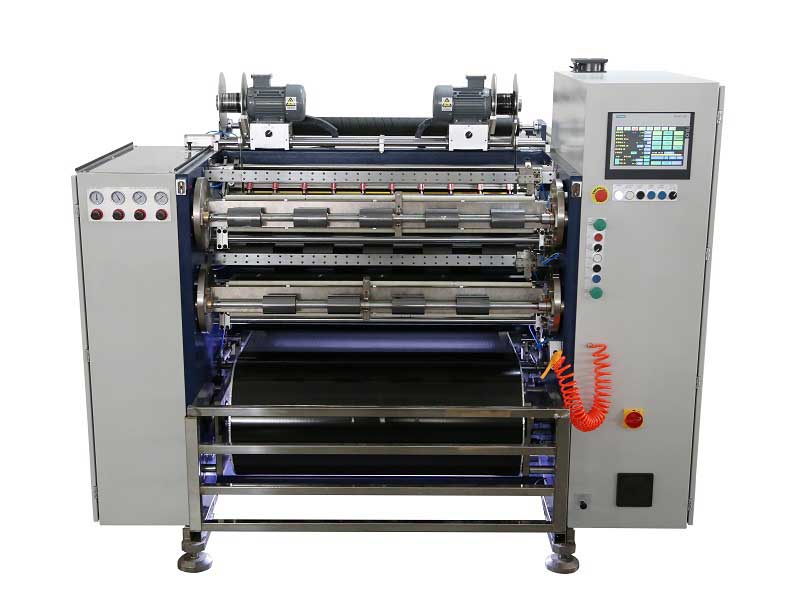 Automatic Thermal Transfer Ribbon Slitting Machine RSDS8 H PLUS
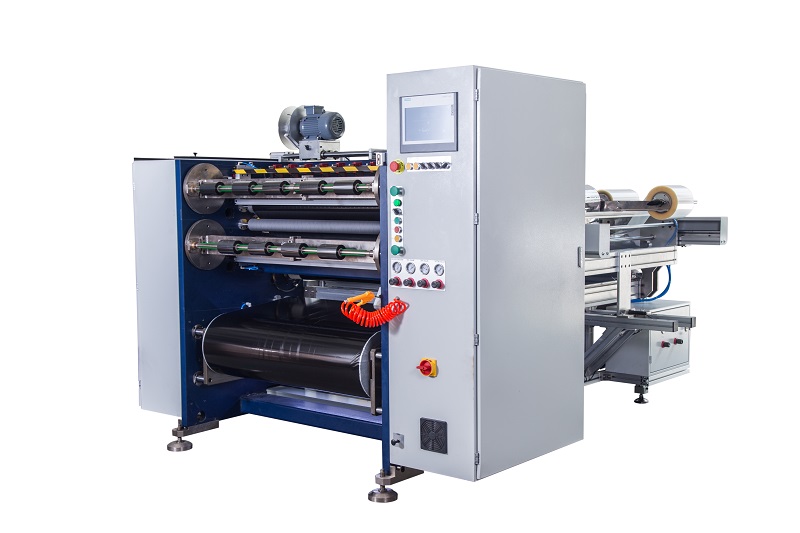 Semi Automatic Thermal Transfer Ribbon Slitting Machine RSDS5 PLUS
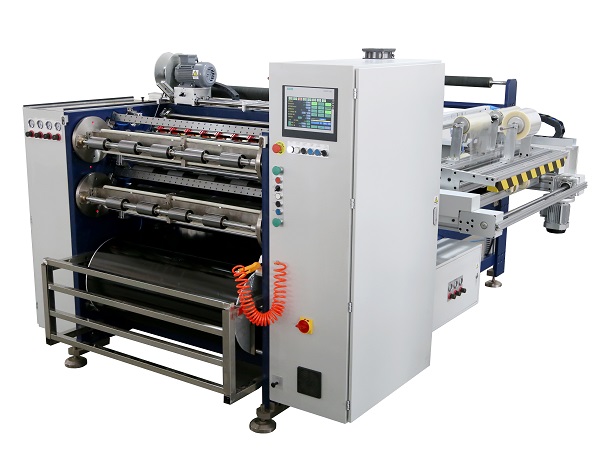 Automatic Thermal Transfer Ribbon Slitting Machine RSDS8 PLUS
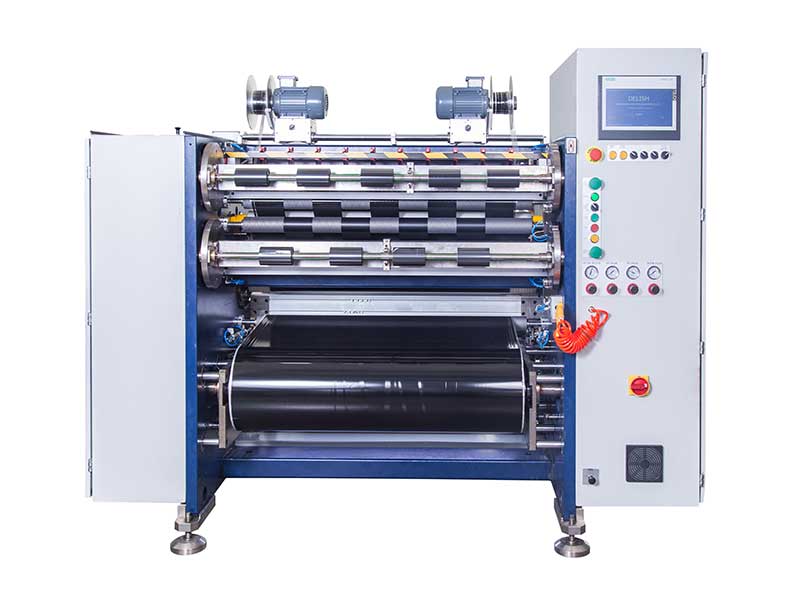 TTR Slitting Machine
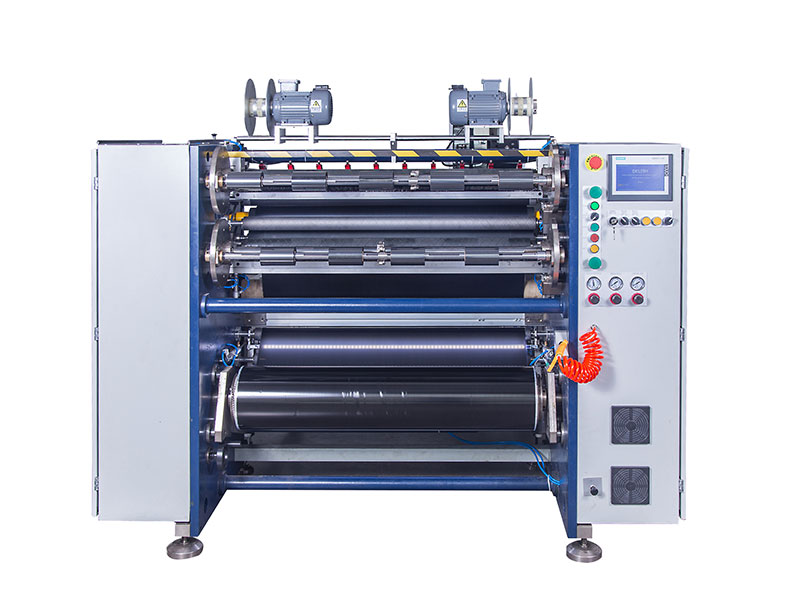 Barcode Ribbon Slitting Machine
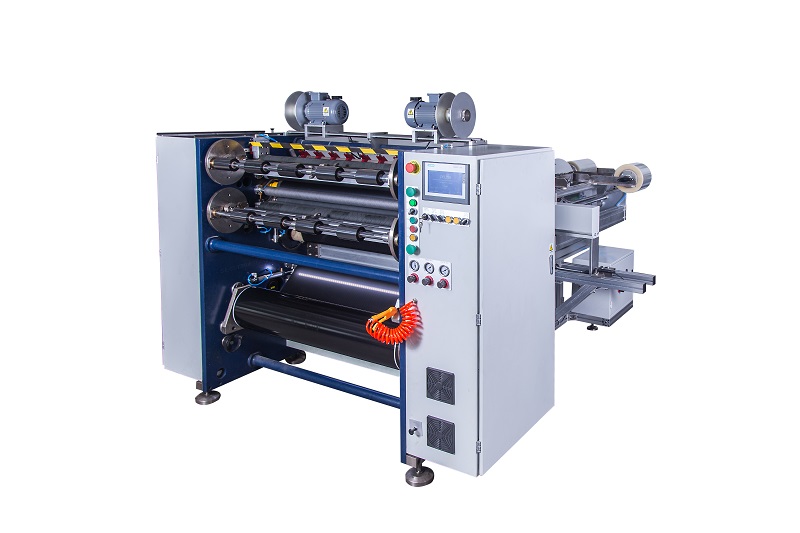 Semi Automatic Thermal Transfer Ribbon Slitting Machine RSDS1 PLUS
 Ribbon Slitting Machine


 +86 135 9951 7291
 support@delishmachine.com