In the packaging and printing industry, the quality of slitting of hot stamping foil directly affects the yield and production costs. The hot stamping foil is only 12-25 microns thick, composed of a release layer, color layer, aluminum plating layer, and glue layer. This "delicate" multilayer structure makes it extremely sensitive to the slitting process. A technical supervisor at a Guangdong packaging factory bluntly said, "When we do luxury packaging, even a 0.1mm error margin can lead to returns from customers." After three hours of operation, the machine's precision begins to 'drift,' requiring frequent shutdowns for adjustment. "
After trying out three different slitting machines from different brands, I deeply realized that what truly determines the yield is often not the equipment price, but the following six easily overlooked details.
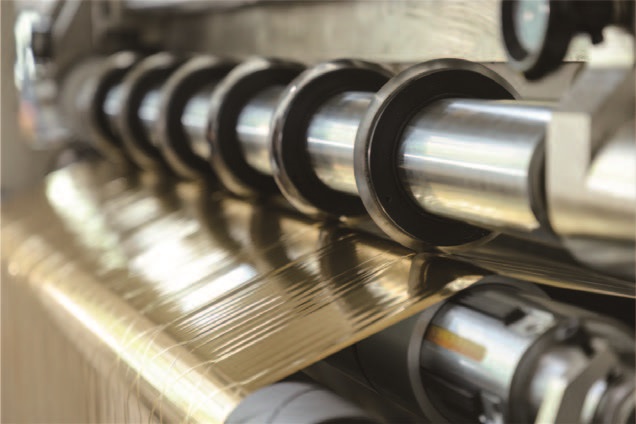
Detail One: Blade Management — 80% of the root cause of burr problems
Split burrs are the most common flaw, while dulled blades are the culprits. A blunt knife cannot "cut" the foil ribbon; instead, it "squeezes" or "tears" it, inevitably producing burrs and foil powder.
Key Data:
• Blades are recommended to be replaced every 5000 meters
• The blade angle is usually 20°-30°, with thin foil at a smaller angle
• The upper and lower blade bite should be controlled between 0.02-0.05mm
Practical advice: Establish a tool life ledger and force replacement by meter, rather than "replacing it after it breaks." Choosing DLC (diamond-like) coated inserts can increase wear resistance by five times.
Detail 2: Tension control—the lifeline of broken foil and wrinkles
The hot stamping foil is thin and brittle; if the tension is too high, it breaks; if loosened, it wrinkles. One user commented: "The adhesion between the aluminum foil layer and the release layer is limited. If the tension control system isn't 'smart,' the defect rate can exceed 5%. "
Technical Standards:
• Recommended tension range: 1.5-3N/mm² (adjust depending on foil thickness)
• Uses a closed-loop tension control system with an accuracy of ±0.1N; after reducing tension fluctuations from ±5% to ±1.5%, material breakage rate can be reduced by 60%.
• Independently controlled sectional tension for unwinding, slitting, and rewinding to avoid mutual interference
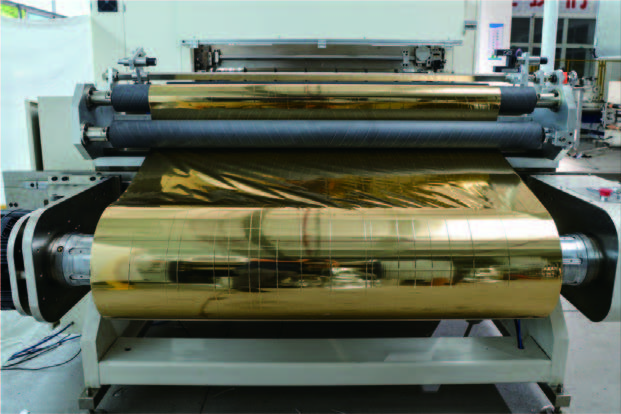
Detail 3: Winding taper control—the secret to neat end faces
When rewinding, as the diameter increases, the tension must be reduced; otherwise, the inner layer will deform under pressure and the outer layer will sag, wrinkle, and loosen. This is known as taper tension control technology.
The ideal rewinding hardness should be maintained between 60-85 Shore A, and tension is automatically adjusted according to changes in coil diameter using precise algorithms.
Detail 4: Equipment precision—rigidity requirements at the micron level
At high speed, even tiny deviations can be magnified on the long roll. A 1mm deviation accumulates 1m of scrap on 1000m of coil.
Hard Metrics:
• Blade shaft radial runout requires ≤ 0.003mm
• Equipment horizontal installation error≤ 0.05mm/m
• The parallelism tolerance of each guide roller is ≤0.2mm/m
Lesson: The first piece of equipment was cheap, but the spindle runout exceeded the standard, the edges of the cut foil strips looked like "saws," and the entire roll scrap rate exceeded 15%.
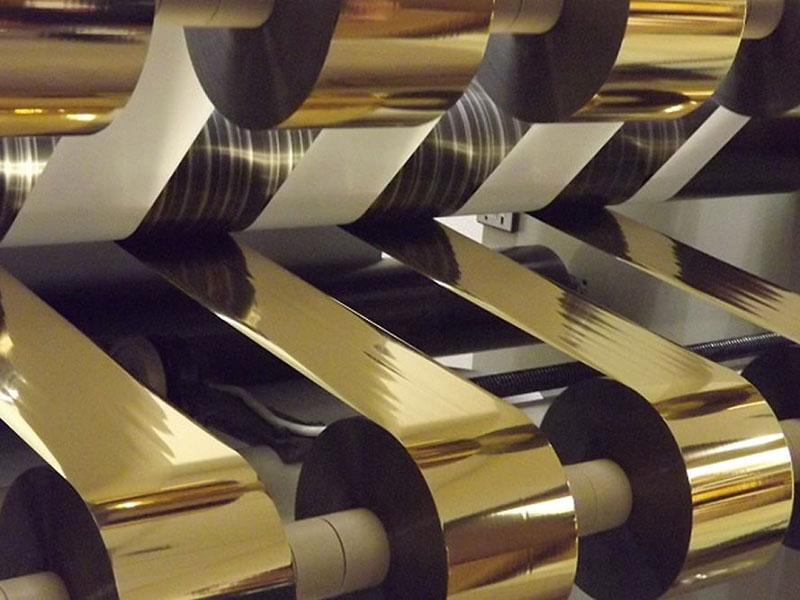
Detail 5: Static electricity and dust removal—the invisible killers
Tiny metal fragments and foil powder produced by slitting adhere to the foil surface and are only discovered during the hot stamping process, resulting in the entire roll being scrapped.
Standard Configuration:
• Install static elimination rods or ion nozzles before and after the cutter
• Equipped with a negative pressure vacuum system to remove debris in real time
• The slitting area is recommended to meet Class 10,000 cleanliness standards to prevent dust from embedding into the aluminum layer
Detail Six: Process Parameter Library — Breaking Free from "Dependence on Veterans"
Many companies have reported: "The machines that experienced craftsmen bring out are smooth, but after they retire, problems start to erupt in one cluster." "
Breakthrough Strategy: Establish a standardized process parameter library. For foil foil of different materials and thicknesses, parameters such as optimal tension, speed, and knife pressure are solidified to form a "slitting formula."
Effect: Some enterprises have reduced loss rates by 30%-50% through parameter standardization, shortening order change and commissioning time from half a day to half an hour.
Summary: The yield rate is achieved through "management."
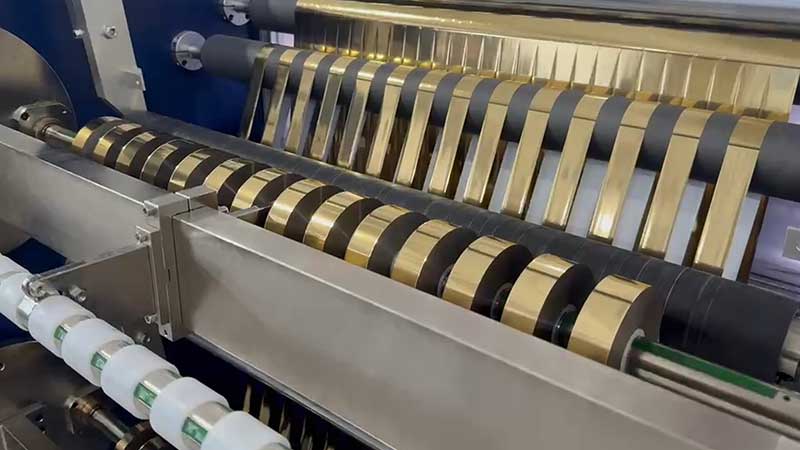
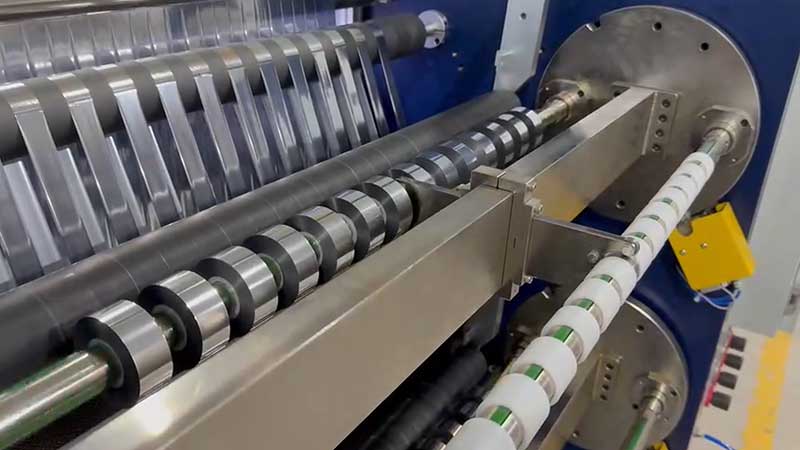
Foil foil cutting has never been just about "making a cut." These six details—blade management, tension control, winding taper, equipment precision, electrostatic precipitation, and process parameter library—are all closely linked.
When switching to a third device, I chose a model with higher precision, but what truly brought about a qualitative change was establishing a standardized management system. Equipment is the framework; craftsmanship and management are the flesh and blood. The finished product rate rose from an initial 82% to steadily stabilize above 96%—this is the reward of attention to detail.
One-sentence mnemonic: first check if the incision has chipping, then check the bite and alignment. Maintain stable tension, eliminate static electricity, and build parameter databases without relying on guesswork.
 English
 Deutsch
 Français
 Español
 Português
 日本語
日本語 русский
 한국어
한국어 عربي
عربي ภาษาไทย
 Tiếng Việt
 Italiano
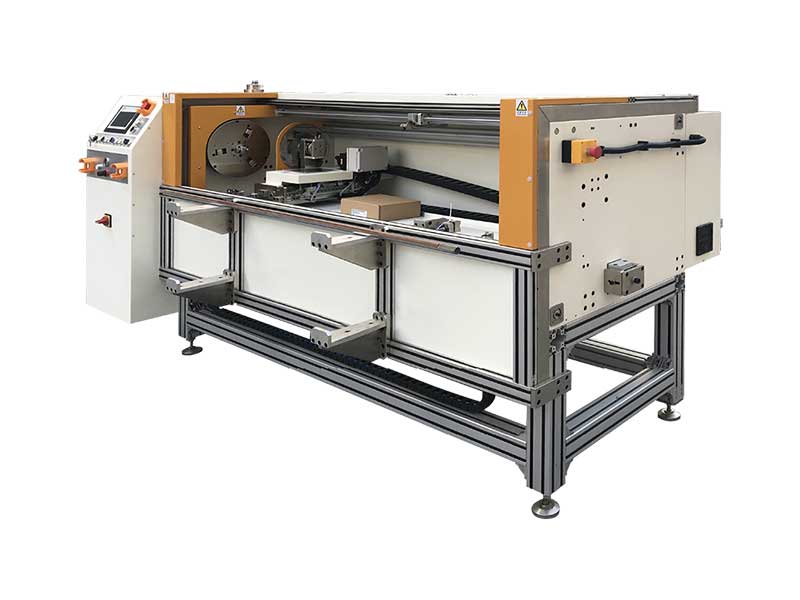 Automatic Foil Roll Cutting Machine
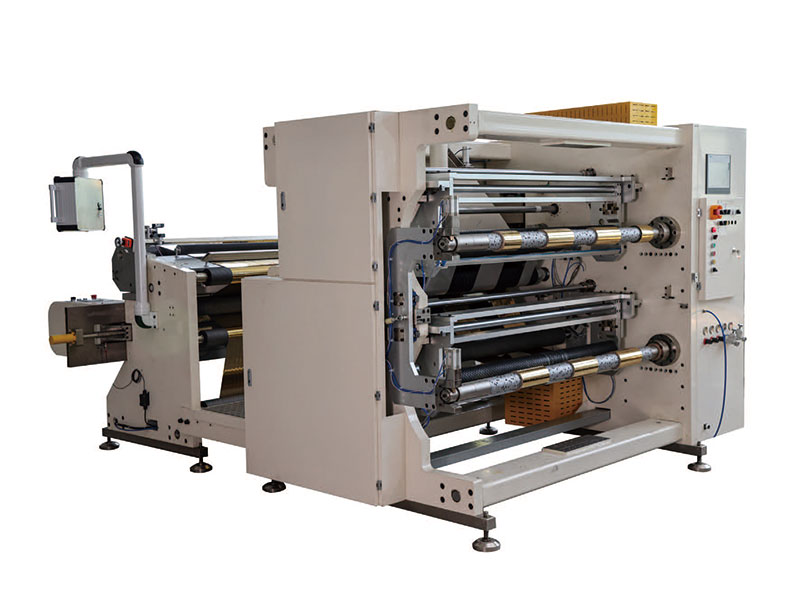 1400mm Hot Stamping Foil Slitting Machine
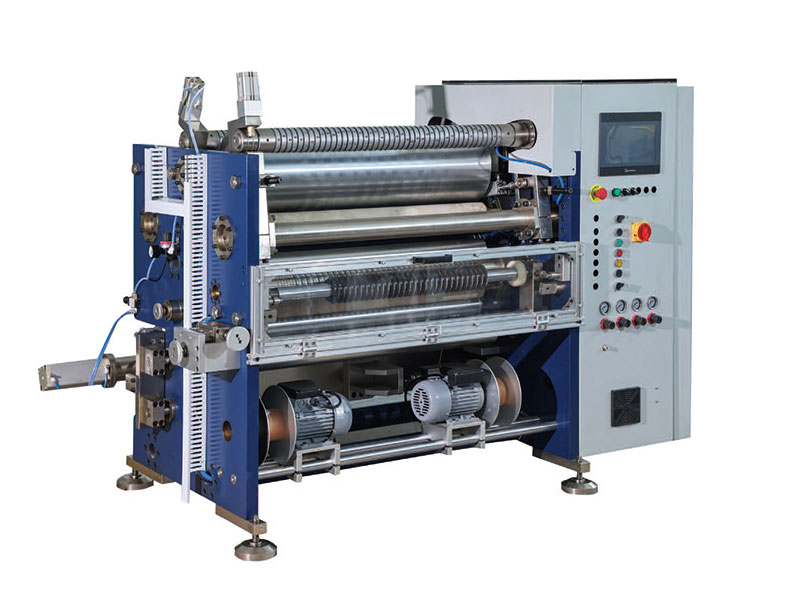 800mm Hot Stamping Foil Slitting Machine
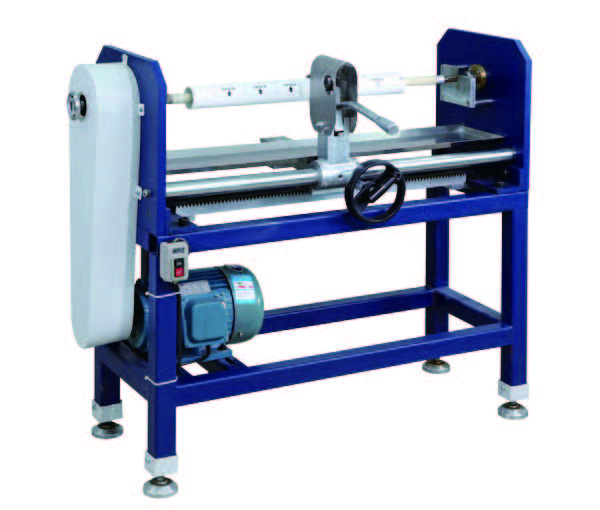 Manual Foil Roll Cutting Machine
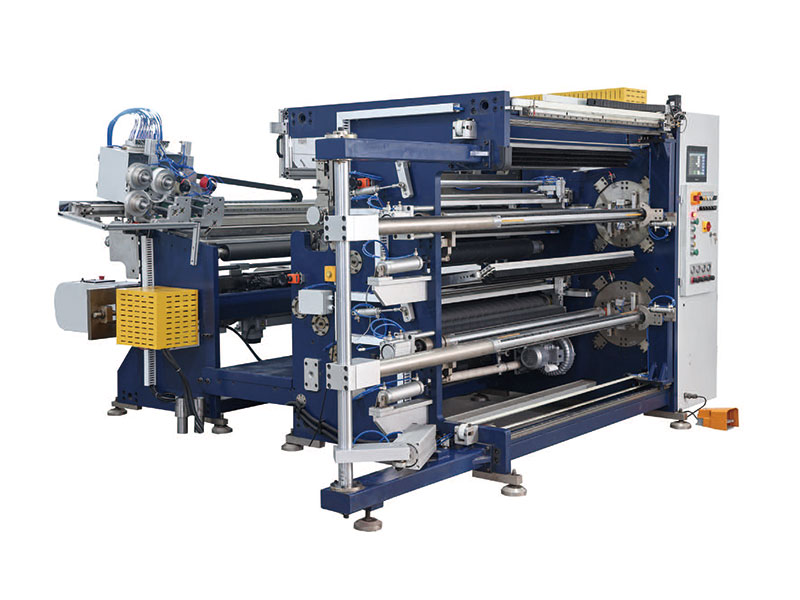 1350mm Hot Stamping Foil Slitting Machine
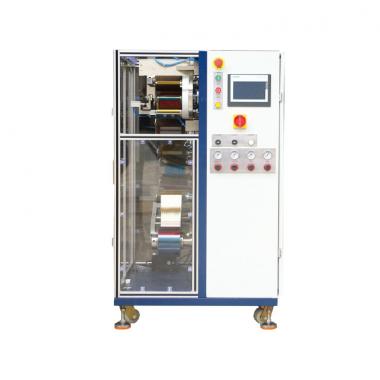 Photo & Card Print Ribbon Rewinding Machine
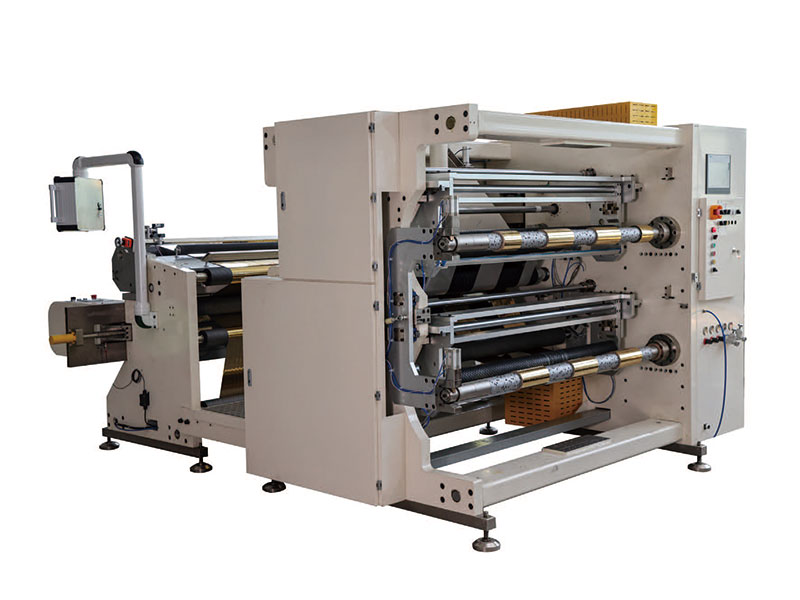 1400mm Copper Foil Slitting Machine
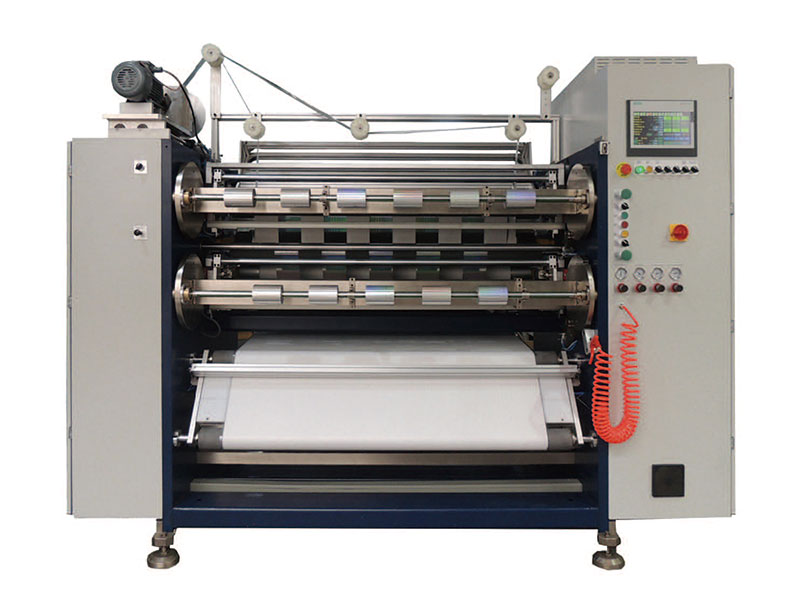 1350mm/1600 Foil Slitting Machine


 +86 135 9951 7291
 support@delishmachine.com