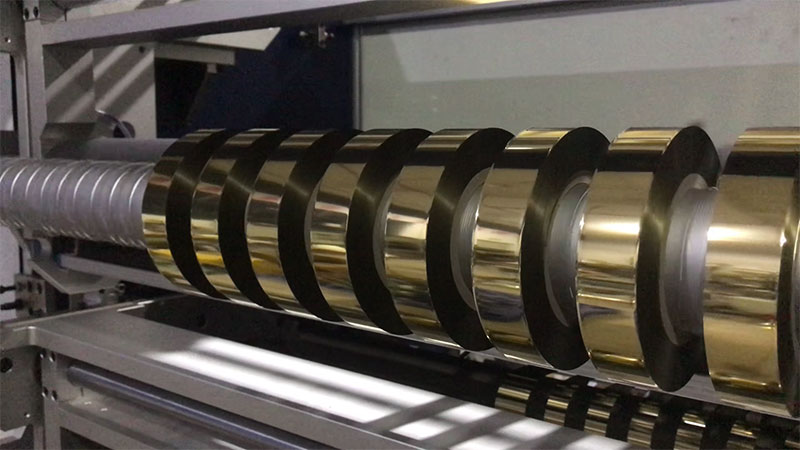
In the hot stamping workshops of the packaging and printing industry, an awkward scene often unfolds: high-speed hot stamping machines costing hundreds of thousands of yuan run at thousands of sheets per minute, yet often end up "waiting for rice to be put into the pot" due to insufficient upstream slitting processes. Foil foil slitting—this process converts wide mother rolls into thin rolls usable by hot stamping machines, and has long served as an "invisible bottleneck" on the production line.
Breaking through this bottleneck and releasing capacity in the slitting process is not simply about "running the machine faster," but a systematic project involving speed, precision, order change efficiency, and equipment management.
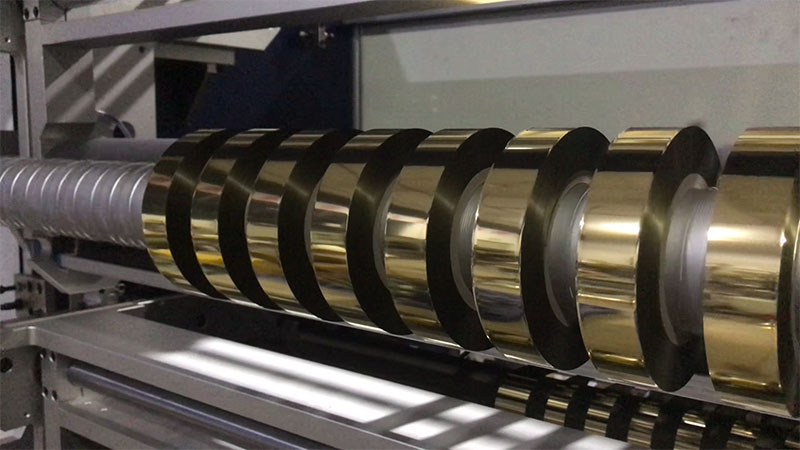
Speed revolution: the leap from "walking" to "sprinting."
The most direct constraint on slitting capacity is line speed. Traditional slitting equipment usually operates at speeds of 80-150 meters per minute, which is significantly lower than the supply demand of downstream high-speed hot stamping machines. Modern high-speed slitting machines have pushed the design speed above 300 meters per minute through servo motor direct drive technology and precise vector control.
The value of increased speed is especially evident in continuous production. For example, processing 10,000 meters of hot stamping foil per day takes traditional equipment nearly 2 hours, while high-speed machines only need about 40 minutes. This means a single slitting machine can simultaneously meet the material needs of multiple hot stamping machines, transforming the slitting process from a production bottleneck into an efficiency engine.
However, high-speed operation brings challenges—the hot stamping foil is only 4-30 microns thick, the material is thin, and the surface is smooth, making it extremely sensitive to tension fluctuations. The higher the speed, the more severe the tension disturbances. Without precise control, issues such as strip breakage, wrinkling, and uneven winding will follow, which in turn reduce effective production capacity.
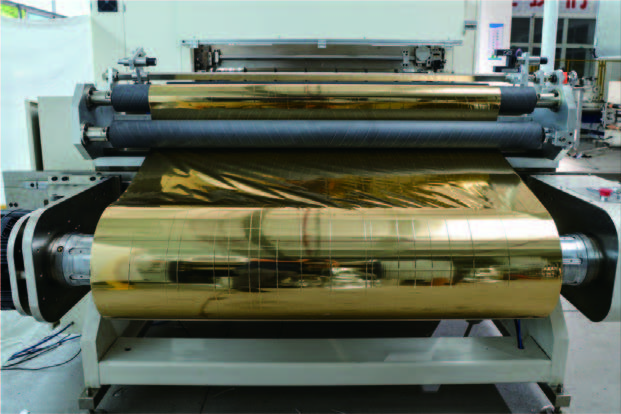
Precision Assurance: "Stability" and "Precision" at High Speed
High speed and high precision are not contradictory opposites. Modern slitting machines achieve both speed improvement and quality assurance through three core technologies:
Closed-loop tension control is the cornerstone of neat winding. Traditional open-loop control operates only on the initial set value, making it difficult to adapt to dynamic disturbances caused by speed changes and increasing coil diameter. The closed-loop system uses swing roller sensors to detect strip tension in real time, with microsecond-level adjustments made by servo motors. More importantly, the taper tension control strategy is used—as the winding diameter increases, the system gradually reduces tension according to the real-time roll diameter and preset curves, balancing the forces on inner and outer layers and fundamentally suppressing the "telescope" phenomenon (interlayer misalignment spreading outward in a trumpet shape).
High-precision correction systems solve the problem of material deviation. Ultrasonic or photoelectric sensors are installed behind the last guide roller and before the winding shaft, continuously monitoring the edge position of the tape, with correction accuracy reaching within ±0.1mm. Combined with PID adjustment algorithms and high-response actuators, it ensures absolute straightness of the slitting lines.
Slitting quality control focuses on edge finish. If the edge of the foil foil has fine burrs, friction between adjacent layers will occur during high-speed winding, causing edge fibers to accumulate and gradually deviate from the original plane, resulting in end face unevenness. High-precision circular knife or razor slitting systems combined with online vacuum devices can control burr heights within 5μm, ensuring neat winding from the source.
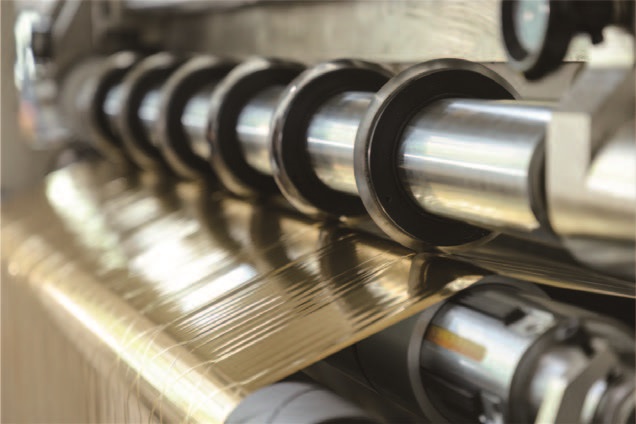
Order exchange and efficiency improvement: the transformation from "hour-level" to "minute-level."
With the trend of multi-variety, small-batch orders, frequent order changes have become another core bottleneck for split production capacity. Traditional equipment often takes 30-45 minutes to change blades, thread film penetration, and adjust tension. For companies processing 15-20 different order specifications daily, just preparing for order exchange requires several hours of effective production time each day.
The intelligent slitting machine significantly reduces order change time through three design features:
• Parameter presetting and one-click calling: Through PLC intelligent control and touchscreen interface, hundreds of process schemes can be preset internally. Operators can switch parameters with one click, reducing debugging time by over 70%.
• Modular rapid tool change system: uses pre-installed tool groups and hydraulic locking devices, reducing tool change time to under 3 minutes.
• Quick loading and unloading of the gas expansion shaft: Combined with standardized winding devices, loading and unloading operations are greatly simplified.
Actual cases show that after order change time was reduced from 15 minutes to 3 minutes, effective equipment operating time increased significantly, and overall production capacity jumped by 30%.
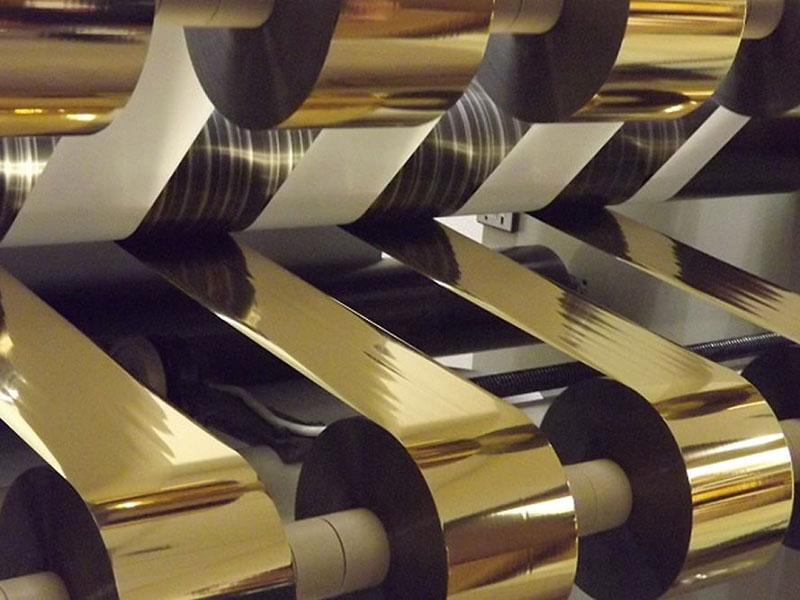
Equipment Management: From "Post-Repair" to "Predictive Maintenance"
Another dimension of capacity increase is reducing unplanned downtime. Traditional slitting machines rely on a passive "repair after breakdown" model, where sudden failures not only cause prolonged production downtime but are often accompanied by mass scrap. Modern equipment management introduces IoT and predictive maintenance technologies: By monitoring key indicators such as spindle vibration, bearing temperature, and motor current in real time, potential faults can be identified in advance, turning sudden downtime into scheduled maintenance.
Additionally, the dual-rewinder turret structure enables non-stop rewinding—when one reel is operating, the other can pre-position the paper core and cut the tape, which, together with the energy storage swing roller, absorbs tension fluctuations during the rewinding moment, preventing loose sections before and after the rewinding point. This design minimizes auxiliary time, keeping the equipment always in an efficient production state.
Conclusion
The capacity improvement of high-speed hot stamping foil slitting machines is not just about stacking single parameters, but about the systematic synergy of speed, precision, efficiency, and reliability. When tension control, deviation guidance, automatic tool change, and predictive maintenance are all dynamically sensed and adjusted in real time, the slitting process can truly transform from an "invisible bottleneck" into a "value engine." Against the backdrop of rising raw material costs and normalized short lead times, this systematic capacity improvement project has become a key path for hot stamping foil processing enterprises to build core competitiveness.
 English
 Deutsch
 Français
 Español
 Português
 日本語
日本語 русский
 한국어
한국어 عربي
عربي ภาษาไทย
 Tiếng Việt
 Italiano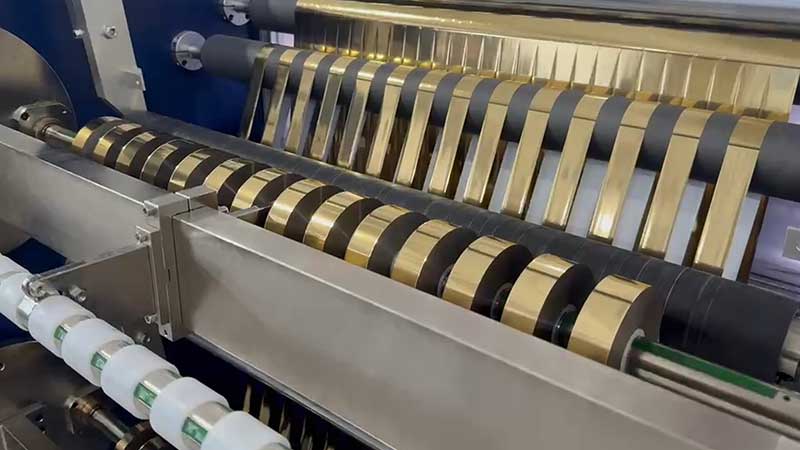
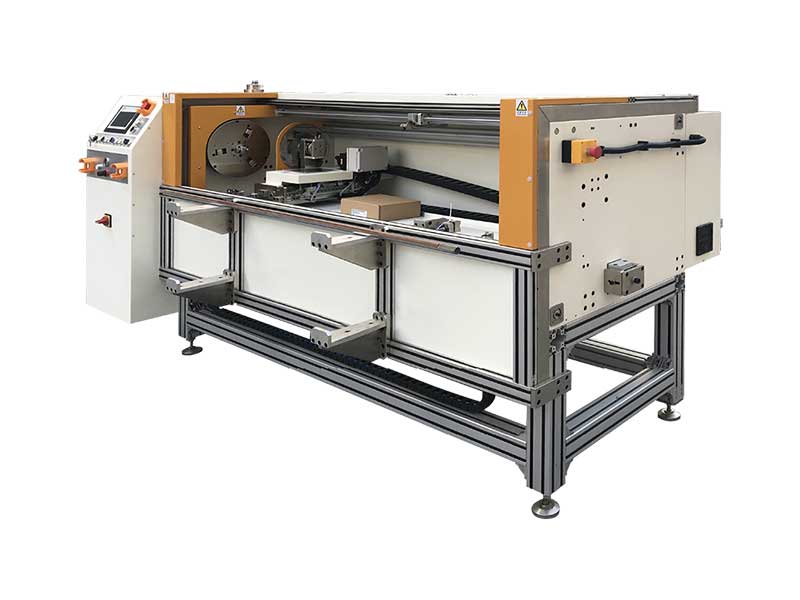 Automatic Foil Roll Cutting Machine
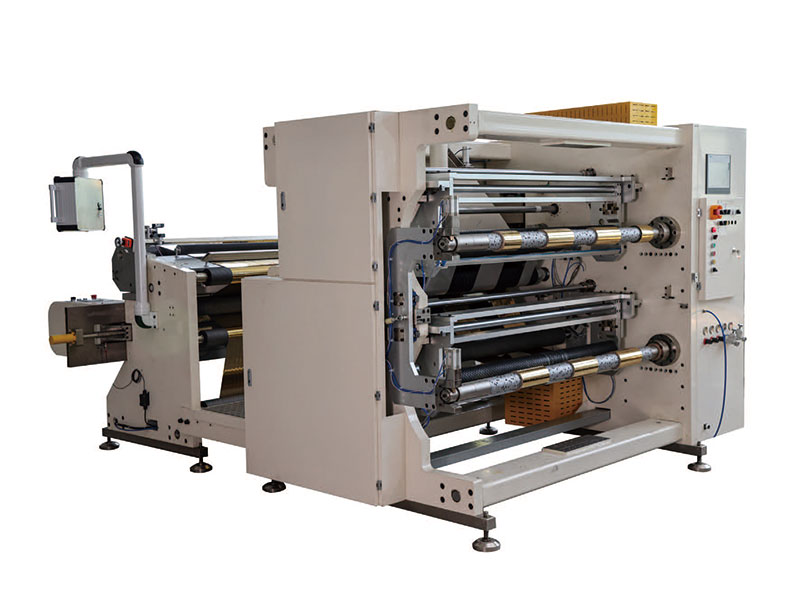 1400mm Hot Stamping Foil Slitting Machine
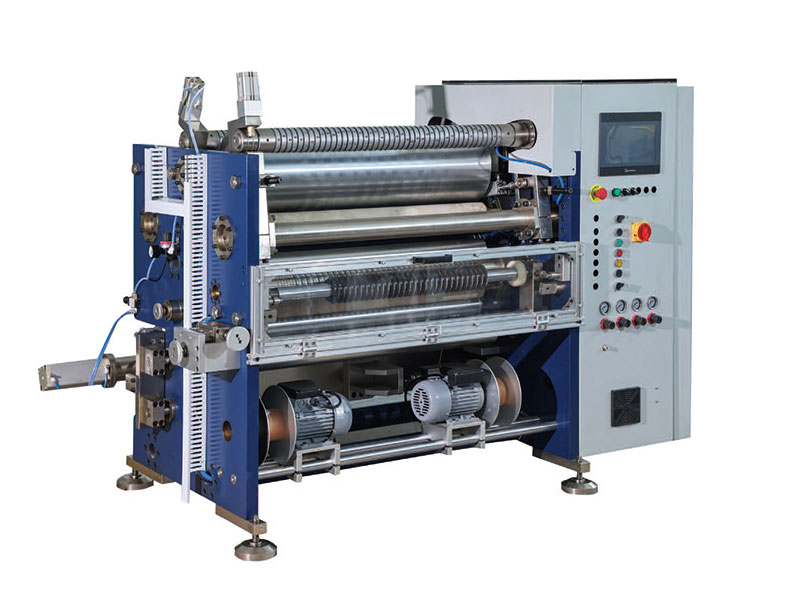 800mm Hot Stamping Foil Slitting Machine
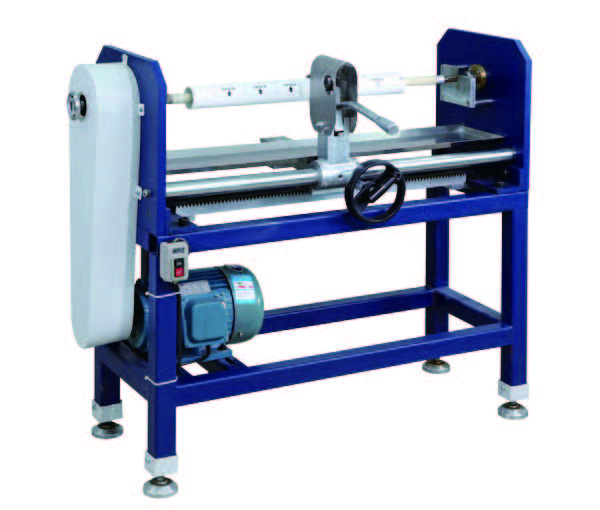 Manual Foil Roll Cutting Machine
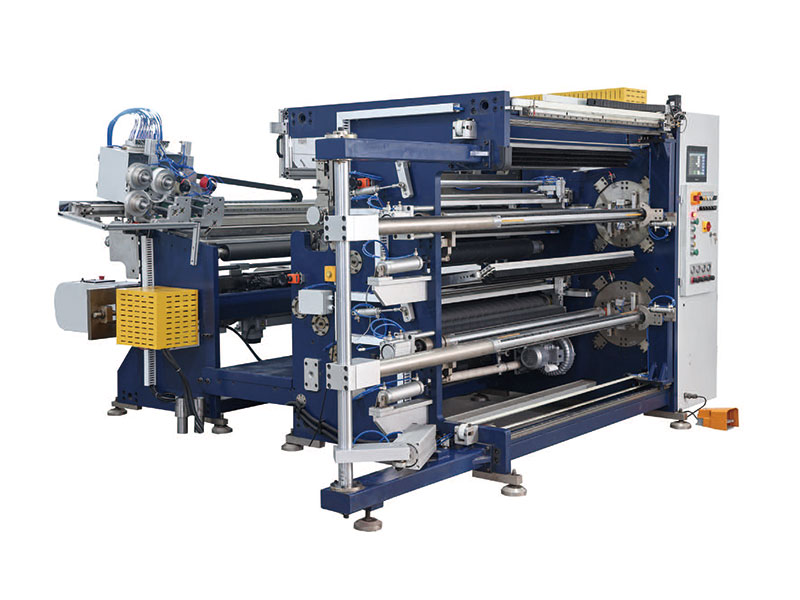 1350mm Hot Stamping Foil Slitting Machine
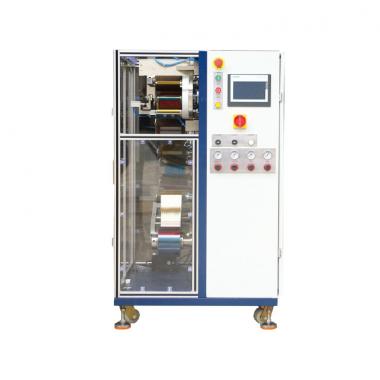 Photo & Card Print Ribbon Rewinding Machine
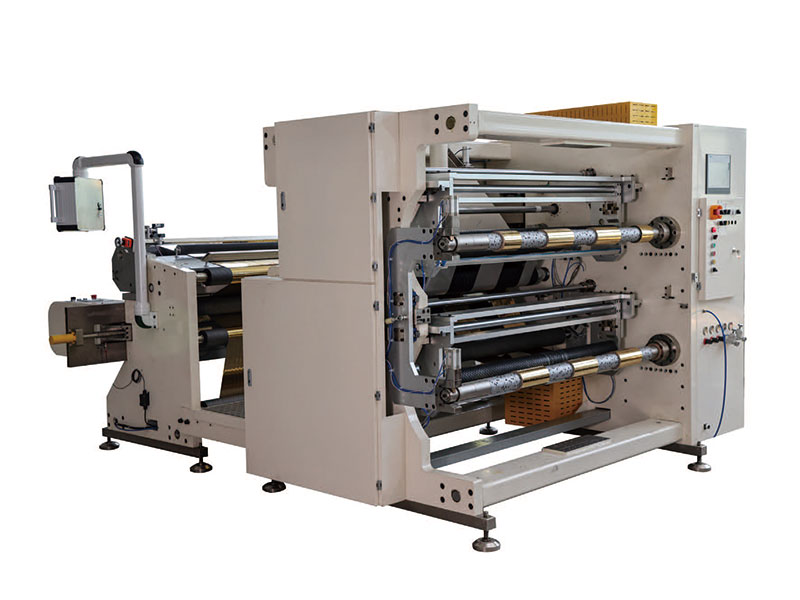 1400mm Copper Foil Slitting Machine
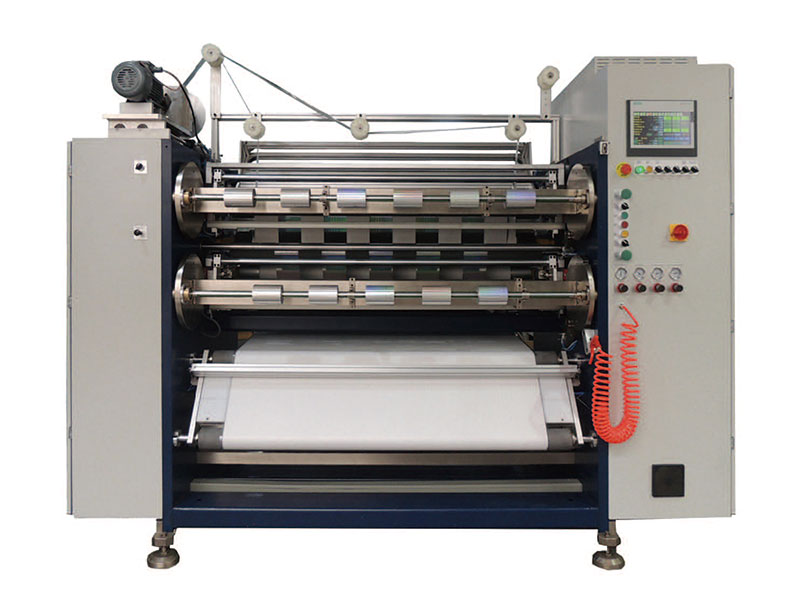 1350mm/1600 Foil Slitting Machine


 +86 135 9951 7291
 support@delishmachine.com