Driven by the wave of personalized consumption, the packaging and printing industry is undergoing a profound transformation from "economies of scale" to "economies of scope." Hot foil foil—a key material that carries a metallic luster and luxurious texture—is facing unprecedented challenges in its production model. The previous profit logic of relying on large orders is gradually losing its effectiveness in the face of fragmented demand for small batches, multiple varieties, and short lead times. Traditional slitting machines, when facing small-batch orders, frequent order changes led to long downtime, high material waste, and high skill dependence, making "small-batch customization" a hot potato. However, the rapid order changeover technology of flexible hot stamping foil slitting machines is turning this challenge into a lever for enterprises to leverage new growth points through systematic innovation.
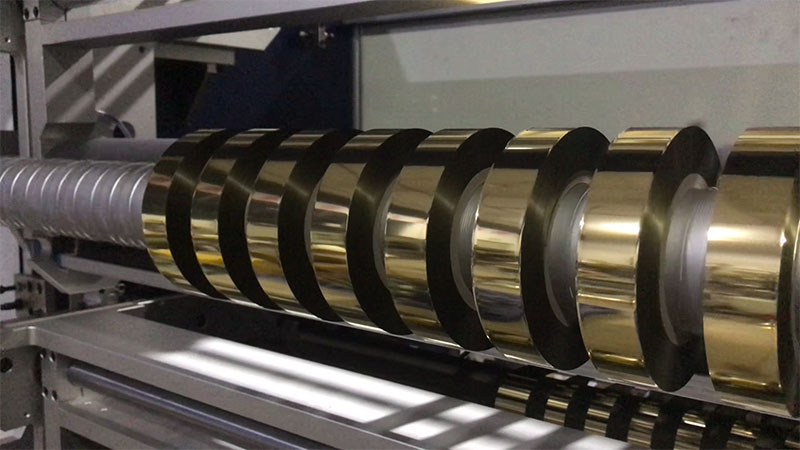
1. The core pain point of small-batch customization
The traditional hot stamping foil slitting process is the main bottleneck for small-batch customized production. Replacing an order often requires operators to manually disassemble and assemble the tool holder, adjust the slitting width, re-thread the film, and test the trimming effect. This process takes anywhere from twenty minutes to as much as one hour. Every trial cutting and adjustment during the order exchange process causes dozens or even hundreds of meters of expensive hot stamping gold foil to be lost, directly eroding already meager profits. What's more challenging is that this process heavily relies on the personal experience of senior technicians, making it difficult for new employees to quickly get started, making frequent order changes a severe test of their skills. As a result, many companies are forced to reject small batch orders or significantly increase their quotes, putting themselves at a disadvantage in market competition.
2. The four pillars of fast order change technology
Quick turnover technology is not a single function, but a systematic design concept covering mechanical, electrical, and software levels. Its core is to transform the traditional manual tool-setting model that relies on "ruler, hand, and eye" into a digital process of "digital, finger, and control."
1. Modular tool holder and quick-locking mechanism
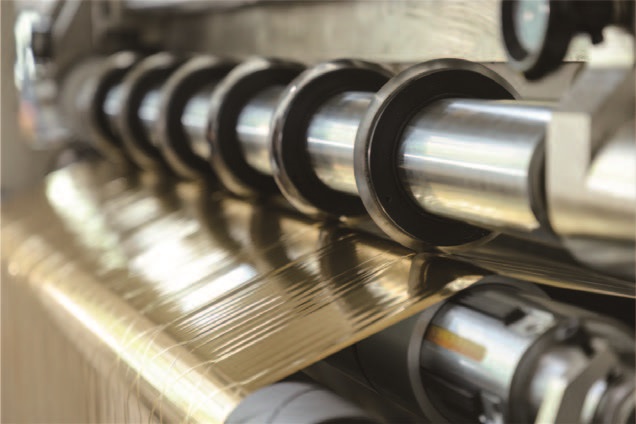
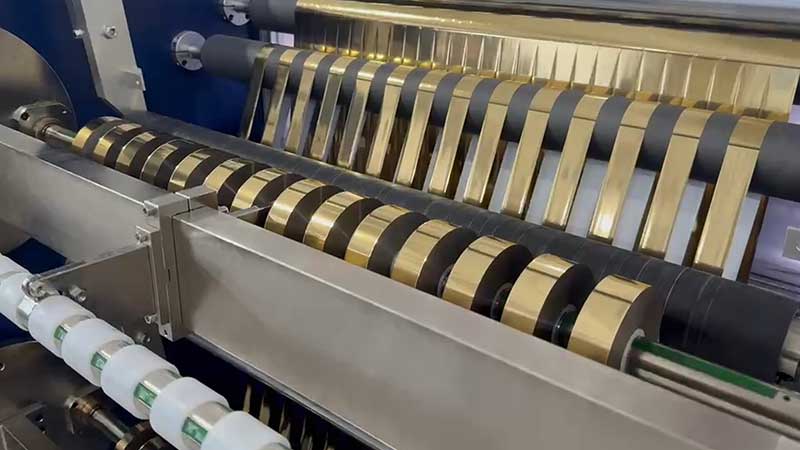
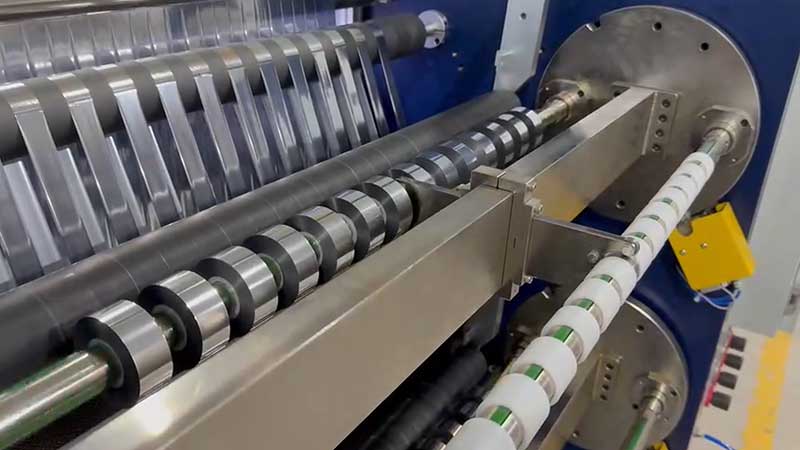
Traditionally, changing the blade is a physically demanding task of "removing screws—setting the ruler—tightening the screws." Modern quick changeover technology uses cartridge or drawer-type tool holder designs, with each tool holder equipped with precision positioning pins. Operators do not need tools; they simply pull out the tool holder entirely, insert it into the corresponding specification tool holder slot, and secure it with a single pull via a pneumatic or eccentric locking mechanism. The single-tool position change time can be reduced to under 5 seconds. This micro-innovation in mechanical structure is the physical basis for rapid order changeover.
2. Servo-driven automatic positioning system
More advanced models introduce a fully automatic tool layout system driven by servo motors and ball screws. The operator inputs the slitting width and quantity on the touchscreen; the system automatically calculates the target positions of each tool holder and drives them to move synchronously into position, achieving positioning accuracy up to ±0.1mm. For frequently repeated orders, the equipment can store hundreds of sets of "recipes" and call them up with one click for the next production. The tool holder and process parameters automatically take position, further reducing order change time from "minute level" and completely eliminating manual measurement and repeated trial cutting.
3. Intelligent tension control and material database
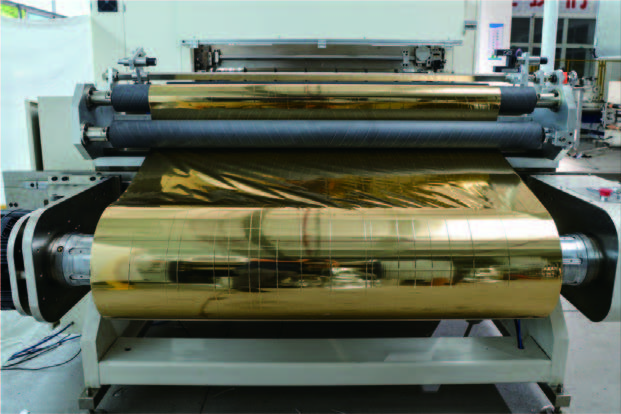
There are many varieties of hot stamping foil, ranging from PET film-based to paper-based, with significant differences in elastic modulus and heat resistance among different materials. One of the core of fast changeover technology is the embedded material formulation management system. After debugging a new material, parameters such as optimal tension value and winding taper curve are stored in the database and named as specific material codes. When producing the material again, the operator only needs to pull up the formula, and the system can automatically set all tension parameters, ensuring that different materials do not wrinkle or deform during slitting.
4. Non-stop material receiving and automatic waste discharge
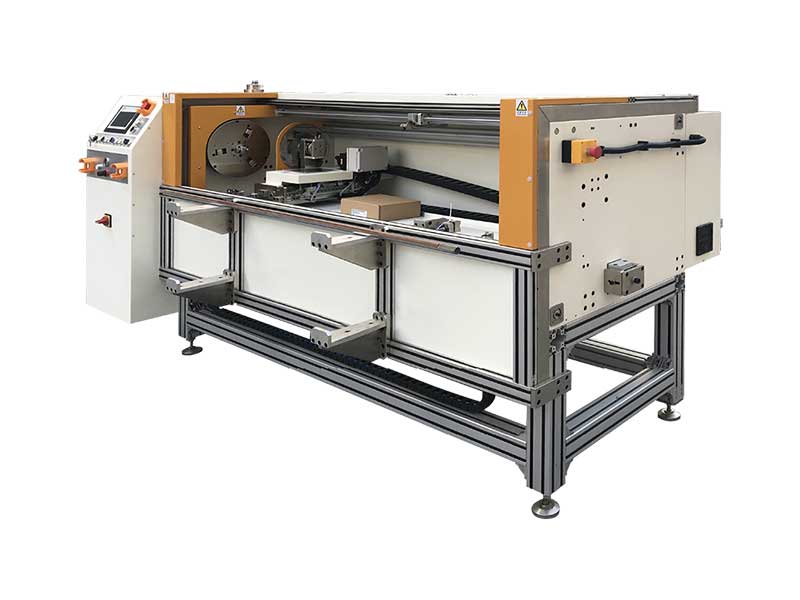
To enable rapid connection between small batch orders, some high-end slitting machines are equipped with dual-station winding and automatic cutting and receiving devices. When the current roll is about to run out, the equipment automatically connects the new coil head with the old coil tail, enabling continuous coil changeover. At the same time, scrap material is automatically collected by a vacuum adsorption system, avoiding extra manual cleaning time and further enhancing continuous operation capability.
3. Actual Effect: The transformation of a typical case
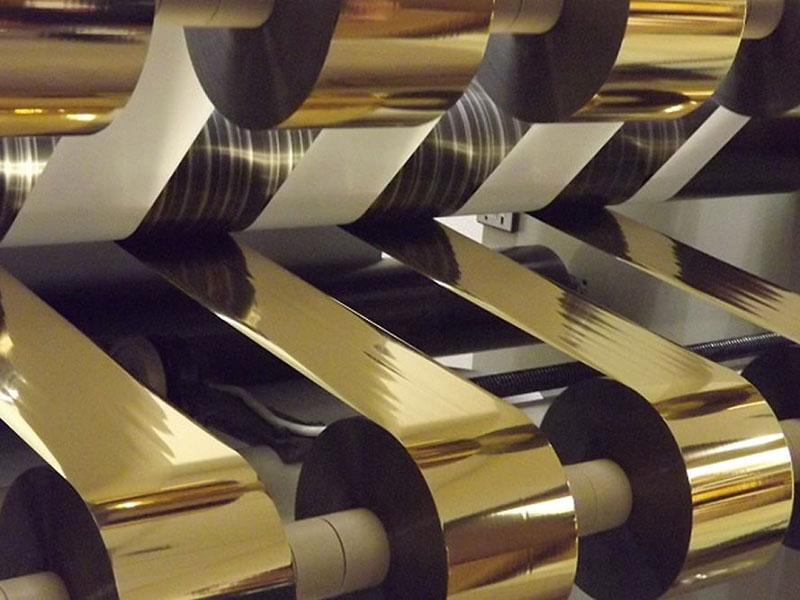
For example, a hot stamping foil processing company in East China processes 15-20 small batch orders daily, with an average order length of only 2,000-3,000 meters. After introducing slitting machines equipped with rapid changeover technology, the average change time has dropped sharply from 32 minutes to 4 minutes, and material loss per change has been sharply reduced from 150 meters to under 20 meters. The daily effective slitting time has been increased from less than 6 hours to over 9 hours. This efficiency transformation has enabled companies not only to take on orders of just a few hundred meters that were previously unwelcomed, but also to launch "next-day delivery" custom slitting services, greatly increasing customer loyalty.
4. Conclusion: From equipment efficiency to unlocking business models
"Difficulty in small-batch customization" is essentially a contest between response speed and switching costs. The rapid order change technology of the flexible hot stamping foil slitting machine uses mechanical structure innovation, automated positioning, and intelligent parameter reuse to compress the task change that previously took half an hour into just a few minutes, while significantly reducing material waste. This is not just an improvement in equipment efficiency, but also an unlocking of a business model—it makes flexible production the core competitiveness, turning "small batches" from a hot potato into a profit growth point. In today's supply chain era, where personalization and short cycle times have become the new norm, hot stamping foil slitting machines equipped with fast order change technology are undoubtedly a key tool for companies to seize the initiative in niche markets.
 English
 Deutsch
 Français
 Español
 Português
 日本語
日本語 русский
 한국어
한국어 عربي
عربي ภาษาไทย
 Tiếng Việt
 Italiano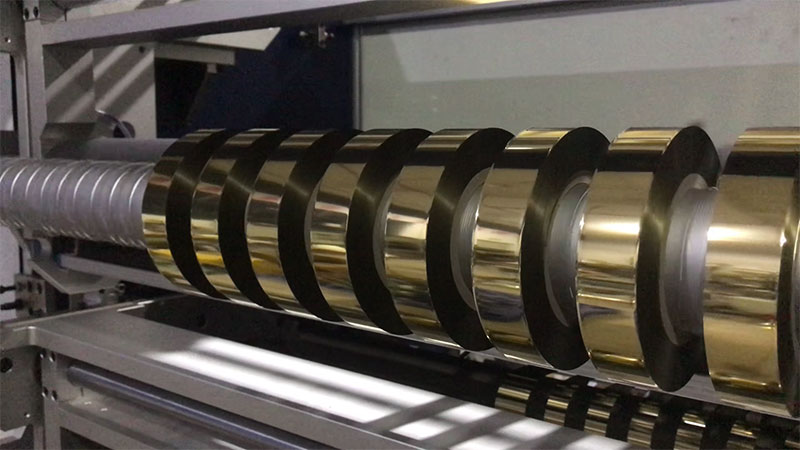
 Automatic Foil Roll Cutting Machine
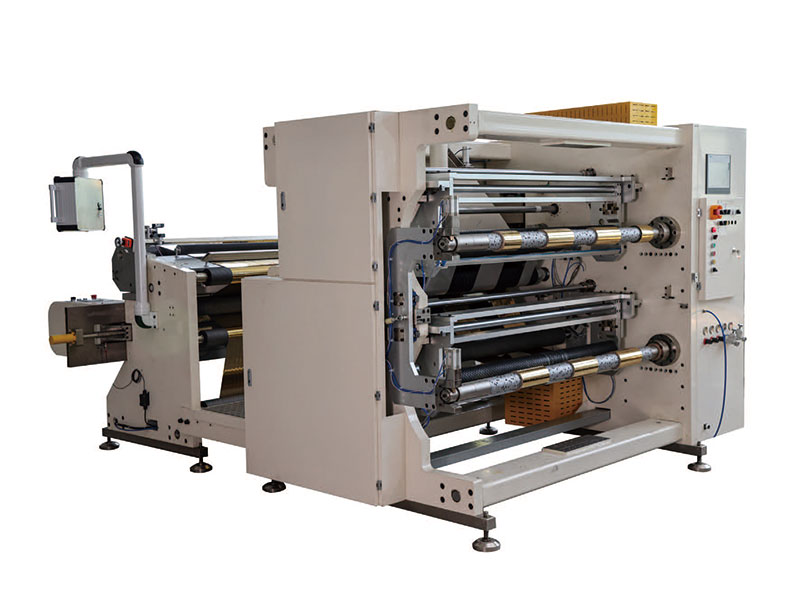 1400mm Hot Stamping Foil Slitting Machine
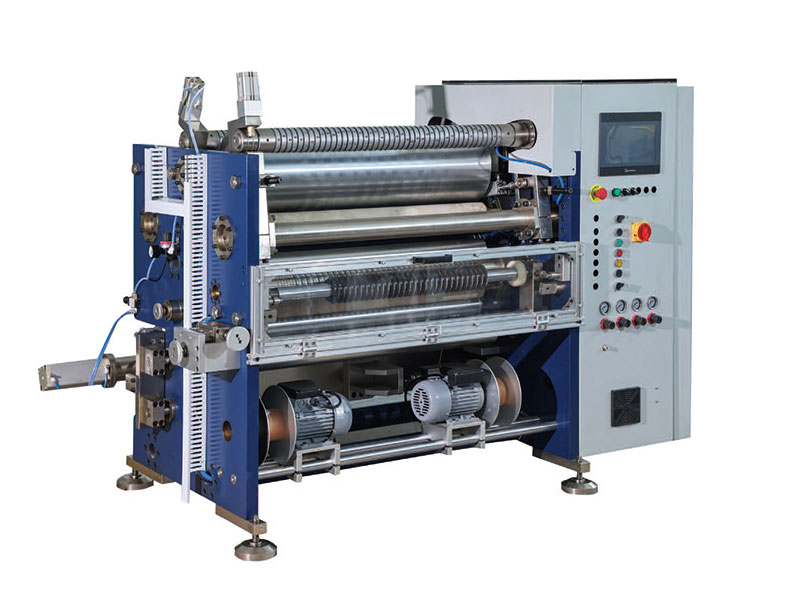 800mm Hot Stamping Foil Slitting Machine
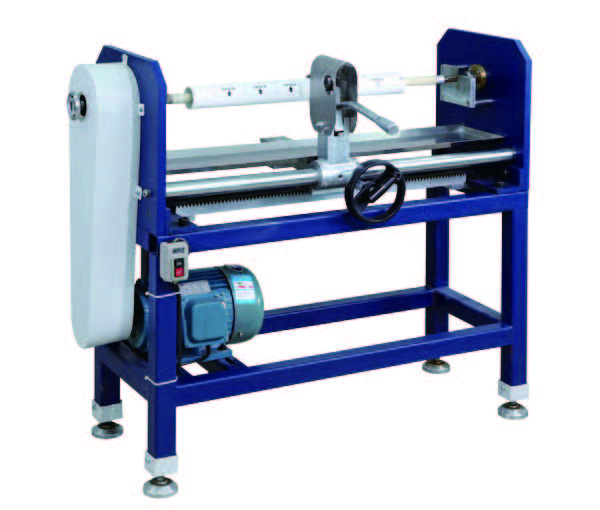 Manual Foil Roll Cutting Machine
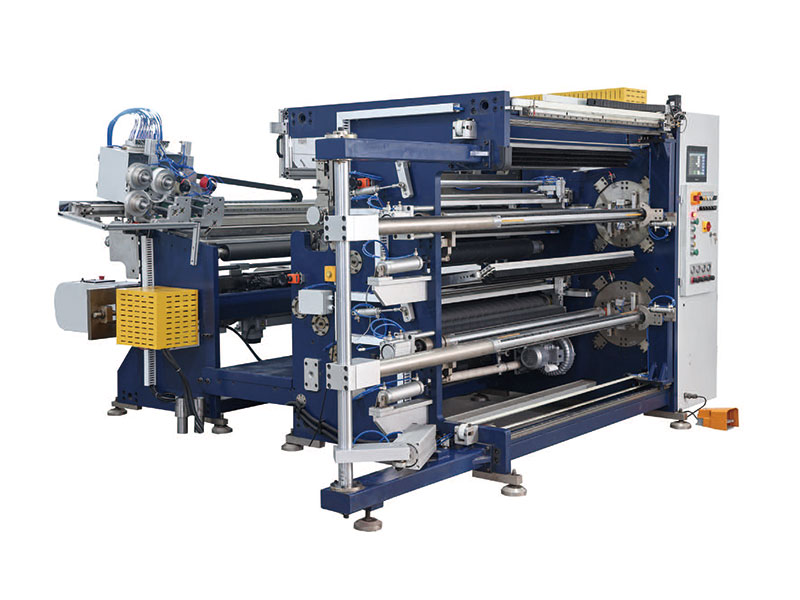 1350mm Hot Stamping Foil Slitting Machine
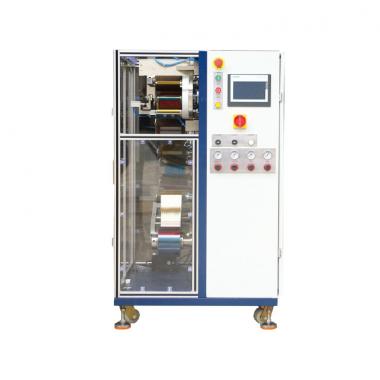 Photo & Card Print Ribbon Rewinding Machine
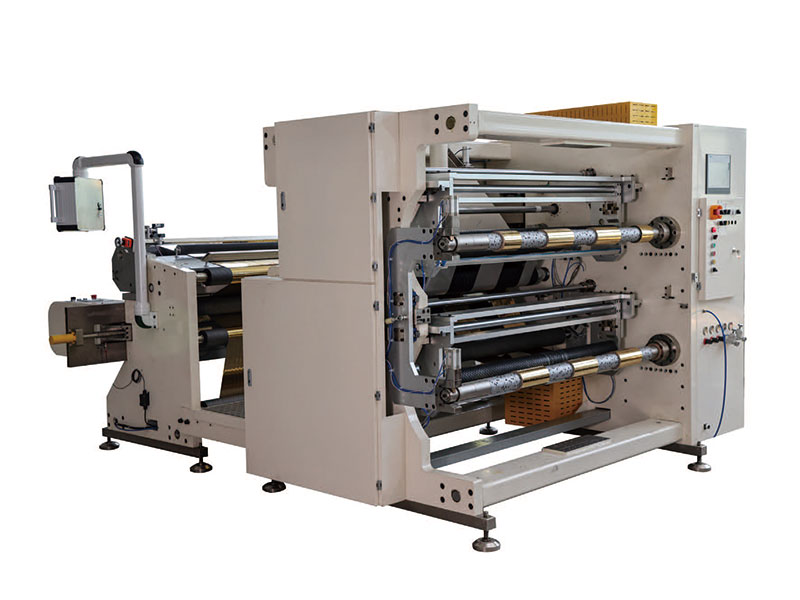 1400mm Copper Foil Slitting Machine
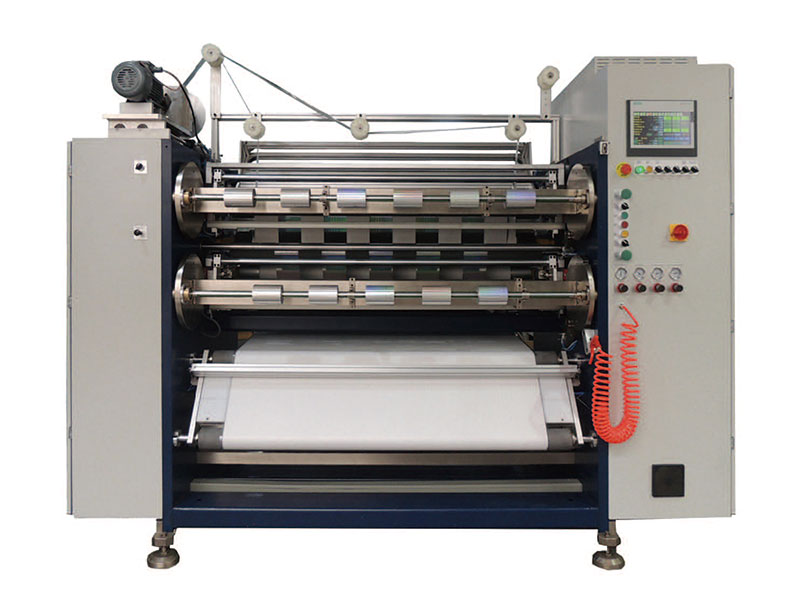 1350mm/1600 Foil Slitting Machine


 +86 135 9951 7291
 support@delishmachine.com