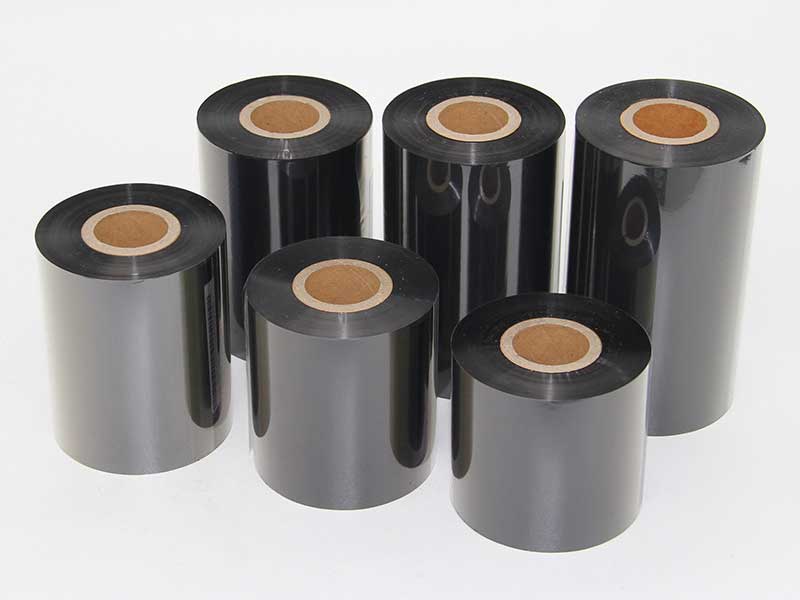
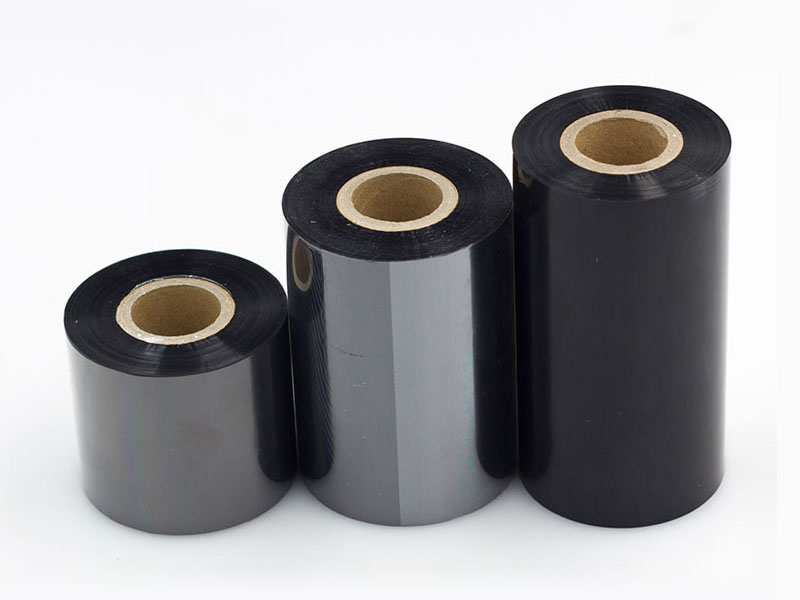
The ribbon slitting machine is a key piece of equipment in the production of thermal transfer ribbons. It cuts the wide ribbon master roll into narrow rolls that meet printer specifications, directly determining the printing quality and production efficiency of the finished ribbon. Choosing the wrong equipment can lead to low efficiency and huge losses at best, and at worst cause ribbon edge burrs, uneven winding, and even damage downstream print heads. This article will provide you with a practical guide for choosing a model from two dimensions: three core parameters and common pitfalls to avoid.
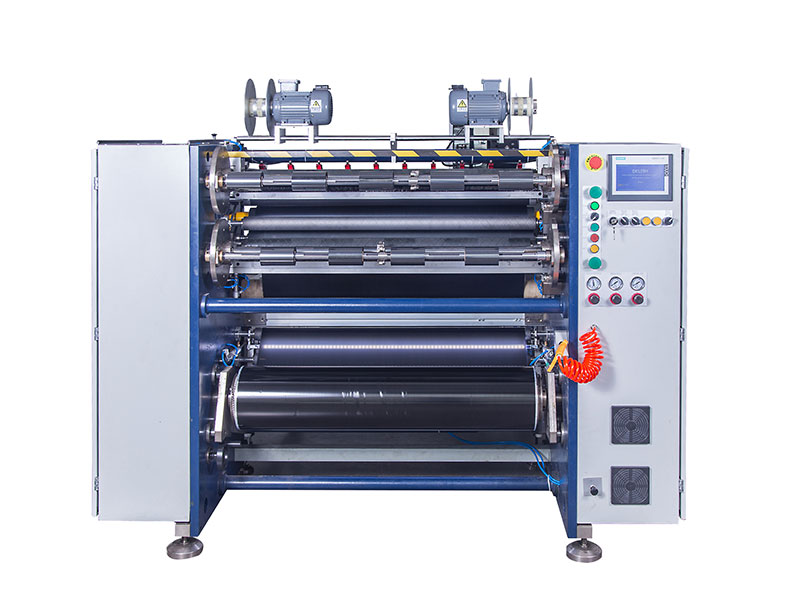
1. Grasp three core parameters
Choosing a model doesn't need to be overwhelming; by focusing on the following three core parameters, you can quickly determine whether a piece of equipment meets your production needs.
1. Slitting precision: the lifeline of quality
Slitting accuracy is the primary indicator for measuring equipment performance, directly determining the width consistency and edge quality of the finished ribbon. Industry standard reference: The precision of ordinary graded slitting machines is usually around ±0.5mm; High-precision models can be controlled within ±0.1mm or even ±0.05mm.
Insufficient precision can cause ribbon edges to become rough, making it easy for the tape to shift during printing, tape clips, or even break. For high-demand scenarios such as medical labels and precision electronic tags, precision is especially critical. When selecting models, prioritize equipment equipped with servo control tension systems and high-rigidity tool holder structures, and require manufacturers to provide actual slitting sample test data rather than theoretical values.
2. Slitting speed: The measure of efficiency
Slitting speed determines output per unit time, but you can't just look at the nominal maximum speed. Common speed ranges are as follows:
• Low-speed economical type: 50–100 m/min, suitable for small batches and multi-variety production
• Medium-speed general-purpose type: 150–250 m/min, meeting most commercial orders
• High-speed production type: 300–500 m/min and above, suitable for large-scale continuous production
It is important to note that the actual usable speed is greatly affected by the ribbon material. Resin-based ribbons have harder coatings and lower toughness, so they usually need to operate at speeds 20%–30% lower than wax-based ribbons. When selecting, require the manufacturer to conduct on-site trial cutting using the ribbon specifications you actually use, observing the start-stop control and winding effects at high speeds.
3. Winding Alignment: A key metric that is often overlooked
The neatness of winding directly affects the smoothness of the back-end packaging and the printer's tape flow. End face deviation should generally be controlled within ±1mm, and for high-end equipment, it can reach ±0.5mm.
Common issues include "bell-mouthed" end faces, "serrations" on edges, or internal wrinkles. These issues can easily cause ribbon breakage or printer jam tape during subsequent unwinding printing. The root of these problems mainly lies in the tension control system and correction device. When selecting models, choose models equipped with closed-loop tension control + active deviation correction.
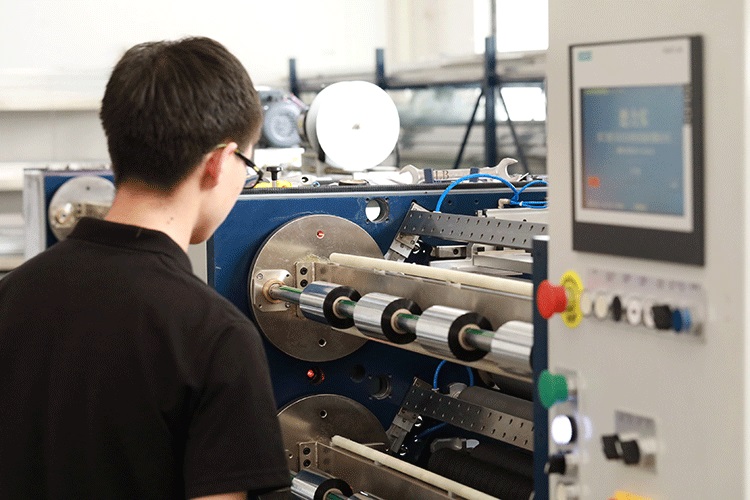
2. Key points to avoid pitfalls: hardware configuration and manufacturer selection
Beyond specifications, hardware configuration and vendor services also determine the long-term user experience.
1. Tension Control System: The "Soul" of the Equipment
Unstable tension control can cause the membrane to be too tight (tension deformation, belt breakage) or too loose (membrane loosening and movement). This is the primary cause of scrap in slitting. It is recommended to choose a fully automatic closed-loop tension control system, which can monitor and adjust tension in real time during unwinding, traction, and rewinding stages. For ultra-thin ribbons (<5μm), attention must also be paid to whether the minimum stable tension of the equipment meets the requirements.
2. Winding shaft configuration: The slip shaft is a must-have
For high-end ribbons and multi-specification production, slip shafts are a must-have. Each roll of material is connected to an independent slip ring, allowing real-time torque adjustment based on changes in roll diameter, effectively solving the issues of "loose inside, tight outside" or "core inside." Pneumatic slip shafts offer higher control accuracy and a wider adjustment range than mechanical ones, making them suitable for production scenarios requiring frequent specification changes.
3. Frame and core components: determine long-term durability
The thick frame effectively absorbs vibrations during slitting, ensuring long-term stability of precision. Priority should be given to equipment using high-strength cast iron or thick steel frames. Brands of drivetrain bearings and guides (such as THK, NSK, INA, etc.) are also worth noting—these details determine the equipment's ability to maintain precision even after years of high-speed operation.
4. After-Sales Service: The Most Important "Insurance"
Equipment inevitably requires maintenance and debugging, and the manufacturer's response speed directly affects your production losses. Before purchasing, clarify: How long is the warranty period? Do you provide installation and commissioning training? What is the after-sales response time (e.g., 4-hour response, 24-hour on-site service)? Do you always keep wear parts? Be sure to clearly specify the service terms in the contract.
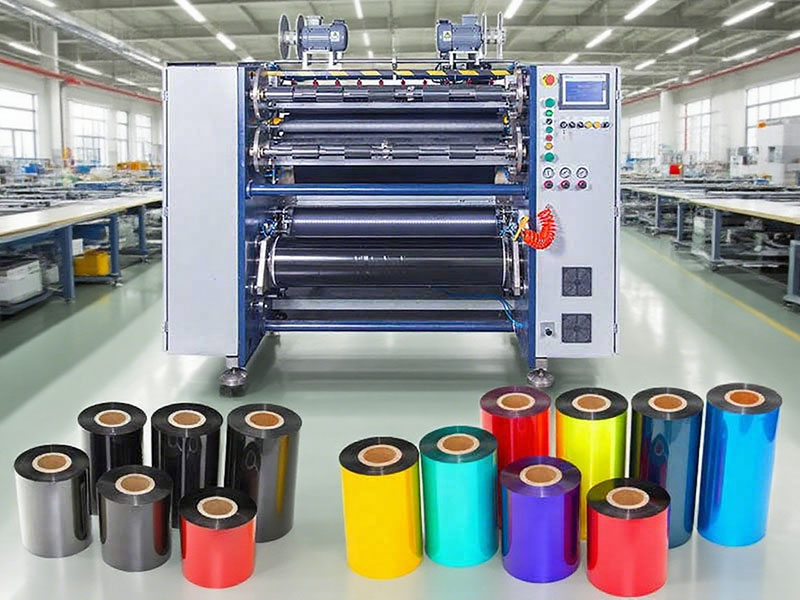
3. Selection Action Checklist
1. Clarify your requirements: List your ribbon type (wax-based/blended/resin-based), commonly used width range, average daily capacity, and precision requirements.
2. Request detailed configuration sheets: Request configuration lists from at least three suppliers and compare the brands and models of core components (motor, sensor, blade brand, etc.).
3. On-site trial cutting required: Take your own ribbon roll to the manufacturer for on-site testing. Observe edge quality under different width specifications, stability during high-speed start-stop times, and tension consistency after continuous operation.
4. Evaluate industry reputation: Ask suppliers to provide industry customer case studies to understand actual equipment usage and after-sales service experience.
A good ribbon slitting machine is not only a production tool but also a part of quality control. By mastering core parameters and avoiding common pitfalls, you can choose equipment that truly meets your business needs.
 English
 Deutsch
 Français
 Español
 Português
 日本語
日本語 русский
 한국어
한국어 عربي
عربي ภาษาไทย
 Tiếng Việt
 Italiano
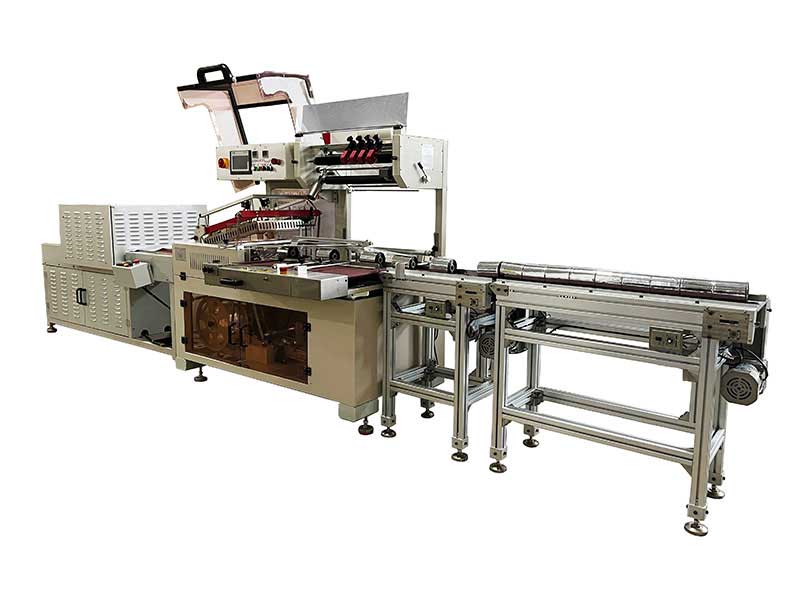 Thermal Transfer Ribbons Packaging Machine
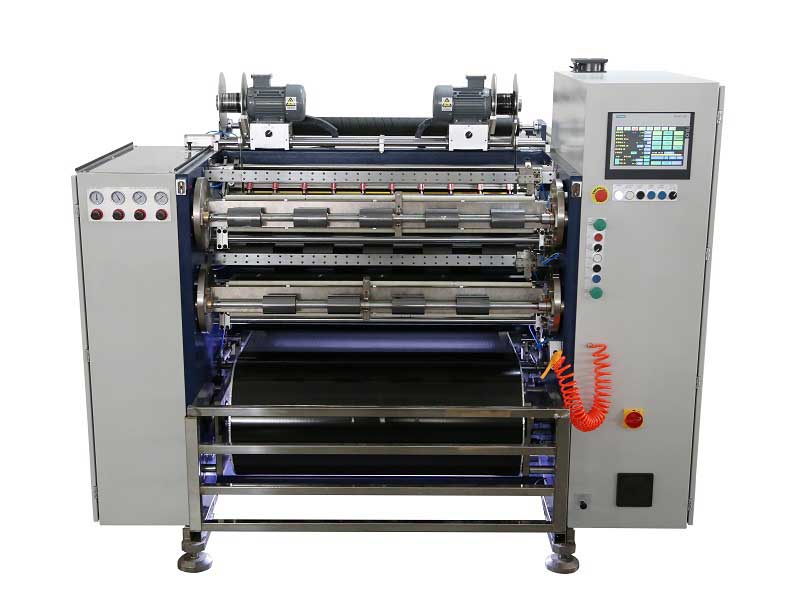 Automatic Thermal Transfer Ribbon Slitting Machine RSDS8 H PLUS
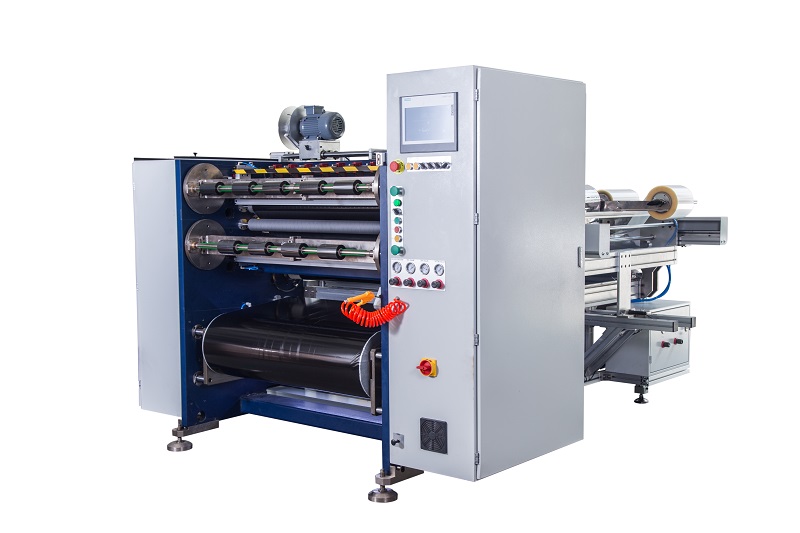 Semi Automatic Thermal Transfer Ribbon Slitting Machine RSDS5 PLUS
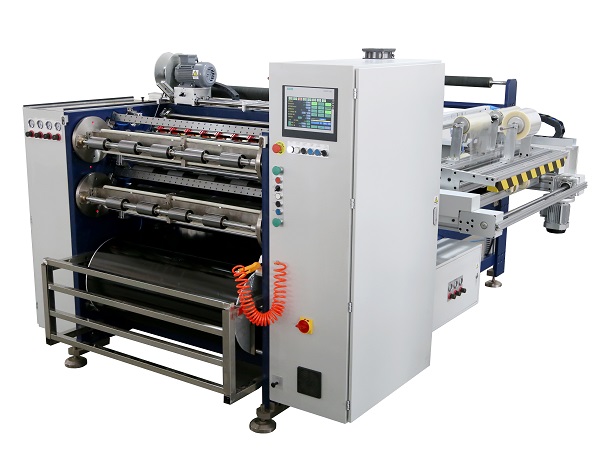 Automatic Thermal Transfer Ribbon Slitting Machine RSDS8 PLUS
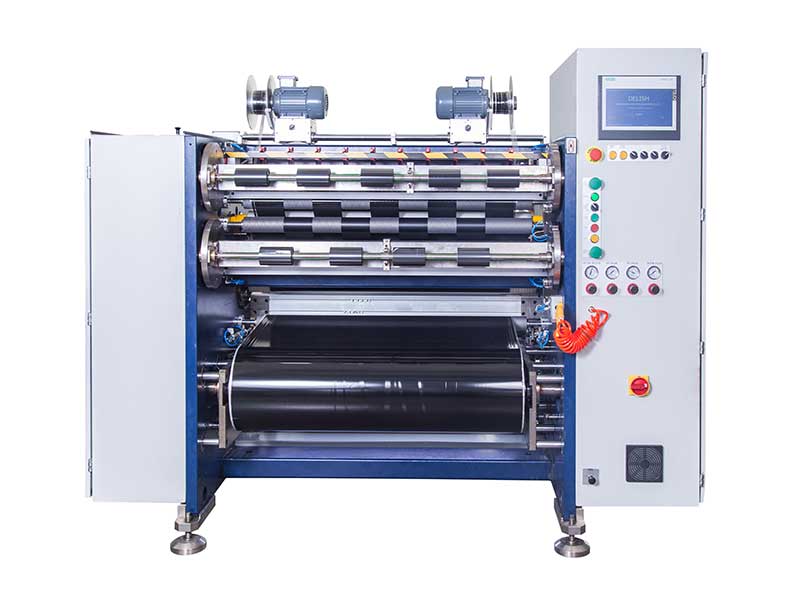 TTR Slitting Machine
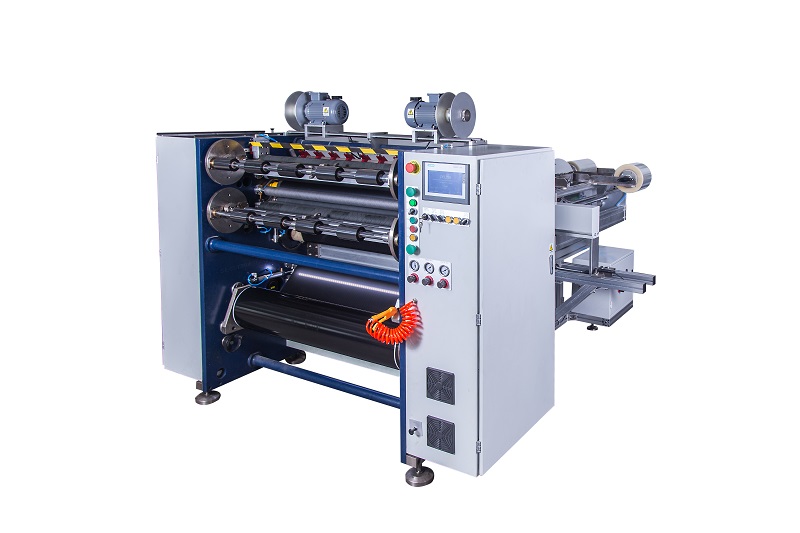 Semi Automatic Thermal Transfer Ribbon Slitting Machine RSDS1 PLUS
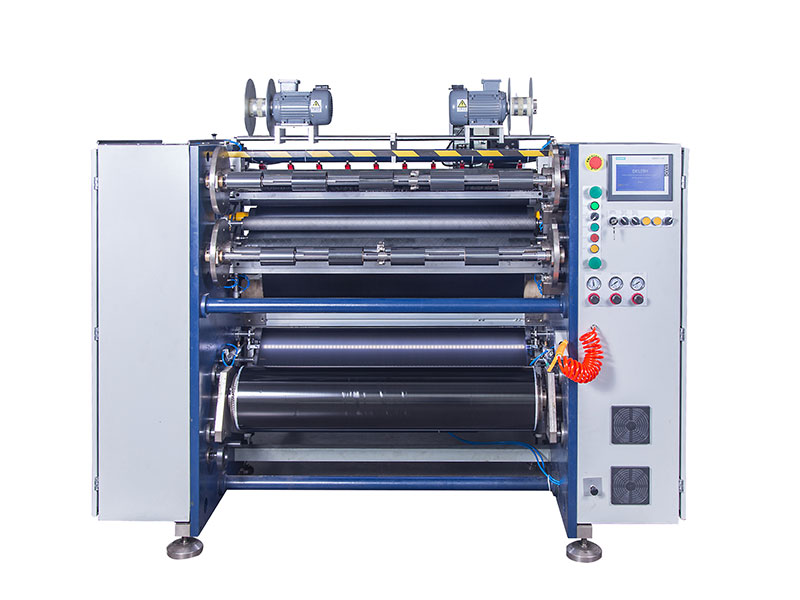 Ribbon Slitting Machine


 +86 135 9951 7291
 support@delishmachine.com