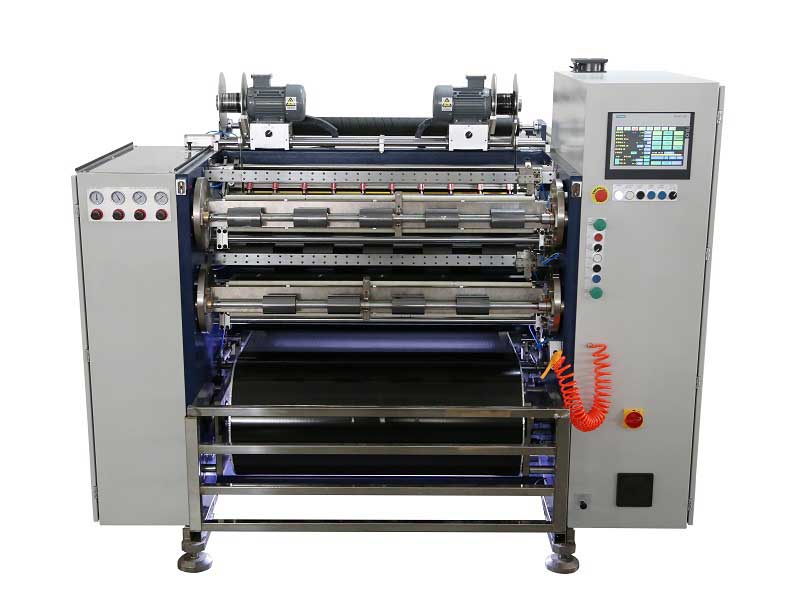
The ribbon slitting machine is a key piece of equipment in the production process of heat transfer ribbons, and its operational stability directly affects product quality and production efficiency. However, in actual use, slitting machines inevitably experience various malfunctions. This article summarizes the most common types of ribbon slitting machine faults and provides quick troubleshooting and troubleshooting methods to help operators resolve issues promptly and reduce downtime.
1. Uneven slitting end faces
Phenomenon description: After slitting, the ribbon edges are rough, wavy, or serrated.
Possible reasons:
1. Blade wear or chipping
2. Improper clearance between the blade and the bottom roller
3. Excessive fluctuation in ribbon tension
4. The winding shaft is bent or has poor dynamic balance
Quick resolution:
• Inspect blades; if wear or cracks are found, replace them immediately (recommended to inspect once per shift)
• Adjust the blade inrush amount, usually controlled between 0.01-0.03mm
• Check whether the tension sensor signal is stable and recalibrate the tension control system
• Use dial gauges to check the runout of the winding shaft; if it exceeds 0.05mm, it needs to be corrected or replaced
2. Misalignment of the roll
Phenomenon description: During winding, the ribbon shifts to one side, causing uneven cores.
Possible reasons:
1. The guide rollers are not parallel
2. The winding and unwinding reels are not parallel
3. Pneumatic correction system malfunction
4. The ribbon itself has a "crescent bend" defect
Quick resolution:
• Use a spirit level to check the parallelism of each guide roller and adjust it to within ±0.1mm/m
• Check whether the correction sensor is dirty, and clean the photoelectric or ultrasonic sensor probe
• Test whether the correction actuator (usually a cylinder or servo motor) operates sensitively
• If the issue is with the substrate itself, the slitting speed can be reduced and the correction sensitivity increased
3. Carbon ribbon breakage
Phenomenon description: During operation, the carbon belt suddenly breaks, causing shutdown.
Possible reasons:
1. Tension setting is too high
2. Burrs or foreign objects on the roller pass
3. Ribbon joints are not secure
4. Incorrect strap path causing excessive friction at one point
Quick resolution:
• Immediately check the current tension setting; reference tension ranges for ribbons of different specifications are: 3-5N for widths below 25mm, 6-10N for widths of 50mm
• Touch all roller surfaces by hand; if burrs are found, sand them with fine sandpaper; if adhesives are found, wipe them with alcohol
• Check the joints; if there is a joint issue, reconnect them to ensure joint strength
• Refer to the equipment strap diagram and re-thread the tape, paying attention to avoiding sharp angle paths
4. Inconsistent slitting widths
Phenomenon description: In the same batch of products, the width deviation of each roll of carbon ribbon exceeds tolerance (usually required ± 0.3mm).
Possible reasons:
1. Blade installation position is loose
2. Shaft locking mechanism failure
3. Insufficient dimensional accuracy of the spacer
4. Axial movement of the knife shaft during equipment operation
Quick resolution:
• After shutdown, measure the slitting width with a caliper to determine the fault location
• Check if the cutter shaft locking nut is loose, then retighten it to the specified torque
• Measure the actual dimensions of the spacers; replace any that exceeds the discrepancy immediately
• Use a micrometer to check the axial movement of the blade shaft; if it exceeds 0.02mm, the bearing needs to be adjusted or replaced
5. Abnormal curling hardness
Phenomenon description: After winding, the ribbon core is too hard, too loose, or chrysanthemum heart-shaped wrinkles appear.
Possible reasons:
1. Unreasonable winding tension curve
2. Uneven or missing pressure on the rollers
3. Improper setting of the winding shaft taper
4. Mismatch between initial tension and running tension
Quick resolution:
• Check the taper tension controller settings; usually, the taper value is set between 20% and 40%.
• Confirm whether the pressure at both ends of the pressure roller is balanced, test with a pressure gauge, and the difference should not exceed 0.05MPa
• Manually rotate the reel to feel for sticking or uneven resistance
• For products that have already encountered issues, try rewinding (set a lower initial tension)
6. Abnormal noise
Phenomenon description: The equipment emits periodic abnormal noises or sharp noises during operation.
Possible reasons:
1. Bearing damage
2. Poor gear meshing or lack of oil
3. Belt slippage or wear
4. Metal friction occurs somewhere
Quick resolution:
• Use a listening stick to locate the source of the noise
• Check bearing temperature; bearings that are overheated or feel vibrating by hand need to be replaced
• Check the gearbox oil level and replenish gear oil promptly below the lower limit
• If the belt slips, tighten or replace it appropriately
• Slight contact between the blade and the bottom roller can also produce high-frequency whistling and should be readjusted
Daily preventive measures
Quickly troubleshooting is important, but even more crucial is daily prevention:
1. Inspection every shift: blade condition, roller cleanliness, and air pressure system
2. Weekly maintenance: calibrate tension sensors, inspect couplings, and lubricate bearings
3. Monthly maintenance: Thoroughly check electrical wiring, test safety devices, replace worn blades
4. Establish a ledger: record each fault phenomenon, causes, and handling methods to form an experience base
Summary
The core of ribbon slitting machine fault handling is "observe first, judge later, and then take action." When encountering a fault, do not rush to disassemble it. Instead, first narrow the fault scope by observing the symptoms, then carry out targeted troubleshooting based on the logic provided in this article. Most common faults can be located and resolved within 15 minutes. For frequently occurring similar faults, the root cause should be traced. If tension fluctuations occur repeatedly, the tension control system should be repaired rather than just adjusting parameters.
By mastering the above troubleshooting methods, operators can quickly address most on-site issues and ensure the continuous and stable operation of the slitting process.
 English
 Deutsch
 Français
 Español
 Português
 日本語
日本語 русский
 한국어
한국어 عربي
عربي ภาษาไทย
 Tiếng Việt
 Italiano
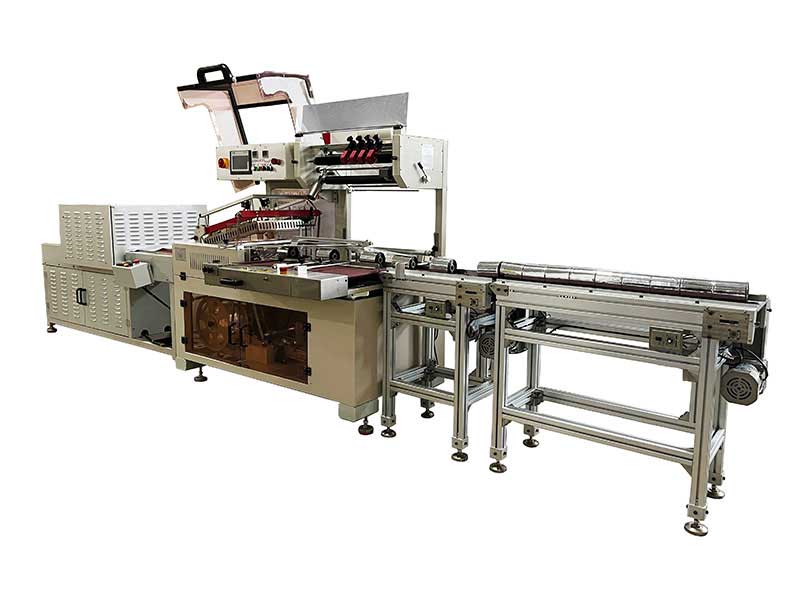 Thermal Transfer Ribbons Packaging Machine
 Automatic Thermal Transfer Ribbon Slitting Machine RSDS8 H PLUS
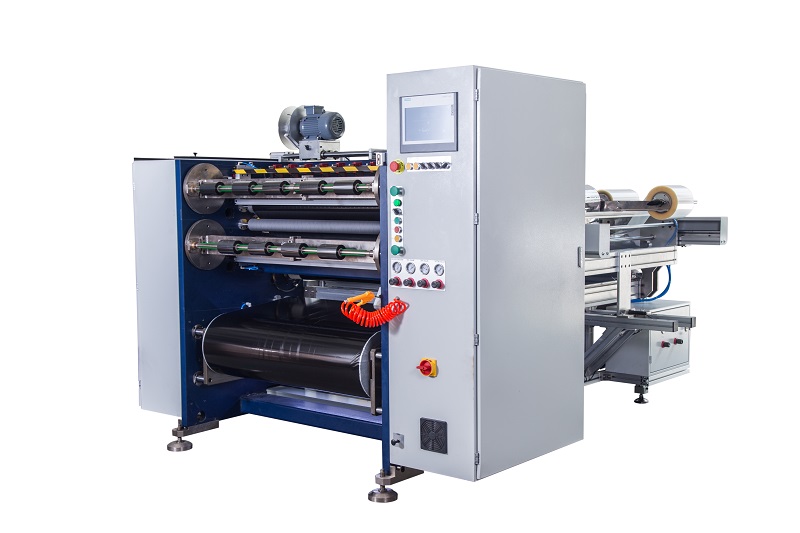 Semi Automatic Thermal Transfer Ribbon Slitting Machine RSDS5 PLUS
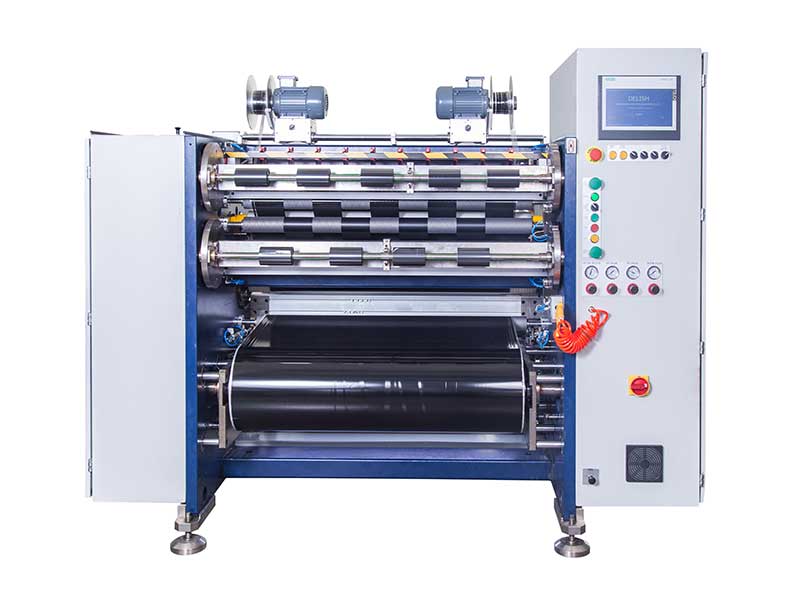 TTR Slitting Machine
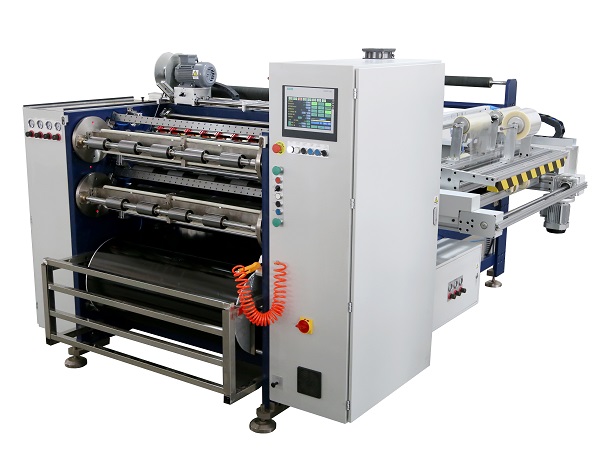 Automatic Thermal Transfer Ribbon Slitting Machine RSDS8 PLUS
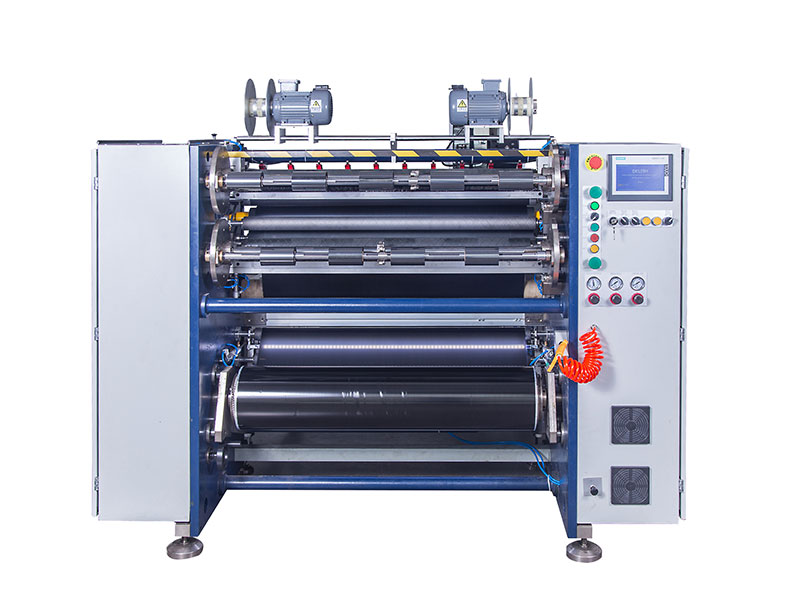 Barcode Ribbon Slitting Machine
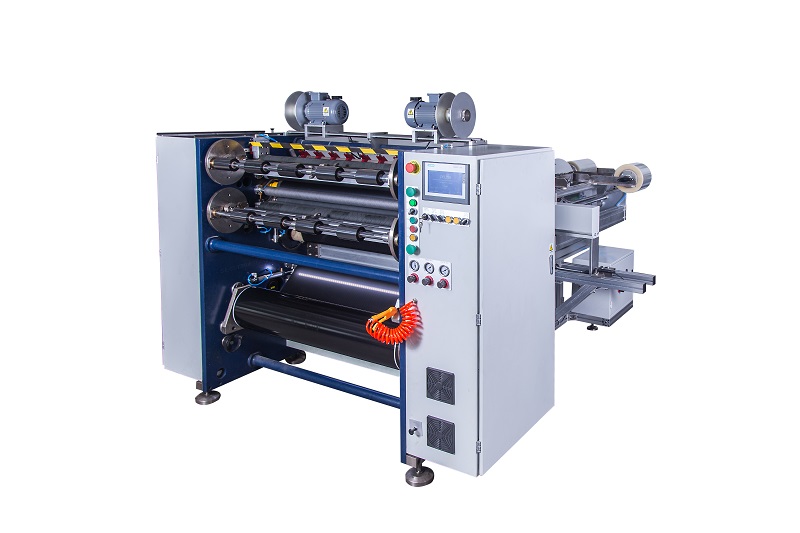 Semi Automatic Thermal Transfer Ribbon Slitting Machine RSDS1 PLUS
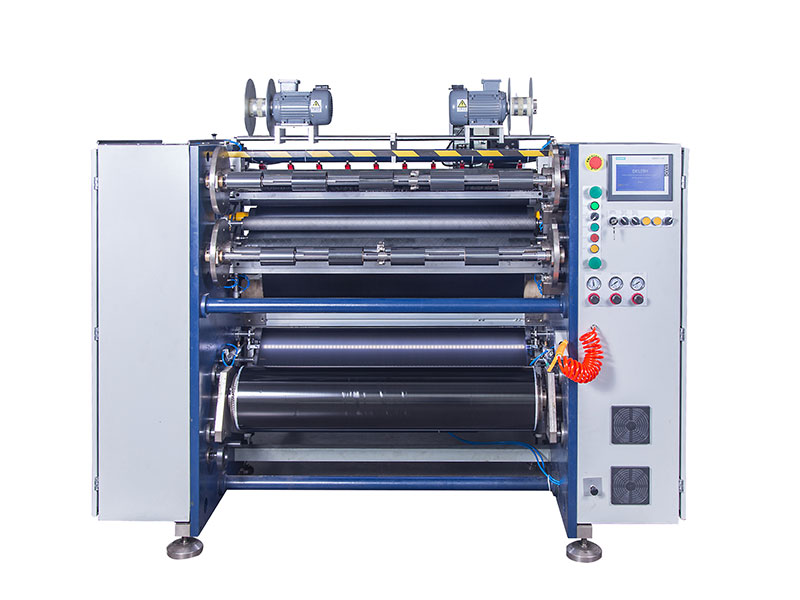 Ribbon Slitting Machine


 +86 135 9951 7291
 support@delishmachine.com