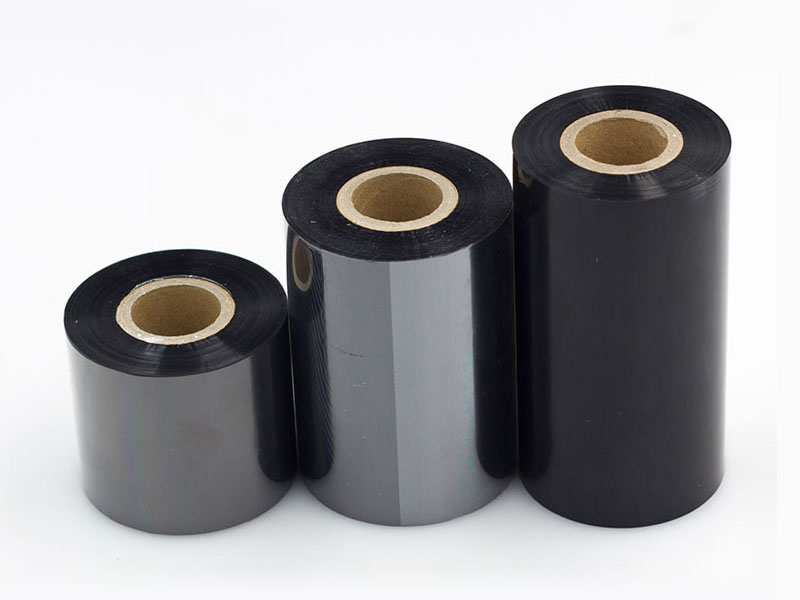
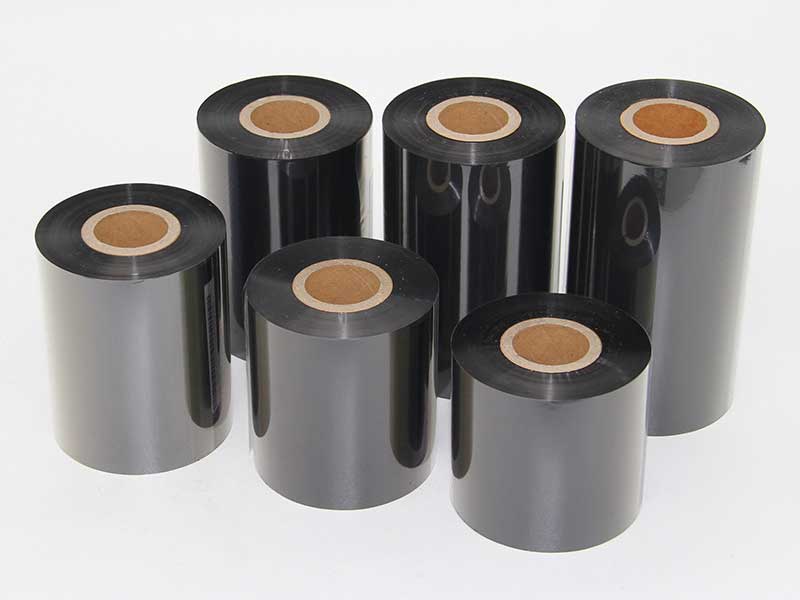
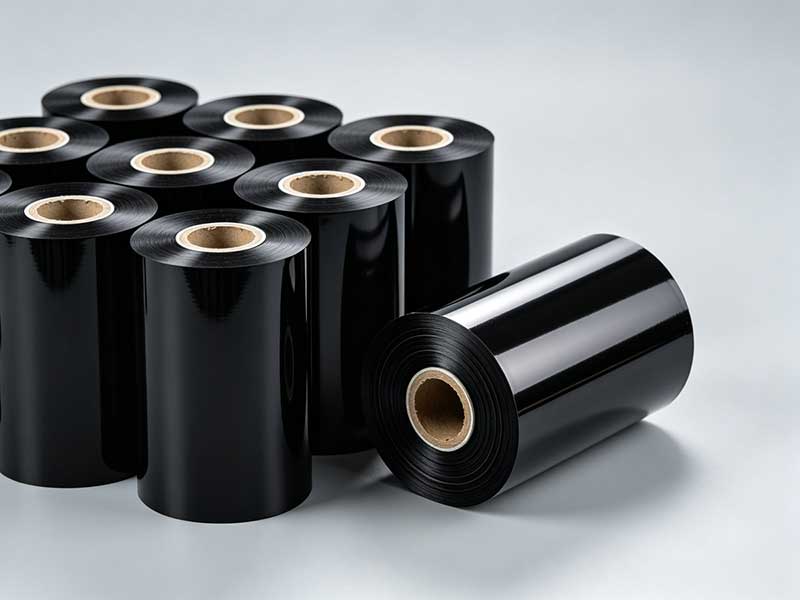
In the production process of thermal transfer ribbons, slitting is a critical step, and the issue of misalignment during winding is one of the most frustrating faults for operators. Once the winding shifts, it not only affects the appearance of the finished product but also leads to ribbon wrinkles, uneven edges, and even the entire roll may be scrapped. Let's analyze seven common causes of this problem.
1. The end face of the raw material film itself is not uniform
If the end face of the incoming large roll already has wavy edges, bell mouths, or irregular offsets, then even if the equipment is in normal condition during slitting, it will be difficult to align the winding during slitting. The initial deviation of the base film will gradually increase during the slitting process and ultimately be reflected in the finished roll.
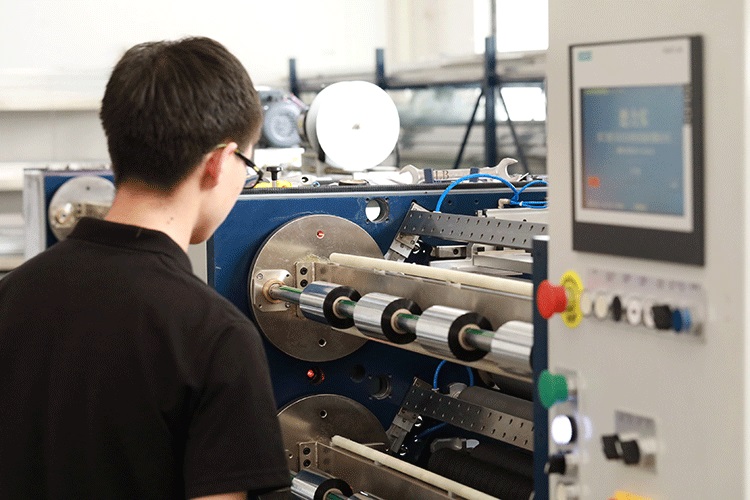
2. Excessive fluctuation in unwinding tension
Unstable unwinding tension is an important cause of deviation. When tension fluctuates between high and low, the film surface will swing laterally before entering the slitting unit. Common causes of tension fluctuations include: air leakage in the expansion shaft, aging of the magnetic powder clutch, wear of brake pads, or improper parameter settings in the tension control system.
3. The winding tension does not match the pressure of the rollers
Good coordination is required between the winding roller and the contact pressure roller. If the winding tension is too high, the film layer is pulled too tight, causing the edges to warp and shift; If the tension is too low, the roll core becomes loose and cannot be maintained neatly. Uneven pressure on the roller causes one side of the film surface to be tight and the other loose, forming a tapered roll.
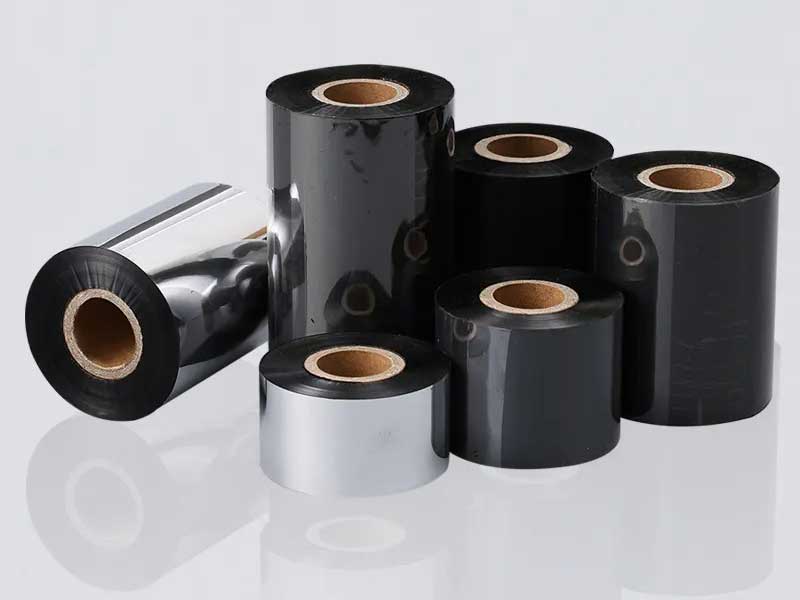
4. Wear between the tool groove roller and the bottom blade
The core of the slitting unit is the fit between the slot roller and the circular blade. When wear pits appear on the surface of the tool groove roller, or when the bottom blade (lower blade) becomes blunt and notched, the cut film edge will have burrs or fine serrations. These irregular edges interfere with each other during winding, gradually pushing the following film layer off.
5. The parallelism of all guide rollers exceeds the standard
Between unwinding and rewinding, there are usually multiple guide rollers, spreading rollers, and transition rollers. If the axis of any roller is not parallel to the equipment reference line, a lateral component force will be applied to the membrane surface, causing the membrane to continuously crawl to one side. Special attention should be paid to rubber pressure rollers, where uneven wear of the rubber layer can also disrupt parallel conditions.
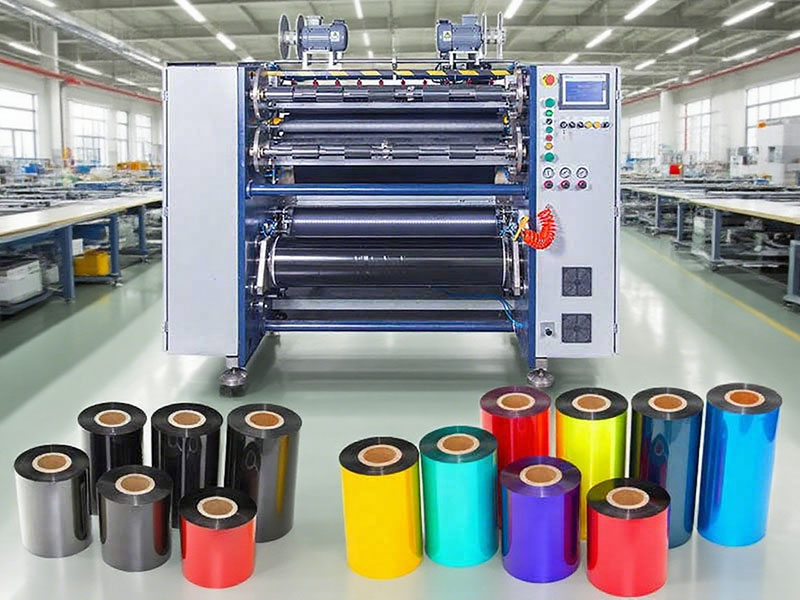
6. Rolling paper tube or expansion shaft runout
If the paper tube used for winding has poor roundness, an unvertical end face, or if the gas expansion shaft itself is bent or the bearing clearance is too large, periodic oscillation during winding will occur. This mechanical runout causes each film layer to shift slightly, accumulating into obvious tower or serpentine misalignment.
7. Electrostatic interference
thermal transfer ribbons mostly use polyester film substrates, which have high insulation and are prone to static electricity during slitting. Static electricity causes the film layers to repel or adhere to each other, causing the film surface to float unpredictably. Especially in dry seasons or low-humidity workshops, static-induced deviation often manifests as irregular left-right swaying, which is difficult to eliminate through mechanical adjustments.
Conclusion
Rolling deviations are rarely caused by a single reason; more often, it results from multiple factors combined. It is recommended to proceed from simple to complex during inspection: first check the paper tube, gas expansion shaft, and tension parameters, then measure the parallelism of each roller, and finally observe the quality of the film edge cutout. At the same time, installing static elimination rods and keeping workshop humidity between 50%~60% can significantly reduce deviation. We hope that the review of these seven directions will help you quickly pinpoint the root causes of problems in actual production.
 English
 Deutsch
 Français
 Español
 Português
 日本語
日本語 русский
 한국어
한국어 عربي
عربي ภาษาไทย
 Tiếng Việt
 Italiano
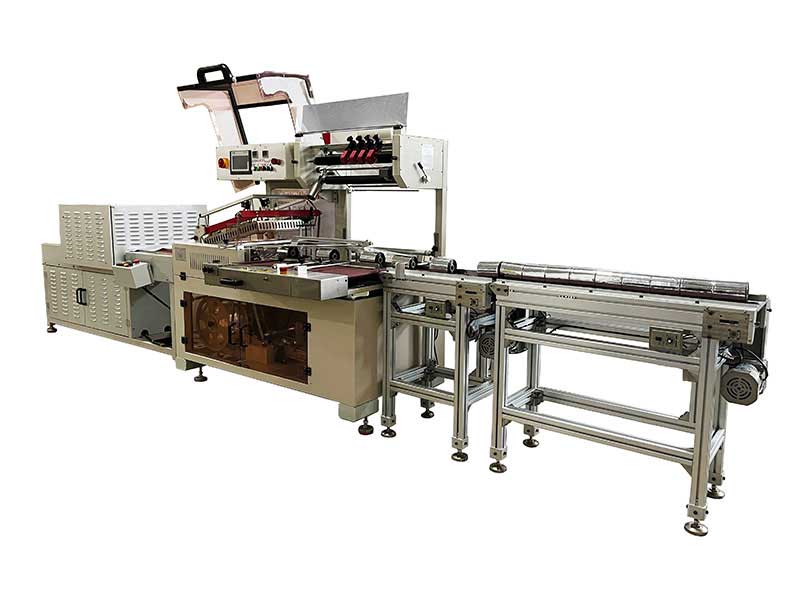 Thermal Transfer Ribbons Packaging Machine
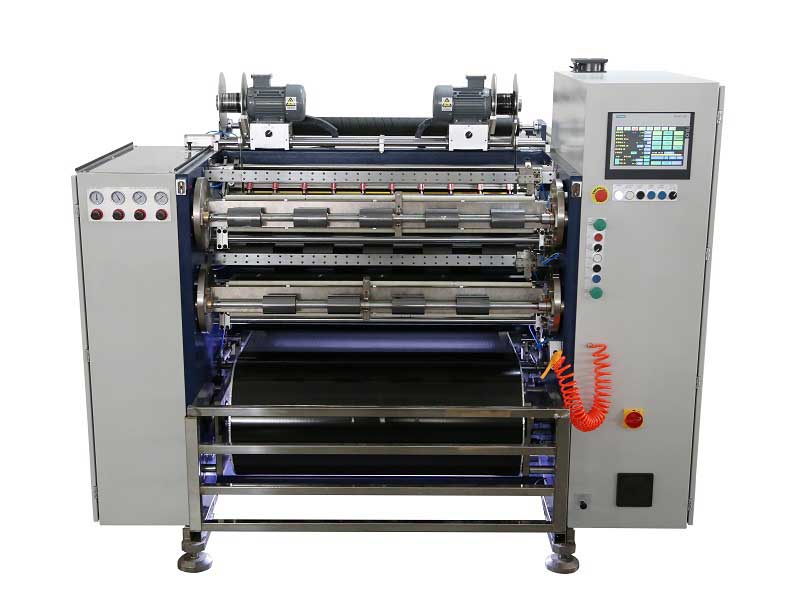 Automatic Thermal Transfer Ribbon Slitting Machine RSDS8 H PLUS
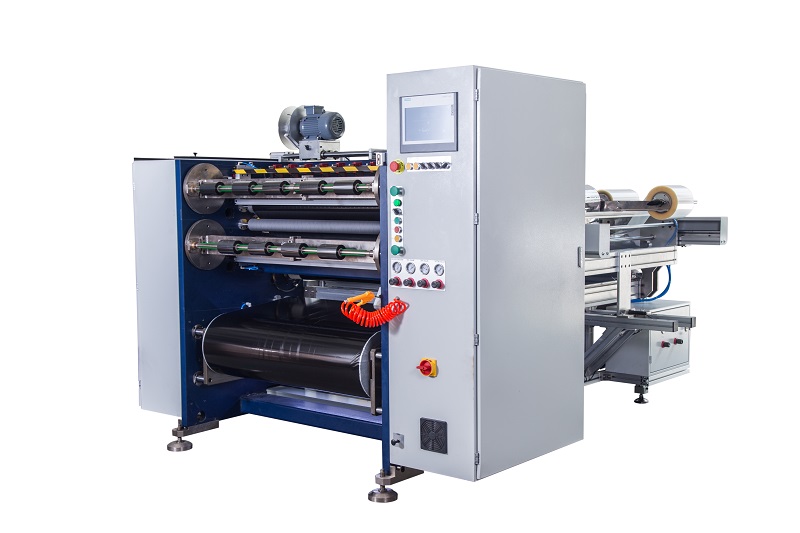 Semi Automatic Thermal Transfer Ribbon Slitting Machine RSDS5 PLUS
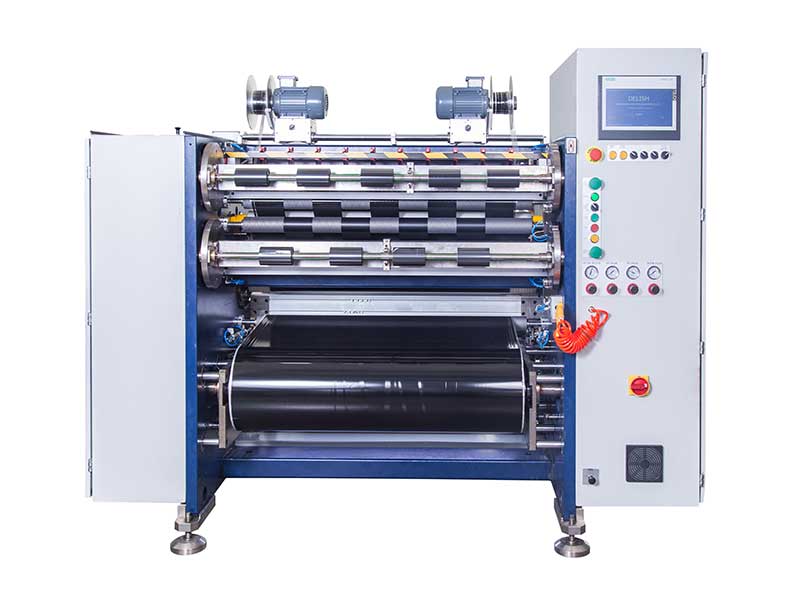 TTR Slitting Machine
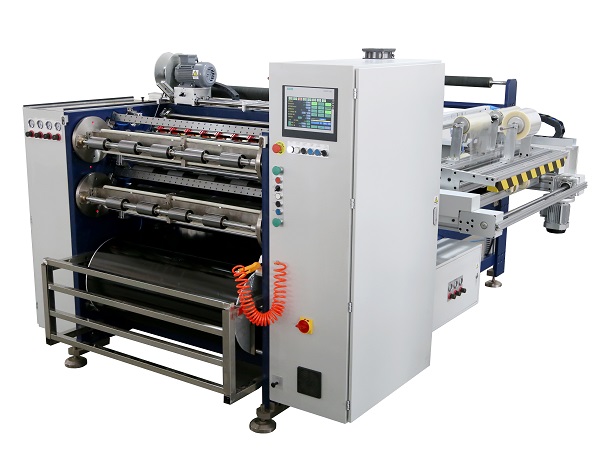 Automatic Thermal Transfer Ribbon Slitting Machine RSDS8 PLUS
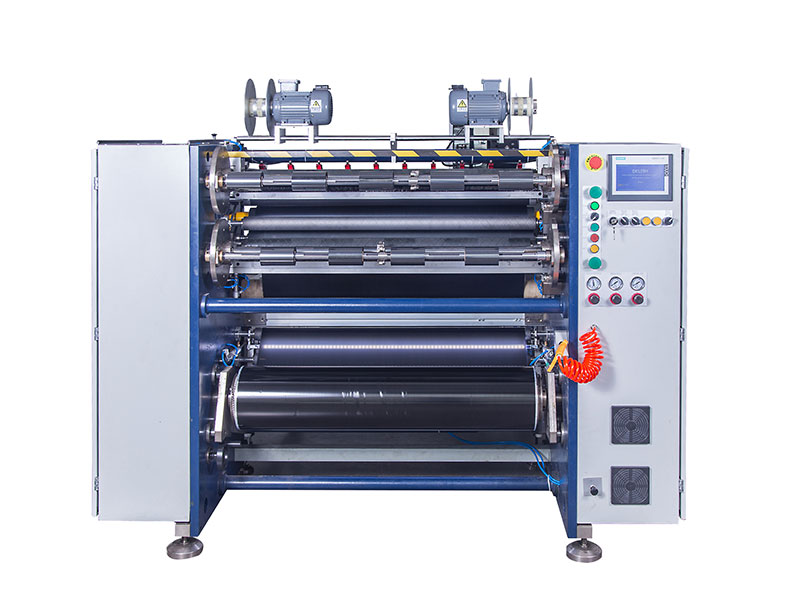 Barcode Ribbon Slitting Machine
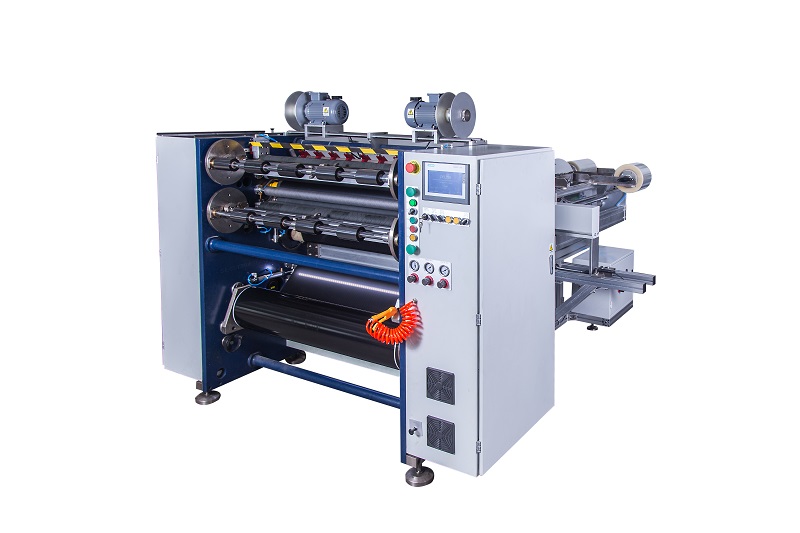 Semi Automatic Thermal Transfer Ribbon Slitting Machine RSDS1 PLUS
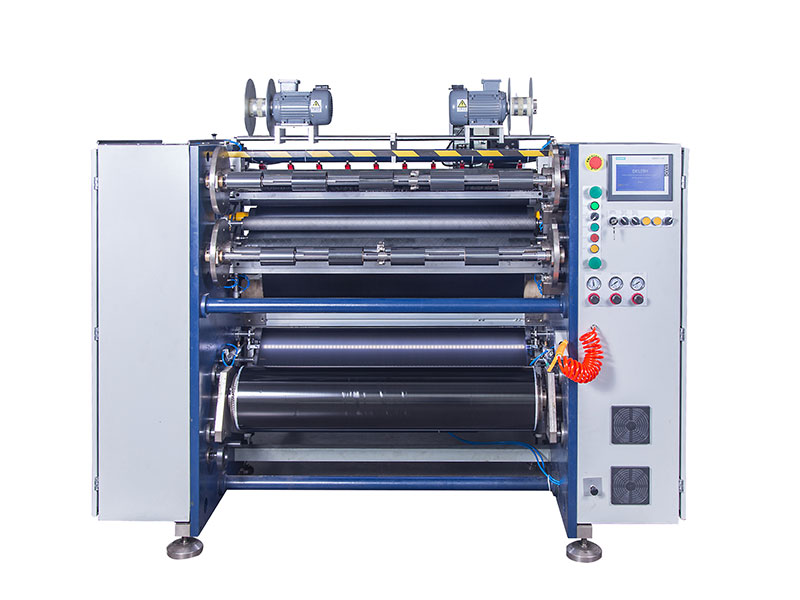 Ribbon Slitting Machine


 +86 135 9951 7291
 support@delishmachine.com