In the production process of thermal transfer ribbons, slitting is one of the key processes that determine the quality of the final product. However, many manufacturers encounter a tricky problem: winding up the layers. The chaotic layer directly leads to the scrapping of the ribbon, and one of the main causes is static electricity.
Why does static electricity cause messy layers? How to effectively eliminate it? This article will systematically analyze the causes and provide proven solutions.
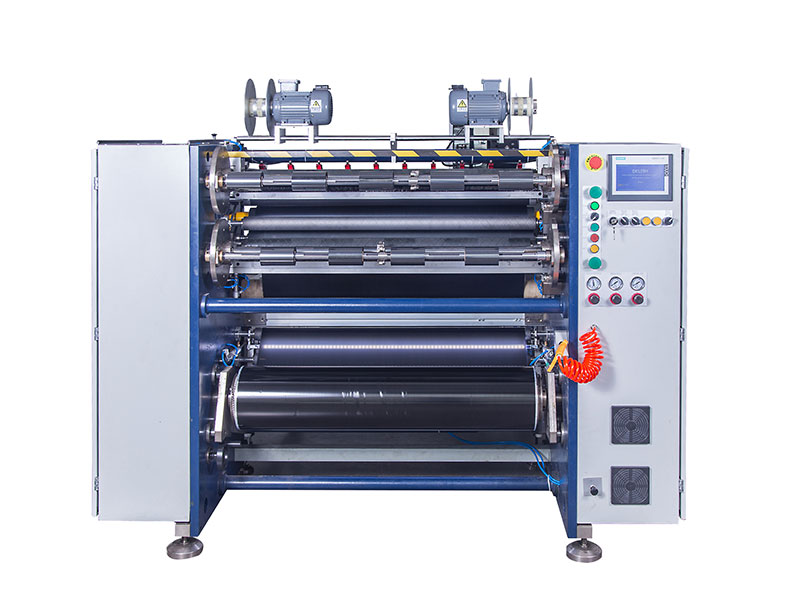
1. Why does static electricity cause winding chaos?
To solve a problem, we must first understand the mechanism. Heat transfer ribbons are usually composed of multi-layer structures such as PET film, back coating, and ink layer, and PET itself is a good insulator.
When the slitting machine is running at high speed (common speed is 150-300 m/min), severe friction and peeling occur between the film and the slitting knife, over roller, and pressure roller, and electron transfer forms an electrostatic charge. Since the material is not conductive, the charge cannot be released quickly and accumulates on the surface of the film.
The chaotic layer caused by static electricity is mainly reflected in two aspects:
1. The same charge repels each other and causes interlayer slippage: the same charge of the film strip repels each other. When the charge density near the winding core is too high, the repulsive force between the layers of film will cause it to slip laterally or spread outward like a "horn", forming an uneven and protruding end face visible to the naked eye, that is, a chaotic layer.
2. Adsorption of airborne impurities to form "micro-bumps": The charged film adsorbs fibers, dust, and debris in the surrounding air. These tiny impurities are entangled in the winding layers, forming local highs, and the subsequent tension cannot be flattened, gradually evolving into hard blocks or folds, destroying the neat arrangement.
In addition, static electricity can also cause problems such as operating shock, safety hazards (igniting solvents), etc.
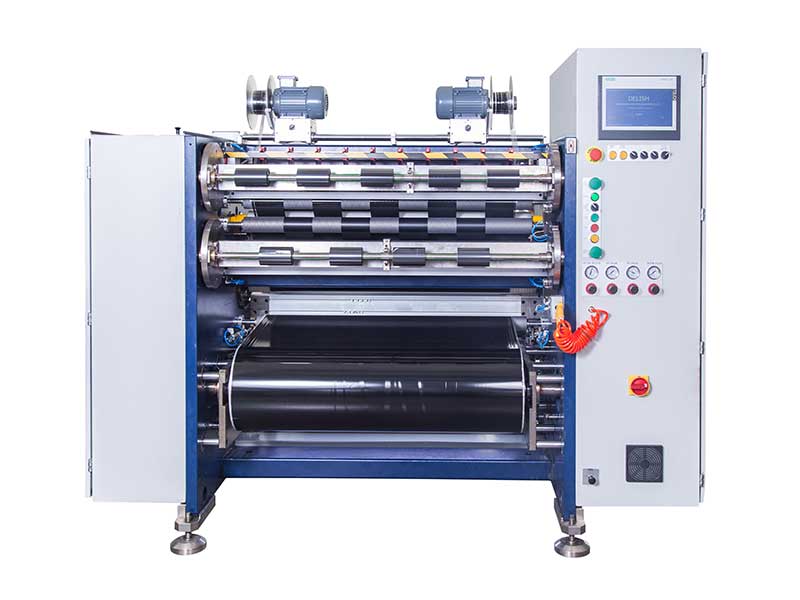
2. Key technical measures to eliminate static electricity and eradicate chaotic layers
Start from the two directions of "discharge" and "neutralization" to build a systematic solution.
1. Active Static Eliminator (Most Effective Measure)
Passive types (e.g., copper brushes, conductive brushes) have limited effectiveness and cannot cope with high-speed charges. Active ion rods are the core equipment.
• Principle: Generate positive and negative ions through high-pressure ionized air, which are sprayed onto the surface of the film to neutralize excess electrostatic charge.
• Selection and installation points:
◦ AC/Pulsed DC ion rods: Pulsed DC type is preferred. Its large ion output and good balance (ion equilibrium ≤± 50V) make it suitable for high-impedance materials such as PET.
◦ Mounting location: There are two most critical mounting points:
▪ After the slitting knife holder, before winding: the film has just been cut and has the highest charge density, where the neutralization is best.
▪ Between the last roller and the winding core: make sure that the film entering between the winding layers is close to electrically neutral.
◦ Distance: The effective area of the ion rod is usually 10-50mm away from the film, and touch should be avoided. The ion rod needs to match the width of the film or be slightly wider.
◦ Routine maintenance: Regularly clean the emission needle and surface dust of the ion rod, otherwise the neutralization efficiency will be greatly reduced.
2. Static Elimination Brush (Contact Assist Solution)
In more demanding occasions or as an auxiliary means, ultra-fine conductive fiber brushes (such as copper wire, carbon fiber) can be used.
• Correct usage: Gently place the conductive brush on the uncoated surface of the film (back coating) and ground it well. Pay attention to the contact pressure should not be too large, otherwise it is easy to strain the film or cause scratches.
• Limitations: Mechanical contact generates frictional heat, which can cause film deformation at high speeds, so it is often used as a complement to ion rods.
3. Equipment grounding and equipotential connection (basic premise)
All metal passers, guide rollers, rewinding shafts, and frames must be reliably connected to the earth, and the grounding resistance should be less than 4 ohms. This is the physical pathway for electrostatic discharge. A common misconception is to ignore the grounding of the slitting circular knife - the blade rotates at high speed to cut the film, and it will also generate a lot of electricity, so it should be grounded by a conductive slip ring or a grounding carbon brush.
4. Ambient Humidity Control (Underestimated Factor)
When the relative humidity of the workshop is less than 40%, the surface resistivity of PET film rises sharply, and the static charge is extremely difficult to dissipate.
• Optimal humidity range: 50% ~ 65% RH. At this humidity, the surface of the film adsorbs a trace amount of moisture to form a conductive layer, which is conducive to the natural leakage of electric charge.
• Implementation method: install an industrial humidifier, but avoid spraying water mist directly into the winding area to avoid moisture absorption and deformation of the ribbon. At the same time, ensure uniform temperature and humidity.
5. Matching of winding process parameters
Even if the static electricity is well eliminated, the unreasonable winding process will induce messy layers. Adjustments are required:
• Reduce winding tension: When static electricity causes slippage between layers, higher tension will aggravate unevenness. "Taper tension control" should be used - as the coil diameter increases, the retraction tension should be gradually reduced so that the inner layer is not crushed.
• Optimize the pressure and material of the roller: The pressure of the rewinding roller should be uniform and moderate, and it is easy to extrude the static escape channel if it is too large, but it will increase friction. The surface of the roller should be made of anti-static rubber or conductive polyurethane.
• Control the slitting speed: In the commissioning stage, the speed can be reduced to 100-150 m/min, and then gradually increased after the static elimination scheme is effective.
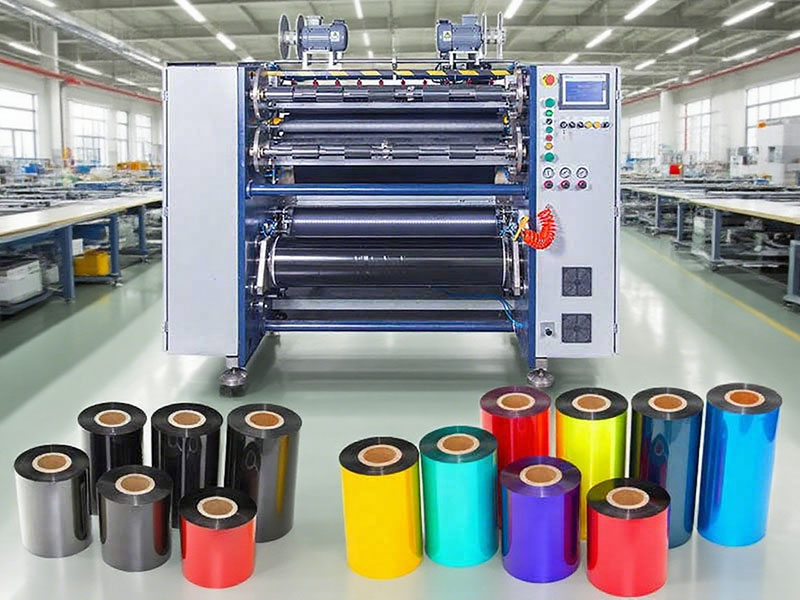
3. Actual combat investigation steps and cases
When a retraction layer occurs, it is recommended to troubleshoot in the following order:
1. Verify the presence of static electricity: Use an electrostatic tester (such as Simco FMX-004) to measure the electrostatic voltage on the film surface after slitting and before winding. Normally, it should be less than 500V, if it exceeds 2-5kV, it is serious static electricity and must be treated.
2. Check the grounding system: Measure the rack's ground resistance with a multimeter, ensuring it is less than 4 ohms. Check whether the ion rod high voltage power supply is working properly (observe the indicator light/listen to the discharge sound).
3. Check the Ion Wand Status: Clean the launch needle and try again. If it fails, it may be a high-voltage module that needs to be replaced.
4. Adjustment process: After the static electricity elimination is effective, the taper tension curve is recalibrated (the starting point tension can be set to 40%-60% of the full roll tension).
5. Environmental adjustment: Check the humidity in the workshop, if it is less than 45%, start the humidifier to about 55% for trial operation.
Real case: A ribbon factory uses a brand of slitting machine with a speed of 250m/min, and there are frequent chaotic layers on the end face of long coils of more than 3000 meters in winter, and the electrostatic tester reads up to 8kV. Scheme: (1) Install a set of pulsed DC ion rods (length 1600mm) after the tool holder and before winding; (2) Increase the humidity of the workshop from 30% to 55%; (3) The winding tension is changed from constant 18N to the starting 15N and the taper is 30%. After implementation, the electrostatic reading dropped below 200V, and the defective rate of the random layer was reduced from 12% to less than 1.5%.
4. Summary
The fundamental crux of the winding and messy layer of the thermal transfer belt slitting machine is often static electricity. The solution is not a single measure, but a comprehensive system:
• Core: Active ion rod + reliable grounding + reasonable humidity (50-65%)
• Auxiliary: electrostatic brush, taper tension control, anti-static voltage roller
• Principle: first discharge, then neutralization, and then process optimization
Eliminating static electricity is not difficult, the key lies in system troubleshooting and continuous maintenance. Once static electricity is effectively controlled, you will find that the neatness of the winding end, ribbon yield and operational safety will be qualitatively improved. This is also important for improving the consistency of thermal transfer ribbons and reducing the risk of broken bands or cassettes during printing.
 English
 Deutsch
 Français
 Español
 Português
 日本語
日本語 русский
 한국어
한국어 عربي
عربي ภาษาไทย
 Tiếng Việt
 Italiano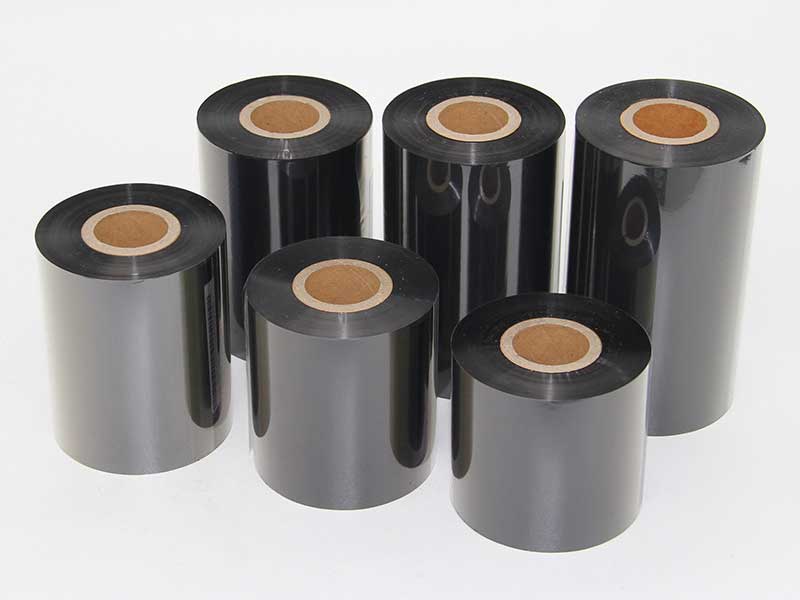
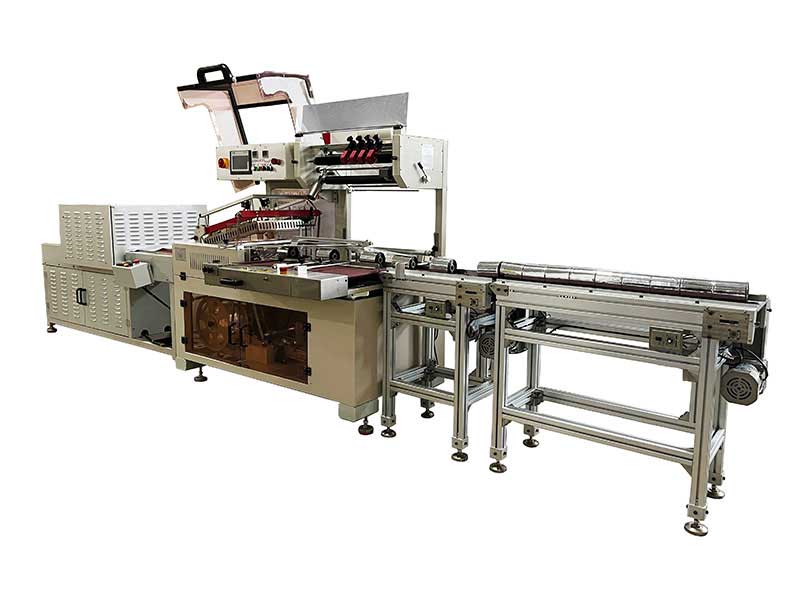 Thermal Transfer Ribbons Packaging Machine
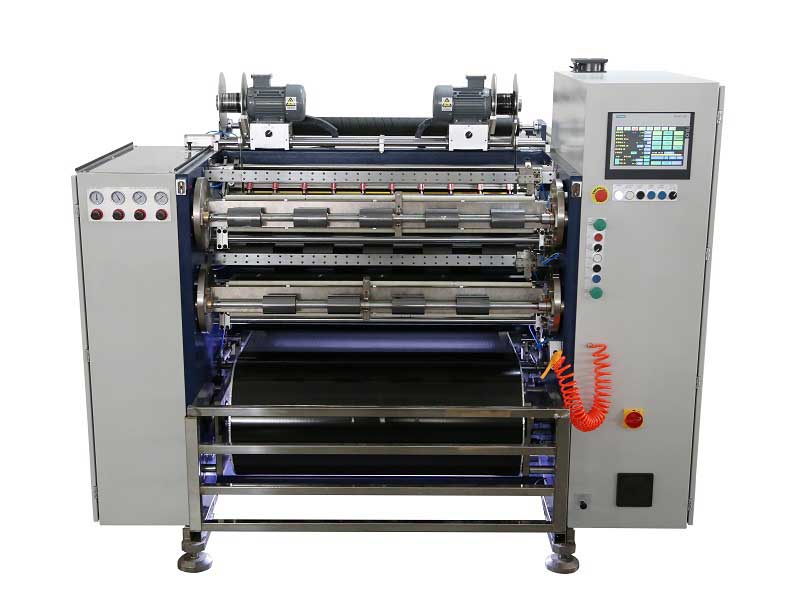 Automatic Thermal Transfer Ribbon Slitting Machine RSDS8 H PLUS
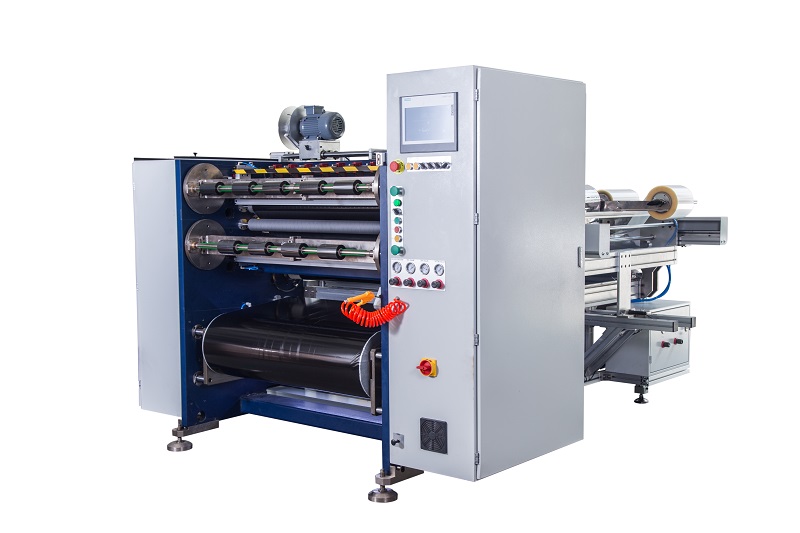 Semi Automatic Thermal Transfer Ribbon Slitting Machine RSDS5 PLUS
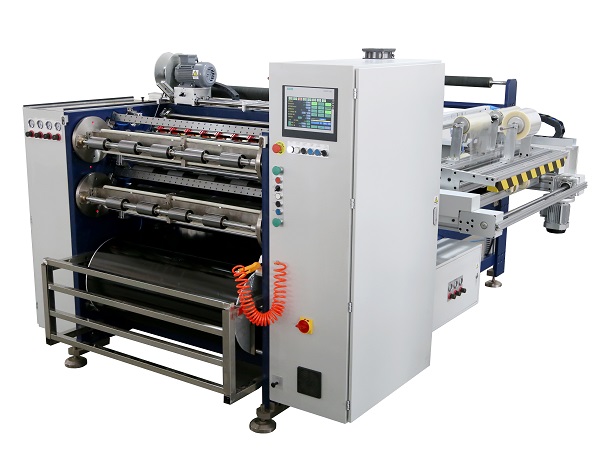 Automatic Thermal Transfer Ribbon Slitting Machine RSDS8 PLUS
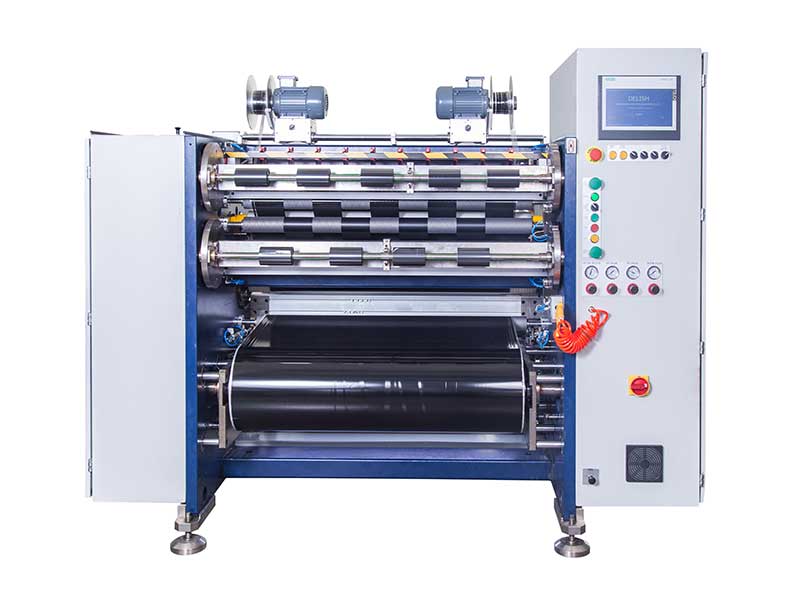 TTR Slitting Machine
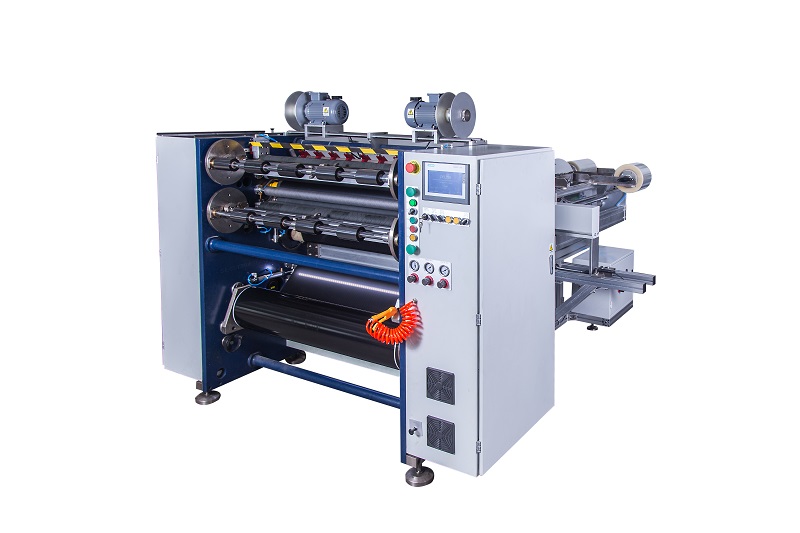 Semi Automatic Thermal Transfer Ribbon Slitting Machine RSDS1 PLUS
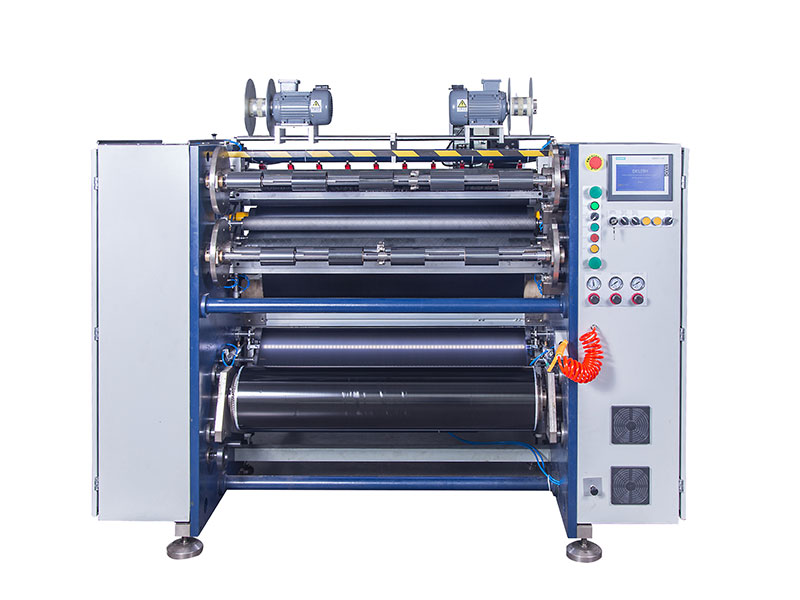 Ribbon Slitting Machine


 +86 135 9951 7291
 support@delishmachine.com