In the field of barcode printing, the quality of high-end barcode ribbons directly affects the printing effect and readability of barcodes. With the improvement of industrial automation, the market has put forward more and more stringent requirements for ribbon slitting accuracy, surface quality, and electrostatic control capabilities. As a key equipment for processing wide master coils into final finished rolls, the application of anti-scratch and anti-static technology has become the core link in determining the quality of high-end ribbons.
1. Special requirements for high-end barcode ribbon slitting process
High-end barcode ribbons typically feature different coating structures such as wax-based, wax-tree hybrid, and resin-based, with ink layers and backcoats only at the micron level thickness. During the slitting process, any minor mechanical contact, friction, or electrostatic discharge can cause:
• Coating scratches: White lines, broken lines, or uneven ink transfer during printing
• Electrostatic adsorption dust: The surface of the finished roll is mixed with particles, which affects the printhead life and print clarity
• Electrostatic ignition: damage the sensitive coating of the ribbon and even cause safety hazards
• Uneven end faces: Affects the smoothness of the automatic labeling machine or printer's winding and belt walking
Therefore, slitting machines must minimize physical contact wear and static build-up while ensuring accuracy.
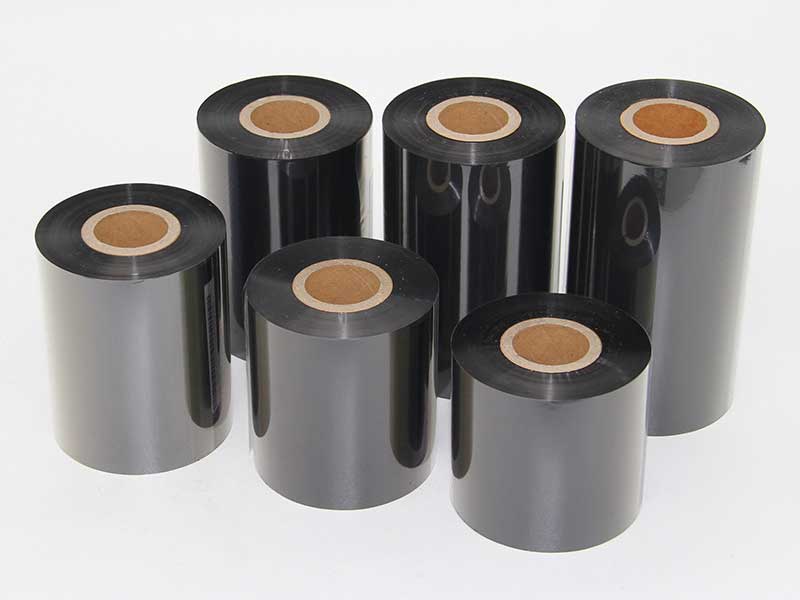
2. Key application points of anti-scratch technology
1. Over-roll surface treatment and material selection
The ribbon passes through multiple guide, tension, and rewind rollers in the slitting path. The first measure to prevent scratches is to optimize the surface of the roller:
• Super mirror processing: the roughness of the roll surface is controlled below Ra 0.05μm to reduce the scratch of the coating by microscopic bulges
• Use low-friction coatings, such as ceramic, diamond-like or Teflon coatings, to reduce the coefficient of sliding friction between the ribbon and the roll surface
• Roll surface hardness matching: The surface hardness of the roller should be higher than that of the ribbon back coating, but it should not be too high to avoid wear and tear
2. Selection and maintenance of slitting blades
The slitting blade is a critical component that directly touches the edge of the ribbon:
• Use a round knife or razor blade: Choose the appropriate blade type based on the ribbon material. Resin-based ribbons should use high-hardness tungsten steel round knives, while wax-based ribbons can use high-precision razor blades
• Real-time online sharpening: High-end slitting machines are equipped with automatic sharpening devices to keep the blade edge sharp and prevent blunt knives from straining the coating
• Precise control of knife cutting angle: Adjust the cutting angle and pressure of the blade through servo to avoid over-extrusion leading to coating warping
3. Non-contact tension control
The mechanical movement of contact tension sensors (e.g., floating rollers, pendulum rollers) may scratch the surface of the ribbon. Modern high-end slitting machines adopt:
• Laser or ultrasonic non-contact ranging: real-time monitoring of coil diameter changes, closed-loop control of unwinding and rewinding torque
• Air flotation guide: Compressed air is used to form an air film between the ribbon and the guide roller for completely non-contact transmission
4. Optimization of edge-oriented systems
Sensors in EPC (Edge Position Control) systems are usually photoelectric, but contact between the guide plate and the edge of the ribbon can still cause scratches. Should be selected:
• Non-contact ultrasonic edge sensor
• Limit baffles with soft padding (e.g. polyurethane or felt materials)
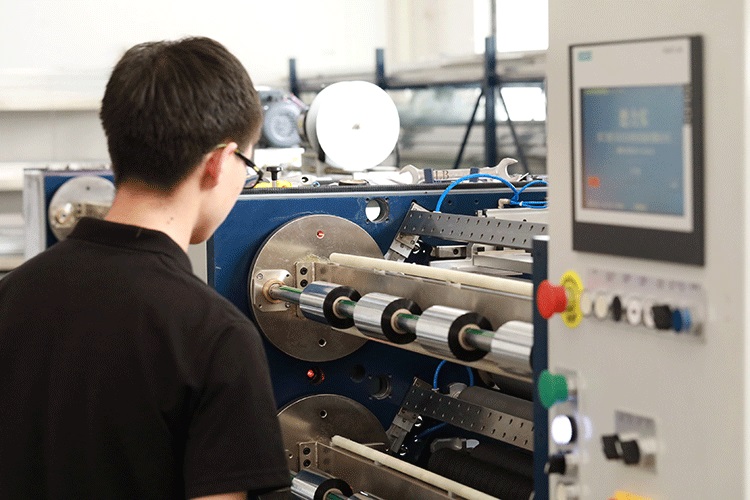
3. Core measures of anti-static technology
High-end ribbons mostly use PET film as the substrate, and their surface resistivity is high (up to 10¹²~10¹⁵Ω), which is very easy to generate static electricity in high-speed slitting. Static electricity not only absorbs dust, but also interferes with the tension sensor signal, and in severe cases, corona discharge damages the coating.
1. Passive static elimination
• Conductive rollers: Use metal rollers (such as aluminum rollers or stainless steel rollers) and ground them reliably to guide the static electricity generated by the carbon belt walking in time. To prevent scratches, the surface of the conductive roller can be hard chrome plated and polished
• Carbon Fiber Brush: Install a grounded carbon fiber brush at key points in the ribbon path (e.g., after unwinding, before rewinding) to gently contact the uncoated surface of the ribbon to release static electricity
2. Active static neutralization
For high-speed slitting (usually 200~500m/min), the passive method is often insufficient, and an active static eliminator is required:
• AC corona electrostatic rods: generate positive and negative ion pairs to neutralize the static electricity on the surface of the ribbon. The installation position should be 5~15mm away from the ribbon and avoid the vicinity of the blade to prevent ignition
• Pulsed DC static eliminator: Compared to the AC type, it has a higher ion balance (<±30V), making it more suitable for high-resolution ribbons that are sensitive to static electricity
• Explosion-proof static eliminator: For solvent-based coated ribbons, an intrinsically safe explosion-proof design is required
3. Ambient humidity control
Static electricity generation is closely related to workshop humidity. It is recommended that the humidity of the slitting workshop be controlled at 45%~55%RH, and a local ion air device should be installed if necessary to maintain the ion balance on the ribbon path.
4. Grounding system integrity
All metal parts of the slitting machine (frame, passing roller, tool holder, rewinding shaft) must be grounded at an equal potential, and the grounding resistance is less than 1Ω. At the same time, operators need to wear anti-static wristbands or anti-static shoes to avoid the discharge damage of human static electricity to the ribbon.
4. Collaborative optimization of slitting process parameters
Anti-scratch and anti-static are not isolated measures, but are highly related to slitting parameters:
| Parameters | Recommended range: | Effect on scratch/anti-static |
| Slitting speed | 150~250m/min | Excessive speeds increase the risk of static buildup and vibration scratches |
| Winding tension | 8~15N/m (according to the width of the carbon band) | Excessive tension will aggravate friction and scratching, and too small can easily cause the core to loosen |
| The pressure of the rewinding roller | 0.2~0.4MPa | Too large indentation damages the coating, too small cannot discharge the air between the layers |
| Ambient temperature | 22~26℃ | Too high a temperature causes the coating to soften and scratch more easily |
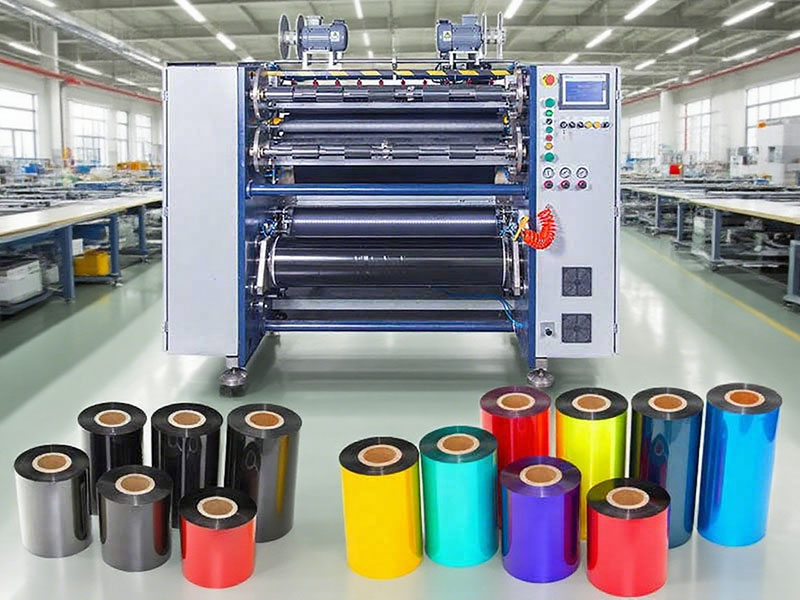
5. Quality testing and verification methods
Strict quality confirmation is required after high-end ribbon slitting:
1. Scratch detection: Use a high-magnification microscope (50~100x) to sample the ribbon coating surface, or check the printed white lines through special printing test patterns (such as all black blocks, fine line arrays).
2. Electrostatic residue test: Use an electrostatic tester (such as an electrostatic field meter) to measure the electrostatic potential on the surface of the finished coil after winding, requiring <± 500V
3. End face quality inspection: Visually under a standard light source or using a CCD inspection system to confirm that there are no burrs, no warping edges, and no slippage between layers
6. Industry development trend
As barcodes move towards higher density and miniaturization (e.g., micro barcodes for traceability of electronic components), the anti-scratch and anti-static requirements of ribbon slitting machines will continue to improve. The current leading equipment has integrated the following technologies:
• Fully enclosed clean slitting room: Class 1000 clean environment, eliminate dust and scratch sources
• Active air float bearing over roller: completely non-contact transmission, zero friction and zero static risk
• Laser online defect detection: Identify micron-level scratches in real time and automatically mark rejection
Epilogue
Anti-scratch and anti-static are the two core technical pillars of high-end barcode ribbon slitting processes. By optimizing the surface of the over-roller, using non-contact tension control, precise management of slitting tools, and combining it with an efficient active static elimination system to coordinate with process parameters, the consistency and printing performance of the ribbon finished product can be significantly improved. For ribbon manufacturers, investing in slitting equipment with these key points is not only a necessary means to ensure product quality, but also a passport to high-value-added applications such as medical, automotive, electronics, and aeronautical signage.
 English
 Deutsch
 Français
 Español
 Português
 日本語
日本語 русский
 한국어
한국어 عربي
عربي ภาษาไทย
 Tiếng Việt
 Italiano
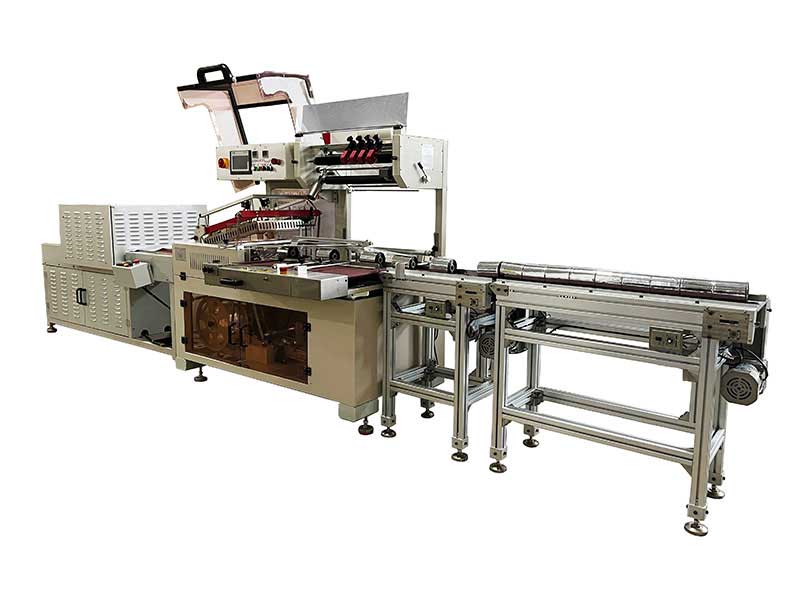 Thermal Transfer Ribbons Packaging Machine
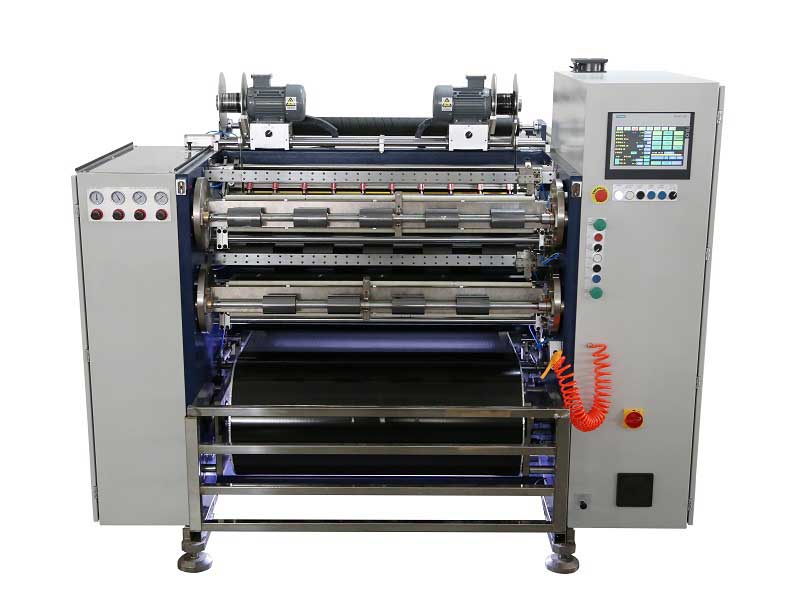 Automatic Thermal Transfer Ribbon Slitting Machine RSDS8 H PLUS
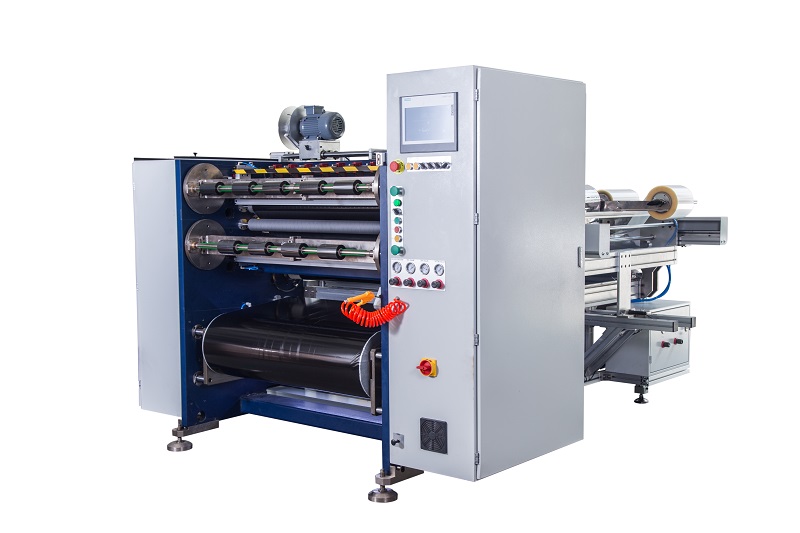 Semi Automatic Thermal Transfer Ribbon Slitting Machine RSDS5 PLUS
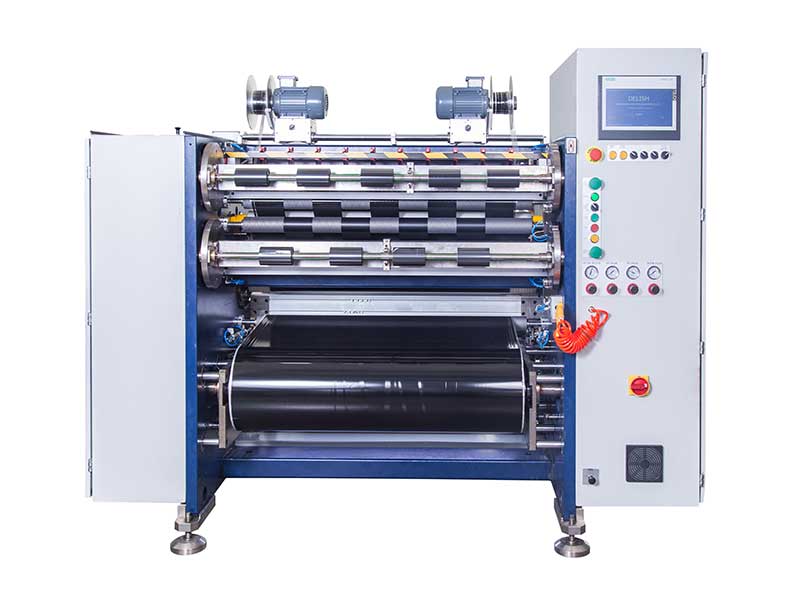 TTR Slitting Machine
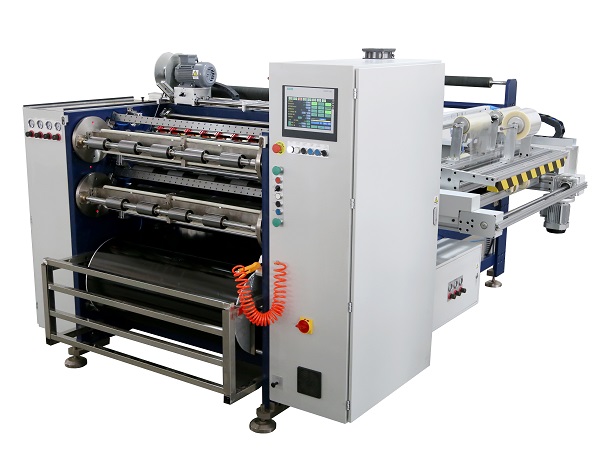 Automatic Thermal Transfer Ribbon Slitting Machine RSDS8 PLUS
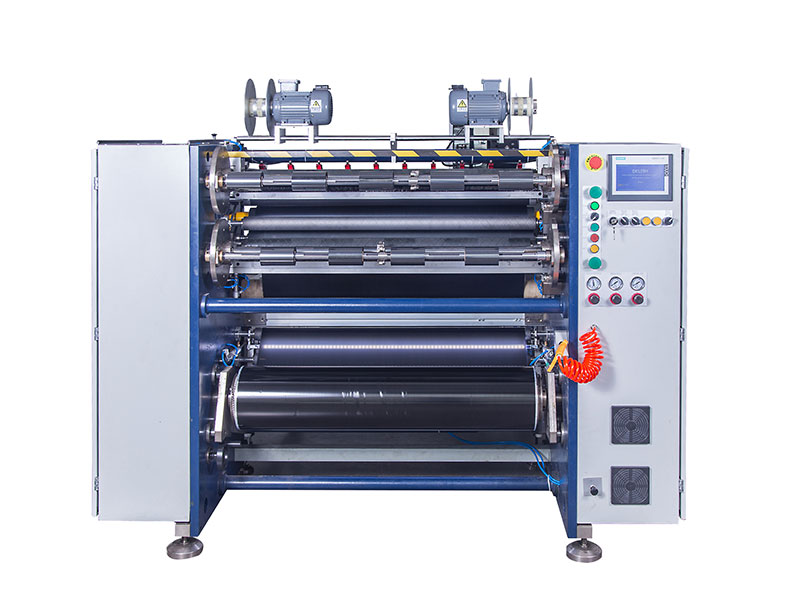 Barcode Ribbon Slitting Machine
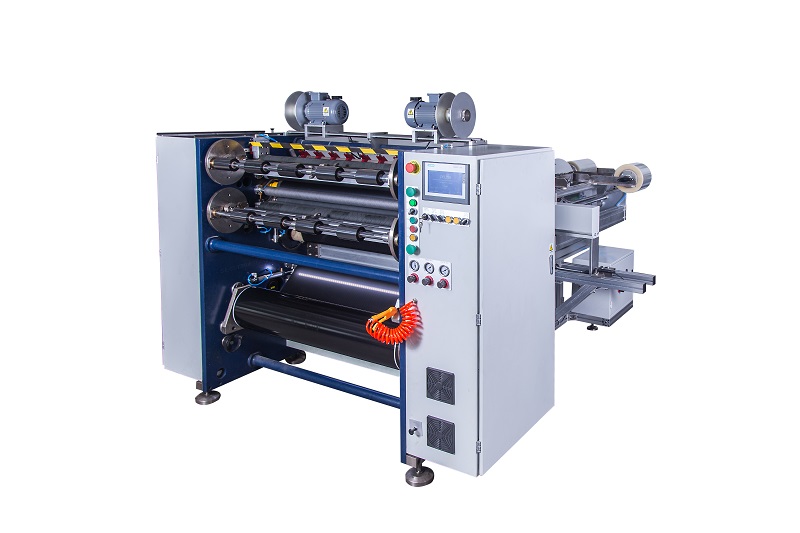 Semi Automatic Thermal Transfer Ribbon Slitting Machine RSDS1 PLUS
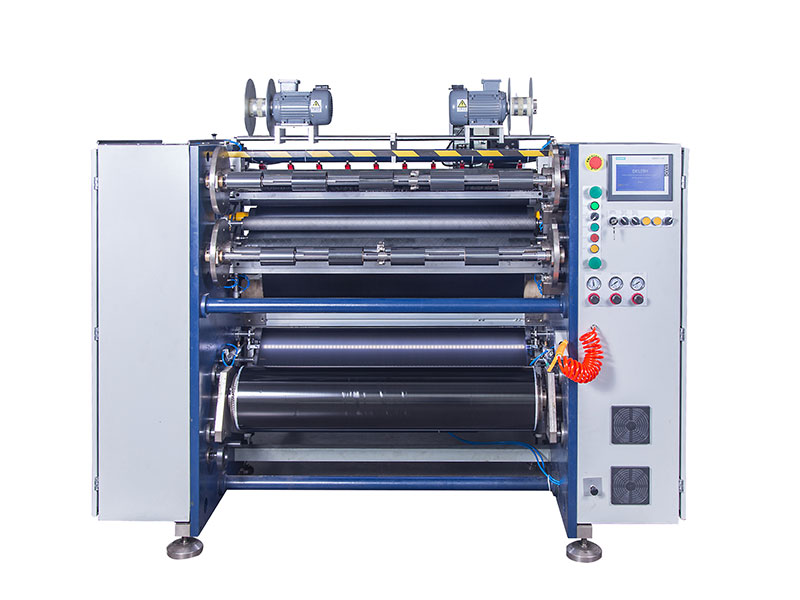 Ribbon Slitting Machine


 +86 135 9951 7291
 support@delishmachine.com