Preface
The ribbon slitting machine is the core equipment in the production of thermal transfer consumables, and its operational stability directly determines the end face neatness, tightness of winding and the final slitting yield of ribbon products. In order to ensure that the equipment is in a high-precision and efficient operation state for a long time, it is crucial to establish a standardized daily maintenance system. The following is a list of key maintenance points organized around the ribbon slitting machine.
1. Daily cleaning (performed on each shift)
Cleaning is the foundation of maintenance, with the primary aim of preventing the accumulation of dust, glue chips, and ribbon coating debris, affecting mechanical accuracy and electrical heat dissipation.
1. Clean the feeding path
◦ Key point: Use a non-woven fabric dipped in a small amount of alcohol (concentration more than 95%) to wipe all the passers, guide wheels, pressure rollers and unfolding rollers.
◦ Purpose: Remove toner and adhesive residues attached to the roller surface. If residue accumulates, it can cause scratches, deviations, or static buildup in the ribbon during the feeding process.
2. Tool slot and scrap collection
◦ Key points: clean the dust between the circular knife (or slitting knife) and the bottom knife groove; Clean the waste filament on the scrap edge material shaft.
◦ Purpose: Too tight winding of the waste edge material will pull the shaft end, causing bearing damage; Dust buildup in the knife channel can affect the slitting depth, leading to constant slitting or burrs.
3. Electrical cabinet and heat dissipation system
◦ Key points: check and clean the fan filter of the frequency converter and servo drive; Wipe the surface of the touchscreen.
◦ Purpose: The ribbon production workshop usually has a lot of dust, and the clogged heat dissipation holes can easily lead to the driver overheating alarm and shorten the life of electronic components.
2. Inspection of key institutions (daily/weekly)
Slitting machines are high-precision equipment, and even the slightest loosening of mechanical components can be magnified at high speeds.
1. Retraction and retraction reel (inflatable shaft)
◦ Action: Check the air tightness of the inflatable shaft, test whether the key bar is evenly bulging after inflation; Check whether the shaft head is worn.
◦ Key indicators: The runout of the unwinding shaft should be less than 0.05mm. If the runout is too large, the unwinding tension will fluctuate violently, resulting in uneven rewinding end faces.
2. Slitting knife set
◦ Action: Check whether the cutting edge of the round blade is chipped; Check the amount of overlap between the upper and lower knives (usually 1.5mm-2.5mm) and the lateral clearance (adjusted according to the material thickness).
◦ Key point: The tool is at the heart of the slitting quality. It is recommended to establish a "tool life ledger" to record the number of meters used after each grinding, and it is strictly forbidden to use blunt knives to forcibly slit.
3. Slip shaft/rewinding shaft
◦ Action: Manually rotate each slip ring to check whether the rotation is flexible; Check the wear of the steel ball or friction plate inside the slip shaft.
◦ Purpose: Slippage or jamming of the slip shaft is the direct cause of uneven rewinding tension and the phenomenon of "chrysanthemum core" or "edged".
3. Tension and control system maintenance (weekly/monthly)
The precision of tension control is the lifeline of ribbon slitting quality.
1. Tension sensor
◦ Action: Check whether the mounting screws of the tension sensor (tension gauge) are loose; "Zero point calibration" is performed in the non-perforated state.
◦ Note: It is strictly forbidden to hit or step on the tension sensor roller with heavy objects while the equipment is running.
2. Transmission belt and coupling
◦ Action: Check whether the top wire of the coupling between each servo motor and the screw and spindle is loose; Check the tension of the timing belt (press the middle part, there should be a deflection of 10-15mm).
◦ Consequences: loose coupling will lead to inaccurate positioning and slitting size deviation; Belt slippage can lead to uneven acceleration.
4. Pneumatic system maintenance (performed monthly)
The pressure roller lifting, cutter clutching, and expansion and contraction of most slitting machines are controlled by the pneumatic system.
1. Air source treatment
◦ Key points: Empty the water in the air filter (triplet) every day; Check the oil level of the oil atomizer, ISO VG 32 turbine oil is recommended.
◦ Purpose: Moisture entering the cylinder will cause rust and slow action; Lack of oil can cause the seal ring to wear and leak.
2. Cylinder and solenoid valve
◦ Action: Check whether the operation of each cylinder is smooth and whether there is air leakage; Check whether the solenoid valve indicator light is normal.
5. Lubrication and maintenance (according to the operating time)
Reasonable lubrication can significantly reduce the mechanical wear rate.
1. Linear guide rail and screw
◦ Period: weekly/monthly (depending on dust conditions).
◦ Operation: Clean the old oil sludge on the surface of the guide rail and refill with lithium-based grease.
◦ Note: The slitting machine row moves frequently, and the lack of oil in the guide rail will lead to an increase in the movement resistance, resulting in inaccurate knife rowing or wear of the ball screw.
2. Bearings
◦ Period: Quarterly/Semi-Annually.
◦ Operation: Grease injection of the retracting and unwinding spindle bearings and over-roller bearings (high-speed bearings need to use special grease). If there is an abnormal noise (such as a "gurgling" sound) when the bearing is running, it needs to be replaced immediately.
6. Accuracy verification (quarterly/annual implementation)
1. Slitting width accuracy
◦ Use a standard steel ruler or laser rangefinder to check the position accuracy of the tool rowing mechanism to ensure that the slitting width meets the tolerance requirements (usually tolerance is ±0.3mm).
2. Flatness of the winding end face
◦ Check the end face height difference of the rewinding product, if it exceeds the standard (such as 1mm), it is necessary to check the parallelism of the pressure roller or the axial movement of the winding shaft.
7. Operational specifications and safety
Maintenance is not only the mechanical maintenance of the equipment itself, but also the operating habits of people.
1. Feeding specifications: When hoisting large coil ribbons, avoid hitting the reel and prevent the shaft core from bending.
2. Shutdown specifications: When stopping for a long time, the tool must be disconnected from the contact state to avoid blunt edges caused by long-term extrusion of the blade; At the same time, the air pressure of the inflation axis is released to prevent long-term pressure and aging of the air bag.
3. Safety protection: Before maintenance, the power must be cut off, the gas must be cut off and the "stop sign" must be hung. It is strictly forbidden to touch the blade or wipe the roller with your hands when running at high speed.
Epilogue
The core of the maintenance of the ribbon slitting machine lies in the eight words of "cleaning, lubricating, adjusting, and fastening". It is recommended that enterprises formulate the "Daily Inspection Form of Carbon Belt Slitting Machine" according to the above list and implement the management system of "fixed people, fixed machines, and fixed responsibilities". Only by doing preventive maintenance in daily work can we minimize the failure rate of equipment, ensure the stability of slitting quality, and extend the service life of equipment.
 English
 Deutsch
 Français
 Español
 Português
 日本語
日本語 русский
 한국어
한국어 عربي
عربي ภาษาไทย
 Tiếng Việt
 Italiano
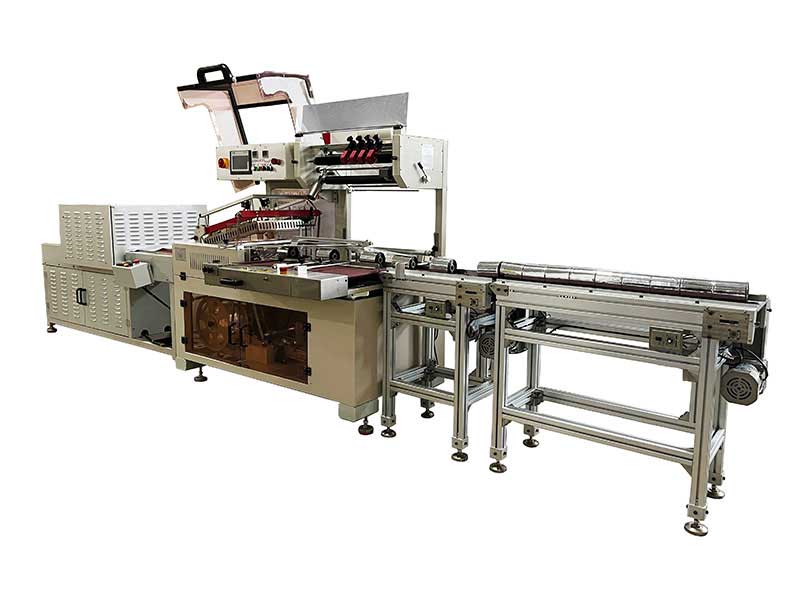 Thermal Transfer Ribbons Packaging Machine
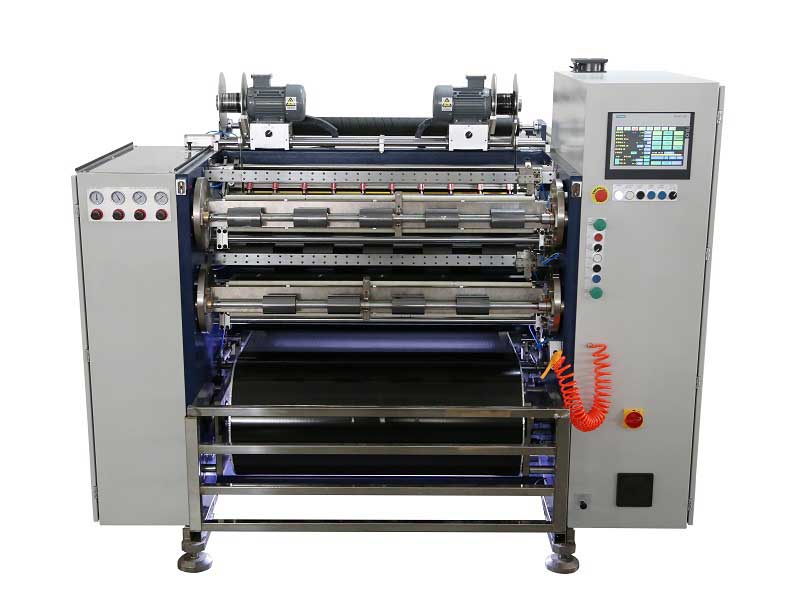 Automatic Thermal Transfer Ribbon Slitting Machine RSDS8 H PLUS
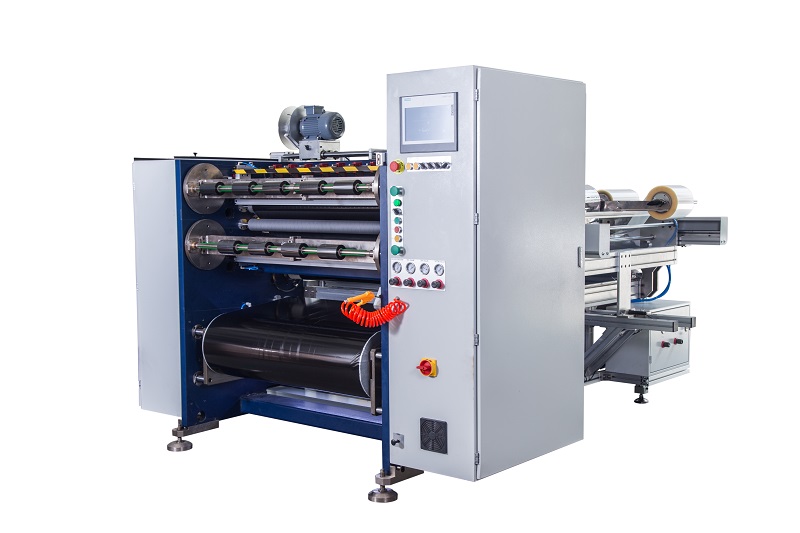 Semi Automatic Thermal Transfer Ribbon Slitting Machine RSDS5 PLUS
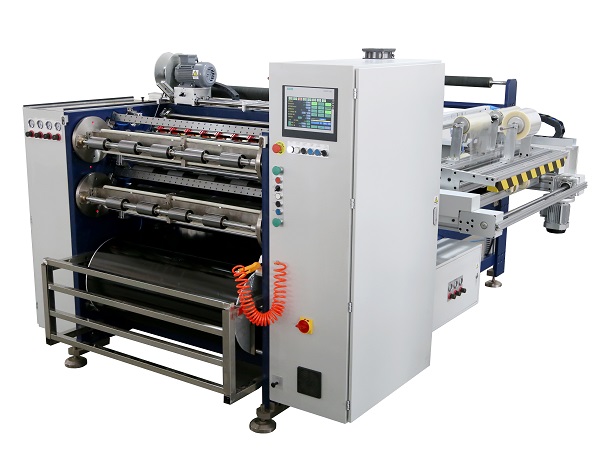 Automatic Thermal Transfer Ribbon Slitting Machine RSDS8 PLUS
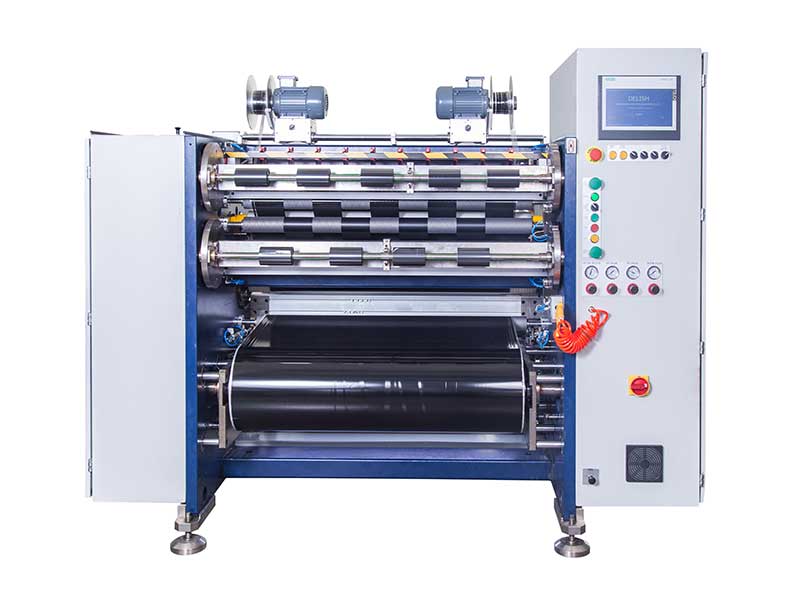 TTR Slitting Machine
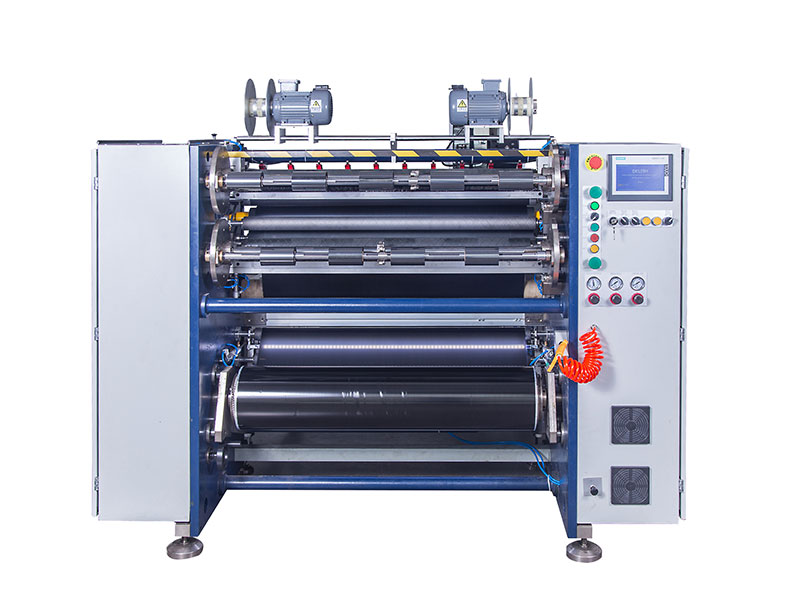 Barcode Ribbon Slitting Machine
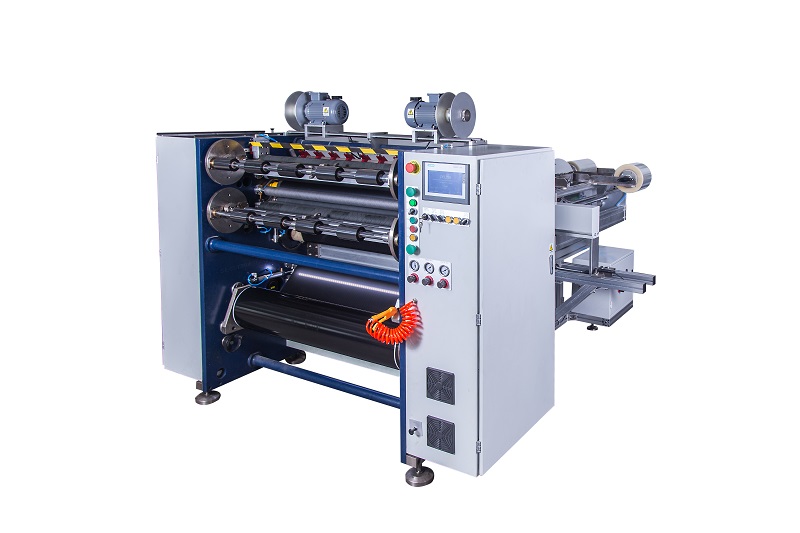 Semi Automatic Thermal Transfer Ribbon Slitting Machine RSDS1 PLUS
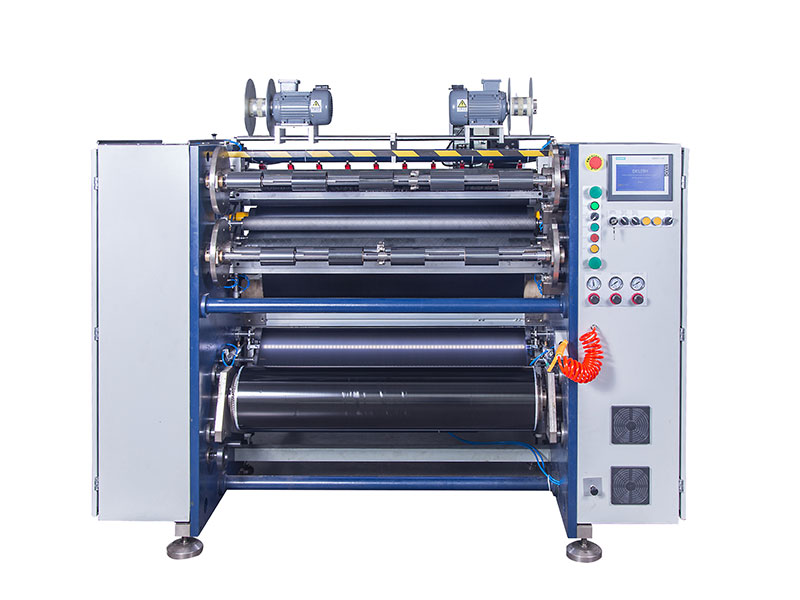 Ribbon Slitting Machine


 +86 135 9951 7291
 support@delishmachine.com