Abstract:
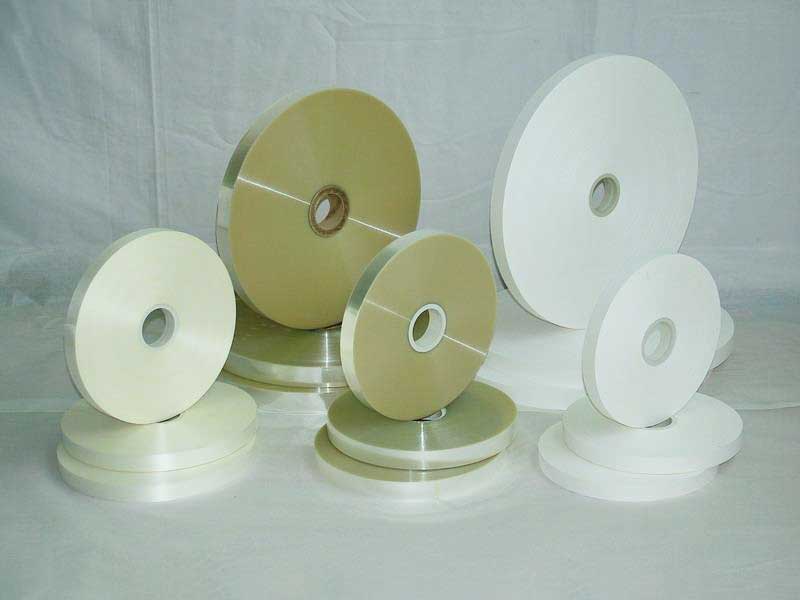
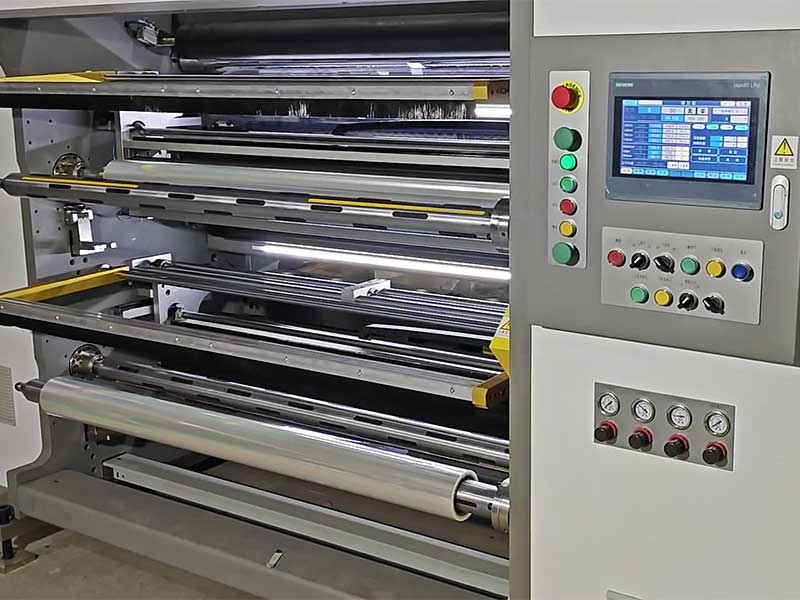
PET film (polyester film) is widely used in packaging, electronics, optics, and other fields due to its excellent mechanical properties, heat resistance, and transparency. As a key process in the back of film production, slitting directly determines the yield and production efficiency of the equipment operation. However, since the slitting machine involves multiple complex systems such as unwinding, traction, winding, and tool grooves, various failures often occur in actual production. This paper summarizes the common fault phenomena of PET film slitting machines, and provides systematic diagnostic ideas and troubleshooting methods.
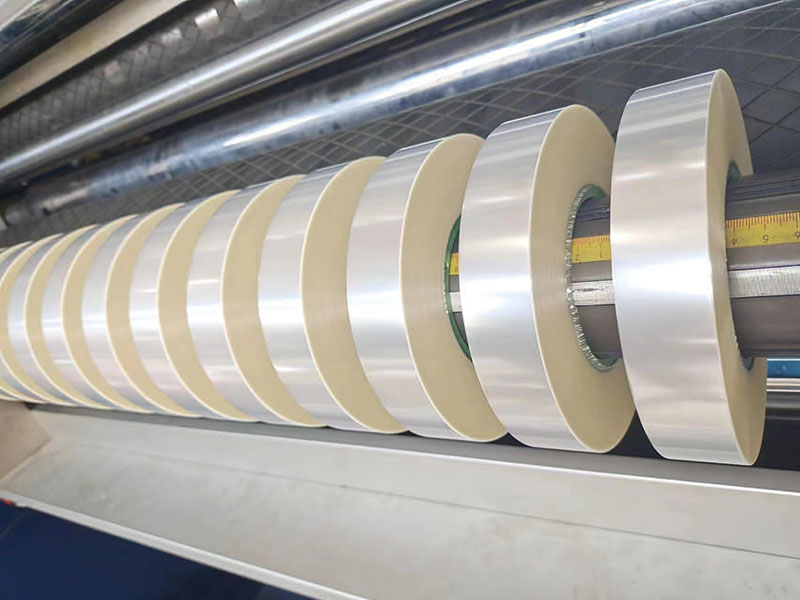
1. The unwinding system is faulty
1. Large fluctuations in unwinding tension (wrinkling or stretching)
Fault phenomenon: the film roll has transverse folds before entering the traction roller, or the film surface produces longitudinal stretch lines during the unwinding process, or even breaks the film.
Diagnostic analysis:
• The output torque of the unwinding brake (magnetic powder brake/servo motor) is unstable.
• Air leakage of the inflatable shaft or the colllet not locked, causing the membrane roll to slip on the shaft.
• The master roll itself has "hard edges" or uneven thickness.
• Tension sensor feedback signal distortion.
Exclusion Methods:
1. Check the brake system: If it is a magnetic powder brake, check whether the magnetic powder is agglomerated and whether the power supply is stable; For servo control, check the driver parameters and encoder cables.
2. Check the air pressure: Check whether the air pressure of the expansion shaft reaches 0.4-0.6MPa to ensure that the shaft and the paper core fit tightly.
3. Tension setting: Recalibrate the tension curve according to the characteristics of the PET film (usually strong resistance but high modulus). PET film is recommended to use "taper tension" control, that is, as the roll diameter decreases, the tension gradually decreases to prevent the inner layer from stretching.
4. Sensor calibration: Use weights to perform zero-point calibration and range calibration of the tension sensor.
2. The unwinding reel cannot be lifted or rotated normally
Fault phenomenon: The hydraulic/electric lifting table does not work, or the reel is suddenly stuck during operation.
Exclusion Methods:
• Check the oil level of the hydraulic station and whether the oil pump motor is overloaded and the thermal relay trips.
• Check if the limit switch has been broken or misaligned.
• Clean the foreign matter between the bearing housing and the guide rail and add grease.
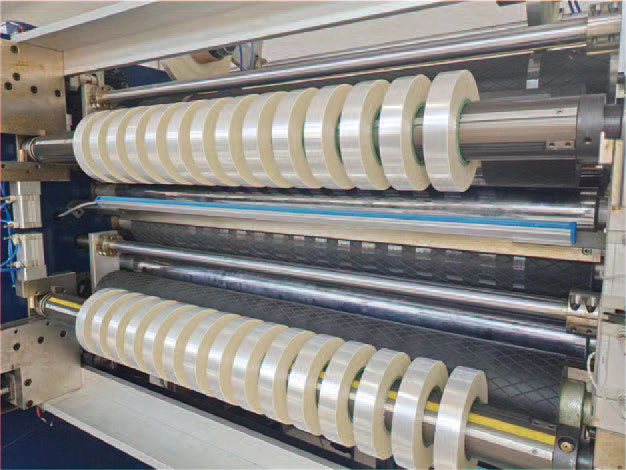
2. Slitting system failure
1. Uneven slitting end faces (burrs, serrations, or stringed edges)
Fault phenomenon: the end face of the finished film roll is uneven, there is white powder (dust) on the edge, or the width between the two adjacent rolls is inconsistent.
Diagnostic analysis:
• Round/flat knives are severely worn and the cutting edge is not sharp.
• The bite volume of the groove roller (lower knife) and the upper knife is too large or too small.
• The tool angle does not match the hardness of the PET film (PET is harder and requires a sharp and wear-resistant alloy knife).
• The unwinding tension does not match the slitting speed, causing the film to swing in the tool slot.
Exclusion Methods:
1. Replace the tool: Check the blade regularly, PET film is recommended to use tungsten steel or coated blades, usually inspect every shift, find chips or wear more than 0.1mm, replace immediately.
2. Adjust the bite amount: For shear slitting, the overlap of upper and lower knives is generally controlled at 0.1-0.2mm; for squeeze slitting, adjust the lateral pressure. If the bite is too large, it will produce powder, and if it is too small, it will be cut continuously.
3. Check the groove roller: If the groove of the groove roller is worn and produces burrs, it will scratch the edge of the film, and the roller body needs to be polished or repaired with fine sandpaper.
2. Frequent film breakage during slitting
Fault phenomenon: During slitting, especially at high speeds, the film suddenly breaks.
Diagnostic analysis:
• The raw material master coil has weak joints or internal damage.
• Excessive static electricity causing the film to adsorb on the roller or on the tool.
• The traction roller speed is out of control synchronously with the slitting speed (rear-end collision).
• The dust collection system has excessive suction power, drawing the film into the air duct.
Exclusion Methods:
1. Static Elimination: Check whether the static elimination rod (ion rod) is ineffective (dust cover or damage to the high-pressure pack), add electrostatic rope or increase ambient humidity at the key passing rollers.
2. Synchronous adjustment: Check the speed matching between each section (unwinding, traction, rewinding) to ensure that the speed gradient is reasonable and avoid "pulling forward and pulling back".
3. Over roll inspection: Check whether all over rollers rotate flexibly, if there are dead rollers, they will scratch the film surface and cause stress concentration fracture.
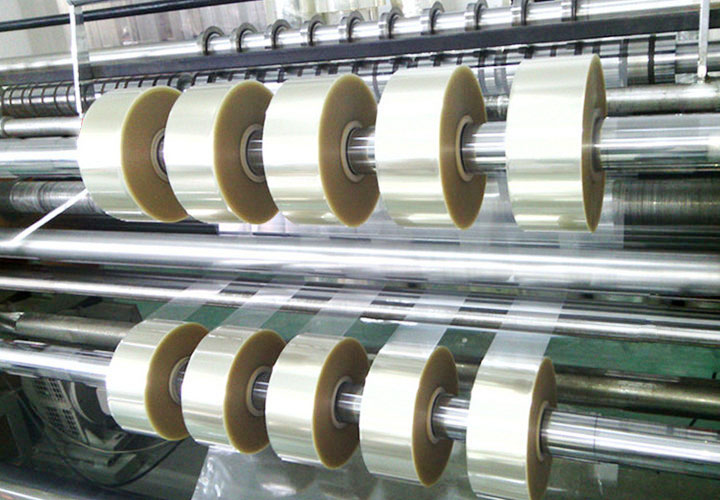
3. The winding system fails
1. Roll up the film "violent tendon" or "chrysanthemum heart"
Fault phenomenon: hard raised stripes (burst ribs) appear on the surface of the reeled film roll or radial wrinkles (chrysanthemum heart) appear at the core of the coil.
Diagnostic analysis:
• The retraction tension is set too much (chrysanthemum heart) or too small (relaxed).
• Uneven pressure or improper position of the pressure roller (contact roller).
• Uneven distribution of winding tension in the direction of film coil width.
Exclusion Methods:
1. Tension adjustment: The "taper tension" is used to control, and the winding tension decreases with the increase of the coil diameter. For PET film, the taper rate is usually set between 30%-50%.
2. Roller adjustment: Check whether the roller is parallel to the rewinding shaft, and the air pressure of the roller should act evenly on both ends of the film surface. For large roll diameter winding, the "step pressure" or "lifting function" of the roller needs to be set.
3. Rewinding shaft balance: Check whether the rewinding shaft (inflatable shaft) is dynamically balanced, and bending and deformation will cause periodic tension fluctuations.
2. Scratches on the winding film surface
Fault phenomenon: Unfold the finished film and find continuous or intermittent linear scratches on the surface.
Exclusion Methods:
• Path investigation method: stop the machine, stop the film at the scratch site, and push backwards against the film path. Key inspections:
◦ Whether there is glue residue or hard particles on the surface of the guide roller.
◦ Whether there is debris buildup under the slitting blade.
◦ Whether the surface of the flattening roller (bow roller/banana roller) is worn or stationary.
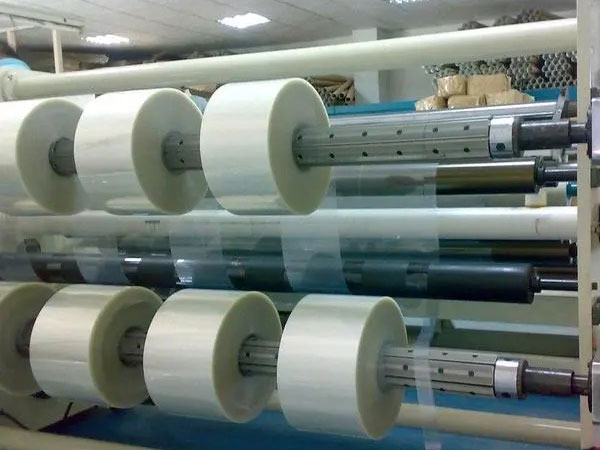
4. Electrical and control system failure
1. Servo drive alarm
Fault phenomenon: The equipment suddenly stops, and the operation screen shows "overcurrent", "overvoltage", "encoder failure", etc.
Exclusion Methods:
• Overcurrent: Check whether the motor wire is broken and grounded, or the motor brake is locked.
• Encoder failure: Check if the encoder connection wire is broken in the tank chain (common failure), re-solder or replace the cable.
• Parameter loss: If the motor or driver is replaced, the motor parameters need to be re-entered and inertia recognition is performed.
2. PLC or touch screen of death
Exclusion Methods:
• Cut off the total power supply and wait 1 minute before restarting.
• Check whether the output of the 24V switching power supply in the control cabinet is stable, and the voltage below 21V will cause the PLC to restart irregularly.
5. Pneumatic and auxiliary system failures
1. The cutter is slow or has insufficient air pressure
Phenomenon: The automatic cutter cannot be cut normally, or the press roller lifts/falls slowly.
Exclusion Methods:
• Check whether the compressed air inlet pressure ≥ 0.6MPa.
• Check the air filter (triplet) for excessive waterlogging, drain and clean the filter element regularly.
• Check if the solenoid valve coil is burned out or if the spool is stuck in dust.
2. The waste suction edge system is blocked
Phenomenon: The waste edge cannot be sucked into the fan and wrapped around the knife shaft or guide roller, resulting in film breakage.
Exclusion Methods:
• Check whether the waste side air inlet is blocked.
• Check whether the fan impeller is severely worn and has insufficient suction power.
• Optimize the angle of the suction duct to avoid right-angled turns and reduce drag.
6. Preventive maintenance suggestions
1. Establish an inspection system:
◦ Daily: Clean the tool groove, check the air pressure, remove the adhesive of the guide roller, and check the status of the electrostatic rod.
◦ Weekly: Check the tension of the transmission belt, add grease to the bearings, and check the temperature of the magnetic powder brake (not exceeding 80°C).
◦ Monthly: Calibrate the tension sensor, check all fastening bolts (especially rotating parts), replace worn tools.
2. Standardization of Operations:
◦ Operators must be trained to master the tension parameter settings of PET films of different thicknesses (such as 12μm, 50μm, 125μm, etc.).
◦ It is strictly forbidden to manually clean the dust on the tool shaft when the equipment is running at high speed.
3. Spare Parts Management:
◦ Critical wearing parts (such as magnetic powders, blades, encoder cables, and expansion shaft seals) need to be established to avoid long downtime due to waiting for spare parts.
Epilogue:
The fault diagnosis of PET film slitting machine is a process of "looking, smelling, asking, and cutting". Operators and technical maintenance personnel need to cooperate closely to make comprehensive judgments by observing the state of the end face of the film roll, listening to abnormal noises, feeling vibrations, and checking parameter changes. The use of a scientific preventive maintenance system can not only quickly troubleshoot, but also effectively extend the life of the equipment and improve the yield and production efficiency of PET film slitting.
 English
 Deutsch
 Français
 Español
 Português
 日本語
日本語 русский
 한국어
한국어 عربي
عربي ภาษาไทย
 Tiếng Việt
 Italiano
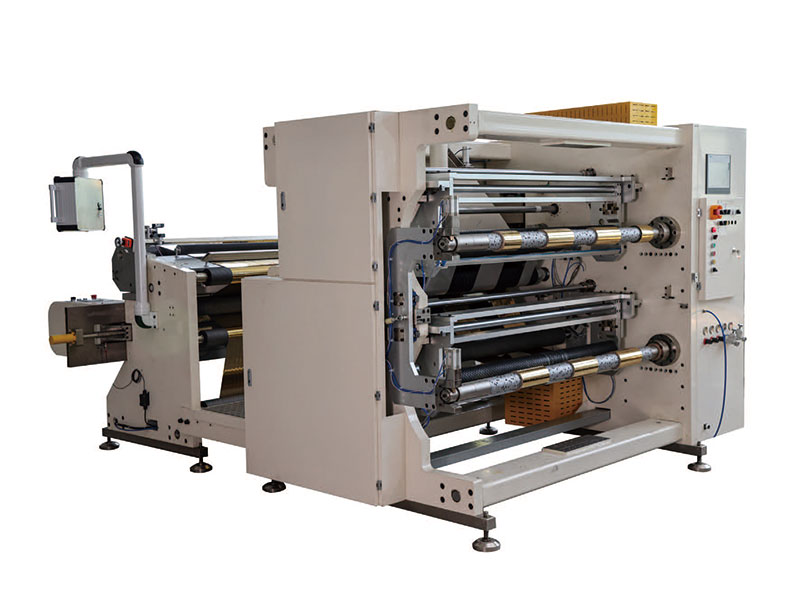 1400mm Hot Stamping Foil Slitting Machine
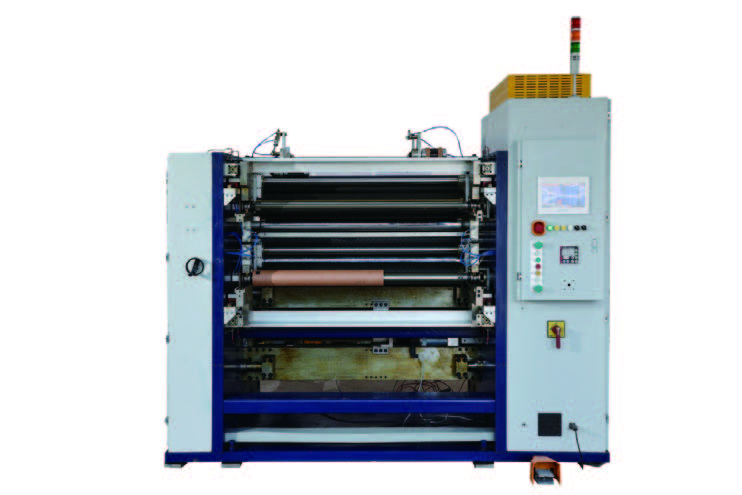 New Energy Ultra-thin Film Slitting Machine For Capacitive Film
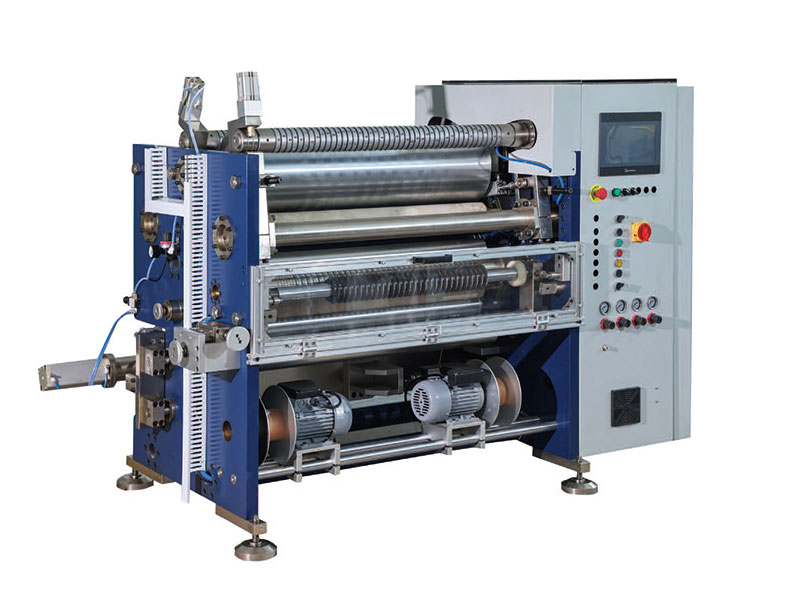 800mm Hot Stamping Foil Slitting Machine
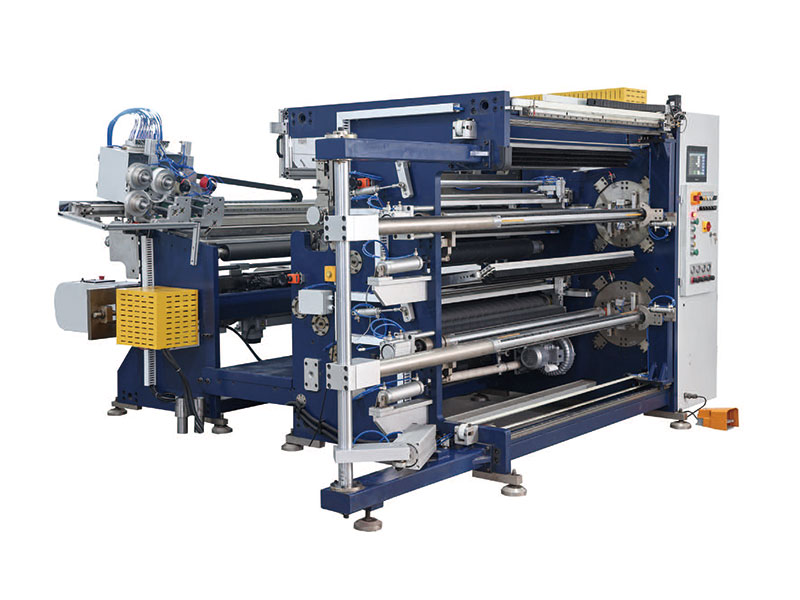 1350mm Hot Stamping Foil Slitting Machine
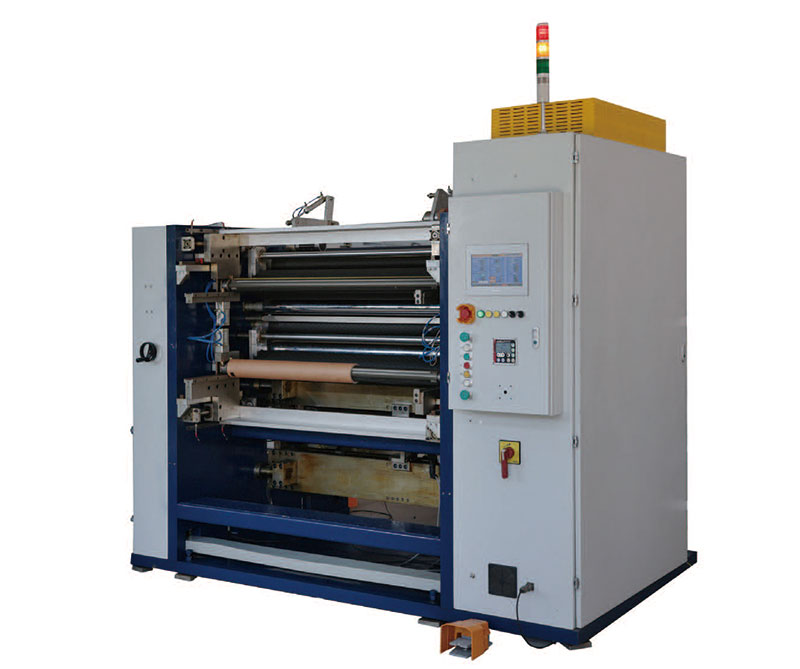 New Energy Ultra-thin Film Slitting Machine For MOPP
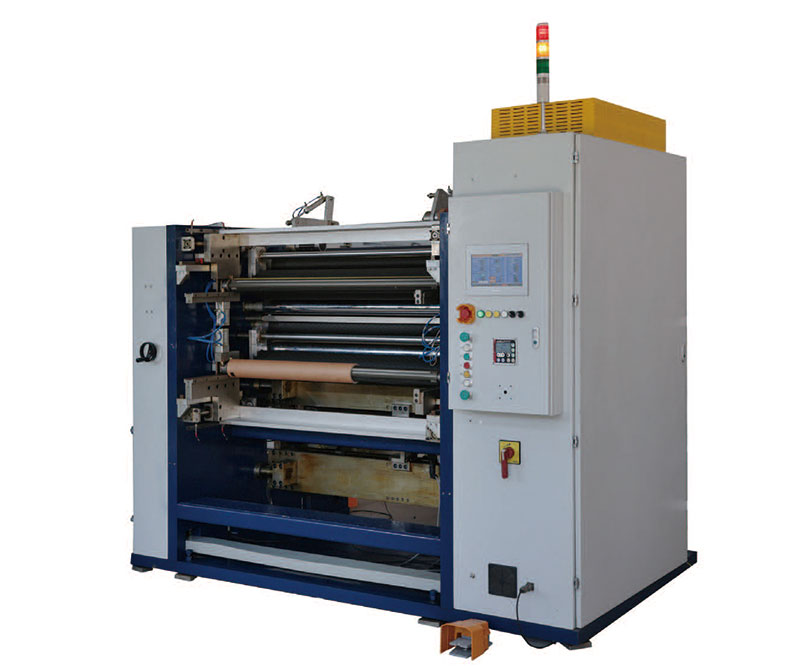 New Energy Ultra-thin Film Slitting Machine For MPET
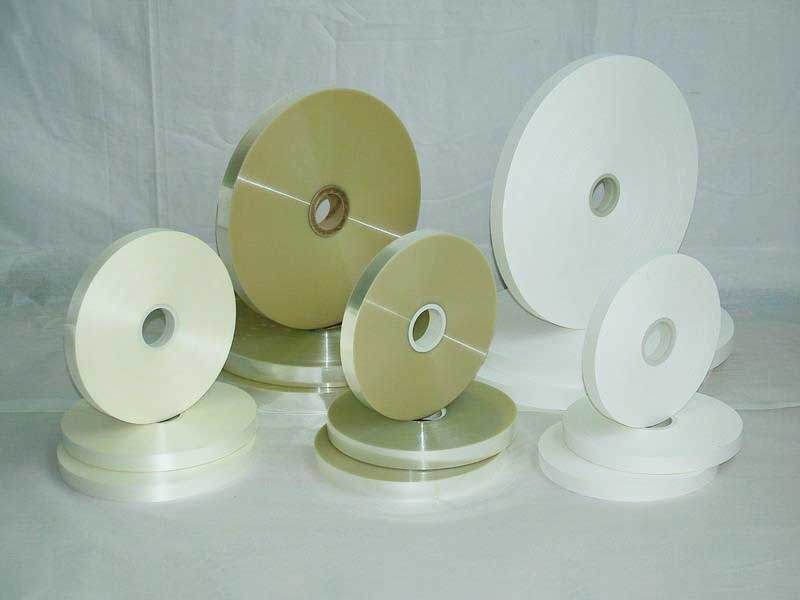 Film Slitting Machine
 1400mm Copper Foil Slitting Machine


 +86 135 9951 7291
 support@delishmachine.com