Today, as the manufacturing industry accelerates its transformation to intelligence, traditional production methods are undergoing profound changes. Solar film slitting, this seemingly delicate link, used to rely heavily on workers' quick eyes and hands, but now it is using automation technology to greatly reduce manual intervention and open a new stage of cost reduction and efficiency increase.
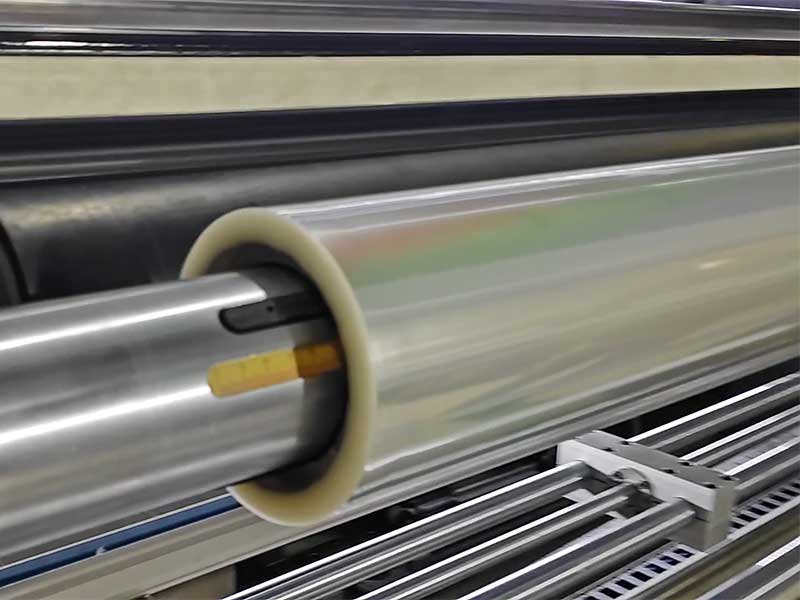
1. The bottleneck of the traditional model: the dilemma of efficiency and precision
Traditional solar film slitting operations often face the following challenges:
• Unstable accuracy: manual feeding, feeding and edge are easy to cause deviations in slitting dimensions due to operational fatigue or technical differences, resulting in waste of raw materials.
• Limited efficiency: auxiliary processes such as rewinding and tension adjustment are time-consuming, and the machine has a lot of waiting time, making it impossible to achieve continuous and efficient production.
• Safety hazards: High-speed operation and blade adjustment during the slitting process require extremely high experience of operators, and there is a certain risk of work-related injury.
• High management costs: Data such as production progress and yield rate rely on manual records, which not only lags behind but also makes it difficult to trace accurately.
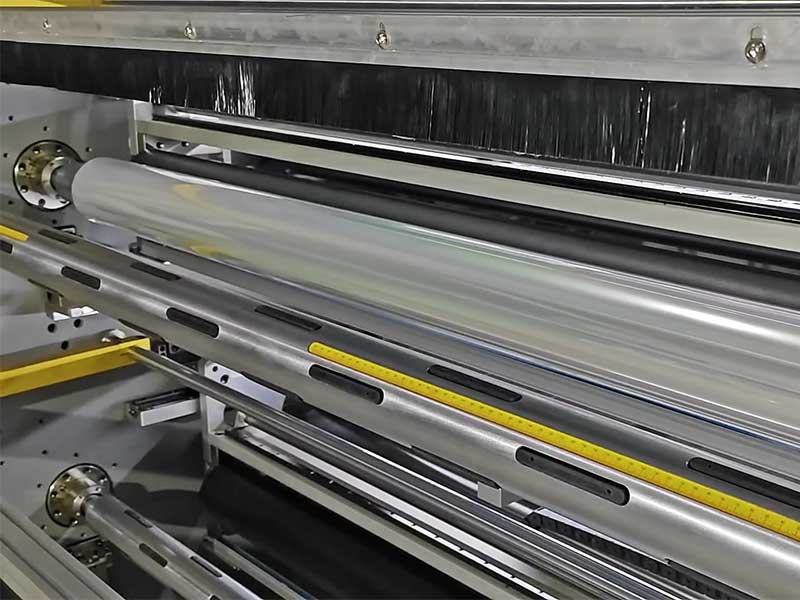
2. The core of automation upgrades: free hands and smart production
The automation upgrade of modern solar film slitting machine is not simply to add one or two motors, but to systematically and intelligently transform the entire process.
1. Fully automatic feeding and correction
The upgraded equipment is equipped with an automatic lifting rack and shaftless clamping device, enabling easy loading of heavy film rolls. During the unwinding process, the high-precision photoelectric sensor monitors the edge of the film coil in real time, and drives the correction frame through the servo system to achieve micron-level automatic edge alignment, completely eliminating the slitting deviation caused by uneven raw material winding. The operator only needs to set the parameters, and the machine can complete the "alignment" by itself.
2. Digital tension control
In view of the characteristics of different thicknesses and sensitive materials of the solar film, the automatic slitting machine integrates a taper tension control system. The system automatically calculates and decreases the retraction tension according to the set reel diameter, material and speed. This can not only ensure that the film roll is tightly closed without wrinkling, but also avoid the stretching and deformation of the film surface caused by excessive tension, which greatly improves the flatness and aesthetics of the finished roll.
3. Intelligent positioning and quick tool change
In the past, workers had to manually measure and move the blades to replace the slitting specifications, which was time-consuming and labor-intensive. Today's automated models are usually equipped with the "automatic tool positioning" function. After the operator enters the slitting width on the touch screen, the tool holder will automatically walk to the specified position with an accuracy of up to ±0.1mm. Some high-end models even integrate laser non-contact measurement, which monitors blade wear in real time and alarms in time to ensure the same quality of each knife.
4. Automatic unloading and packaging connection
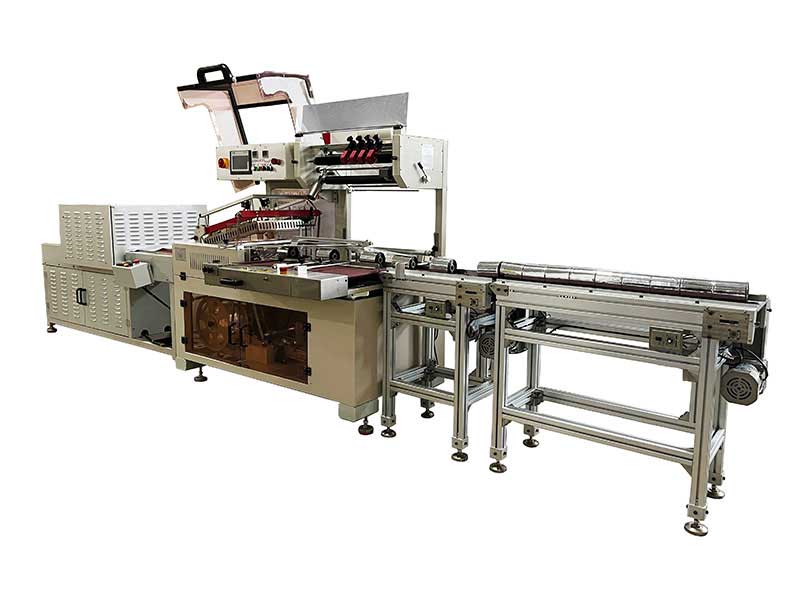
After the slitting is completed, the automatic unloading robotic arm or turning table will smoothly move the finished roll out to avoid bumping damage caused by manual handling. Through seamless docking with the automatic packaging line, the material accumulation and personnel turnover in the intermediate links are further reduced, and the whole process from "film roll input" to "finished product output" is truly automated.
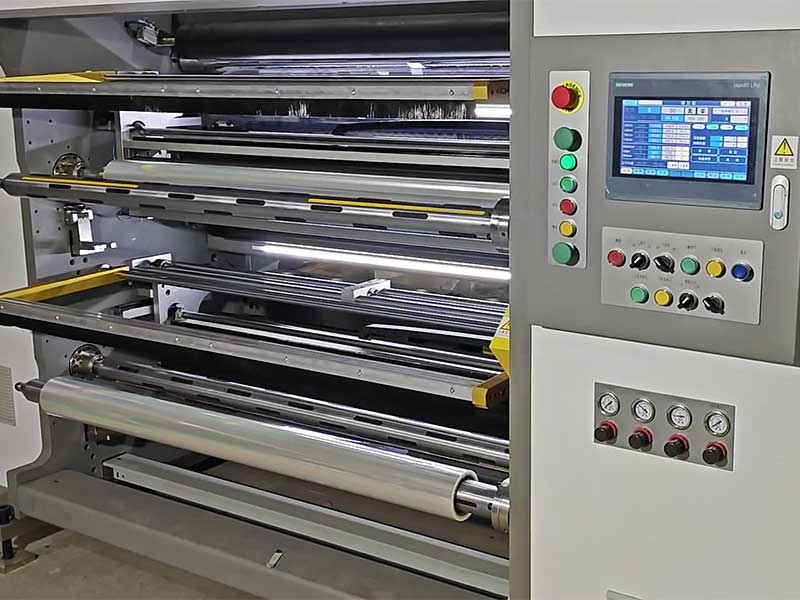
3. The value reshaping brought by automation
Automation upgrades are not only "machine substitutions", but also a deep reshaping of enterprise competitiveness.
• Reduced manual dependency and recruitment difficulties: A trained operator can now take care of 2-3 automated slitting machines at the same time, and the main responsibility has also changed from "manual operation" to "parameter monitoring and equipment maintenance", effectively addressing the shortage of skilled workers.
• Stable quality and improved yield: The machine is not affected by emotions and fatigue, and the tension curve and slitting length of each roll film strictly follow the preset process, ensuring a high degree of consistency between batches.
• Data-driven, refined management: The built-in MES interface of the automation equipment can upload data such as output, efficiency, and energy consumption in real time. Managers can grasp the production dynamics through mobile phones or computers, providing an accurate basis for optimizing production scheduling and accounting for costs.
Epilogue
The automation upgrade of solar film slitting machine is the epitome of the industry's transformation from "experience-driven" to "digital-driven". When the machine can independently complete the whole process of feeding, correcting, slitting and unloading, enterprises not only reduce labor costs, but also leap in product quality and fundamental guarantee for market competitiveness. Facing the future, embracing automation has become the only way for solar film manufacturers to achieve high-quality development.
 English
 Deutsch
 Français
 Español
 Português
 日本語
日本語 русский
 한국어
한국어 عربي
عربي ภาษาไทย
 Tiếng Việt
 Italiano
 Thermal Transfer Ribbons Packaging Machine
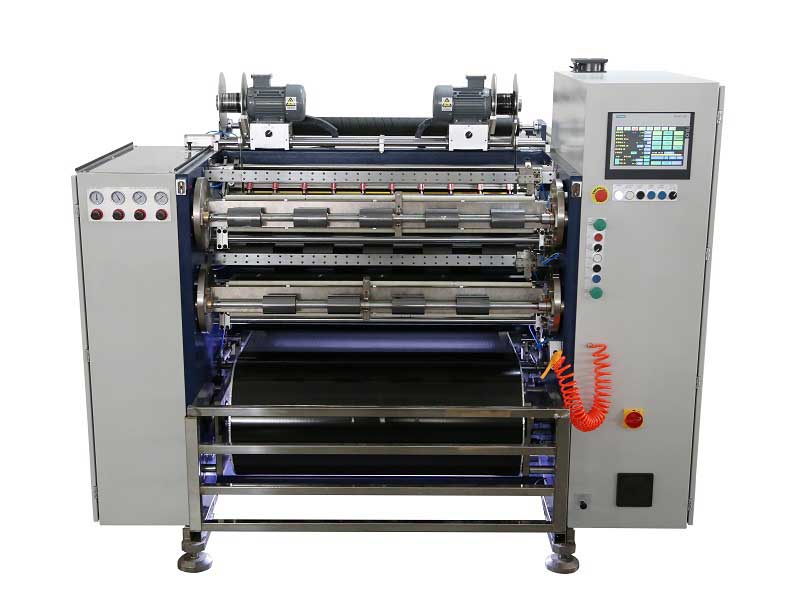 Automatic Thermal Transfer Ribbon Slitting Machine RSDS8 H PLUS
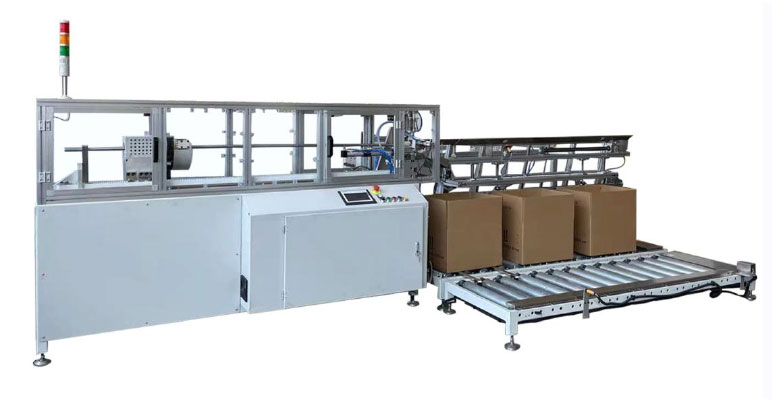 Automatic Paper Core Cutting Machine
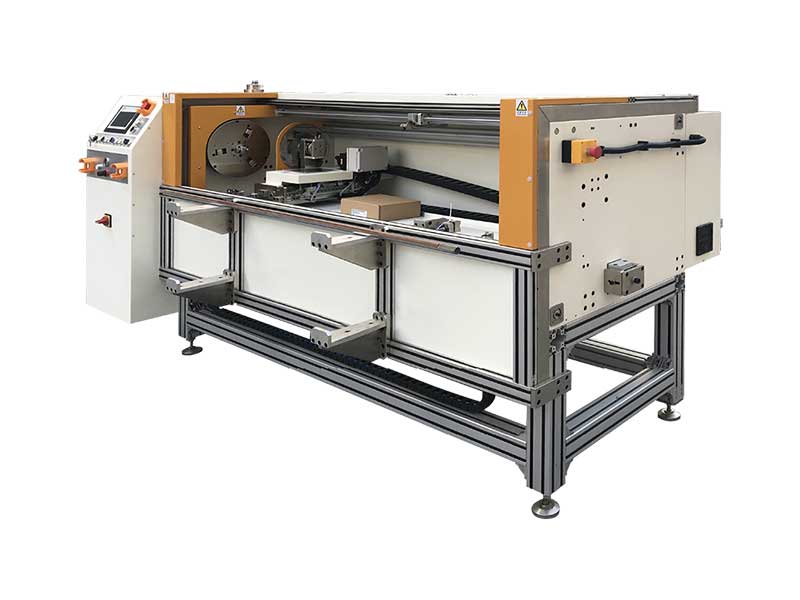 Automatic Foil Roll Cutting Machine
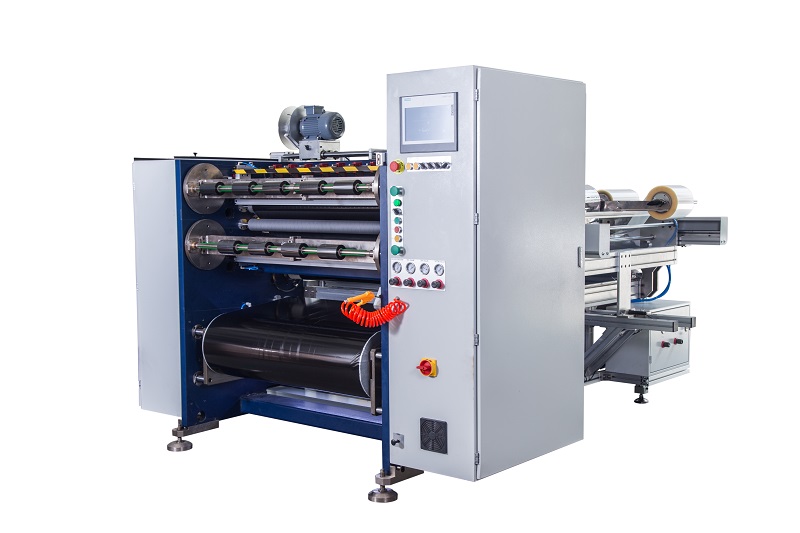 Semi Automatic Thermal Transfer Ribbon Slitting Machine RSDS5 PLUS
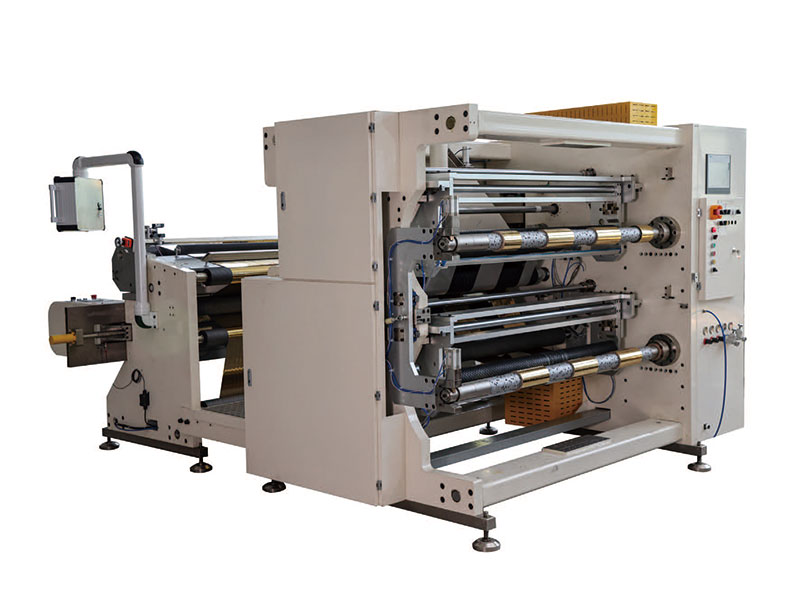 1400mm Hot Stamping Foil Slitting Machine
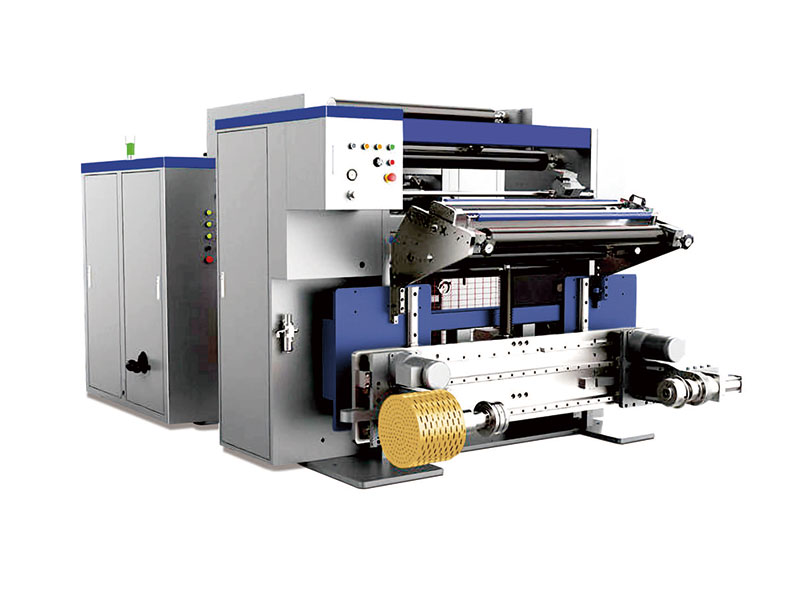 High Speed Slitting Machine
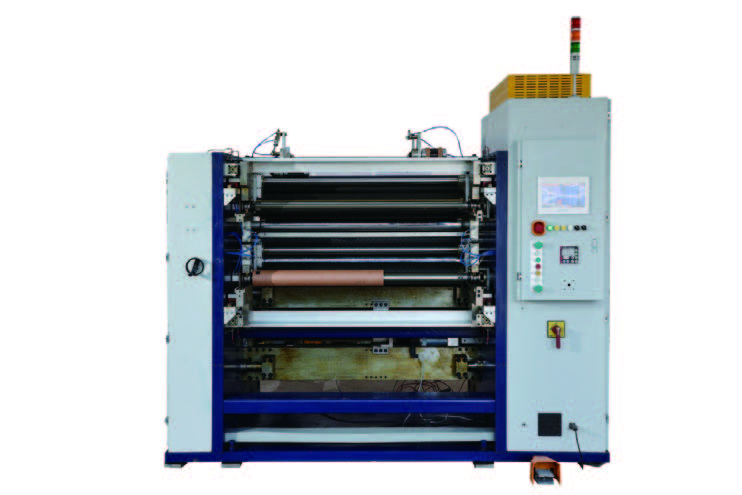 New Energy Ultra-thin Film Slitting Machine For Capacitive Film


 +86 135 9951 7291
 support@delishmachine.com