In industries such as optics, packaging, electronics, and new energy, PET (polyester film) has become an indispensable basic material due to its excellent mechanical strength, high temperature resistance, and transparency. However, from wide master rolls to small format narrow rolls for end customers, the most critical part of this process is the PET film slitting machine.
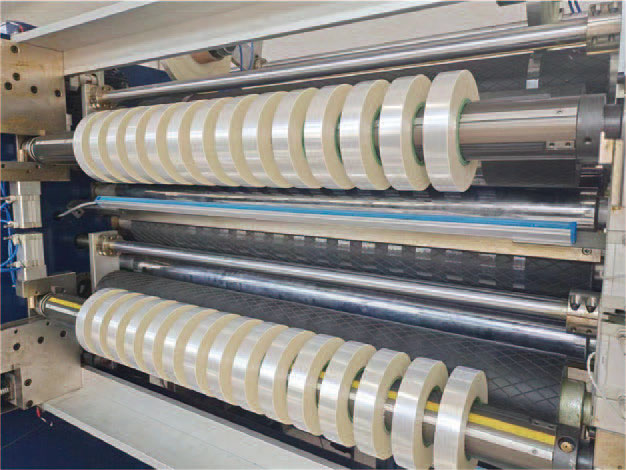
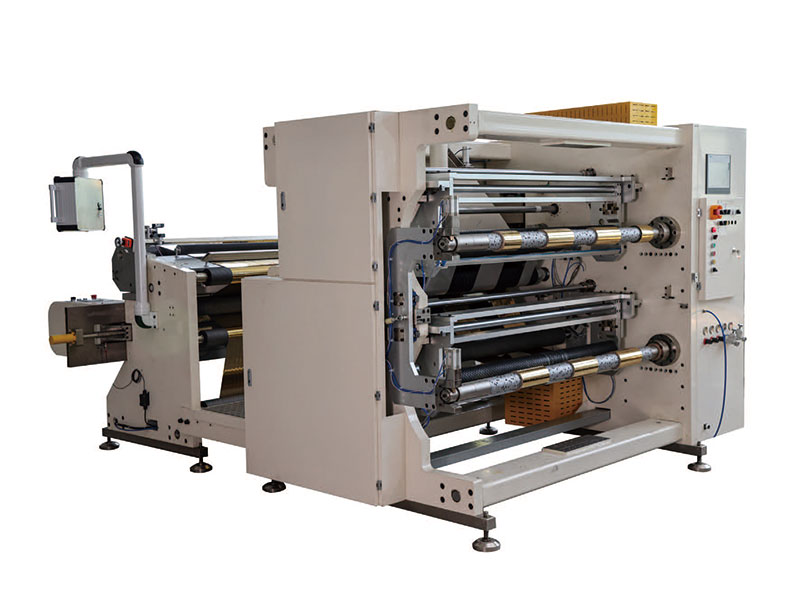
The slitting machine is not only a narrow cut of wide film, but also a precision mechatronics system integrating unwinding, slitting and coiling. Among them, slitting effect, winding quality and tension control are the three core elements that determine the yield.
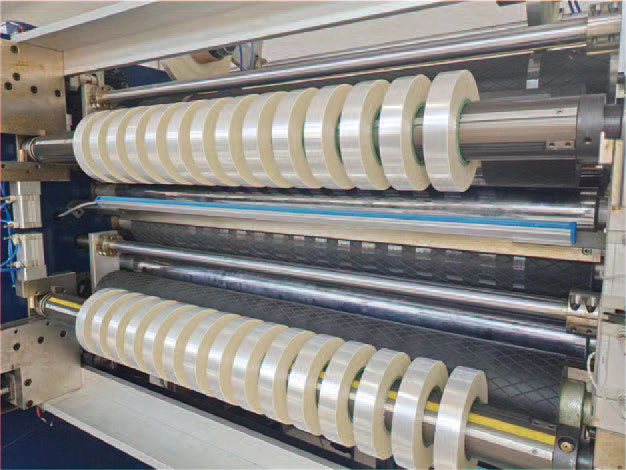
1. Efficient slitting: craftsmanship aesthetics on the blade
Slitting is the first step in PET film processing and the most intuitive manifestation of quality. The neatness of the slitting edge and the amount of dust generated directly determine whether the product can enter the high-end market.
1. Selection of slitting method
According to the thickness and hardness of PET film, the mainstream slitting methods are divided into two types:
• Flat knife slitting (paper cutter/razor blade type):
Suitable for thin thicknesses (usually < 50μm) PET film. The blade is fixed in the slot at an angle, and the film is cut by a sharp edge during operation. The advantage of this method is that the tool change speed is fast and suitable for multi-specification switching, but the sharpness and installation angle of the knife are extremely high, otherwise it is easy to produce flanging or scratches.
• Circular knife slitting (shearing type):
Suitable for medium and thick films, or PET films with coatings. It uses the upper and lower disc knives to rotate and cut in half, similar to the principle of scissors. This method produces less debris, the incision is flat and not easy to produce tensile deformation, which is the standard equipment of high-end optical film slitting.
2. Dust removal and static electricity elimination
PET is very prone to high-volt static electricity due to friction during the slitting process, which will not only adsorb dust in the air and cause crystal spots, but also cause operational safety problems. Therefore, modern slitting machines must be equipped with ion air rods and vacuum adsorption dust removal devices to remove the cut dust and neutralize static electricity as soon as possible after slitting.
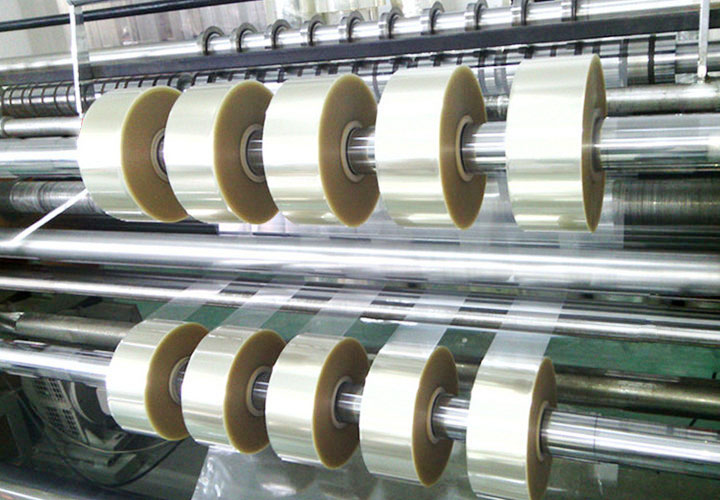
2. Winding technology: a precise game from tension to pressure
The slitted film needs to be rewound into a finished roll. The quality of the coiling determines whether the film will deform when stored and used.
1. Surface coiling vs. center coiling
• Center winding: The motor directly drives the winding shaft to rotate. This simple structure is suitable for production lines with high speed requirements, but extremely high requirements for tension control accuracy.
• Surface coiling (contact roller type): The rubber press roller rubs against the surface of the coil core, and the friction force is used to drive the film to be wound. This method excludes air, and the inner and outer hardness of the wound core is consistent, which is especially suitable for materials such as PET film that need to be tightly wound, which can effectively avoid the collapse phenomenon during transportation.
2. Taper control of the pressure of the roller
During the winding process, the pressure on the film will change as the diameter of the coil increases. If the pressure remains constant, the part near the core will be squeezed by the subsequent film, resulting in a phenomenon of "burst tendon" or "chrysanthemum petal".
Modern slitting machines use taper tension control technology to gradually reduce the pressure or winding tension of the roller as the roll diameter increases, ensuring that each layer of film from the inside to the outside is evenly stressed and rewinded evenly.
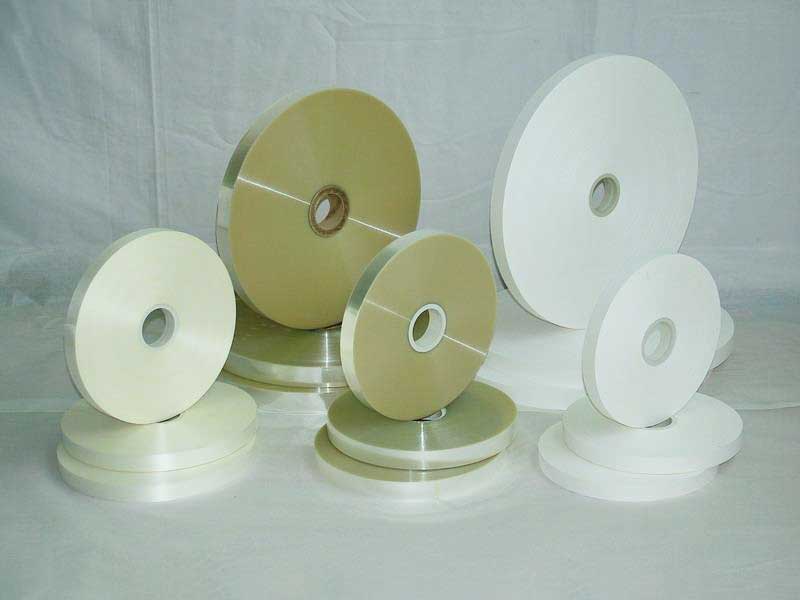
3. Tension control: the soul that runs through the whole process
If the mechanical structure is the skeleton of the slitting machine, then tension control is the brain and nervous system of the slitting machine. PET film has heat shrinkage characteristics and elastic modulus, and excessive tension will cause tensile deformation of the film (dog bone phenomenon) or even breakage; Too little tension will lead to loose winding and uneven edges.
1. Three-stage tension zone
A high-performance slitting machine typically divides tension control into three separate zones:
• Unwinding Tension: Provides stable feedstock output, typically controlled by magnetic powder brakes or vector motors, maintaining constant or decreasing tension.
• Traction and slitting tension: This is the most subtle part. The film needs to be tight and flat as it passes through the slitting tool holder, but the blade should not jump due to tension fluctuations.
• Rewinding tension: As mentioned earlier, it is usually controlled by taper. For example, the initial tension is set to 100N, and when the roll diameter reaches half, it is automatically reduced to 80N to prevent inner tightness and external tightness or inner tightness and external loosening.
2. Sensors and algorithms
To achieve this control, the equipment relies on high-precision floating roller pendulum bars and ultrasonic/laser diameter sensors.
• Floating Roller Feedback: The position change of the floating roller reflects the small fluctuation of tension in real time, and the control system adjusts the torque of the motor in real time through the PID algorithm to achieve dynamic balance.
• Acceleration and deceleration compensation: At the moment of equipment start-up or shutdown, inertia has the greatest impact on tension. The high-end control system introduces a feedforward compensation function for acceleration and deceleration, which automatically increases the output torque when the motor accelerates to offset the tension relaxation caused by inertia.
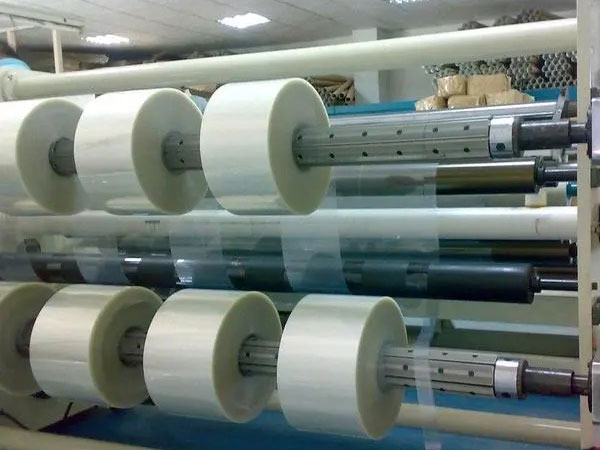
4. Future trend: intelligence and automation
With the growth of demand for high-end PET films such as lithium battery release films and optical base films, slitting machines are also evolving to a higher level:
1. Fully automatic wind change: realize automatic cutting, rewinding and unwinding without stopping, and upgrade the slitting machine from "stand-alone equipment" to "continuous flow production line", greatly improving production efficiency.
2. Digital interconnection: Through the Industrial Internet of Things, real-time monitoring of vibration data, temperature data, and current data during the slitting process allows for predictive maintenance and avoidance of unplanned downtime.
3. Visual inspection system: online real-time detection of crystal points, fisheyes, scratches and other defects on the surface of the film, once found, immediately mark or alarm to prevent defective products from flowing into the next link.
Epilogue
PET film slitting machine seems simple, but in fact it is a deep integration of mechanical design, material mechanics and automatic control theory. The sharpness of a knife, the parallelism of a roller, and the optimization of a line of PID code all converge on the roll of film that is as flat as a mirror. For manufacturing enterprises, choosing or operating a high-quality slitting machine is not only choosing production capacity, but also choosing the ultimate control of product quality.
 English
 Deutsch
 Français
 Español
 Português
 日本語
日本語 русский
 한국어
한국어 عربي
عربي ภาษาไทย
 Tiếng Việt
 Italiano
 1400mm Hot Stamping Foil Slitting Machine
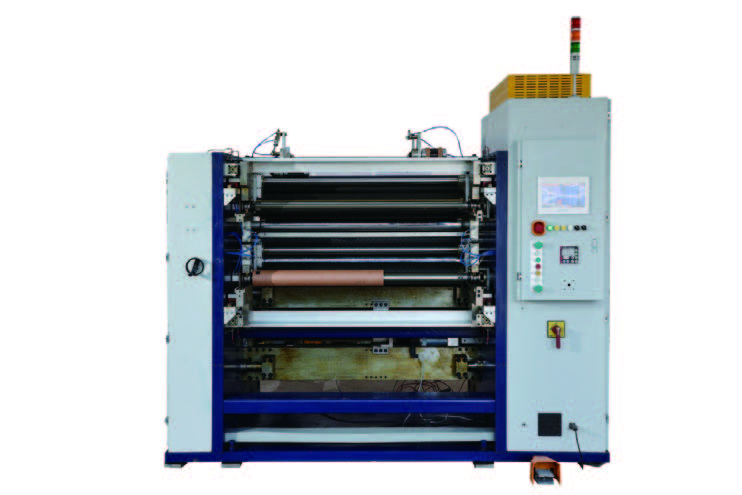 New Energy Ultra-thin Film Slitting Machine For Capacitive Film
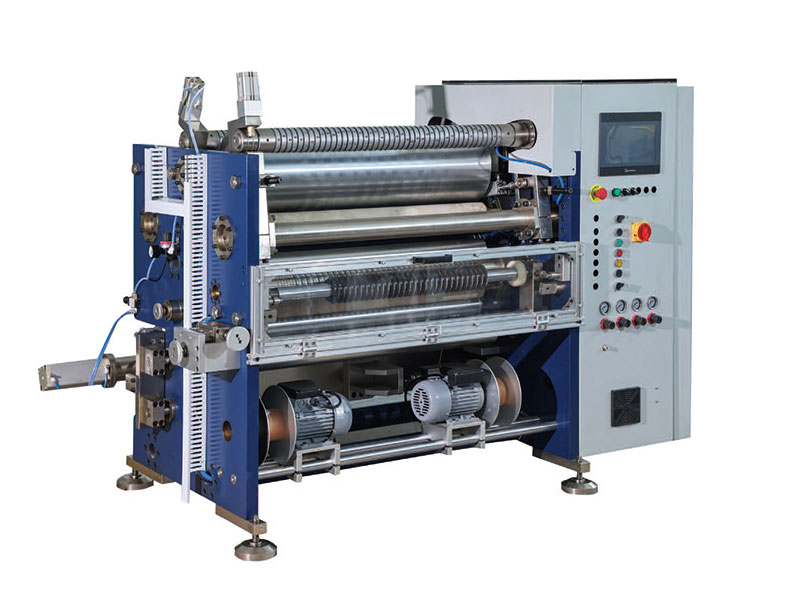 800mm Hot Stamping Foil Slitting Machine
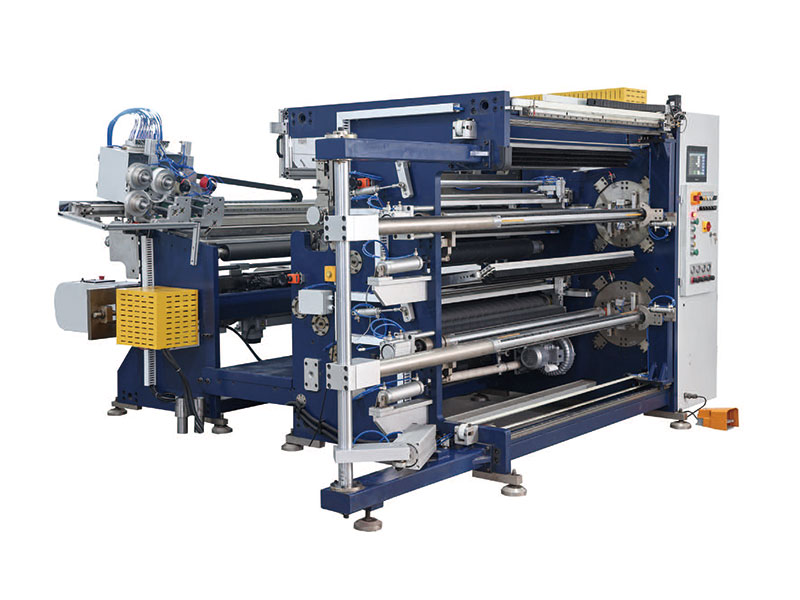 1350mm Hot Stamping Foil Slitting Machine
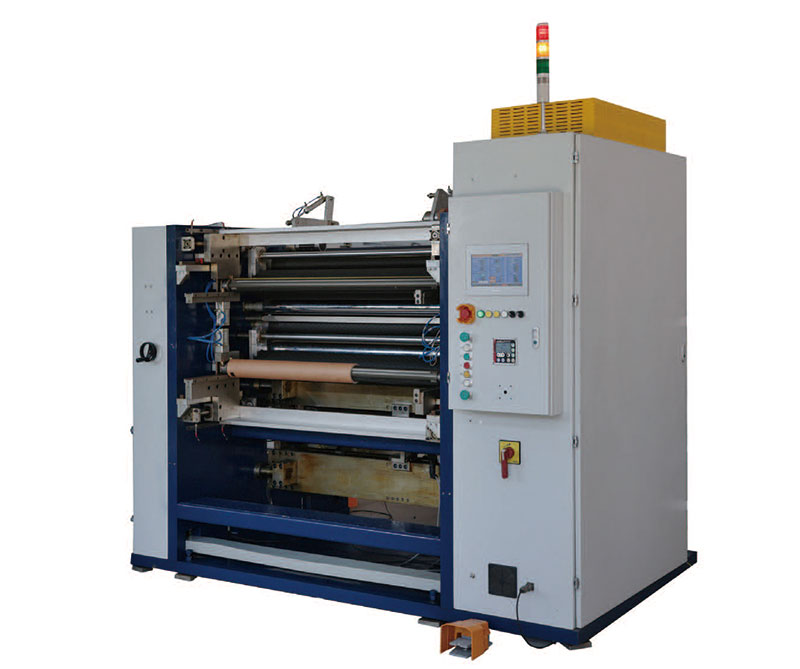 New Energy Ultra-thin Film Slitting Machine For MOPP
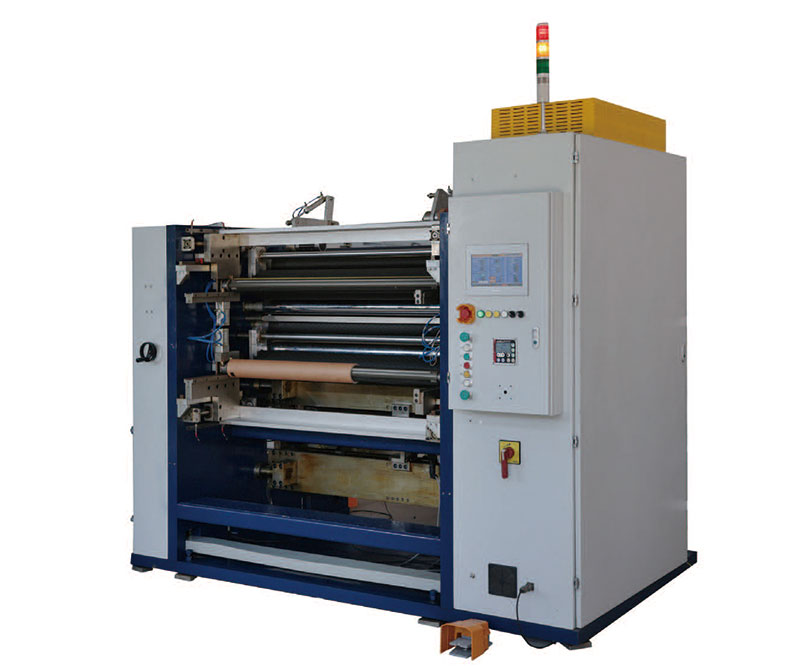 New Energy Ultra-thin Film Slitting Machine For MPET
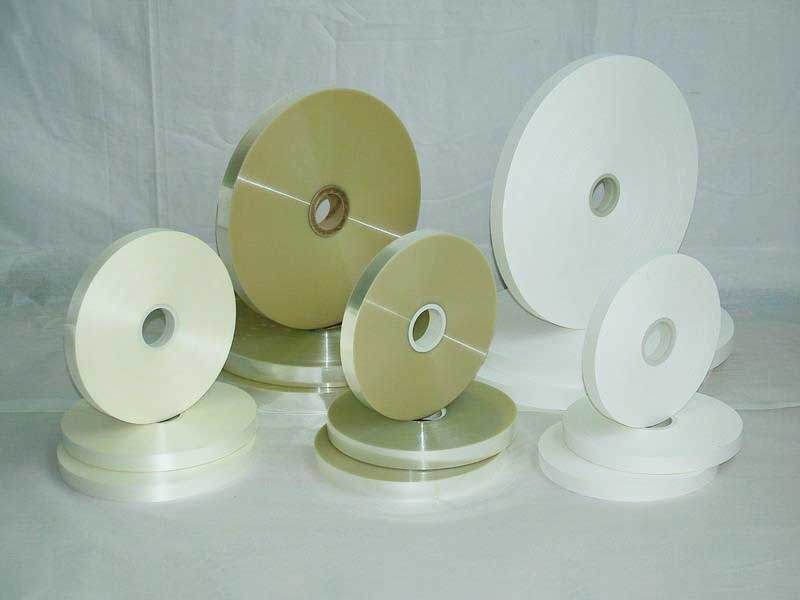 Film Slitting Machine
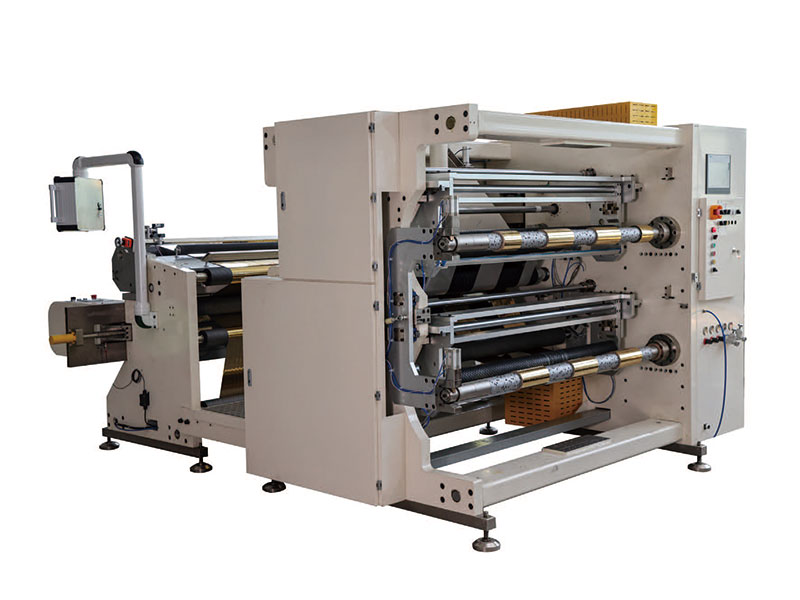 1400mm Copper Foil Slitting Machine


 +86 135 9951 7291
 support@delishmachine.com