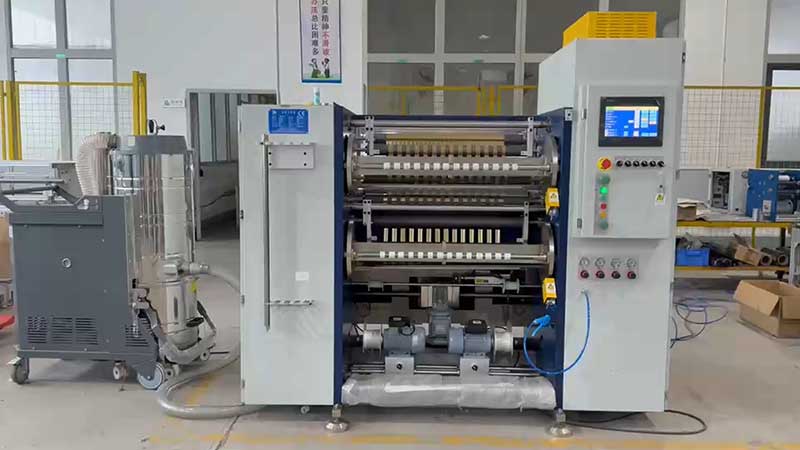
In the field of packaging, printing and surface decoration, the hot stamping process has always occupied the core position of enhancing the added value of products with its luxurious metal texture and exquisite visual effects. As the first process of hot stamping material processing, the hot stamping foil slitting machine has long been regarded as a simple "dividing tool". However, with the surge in demand for personalized, refined and composite materials in the downstream market, modern hot stamping foil slitting machines are no longer a single drum slitting equipment, but have evolved into a precision platform that integrates multifunctional applications and cross-disciplinary process expansion.
1. Breakthrough in traditional definition: not only "narrow", but also "fine"
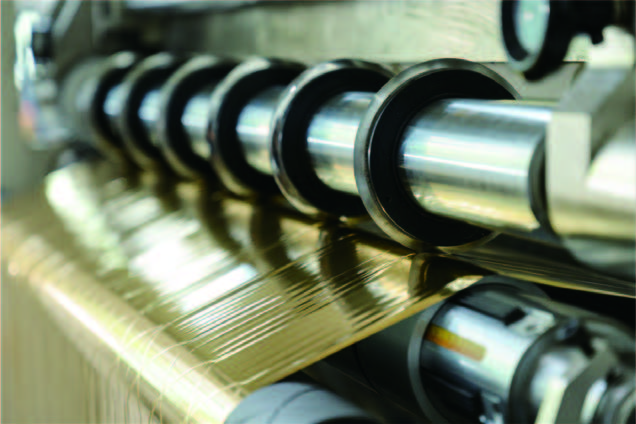
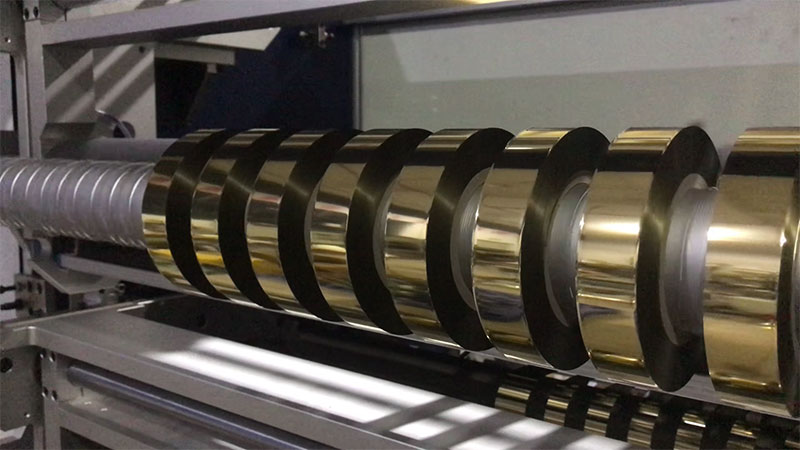
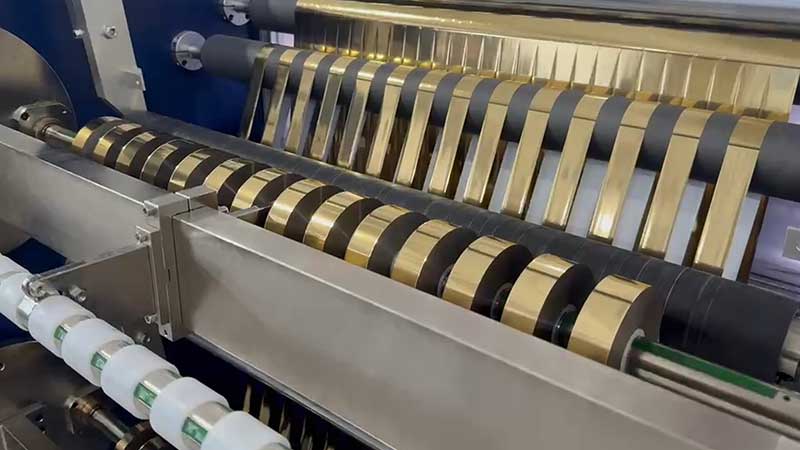
The main function of the traditional hot stamping foil slitting machine is to cut wide electrochemical aluminum foil coils into narrow coils of different widths according to customer needs. At the heart of this process is to control tension and reduce losses. However, under the trend of multifunctional applications, the functional boundaries of devices have been greatly expanded:
1. Micro-gap slitting and micro-tension control: In the face of hot stamping foil with a thickness of only a few microns, modern slitting machines can achieve high-speed slitting under extremely low tension through precise servo drive and closed-loop tension system, effectively solving the industry pain points of ultra-thin foils that are easy to break and wrinkle.
2. Integration of multiple slitting methods: One device is often compatible with both circular knife shearing (suitable for thicker or stronger coating industrial foils) and flat knife extrusion (suitable for standard electroized aluminum) at the same time, realizing "one machine for multiple purposes", quick order change, and adapting to the market rhythm of short version quick reaction.
2. Three dimensions of multi-functional applications
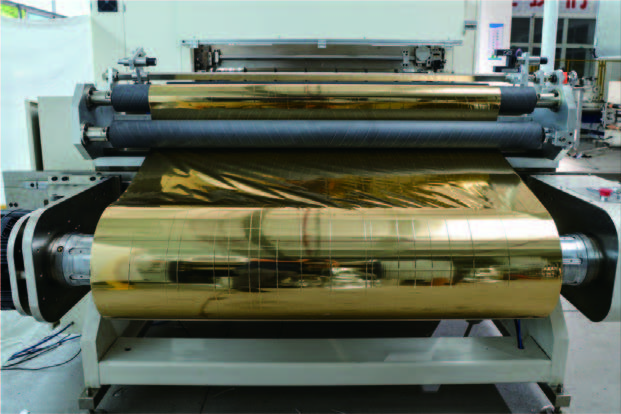
In order to meet the application of hot stamping process on different substrates, the slitting machine has been extended in multiple dimensions in terms of function:
1. Expansion of the breadth of material adaptation
Modern hot stamping foil has expanded from traditional PET film to laser film, pigment foil, magnetic foil and holographic positioning hot stamping foil. The multi-function slitting machine can easily handle composite materials with different friction coefficients and thicknesses by optimizing the unwinding mechanism and static removal device. For example, when slitting holographic anti-counterfeiting foil, the equipment must be equipped with a precise photoelectric correction system to ensure that the pattern position after slitting is accurate, which puts forward higher requirements for the detection and execution accuracy of the equipment.
2. The ultimate pursuit of winding quality
In high-end cosmetic packaging or cigarette pack hot stamping, even the smallest indentation or dust can lead to "hot stamping failure". The modern slitting machine ensures that the end face of the finished coil is as flat as a mirror and the tightness is consistent, providing a perfect "secondary processing" foundation for subsequent high-speed hot stamping machines.
3. Online integration of waste disposal and compounding
Some high-end models are no longer limited to slitting. With their modular design, they can be integrated with surface defect detection systems (automatic marking or rejection of defects), static elimination devices, and simple compounding functions. For example, the release liner is peeled and rewinded simultaneously during the slitting process, or the protective film is applied to the surface of the hot stamping foil, which reduces the flow of the process and improves production efficiency.
3. Process expansion: from printing and packaging to industrial applications
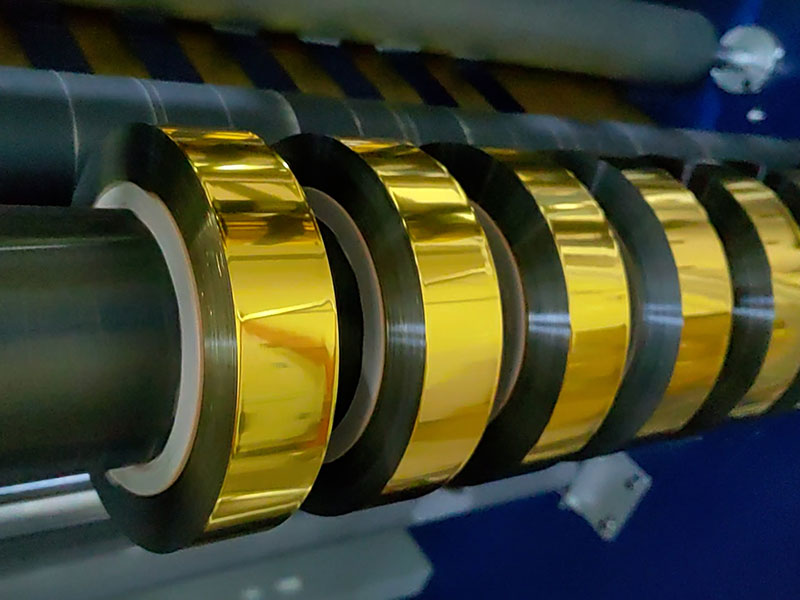
The process expansion of the hot stamping foil slitting machine is not only reflected in the performance of the machine itself, but also in the cross-border extension of its downstream application fields.
1. From "consumer packaging" to "industrial functional materials"
Traditional foil stamping is mainly used for tobacco and alcohol boxes and greeting cards. Nowadays, with the popularization of IMD (in-mold decoration) process for home appliance panels, automotive interiors, and electronic product appearance parts, hot stamping foil slitting machine has begun to serve the processing of industrial transfer foil. These industrial foils are often wider, thicker, and require extremely high burrs at the slitting edges (to prevent cracks during injection molding in the mold), which has led to the development of heavy-duty, rigid slitting machines.
2. From "flat hot stamping" to "three-dimensional and cold stamping process"
Although the cold stamping process is carried out on a printing line, the required cold ironing foil also requires precision slitting. The sensitivity of cold hot foil to the coating requires that the slitting process must maintain absolute tension stability to prevent the coating from cracking. In addition, for the thick-walled hot stamping foil required for 3D hot stamping, the slitting machine needs to have stronger cutting ability to ensure that the edges of the pattern are clean and neat.
3. Digital transformation and intelligent expansion
In the context of Industry 4.0, the process expansion of hot stamping foil slitting machines is also reflected in the data level. By installing sensors and industrial Internet interfaces, the equipment can record slitting speed, tension curves, temperature changes and meter losses in real time. These data are not only used for equipment self-inspection, but also can reverse guide the optimization of upstream coating processes, realizing the extension from "slitting processing" to "data services".
4. Future prospects: flexible manufacturing and green intelligent manufacturing
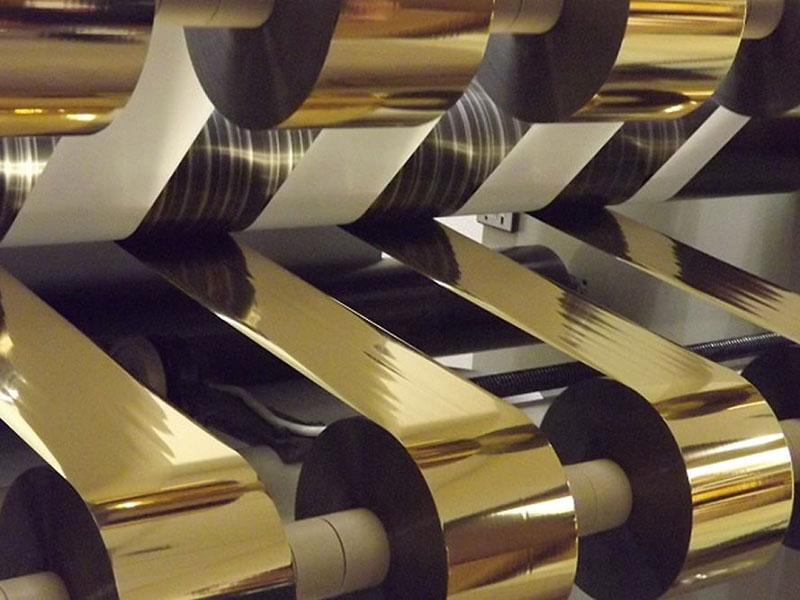
Looking ahead, the development of hot stamping foil slitting machine will revolve around two cores:
1. Full-process automation: From automatic feeding and film threading to automatic rewinding and unloading, it reduces manual intervention and ensures high-quality slitting in a sterile and dust-free environment.
2. Energy saving and consumption reduction: Optimize transmission efficiency, reduce edge material waste, and achieve "on-demand slitting" through intelligent algorithms, which helps hot stamping material enterprises achieve green production while reducing energy consumption.
Epilogue
The hot stamping foil slitting machine has long crossed the original definition of "cutting", it is not only the "gatekeeper" of the quality of hot stamping materials, but also the "bridge" connecting coating technology and terminal applications. In the era of personalized customization and industrial aesthetics, whoever can achieve finer control and more flexible expansion in the slitting process will be able to take the lead in the value chain of the hot stamping industry. Through the continuous expansion of multifunctional applications and process boundaries, this seemingly traditional equipment is injecting new manufacturing vitality into the exquisite "golden world".
 English
 Deutsch
 Français
 Español
 Português
 日本語
日本語 русский
 한국어
한국어 عربي
عربي ภาษาไทย
 Tiếng Việt
 Italiano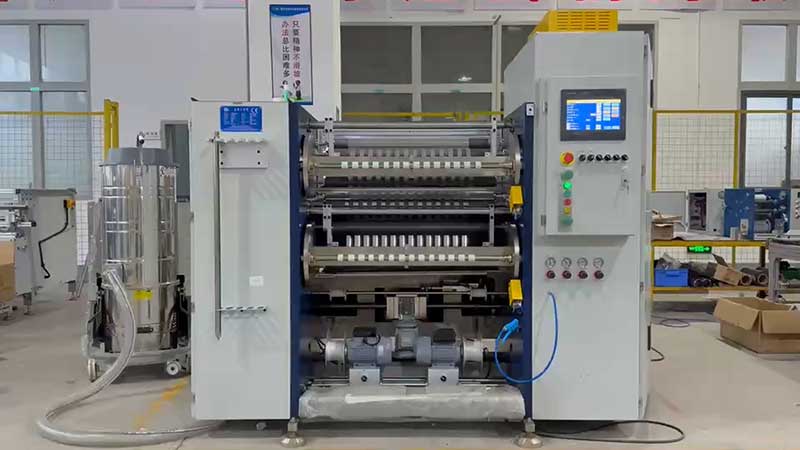
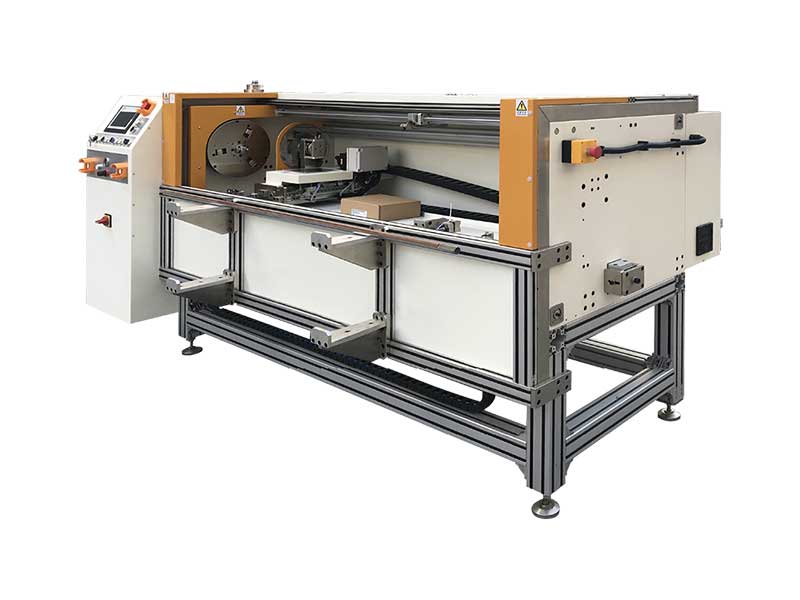 Automatic Foil Roll Cutting Machine
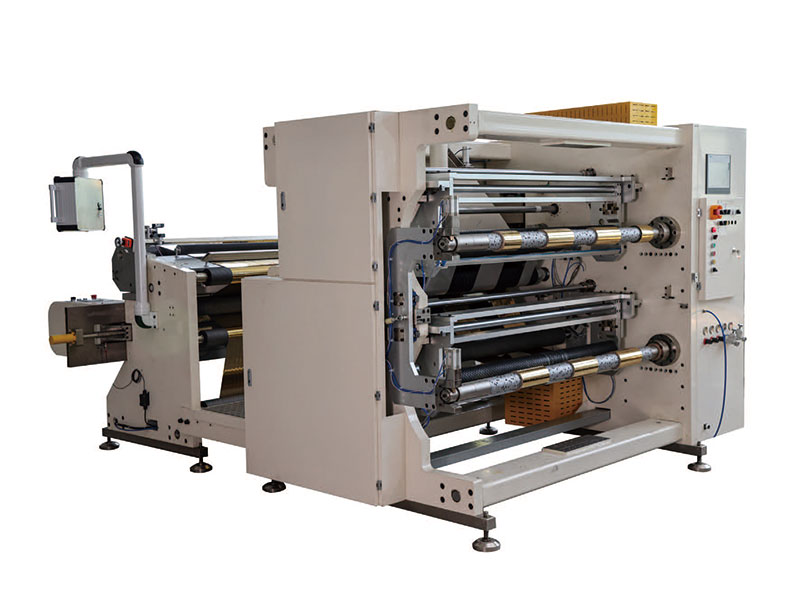 1400mm Hot Stamping Foil Slitting Machine
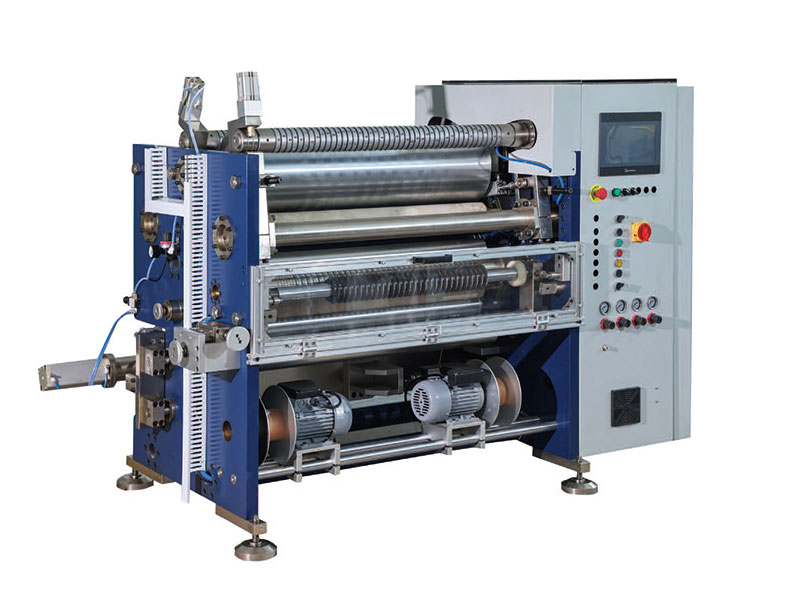 800mm Hot Stamping Foil Slitting Machine
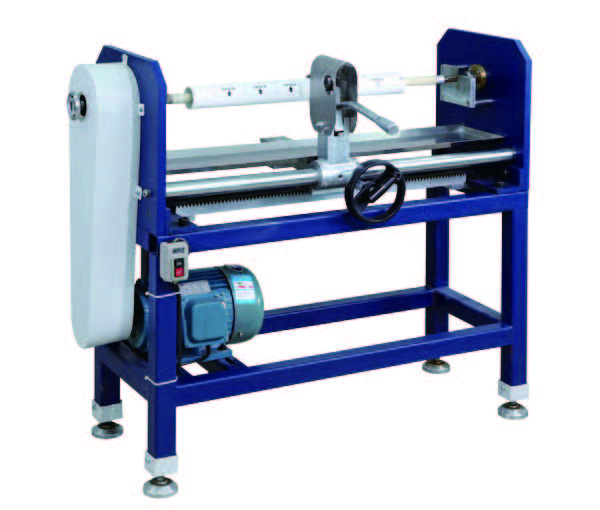 Manual Foil Roll Cutting Machine
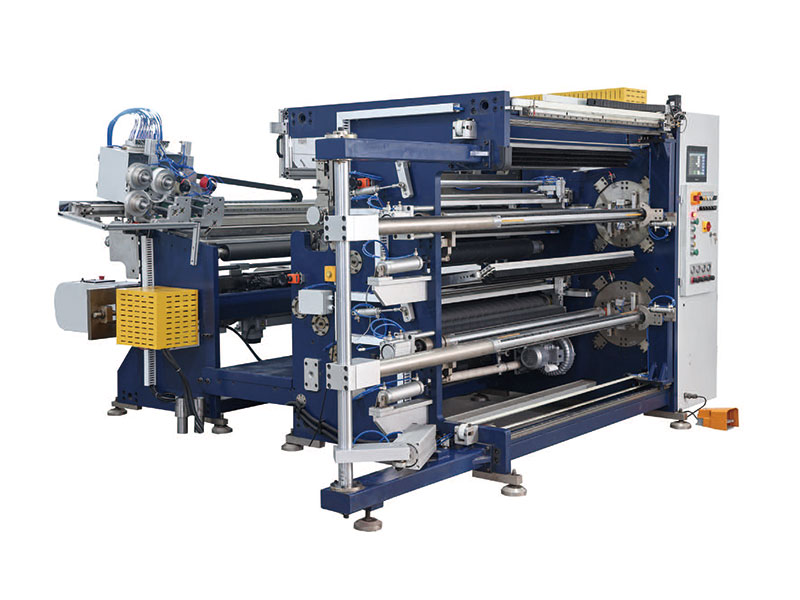 1350mm Hot Stamping Foil Slitting Machine
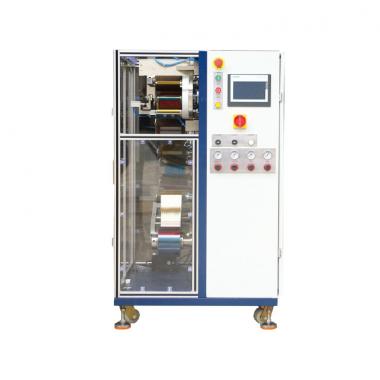 Photo & Card Print Ribbon Rewinding Machine
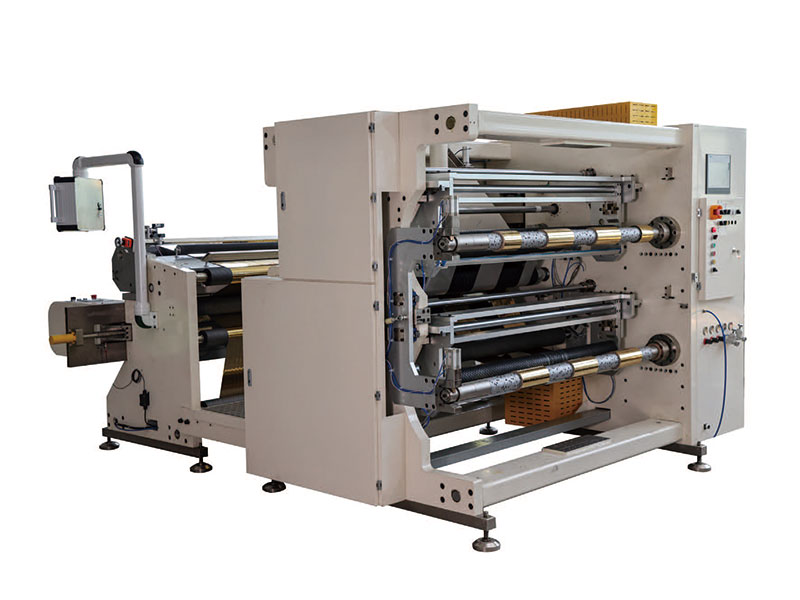 1400mm Copper Foil Slitting Machine
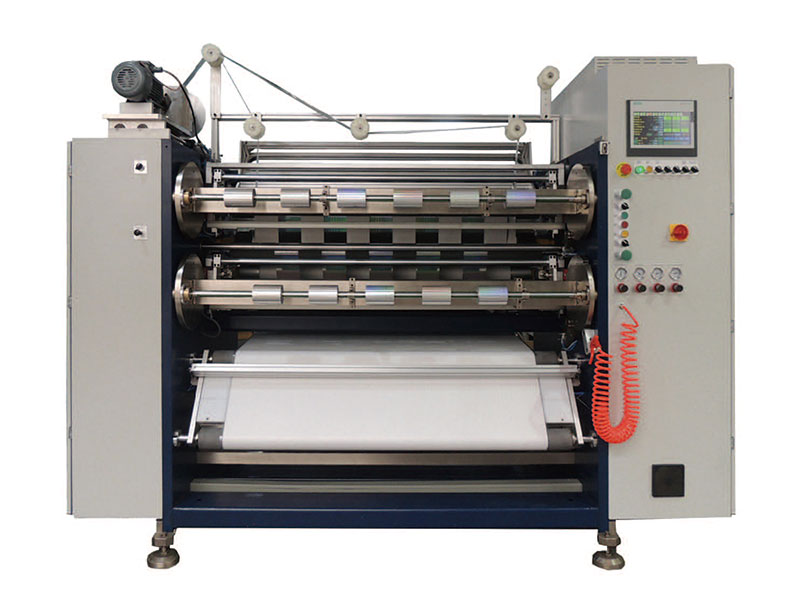 1350mm/1600 Foil Slitting Machine


 +86 135 9951 7291
 support@delishmachine.com