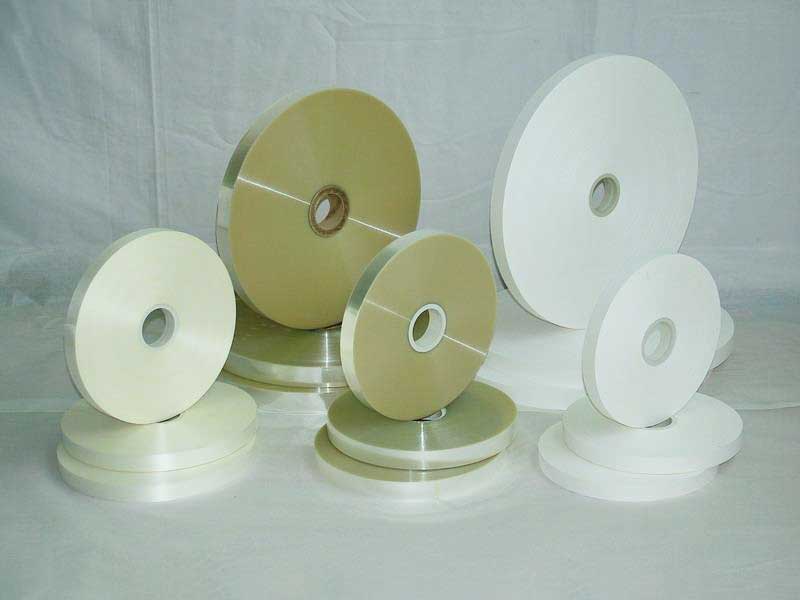
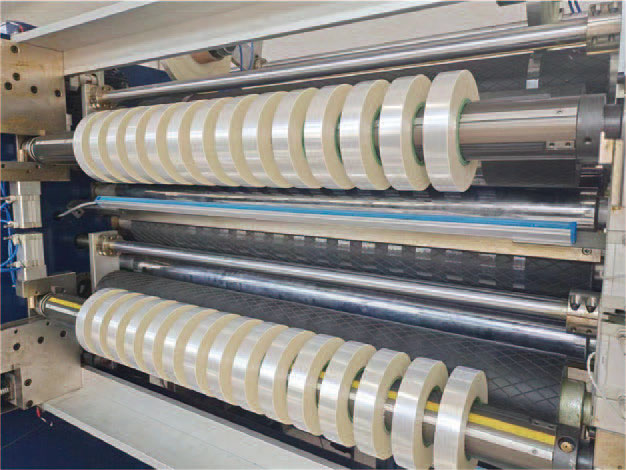
On the clean protective film of smartphone screens, in the uniform separator inside lithium batteries, on the smooth surface of high-grade packaging materials, behind a seemingly ordinary PET film, there is a core challenge in the manufacturing industry: how to achieve micron-level precise slitting in high-speed operation? PET film slitting machine, which sounds professional, is an indispensable key link in modern precision manufacturing, which slices wide films into narrow rolls of various specific widths, and its technical level directly determines the quality and production efficiency of the end product.
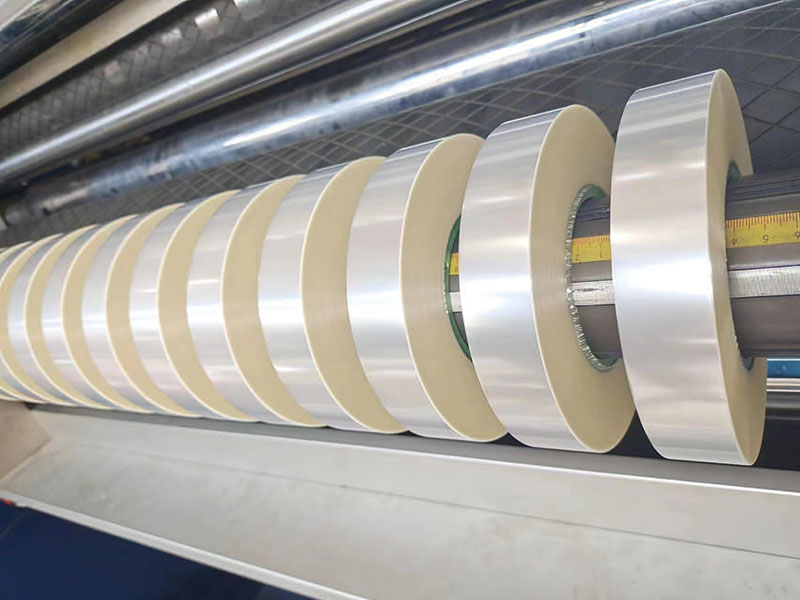
Art on the tip of a knife: a delicate balance of tension control
Walking into the modern film slitting workshop, the machine runs at high speed, and the film slides through the rollers like flowing water, but is accurately divided into narrow rolls of uniform width. The soul of this process lies in the tension control system – a technical dance that keeps the film steady in high-speed motion.
The advanced PET film slitting machine adopts full closed-loop tension control technology, which monitors the film tension change in real time through the tension sensor, and then precisely adjusts the unwinding, traction and winding torque through the PLC control system, so that the film always maintains the preset ideal tension state throughout the slitting process. This control can be accurate to the 0.1 Newton level, which is equivalent to applying a force to the weight of an egg on the film, but evenly distributed over the entire width.
The subtlety lies in the tension difference at different stages: the unwinding tension needs to be slightly greater than the winding tension to eliminate the internal stress generated by the film in the previous process; The local tension in the slitting area requires special control to prevent cutting deviations due to uneven tension. This "tension gradient" management, like finding the exact position of each note on a taut string, is the primary technical pillar of ensuring the quality of the slitting.
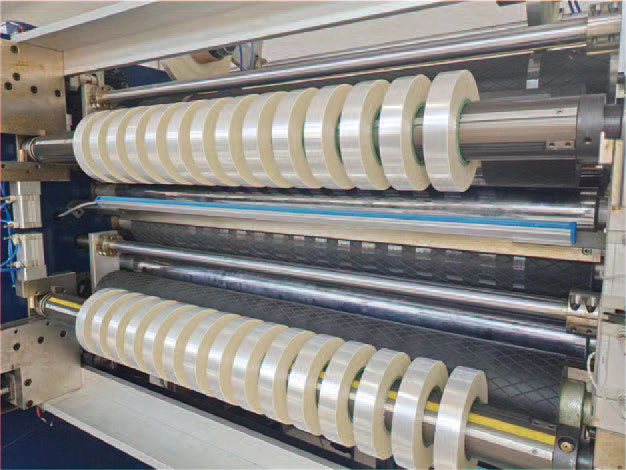
The Revolution in Cutting: From Mechanical Knives to Nanoscale Edges
The "blade" technology of slitting machines has undergone an evolution from mechanical shearing to modern precision cutting. Traditional mechanical blades cut the film through physical pressure, which is prone to burrs and dust, affecting the quality and service life of the film. Today's mainstream high-precision slitting machines use air-floating cutting technology, where the blade is positioned in a non-contact state through high-pressure airflow to reduce vibration and friction and achieve truly clean cutting.
The latest development is the application of laser slitting technology. The high-energy laser beam instantly vaporizes the thin film material, resulting in a perfectly smooth cutting edge without any mechanical stress. Especially for functional PET films (such as conductive films and optical films), laser cutting avoids microscopic cracks at the edges and ensures the functional integrity of the film. The latest laser slitting system from a leading German equipment manufacturer can cut with an accuracy of ±1 micron, which is equivalent to one-sixtieth of the diameter of a human hair.
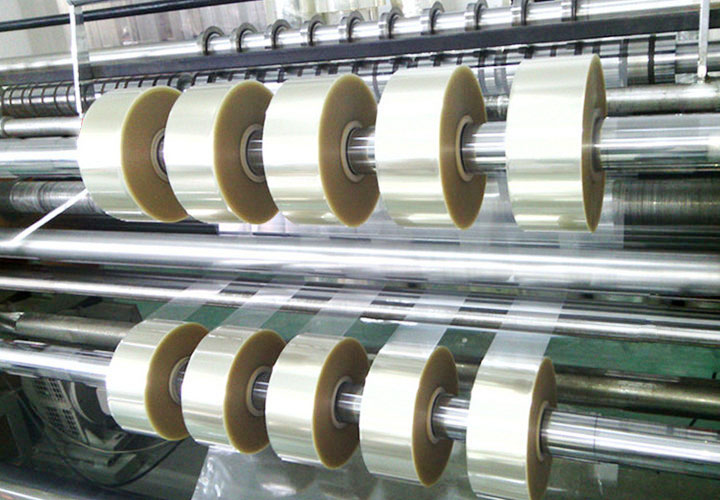
Intelligent eyes: visual guidance and real-time correction
In the high-speed slitting process of 600 m/min, how can you ensure that every millimeter of cutting is carried out exactly along the predetermined path? The answer of modern slitting machines is: the perfect combination of machine vision and real-time correction systems.
The high-resolution line scan the edges of the film at thousands of frames per second, detecting any slight position shifts. These data are transmitted to the control system in real time, and the motion trajectory of the film is predicted through mathematical models, and the position of the guide roller or cutting head is adjusted in advance to form a feedforward-feedback composite control loop. This "predictive correction" technology improves the slitting accuracy from the traditional ± 0.1 mm to ± 0.02 mm.
More advanced slitting machines introduce artificial intelligence image processing algorithms that can identify microscopic defects on the surface of the film (such as bubbles, impurities, uneven thickness), and automatically mark the defect location, guiding these areas to subsequent processing processes or direct rejection during the slitting process. This intelligent sorting capability greatly improves the quality rate and reduces material loss.
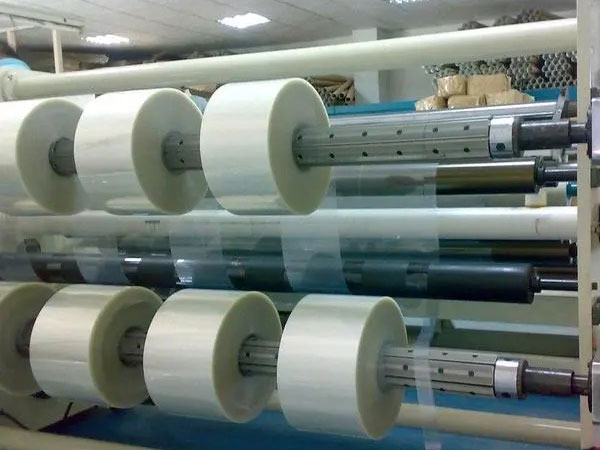
System Integration: The Nerve Endings of the Digital Factory
Modern PET film slitting machines are no longer isolated processing units, but important data nodes for digital factories. Through IIoT technology, the slitting machine uploads production data to the manufacturing execution system (MES) in real time: the width, thickness, length, tension parameters, and cutting quality data of each roll of film are fully recorded to form a traceable digital twin.
Based on this data, enterprises can achieve more refined production management: optimize scheduling and reduce changeover time; predict tool wear and implement preventive maintenance; Analyze quality trends and continuously improve process parameters. After the introduction of the intelligent slitting system, a leading film manufacturer in Asia has shortened the changeover time by 40%, increased the material utilization rate by 3.2%, and increased the annual benefit by more than 10 million yuan.
The future is here: adaptive slitting and sustainable manufacturing
PET film slitting technology is developing in a more intelligent and sustainable direction. The adaptive slitting system can automatically adjust the process parameters according to the real-time characteristics of the film material (modulus of elasticity, coefficient of friction, coefficient of thermal expansion) to achieve flexible production of "one setting, multiple materials". At the same time, the emergence of new materials (such as bio-based PET and degradable films) has also put forward new requirements for slitting technology, promoting the development of green technologies such as low-temperature cutting and pollution-free processing.
From tension control to cutting technology, from intelligent perception to system integration, the core technology of PET film slitting machine constitutes the microscopic foundation of modern precision manufacturing. Every advancement in these technologies is driving thinner and lighter electronic products, safer new energy batteries, and more environmentally friendly packaging materials. In this era where precision determines quality and efficiency determines competitiveness, the core technology of PET film slitting machine continues to evolve is quietly shaping the ubiquitous world of film materials in our daily life, and engraves the word "precision" into the genes of modern industrial production.
 English
 Deutsch
 Français
 Español
 Português
 日本語
日本語 русский
 한국어
한국어 عربي
عربي ภาษาไทย
 Tiếng Việt
 Italiano
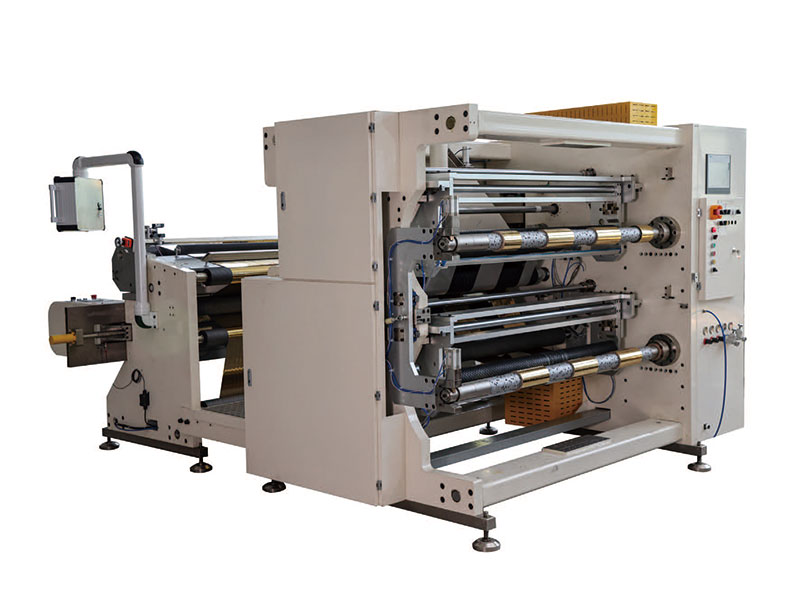 1400mm Hot Stamping Foil Slitting Machine
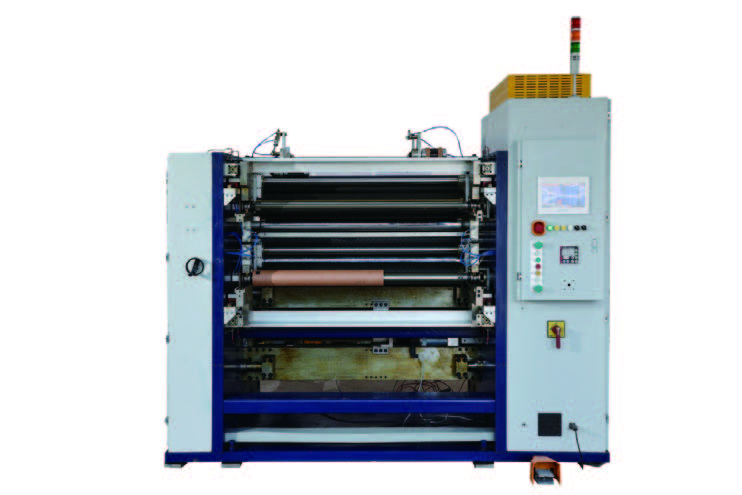 New Energy Ultra-thin Film Slitting Machine For Capacitive Film
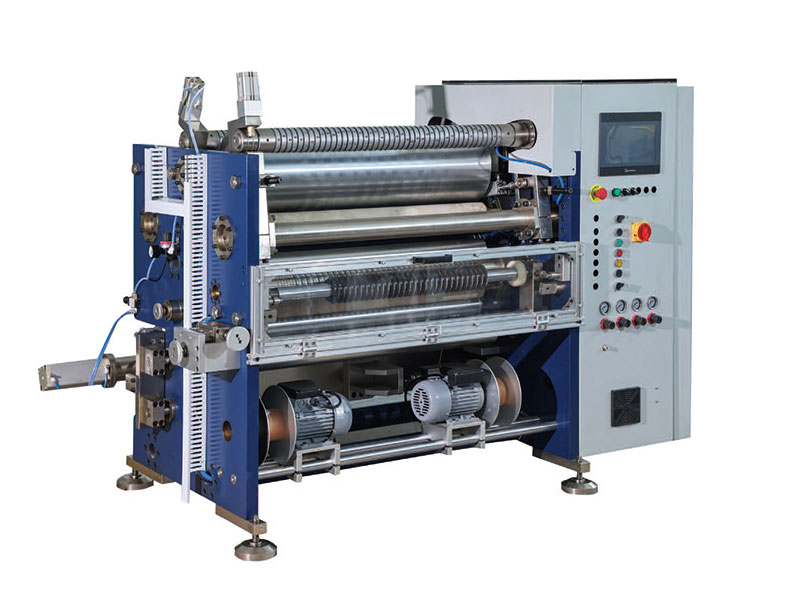 800mm Hot Stamping Foil Slitting Machine
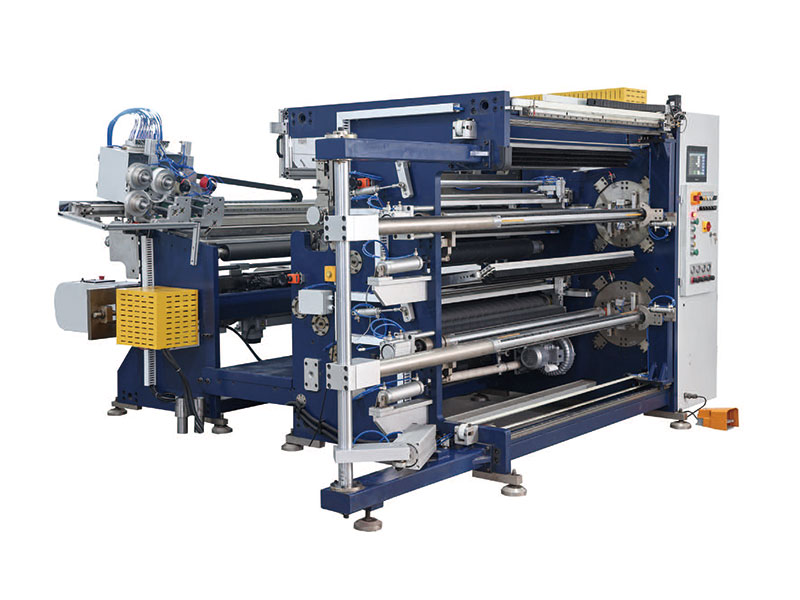 1350mm Hot Stamping Foil Slitting Machine
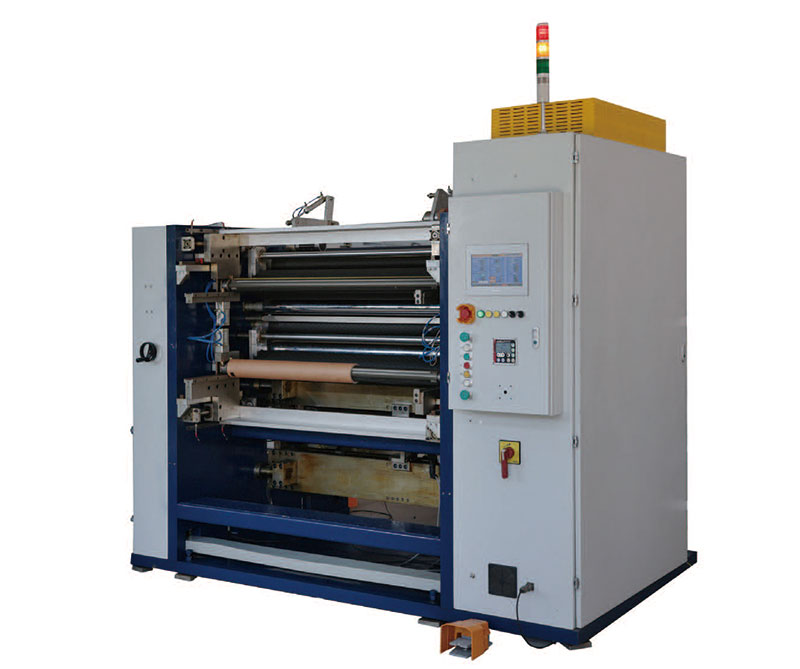 New Energy Ultra-thin Film Slitting Machine For MOPP
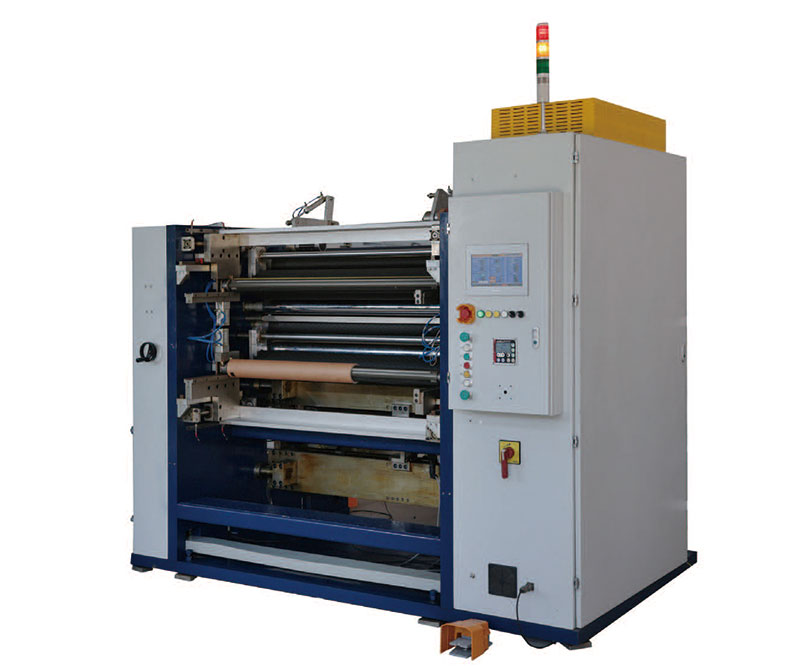 New Energy Ultra-thin Film Slitting Machine For MPET
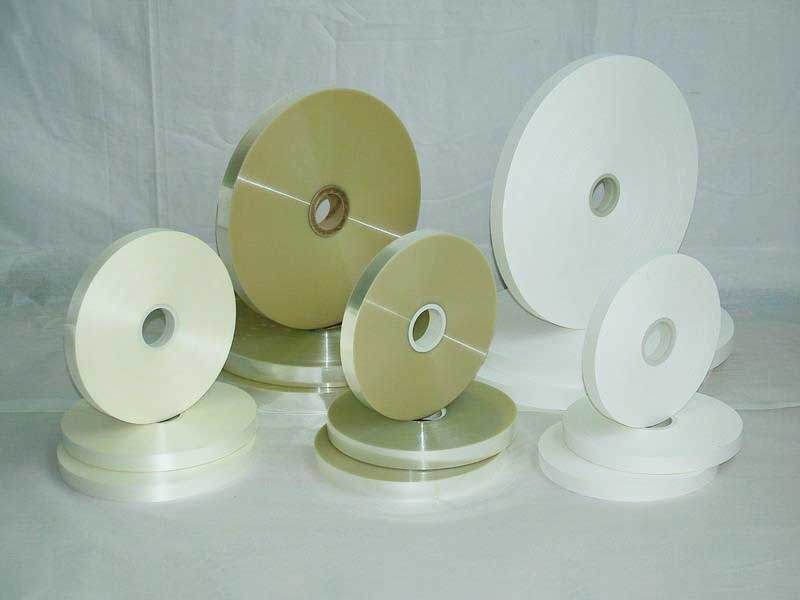 Film Slitting Machine
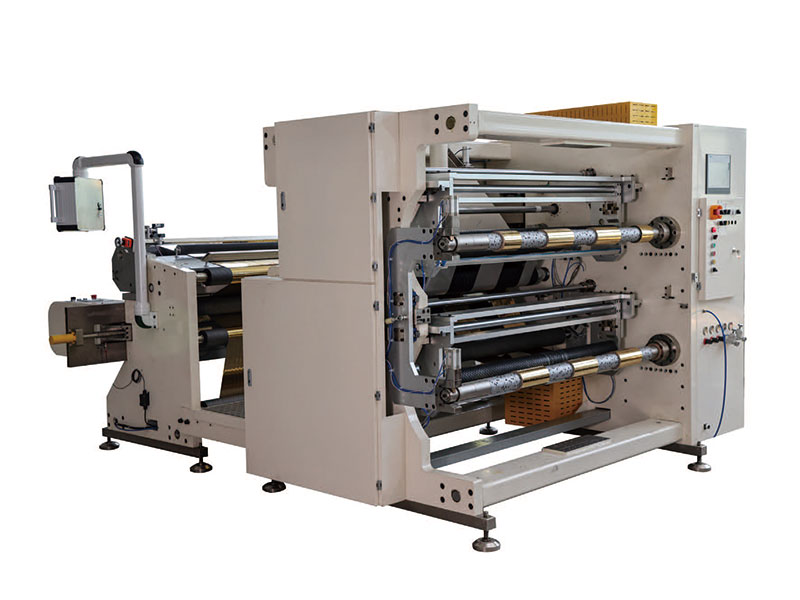 1400mm Copper Foil Slitting Machine


 +86 135 9951 7291
 support@delishmachine.com