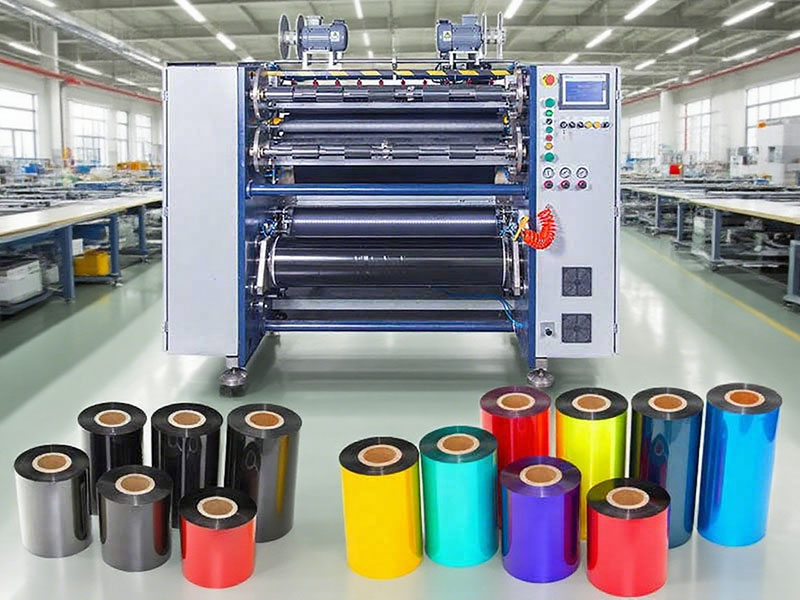
In modern industrial production, ribbon, as a core consumeable in barcode printing, label production and other fields, its quality directly determines the final printing effect and user experience. As a key equipment in the ribbon production process, the precise slitting ability of ribbon slitting machine directly affects the quality stability and application performance of ribbon products. This article will provide an in-depth analysis of the core functions of ribbon slitting machines and reveal the technical mysteries of achieving precise slitting.
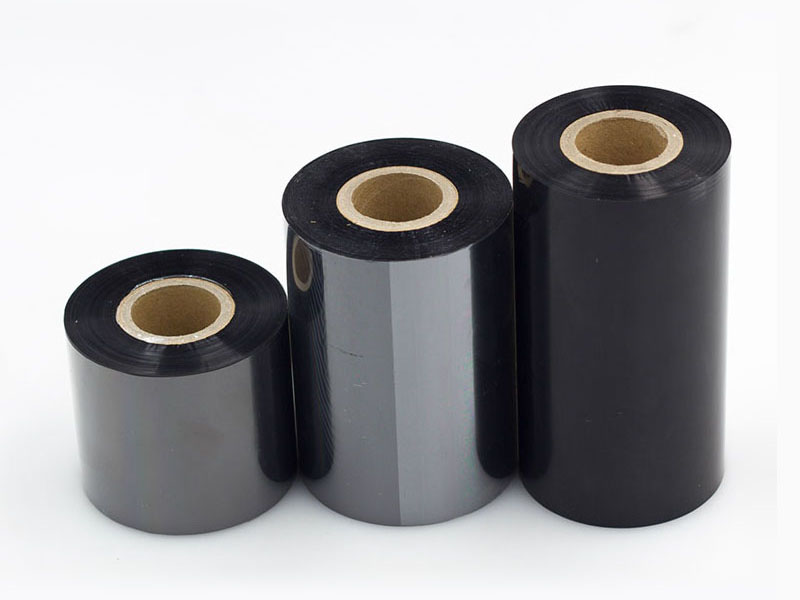
1. Tension control system: the "stable hand" of the slitting process
During ribbon slitting, tension control is the basis for ensuring the quality of slitting. Advanced ribbon slitting machines are often equipped with multi-stage tension control systems:
1. Unwinding Tension Control: Achieve constant tension control during the unwinding process through magnetic particle brakes or servo motors, ensuring that the raw material remains stable before entering the slitting area
2. Tension control during slitting: Tension sensing devices are set up in the slitting area to monitor and adjust the tension in real time to prevent wrinkles or breaks in the ribbon due to uneven tension
3. Winding tension control: Taper tension control technology is used to gradually reduce the tension with the increase of the winding diameter to ensure that the inner and outer layers are consistent
The sophisticated tension control system can control tension fluctuations to less than ±2%, laying the foundation for subsequent precise slitting.
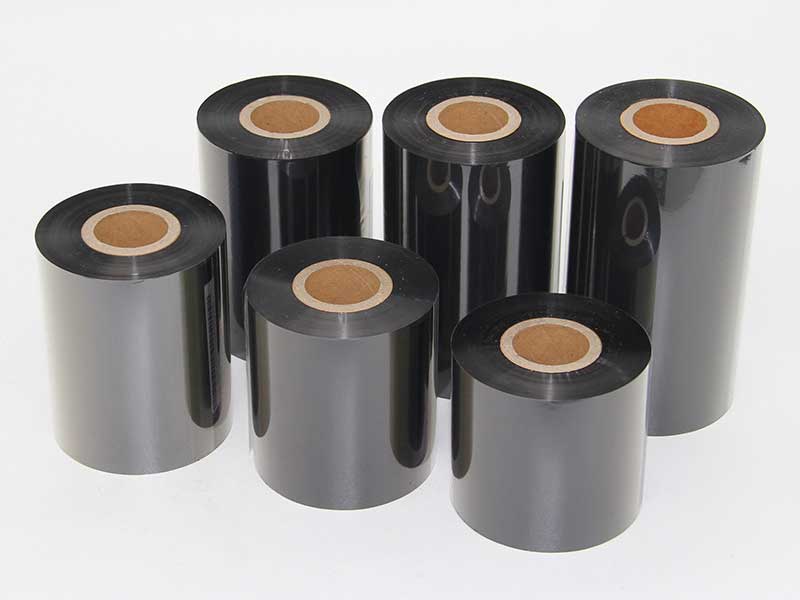
2. High-precision cutting system: the "execution blade" of slitting accuracy
The cutting system is the core execution component of the ribbon slitting machine, and its precision directly determines the slitting quality:
1. Cutting method selection:
◦ Circular knife cutting: suitable for high-volume production, fast cutting speed and high efficiency
◦ Flat knife cutting: suitable for high-precision slitting, especially for thin ribbons
◦ Laser cutting: Emerging technology, non-contact cutting, avoid edge burrs
2. Blade Material and Craftsmanship:
◦ Carbide or special steel is used to ensure that the blade remains sharp for a long time
◦ Nano-coating technology reduces friction and prevents ribbon material from sticking
◦ Special edge design ensures clean cuts without toner shedding
3. Dynamic Correction System:
◦ Use CCD visual detection or ultrasonic sensors to monitor the ribbon position in real time
◦ Cooperate with high-precision linear motors or servo systems to achieve micron-level deviation correction
◦ Edge control accuracy up to ±0.1mm, ensuring neat and consistent slitting edges
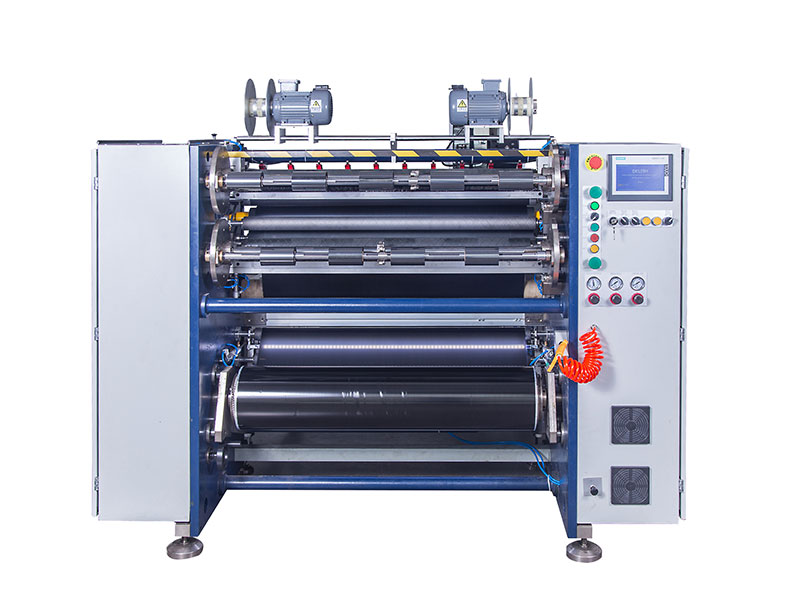
3. Intelligent control system: the "wisdom brain" of the slitting process
Modern ribbon slitting machine has fully entered the intelligent era:
1. Parameter preset and memory function:
◦ Store slitting parameters for multiple ribbon specifications for quick changeover
◦ Automatically calculate the optimal slitting scheme to reduce material waste
2. Real-Time Monitoring and Feedback:
◦ Detect key indicators such as slitting width and edge quality online
◦ Automatically adjust slitting parameters to ensure product consistency throughout the roll
3. Fault diagnosis and early warning:
◦ Intelligent analysis of equipment operating status and early warning of potential faults
◦ Reduce unplanned downtime and increase productivity
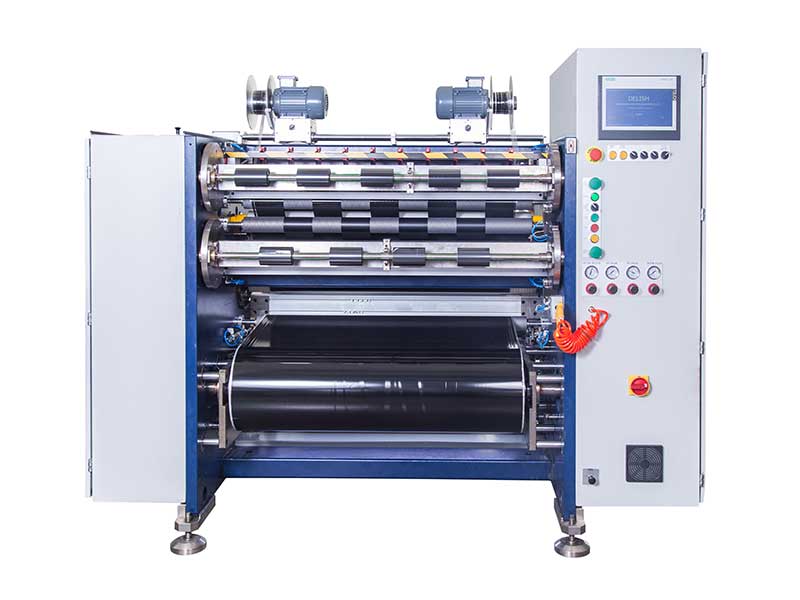
4. Environmental adaptation system: the "shield of guarantee" for stable production
Ribbon materials are extremely sensitive to environmental changes, and temperature and humidity fluctuations will cause the material to expand and contract, affecting the slitting accuracy:
1. Temperature and Humidity Control:
◦ Establish a stable environment of local temperature and humidity in the slitting area
◦ Automatically compensates for material dimensional fluctuations due to environmental changes
2. Static Elimination System:
◦ Ribbon friction is prone to static electricity, resulting in uneven rewinding or dust adsorption
◦ Multi-stage ionic wind static elimination device ensures material flatness
3. Dust Removal and Purification System:
◦ Efficiently filters air entering the slitting area
◦ Prevent dust particles from affecting the slitting quality or damaging the ribbon surface
5. The trend of technical integration of precise slitting
At present, ribbon slitting technology is developing in the direction of higher precision, higher efficiency and more intelligence:
1. Multi-sensor fusion technology: Combine vision, laser, ultrasonic and other inspection technologies to achieve all-round quality monitoring
2. Machine Learning Optimization: Automatically optimize slitting parameters through historical data analysis to continuously improve slitting quality
3. Modular design: It is convenient to quickly replace cutting modules of different specifications, adapting to small batches and diverse production needs
4. IoT Integration: Realize remote monitoring, data analysis, and preventive maintenance to build a digital smart factory
Epilogue
As a key equipment for ribbon production, the precise slitting ability of ribbon slitting machine is the core of ensuring product quality. From tension control to intelligent cutting, from environmental adaptation to intelligent management, the precise cooperation of each functional module together constitutes a technical system for precise slitting. With the in-depth development of Industry 4.0, ribbon slitting technology will continue to innovate, provide a higher quality, more stable and reliable product foundation for ribbon applications, and promote the development of the entire automatic identification industry.
In the future, the ribbon slitting machine will not only be a mechanical equipment that performs slitting tasks, but also an intelligent production unit that integrates perception, analysis and decision-making capabilities, becoming an indispensable and important link in the intelligent manufacturing ecosystem.
 English
 Deutsch
 Français
 Español
 Português
 日本語
日本語 русский
 한국어
한국어 عربي
عربي ภาษาไทย
 Tiếng Việt
 Italiano
 Thermal Transfer Ribbons Packaging Machine
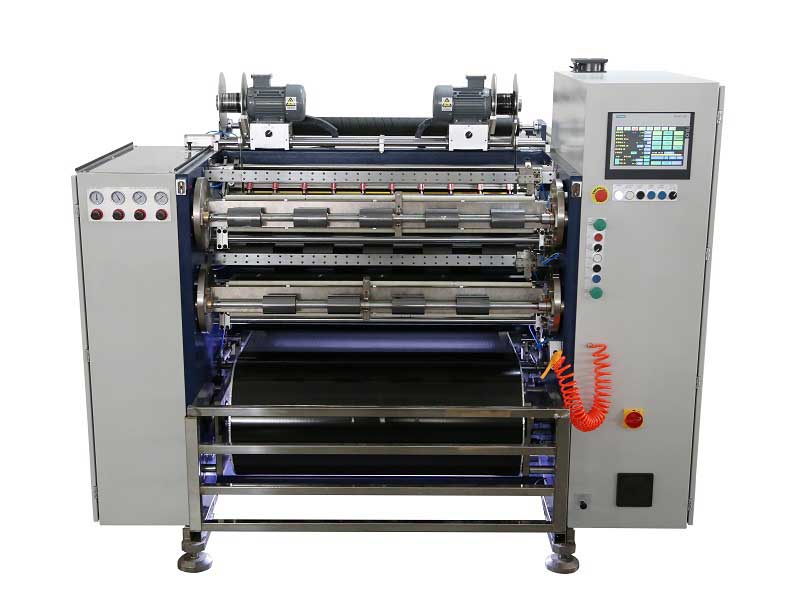 Automatic Thermal Transfer Ribbon Slitting Machine RSDS8 H PLUS
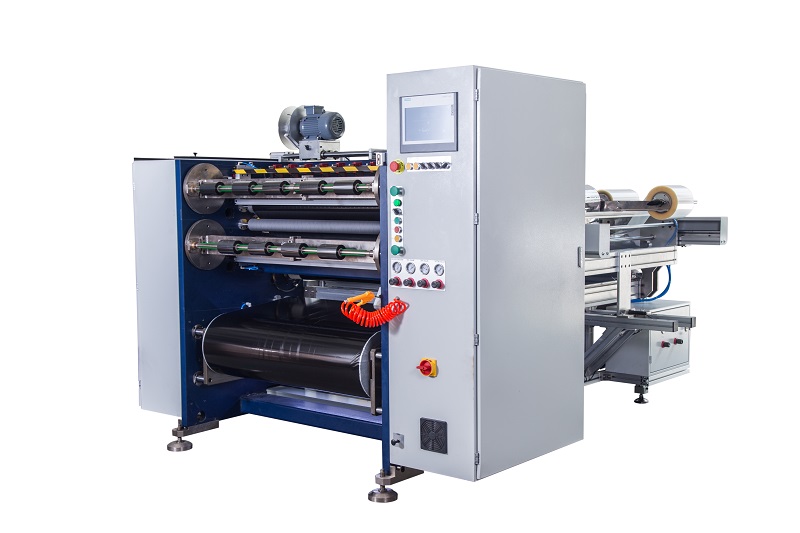 Semi Automatic Thermal Transfer Ribbon Slitting Machine RSDS5 PLUS
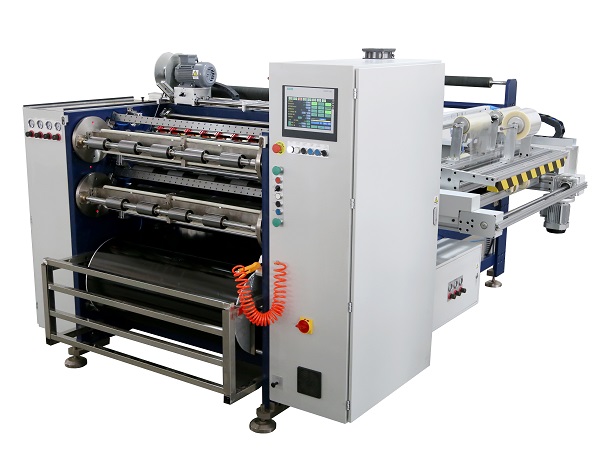 Automatic Thermal Transfer Ribbon Slitting Machine RSDS8 PLUS
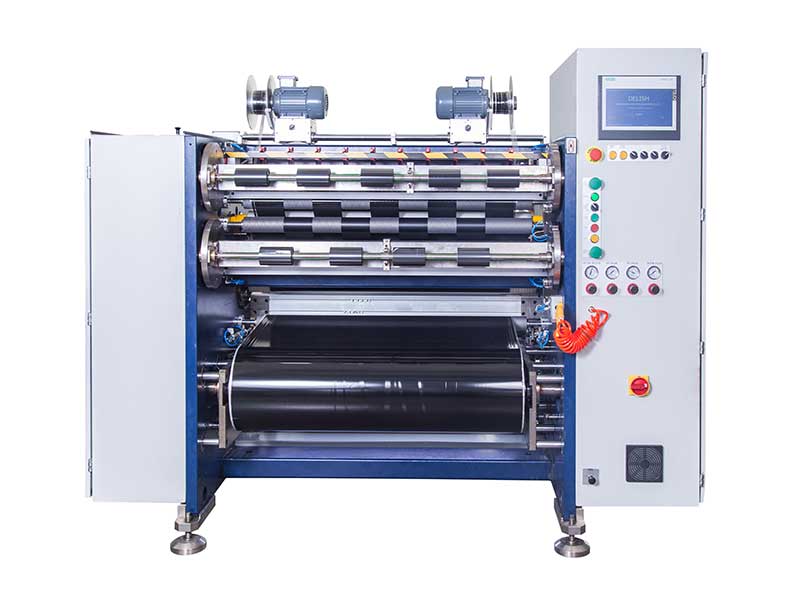 TTR Slitting Machine
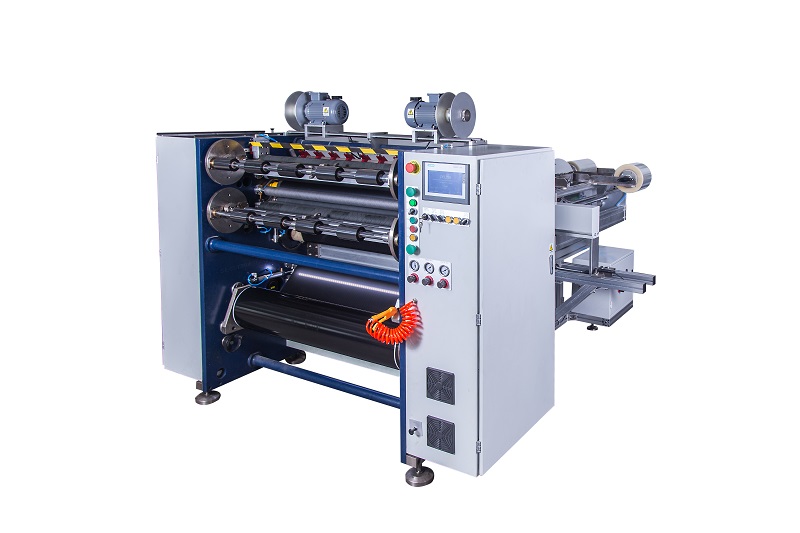 Semi Automatic Thermal Transfer Ribbon Slitting Machine RSDS1 PLUS
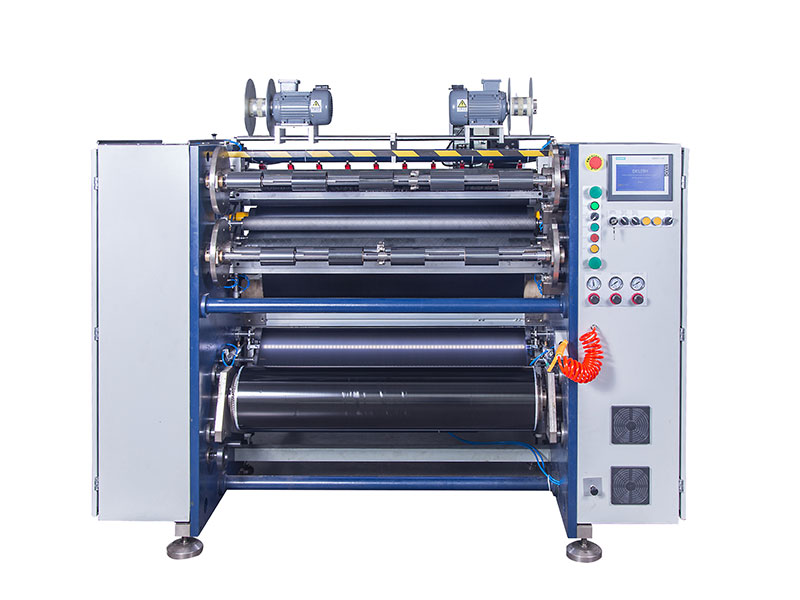 Ribbon Slitting Machine


 +86 135 9951 7291
 support@delishmachine.com