In the modern packaging, electronics, photovoltaic and display industries, polyester film (PET film) is becoming more and more widely used. From food packaging to mobile phone screens, from solar panels to flexible circuit boards, PET film has become a key material for many high-tech products due to its excellent physical properties and chemical stability. However, these applications place extremely high demands on the quality of the film, especially after slitting, the film must have perfect edge flatness, uniform thickness, and consistent mechanical properties. In this process, the tension control system of the PET film slitting machine has become the core technology to ensure the quality of the final product.
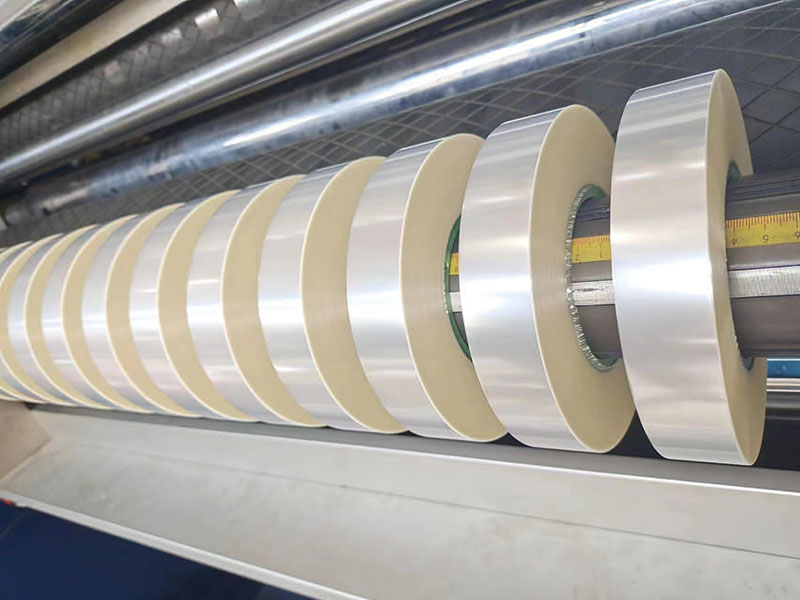
Consequences of tension instability: from microscopic defects to macroscopic losses
During the slitting process, the film undergoes multiple links such as unfolding, traction, slitting and winding at high speed. If the tension is not properly controlled, it can lead to a series of problems:
• Film wrinkling: When the tension is insufficient, the film tends to shrink laterally and create wrinkles
• Edge tearing: Excessive tension or fluctuations can cause cracks or complete breakage at the film's edges
• Coil deformation: Uneven tension can cause irregular shapes such as "star" or "bamboo shoot" of the rolled film
• Uneven thickness: Tension fluctuations can affect the tensile state of the film, leading to local thickness variations
• Difficulty in subsequent processing: Poor slitting quality can pose challenges for subsequent printing, coating, or lamination processes
These issues not only affect the appearance of the product but also reduce the mechanical properties and service life of the film, ultimately leading to customer complaints and production losses.
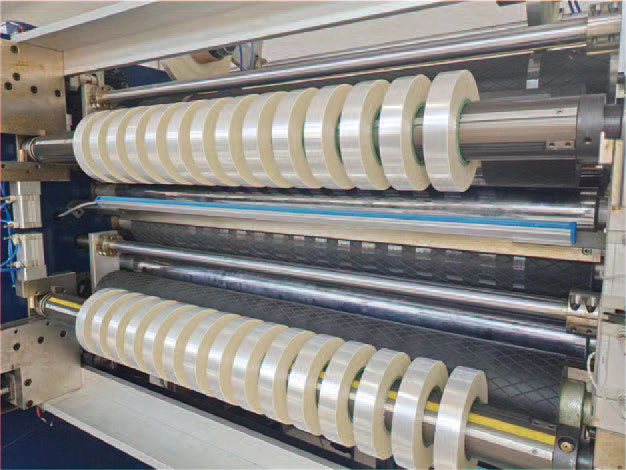
Tension control system for modern PET film slitting machines
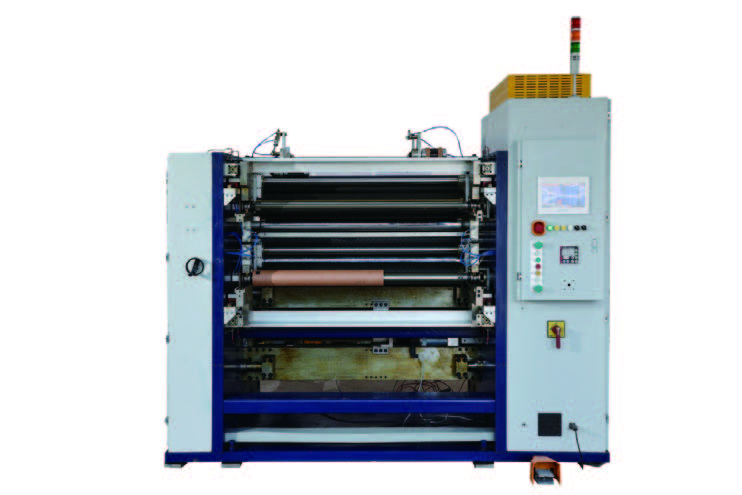
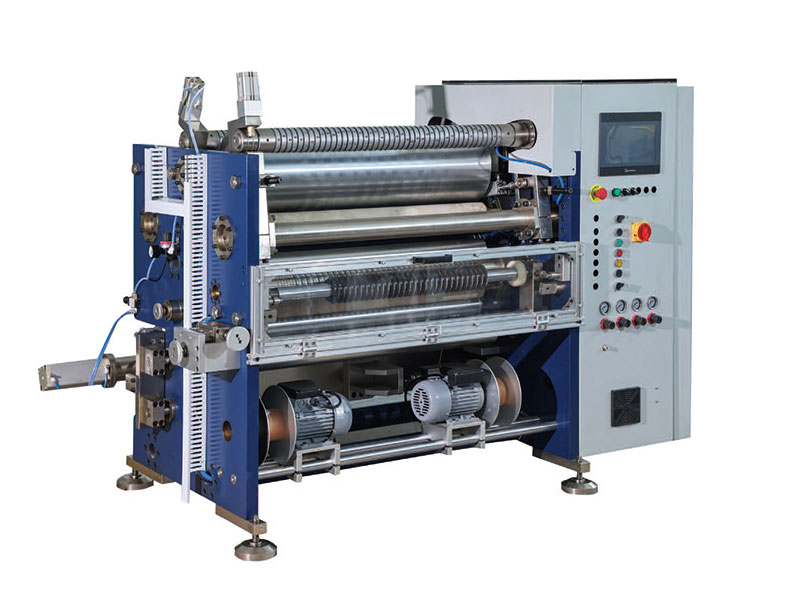
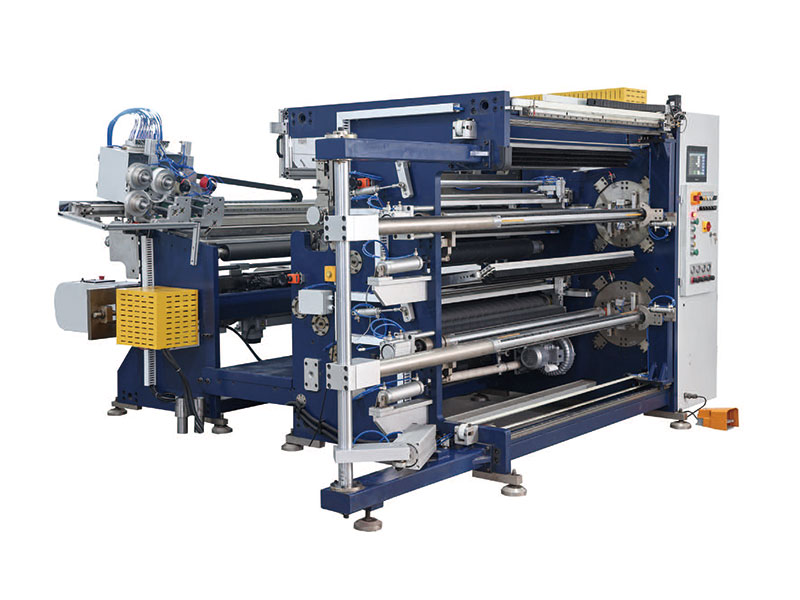
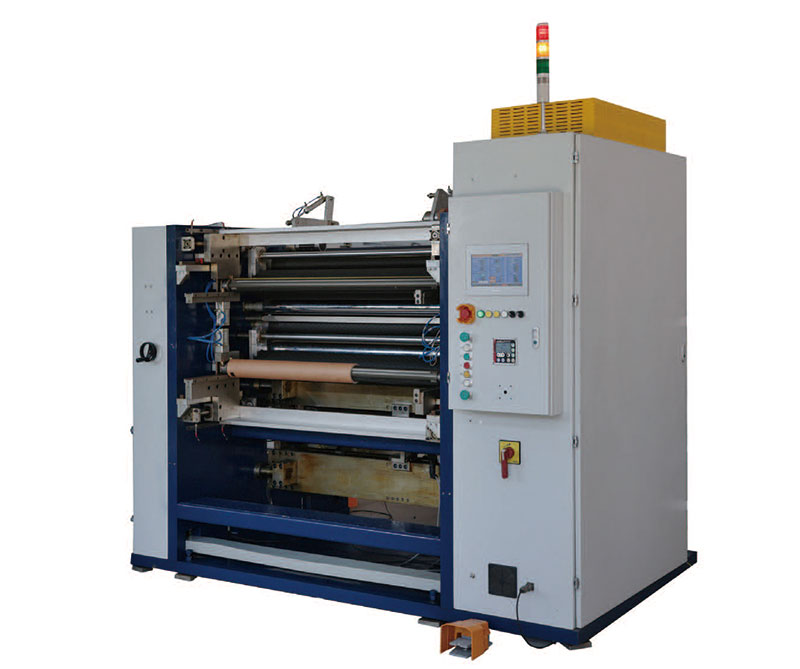
Modern high-end PET film slitting machines adopt a precise closed-loop tension control system, which is mainly composed of the following key parts:
1. Tension detection system
High-precision tension sensors monitor changes in film tension in real time, convert mechanical signals into electrical signals, and provide an accurate data basis for control systems. These sensors are typically installed in key locations of the slitting machine, such as the unwinding, traction, and winding zones.
2. Intelligent control system
Intelligent systems based on PLCs or dedicated controllers receive sensor signals and calculate and adjust the working status of each actuator unit in real time through advanced algorithms such as PID control, fuzzy control, or adaptive control. Modern systems also automatically optimize tension parameters based on film type, thickness, width, and slitting speed.
3. Executive Agency
• Magnetic powder clutch/brake: Provides a precisely adjustable resistance moment at the unwinding end
• Servo motor drive: Provides precise speed and torque control at the traction and rewinding ends
• Floating roller device: buffers tension fluctuations by changing position, acting as a "tension filter"
• EPC (Edge Position Control) System: Ensures that the film maintains a stable lateral position during slitting
4. HMI and data management
Modern slitting machines are equipped with a touch screen operation interface, allowing operators to intuitively set and monitor tension parameters. The system can also record production data to support quality traceability and process optimization.
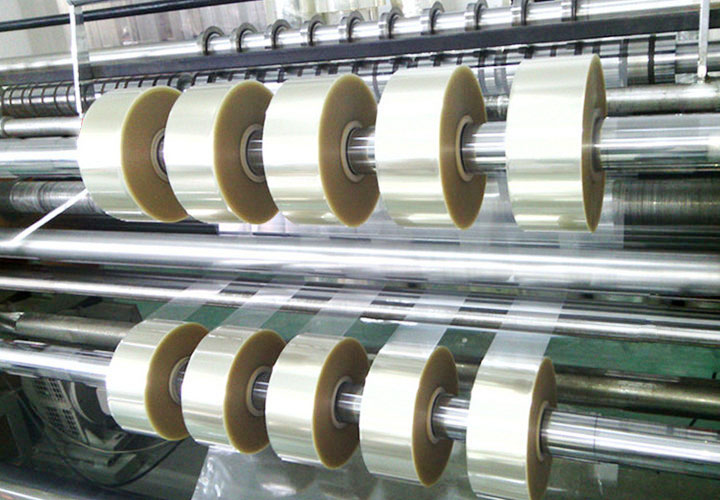
Technological progress in stabilizing tension
With the advancement of Industry 4.0 and intelligent manufacturing, the tension control technology of PET film slitting machine is also constantly improving:
Adaptive Tension Control: The system can automatically adjust the tension setpoint according to the change in the roll diameter, keeping the film under uniform force. Taper tension control is usually adopted, that is, the tension is gradually reduced as the coil diameter increases, so as to avoid the outer film from squeezing the inner layer.
Dynamic compensation technology: During the acceleration and deceleration process, the system predicts the impact of inertia changes on tension, compensates in advance, and maintains tension stability.
Multi-stage independent tension control: The film path is divided into multiple tension zones, and each zone is controlled independently to achieve finer tension management.
IoT Integration: Through IoT technology, slitting machines can be connected to factory MES systems, enabling remote monitoring, predictive maintenance, and process parameter optimization.
Tension management strategies in practical applications
In actual production, the operator needs to adjust the tension strategy according to the specific conditions:
1. Film Characteristics Considerations: Different thicknesses, widths, and batches of PET film require different tension settings
2. Speed Matching: When the slitting speed changes, the tension parameters need to be adjusted accordingly
3. Environmental factors: Changes in temperature and humidity can affect the physical properties of the film, requiring timely adjustment of control parameters
4. Tool Condition: The sharpness of the slitting knife can affect the slitting resistance, which in turn affects the tension stability
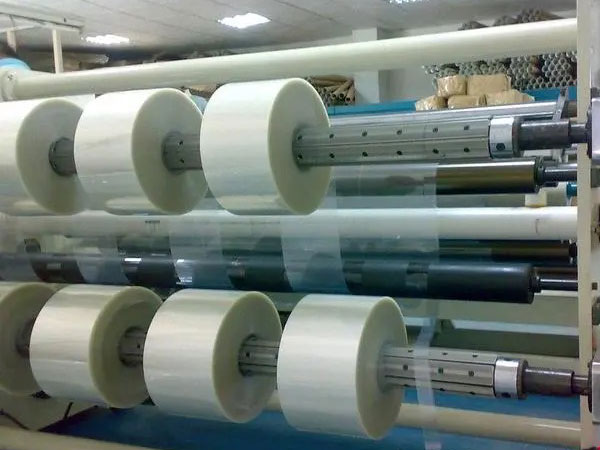
Future outlook
With the continuous emergence of new materials and new applications, the requirements for the quality of PET film slitting will become higher and higher. Future slitting machine tension control systems will be more intelligent, possibly incorporating artificial intelligence and machine learning technologies, allowing equipment to autonomously optimize control parameters and adapt to more diverse production needs. At the same time, with the deepening of the concept of sustainable development, energy-saving tension control systems will also become the focus of research and development, reducing energy consumption while ensuring quality.
Epilogue
In the field of PET film processing, slitting is a key link connecting raw materials to the final application. Tension control is the core technical challenge in the slitting process. Stable tension not only ensures the quality of slitting, but also directly affects the performance and reliability of downstream products. With the continuous advancement of technology, PET film slitting machines are developing in the direction of higher precision, intelligence, and more energy-saving and environmental protection, providing better film materials for various industries and supporting the manufacturing needs of everything from daily consumer goods to cutting-edge technology products. In this seemingly simple slitting process, the exquisite balance of tension control is the best embodiment of "details determine quality" in modern manufacturing processes.
 English
 Deutsch
 Français
 Español
 Português
 日本語
日本語 русский
 한국어
한국어 عربي
عربي ภาษาไทย
 Tiếng Việt
 Italiano
 1400mm Hot Stamping Foil Slitting Machine
 New Energy Ultra-thin Film Slitting Machine For Capacitive Film
 800mm Hot Stamping Foil Slitting Machine
 1350mm Hot Stamping Foil Slitting Machine
 New Energy Ultra-thin Film Slitting Machine For MOPP
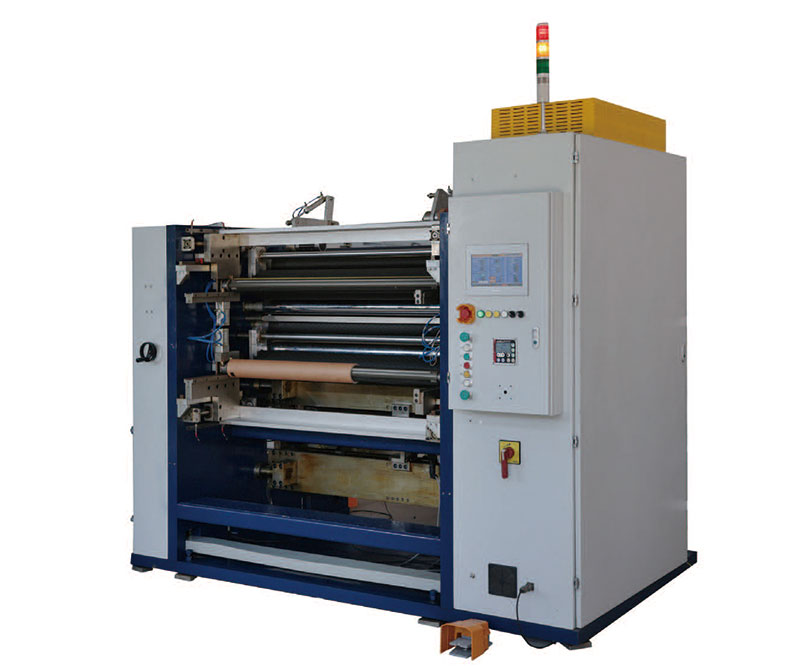 New Energy Ultra-thin Film Slitting Machine For MPET
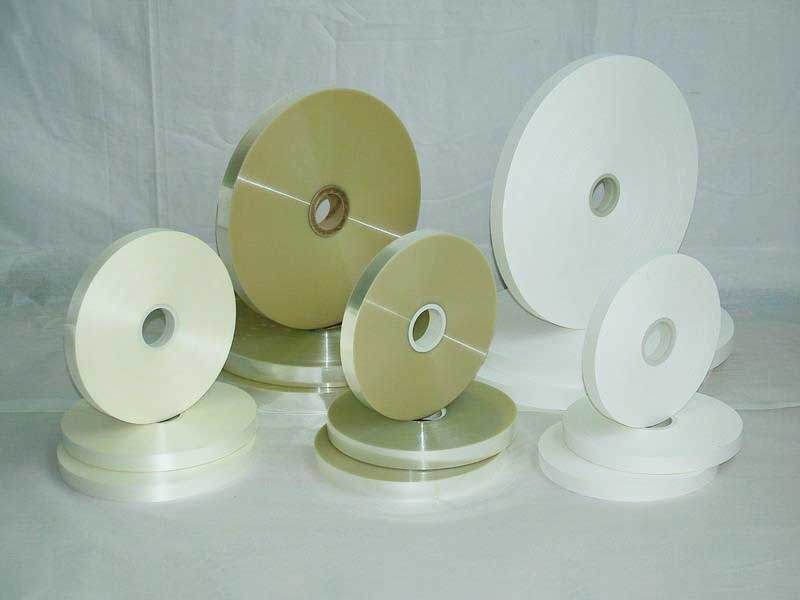 Film Slitting Machine
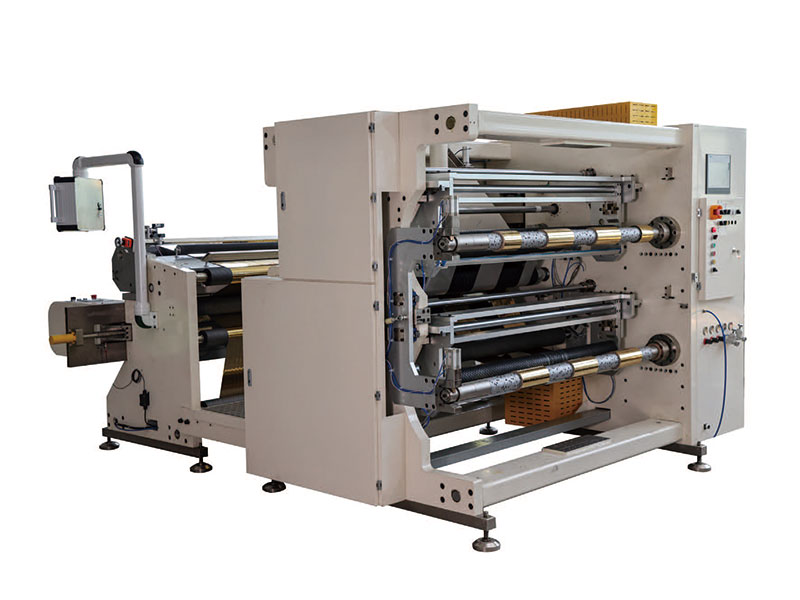 1400mm Copper Foil Slitting Machine


 +86 135 9951 7291
 support@delishmachine.com