In the modern printing and packaging industry, the foil stamping process is widely used in high-end packaging, book binding, and trademark labels due to its unique metallic luster and luxurious texture. As a key equipment in this process chain, the performance of the hot stamping foil slitting machine directly affects production efficiency, product quality and material utilization. However, in the face of a dazzling array of products and various publicity rhetoric on the market, many buyers are often in a dilemma. This article will reveal common pitfalls and key quality assessment points when purchasing a foil slitting machine from a professional perspective, helping you make informed decisions.
1. Identify common exaggerated propaganda: Avoid marketing traps
1. The "fully automatic" myth
Many suppliers advertise "fully automatic slitting", but in fact most equipment still needs to be manually loaded, monitored or adjusted. A truly fully automated system should include features such as automatic tension control, defect detection, and intelligent guidance. Ask for specific automation implementations and ask for a demonstration of the full workflow.
2. Vague expression of "ultra-high precision"
When the supplier claims that the accuracy reaches ±0.01mm, it is necessary to ask whether it is static measurement accuracy or dynamic operation accuracy, and the accuracy achieved at what speed and under what material conditions. Ask to review third-party test reports and observe how the equipment actually performs when operating at full load and high speed.
3. Over-commitment of "all materials"
No single slitting machine can perfectly handle all types of hot stamping foil materials (such as laser foil, pigment foil, metal foil, etc.). Be wary of this kind of "universal machine" publicity, and choose targeted design equipment according to your main production materials.
4. The misleading idea of "lifetime maintenance-free"
Regular maintenance of machinery and equipment is required. This publicity often ignores the need for normal wear parts replacement and regular maintenance. It is important to understand the critical component life and maintenance intervals of the equipment.
2. Core quality assessment points: key elements that cannot be ignored
1. Slitting accuracy and stability
• Measurement system: High-quality equipment should use high-precision encoders with closed-loop control systems, rather than simple open-loop control
• Tool holder design: Examine the rigidity, parallelism adjustment mechanism, and vibration control capabilities of the tool holder
• Practical testing: Require trial cuts with your commonly used materials to measure the difference in slitting width over 100 consecutive rolls
2. Tension control system
• Control mode: Prefer the closed-loop tension control system, which is more adaptable to material changes than the open-loop system
• Response speed: Tension fluctuations should quickly return to a stable level as the material properties allow
• Segmented control: For wide slitting, the segmented independent tension control effectively prevents edge wrinkling
3. Rewinding and unwinding mechanism
• Core Adaptability: Check whether the equipment supports your commonly used paper core and plastic core specifications
• Rewinding method: High-speed equipment should be equipped with non-stop automatic rewinding or preparatory shaft system
• Winding flatness: Observe whether the winding edge is neat, whether there are spiral patterns, steps, etc
4. Cutter system
• Blade Material: Inquire about the specific material of the blade (such as tungsten steel, ceramic coating, etc.) and the expected service life
• Adjustment accuracy: The manual fine-tuning mechanism should have a clear scale display, while the electric adjustment should focus on resolution
• Safety: Whether the blade guards and emergency braking system meet safety standards
5. Electrical and control systems
• Core component brands:P the brands of key electronic components such as LC, servo motors, sensors, etc., can reflect the grade of the equipment
• Human-machine interface: whether the operation interface is intuitive, whether the parameter setting is convenient, and whether the fault diagnosis function is perfect
• Data Logging: Advanced equipment should have production data logging and analysis capabilities
3. Field inspection and verification: the only way from publicity to reality
1. Request a live demonstration
• Test with materials you provide instead of "ideal materials" prepared by suppliers
• The test should include starting, accelerating, evenly speeding, decelerating, and stopping the whole process
• Observe the operating status and slitting effect of the equipment at different speeds
2. Check the equipment details
• Welding quality of structural parts: Check whether the welding of key load-bearing parts is uniform and firm
• Guide Rails and Transmission Components: Brand and installation accuracy of precision transmission components such as linear guides and ball screws
• Electrical Wiring: Specification cable laying and marking reflect the manufacturer's expertise
3. Evaluate the operating economy
• Energy Consumption Test: Measures the actual power consumption of the device under different loads
• Material Utilization: Calculate the proportion of edge scrap in the actual slitting process
• Tool Change Intervals: Understand the actual lifespan of the blade in different materials
4. Inspect after-sales service
• Response time: Clarify the response time and service commitment after the repair request
• Spare parts supply: Know the availability and delivery times of commonly used spare parts
• Technical Training: Inquire about the availability of training in the operation and maintenance of the system
4. Long-term considerations: match production needs and future planning
When purchasing equipment, it is important not only to meet current production needs, but also to consider:
1. Capacity Reservation: The maximum slitting width and speed of the equipment should be slightly higher than current demand, allowing room for business growth
2. Upgrade scalability: Whether the equipment supports the subsequent addition of modules such as inspection systems and automatic packaging
3. Forward-looking technology: Pay attention to the compatibility of smart manufacturing trends such as IoT access and data cloud management
4. Supplier Development: Choose manufacturers in the period of technological upward trend to ensure continuous technical support in the future
Epilogue
Purchasing a hot foil slitting machine is a decision that requires both technical insight and business acumen. Only by staying awake in the midst of complex marketing publicity, shifting the focus from ornate rhetoric to actual performance parameters, and from a single price comparison to full life cycle cost assessment, can we truly find high-quality equipment that suits our own production needs. Remember, the best equipment is not the most expensive or the most functional, but the one that will complete your specific production tasks most consistently and efficiently. Through rigorous inspection, professional testing and rational analysis, you will be able to avoid the pitfalls of buying and invest in a high-quality slitting equipment that can create long-term value for your business.
 English
 Deutsch
 Français
 Español
 Português
 日本語
日本語 русский
 한국어
한국어 عربي
عربي ภาษาไทย
 Tiếng Việt
 Italiano
 Automatic Foil Roll Cutting Machine
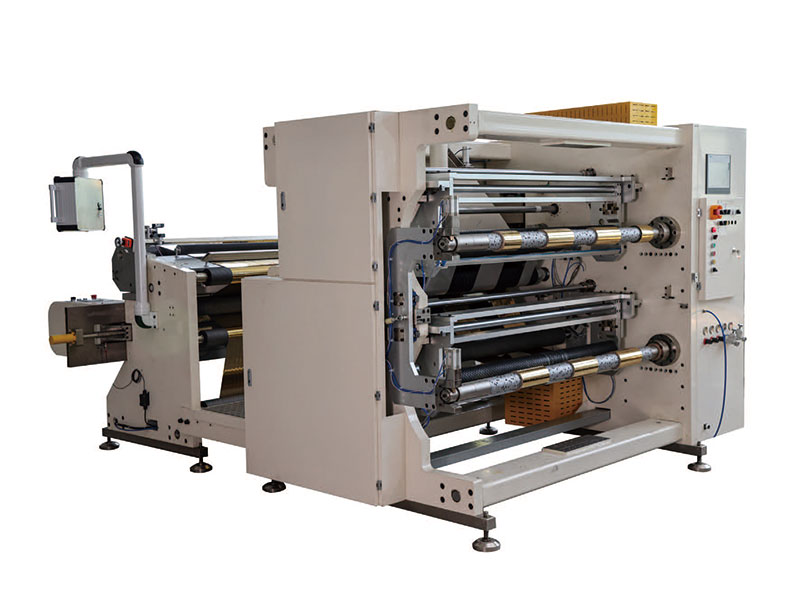 1400mm Hot Stamping Foil Slitting Machine
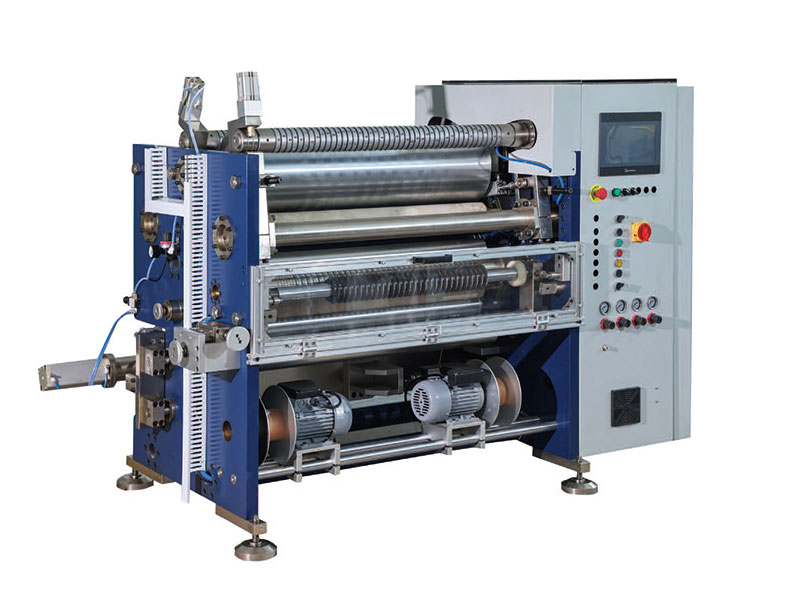 800mm Hot Stamping Foil Slitting Machine
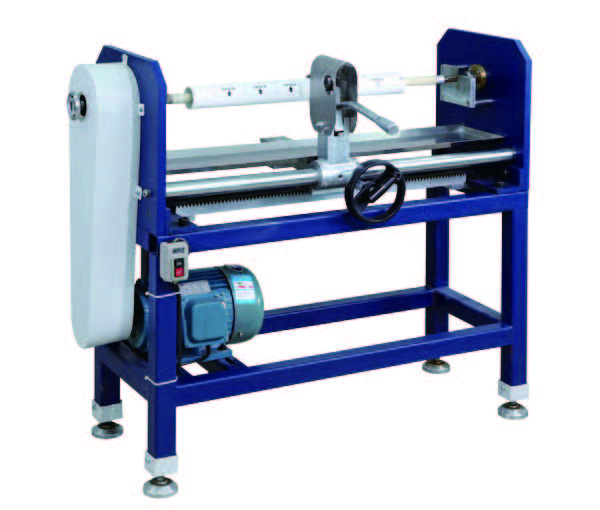 Manual Foil Roll Cutting Machine
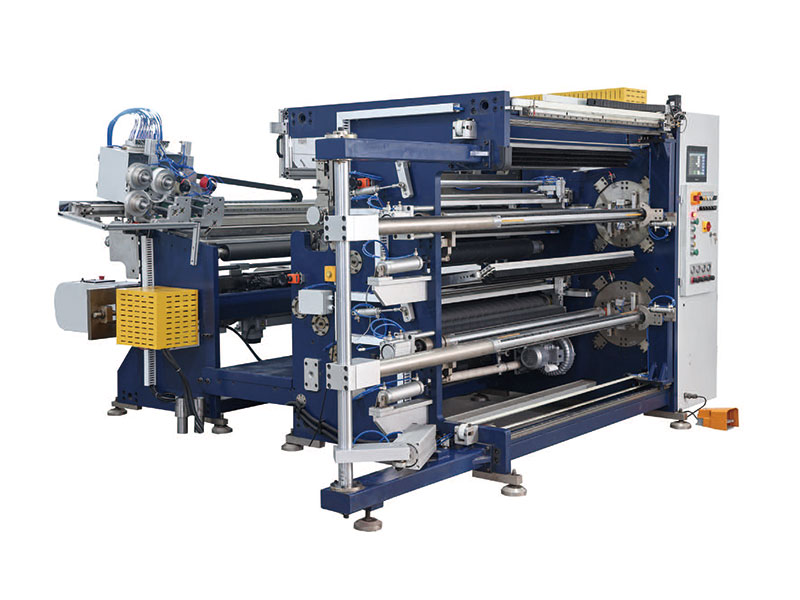 1350mm Hot Stamping Foil Slitting Machine
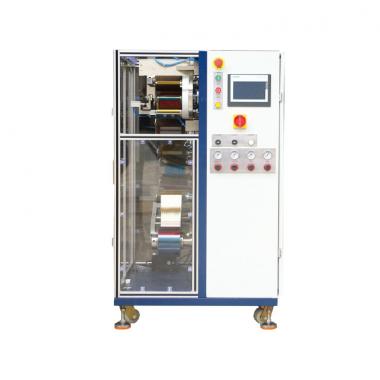 Photo & Card Print Ribbon Rewinding Machine
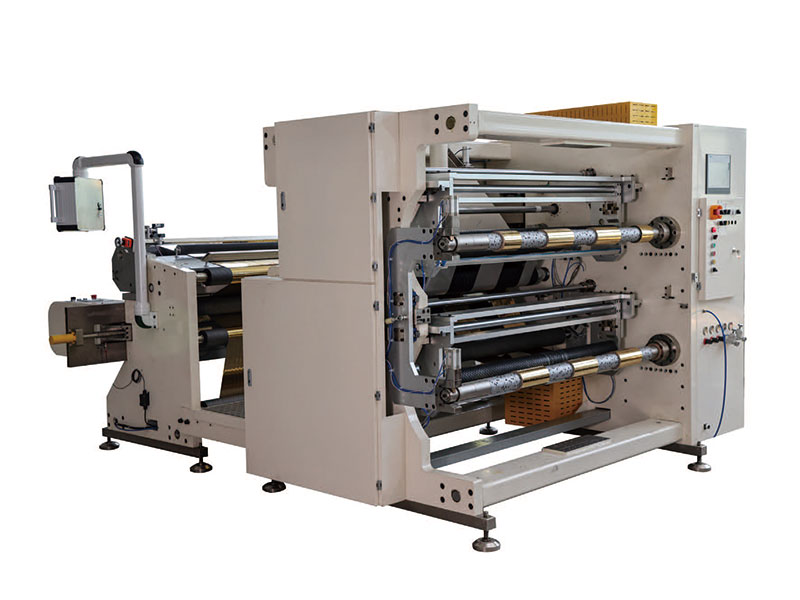 1400mm Copper Foil Slitting Machine
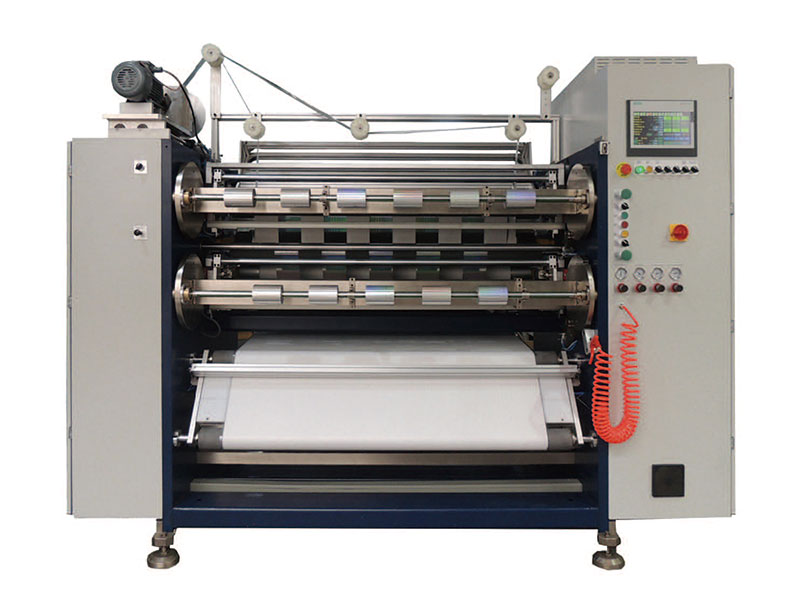 1350mm/1600 Foil Slitting Machine


 +86 135 9951 7291
 support@delishmachine.com