In the production line of high-end packaging, exquisite prints and security labels, hot stamping foil gives products an irreplaceable visual and tactile experience with its gorgeous luster and unique texture. However, behind this brilliant appearance, there is a core technology that silently supports the perfect transformation of hot stamping foil from raw materials to finished products - the tension control system of the hot stamping foil slitting machine. It not only determines the slitting efficiency, but is also directly related to the quality and subsequent processing performance of the hot stamping foil.
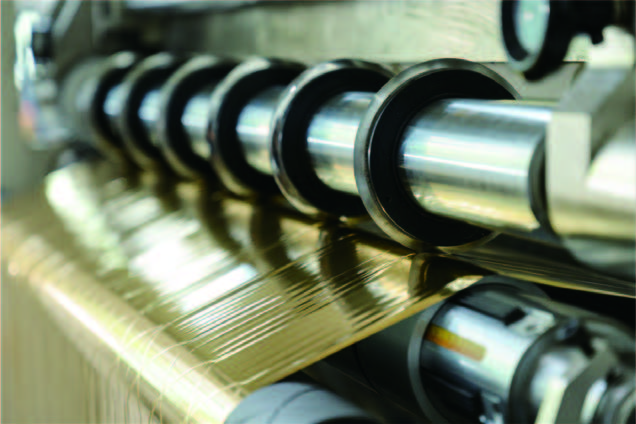
Why is tension control crucial?
Hot stamping foil is an ultra-thin film with a multi-layer composite structure, usually composed of a base film layer, a peeling layer, a coloring layer, an aluminum plating layer and an adhesive layer, with a total thickness of only a few microns to more than ten microns. In the slitting process, large coils of raw materials need to be accurately divided into narrow coils of different widths, which involves multiple links such as unwinding, traction, slitting and winding.
The difficulty of tension control is:
• Material deformation: excessive tension will cause the hot stamping foil to stretch and deform or even break, damaging the integrity of the aluminum plating layer;
• High winding quality requirements: Improper control of winding tension will lead to uneven coiling tightness and uneven end faces, which will seriously affect the accuracy of foil feeding in subsequent hot stamping processing.
• Frequent speed changes: During acceleration, deceleration, and rewinding, tension fluctuations can easily lead to material wrinkles or deviations.
Therefore, a set of precise and stable tension control system is the key guarantee for the hot stamping foil slitting machine to achieve high-quality production.
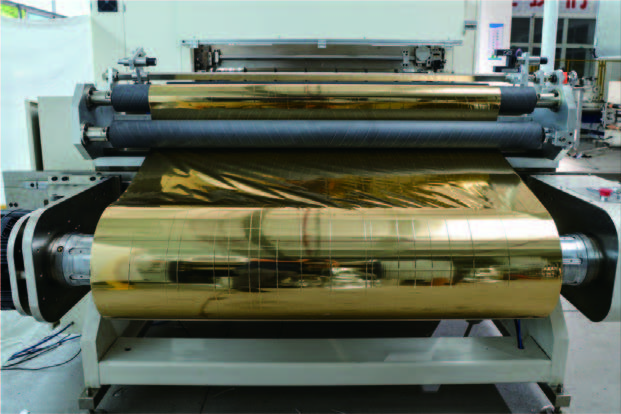
The core components of the tension control system
The tension control system of modern hot foil slitting machines typically consists of the following core components working together:
1. Sensors: Perceive tension changes in real time
Tension sensors (or tension detectors) are installed on both sides of the guide rollers and convert physical tension into electrical signals by detecting the pressure of the material on the guide rollers. High-precision strain gauge sensors can sense extremely small tension fluctuations and provide real-time feedback to the control system.
2. Controller: The brain of system computing
As the core of tension control, the PLC or dedicated tension controller receives the sensor signal and compares it with the preset target tension. Modern controllers use PID (Proportional-Integral-Differentiation) algorithms, which can quickly respond to tension deviations and output precise control instructions.
3. Actuator: Precisely adjusted power source
There are three main types of devices that adjust tension according to control signals:
• Magnetic particle brake/clutch: at the unwinding end, control the braking torque by adjusting the excitation current of the magnetic particle to achieve tension adjustment;
• Servo motor drive: At the winding end, the servo motor is used with a precision reducer to adjust the torque and speed in real time according to the change of the coil diameter to ensure that the winding tension is constant;
• Floating roller mechanism: As a mechanical buffer device, it absorbs instantaneous tension fluctuations through cylinders or springs with swing arms and plays a stabilizing role.
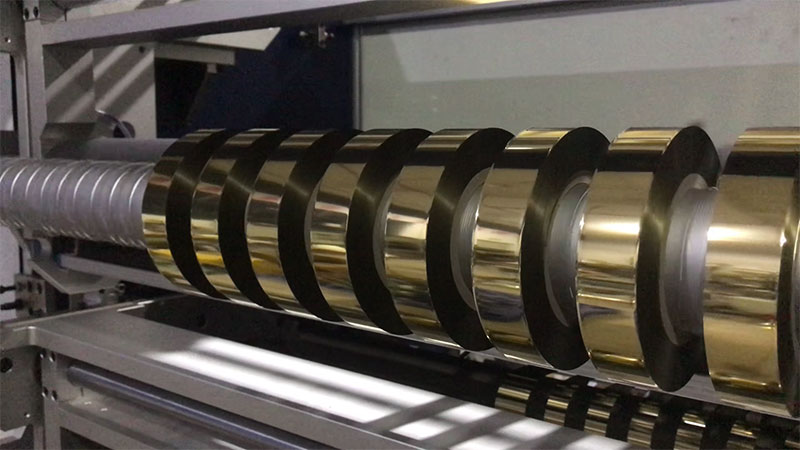
Three key technologies for tension control
Unwinding tension control: the starting point for stable output
During the unwinding process, as the coil diameter gradually decreases, the control system must continuously reduce the braking torque to maintain constant tension. Modern slitting machines use coil diameter calculation + taper tension control technology:
• Real-time calculation of the current coil diameter, automatic adjustment of the torque of the magnetic particle brake or motor;
• Taper tension control is adopted, and the tension set value is appropriately reduced at the early stage of unwinding to avoid pressure deformation of the inner material.
Traction tension control: Guarantee of precise synchronization
The traction roller is responsible for the stable delivery of the material to the slitting knife. Through speed difference control and tension closed-loop adjustment, the material tension in the slitting area is constant, avoiding slitting size deviation or knife edge burrs caused by tension fluctuations.
Winding tension control: the key to winding quality
Winding is the most complex part of the entire slitting process. With the increase of the winding diameter, in order to achieve the winding effect of consistent internal and external tension and neat end face, the control system needs to consider the following at the same time:
• Incremental Diameter Compensation: Automatically increase the rewinding torque according to the real-time roll diameter;
• Deceasing tension taper: gradually reduce the tension set value as the coil diameter increases to prevent the inner material from being crushed;
• Roller pressure control: The winding roller exerts appropriate contact pressure on the coil, ensuring air expellation for a tight and flat coiling.
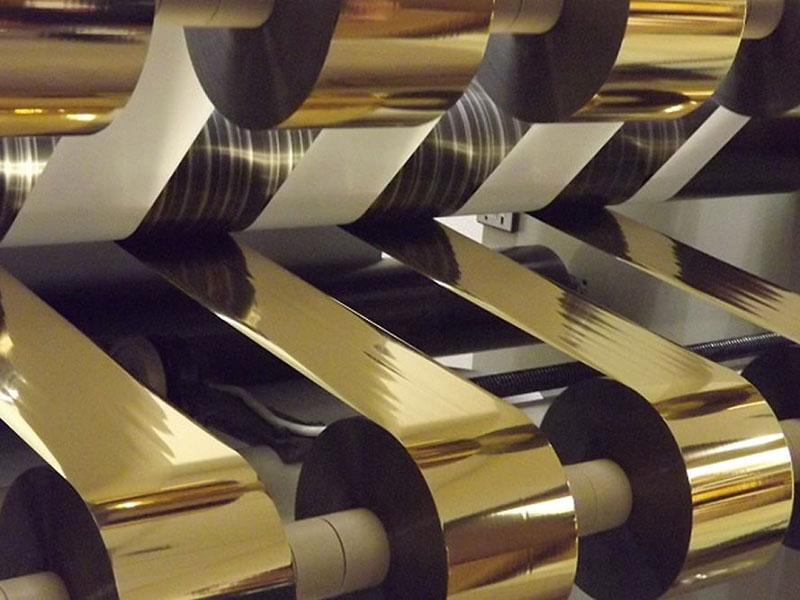
Intelligent trend: make control more accurate and simpler
With the development of Industry 4.0, the tension control system of hot stamping foil slitting machine is evolving in the direction of intelligence:
• Adaptive algorithm: The system can automatically match the optimal tension curve according to the material properties, reducing manual debugging time;
• Remote monitoring and diagnosis: Through IoT technology, real-time monitoring of equipment operation status and early warning of potential faults;
• Data traceability: Record the tension parameters of each batch of products, realize the full traceability of the production process, and provide data support for process optimization.
Epilogue
The tension control system of the hot stamping foil slitting machine may seem like a simple task of maintaining material tension, but it is actually a system engineering that integrates sensor technology, precision control algorithms, and mechanical design. It acts as a silent guardian, ensuring that the flawless quality of the foil continues between each retraction.
It is the continuous progress of this core technology that has transformed rolls of ordinary films into the dazzling golden light on packaging prints. In the pursuit of higher precision and efficiency, the innovation of tension control technology is never-ending.
 English
 Deutsch
 Français
 Español
 Português
 日本語
日本語 русский
 한국어
한국어 عربي
عربي ภาษาไทย
 Tiếng Việt
 Italiano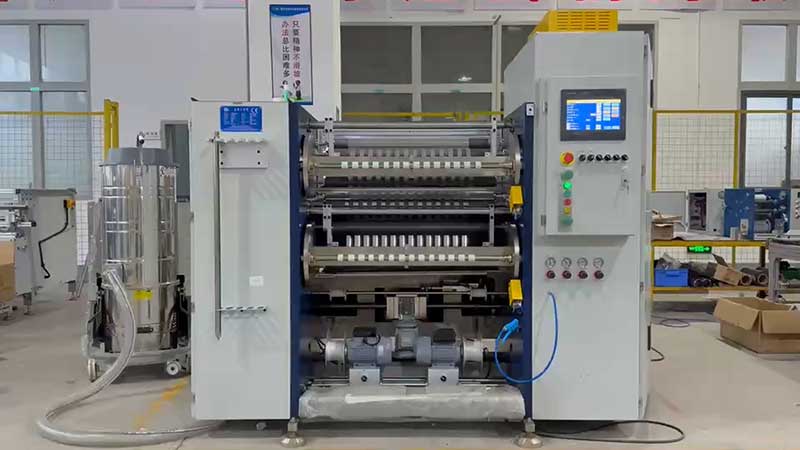
 Automatic Foil Roll Cutting Machine
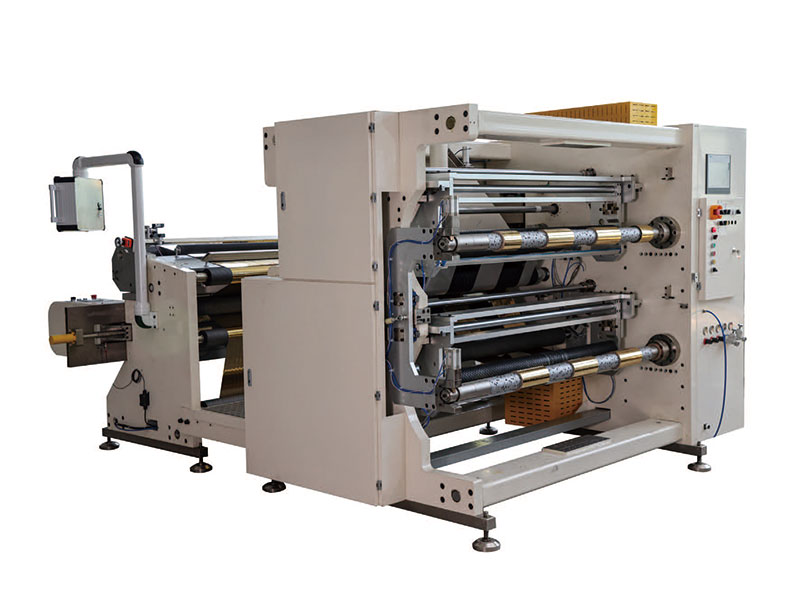 1400mm Hot Stamping Foil Slitting Machine
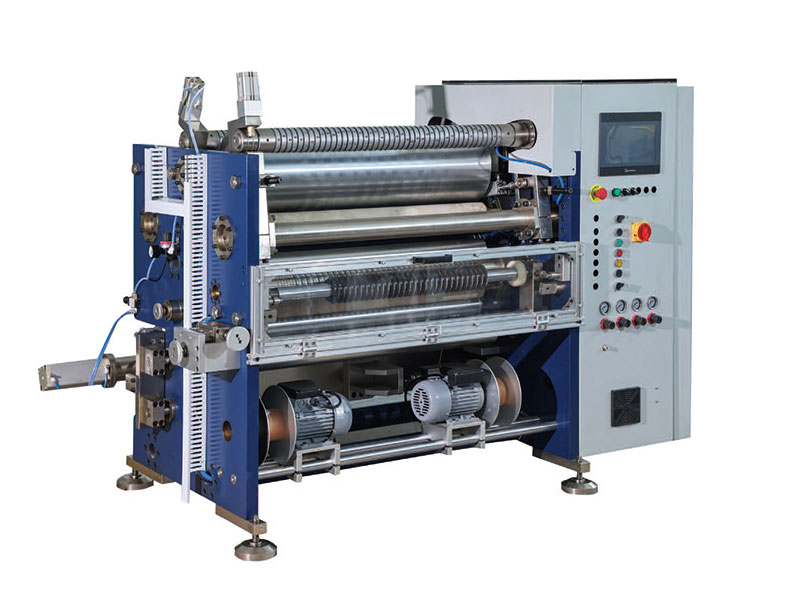 800mm Hot Stamping Foil Slitting Machine
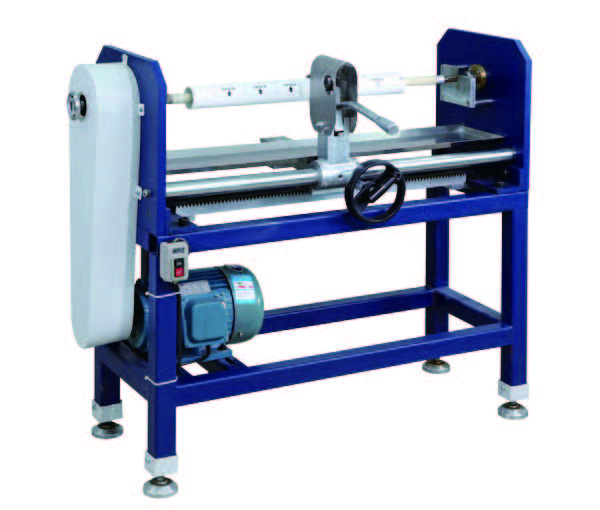 Manual Foil Roll Cutting Machine
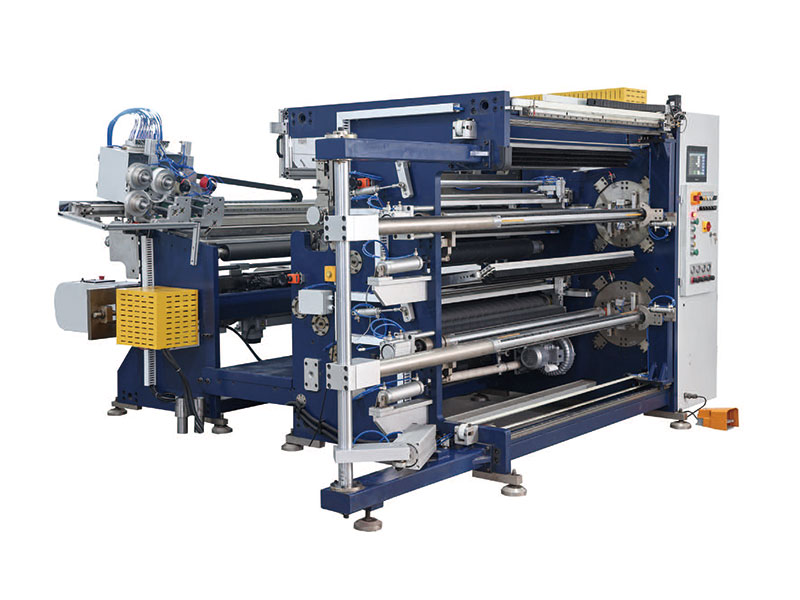 1350mm Hot Stamping Foil Slitting Machine
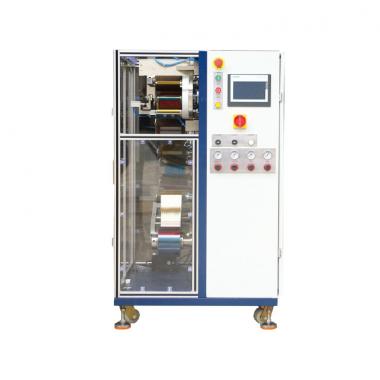 Photo & Card Print Ribbon Rewinding Machine
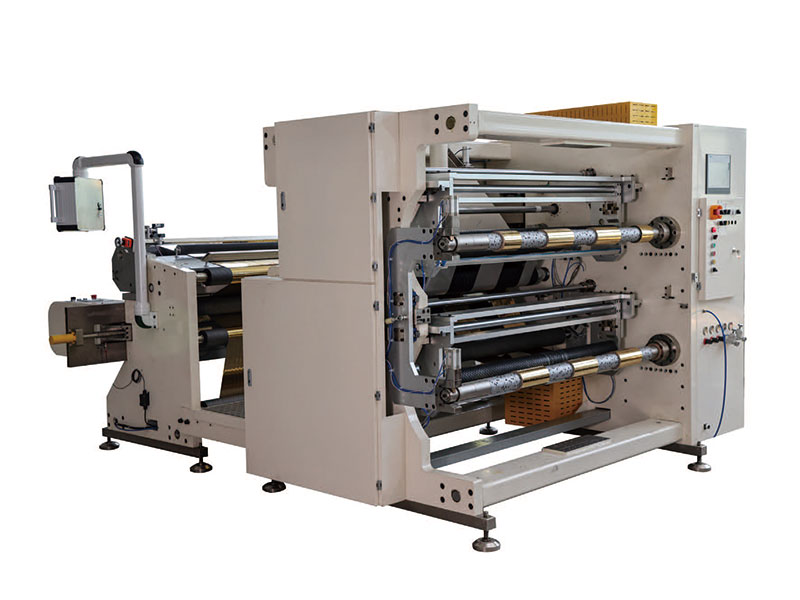 1400mm Copper Foil Slitting Machine
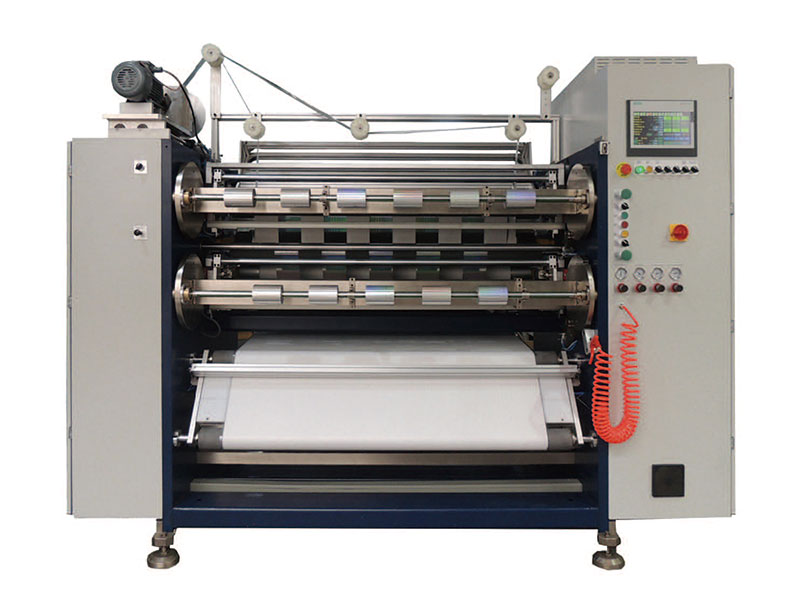 1350mm/1600 Foil Slitting Machine


 +86 135 9951 7291
 support@delishmachine.com