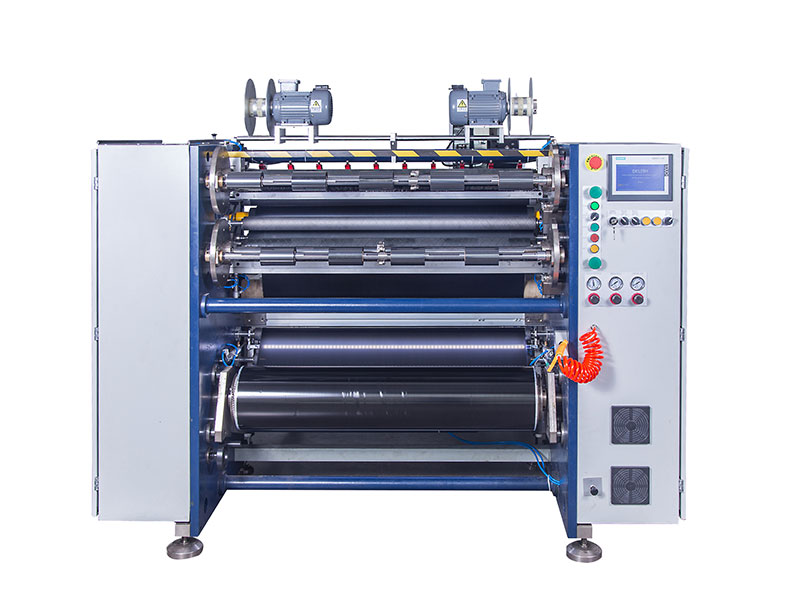
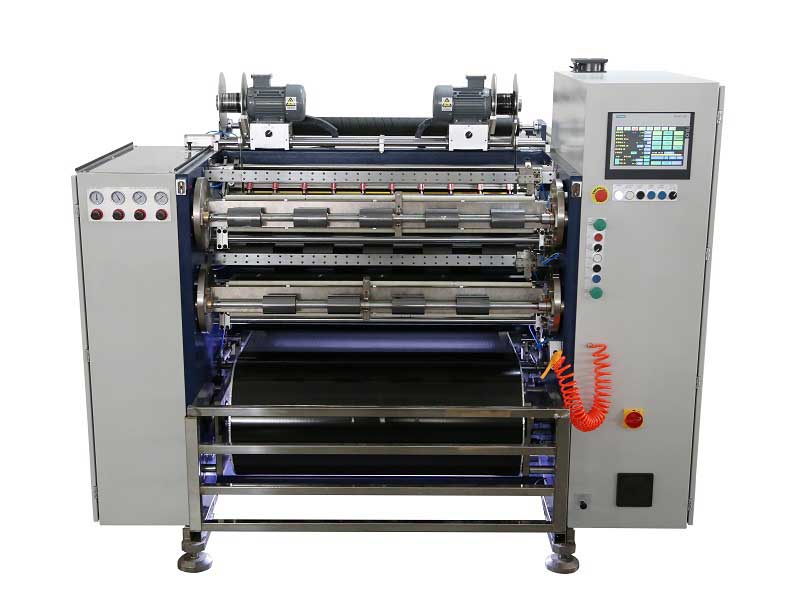
In modern industrial production, efficiency and adaptability are key to competitiveness. As an important equipment in the field of industrial manufacturing, slitting and rewinding machines are becoming "all-rounders" in production lines in various industries with their excellent multi-material adaptation capabilities, showing unprecedented application breadth and technical value.
Technological breakthrough: a revolution in material adaptation from single to diverse
Traditional slitting equipment is often designed for specific materials, and changing production materials requires a lot of time to adjust or even replace equipment. Modern slitting and rewinding machines achieve breakthroughs across material boundaries through the integration of modular design, intelligent control systems, and adjustable parameter technology. Whether it is paper, film, metal foil, or composites, nonwovens and specialty textiles, the same machine can quickly switch production with simple adjustments, greatly reducing the equipment investment and changeover costs of enterprises.
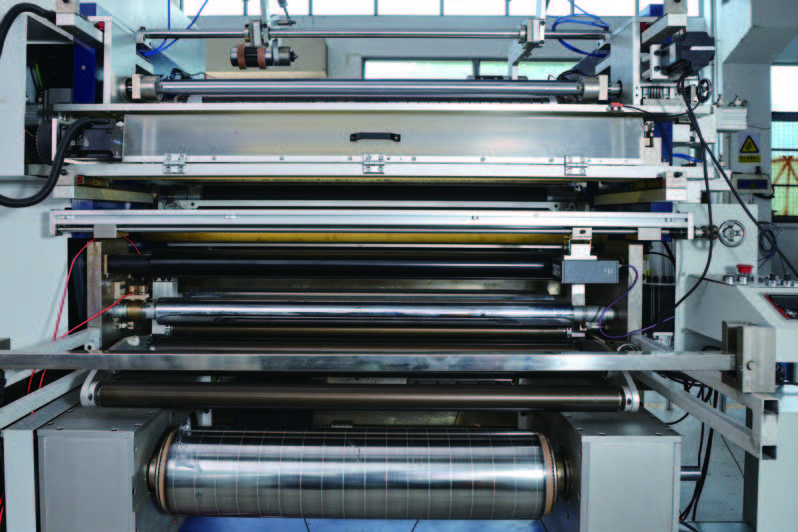
Wide range of applications: material processing solutions across industries
packaging and printing industry
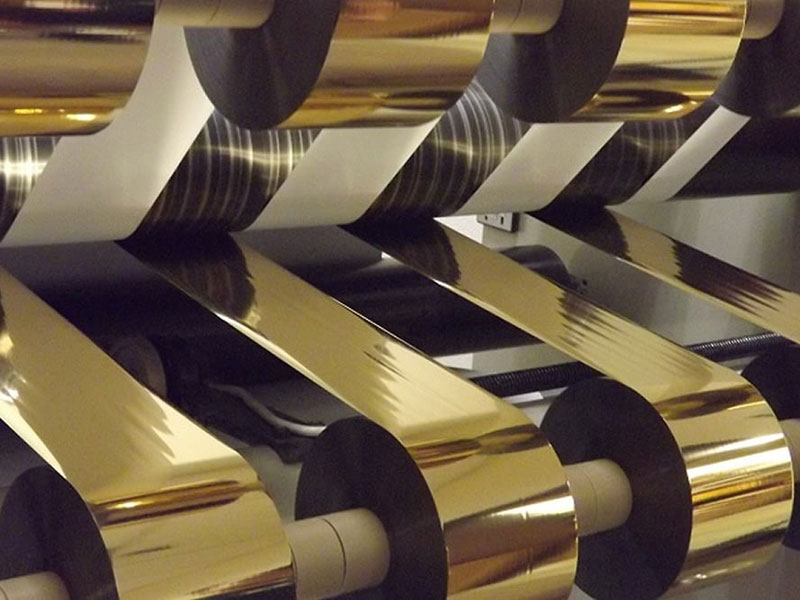
In the field of packaging, slitting and rewinding machines can handle a wide range of materials, from BOPP film and aluminum foil to special cardboard, with precise control over slitting width and tension, meeting the diverse needs of food packaging, pharmaceutical packaging, and exquisite gift packaging. The high-speed and precise cutting capabilities ensure the integrity of the pattern and the flatness of the edges, greatly improving the quality consistency of the packaged product.
New energy material processing
With the vigorous development of the new energy industry, the application of slitting rewinders in lithium battery separators, solar backsheet films, fuel cell modules and other fields is becoming increasingly important. These materials often have extremely high requirements for tension control, cleanliness and precision, and modern slitting and rewinding machines achieve stable processing with micron-level accuracy through precision sensors and closed-loop control systems to ensure the performance and safety of new energy components.
Electronic materials manufacturing
In the electronics industry, slitting and rewinding machines are used to process precision electronic materials such as flexible circuit board substrates, electromagnetic shielding materials, and thermal conductive films. By eliminating static electricity, reducing dust generation, and ultra-precise tension control, the equipment avoids microscopic damage to materials during processing, ensuring the reliability and longevity of electronic components.
Production of health and medical materials
Non-woven fabrics, medical breathable membranes, spunlace fabrics and other hygiene and medical materials have extremely high requirements for the cleanliness and material integrity of the production environment. Through aseptic design, oil-free transmission system, and intelligent correction device, the slitting rewinder ensures that medical materials are not contaminated during the production process while maintaining excellent physical properties.
Composite processing
Composite materials such as carbon fiber prepreg and fiberglass cloth used in aerospace, automobile manufacturing, and other fields require precise slitting and avoid fiber damage. The slitting and rewinding machine realizes non-destructive processing of composite materials through special tool systems, adaptive tension control and edge processing technology, providing key material support for high-end manufacturing.
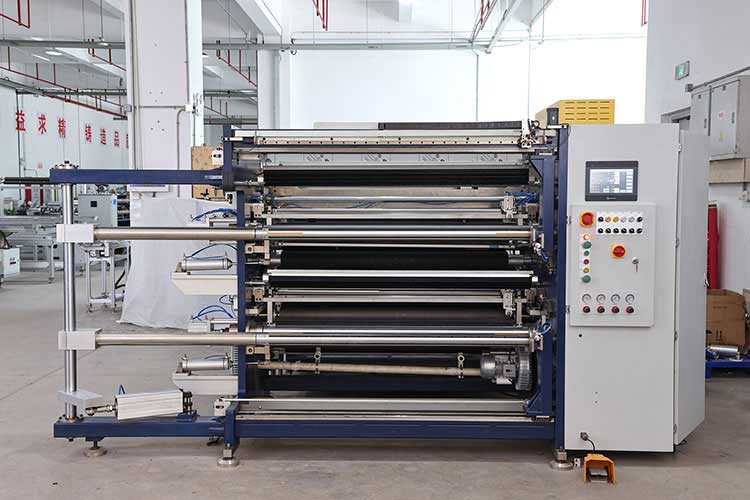
Intelligent integration: the technical support behind multi-material adaptation
The wide applicability of modern slitting and rewinding machines is inseparable from the deep integration of intelligent technology:
• Adaptive Tension Control System: Monitors material properties in real-time and automatically adjusts tension to avoid stretch deformation or wrinkles
• Machine vision guidance system: Automatically align patterns and detect defects through image recognition to improve material utilization
• IoT remote monitoring: real-time monitoring of equipment status, fault warning, and cloud management of process parameters
• Multi-axis precision motion control: Ensures cutting accuracy and winding quality at high speeds
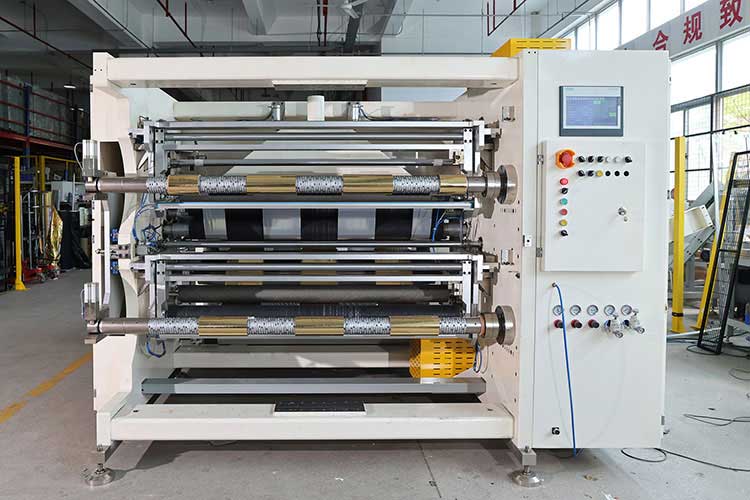
Future prospects: Evolution to a higher level of flexible manufacturing
With the in-depth development of Industry 4.0, the multi-material adaptation ability of slitting and rewinding machines will be further improved. In the future, the equipment will integrate more powerful artificial intelligence algorithms to achieve a self-learning and self-optimizing production model; through seamless connection with upstream and downstream equipment, build a complete intelligent production flow; Reach new heights in material identification, process matching, and quality prediction, and truly realize the flexible manufacturing vision of "one device, infinite possibilities".
epilogue
The multi-material adaptation characteristics of slitting rewinders not only reflect the advancement of mechanical manufacturing technology but also reflect the pursuit of flexibility, efficiency, and sustainability in modern industries. From packaging materials in daily life to special materials in the high-tech field, this seemingly traditional equipment is supporting the development of various industries in the direction of higher quality, more personalization and more environmental protection with a new intelligent look, and has become a key bridge connecting material science and manufacturing applications.
In the context of the transformation and upgrading of the manufacturing industry, the wide range of applicable scenarios of slitting and rewinding machines will continue to expand, and their value will continue to increase with the progress of material science and the integration of intelligent technology, providing a solid foundation for global industrial innovation.
 English
 Deutsch
 Français
 Español
 Português
 日本語
日本語 русский
 한국어
한국어 عربي
عربي ภาษาไทย
 Tiếng Việt
 Italiano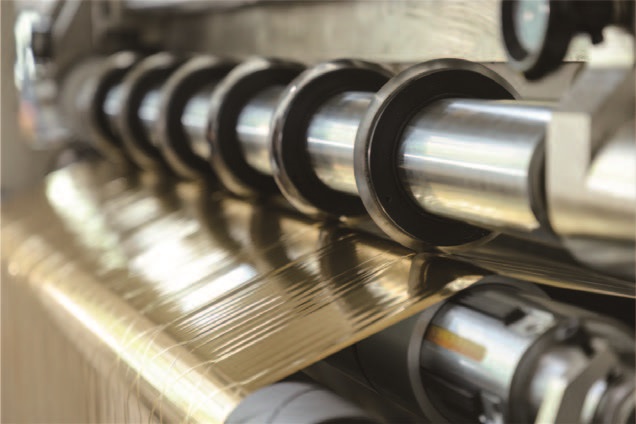
 Automatic Thermal Transfer Ribbon Slitting Machine RSDS8 H PLUS
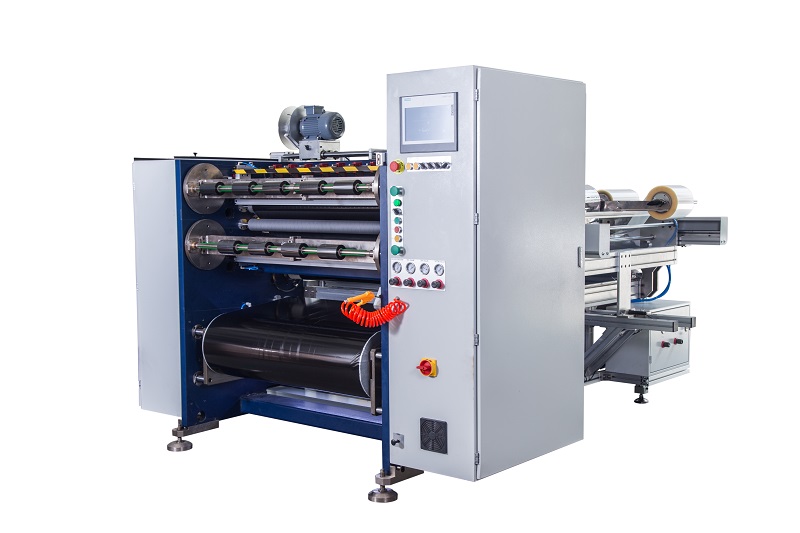 Semi Automatic Thermal Transfer Ribbon Slitting Machine RSDS5 PLUS
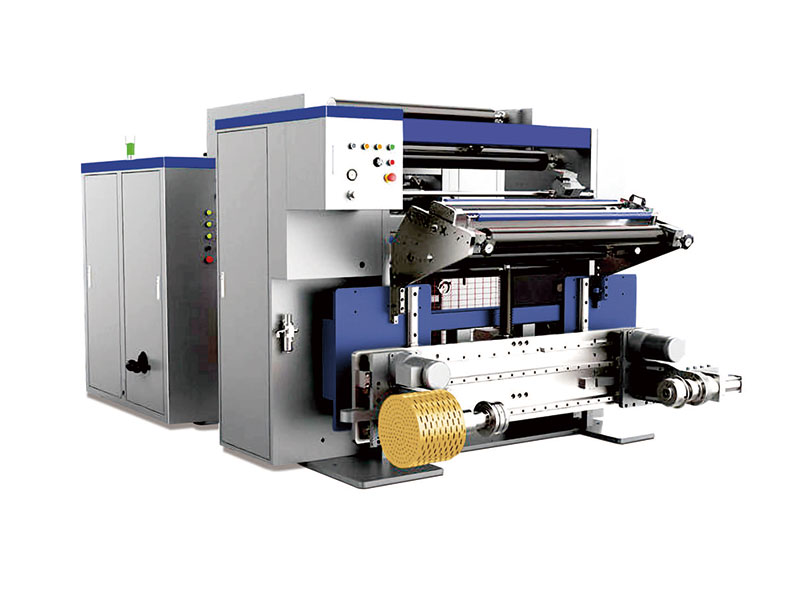 High Speed Slitting Machine
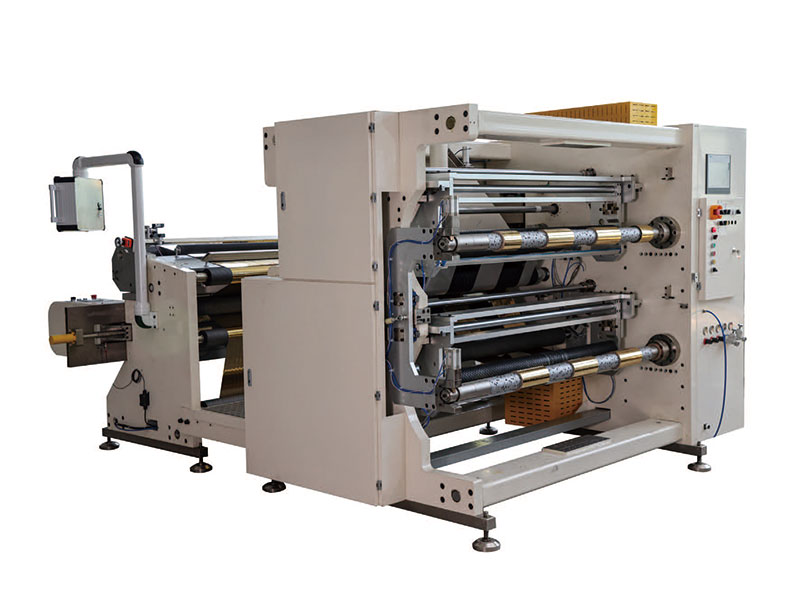 1400mm Hot Stamping Foil Slitting Machine
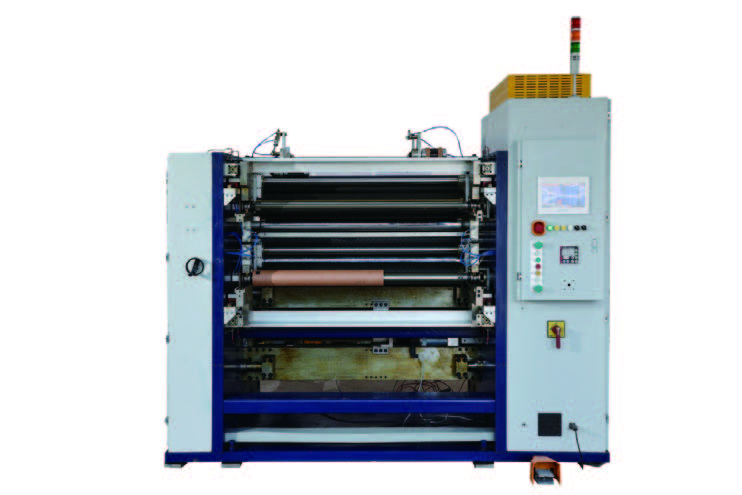 New Energy Ultra-thin Film Slitting Machine For Capacitive Film
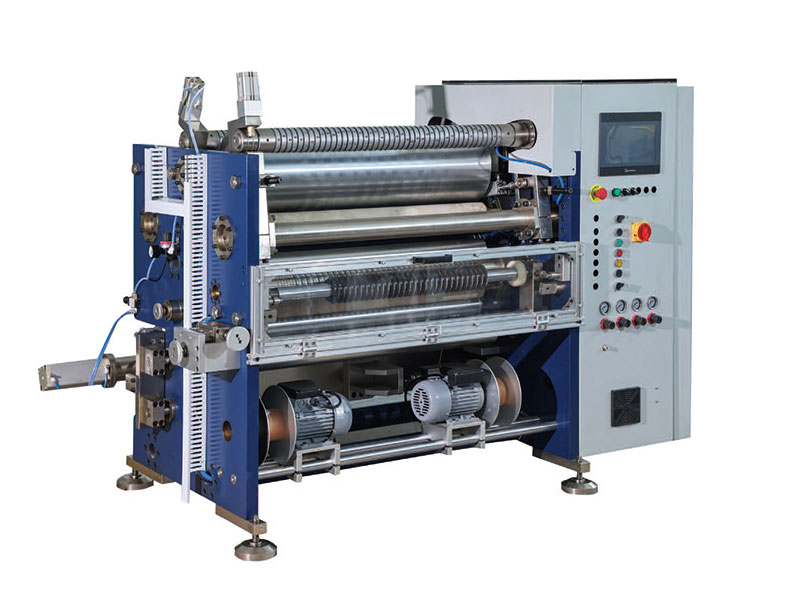 800mm Hot Stamping Foil Slitting Machine
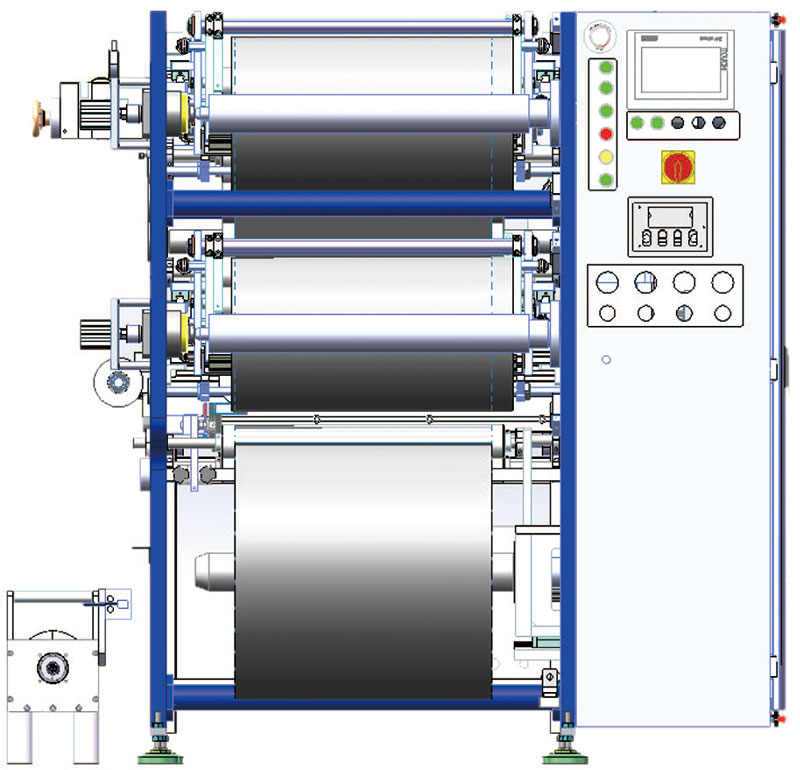 Customerized Slitter
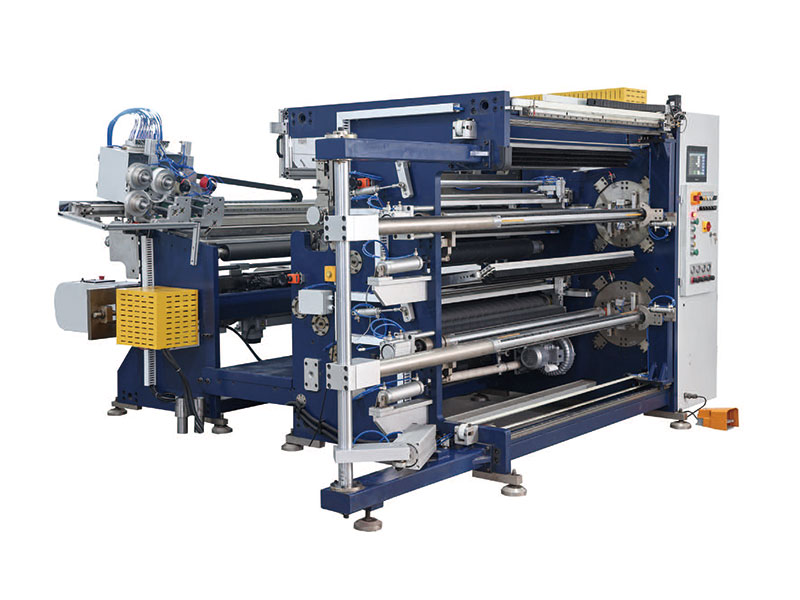 1350mm Hot Stamping Foil Slitting Machine


 +86 135 9951 7291
 support@delishmachine.com