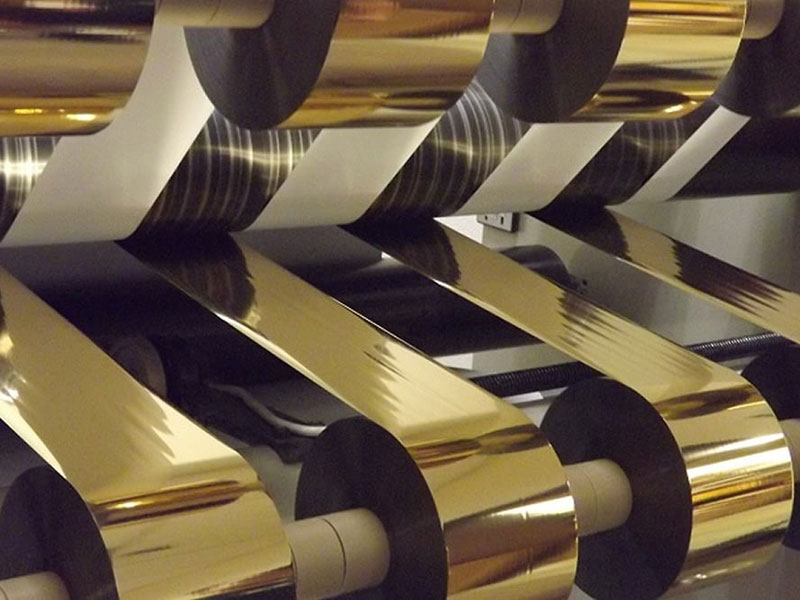
As a key technology to improve product grades, the hot stamping process is widely used in packaging, printing, labeling and other industries. As an important equipment in the industrial chain, the performance of the hot stamping foil slitting machine directly affects production efficiency and finished product quality. Choosing a suitable hot stamping foil slitting machine can not only improve production efficiency, but also significantly reduce material loss. This guide will break down the key points of your purchase from multiple dimensions to help you make informed decisions.
1. Clarify needs: self-assessment before purchasing
1. Production scale and capacity requirements
• Small Business/Start-Up: Choose semi-automatic or entry-level fully automatic models with a focus on ease of operation and price advantages
• Medium-sized Enterprises/Stable Production: Consider medium-to-high-speed fully automatic models, focusing on stability and durability
• Large enterprises/mass production: High-speed and high-precision equipment is required, focusing on automation and long-term operational reliability
2. Material Characterization
• Hot stamping foil type (paper-based, film-based, etc.)
• Common width range (typically 20-1500mm)
• Thickness range (affects the choice of tension control system)
• Special material handling needs (e.g. materials that are easy to stretch, easy to break)
3. Slitting accuracy requirements
• Ordinary packaging materials: relatively low precision requirements
• High-end labels, anti-counterfeiting materials: Micron-level high-precision slitting is required
2. Analysis of core technical parameters
1. Slitting precision system
• Mechanical precision: frame rigidity, bearing quality, tool system stability
• Control system: Servo motor control is better than traditional stepper motor
• Monitoring system: application of advanced technologies such as CCD visual inspection and laser ranging
2. Tension control system
• Open-loop and closed-loop control: Closed-loop control is more accurate but more costly
• Multi-stage tension control: suitable for handling easily stretchable materials
• Automatic tension taper adjustment: ensures consistent tension between the inner and outer layers of the coil
3. Tool system selection
• Round Blade: Suitable for most materials and easy to replace
• Flat knife system: suitable for slitting special materials
• Tool material: carbide, ceramic coating, etc
4. Retraction and retraction configuration
• Maximum rewinding diameter: determines the continuous working time of the equipment
• Automatic roll change system: Increases automation and reduces manual intervention
• Core adaptability: whether it can be adapted to different specifications of coil core
3. Comparison of different types of equipment
| Device type | merit | shortcoming | Applicable scenarios |
| Manual/semi-automatic slitting machine | Low price, simple operation and easy maintenance | Low efficiency, average accuracy, dependence on operator skills | Small batches, multi-variety, start-ups |
| Standard automatic slitting machine | High efficiency, good accuracy, and strong stability | The investment is large and requires basic operation training | Medium mass production, most processing enterprises |
| High-speed high-precision slitting machine | Extremely high production efficiency, excellent precision and high degree of automation | Expensive and complex maintenance | Mass continuous production and high-end material processing |
| Special type slitting machine | Optimized for specific materials with significant results | Poor versatility and few market choices | Special material processing, specific industry needs |
4. Brand and supplier evaluation
1. Internationally renowned brands
• Long history, mature technology, high stability
• The price is relatively high, and the after-sales service network is perfect
• Suitable for companies with high stability requirements and sufficient budgets
2. Leading domestic brands
• Cost-effective, better understanding of local market demand
• The technical level has improved significantly in recent years
• After-sales service responses are usually more timely
3. Supplier evaluation points
• Industry reputation and customer cases
• After-sales service commitment and response time
• Spare parts availability and price transparency
• Technical training and support system
5. Field visit and testing verification
1. Key points of factory visit
• Production process and quality management system
• Equipment assembly process and testing methods
• The health of existing customer equipment
2. Key indicators of prototype testing
• Slitting accuracy test: 100 rolls are slitted continuously to measure dimensional deviation
• Material suitability testing: Actual slitting using in-house materials
• Efficiency test: record the whole process time of loading, slitting and unloading
• Stability test: Observe the status of the equipment during continuous operation for a long time
3. Energy consumption and noise assessment
• Power consumption comparison at different speeds
• Measurement of noise levels in the working environment
6. Cost analysis and return on investment
1. Initial investment composition
• Equipment purchase costs (about 60-70%)
• Installation and commissioning costs
• Initial spare parts and wear parts inventory
• Operator training costs
2. Operational cost considerations
• Energy costs (vary significantly between models)
• Maintenance costs
• Frequency and cost of replacement of wearing parts
• Operator skill requirements and labor costs
3. Return on investment calculation
• Increased throughput due to increased production efficiency
• Cost savings due to reduced material loss
• Premium ability brought about by product quality improvement
• Specific values for labor cost savings
7. Negotiation and contract precautions
1. Price negotiation skills
• Clarify the allocation and price correspondence
• Aim for an extended warranty or increased warranty coverage
• Requires initial operational training
• Obtain favorable spare parts purchase prices
2. Key contract clauses
• Performance guarantee clauses (specify accuracy, speed, etc.)
• Acceptance criteria and procedures
• Specific commitment to after-sales service (response time, door-to-door service, etc.)
• Intellectual property and confidentiality clauses
3. Payment method suggestions
• Avoid a lump sum full upfront
• Retain part of the balance until acceptance
• Clarify liability for breach of contract for delayed delivery
8. Installation and commissioning and personnel training
1. Installation environment preparation
• Site size and load-bearing requirements
• Power configuration (voltage stability requirements)
• Ambient temperature and humidity control
• Basic shock absorption measures
2. Commissioning process supervision
• Participate in the initial accuracy calibration of the equipment
• Verify functional integrity
• Record the initial parameter settings
3. Training content requirements
• Basic operation and routine maintenance
• Identification and troubleshooting of common faults
• Safe operating procedures
• Software system use and parameter adjustment
Conclusion: The way of choice, the art of balance
The process of purchasing a hot foil slitting machine is essentially to find the best balance between "demand" and "supply". There is no absolute "best" device, only the "best fit" option. Within the budget, priority is given to ensuring the satisfaction of core needs; in terms of technical parameters, focus on the development needs of the next 3-5 years; In the selection of suppliers, we value long-term cooperative relationships rather than just price advantages.
Wise equipment investment is not only about buying a machine, but also about laying the foundation for the company's production capacity and competitiveness in the next few years. Taking the time to do enough preliminary research, strictly conducting testing and verification, and prudently signing procurement contracts, these seemingly cumbersome steps will eventually be transformed into tangible benefits and competitive advantages on the production line.
Remember, the best equipment is the one that seamlessly integrates into your production processes, creates value consistently, and grows with your business. I wish you a smooth purchase and a prosperous production!
 English
 Deutsch
 Français
 Español
 Português
 日本語
日本語 русский
 한국어
한국어 عربي
عربي ภาษาไทย
 Tiếng Việt
 Italiano
 Automatic Foil Roll Cutting Machine
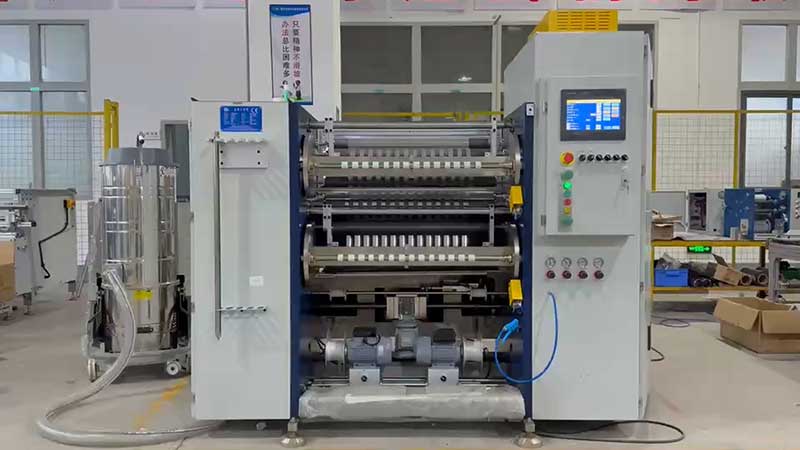
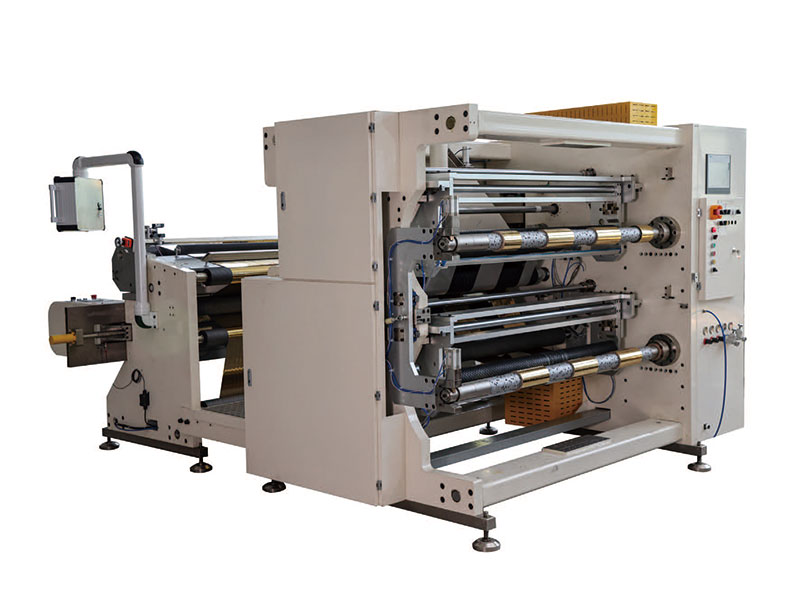 1400mm Hot Stamping Foil Slitting Machine
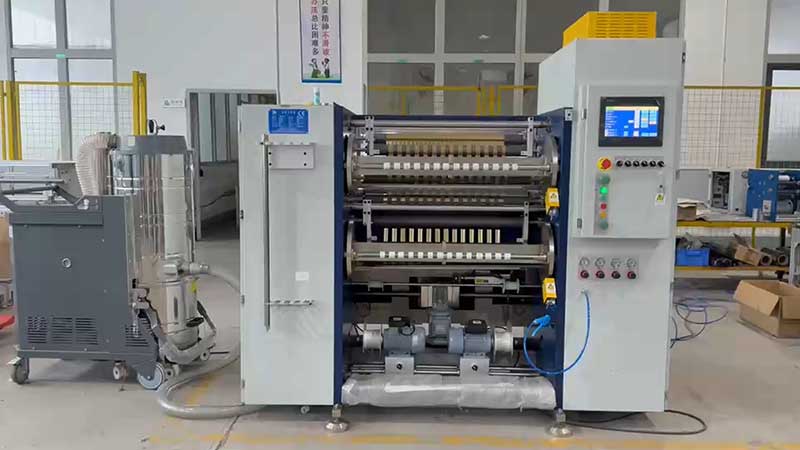
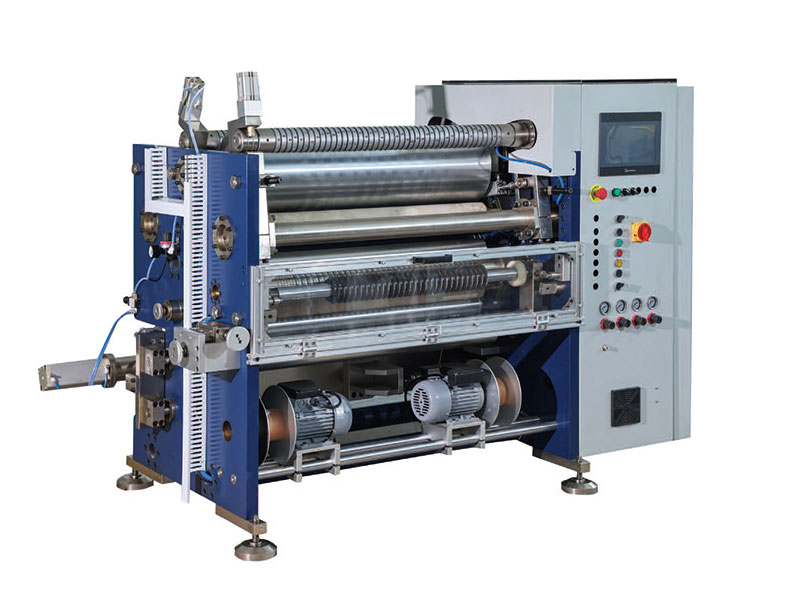 800mm Hot Stamping Foil Slitting Machine
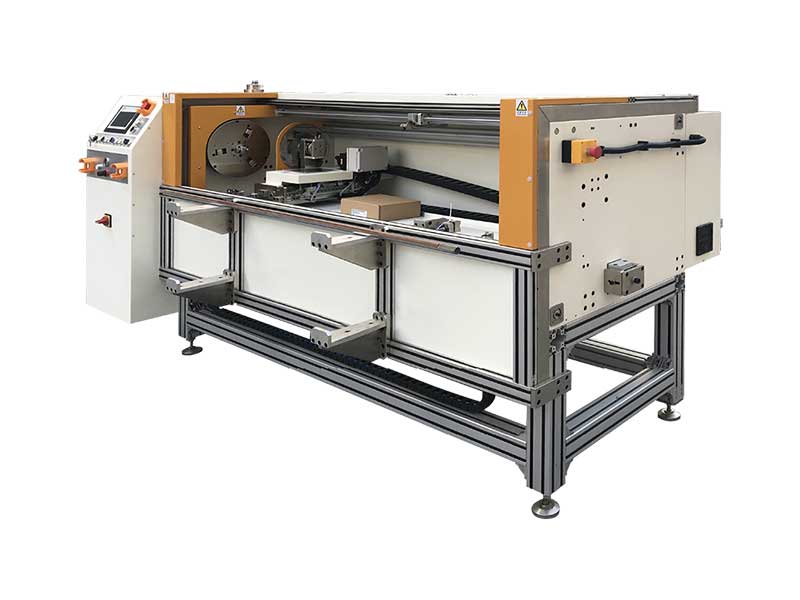
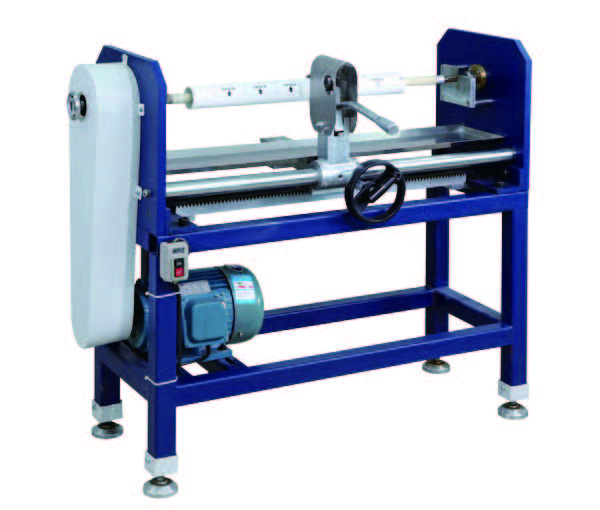 Manual Foil Roll Cutting Machine
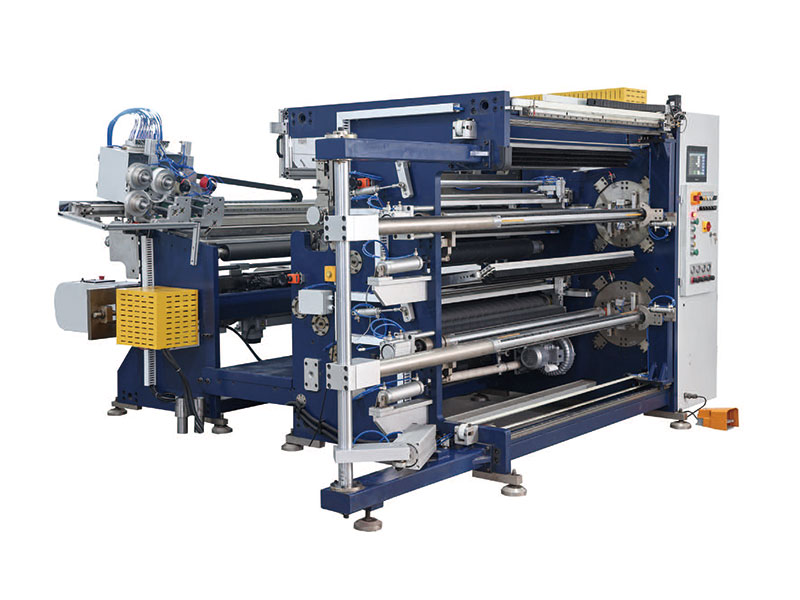 1350mm Hot Stamping Foil Slitting Machine
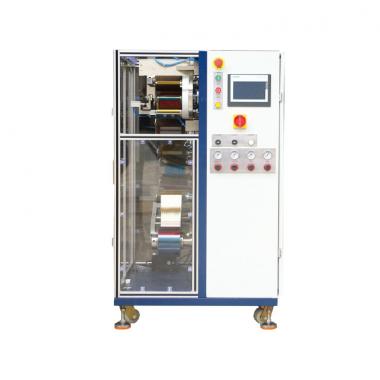 Photo & Card Print Ribbon Rewinding Machine
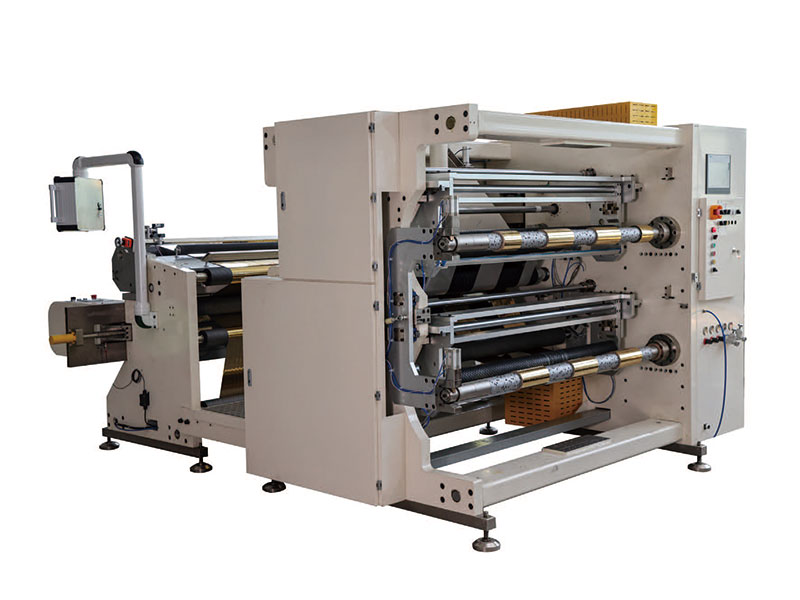 1400mm Copper Foil Slitting Machine
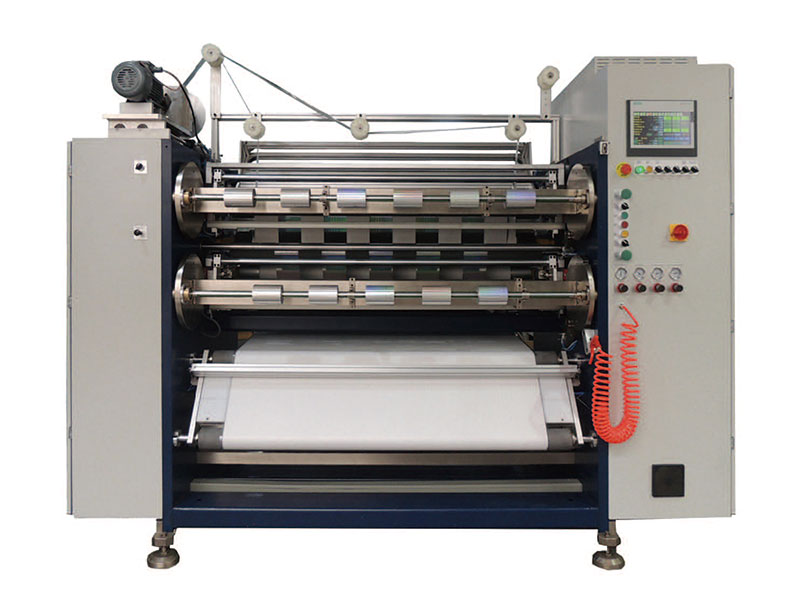 1350mm/1600 Foil Slitting Machine


 +86 135 9951 7291
 support@delishmachine.com