Here are 5 key optimizations to improve the efficiency of slitting and rewinding machines by 30%, combined with technical improvements and process management:
1. Upgrade of automation and intelligent control system
• Solution: Introduce PLC+touch screen intelligent control system, integrate automatic tension control (such as PID adjustment), automatic deviation correction and diameter adaptive cutting function.
• Effect: Reduces manual intervention downtime, increases winding speed by more than 20%, and reduces material waste.
• Case: Install a laser diameter gauge to provide real-time feedback on the coil diameter to optimize the acceleration/deceleration curve.
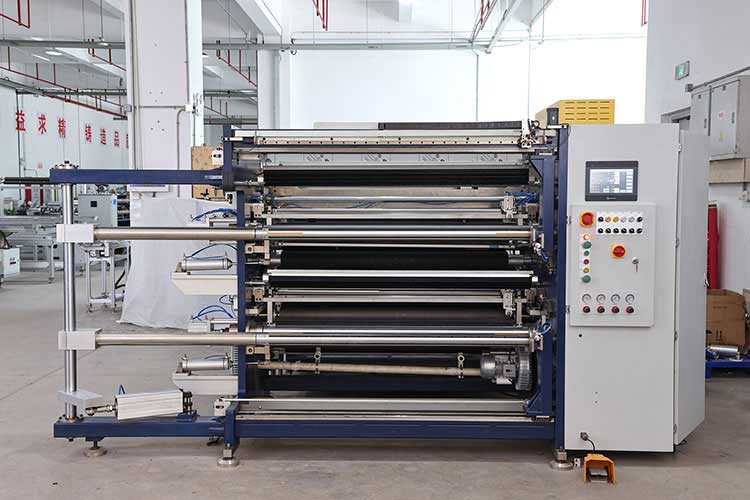
2. Dynamic slitting process optimization
• Scheme: Adopt frequency conversion motor + servo tool holder to realize:
◦ Multi-tool synchronous control: dynamically adjusts tool pitch and pressure based on material properties (e.g., film, paper).
◦ Pre-programmed parameter library: Stores parameters such as tension and speed of different materials to reduce debugging time.
• Effect: 40% reduction in product specification switching time and 15-25% increase in maximum machine speed.
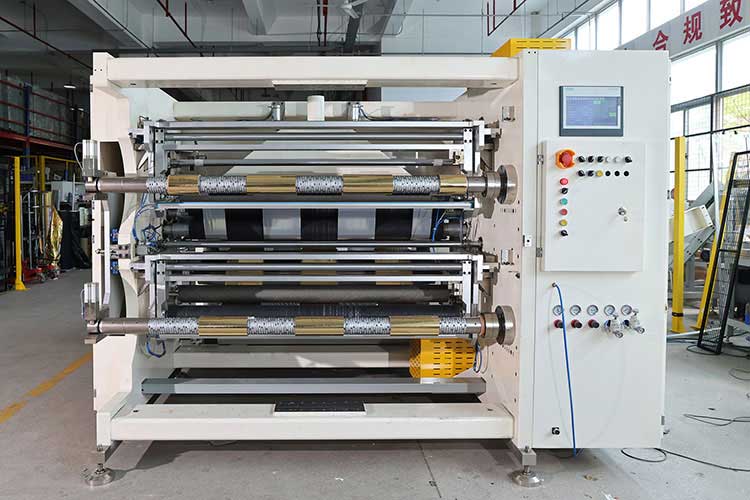
3. Improved performance of core components
• Improvements:
◦ Upgrade high-precision bearings and wear-resistant blades (e.g., tungsten carbide coating) for extended maintenance intervals.
◦ Adopt air expansion shaft + pneumatic chuck, and the reel change time is compressed from 3 minutes to 1 minute.
• Cost-effective: 50% longer component life and 30% less frequent downtime and maintenance.
4. Data-driven preventive maintenance
•Implement:
◦ Vibration sensor and temperature monitoring module are installed to monitor the spindle and tool status in real time.
◦ Predict faults based on historical data (e.g., bearing wear threshold alarms).
• Revenue: 60% reduction in unplanned failures and 8-12% increase in overall equipment effectiveness (OEE).
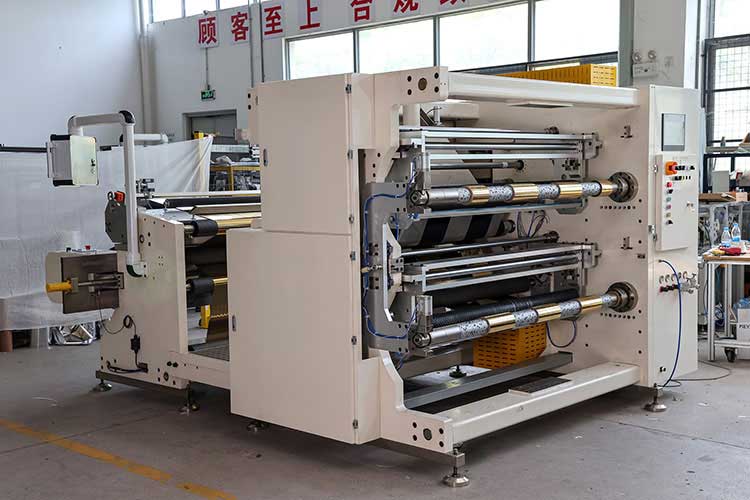
5. Material flow and layout reconstruction
• Optimization measures:
◦ AGV automatic feeding + robotic arm unwinding is used to reduce manual handling.
◦ Redesign the coil path (e.g., adding guide rollers to reduce bending resistance).
• Measured data: An enterprise has improved the efficiency of the whole line by 18% and reduced labor costs by 25% through layout optimization.
Additional efficiency strategies
• Employee training: Conduct regular standardized operation (SOP) training to reduce human error.
• Energy consumption management: Install a power monitoring system to optimize the motor start-stop strategy to reduce no-load power consumption.
Through the systematic implementation of the above solutions, the efficiency can be improved by more than 30%, while taking into account both quality and cost control. It is recommended to give priority to the digital transformation of equipment (Options 1 and 4), and then gradually promote other measures.
 English
 Deutsch
 Français
 Español
 Português
 日本語
日本語 русский
 한국어
한국어 عربي
عربي ภาษาไทย
 Tiếng Việt
 Italiano
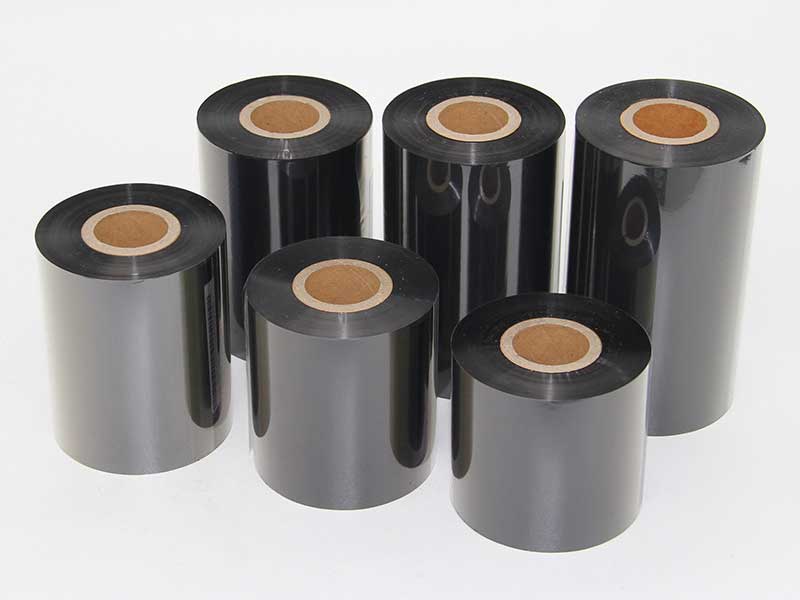
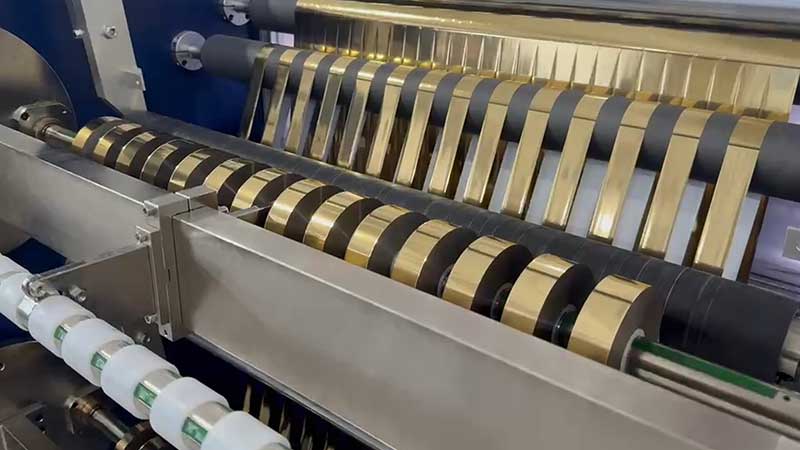
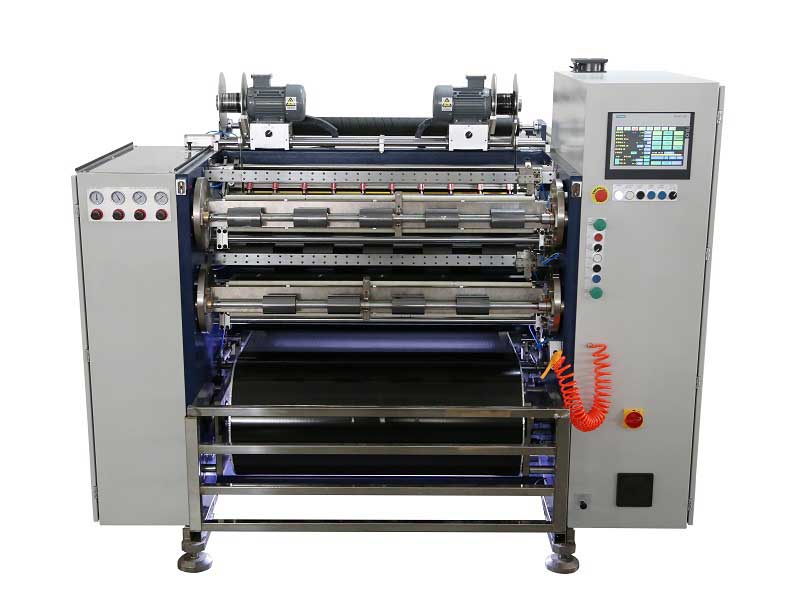 Automatic Thermal Transfer Ribbon Slitting Machine RSDS8 H PLUS
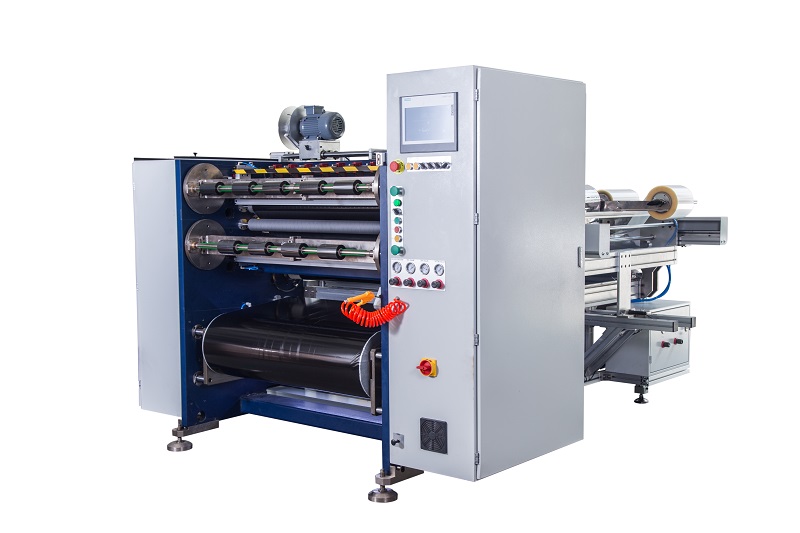 Semi Automatic Thermal Transfer Ribbon Slitting Machine RSDS5 PLUS
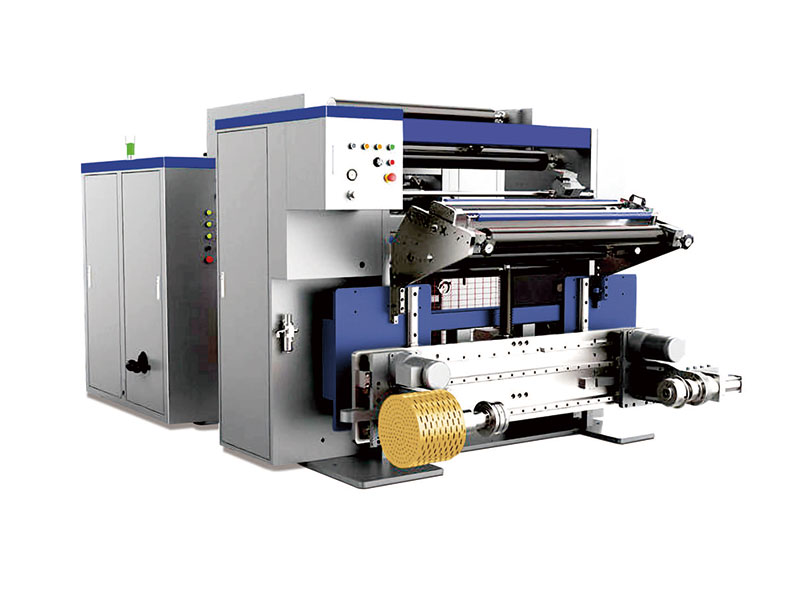 High Speed Slitting Machine
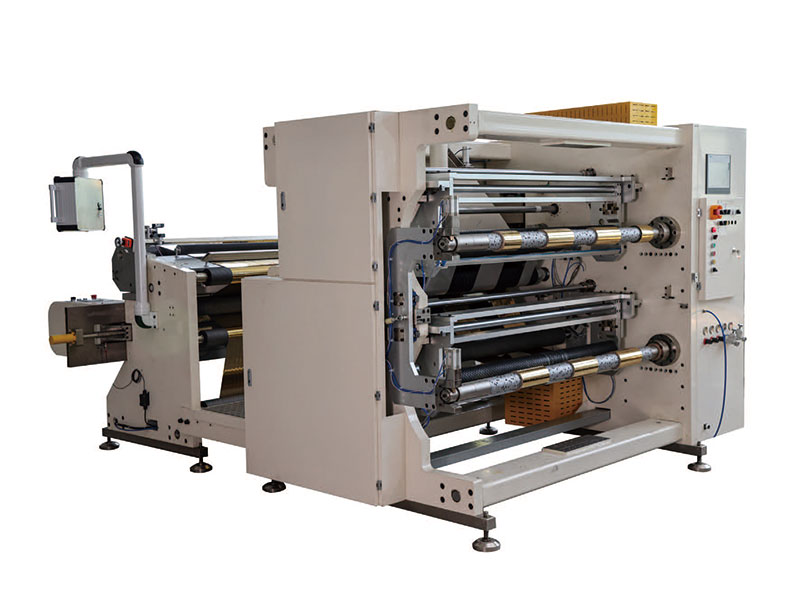 1400mm Hot Stamping Foil Slitting Machine
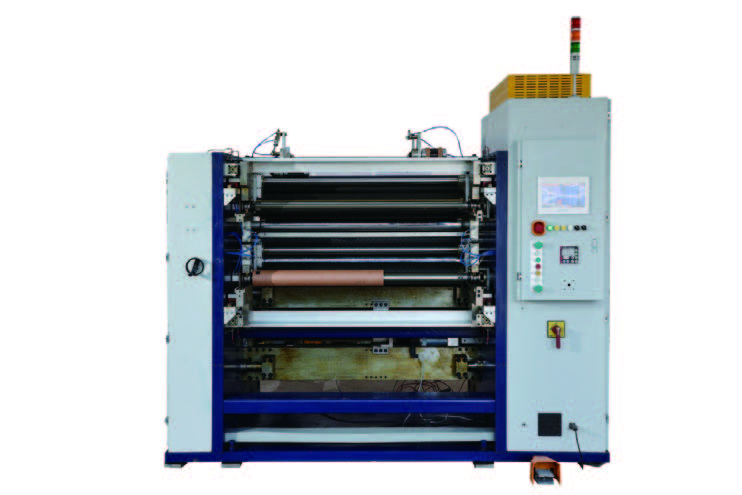 New Energy Ultra-thin Film Slitting Machine For Capacitive Film
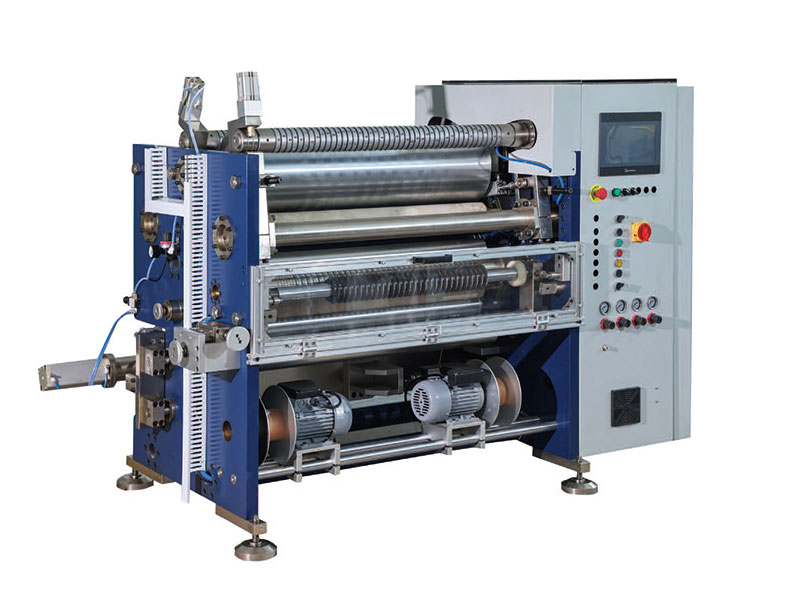 800mm Hot Stamping Foil Slitting Machine
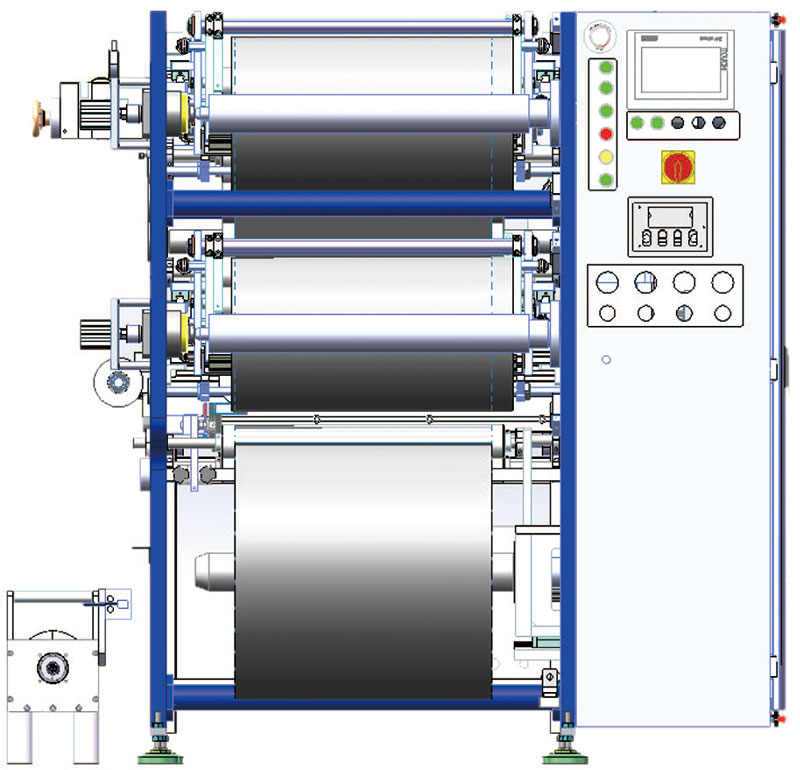 Customerized Slitter
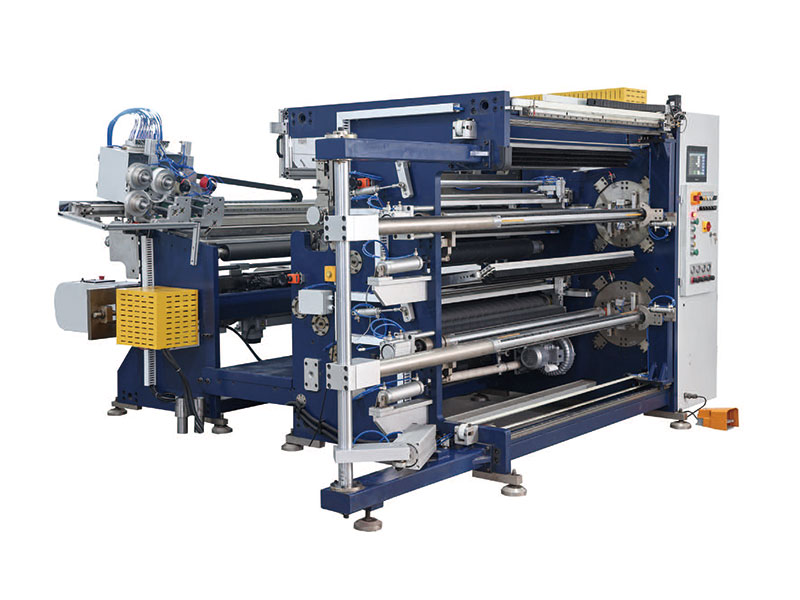 1350mm Hot Stamping Foil Slitting Machine


 +86 135 9951 7291
 support@delishmachine.com