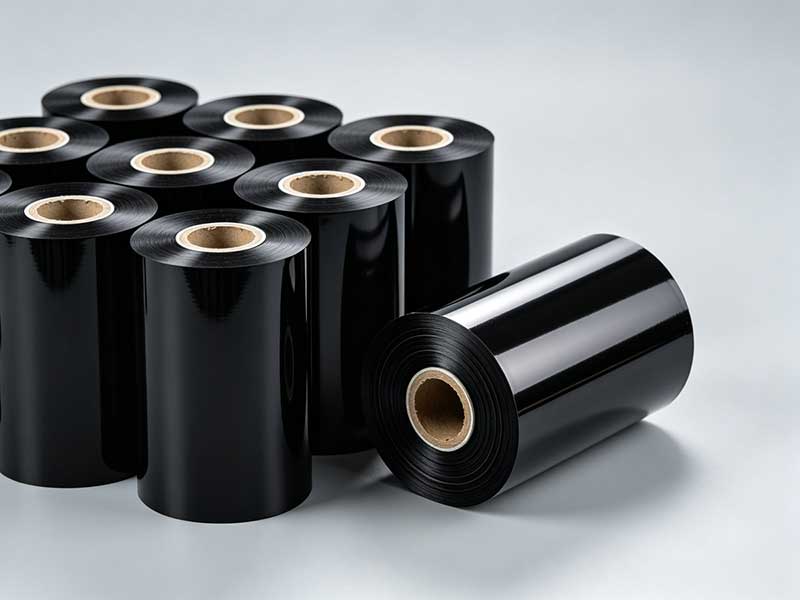
As a core consumable in fields such as barcodes, labels, and electronic component labeling, the quality of thermal transfer ribbons directly determines print clarity, durability, and print head lifespan. Ribbon slitting machines, as key back-end equipment for processing wide-width master rolls into finished rolls compatible with different printer specifications, have a profound technological level that profoundly influences the competitive landscape of the industry.
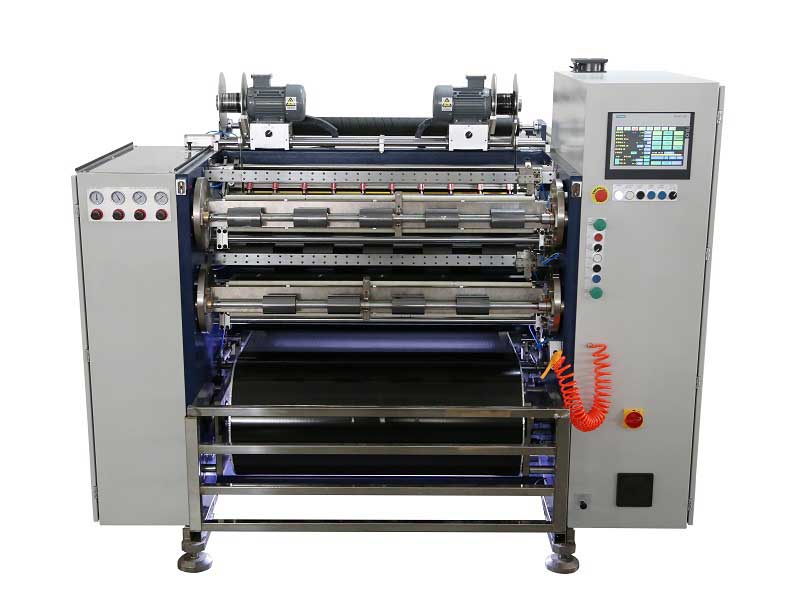
In recent years, as downstream applications have increasingly demanded stricter carbon ribbon width tolerances (some high-end demands have narrowed to ±0.05mm or even less), end surface aesthetics, and delivery cycles, traditional semi-automatic slitting equipment has exposed multiple limitations such as high reliance on manual labor, lagging quality inspection, black-box production data, and low order change efficiency. The ribbon slitting machine is undergoing a comprehensive technological upgrade from "machine-led" to "intelligent-led," with its core path summarized as: from pursuing "stable operation" to achieving "precise control," and then to building "intelligent decision-making."
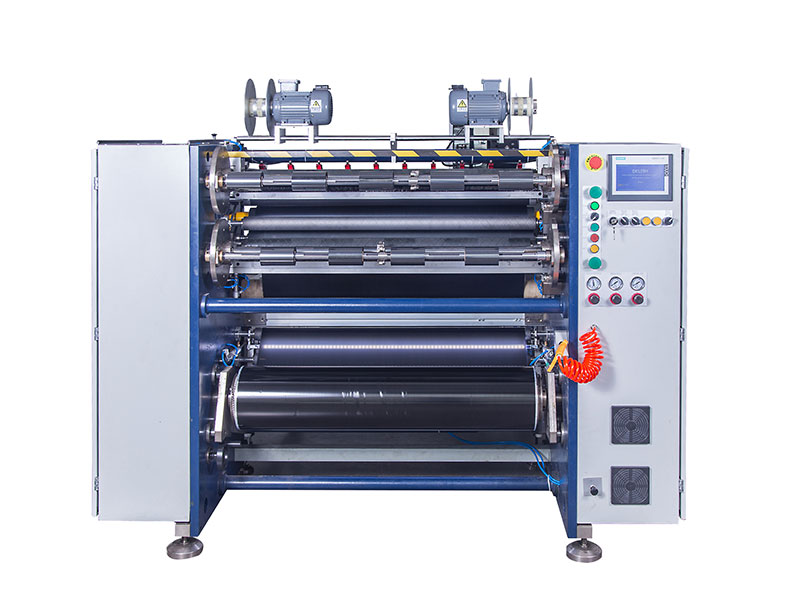
1. Precision: Solving the microscopic challenges of tension and hardness
The ribbon is made from polyester film (PET) substrates only 4-20μm thick, compounded with thermal coatings. The material is thin, soft, and extremely sensitive to tension. Therefore, tension control is known as the "soul of stability" for slitting accuracy.
Traditional slitting machines often use magnetic particle clutches or mechanical friction discs to control tension, which have slow response and large fluctuations (up to ±10%), making it difficult to meet high-precision requirements. The primary direction of technological upgrades is the fully closed-loop servo tension control system. Modern high-end equipment independently installs high-precision tension sensors in each section of unwinding, traction, and rewinding, and uses PLC and PID algorithms for millisecond-level dynamic adjustment, keeping tension accuracy within ±0.5N. To address the inner layer compression caused by increased diameter during winding, taper tension control technology has become standard—the system automatically decreasing the winding tension according to a preset curve based on real-time diameter, ensuring consistent hardness inside and outside the finished roll and a mirror-like smooth end face, effectively avoiding persistent issues such as "chrysanthemum core" deformation and uneven hardness at both ends.
On the hardware side, to achieve micron-level slitting (accuracy ≤ 10μm), the equipment places extreme demands on mechanical rigidity and transmission precision. The high-precision servo motor achieves repeat positioning accuracy of up to ±1μm. Combined with precision guide rollers with runout less than ±2μm and traction rollers with a surface roughness of Ra≤0.1μm, the root causes of material deviation and vibration are eliminated from a physical level.
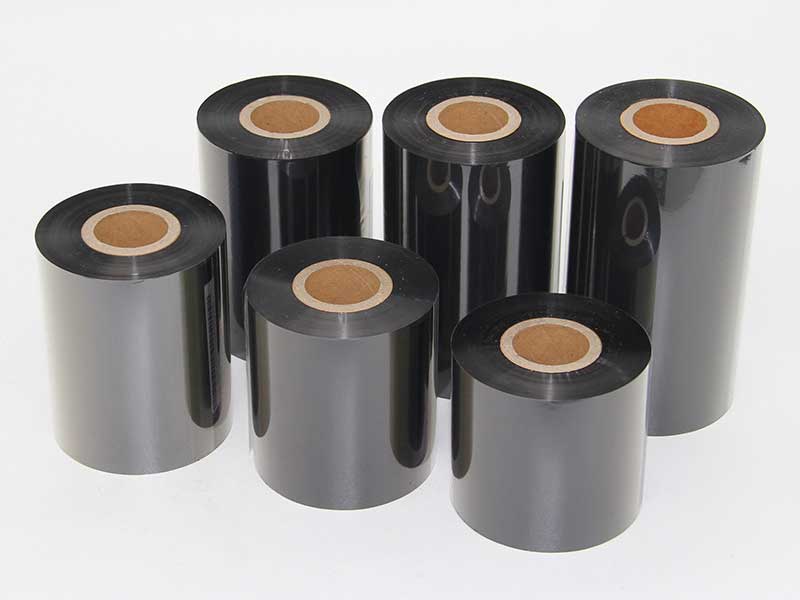
2. Intelligentization: Giving Devices "Eyes" and "Brains"
If precision solves the problem of "how to do it," then intelligence addresses "how to do it well" and "how to know in advance that problems might occur." The next generation of ribbon slitting machines is evolving into intelligent systems that integrate perception, decision-making, and execution.
The introduction of the machine vision online full inspection system is a revolutionary breakthrough in the quality assurance model. At high line speeds, the high-resolution CCD camera detects ribbon end face burrs, serpentine deviation, and surface coating defects (such as scratches, particles, bubbles) in real time. Once defects are found, they immediately trigger alarms or automatically mark them, achieving a leap from "post-event sampling inspection" to "full assurance."
Digital twins and AI process optimization equip equipment with an "industrial brain." On one hand, by building a virtual model of the slitting machine, process simulation can be conducted before actual production, predicting risks such as sudden tension changes, and reducing the cost of physical trial and error. On the other hand, machine learning algorithms continuously analyze massive amounts of production data (temperature, humidity, tension, speed) to autonomously find the optimal combination of process parameters under different operating conditions. For example, the system can automatically call matching tension curves and tool compression parameters based on differences in elastic modulus between wax-based, blended, and resin-based ribbons, avoiding repeated manual adjustments based on experience.
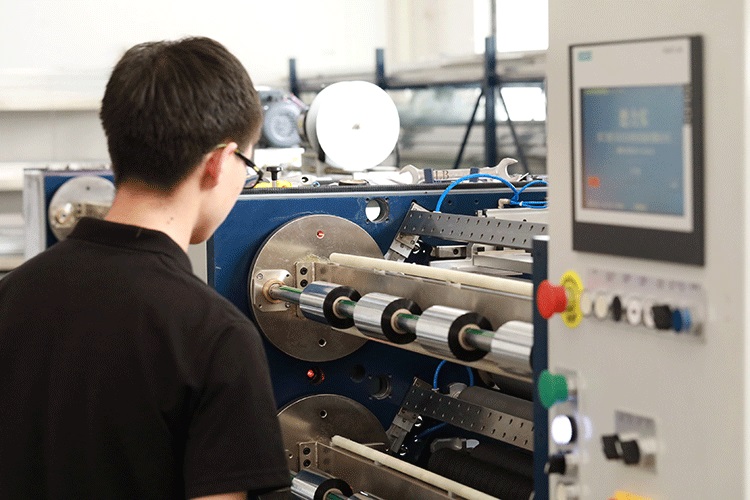
3. Flexibility and Automation: Responding to the market challenge of "multiple varieties and short lead times."
The ribbon market is shifting from standard wide-width, large-volume models to customized, small-batch models. Demand for segmented segments such as e-commerce squirrels and medical-grade anti-alcohol rolls is surging, while traditional slitting machines take 1-2 hours to change shapes, becoming a bottleneck for production efficiency.
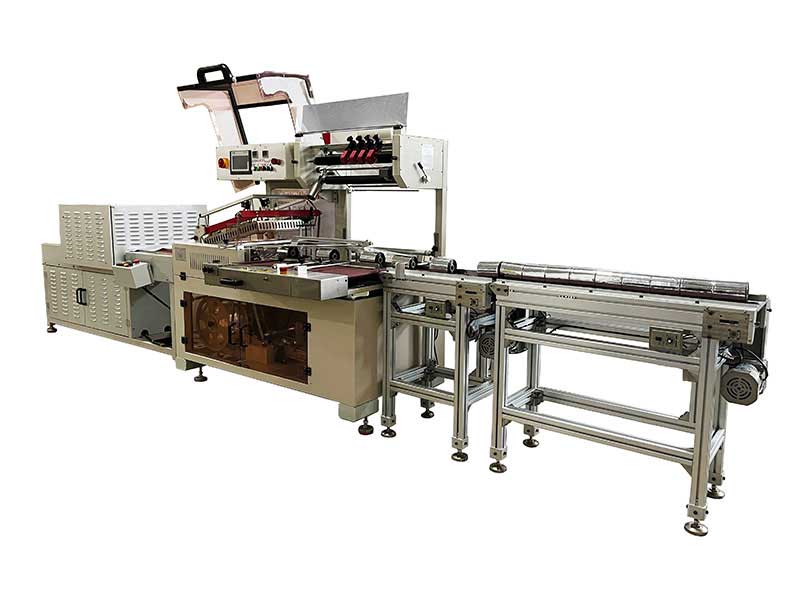
The key to current technological upgrades lies in modular quick-change design and automatic tool layout systems. The same slitting machine can quickly lock the tool holder module and switch between flat blades, round blades, and dot blades, reducing the change time to under 15 minutes. After the operator inputs the new order width on the HMI human-machine interface, the servo motor-driven tool holder automatically and precisely positions, reducing order change time from 30 minutes to under 3 minutes. By integrating AGV automatic handling, robotic arm automatic loading and unloading, and automatic labeling and packaging, the slitting workshop is gradually moving toward an "unattended" continuous production model. According to industry practice data, after systematic stability improvements, the number of unplanned downtime for slitting machines can be reduced by 93.5%, and single-shift output can increase by nearly 50%.
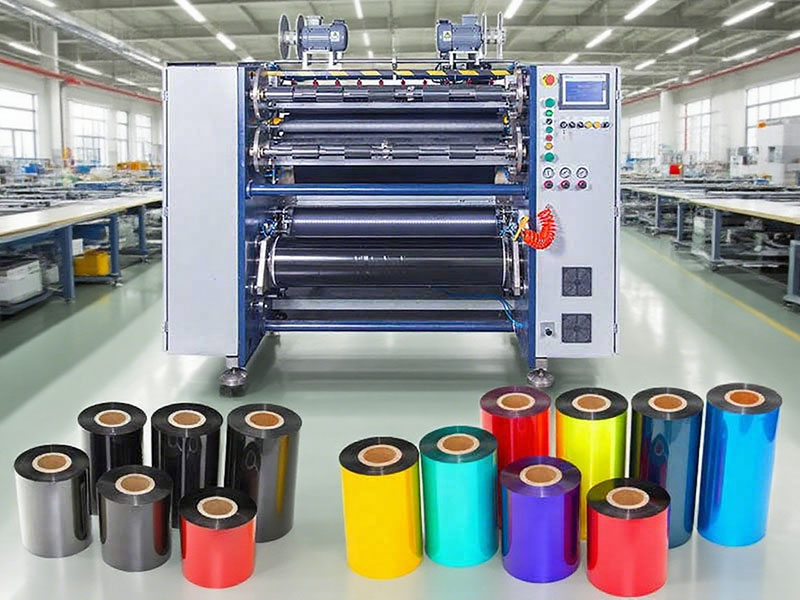
4. Future Outlook: Moving Toward a "Black Light Production Line"
Looking ahead to the next five years, the technology race for ribbon slitting machines will focus on fully automated processes and predictive maintenance. By integrating MES (Manufacturing Execution System) scheduling algorithms, the system can automatically plan "co-roll slitting"—sequentially cutting different specifications of products on the same roll, minimizing tailstock waste. At the same time, spindle load monitoring and vibration spectrum analysis will be used to predict tool wear trends, issuing tool change commands to the central tool magazine in advance, and completely eliminating quality accidents caused by tool passivation.
The technological upgrade of thermal transfer ribbon slitting machines is no longer just a single-machine speed-up, but a systemic transformation encompassing precision machinery, automatic control, machine vision, and the industrial internet. For ribbon manufacturers, proactively embracing this upgrade will be a key decision to build quality barriers and cost advantages amid fierce market competition.
 English
 Deutsch
 Français
 Español
 Português
 日本語
日本語 русский
 한국어
한국어 عربي
عربي ภาษาไทย
 Tiếng Việt
 Italiano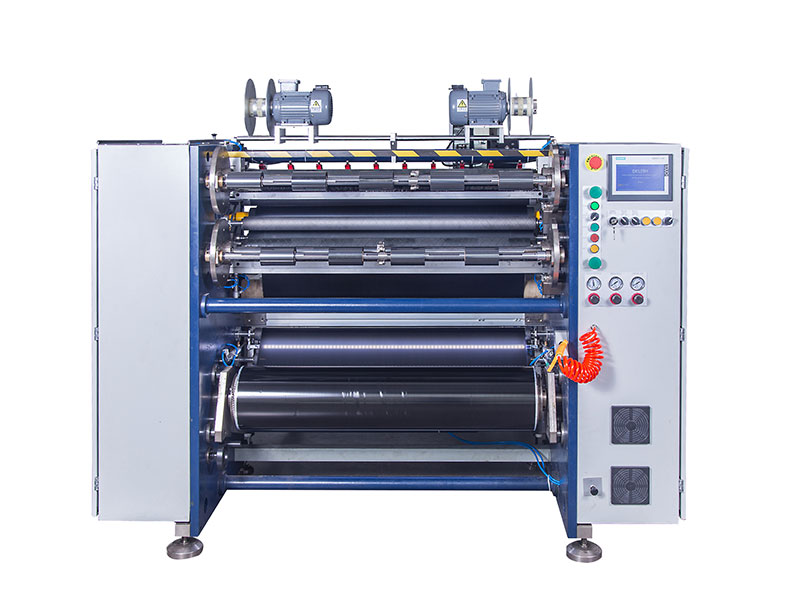
 Thermal Transfer Ribbons Packaging Machine
 Automatic Thermal Transfer Ribbon Slitting Machine RSDS8 H PLUS
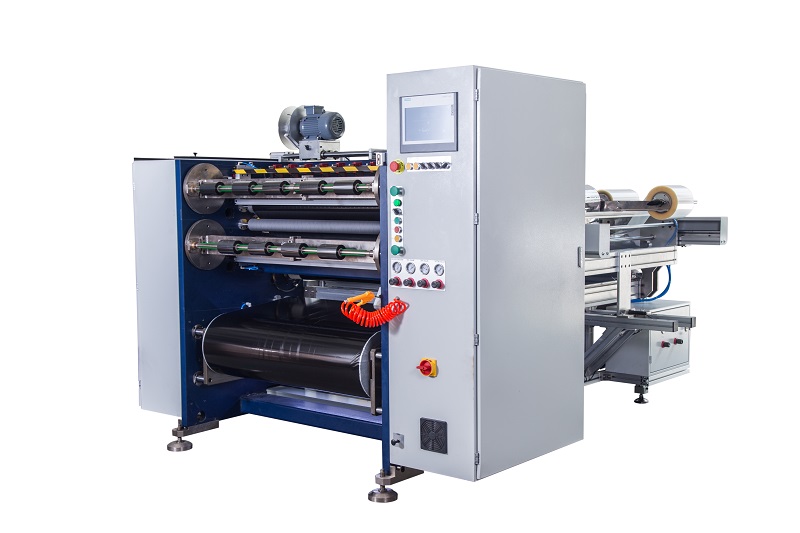 Semi Automatic Thermal Transfer Ribbon Slitting Machine RSDS5 PLUS
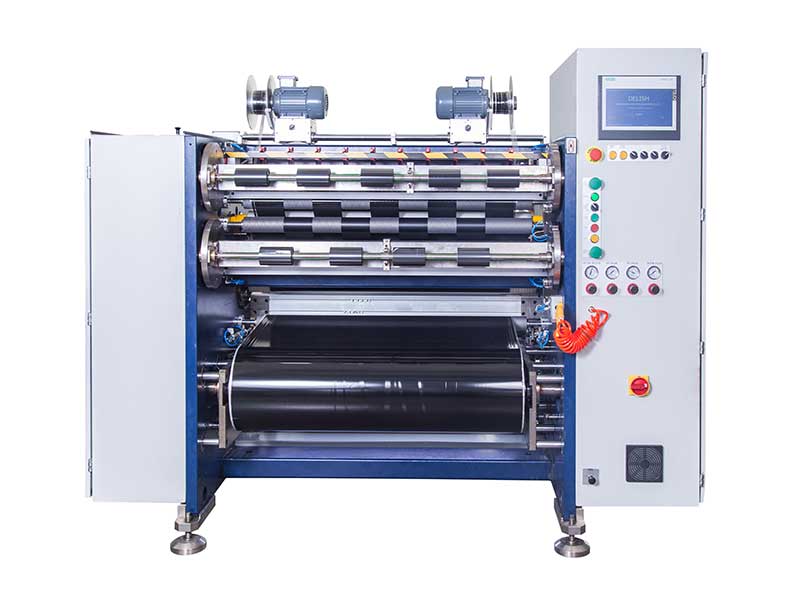 TTR Slitting Machine
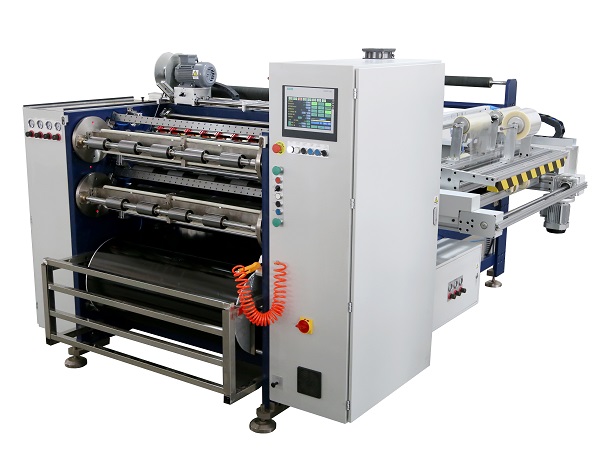 Automatic Thermal Transfer Ribbon Slitting Machine RSDS8 PLUS
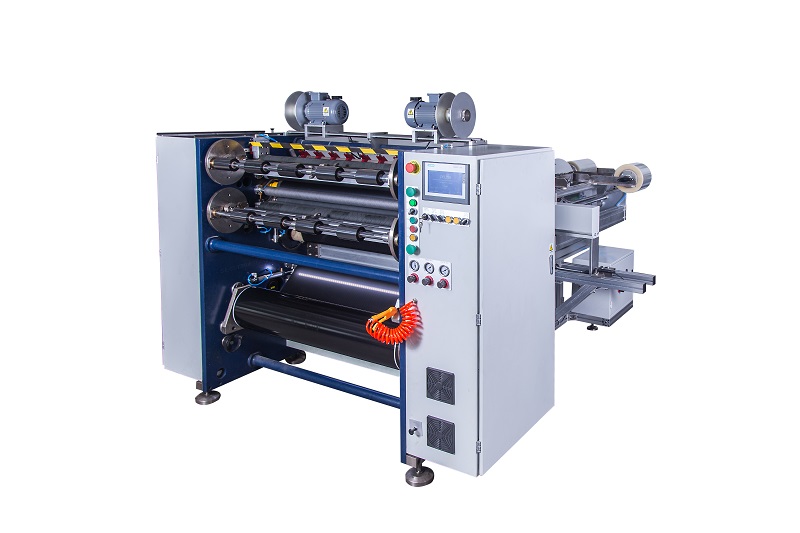 Semi Automatic Thermal Transfer Ribbon Slitting Machine RSDS1 PLUS
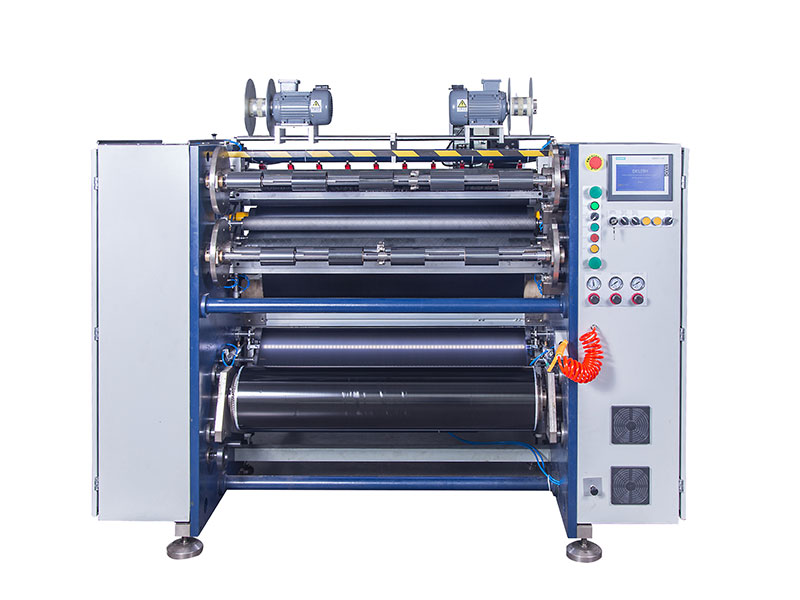 Ribbon Slitting Machine


 +86 135 9951 7291
 support@delishmachine.com