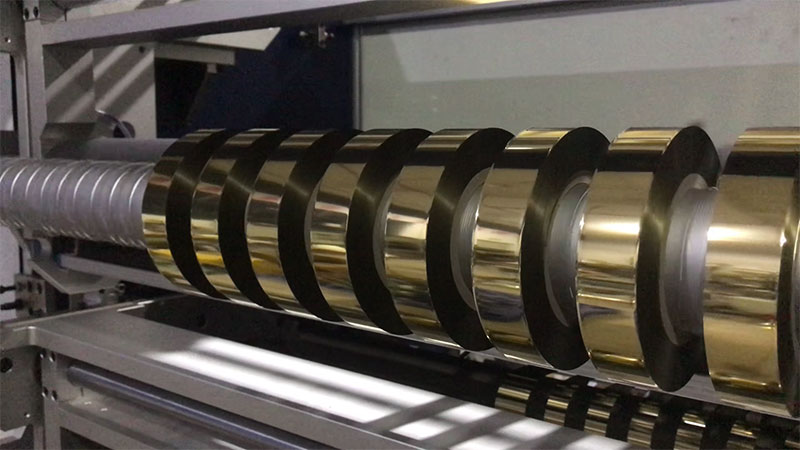
Behind the dazzling golden logo on cosmetic boxes or the delicate metallic stripes on tobacco and alcohol packaging, there is a precision material only 10 to 20 microns thick—electrochemical aluminum hot stamping foil. Precisely processing the wide-width foil master roll into the narrow finished roll needed downstream—this seemingly simple slitting step is actually the "throat" of the entire hot stamping process. The precision and stability of this step directly determine the success or failure of the hot stamping process: even a slight burr at the slitting edge or slight deformation caused by tension fluctuations can trigger foil breakage, incomplete stamping, or even a chain reaction of entire line shutdowns on high-speed hot stamping machines.
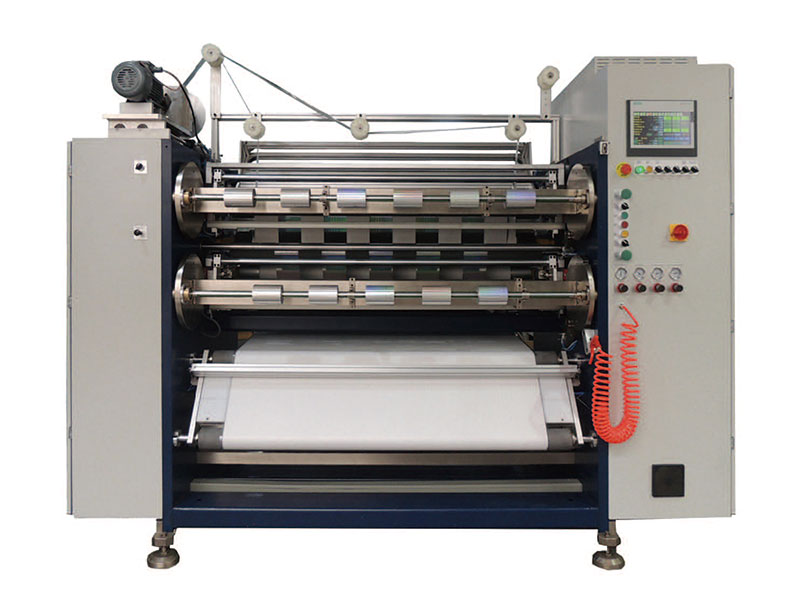
To cut this delicate and precise foil layer just right, the hot stamping foil slitting machine must meet a series of nearly stringent special requirements. This is not just simple machining, but a comprehensive technical system involving tool systems, tension control, feeding paths, and intelligent monitoring.
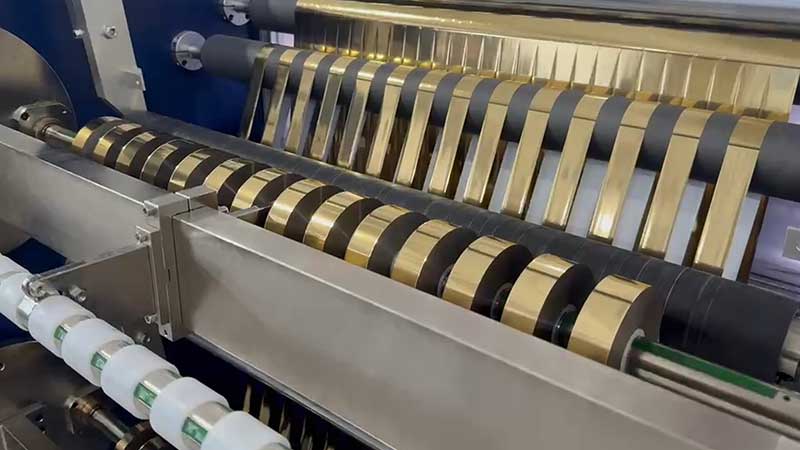
Cutting Tools: The "Last Mile" of Slitting
The quality of slitting first depends on the way the blade and the material "communicate." Foil foil is not a single-layer film, but a precision structure composed of PET base film, release layer, tinting layer, aluminum plating layer, and adhesive layer. This means slitting is not just physical cutting, but also non-destructive separation of this multilayer structure.
Hot foil foil slitting machines generally use upper and lower disc blades (shear-type slitting) as the core slitting method. This cutting method is like cutting fabric with scissors, providing a smoother cut surface and longer blade lifespan, allowing for frequent specification changes. In precision tuning, two key parameters determine the success or failure of slitting:
1. Overlap and lateral clearance: The overlap depth on the sides of the upper and lower blades should usually be controlled between 0.5~1.5mm (depending on material thickness, with thin materials being the lower value), while the lateral clearance between the two blade edges is generally recommended to be 0.03~0.08mm. For ultra-thin hot stamping foil below 12μm, the gap should be as small as possible, with a "just cut cut without squeezing" as the standard. If the gap is improper, the blade cannot sharply "cut" the foil but will instead "squeeze" or "tear" it, which is undoubtedly the main culprit behind rough edges and foil powder.
2. Blade shaft runout and angle: The radial runout of the blade shaft should be controlled at ≤0.003mm, otherwise wavy edges will form; the blade cutting edge angle is usually 20°~30°, and mirror polishing (roughness ≤ 0.1μm) is required to ensure sharpness.
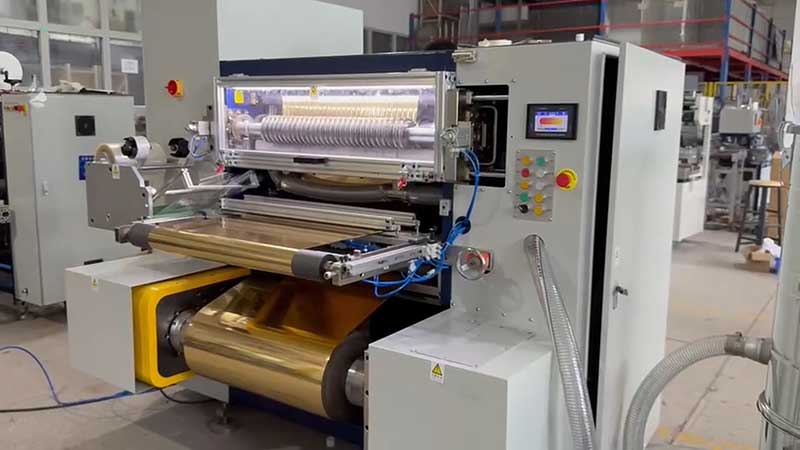
Tension Control: The "Lifeline" of Thin Material Slitting
Because the electrochemical aluminum substrate is extremely thin and easily stretched, tension control becomes the core challenge in the slitting process. Excessive tension is like pulling on spider silk, causing irreversible deformation of the substrate; If the tension is too low, the roll becomes loose and misaligned, resulting in uneven ends of the finished roll.
Modern high-end slitting machines generally adopt fully automatic closed-loop tension control systems to address this challenge. During tuning, attention should be paid to the following aspects:
• Multi-Zone Independent Control: Unwinding, slitting, and rewinding are divided into independent tension zones, with real-time feedback via floating swing rollers or high-precision sensors to avoid mutual interference. Ideally, tension fluctuations need to be < 0.5N.
• Taper tension technology: especially critical during the winding stage. As the winding diameter gradually increases, the system must automatically reduce tension according to the set curve (recommended tension taper of 15%~25%) to prevent aluminum layer transfer or adhesion caused by excessive pressure in the inner foil layer.
• Slip shaft applications: For narrow strip slitting with multiple spindies winding simultaneously, slip shaft technology can independently adjust the slip amount for each narrow roll, effectively avoiding tightness differences caused by slight thickness differences between coils.
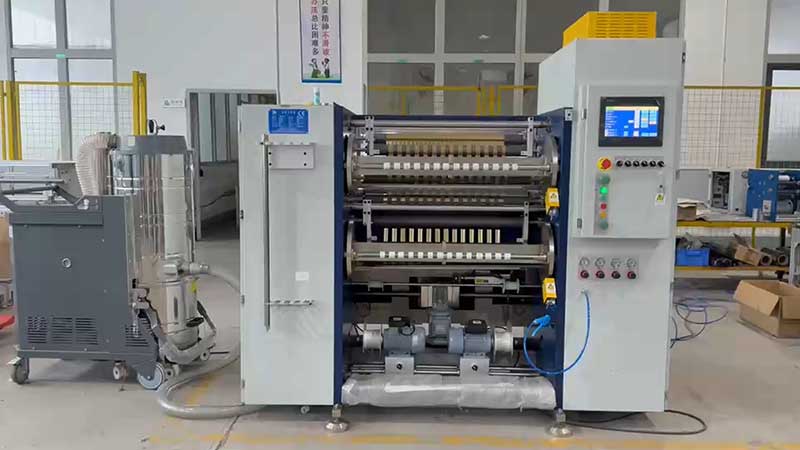
Material Routing and Correction: A physical line of defense to prevent "deviation."
If the blade and tension are normal but the cut edges are still uneven, the problem is most likely in the feeding path. Any slight deviation in the material's path can be magnified as defects in the slitting product.
• Guide roller parallelism calibration: All guide rollers in contact with the film surface must be treated with ultra-mirror finish (surface roughness Ra ≤ 0.05μm) to avoid scratching the coating. At the same time, the distance difference from the ends of adjacent guide rollers to the frame reference surface should be ≤ 0.5mm/m. For laser hot stamping foil, all guide rollers and retractable reels must undergo strict dynamic balance testing (G2.5 grade or above) to prevent high-frequency micro-vibrations from damaging the integrity of the laser pattern.
• Correction system (EPC) tuning: Photoelectric or ultrasonic sensors must always lock the material edges. A high-performance correction system can control accuracy within ±0.1mm or even ±0.05mm, preventing material deviation and uneven trimming.
Conclusion
The special requirements for hot stamping foil slitting machines ultimately stem from the ultimate pursuit of "stability" and "precision." From micron-level tool clearances to Newton-level tension fluctuations, every parameter is like gears in precision machinery, closely linked and jointly determining the success or failure of the final hot stamping effect. As the packaging and printing industry moves toward high-end development, hot stamping foil slitting machines have long surpassed ordinary mechanical equipment, becoming a complex process that integrates materials science, precision manufacturing, and automatic control. It embodies the experience and wisdom of engineers into every inch of dazzling golden lines.
 English
 Deutsch
 Français
 Español
 Português
 日本語
日本語 русский
 한국어
한국어 عربي
عربي ภาษาไทย
 Tiếng Việt
 Italiano
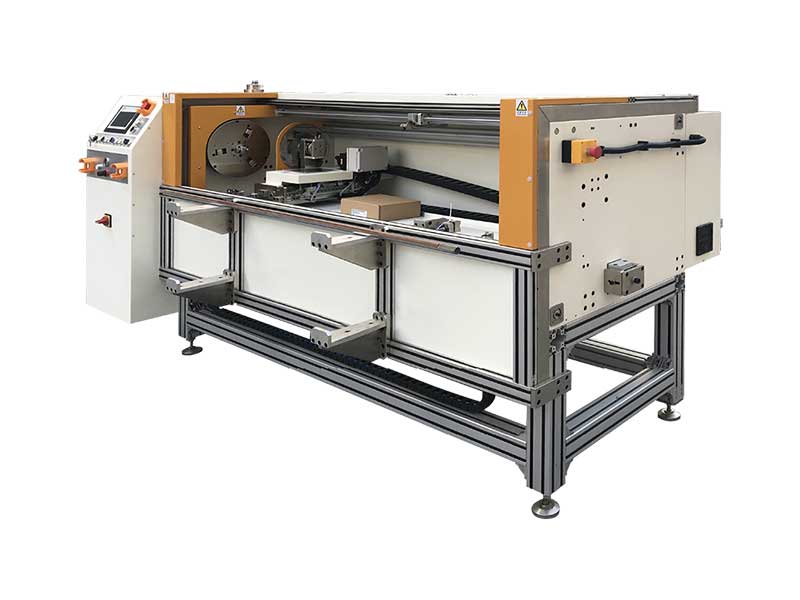 Automatic Foil Roll Cutting Machine
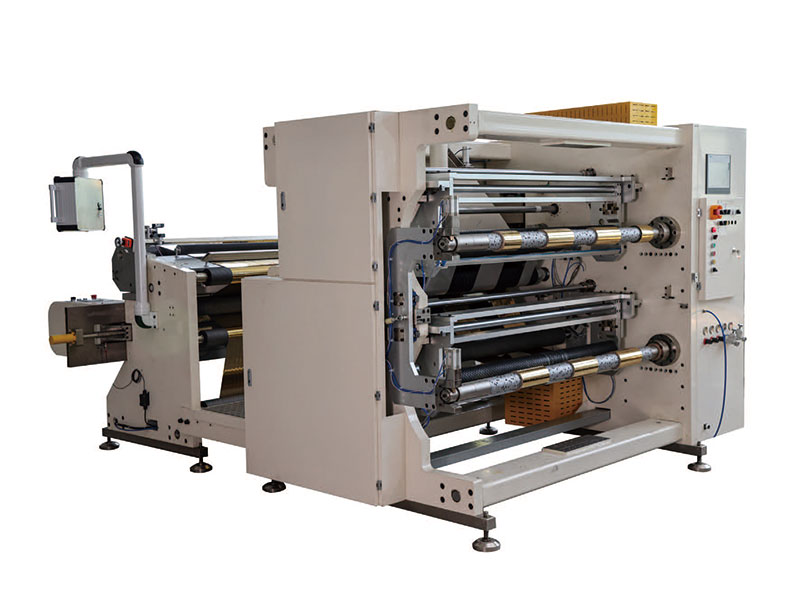 1400mm Hot Stamping Foil Slitting Machine
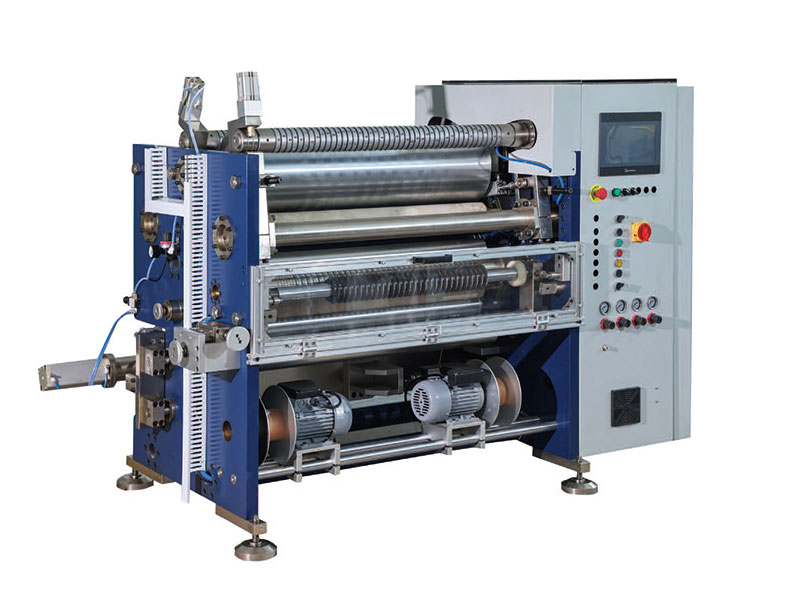 800mm Hot Stamping Foil Slitting Machine
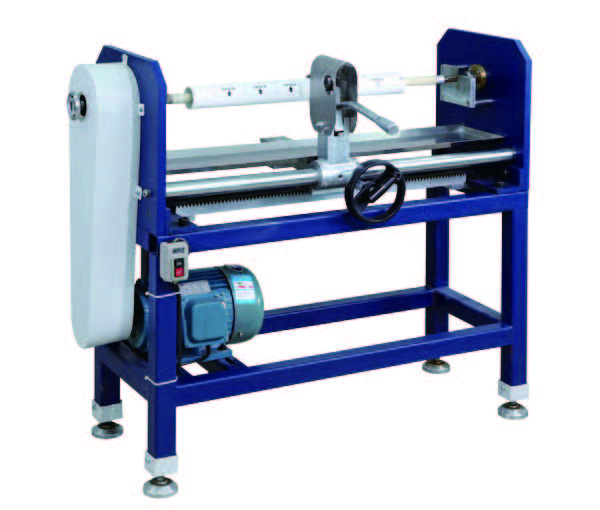 Manual Foil Roll Cutting Machine
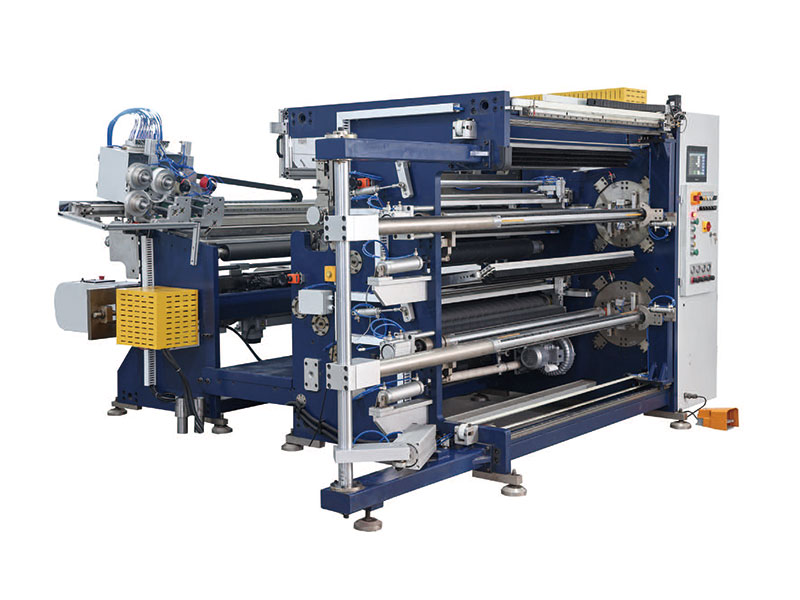 1350mm Hot Stamping Foil Slitting Machine
 Photo & Card Print Ribbon Rewinding Machine
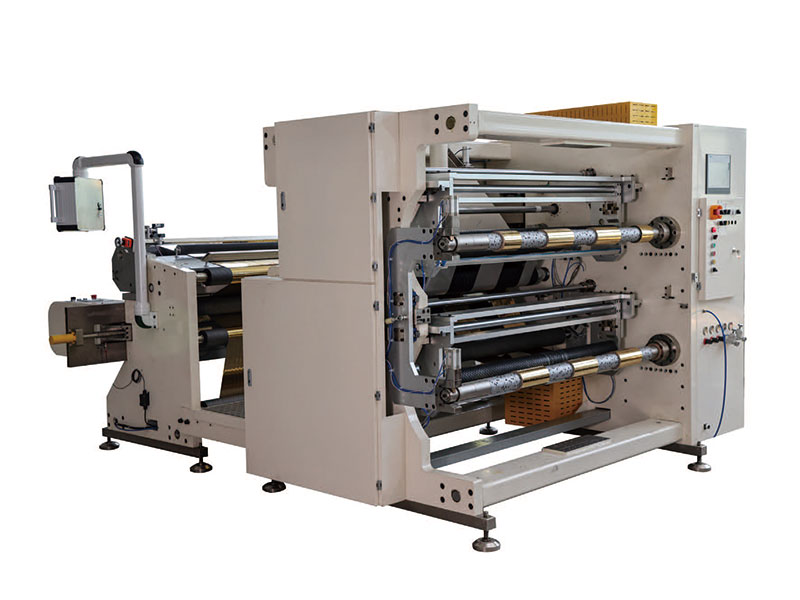 1400mm Copper Foil Slitting Machine
 1350mm/1600 Foil Slitting Machine


 +86 135 9951 7291
 support@delishmachine.com