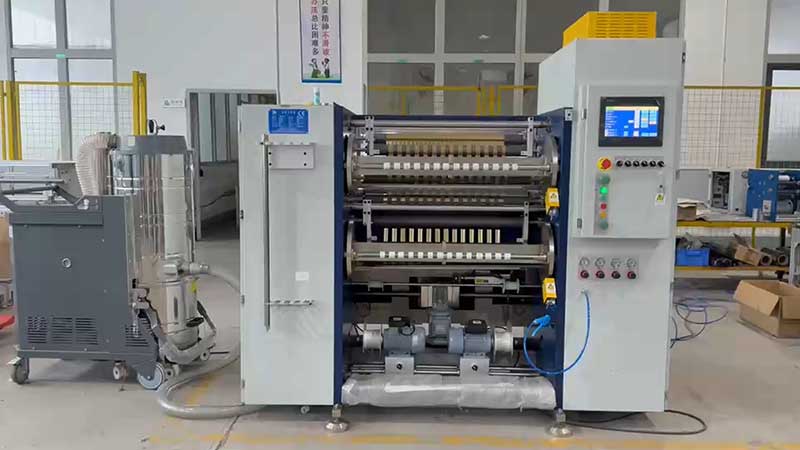
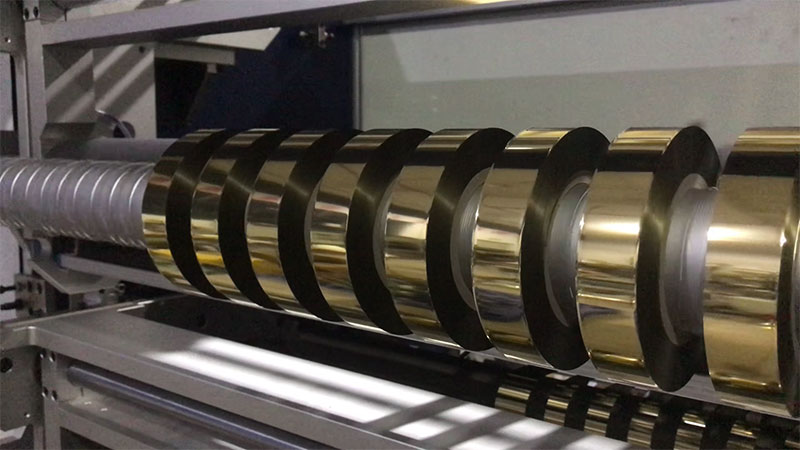
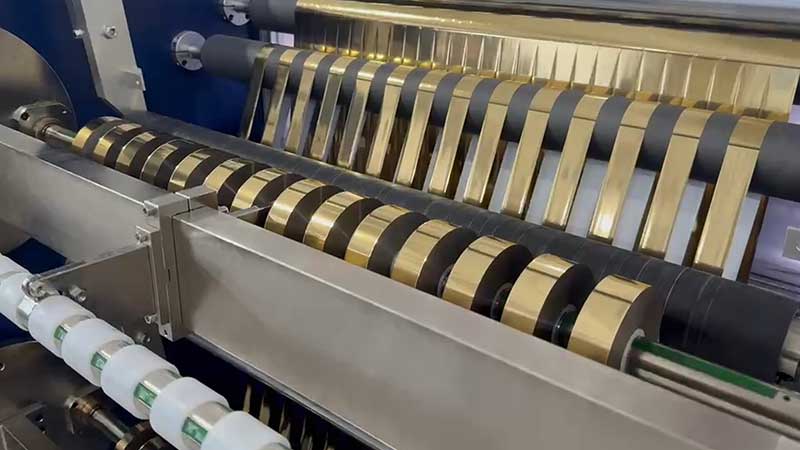
Behind the dazzling golden logo on cosmetic packaging boxes or the delicate metallic stripes on tobacco and alcohol labels, there is always a precision material with a thickness of only 12 to 20 microns—hot stamping paper (hot stamping foil). The hot stamping paper slitting machine is the key equipment for precisely processing wide-width mother rolls into the narrow-width finished rolls needed downstream, and its efficiency directly determines the capacity of the entire hot stamping production line.
Traditionally, improving slitting machine efficiency is almost equivalent to "increasing slitting speed." However, with the integration of precision control, intelligent inspection, and digital technology, the efficiency of modern hot stamping paper slitting machines has improved from a single breakthrough in speed to a systematic innovation encompassing equipment hardware, process logic, and management models. A truly efficient production line pursues not only "fast slitting" but also "winning the race"—winning through shorter downtime, lower material loss, and more flexible order response.
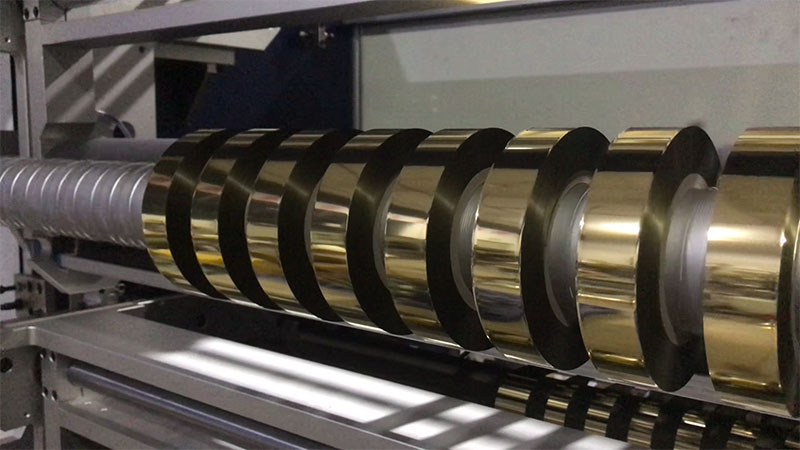
1. Automated Order Exchange: Turning "People Waiting for Machines" into "Machines Waiting for People"
In today's era where "small batches, multiple varieties" have become mainstream, order change and machine adjustment times have become the biggest black hole in eating up efficiency. When changing specifications with traditional equipment, operators must manually disassemble and assemble the tool holder, re-thread the film, and repeatedly trial cut, a process highly dependent on the experience of experienced craftsmen, often taking over 30 minutes.
The key to improving efficiency is to replace "feel" with "data." Modern slitting machines are equipped with a formula management system that can store slitting parameters (tension, speed, tool distance) for different materials (PET/OPP) and coatings as digital recipes, allowing one-click recall during reproduction, reducing order change time from 15-30 minutes to under 3 minutes. Combined with a modular tool holder and servo-driven automatic positioning system, after the operator inputs the slitting dimensions on the touchscreen, the tool holder automatically moves synchronously into position, achieving positioning accuracy of up to ±0.1mm, completely eliminating manual measuring and repeated trial slitting.
A representative practice from an East China hot stamping foil processing company is quite representative: after introducing rapid changeover technology, the average changeover time was reduced from 32 minutes to 4 minutes, and material loss per change dropped significantly from 150 meters, truly enabling the slitting process to handle fragmented orders.
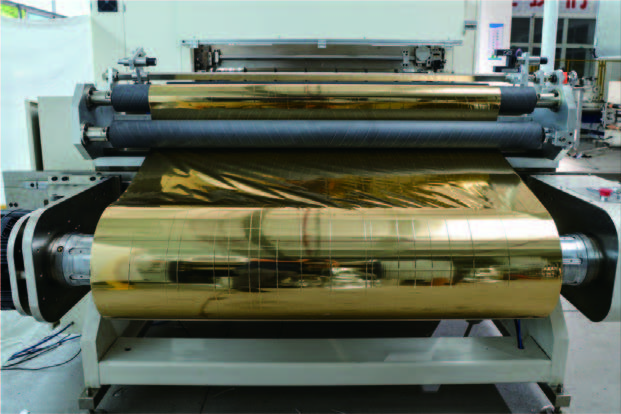
2. Non-stop production: Bringing auxiliary time to nearly zero
If automatic order change solves the waiting between orders, then non-stop material receiving and automatic recoil reeling technology solves the pause between reels.
Traditional slitting machines must stop to change winds when they are about to run out, with a single session often taking 20-30 minutes. The new generation equipment uses dual-station unwinding and a vacuum suction automatic foil bonding device to achieve continuous recoil changes—when the old coil is about to run out, the system automatically precisely connects the new coil head with the tail of the old coil, while the floating storage rack releases the stored material to maintain continuous slitting at the rear end. This feature reduces the time for a single roll change from 4 minutes to 30 seconds, which alone can improve overall operational speed by about 20%.
Meanwhile, the application of electrostatic adsorption waste edge recycling technology compresses the waste edge width from 3mm in traditional processes to 1.5mm, increasing material utilization to 98.5%. This means that on the same roll of master roll, the company can produce more qualified finished rice products, reducing hidden raw material waste.
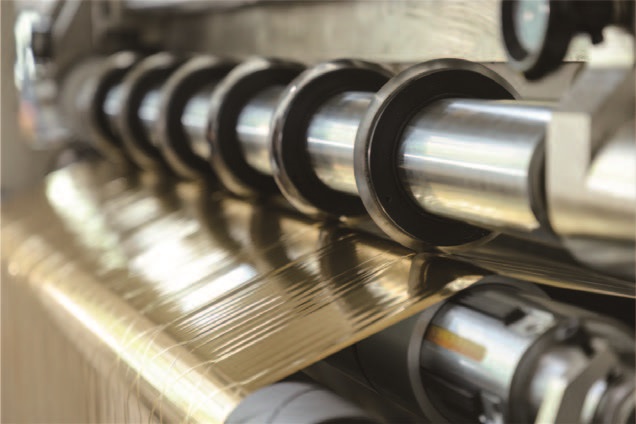
3. Stability at high speeds: Tension and tool systems engineering
The slitting speed has increased from 50m/min on traditional models to 800m/min today. Simply increasing speed isn't difficult; the challenge is ensuring the hot stamping paper coating remains intact at high speeds. Gold stamping paper is only 12-25μm thick and extremely sensitive to tension—excessive tension causes deformation like pulling on spider silk, while too low tension causes it to roll loose and wrinkles.
Modern high-performance slitting machines resolve this contradiction through multi-stage closed-loop tension systems. The system divides the path from unwinding to winding into unwinding zones, slitting zones, and winding zones. Each zone is controlled by independent servo motors and floating roller feedback, and tension fluctuations are controlled within ±0.5N using PID algorithms. Combined with taper tension control—automatically decreasing tension as the winding diameter increases, preventing inner foil from sticking under pressure—ensuring smooth progress from unwinding to winding.
At the tool end, the round blade with carbide or diamond coating combined with the base blade controls radial runout within 0.003mm, ensuring the burr height at the cut edge is below 5μm—this is the critical threshold for ensuring the transfer effect of hot stamping. To address heat dissipation issues at high speeds, coated carbide blades combined with micro-lubrication spray and negative pressure dust removal rollers ensure stable and reliable cut quality at speeds of 180m/min.
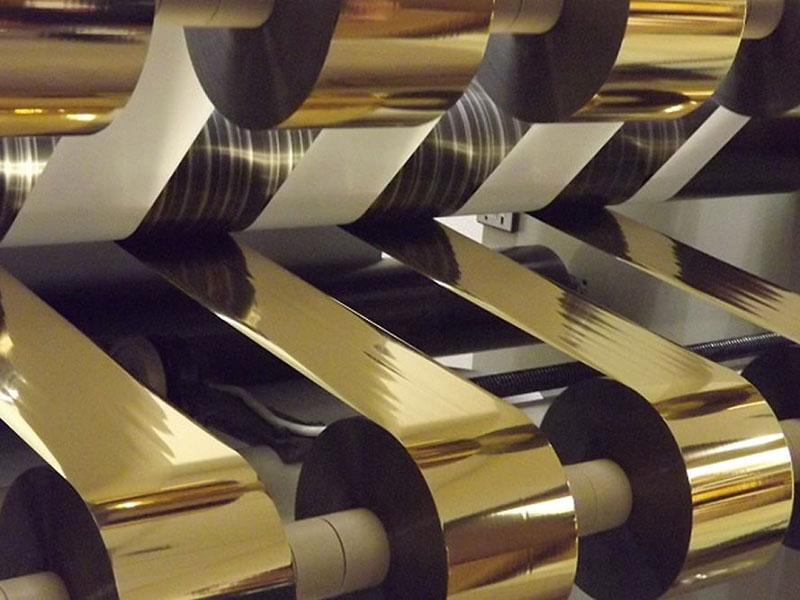
4. Seeking Efficiency Through Digitalization: From "Information Islands" to "Intelligent Nodes"
The highest dimension of efficiency improvement is ensuring equipment no longer operates in isolation. The new generation intelligent slitting machine integrates with the factory's MES/ERP system via Industrial Internet of Things (IIoT) technology, enabling automatic issuance of production work orders, real-time progress tracking, and remote monitoring of equipment status.
Even more groundbreaking is the introduction of AI defect classification systems and predictive maintenance. The deep learning-based vision system can automatically identify defects such as coating bubbles, scratches, and slitting burrs, with a classification accuracy exceeding 99%. By analyzing data such as spindle vibration and motor current, the system can predict tool wear and issue early warnings, avoiding capacity losses caused by unplanned downtime. There are cases showing that predictive maintenance alone can reduce downtime for sudden failures by more than 70%.
Conclusion
The efficiency improvement of hot stamping paper slitting machines is essentially a paradigm shift from "single-point acceleration" to "system optimization." Automatic order changeover eliminates time loss, non-stop production eliminates pauses in coordination, precision tension and slitting tools ensure high-speed quality, and digital management creates a closed data loop at every stage.
For enterprises, investing in upgrading the slitting process is not only to solve current capacity bottlenecks but also to establish a flexible production line that responds faster, offers more stable quality, and offers better costs. After all, in the thin field of hot stamping paper, every second of compression, every meter saved, and every order change simplified ultimately points to one goal—to let core equipment "outpace" orders, rather than being chased by them.
 English
 Deutsch
 Français
 Español
 Português
 日本語
日本語 русский
 한국어
한국어 عربي
عربي ภาษาไทย
 Tiếng Việt
 Italiano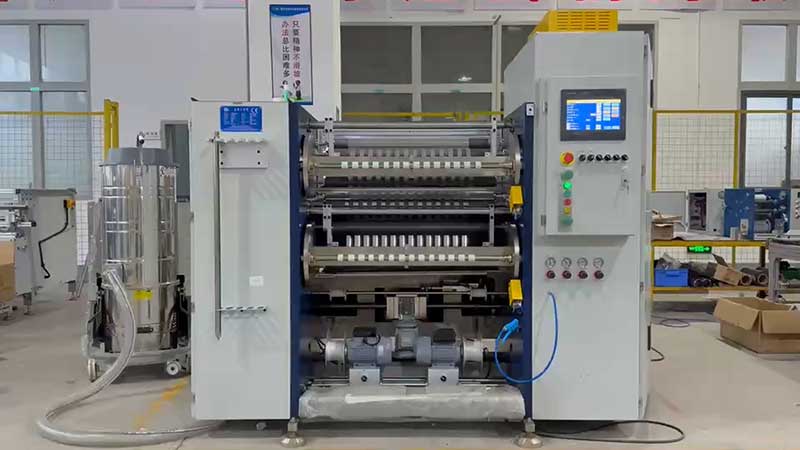
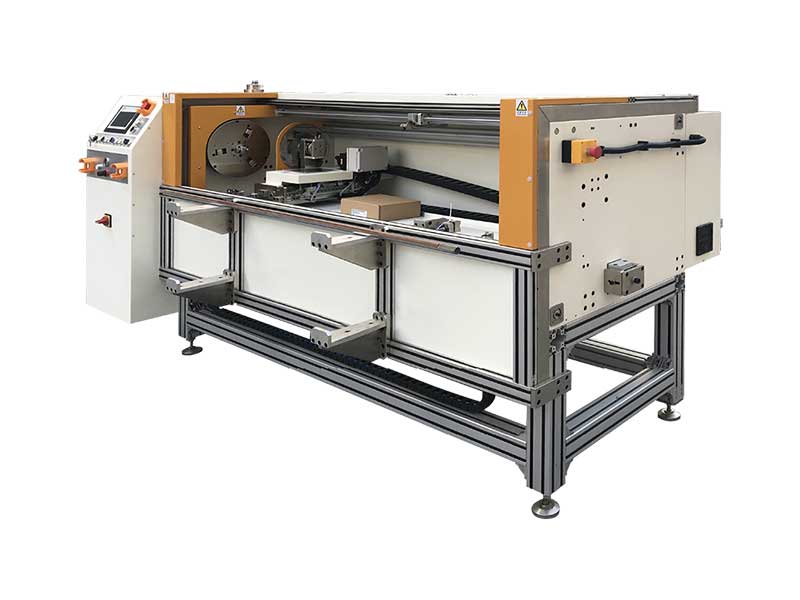 Automatic Foil Roll Cutting Machine
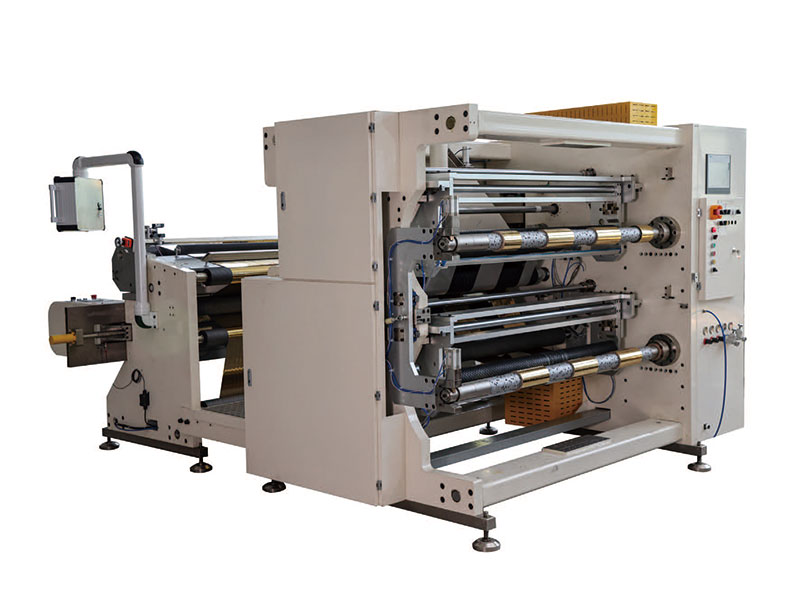 1400mm Hot Stamping Foil Slitting Machine
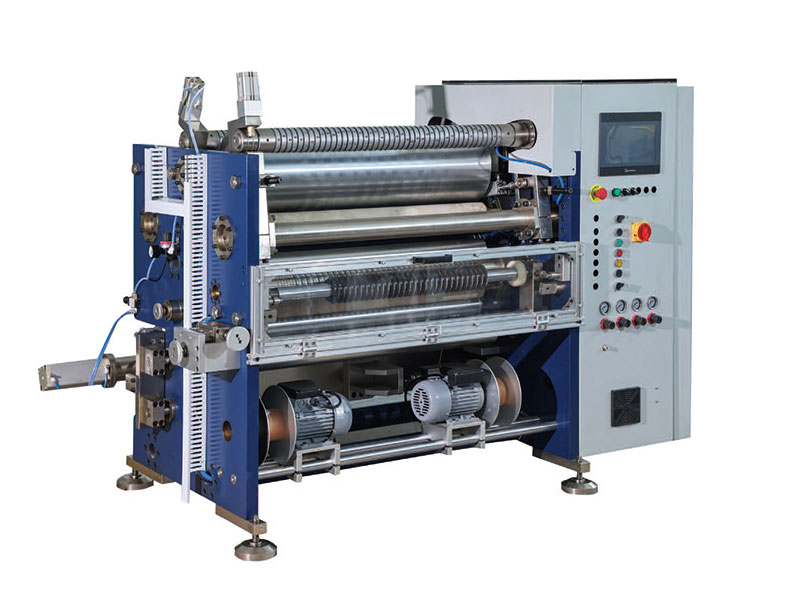 800mm Hot Stamping Foil Slitting Machine
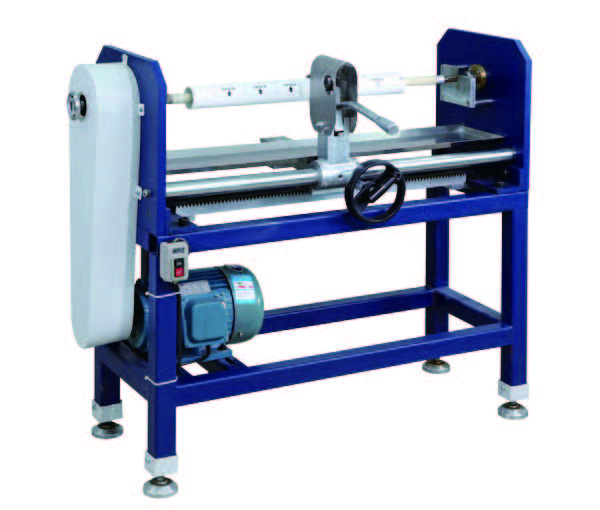 Manual Foil Roll Cutting Machine
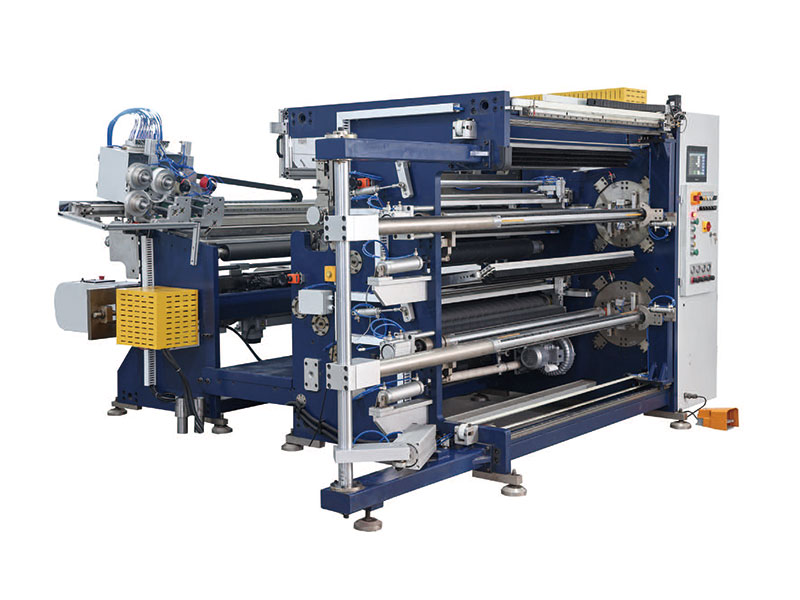 1350mm Hot Stamping Foil Slitting Machine
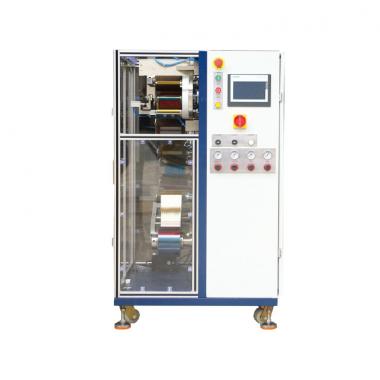 Photo & Card Print Ribbon Rewinding Machine
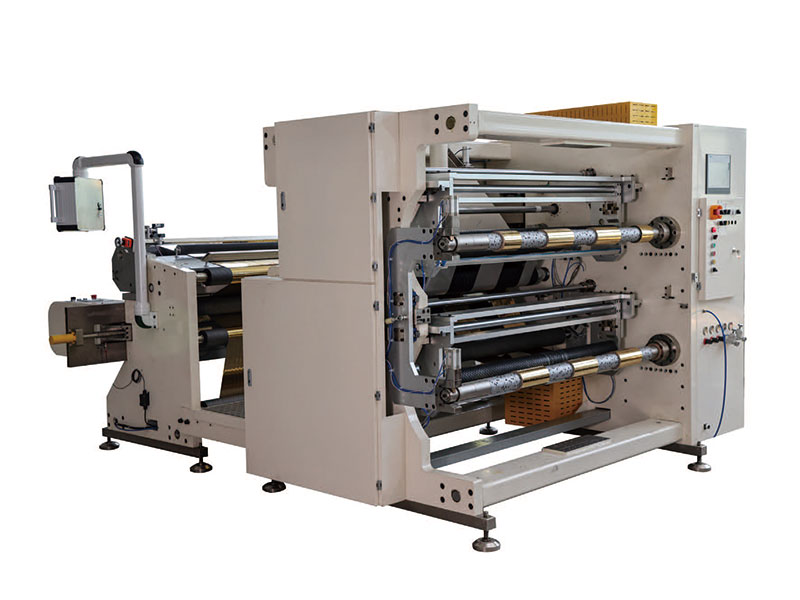 1400mm Copper Foil Slitting Machine
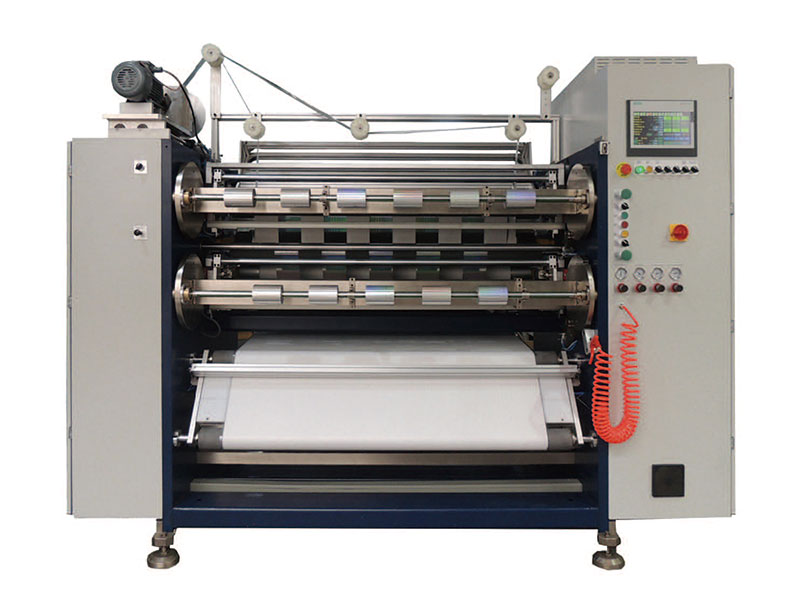 1350mm/1600 Foil Slitting Machine


 +86 135 9951 7291
 support@delishmachine.com