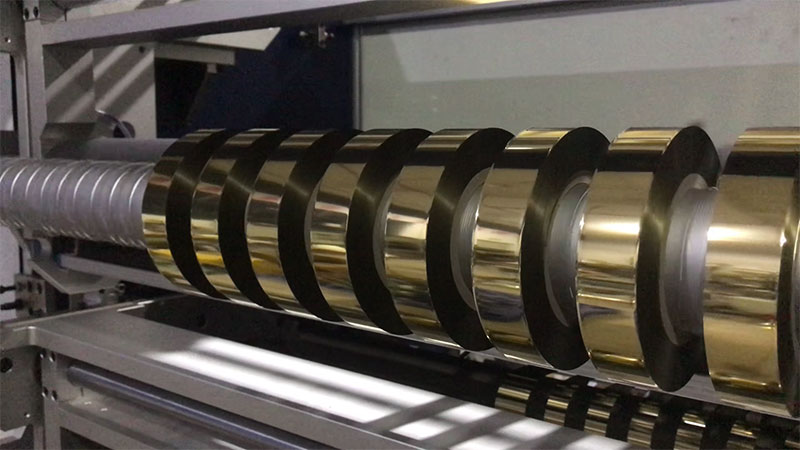
In hot stamping, slitting is a key step connecting the upper and lower parts. The quality of the slitting is directly determined whether subsequent stamping is smooth and efficient, or if it frequently "fails"—rough edges, broken foil, flying gold, most likely related to the blade's condition.
Many operators prefer to judge blade replacement based on experience and intuition—"It looks okay, just cut a few more rolls," but the result is often a surge in scrap rates and sudden downtime. In fact, the most direct evidence of whether the blade should be replaced lies in the incision. By learning to "read" the cut, you can accurately judge the timing of tool changes.
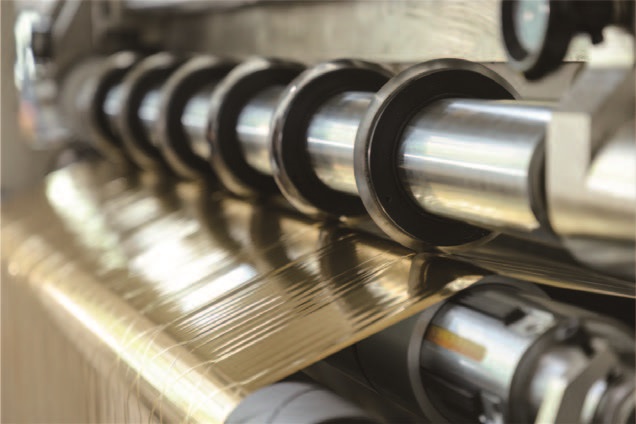
What does a good cut look like?
The ideal hot stamping foil cut should have a smooth cross-section, straight edges, no white lint, and no fine serrations. Under a magnifying glass, the edges of the incisions are clean and neat, with no signs of delamination between layers. This means the blade is in optimal working condition: sharp enough, angled appropriately, and cutting the foil surface cleanly and neatly in a "shear" manner, rather than "squeezing" or "tearing."
Five types of "distress signals" sent by the incision
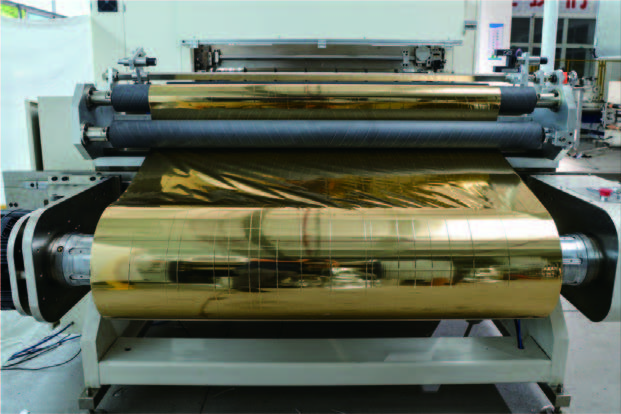
When the blade begins to age or encounter problems, the cut will immediately issue a warning:
Signal 1: Bristling with bristles
This is the most common distress signal. Irregular fibrous protrusions or fine cracks appear at the cutting edges, and in severe cases, foil powder may fall off. The root cause is that the blade edge becomes dull, and during slitting, the foil is no longer cut but is torn apart, causing interlayer separation between the aluminized layer and the base film layer. Don't hesitate at this point—prioritize replacing the blade—this can solve over 90% of sudden burr issues.
Signal 2: Frequent foil breakage
If the foil band breaks frequently during slitting and the breaks are irregularly torn, the problem often lies with the blade. The passivated blade creates tiny cracks at the edge of the foil strip, which rapidly expand under the continuous tension of slitting, eventually causing the entire strip to break.
Signal 3: White edges or white flakes
Hot stamping foil consists of a multi-layer composite structure including PET base film, release layer, coloring layer, and aluminum plating layer. When the blade is not sharp enough, the brittle coating will chip off during cutting, forming visible white powder or lint. If the cut shows a distinct "white edge," it means the blade has become dull enough to require immediate replacement.
Signal 4: Periodic burrs at the incision
If the burrs show a regular pattern of "one good segment, one bad another," or if there are tiny serrated notches on the cut, it indicates microscopic chipping on the blade edge, or the blade shaft bounce exceeds the normal range (controlled within 0.01mm). In this case, first check whether the blade is chipped, then check the shaft accuracy.
Signal 5: Obvious compression marks
When the overlap between the upper and lower blades is too large or the blade angles are mismatched, the edge of the cut will show obvious indentations or compression deformation, rather than a neat cut surface. Hot stamping foil is thinner (usually 12μm-30μm), so the correct slitting method should be "shear-type" rather than "extrusion-type." If squeeze marks appear, it means the blade fit needs to be readjusted. If adjustment still does not improve the issue, then replacement should be considered.
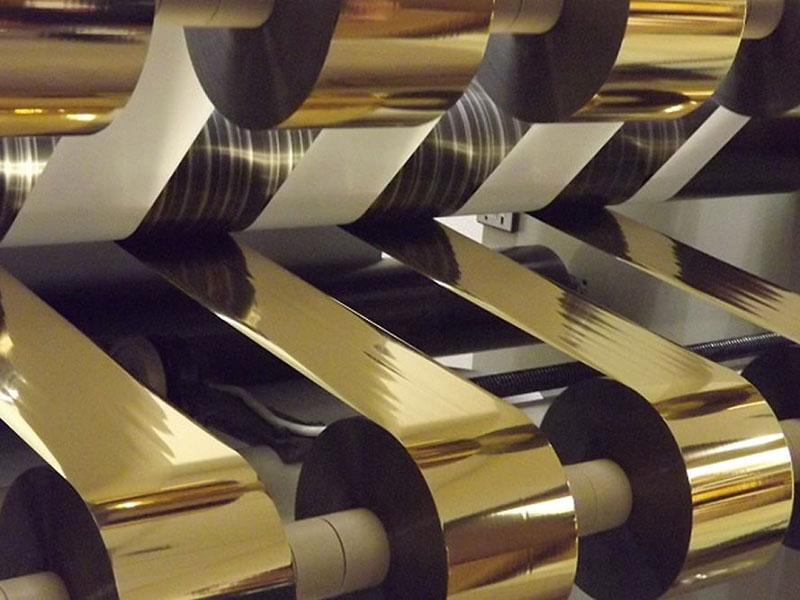
There is no fixed cycle, but there is a reference scale
There is no standard answer to "how often to replace it," because the slitting meter, foil thickness, coating type, and blade material all affect lifespan. But the following reference data can help you establish management benchmarks:
• Grinding cycle: For round blades, it is recommended to grind every 50,000 to 100,000 meters per minute; For flat blades, check the blade every 2 to 3 rolls of replacement.
• Inspection interval: A more general recommendation is to check the blade condition every 5000 to 8000 meters run.
• Extreme Tip: For high-demand products, don't wait until you can't switch before replacement. Establishing a blade usage log and forcibly replacing blades even if they "look okay" once the set meter count is reached, is a prudent way to control quality.
Establish the daily habit of "checking the cutout."
It is recommended to do two things per shift: first, use an air gun or brush to clean foil powder and adhesive residue from the knife holder to prevent foreign objects from damaging the blades; Second, during the rewinding interval, use a magnifying glass to observe the edges of the newly cut foil strip and quickly judge by comparing it with the five signals mentioned above. This simple "visual management" is far more reliable than relying on operator experience.
Summary
Blade lifespan is not calculated by a timer, but by the cut "speaks." Burrs, broken foil, white lint, periodic burrs, squeeze marks—every type of cut abnormality tells you the condition of the blade. By learning to read these signals, you can not only accurately judge when to change tools, but also take control of the quality of slitting.
One-sentence mnemonic: Smooth cuts don't need to be replaced; once burrs appear, replace quickly; if foil breaks occur frequently, check the cutting edge; periodic burrs should look for chipped edges.
 English
 Deutsch
 Français
 Español
 Português
 日本語
日本語 русский
 한국어
한국어 عربي
عربي ภาษาไทย
 Tiếng Việt
 Italiano
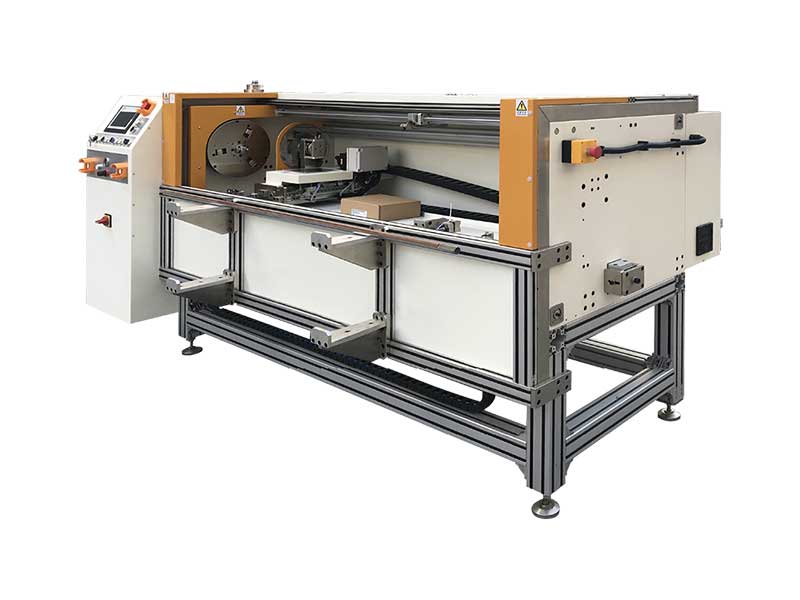 Automatic Foil Roll Cutting Machine
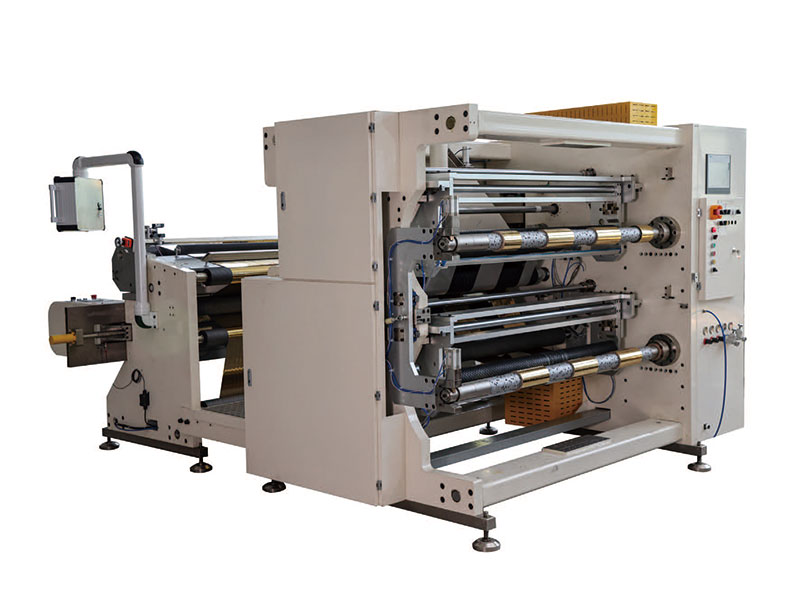 1400mm Hot Stamping Foil Slitting Machine
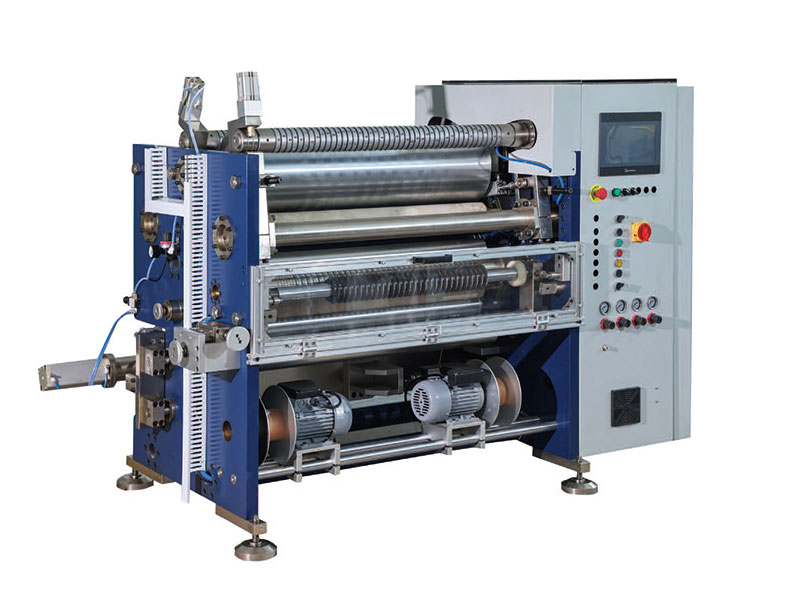 800mm Hot Stamping Foil Slitting Machine
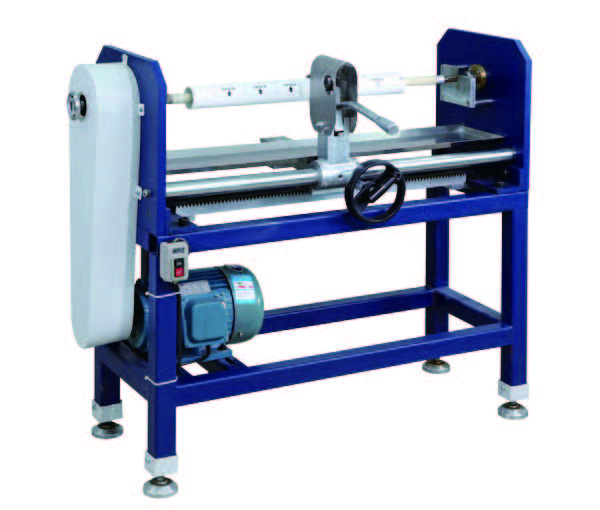 Manual Foil Roll Cutting Machine
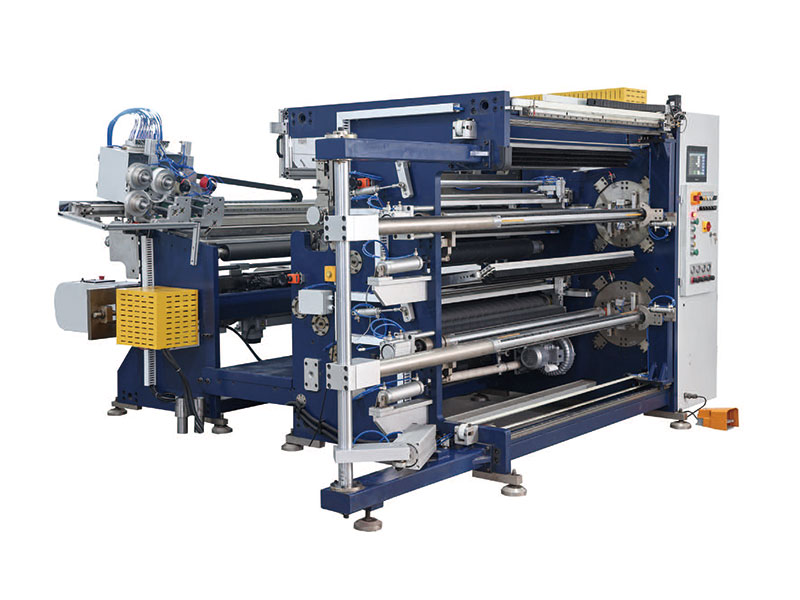 1350mm Hot Stamping Foil Slitting Machine
 Photo & Card Print Ribbon Rewinding Machine
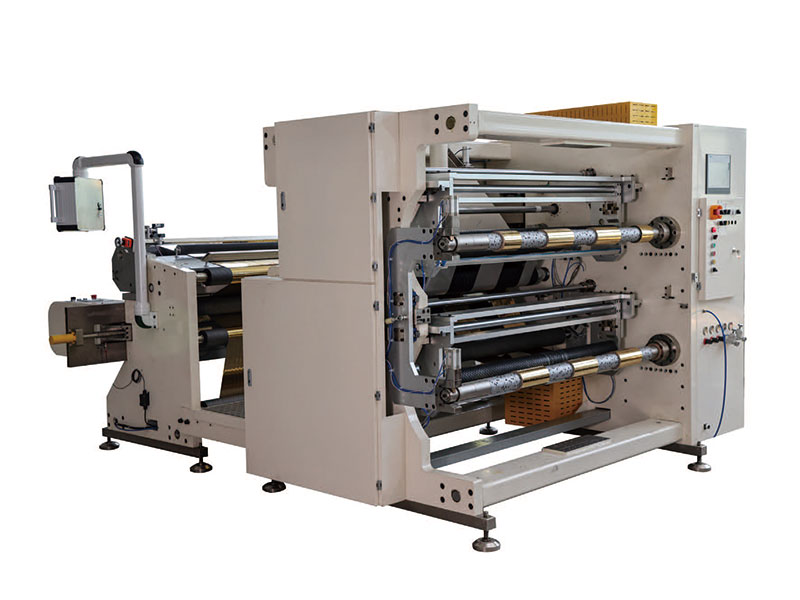 1400mm Copper Foil Slitting Machine
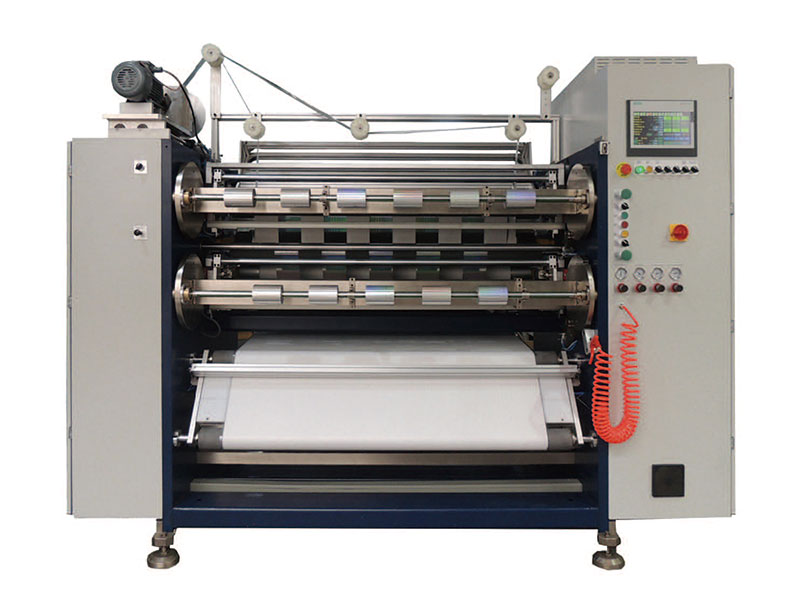 1350mm/1600 Foil Slitting Machine


 +86 135 9951 7291
 support@delishmachine.com