The solar film slitting machine is the core equipment for processing materials such as automotive film and building film, but for beginners just starting to use it, this high-speed machine also carries hidden risks. Improper operation can at best cause material waste or serious injury. To help everyone work safely, we have summarized the following five essential safety operation points to keep in mind.
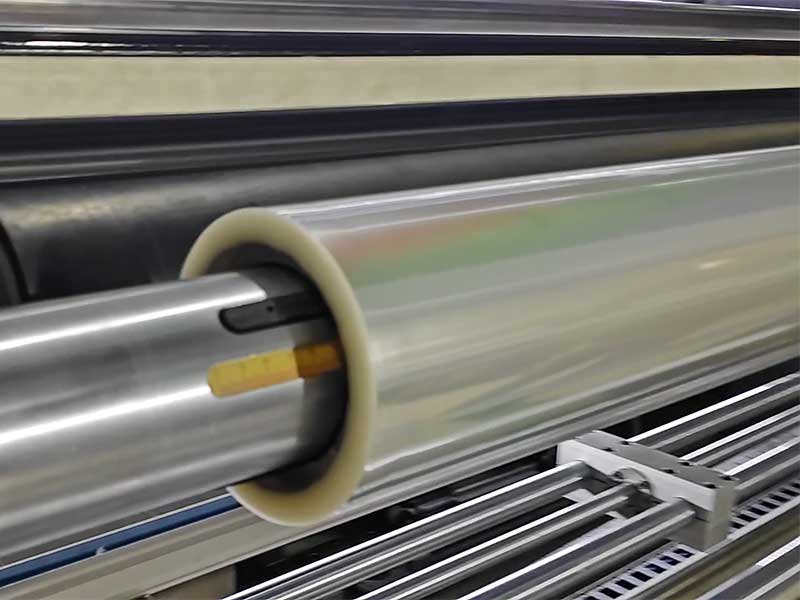
Key Point 1: Before starting work, personal protection must be in place
Before starting the machine, please check your attire and safety protection.
• No wearing: Do not wear loose clothing such as gloves, scarves, or ties; long hair must be tied up and pinned into a work cap. Prevent these items from being caught in the rotating reeling or blade shaft.
• Protective gear: It is recommended to wear cut-resistant gloves (to protect hands during loading and unloading, but to remove them when operating the control panel) and safety shoes (to prevent heavy membrane rolls from falling and injuring your feet).
• Status requirements: Stay alert; it is strictly forbidden to work after fatigue, medication, or after drinking alcohol.
Key Point 2: Before starting the machine, complete the "three checks"
Don't press the power button right away; spend a minute checking first:
1. Check for foreign objects: Check the machine's interior, tool holder, and retractable reels for any leftover tools, broken film, or debris.
2. Check the protective covers: Confirm that the protective covers of all transmission components (gears, belts, blades) are securely installed.
3. Check the emergency stop device: Press the emergency stop button to confirm that power cut-off is normal; After resetting, jog to test whether the machine is running abnormally.
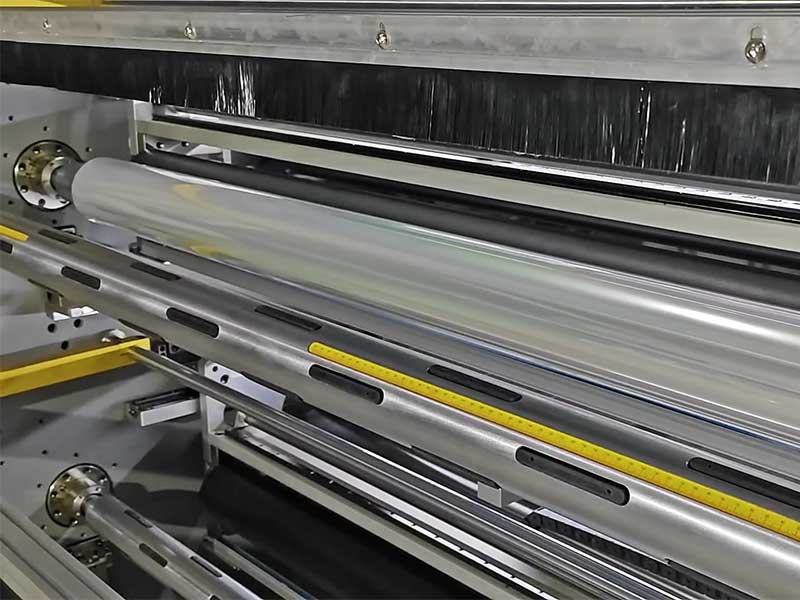
Key Point 3: Load and adjust the knife, and keep a safe distance between your hand and the blade
The round blades of slitting machines are extremely sharp, and changing and adjusting blades are common accident points.
• Use specialized tools: When changing blades, be sure to use a magnetic rod or knife holder handle; never touch the blade directly with your hands.
• Lock the power: Before any operation involving the cutter shaft (such as adjusting the cutter spacing), you must first press emergency stop or cut off the power, and hang a warning sign stating "Operator, do not close the switch."
• Test low-speed operation: After adjusting the tool, run it several times in low-speed jog mode to confirm no scratches or abnormal noises, then gradually increase the speed.
Key Point 4: During operation, hands are strictly prohibited from entering restricted areas
When equipment is operating normally, this is the most dangerous phase and must be observed:
• Red line area: Rolling and unwinding chucks, rotating blade shafts, and film width movement paths—these three areas are absolutely forbidden zones. Never try to smooth out wrinkles on the membrane surface or clean dust off the roller with your hands.
• Handling abnormalities: If issues such as film breakage or deviation occur, the correct approach is to immediately press the stop button and wait until the equipment has fully stopped before proceeding.
• Keep distance: Stand outside the safety line during operation; do not lean your body against the machine.
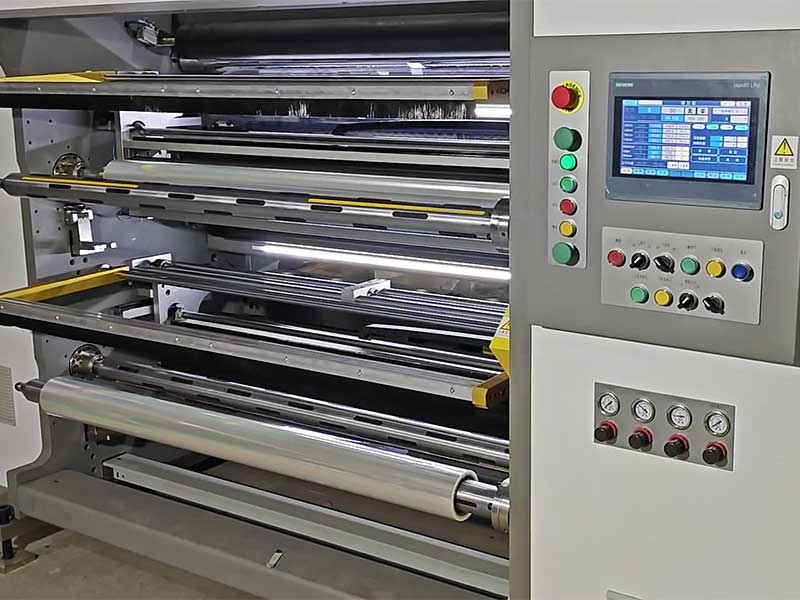
Key Point 5: Stop and wrap up the machine, develop the habit of confirming
After production ends, the safety process is not yet complete:
• Power off reset: Turn off the main power switch and reset all function buttons to their initial positions.
• Winding and unloading: When removing the finished film roll, be sure to lift it with both hands to prevent the heavy roll from slipping off. Use a discharge truck or lift platform to avoid bending over and applying improper force.
• Cleaning and Setting: Use an air gun or brush to clean debris and glue powder off the machine; do not blow the gun directly at people. Finally, return the tools and tools to the designated positions and fill out the equipment inspection form.
Special reminder for beginners:
• Train first, then start work: Never start working alone after watching a video or listening to a few verbal instructions from an experienced employee. They must undergo formal safety training at the factory entry level and team level.
• Ask if you don't understand: If you don't understand any button or adjustment mechanism, ask the technician first—don't try to figure it out on your own.
• Simulated exercise: If possible, practice the entire process of feeding, film penetration, and unloading without power. Once familiar with the movements, power on and run at low speed.
Safety is no small matter, especially in front of high-speed rotating slitting machines. Remember these five key points and follow them strictly; you can not only protect yourself but also make your equipment more stable and production more efficient. May every novice grow safely into a master craftsman.
 English
 Deutsch
 Français
 Español
 Português
 日本語
日本語 русский
 한국어
한국어 عربي
عربي ภาษาไทย
 Tiếng Việt
 Italiano
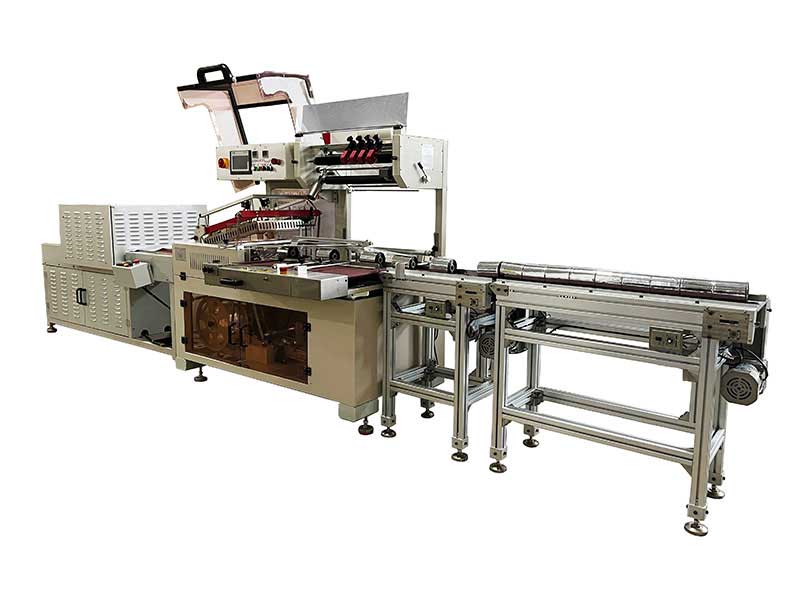 Thermal Transfer Ribbons Packaging Machine
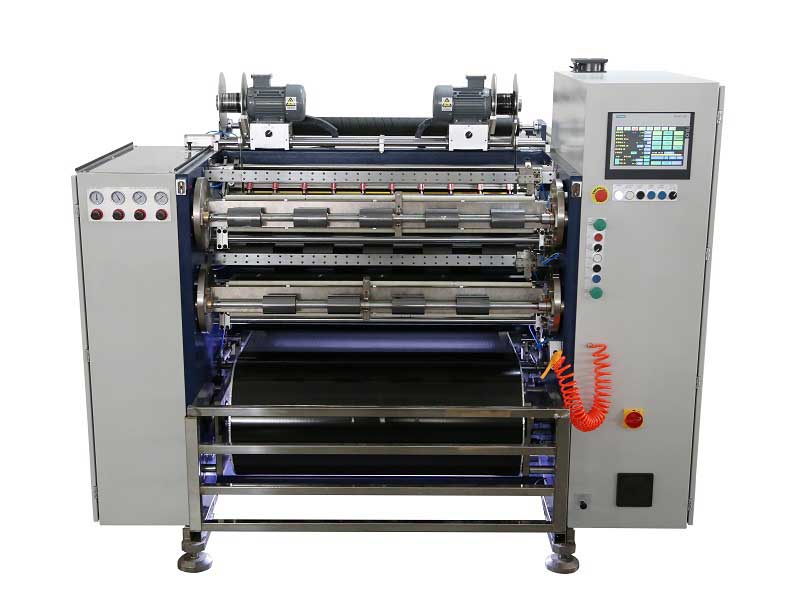 Automatic Thermal Transfer Ribbon Slitting Machine RSDS8 H PLUS
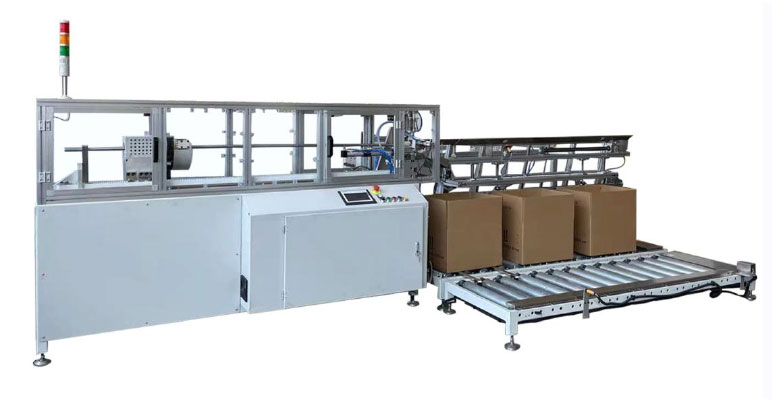 Automatic Paper Core Cutting Machine
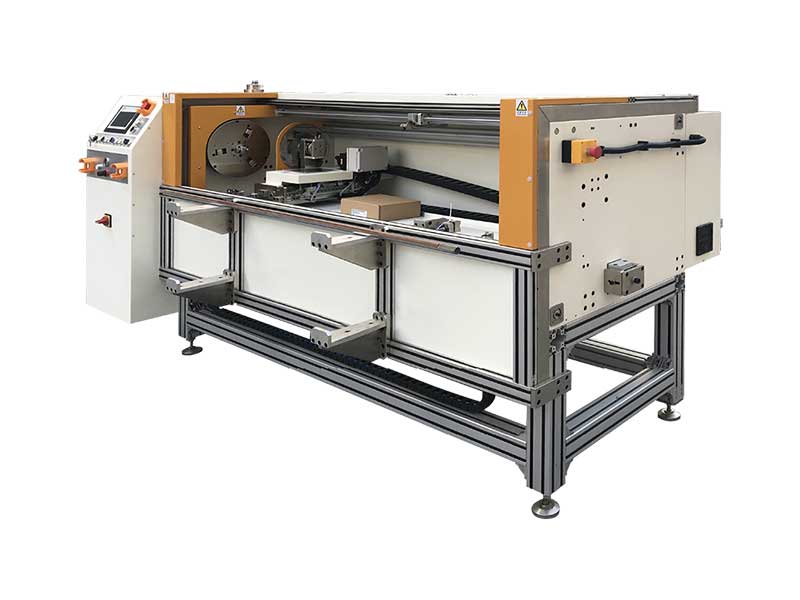 Automatic Foil Roll Cutting Machine
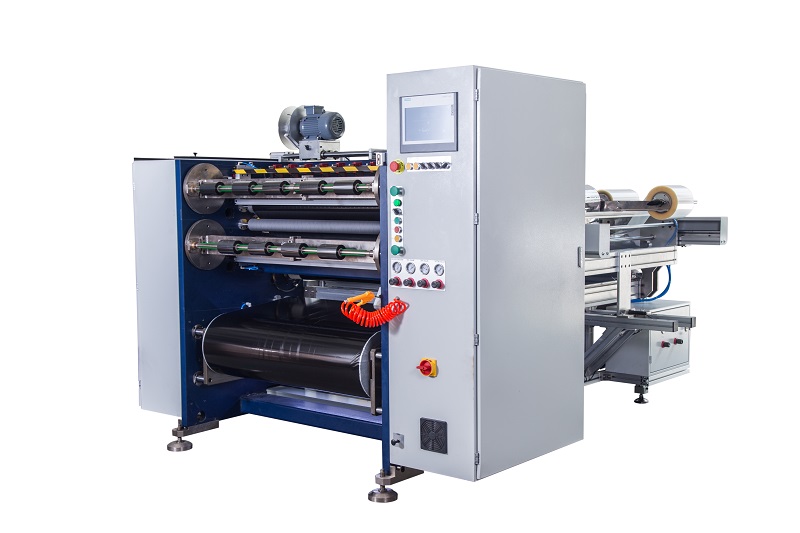 Semi Automatic Thermal Transfer Ribbon Slitting Machine RSDS5 PLUS
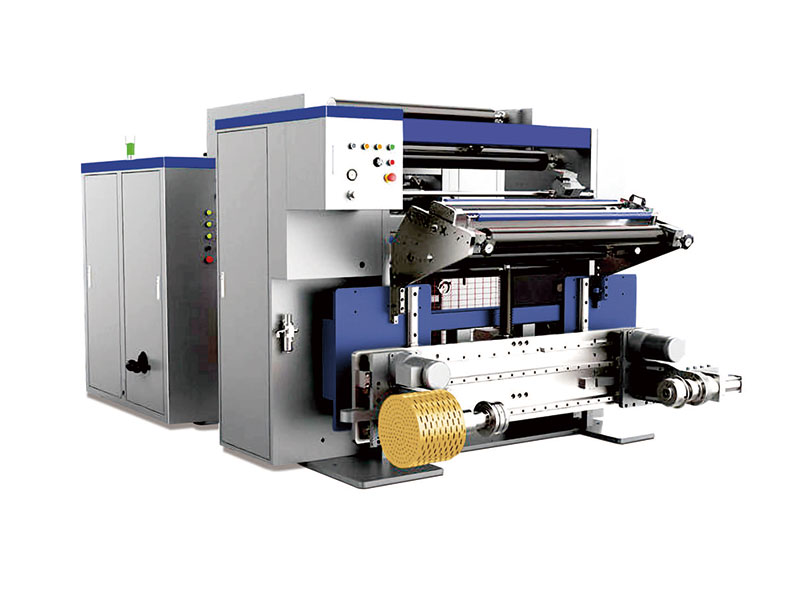 High Speed Slitting Machine
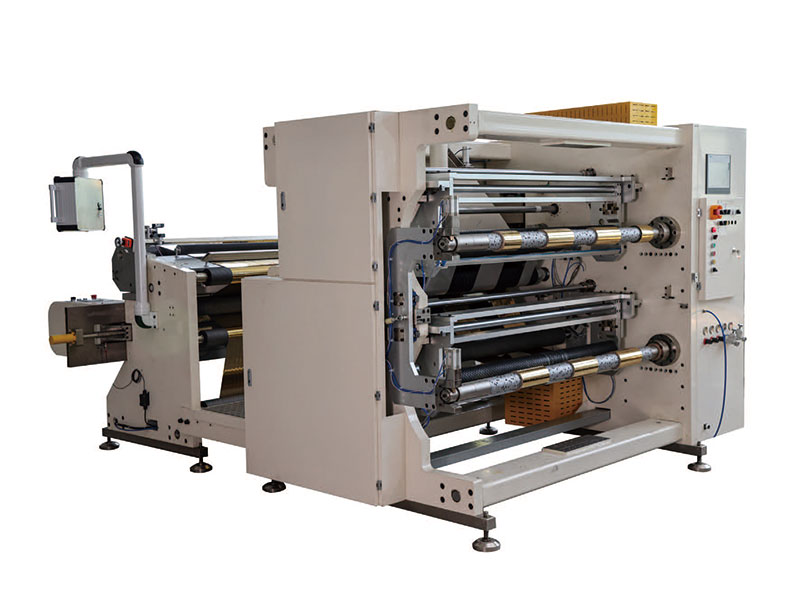 1400mm Hot Stamping Foil Slitting Machine
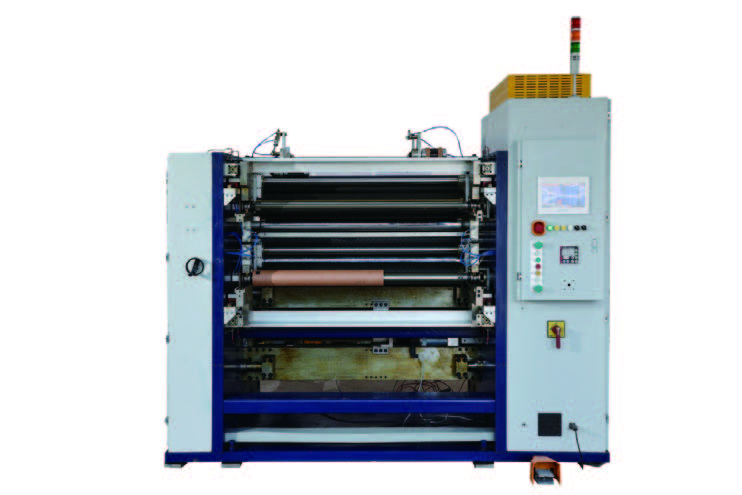 New Energy Ultra-thin Film Slitting Machine For Capacitive Film


 +86 135 9951 7291
 support@delishmachine.com