In modern solar film production, from wide mother rolls to finished small rolls that can be directly used for automotive windows or architectural glass, a key step must be passed through—slitting and rewinding. This process may seem simple, but in reality, it is a high-tech step integrating precision machinery, automatic control, and materials science. A high-end solar film slitting machine is essentially a highly skilled "industrial tailor," efficiently and precisely transforming bulky master rolls into lightweight, compliant end products.
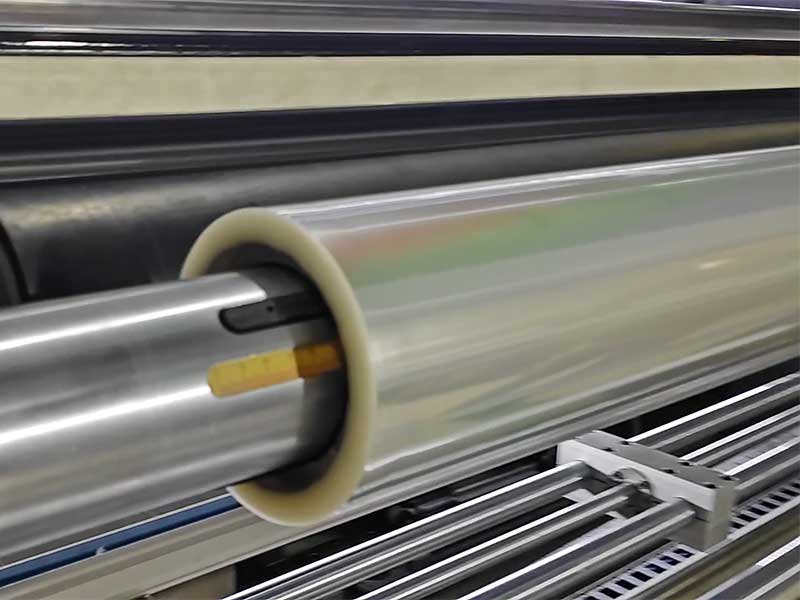
1. Core Mission: From "Big Volume" to "Small Volume"
Solar membranes originally came in wide mother roll form, with widths reaching 1.5 meters or even wider, and considerable weight. In practical applications, whether it's automotive side windows or architectural glass, the required film widths and lengths vary. The core task of the slitting machine is to divide these wide-width female rolls into narrow small coils of different specifications according to market demand, facilitating subsequent transportation, sales, and installation.
This process is not simply "cutting"; it is precisely completed through two core steps: slitting and rewinding.
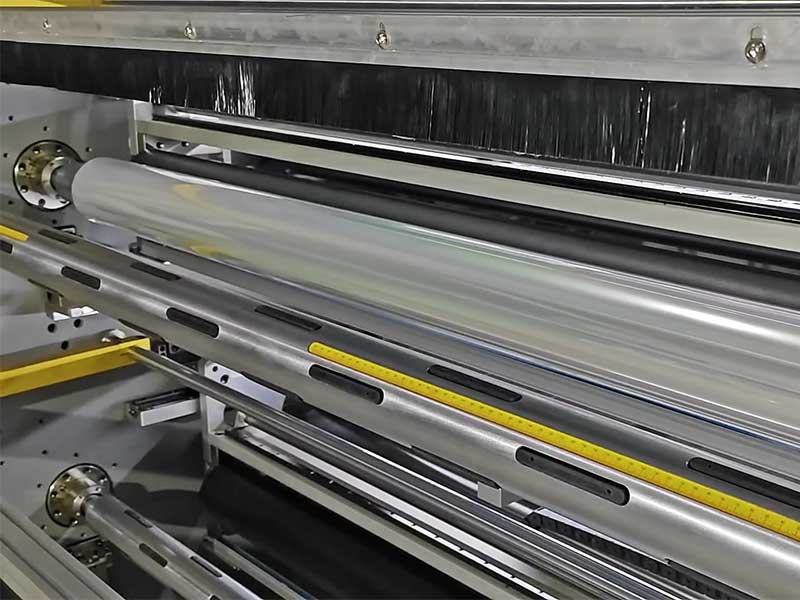
2. Slitting process: precise longitudinal section
Slitting uses sharp blades on the equipment to cut the high-speed wide-width film longitudinally into several narrow strips of preset width.
Modern high-end slitting machines can stably control the slitting width tolerance within ±0.1 millimeters, with smooth cuts and no burrs. This relies on highly rigid mechanical structures, servo drive systems, and precise tooling technology. For different types and thicknesses of film materials, the equipment can use straight or circular blades for slitting. For window films with metallized or composite layers, circular slitting provides a neater cut, effectively preventing delamination and edge warping.
3. Rewinding process: synchronous independent winding
While slitting is underway, the rewinding process also begins. Several narrow films that are cut are separately and synchronously wound onto their respective paper cores or tubes, forming neat, tight, independent small rolls. This step may seem simple, but it hides the biggest technical difficulty.
Because the thickness of the master roll is not absolutely uniform, the thickness of each narrow film after slitting also varies slightly. During simultaneous winding, thinner films become looser, while thicker films become tighter. To solve this problem, high-end slitting machines have introduced slip shaft (differential shaft) technology. Each slip ring can slide independently and automatically adjust its speed, ensuring that all finished rolls are wound with uniform tension and mirror-like flat ends.
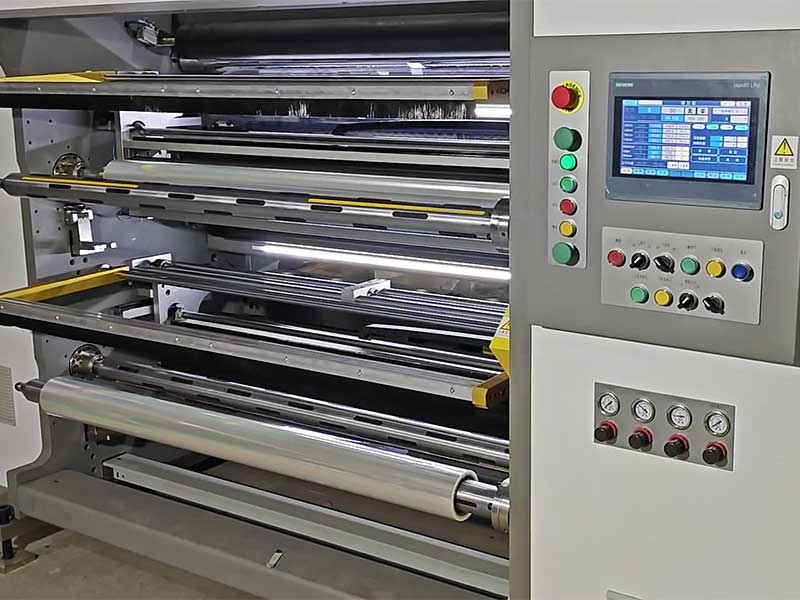
4. The Technical Pillars Behind the Scenes: The "Iron Triangle" of Ensuring Processes
To ensure the perfect execution of the two core actions—slitting and rewinding—the entire process relies on three major technical systems for support:
1. Constant tension control system: This is the "soul" of the slitting machine. The system uses PLC and tension sensors to maintain constant tension or adjust according to preset curves throughout the entire unwinding, slitting, and winding process, preventing stretching, deformation, and wrinkling of the film material, thereby ensuring uniform winding.
2. Automatic Correction System (EPC): The film material is prone to deviation during high-speed operation. The equipment is equipped with photoelectric or ultrasonic correction systems, acting like "smart eyes," monitoring the edge position in real time and automatically correcting it to ensure every cut follows a preset path.
3. Automated control system: Modern slitting machines use PLC and touchscreen control, allowing operators to easily set all parameters such as slitting width, winding length, tension, and operating speed, and store multiple slitting schemes, greatly improving production efficiency and flexibility.
Conclusion
The slitting and rewinding of solar films is a precise art under micron-level precision and milliaternary tension control. It is not just about narrowing the wide film; it also protects the integrity and functionality of every inch of membrane during high-speed movement. From independent speed regulation of the slip shaft to fully closed-loop constant tension control, these little-known core technologies together determine whether the final film applied to your window is flat, durable, and excellent.
 English
 Deutsch
 Français
 Español
 Português
 日本語
日本語 русский
 한국어
한국어 عربي
عربي ภาษาไทย
 Tiếng Việt
 Italiano
 Thermal Transfer Ribbons Packaging Machine
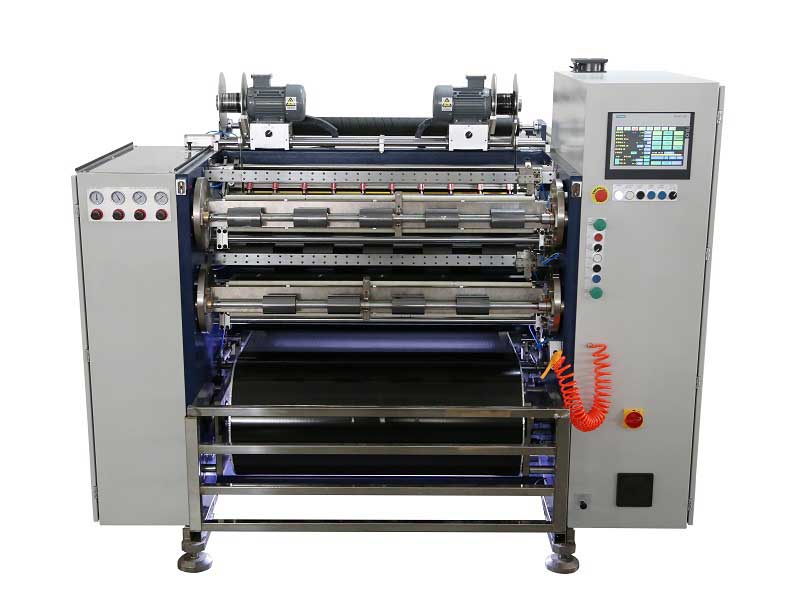 Automatic Thermal Transfer Ribbon Slitting Machine RSDS8 H PLUS
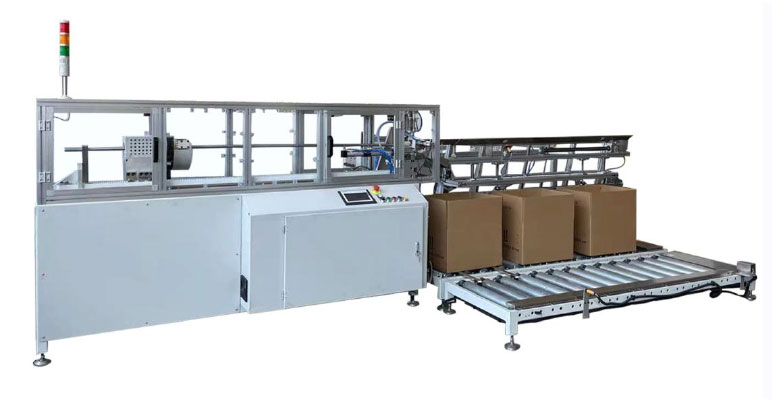 Automatic Paper Core Cutting Machine
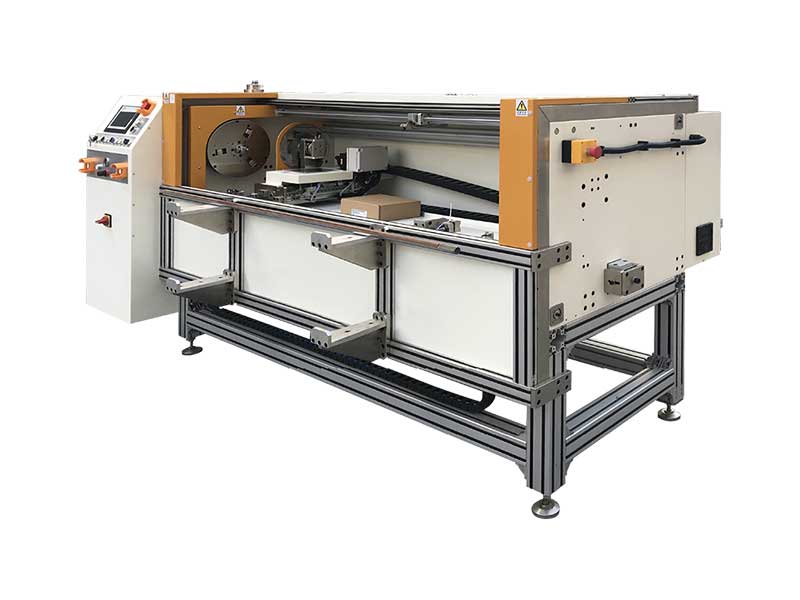 Automatic Foil Roll Cutting Machine
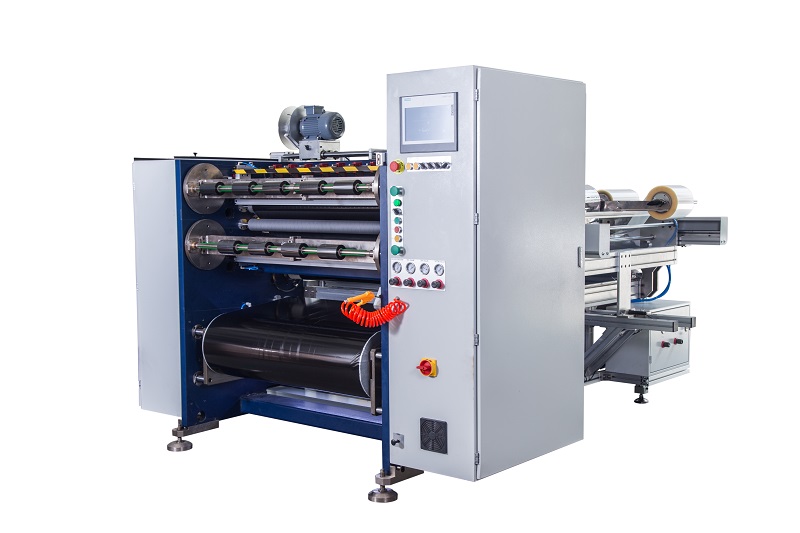 Semi Automatic Thermal Transfer Ribbon Slitting Machine RSDS5 PLUS
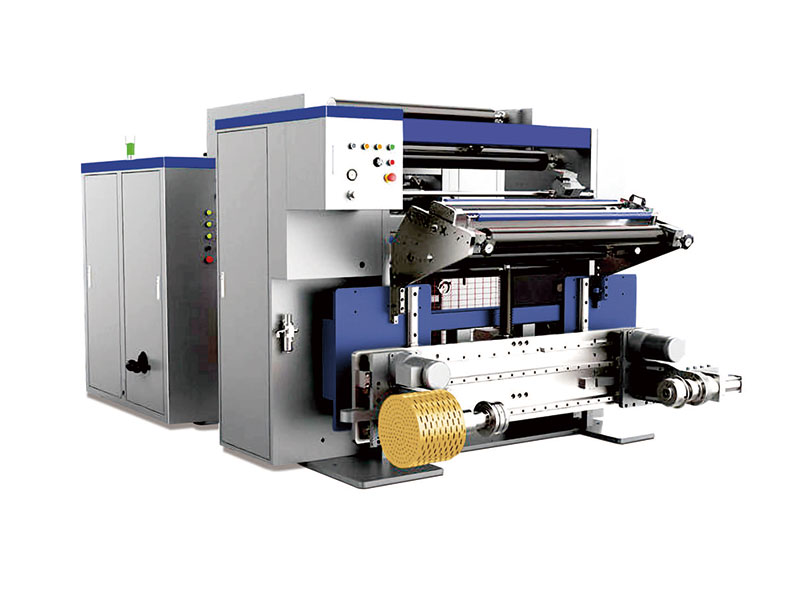 High Speed Slitting Machine
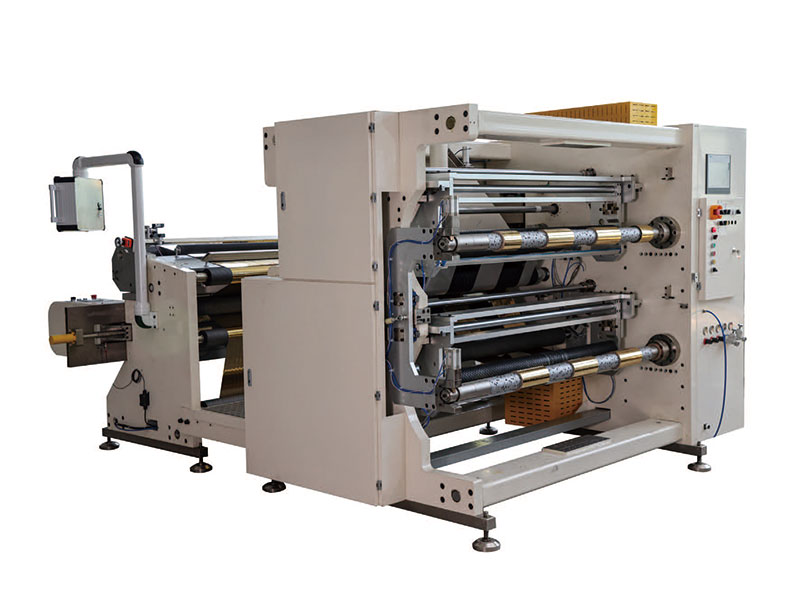 1400mm Hot Stamping Foil Slitting Machine
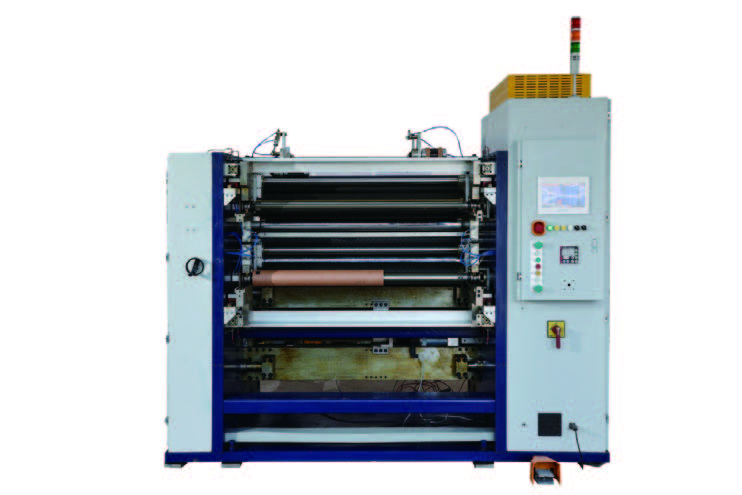 New Energy Ultra-thin Film Slitting Machine For Capacitive Film


 +86 135 9951 7291
 support@delishmachine.com