On luxury packaging, high-end tobacco and alcohol gift boxes, hardcover book covers, and various anti-counterfeiting labels, that layer of shimmering, finely textured gold foil often determines the product's first sense of value. However, few people know that this extremely smooth and flawless hot stamping effect does not come solely from the pressure control of the hot stamping plate or machine, but more on a key behind-the-scenes step—micro-tension control during the slitting process of the hot stamping foil.
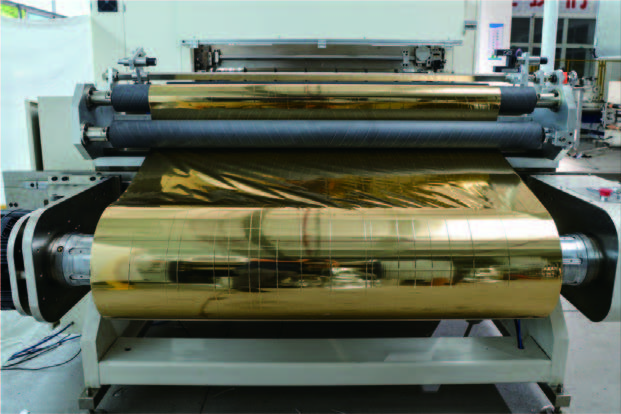
Hot stamping foil: a "delicate" representative among ultra-thin materials
Hot stamping foil (also known as electrochemical aluminum hot stamping foil) is usually composed of multiple layers of different materials: base layer PET film, release layer, color layer, aluminum coating, and hot melt adhesive layer. Their total thickness is often only 12–50 microns, thinner than a strand of hair. This multilayer structure makes it extremely sensitive to mechanical stress—excessive tension causes the foil strip to stretch, deform, or even break, causing pattern misalignment or incomplete stamping; If the tension is too low, the foil will deviate, wrinkle, or loosen, resulting in 'burnt burning' or 'missing strokes and broken strokes' during stamping.
Especially in the slitting stage—when slicing the wide-width large roll master roll into the narrow roll required by the customer, the foil strip operates at high speed, amplifying even the slightest tension fluctuations, which ultimately reflect the quality of the finished stamping product.
Challenges in micro-tension control: Why don't traditional methods work?
In ordinary material slitting, tension control can tolerate a certain range of fluctuations, usually controlled at ±5%–10% of the set value. However, for hot stamping foil, the requirements are often as strict as ±0.5%, or even stricter.
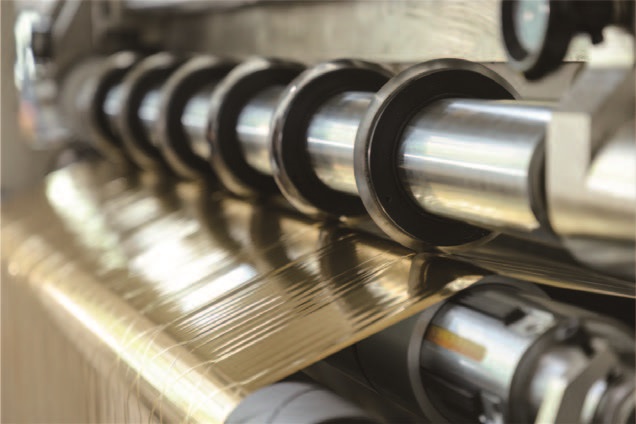
The difficulties lie in three aspects:
1. Ultra-low tension range: The operating tension during hot stamping foil slitting is usually only a few to a dozen newtons (equivalent to tens of grams to one or two kilograms). At this level, noise from the sensor itself, mechanical friction, and air pressure fluctuations from the air-floating roller all become interference factors.
2. Extremely low material rigidity: Hot stamping foil has almost no bending stiffness, is as soft as paper, but thinner and easier to stretch. Even slight vibrations at the slitting edge can trigger a chain reaction of tension fluctuations.
3. High speed and dynamic response: Modern slitting machines can reach speeds of 300–600 meters per minute. At this speed, the response time of the tension closed-loop control loop must be at the millisecond level. Ordinary PID controllers are prone to overshoot or oscillation.
Solution: Core technology of micro-tension control systems
To achieve reliable micro-tension control, high-end hot stamping foil slitting machines integrate the following key technologies:
1. Precision tension sensor
It uses strain gauge sensors with low hysteresis and high overload protection, with a range specifically matched to the hot stamping foil tension range (e.g., 0–50N), with a resolution of up to 0.01N. The sensor is installed directly below the bearing seat of the guide roller, minimizing transmission losses to the greatest extent. Some high-end models are also equipped with air-floating bearing rollers, reducing starting friction to nearly zero.
2. Low inertia and low friction actuator
Actuators typically use a rewinding shaft driven by a servo motor + planetary reducer, as well as a magnetic powder clutch or servo tension adjustment roller (dancing roller). Among them, the dance roller + cylinder combination can indirectly control tension through a positional closed-loop, making it especially suitable for ultra-low tension scenarios because it uses gravity or low-friction cylinders to generate constant torque, avoiding dead zones during extremely low torque output.
3. Intelligent control algorithms
A simple PID alone is difficult to meet the requirements. Modern systems adopt strategies that combine adaptive PID, feedforward control, and fuzzy control:
• Speed feedforward: Adjusts winding torque in advance according to changes in main machine speed to reduce lag.
• Taper tension control: As the winding diameter increases, the tension automatically decreases to prevent the inner foil from being compressed or causing "daisy core" curling.
• Roll diameter calculation compensation: Real-time calculation of roll diameter using ultrasound or encoder, correcting torque commands.
4. Separation design between the slitting blade and the tension zone
Isolation rollers or floating rollers are installed between the circular knife or razor slitting assembly and the tension detection area to prevent axial force and radial vibration generated by the cutter from feeding back to the tension sensor, resulting in positive feedback oscillation.
Practical application results: Gaps in data analysis
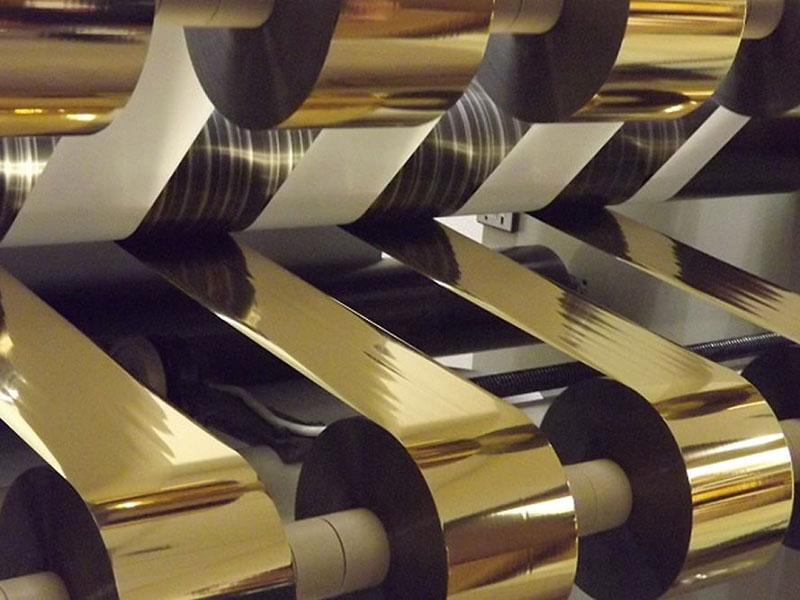
When cutting 12μm hot stamping foil on a standard slitting machine without micro-tension control, tension fluctuations often reach ±3%–5%, resulting in uneven end faces of the finished rolls, obvious color differences and "gold jumping" during stamping. High-end slitting machines using precise micro-tension control can compress tension fluctuations to within ±0.3%.
Taking a certain international brand hot stamping foil as an example: the narrow roll produced by cutting the same master roll on a micro-tension control machine reduces the foil stamping defect rate from 3.2% to 0.4%, and can achieve seamless continuous slitting above 12,000 meters per roll, greatly improving the continuous production efficiency and material utilization of downstream hot stamping enterprises.
Conclusion: Invisible skill, visible quality
When we pick up a box of exquisite gold-foil business cards or admire the magnificent gold logo on a limited-edition liquor packaging, few would realize that behind this uniform gloss and sharp contours lies a slitting machine running at high speed, skillfully controlling the smooth operation of ultra-thin foil strips with gram-level force.
Micro-tension control, this seemingly niche engineering technology, is precisely an invisible bridge from "usable" to "high-end" hot stamping foil. It is not flashy or ostentatious, but it determines whether the hot stamping material can instantly adhere perfectly onto paper or film, creating a touch of golden brilliance visually.
In this era that pursues ultimate surface finishes and brand quality, the micro-tension control of the hot stamping foil slitting machine quietly plays the role of the "unsung hero"—without it, no matter how good the hot stamping design is, it is just empty talk.
 English
 Deutsch
 Français
 Español
 Português
 日本語
日本語 русский
 한국어
한국어 عربي
عربي ภาษาไทย
 Tiếng Việt
 Italiano
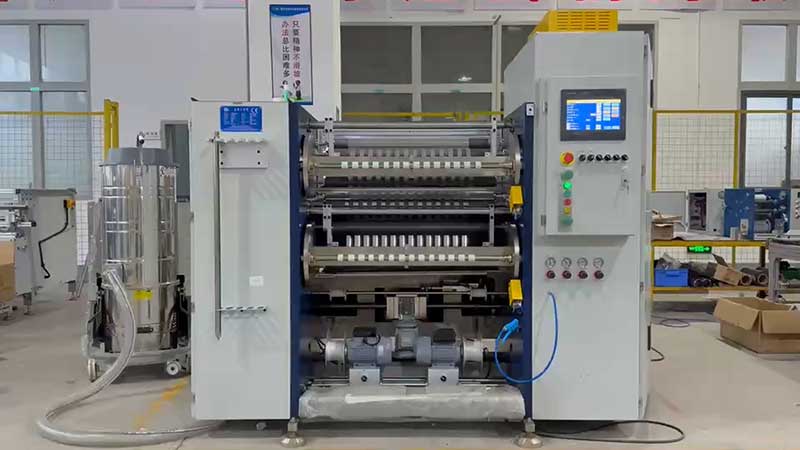
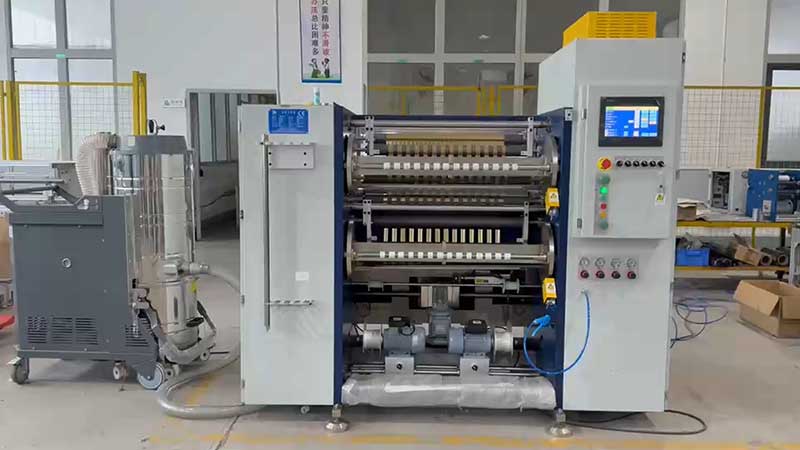
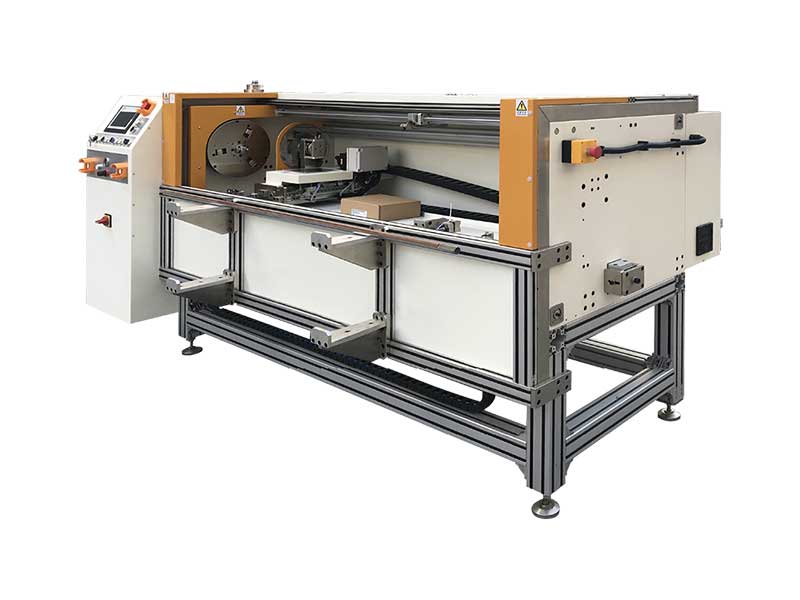 Automatic Foil Roll Cutting Machine
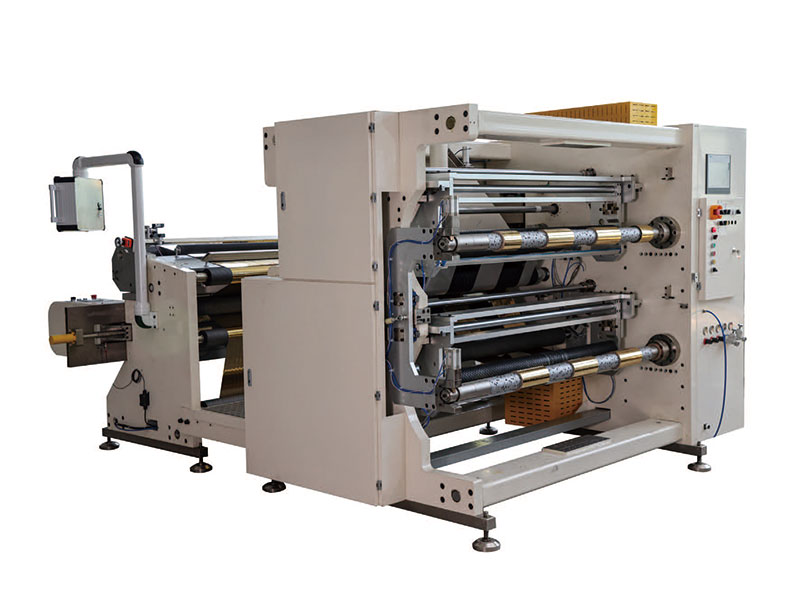 1400mm Hot Stamping Foil Slitting Machine
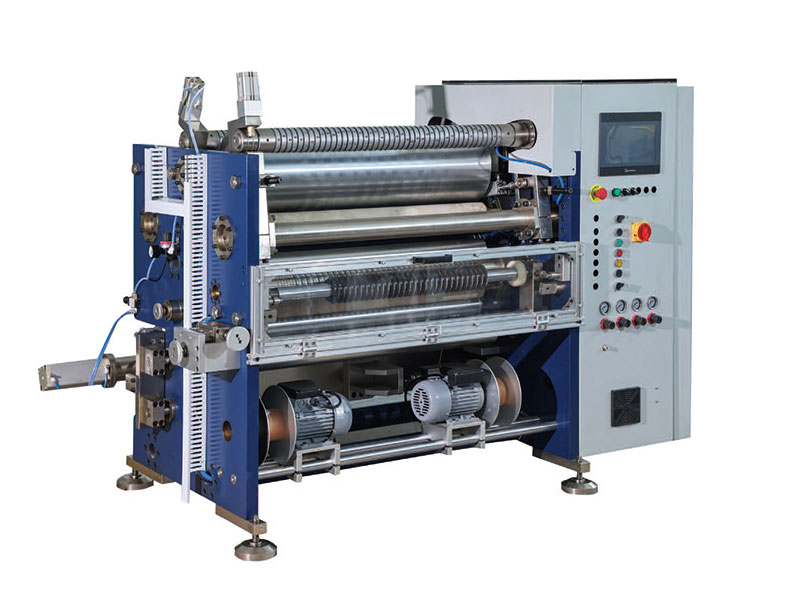 800mm Hot Stamping Foil Slitting Machine
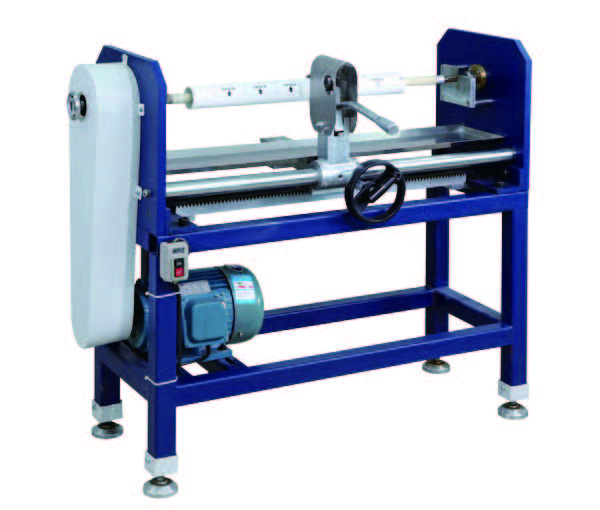 Manual Foil Roll Cutting Machine
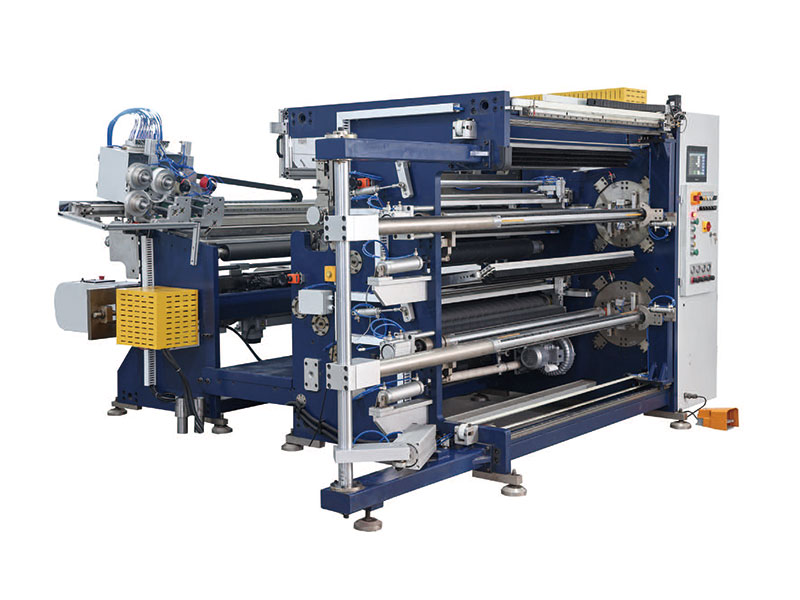 1350mm Hot Stamping Foil Slitting Machine
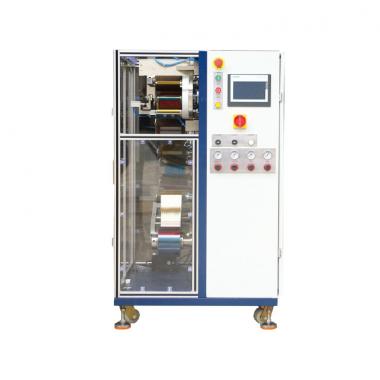 Photo & Card Print Ribbon Rewinding Machine
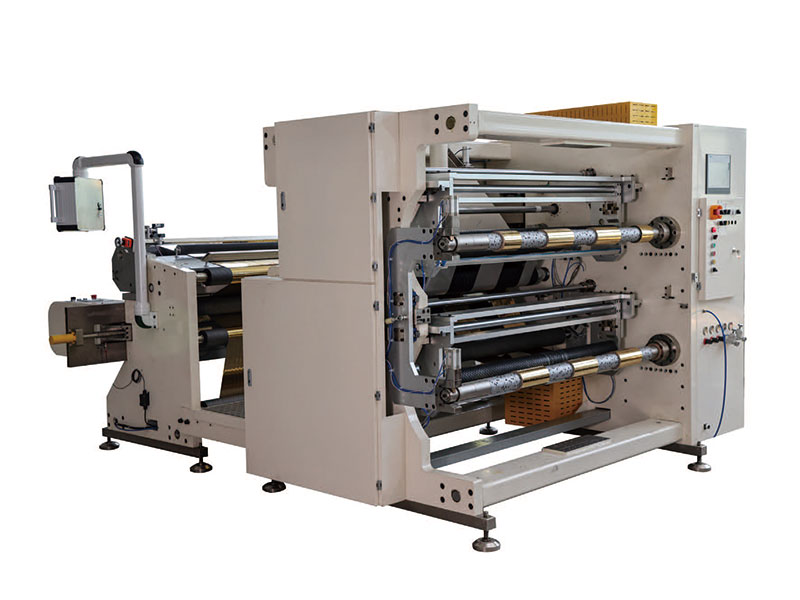 1400mm Copper Foil Slitting Machine
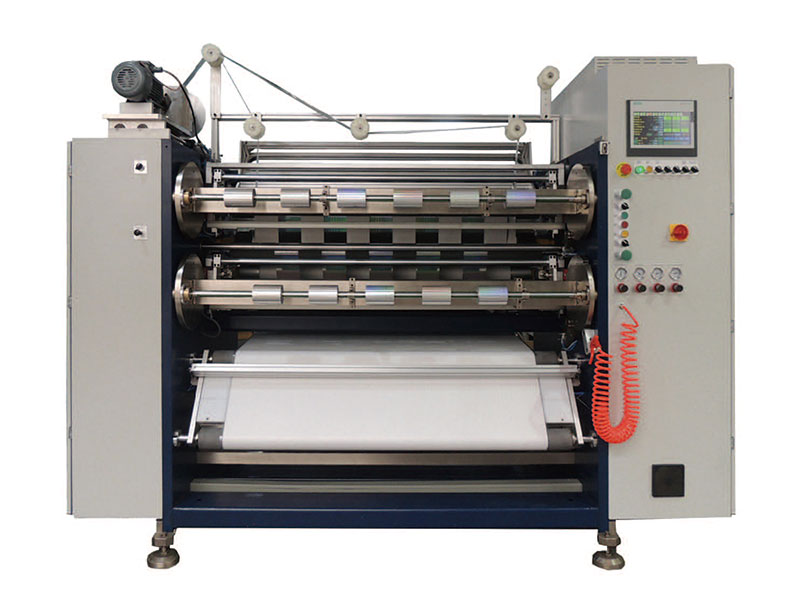 1350mm/1600 Foil Slitting Machine


 +86 135 9951 7291
 support@delishmachine.com